Overview of Large Size Printing Services
Large size printing services have become an integral component of modern visual communication, offering the ability to produce high-impact graphics, banners, posters, and signage on a scale that commands attention. These services are characterized by their capability to handle formats significantly larger than standard printing options, often exceeding 24 inches in width and extending to several meters in length. Such expansive printing options are essential across diverse industries, including retail, advertising, events, healthcare, architecture, and manufacturing, where impactful visual displays are crucial for branding, marketing, or informational purposes.
Businesses frequently leverage large size printing for creating eye-catching outdoor banners, trade show displays, wall murals, vehicle wraps, and point-of-sale signage. The versatility of large format prints allows for customization and high-quality output that meets extensive branding ambitions and spatial requirements. The core advantage resides in the ability to produce detailed imagery that remains sharp and vibrant even at considerable viewing distances, making large size printing a powerful tool for conveying messages effectively in high-traffic environments.
As the demand for attention-grabbing graphics continues to grow, so does the importance of understanding the various formats and applications of large size printing. From simple posters to complex murals, each application requires specific considerations to ensure that the final output maintains visual integrity and durability. The nature of the substrates and printing technologies used drives the quality, longevity, and visual impact of these large prints, emphasizing the importance of working with experienced, well-equipped printing providers. With the right approach, large size printing services enable brands and organizations to transform spaces and elevate their visual presence significantly.
Printing Technologies Used
For large size printing services, selecting the appropriate printing technology is essential to achieve high-quality results that are both vibrant and durable. The primary technologies utilized include UV flatbed printing, solvent printing, eco-solvent printing, latex printing, and dye-sublimation. Each method offers distinct advantages tailored to various substrates and environmental conditions.
UV flatbed printing involves curing ultraviolet light to instantly dry inks on rigid or flexible substrates, resulting in images with excellent sharpness and color depth. This technology is ideal for producing durable prints on non-porous materials, such as acrylic, PVC, and metal panels.
Solvent and eco-solvent printing utilize solvent-based inks to produce bold, weather-resistant images, making them suitable for outdoor signage and vehicle wraps. Eco-solvent inks are favored for their reduced environmental impact while maintaining high adhesion and longevity.
Latex printing employs water-based inks that are flexible and environmentally friendly, delivering vivid colors with excellent adherence to a variety of media. This method is commonly used for indoor and semi-outdoor banners, murals, and point-of-sale displays.
Dye-sublimation technology, in contrast, provides seamless, high-resolution prints ideal for fabric-based applications such as textiles, flags, and soft signage. The sublimation process results in prints that are embedded into the fabric, ensuring long-lasting vibrancy and resistance to cracking or peeling.
Materials and Substrates
Choosing the right substrate is crucial to optimize the durability and visual impact of large size prints. Common materials include vinyl, fabric, PVC, foam board, rigid plastics, and metal sheets—each offering specific benefits depending on the intended application.
Vinyl remains one of the most popular choices for outdoor signage due to its weather-resistant properties and ease of installation. Fabric substrates are favored for their lightweight and flexible nature, which allows for seamless mural installations and soft signage.
Rigid substrates such as foam board, acrylic, or metal provide a sturdy canvas for detailed, high-impact displays typically used indoors or in high-traffic environments. These materials also facilitate a clean, professional appearance with minimal warping or damage over time.

Design Considerations for Large Prints
Designing for large format printing demands attention to detail in resolution, color management, and layout. Files should be prepared at an appropriate DPI (dots per inch) to ensure sharpness when scaled to large sizes, typically 150-300 DPI depending on viewing distance.
Color accuracy is enhanced through proper color calibration, ensuring that prints match the intended visual identity across different mediums. High-resolution images, vector graphics, and clear typography are essential to maintain clarity at larger scales.
Consideration of environmental factors, such as lighting and viewing angles, influences the choice of finishes and mounting techniques. Matte, gloss, or satin finishes may be used based on aesthetic preferences and glare reduction needs.

Printing Technologies Used in Large Size Printing Services
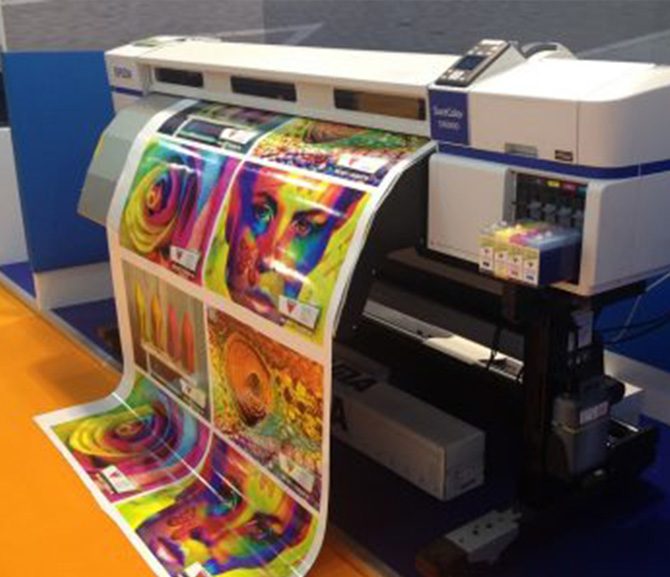
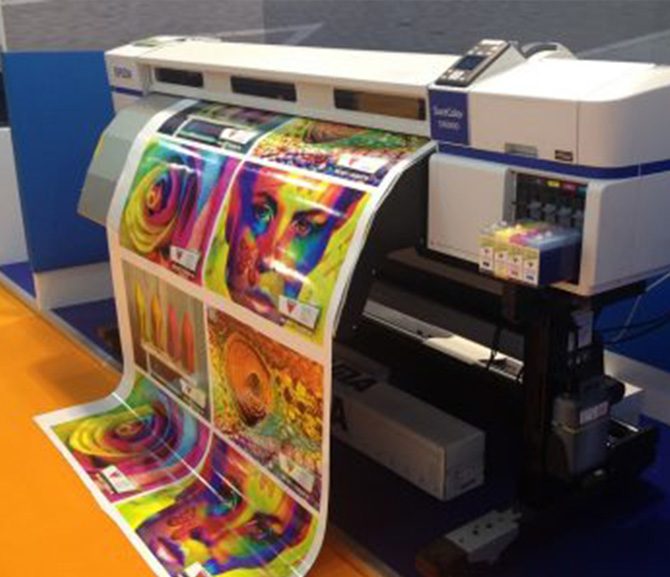
In the realm of large size printing services, the deployment of advanced printing technologies plays a pivotal role in delivering high-quality, durable, and visually striking outputs. Digital wide-format printers are at the forefront, utilizing sophisticated inkjet mechanisms that project precise droplets of ink onto various substrates. These printers are capable of handling media widths that surpass standard printing limits, which is essential for producing expansive banners, billboards, and signage.
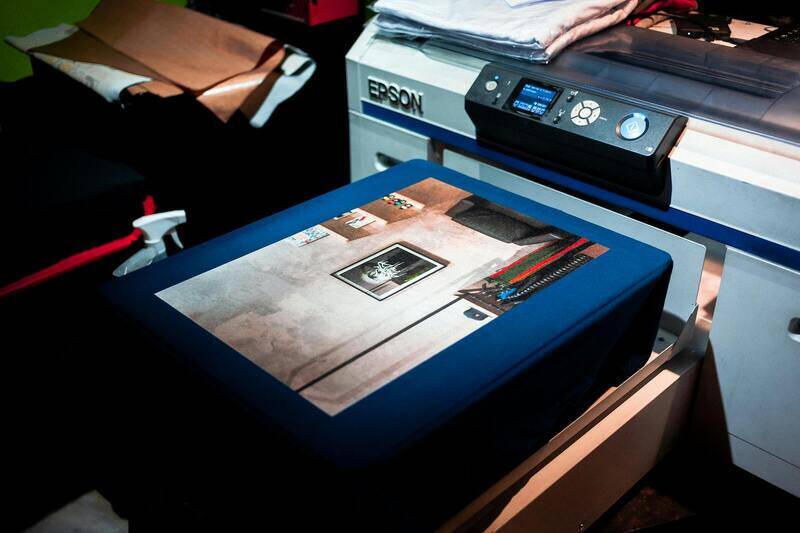
One of the primary advantages of digital wide-format printing is its ability to produce detailed images with smooth gradients and vibrant colors. This technology supports a broad spectrum of inks, including solvent, eco-solvent, UV-curable, and latex inks, each offering unique benefits such as weather resistance, quick-drying properties, and a wide color gamut.
UV-curable printers are particularly suitable for rigid substrates, where instant curing ensures sharpness and dimensional stability. Latex printing, on the other hand, is favored for its eco-friendly composition and flexibility, making it ideal for textiles and wallpapers.
The integration of high-precision ink delivery systems alongside advanced media handling capabilities allows for seamless production of large-scale graphics with consistent quality. Modern printers also incorporate automation features, such as automated media loading and cutting, which streamline workflows and reduce both production time and costs.

This technological foundation enables print providers to meet diverse client needs, from detailed indoor displays to large-scale outdoor advertisements, with exceptional color accuracy and longevity. As innovations continue, the emphasis remains on enhancing efficiency, expanding media compatibility, and improving environmental sustainability in large size printing services.
Materials and Substrates
Choosing the right material is a fundamental aspect of successful large size printing. Various substrates are available, each suited for specific applications and environmental conditions. Vinyl remains a popular choice due to its durability, flexibility, and affordability, making it ideal for outdoor banners, vehicle wraps, and point-of-sale displays. Its resistance to weathering and UV damage ensures graphics maintain their vibrant appearance over time.
Fabric substrates are preferred for indoor banners, trade show displays, and backdrops when a softer, sophisticated look is desired. Fabric prints offer excellent color vibrancy and can be easily folded or rolled for transport, adding convenience to complex projects. Mesh fabrics are utilized primarily for facade banners and sports stadium signage, where transparency and wind resistance are essential.
Specialty substrates expand the creative possibilities of large size printing. These include rigid options such as foam boards, aluminum panels, acrylic sheets, and forex, which are excellent for mounting high-resolution graphics in both indoor and outdoor environments. Additionally, eco-friendly materials such as recycled substrates and biodegradable options are increasingly being adopted to support sustainable practices without compromising print quality.
When selecting materials, factors such as exposure conditions, durability requirements, and display lifespan must be considered. Compatibility with chosen printing technology is crucial, as some substrates may require specific ink types or surface treatments to achieve optimal results. The ability to work with a broad range of materials allows print providers to offer customized solutions that meet client specifications and environmental considerations.
Design Considerations for Large Prints
Effective large-scale printing begins with thoughtful design. High resolution and appropriate file formatting ensure that images and graphics retain clarity when enlarged. Designers must consider the viewing distance, as details that appear crisp up close may not be as noticeable from afar. Color profiles and contrast levels should be calibrated for maximum visual impact and longevity.
Scaling artwork to match the dimensions of the final display requires precise calculation to avoid distortion or pixelation. Incorporating bleed areas and considering assembly tolerances are essential steps to facilitate seamless installation. Additionally, designing with weather resistance and UV stability in mind supports the overall durability of outdoor displays.
Applications and Industries Served
Large size printing services cater to a wide spectrum of industries, including retail, real estate, entertainment, and transportation. Retail stores leverage oversized banners and window graphics to attract attention and promote campaigns. Real estate professionals utilize large banners and signs for property displays, while event organizers depend on large format backdrops and stage graphics for impactful presentations.
Transportation hubs, such as airports and train stations, rely on expansive signage and directional boards to guide travelers efficiently. The advertising industry employs large billboards and transit ads to reach broad audiences, while the hospitality sector uses custom wall coverings and murals to create memorable guest experiences.
Choosing a Large Size Printing Service Provider
Selecting a reliable provider involves evaluating their technological capacity and material options. Look for services equipped with advanced wide-format printing equipment capable of producing high-resolution, color-accurate graphics. Experience handling various substrates ensures adaptability to project specifications. Turnaround times, quality assurance protocols, and client service are also critical factors to consider.
Requesting portfolio samples and discussing specific project needs can help assess a provider’s expertise. A transparent quoting process that details production steps, material choices, and delivery schedules will facilitate smooth project execution. Ensuring that the provider maintains consistent standards and stays updated with technological advancements guarantees optimal results for large size printing projects.
Design Considerations for Large Prints
Creating effective designs for large size printing services demands careful attention to several key factors. As the scale of the print increases, unresolved issues in resolution or color management can become significantly more visible, potentially undermining the visual impact of the final product. It is essential to understand that high-resolution images, typically at least 300 dpi, should be used to ensure clarity and detail in the larger format. Low-resolution graphics, which might appear acceptable on small screens or prints, can become pixelated and blurry when enlarged.
Resolution Optimization
Ensuring that images and artwork are created or converted at an appropriate resolution is fundamental. When preparing files, designers should work with vector graphics whenever possible, as these are resolution-independent and can be scaled without loss of quality. For raster images, a thorough check of dpi settings during file preparation can help prevent quality issues. When in doubt, consulting with the printing service provider about the optimal resolution and file specifications can help maintain clarity across all large format applications.
Color Management
Color accuracy is crucial to produce vibrant, consistent visuals that meet client expectations. The use of color profiles, such as CMYK for printing and RGB for digital design, ensures that colors are accurately represented during the printing process. Designers should communicate closely with the printing provider to understand the specific color gamut capabilities of the printing equipment and substrates. Conducting test prints or proofs allows adjustments before final production, minimizing costly reworks and ensuring the final colors match the original intent.
Layout and Composition
Effective large-scale designs require thoughtful layout planning to maximize visual impact. Elements should be bold and simple enough to be understood from a distance. Eye-catching typography, high-contrast color schemes, and strategic placement of key information enhance readability and engagement. Additionally, bleed areas and safe zones must be accounted for during the design phase to prevent important elements from being cut off or obscured during trimming.
Material and Finish Considerations
Design choices should be aligned with the specific material and finish used for large format prints. Glossy finishes can enhance vibrant colors and add a polished appearance, while matte surfaces reduce glare and reflections, improving visibility in various lighting conditions. Textured substrates might also influence font legibility or design intricacies, requiring adjustments to font weight or spacing. Collaborating with the printing services team can yield valuable insights into how different design features perform on selected materials.

Overview of Large Size Printing Services
Large size printing services encompass a broad spectrum of high-volume and high-quality printing solutions tailored for displays, banners, posters, billboards, and other expansive visual components. These services utilize advanced printing techniques to produce vivid, durable, and visually striking materials that command attention in various environments. Understanding the scope of these services is essential for businesses and individuals seeking to make impactful visual statements, whether for advertising campaigns, event displays, or architectural visuals. The process involves precise color management, large-format printing hardware, and a keen focus on material compatibility to ensure results meet specific dimensions and quality expectations.

Clients can opt for a variety of formats depending on their project needs, including banners, posters, backdrops, murals, and custom-sized signage. The advantage of these services lies in their ability to deliver custom sizes without compromising image clarity or color accuracy. Additionally, large size printing providers are equipped to handle complex graphic designs and intricate detailing that are necessary for branding consistency and aesthetic appeal across sizable formats.
Types of Large Size Printing Formats
The options available in large format printing are tailored to diverse project requirements, ranging from short-term promotional displays to permanent architectural integrations. Common formats include:
- Banners: Fabric or vinyl materials with reinforced edges for durability and ease of installation.
- Posters and Murals: High-resolution prints suitable for interior and exterior applications, often mounted on walls or other surfaces.
- Billboards: Massive outdoor advertising formats designed for maximum impact over long visibility periods.
- Signage and Wayfinding: Large directional and informational signs used in retail environments, airports, and transit stations.
- Backdrops and Event Graphics: Custom backdrops for photo shoots, stage settings, or branding at public events.
Specialized Formats
Some providers also support unconventional formats like fabric banners, 3D displays, and modular systems. These options cater to unique branding or environmental considerations, ensuring that brands communicate effectively across multiple context-specific large-scale visuals.
Printing Technologies Used
The main printing technologies employed in large size printing include:
- UV Cure Printing: Uses ultraviolet light to rapidly cure inks on a variety of substrates, offering vibrant colors and excellent durability, especially for outdoor usage.
- Solvent and Eco-Solvent Printing: Employs solvent-based inks that penetrate materials deeply, resulting in weather-resistant and long-lasting images suitable for outdoor installations.
- Latex Printing: Combines water-based inks with latex polymers, providing environmentally friendly options that produce flexible, high-quality prints with quick drying times.
- Eco-Solvent and Aqueous Inkjet: Ideal for indoor applications, delivering high-resolution images with a broad color gamut.
Each technology offers specific advantages in ink adhesion, color richness, and environmental impact, which should be matched to project requirements for optimal results.
Materials and Substrates
Selection of the right material is critical to ensure the longevity, appearance, and appropriateness of large size prints. Common substrates include:
- Vinyl: Popular for banners and outdoor signage, available in matte, gloss, or satin finishes.
- Canvas: Used for fine art reproductions, murals, or decorative backdrops, offering a textured look.
- Fabric: Light and flexible, often utilized for curtains, banners, or trade show displays.
- Polycarbonate and Aluminum Panels: Suitable for rigid signage with a sleek, modern appearance.
- Paper and Poster Boards: Typically used for indoor posters and promotional materials.
Surface properties—such as gloss level, texture, and adhesive qualities—must be matched to the intended use environment, installation method, and desired visual impact. Additionally, many substrates are recyclable or have eco-friendly variants, supporting sustainable practices in large format printing.
Design Considerations for Large Prints
Designing for large scale requires an emphasis on clarity, contrast, and readability. Effective features include:
- Bold Typography: To ensure text is legible from a distance, choose font sizes and weights that prioritize visibility.
- High-Contrast Color Schemes: Utilizing contrasting colors enhances visual impact and prevents images from blending into backgrounds.
- Simplicity of Design Elements: Avoid clutter; focus on core messages and imagery to maximize comprehension at a glance.
- Consideration of Viewing Distance: Designs should be scaled to match the expected observation range, with larger elements for distant viewers.
- Incorporating Safe Zones and Bleed Areas: Ensures that important graphics and text are not cut off during trimming or installation.
Proper resolution and image quality are paramount; images should be at least 150 dpi at full size to prevent pixelation. Color management during the design process is crucial, often requiring calibration to ensure that printed colors appear as intended across different substrates and lighting conditions.
Overview of Large Size Printing Services
Large size printing services provide an essential solution for businesses, organizations, and individuals seeking high-impact visual displays that command attention. These services specialize in transforming digital designs into vibrant, tangible prints that cover expansive surfaces, making them ideal for advertising banners, wall murals, trade show displays, and exterior signage. The process involves meticulous attention to detail, high-quality materials, and advanced printing technologies to ensure that large-scale images retain clarity, sharpness, and color accuracy across extensive dimensions. Recognized for their capacity to produce visually compelling graphics, these printing solutions are integral to marketing campaigns, event branding, cultural exhibitions, and architectural projects. They support a dynamic spectrum of applications, often custom-tailored to meet specific client needs, with a focus on durability, visual impact, and efficient turnaround times.

Types of Large Size Printing Formats
In large size printing, a variety of formats are available to suit different application requirements. Here are some common formats:
- Banners: Typically made from vinyl or mesh, banners are popular for outdoor advertising due to their durability and visibility. They can be printed in sizes reaching up to several meters in width and height.
- Wall Murals: Designed to cover entire walls or large sections, murals are printed on materials such as fabric, vinyl, or wallpaper substrates, often serving decorative or branding purposes.
- Posters and Billboards: These formats are optimized for high-resolution images, often produced on rigid or flexible substrates depending on installation needs.
- Trade Show Displays and Backdrops: Large-format fabric or vinyl prints are crafted for portable or permanent use, emphasizing quick installation and high visual impact.
- Vehicle Wraps: Custom printed graphics that adhere to the contours of vehicles, serving as mobile advertisements that require precise cutting and application techniques.
Printing Technologies Used
Advanced printing technologies ensure high quality and consistency in large format printing. Key methods include:
- Solvent and Eco-Solvent Printing: Known for their durability and color vibrancy, these printers are ideal for outdoor signage that must withstand weather conditions.
- UV Printing: Utilizes ultraviolet light to instantly cure inks onto substrates, providing excellent adhesion, scratch resistance, and the ability to print directly on rigid surfaces.
- Latex Printing: Offers eco-friendly options with vibrant colors, flexibility, and ease of application on various materials, making it suitable for versatile large formats.
- Piezoelectric and Eco-Solvent Inkjet: Commonly used for detailed graphics and photographs, providing high-resolution prints even on complex surfaces.
Materials and Substrates
Choosing the appropriate materials is crucial for ensuring the longevity and visual appeal of large prints. Common substrates include:
- Vinyl: The most widely used material for banners, wraps, and decals, available in matte, gloss, and mesh variants.
- Canvas: Provides a textured, artistic look suitable for murals and interior decor.
- PVC Panel and Acrylic: Used for rigid signs or display panels, offering durability and a polished appearance.
- Fabric: Ideal for printed backdrops, trade show displays, and indoor wall coverings due to its lightweight and flexibility.
- Wallpapers and Specialty Papers: Designed for interior decoration, with options for removable or permanent installation.
Design Considerations for Large Prints
Effective large size printing hinges on thoughtful design principles. Key considerations include:
- Resolution: Ensure images are at least 150 dpi at full size to maintain sharpness and clarity.
- Color Management: Use calibrated color profiles to replicate the intended hues accurately across different substrates.
- Simplicity and Impact: Avoid overcrowding; focus on bold visuals and clear messages that are easily comprehensible from a distance.
- Scale and Proportion: Design elements should be proportionally scaled to optimize readability for viewers at varying distances.
- Safe Zones and Bleed Areas: Incorporate margins to prevent essential content from being cut during trimming or installation processes.

Choosing the Right Material and Substrate for Large Size Printing
Selecting the appropriate material is essential to ensure durability, visual appeal, and functionality of your large format prints. Different applications demand different substrates, each with unique properties that cater to specific needs.
Common Materials and Their Uses
- Vinyl: The most versatile and widely used substrate, suitable for outdoor banners, vehicle wraps, and wall decals. Vinyl offers resistance to weather elements and is available in various finishes, including matte, gloss, and mesh for breezy environments.
- Canvas: Ideal for murals, art reproductions, and interior decor. Canvas provides a textured surface that enhances visual richness and is appreciated for its artistic appeal.
- PVC Panels and Acrylics: Used when rigid displays are required, such as trade show displays, signage, and retail signs. These materials provide a sleek, glossy finish that looks professional and high-end.
- Fabric: Favored for backdrops, trade show displays, and indoor wall coverings, fabric substrates are lightweight and flexible, allowing for easy transport and installation. They are also suitable for dye sublimation printing, offering vibrant color output.
- Wallpapers and Specialty Papers: Designed for interior decorations, these materials offer removable or permanent options, allowing for customizable and stylish interior designs.

Key Factors in Material Selection
When choosing a material, consider environmental exposure, the installation environment, and the desired lifespan of the print. For outdoor applications, materials with weather-resistant properties, such as laminated vinyl or coated fabrics, are preferable. For indoor displays, aesthetics and ease of installation might take precedence, making canvas or wallpaper substrates more suitable.
Design Considerations for Large Size Printing
Effective large-format printing hinges on strategic design principles to maximize impact and durability. Prominent factors include resolution, color management, and visual impact.
Optimizing Design for Large Prints
- Resolution: Always work with a minimum of 150 dpi at full size to prevent pixelation and ensure sharp, clear visuals. Using high-resolution images from professional sources is vital.
- Color Management: Calibrated color profiles help achieve consistent color reproduction across different substrates and printing devices, maintaining brand standards and visual integrity.
- Simplicity and Impact: Focus on bold, uncomplicated visuals that can be easily viewed from a distance. Overly complex designs may lose clarity when scaled up.
- Scale and Proportion: Design elements should be proportionally enlarged to maintain legibility and visual hierarchy. Text should be bold enough for immediate recognition.
- Safe Zones and Bleed Areas: Incorporate margins to account for trimming and installation, preventing critical content from being cut or obscured.
Environmental and Sustainability Aspects
Modern large size printing services are increasingly adopting eco-friendly practices, emphasizing sustainability without compromising quality. Recyclable materials such as biodegradable vinyl and fabric substrates reduce environmental impact. Additionally, many printers utilize water-based or soy-based inks, which emit fewer volatile organic compounds (VOCs). Implementing efficient printing practices, such as optimizing ink usage and waste management, further enhances sustainability efforts. Customers seeking environmentally responsible options should inquire about the availability of recycled materials, biodegradable substrates, and energy-efficient printing technologies. These practices not only support ecological preservation but also align with corporate responsibility and branding initiatives dedicated to sustainability.