Overview of Banner Printing in Singapore
Banner printing in Singapore has become an integral component of modern marketing strategies and event promotions. With the city's vibrant business landscape and bustling event scene, high-quality banners serve as essential visual tools to attract attention, communicate messages effectively, and enhance brand visibility. From grand promotional campaigns to small-scale corporate events, banners offer a versatile and impactful medium that can be customized to suit various specifications and objectives.
In Singapore, a competitive market for banner printing services has developed, emphasizing craftsmanship, technological advancement, and prompt delivery. This ensures that businesses and individuals can access a wide range of options tailored to different budgets and needs. Local providers are equipped to produce banners suitable for indoor and outdoor use, crafted with durable materials that withstand Singapore’s humid climate and varying weather conditions.

Campaigns for retail stores, corporate branding, trade shows, and public events all rely heavily on effective banner printing to generate visibility and engagement. The importance of high-quality, well-designed banners cannot be overstated in a competitive environment where first impressions make a lasting difference. Reliable banner printing providers in Singapore focus on delivering crisp visuals, vibrant colors, and durable materials that maintain their appeal regardless of environmental exposure.
Choosing the right banner printing service involves understanding the scope of options available, the materials used, and the technological methods that ensure the final product meets professional standards. Whether for temporary promotions or long-term branding, Singapore’s banner printing industry caters to diverse needs, making it a cornerstone of successful marketing and event execution.
Materials Used in Banner Printing
Choosing the appropriate material is essential for achieving optimal durability, visual impact, and suitability for specific applications in banner printing. In Singapore, a wide range of materials are available, each with unique properties that cater to indoor or outdoor use, budget constraints, and design requirements.
Vinyl remains the most popular material for outdoor banners due to its resistance to weather elements like rain, humidity, and UV exposure. Specifically, calendared vinyl offers affordability and flexibility, making it suitable for temporary promotional events, while premium polymer-based vinyl provides enhanced durability for long-term installations. Mesh banners, which incorporate small perforations, allow wind passage, reducing the risk of damage on high-rise structures or exposed outdoor environments, making them ideal for building wraps and large-scale advertisements.
Fabric banners, often made from polyester or nylon, are favored for their high-quality finish and elegant appearance. They are commonly used for indoor displays, trade shows, and corporate events. The smooth surface enhances the vibrancy of dye-sublimation prints, ensuring colors are vivid and sharp. These fabric options are also lightweight and easier to store or transport.
Retractable banners or roll-up banners use lightweight materials with a sturdy resin or aluminum structure, offering portability and quick setup. The printing on these banners is typically done on vinyl or fabric substrates, permitting high-resolution images that grab attention during presentations or promotional activities.
Specialty options include reflective materials for nighttime visibility, eco-friendly substrates made from recycled or biodegradable content, and satin or gloss finishes that add a premium touch to indoor displays. When selecting materials, it is crucial to consider environmental factors, lifespan expectations, and aesthetic preferences to ensure the banner's performance aligns with marketing goals.

Factors to Consider When Selecting Banner Materials
- Environmental Exposure: Resistance to moisture, UV rays, and wind.
- Intended Duration: Temporary vs. long-term use influences material choice.
- Design Complexity: Surface smoothness for detailed and vibrant prints.
- Budget: Balancing cost and quality for cost-effective solutions.
- Ease of Installation: Lightweight and flexible options for quick setup or dismantling.
Materials Used in Banner Printing
In Singapore’s bustling commercial environment, selecting the appropriate materials for banner printing is critical to ensure both visual impact and longevity. Commonly used materials include vinyl, fabric, mesh, and eco-friendly substrates, each with specific advantages aligned with varying marketing objectives and environmental conditions.
Vinyl remains the most prevalent choice owing to its robustness and weather-resistant properties. It provides excellent durability against Singapore’s humid climate and sudden rain showers. Its smooth surface allows for high-resolution printing, capturing intricate details and vibrant colors that enhance brand visibility. Additionally, vinyl banners are flexible and lightweight, making them easy to install and transport, which is essential for on-the-go promotional campaigns.
Fabric banners, often made of polyester or dye-sublimation materials, are favored for indoor settings or upscale events where a premium appearance is desired. These fabrics display rich textures and offer a satin or matte finish that reduces glare and provides a sophisticated look. Their ability to produce high-quality images makes them suitable for exhibitions, trade shows, or company receptions where branding needs to be both eye-catching and stylish.
Mesh banners, designed with perforations, are ideal for outdoor environments. They allow wind to pass through, reducing stress on structures and preventing the banner from tearing or flapping excessively. The perforated surface still retains a fair degree of color vibrancy, making them suitable for large-scale outdoor advertising across busy Singaporean streets or construction sites.
Eco-friendly materials are increasingly popular among companies aiming to demonstrate sustainability commitments. These substrates are typically made from recycled plastics or biodegradable components. While maintaining durability and visual appeal, eco-friendly banners help align branding efforts with environmentally responsible practices prevalent in Singapore’s corporate landscape.
The choice of material impacts not only the visual quality but also the overall effectiveness and lifespan of the banner. When selecting materials, it is essential to consider environmental exposure, duration of use, and aesthetic preferences to optimize both performance and cost-efficiency. Weather-resistance properties such as UV protection, waterproofing, and wind resistance extend a banner’s usability, particularly for outdoor applications in Singapore’s tropical climate.
Design and Artwork Preparation
Creating compelling visuals begins with accurate artwork preparation aligned with the specific dimensions and material specifications of the banner. High-resolution digital files are essential to ensure clear, sharp images, especially when large-format printing demands detailed output. Designers often use vector graphics for logos and textual elements to retain sharpness at any scale, while raster images should be at least 300 dpi for optimum clarity.
Color management during the design phase is crucial to ensure that the printed colors match the digital concept. CMYK color modes are typically used, as they are compatible with the printing process. Previewing proofs or mock-ups before final printing helps identify potential design issues, enabling adjustments for optimal visual impact.
Designers should also consider location-specific factors such as lighting conditions and viewing distances. For outdoor banners, high contrast and bold fonts improve legibility from afar, while detailed artwork is better suited for close-up indoor displays. Proper alignment and bleed margins should be incorporated into the artwork file to prevent cropping or misalignment during printing.
Lastly, working with professional graphic designers or dedicated print specialists can help refine artwork to meet technical specifications and marketing goals. Consistent branding elements, appropriate font sizes, and balanced composition contribute significantly to the overall effectiveness of the banner.
Materials Used in Banner Printing
Selecting the appropriate material is pivotal in ensuring the durability, appearance, and overall effectiveness of your banner. In Singapore, banner printing providers offer a range of materials tailored to various needs, from short-term advertisements to long-term outdoor signage. Vinyl remains the most popular choice due to its durability and weather resistance, making it ideal for outdoor banners exposed to Singapore’s tropical climate. PVC banners, often coated with a matte or gloss finish, provide vibrant color reproduction and are resistant to tearing and fading.
Alternative materials include mesh banners, which are designed with tiny holes allowing wind to pass through, reducing the risk of damage in windy conditions. Canvas banners, with their textured surface, lend a more upscale, artistic feel suitable for exhibitions and interior displays. Fabric banners made from polyester or polyester blends are also gaining popularity for their ease of handling, folding compactly, and producing vivid, high-quality images.
An important factor in material selection is the intended placement environment. For outdoor banners, UV-resistant coatings help prevent fading from sunlight exposure over time. Conversely, indoor banners may prioritize a smooth finish that enhances image clarity and color accuracy. Additionally, some materials are designed with eco-friendliness in mind, featuring recyclable or biodegradable options that align with sustainable practices.
Durability also depends on the thickness or weight of the material, commonly measured in grams per square meter (gsm). Thicker banners (around 440gsm or higher) offer increased longevity and resistance to physical stress but may incur higher material costs. Thinner options (around 115gsm) are suitable for temporary events and indoor displays where cost-effectiveness is a priority.
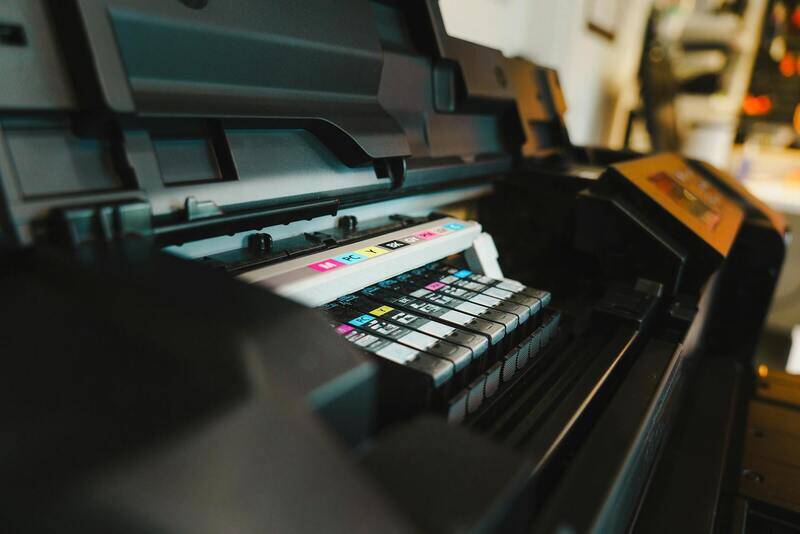
Manufacturers often utilize advanced printing techniques compatible with selected materials to ensure vibrant, accurate output. For instance, solvent, UV, or latex printing technologies cater to different substrate types, optimizing color vibrancy and material adherence. Proper handling, storage, and transportation of the printed banners are crucial in maintaining the quality of the final product. Working closely with professional printing specialists helps secure the right material choices aligned with project goals, environmental conditions, and budget.
Design and Artwork Preparation for Banner Printing
When preparing artwork for banner printing, precision and clarity are essential to achieve a professional and impactful display. The design process begins with selecting the appropriate dimensions, which should consider the intended viewing distance and placement. Larger banners meant for outdoor visibility require higher-resolution images—typically 150 to 300 dpi at final print size—to maintain sharpness and detail from afar. For indoor banners, a slightly lower resolution might suffice, as viewers are generally closer to the display.
Creating a design that is visually engaging involves careful consideration of color schemes, font choices, and imagery. High contrast between background and text enhances readability, especially for information-rich banners. Vector graphics are recommended for logos and text to prevent pixelation, ensuring scalability without loss of quality. Raster images should be embedded at maximum resolution to prevent blurring.
Artwork files should be formatted according to the printer's specifications, often requiring formats such as PDF, AI, or EPS. Bleed margins should be incorporated into the design to avoid unwanted white borders after trimming. Working with a professional designer or a printing specialist familiar with banner dimensions and output standards can significantly streamline this process.
For optimal results, color profiles such as CMYK should be used during the design phase, aligning digital colors with printed hues. Mock-up proofs or digital previews enable clients to visualize the final product and request adjustments before production begins. This proactive approach minimizes revisions and ensures that the finished banner meets marketing objectives.
The alignment of design elements, adherence to technical specifications, and strategic use of visual hierarchy contribute to the overall effectiveness of banner advertising, ensuring that the final print truly captures audience attention and communicates the intended message clearly.
Understanding the Material Choices in Banner Printing
Selection of the appropriate materials is a fundamental aspect of creating durable and visually appealing banners in Singapore. The physical properties of each material influence the banner's longevity, weather resistance, and visual impact. Among the most prevalent materials used are vinyl, mesh, fabric, and polyester-based substrates. Each offers distinct advantages tailored to different advertising needs.
Vinyl remains a popular choice for its robustness and versatility. It is highly resistant to environmental factors such as rain, UV rays, and wind, making it suitable for both indoor and outdoor displays. Its surface typically allows for vibrant, high-resolution printing, ensuring vivid graphics and sharp text. Mesh banners, characterized by their perforated surface, deliver enhanced airflow, minimizing wind load and tearing risks. They are ideal for large-format banners placed in high-wind zones or outdoor settings where air permeability is necessary.
Fabric banners, often made from polyester or nylon, are favored for their elegant appearance and premium feel. They are suitable for indoor events, exhibits, or retail displays where a refined presentation is desired. These materials often support dye-sublimation printing, allowing for rich color depth and detailed imagery. Polyester-based substrates are also chosen for their wrinkle resistance and ease of handling, especially when creating retractable or roll-up banners.
It's crucial to consider factors such as exposure duration, location, and budget when choosing a material. Consulting with expert printers helps determine the best option based on specific campaign objectives and site conditions. The right material selection not only enhances visual impact but also ensures banners withstand the rigors of outdoor environments, maintaining their effectiveness over time.
Design Considerations for Banner Effectiveness
Effective banner design hinges on clear communication, visual hierarchy, and readability from a distance. The initial stage involves strategic planning of layout and content. Key messages should be prominently displayed using large, legible fonts. Contrasting colors between background and text improve readability, especially in outdoor settings where ambient light varies. For instance, white text on a dark background or vice versa helps the message stand out.
Utilizing vector graphics for logos and icons ensures scalability without pixelation, maintaining sharpness across different banner sizes. High-resolution raster images are acceptable, provided they are embedded at sufficient DPI (dots per inch). Incorporating design elements such as borders, shadows, and space around text guides the viewer’s eye and emphasizes critical information.
Design files should adhere to the specifications of the chosen printing technology, often requiring formats like PDF, AI, or EPS. Including bleed margins ensures that no unwanted borders are visible after trimming. Collaborating with experienced designers or printing specialists familiar with banner dimensions improves the final output, preventing common pitfalls like truncated edges or color inconsistencies.
Technical Specifications for Optimal Printing
- Color Mode: CMYK for accurate color reproduction in print.
- Resolution: Minimum 150 DPI at final size; 300 DPI for detailed images.
- File Format: PDF, AI, or EPS as standard formats.
- Bleed Area: At least 3 mm to accommodate trimming processes.
- Fonts: Convert to outlines or embed fonts to prevent substitution errors.
Ensuring adherence to these technical standards results in a high-quality print that faithfully represents the original design intent and captures audience attention.
Overview of Banner Printing in Singapore
Banner printing in Singapore is a pivotal aspect of promotional strategies for businesses, organizations, and individuals seeking to make a lasting visual impact. The city's vibrant commercial environment demands high-quality, durable banners that can withstand outdoor conditions and capture the attention of passersby. Leveraging state-of-the-art printing technology coupled with diverse material options, local providers offer a comprehensive range of banner solutions tailored to various needs. Whether for trade shows, storefront advertising, or event promotions, Singaporean banner printing services ensure that graphic designs translate seamlessly into striking visual displays.
Types of Banners Offered
- Vinyl Banners: Known for their durability and weather resistance, vinyl banners are ideal for outdoor advertising. They can be printed with vibrant colors and are suitable for long-term display.
- Mesh Banners: Featuring small perforations, mesh banners allow wind to pass through, making them perfect for outdoor environments exposed to high wind conditions.
- Fabric Banners: Made from polyester or polyester blend materials, these banners are lightweight and produce a premium appearance, often used indoors for upscale events or branding.
- Backlit (Lightbox) Banners: Designed for illuminated displays, these banners are printed on translucent materials to enhance visibility in low-light settings.
- Retractable Banners: Portable and convenient, retractable banners serve as effective trade show displays, combining ease of setup with high visual impact.
Materials Used in Banner Printing
When selecting banner printing options, the choice of material is crucial to ensure longevity, quality, and appropriateness for intended use. Common materials include:
- PVC Vinyl: The most widely used material, offering robustness and resistance to weather conditions.
- Polyester Fabric: Provides a smooth finish with high-quality imaging, suitable for indoor applications.
- Mesh Fabrics: Incorporate small perforations for breathability, reducing wind load and potential damage.
- Translucent Materials: Ideal for backlit displays, allowing light to pass through without compromising image quality.
Design and Artwork Preparation
Preparation of artwork for banner printing requires adherence to specific technical standards to ensure crisp, vibrant results. Files should typically be prepared in vector formats such as AI, EPS, or PDF with provided bleed margins to account for trimming. Incorporating high-resolution images—preferably at 300 DPI—is essential for detailed and sharp graphics. Use of the CMYK color mode ensures accurate color reproduction aligned with print output. Designers should focus on high-contrast color schemes to enhance readability from a distance, especially for outdoor banners. Including adequate spacing and borders helps organize layout and guides viewers' attention effectively. Collaborating with experienced designers familiar with banner specifications enhances the final appearance, ensuring that artwork is print-ready and free from common errors such as misaligned elements or color inconsistencies.
Printing Technologies and Quality
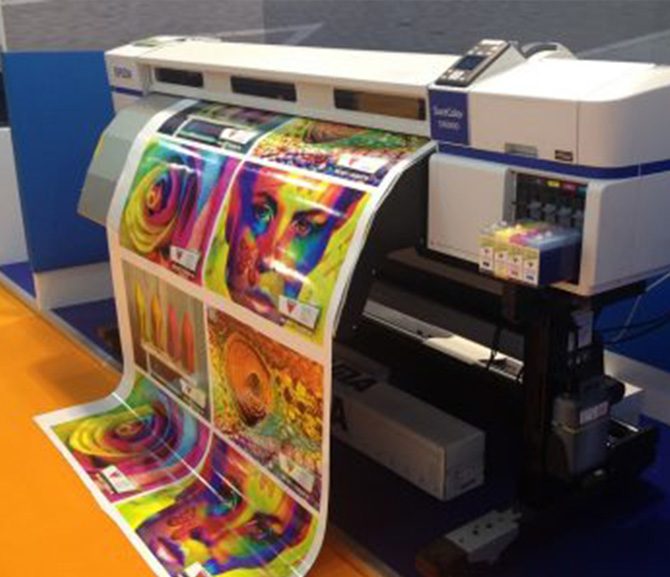
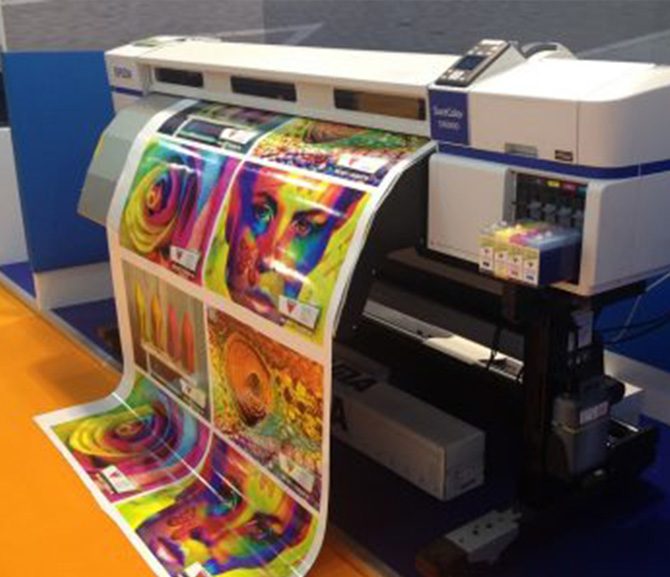
Singapore's banner printing industry employs advanced digital and large-format printing technologies capable of producing high-resolution, color-rich banners. UV printing offers excellent color fidelity, scratch resistance, and outdoor durability, making it suitable for long-term displays. Latex printing provides flexibility, vibrant colors, and eco-friendliness, while solvent printing delivers weather resistance and high adhesiveness on various substrates. The choice of printing technology impacts color vibrancy, resolution, and material compatibility. Consistently, leading providers prioritize meticulous calibration and quality control measures to maintain color accuracy and sharpness. The use of UV or latex inks also contributes to environmentally responsible practices, ensuring compliance with safety standards and minimizing environmental impact.
Customization Options and Finishing Details
Personalization plays a key role in banner effectiveness. Customers can choose from various customization options such as size, shape, and finish to meet specific promotional goals. Finishing techniques include hemming, grommet installation, and pole pockets, which facilitate easy mounting and durability. Additional decorative elements like borders, reflective strips, or custom cut-outs can enhance visual appeal and functionality. For outdoor banners, reinforced edges and weather-resistant coatings prolong lifespan and resistance to environmental factors. Indoor banners benefit from smooth finishes and elegant hemmed edges, creating a polished appearance. In terms of color coherence and visual hierarchy, strategic placement of logos, taglines, and imagery ensure the banner communicates the intended message clearly and impactfully.
Advanced Techniques and Guidelines for Banner Printing in Singapore
When aiming to produce high-caliber banners that effectively capture attention and convey the desired message, it is crucial to adhere to best practices in design, material selection, and printing methodology. Proper attention to detail at each stage ensures resilience against environmental challenges and maintains visual clarity over time.
Ensuring Accurate Color Reproduction and Sharp Imagery
Achieving consistent color reproduction involves meticulous calibration of printers and rigorous quality control procedures. Utilization of color management systems ensures that the hues reflected on the final banner match the original design specifications precisely. Additionally, high-resolution artwork with appropriate file formatting, such as vector-based files like AI or EPS, guarantees crisp, scalable visuals, especially for logos or intricate graphics.
Design Considerations for Impactful Banners
- Clear Hierarchy of Information: Place essential messages at eye level with large, bold fonts for viewers to grasp quickly.
- Visual Balance and Symmetry: Maintain proportional spacing between elements to avoid clutter and ensure aesthetic harmony.
- Contrast and Color Usage: Use contrasting colors to highlight important components, enhancing readability from a distance.
- Inclusion of Branding Elements: Integrate logos and brand colors seamlessly into the design to reinforce brand recognition.
Material Selection Based on Usage and Environment
Choosing the right material is pivotal for banner durability and presentation. Options like vinyl, fabric, or mesh cater to different needs:
- Vinyl Banners: Known for their durability and weather resistance, suitable for outdoor use.
- Fabric Banners: Offer a softer appearance and are ideal for indoor displays or events requiring a sophisticated look.
- Mesh Banners: Feature small perforations that allow wind pass-through, reducing strain and suitable for large outdoor installations.
Maintaining Quality Through Proper Finishing Techniques
Finishing touches significantly extend the lifespan and enhance the aesthetics of banners. Techniques such as hemming reinforce the edges to prevent fraying, while grommets provide secure attachment points for easy hanging or installation. Custom features like pole pockets facilitate quick mounting, especially for large outdoor displays. Decorative borders or reflective strips can further improve visibility and impact, especially in low-light conditions.
Securing a Dependable Banner Printing Partner
To guarantee the best results, selecting an experienced supplier with a comprehensive portfolio and a solid reputation is vital. A reliable provider offers transparency regarding their printing processes, material options, and turnaround times. Excellent customer service ensures feedback is incorporated seamlessly and any concerns are promptly addressed. Viewing a provider's previous work helps assess quality standards and creativity, aiding in making an informed decision for your banner printing needs.