Understanding Custom Banner Printing
Custom banner printing is a highly effective visual communication method widely used by businesses, organizations, and individuals in Singapore to enhance visibility and convey messages with impact. This process involves creating tailored banners that can be designed to meet specific branding, promotional, or informational needs. Whether for an upcoming trade show, a grand opening, or a seasonal sale, custom banners serve as dynamic tools to attract attention and reinforce brand identity in various environments.
At its core, custom banner printing combines graphic design expertise with advanced printing technology, ensuring that the final product is vibrant, clear, and durable. The importance of banners extends beyond mere decoration; they function as strategic marketing assets that can influence consumer perception and encourage engagement. In Singapore’s competitive commercial landscape, having well-designed and professionally printed banners can significantly elevate visibility and drive business growth.

Custom banner printing plays a crucial role across multiple sectors including retail, corporate, hospitality, and community events. These banners can be customized to fit any size, shape, or design preference, providing flexibility that standard signage cannot match. Additionally, they are versatile for both indoor and outdoor use, making them ideal for temporary promotions or long-term branding efforts.
In Singapore, the strategic use of custom banners maximizes marketing efforts by placing eye-catching displays in high-traffic areas such as shopping districts, event grounds, and roadside locations. Their ability to combine compelling visuals with precise messaging ensures that brands resonate with audiences while enhancing overall event or promotional success. Ultimately, custom banner printing is a pivotal element in effective visual marketing strategies, supporting brand recognition and customer recall across various competitive sectors.
Quality and presentation are key when exploring custom banner printing. The selection of materials, design quality, and printing technology all contribute to a final product that meets business objectives and withstands environmental challenges. As the demand for high-quality signage continues to grow in Singapore, understanding these foundational aspects becomes essential for obtaining effective and durable custom banners.
Types of Banners and Materials
Understanding the different types of banners and the materials used in their fabrication is essential to achieving optimal visual impact and longevity. Each banner type caters to specific needs, whether for short-term events or long-term branding campaigns. Commonly utilized materials include vinyl, fabric, mesh, and Oxford polyester, each offering unique benefits suited to various environments and display requirements.
Vinyl Banners: Known for their durability and weather resistance, vinyl banners are ideal for outdoor advertising. They provide a smooth surface for high-quality printing, making colors vibrant and details sharp. Vinyl banners are often used for trade shows, sports events, and roadside advertisements due to their robustness against wind, rain, and sun exposure.
Fabric Banners: Typically made from polyester or other lightweight fabrics, these banners are preferred for upscale indoor displays. They offer a sleek, elegant appearance with excellent color reproduction, making them suitable for gallery-style exhibitions, retail displays, and conference backdrops. Their soft texture lends a premium look to any setting.
Mesh Banners: Designed with perforations, mesh banners allow wind to pass through, reducing strain and potential damage in outdoor environments. Frequently used for stadium advertising, construction sites, and large event displays, mesh banners combine visibility with structural resilience.
Material Options: When selecting materials, factors such as environment, expected exposure, and budget come into play. PVC vinyl is a popular choice for its versatility and durability. For eco-conscious clients, some suppliers now offer organic or recyclable fabrics that maintain high visual standards while supporting sustainability efforts.
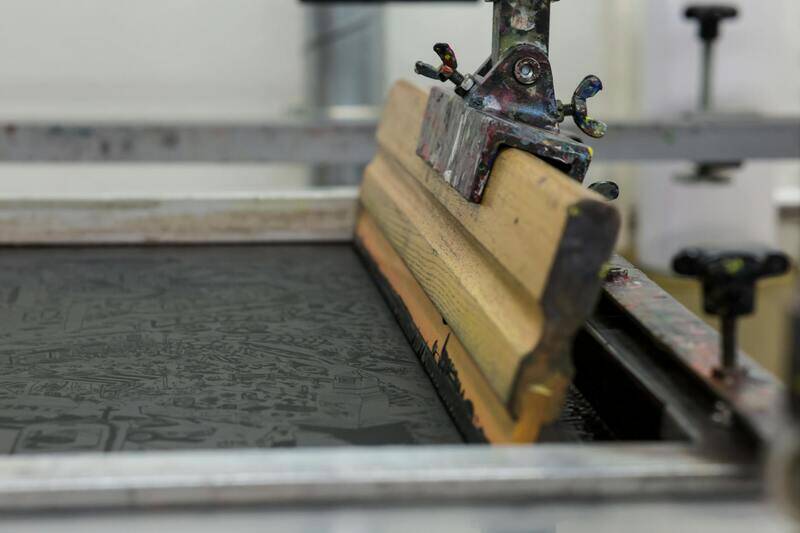
Proper substrate selection ensures that the printed banner maintains its aesthetic appeal and functional integrity over time. The choice of material directly influences factors such as color vibrancy, resistance to weather conditions, and ease of installation, ultimately impacting the effectiveness of promotional campaigns.
Understanding Custom Banner Printing
Custom banner printing is a versatile solution for a wide array of advertising and promotional needs. It involves producing large-scale visual displays tailored to specific marketing objectives, locations, and target audiences. This process requires careful selection of materials, printing techniques, and design elements to ensure that the final product not only captures attention but also withstands environmental conditions over time. The key to successful custom banner printing lies in aligning your campaign goals with the technical and aesthetic qualities of the printed banner.
When approaching custom banner printing, it's essential to collaborate with experienced providers who understand the nuances of various materials and printing methods. These professionals can advise on optimal sizes and formats, helping clients choose the right specifications for maximum visibility and impact. Whether for indoor exhibitions, outdoor advertising, or special event signage, the ultimate aim is to produce a banner that effectively communicates your message while enduring the rigors of its display environment.
Types of Banners and Materials
Choosing the right type of banner and material is foundational to a successful custom printing project. Different display environments and intended durations require specific materials designed for durability and visual quality.
- Vinyl Banners: Known for their robustness and weather resistance, vinyl banners are ideal for outdoor use. They can withstand rain, wind, and sun exposure, making them suitable for roadside advertisements, outdoor events, and large-scale signage.
- Fabric Banners: Made from polyester or similar lightweight fabrics, these banners are favored for high-end indoor displays. Their smooth surface allows for sharp color reproduction and a sleek appearance, suitable for gallery setups, retail environments, and corporate presentations.
- Mesh Banners: Characterized by perforations, mesh banners excel in windy outdoor settings. They provide a balance of visibility and airflow, making them perfect for stadiums, construction zones, and large-scale outdoor promotions.
- Eco-friendly Options: With growing emphasis on sustainability, some banner materials now include recyclable fabrics and biodegradable vinyl. These options support environmental responsibility without sacrificing visual quality or durability.
Design Considerations for Custom Banners
Effective banner design hinges on clarity, visual appeal, and brand consistency. Critical factors include size, color scheme, font choice, and message hierarchy. Larger banners should feature bold, legible text to ensure readability from a distance. Color contrasts should be optimized to improve visibility, especially in outdoor environments where ambient light varies.
To reinforce brand recognition, incorporate logo placement, brand colors, and consistent messaging. Simplicity often yields the best results—avoid clutter and focus on key information that encourages viewers to engage with your brand or call-to-action.
Key Design Tips
- Avoid overly complex imagery or text that can become illegible at a distance.
- Maintain high resolution and quality for sharp visuals.
- Use appropriate bleed margins to prevent unwanted cropping during production.
- Prioritize branding elements to ensure cohesive visual identity.

Printing Techniques and Technologies
Advanced printing technologies significantly influence the quality, color richness, and durability of custom banners. Wide-format digital printing is the most prevalent method, offering high-resolution outputs with vibrant color fidelity. UV printing is also common for banners that require resistance to sunlight and weathering, as it incorporates protective layers directly onto the surface.
Other notable methods include solvent, latex, and eco-solvent printing, each suited to specific material types and environmental conditions. The selection depends on factors such as speed, cost, and required durability, ensuring the finished banner performs as intended across its dedicated lifespan.
Factors Affecting Quality and Durability
Several elements influence the longevity and visual integrity of custom banners:
- Material Quality: Higher-grade materials typically offer better resistance to weathering, UV exposure, and tearing.
- Printing Method: Techniques that embed pigments or protective coatings improve color longevity and resistance to environmental wear.
- Design Complexity: Simple, bold designs with limited gradients tend to resist fading and deterioration over time.
- Installation: Proper mounting and securing prevent folds, tears, and wind damage, extending the banner's lifespan.

Cost and Turnaround Time for Banner Printing
The cost of custom banner printing varies based on size, material, complexity, and finishing options. Larger banners with intricate designs or specialty materials typically incur higher expenses. However, many providers offer scalable solutions to accommodate different budgets without compromising quality.
Turnaround times depend on the scope of the project, material availability, and printing complexity. Standard banners can often be produced within a few days, while expedited services are available for urgent campaigns. Proper planning and early consultation with a printing expert help ensure deadlines are met.
Choosing the Right Printing Service Provider
Selecting an experienced and reputable printing partner ensures the final product aligns with your expectations. Look for providers with extensive portfolio examples, transparent pricing, and clear communication channels. Quality assurance processes, such as color matching and proofing, should be standard practice.
Maintenance and Storage of Banner Graphics
To maximize the lifespan of your custom banners, proper maintenance and storage are essential. Clean banners using mild soap and water, avoiding harsh chemicals that could degrade the material. When not in use, store banners rolled on tubes, keeping them in a cool, dry place away from direct sunlight to prevent fading and material degradation.
Understanding Custom Banner Printing
Custom banner printing has become an essential tool for businesses, event organizers, and marketers seeking visually impactful signage. The process involves translating your unique design ideas into physical banners that effectively communicate your message. The selection of appropriate printing techniques and materials directly influences the quality, durability, and overall effectiveness of your banners. Precision in color matching, image clarity, and print resolution are critical factors to ensure the final product meets your expectations. When choosing a custom banner printing service, it is important to consider their expertise and the range of options available to customize your banners to fit specific event, branding, or advertising needs.
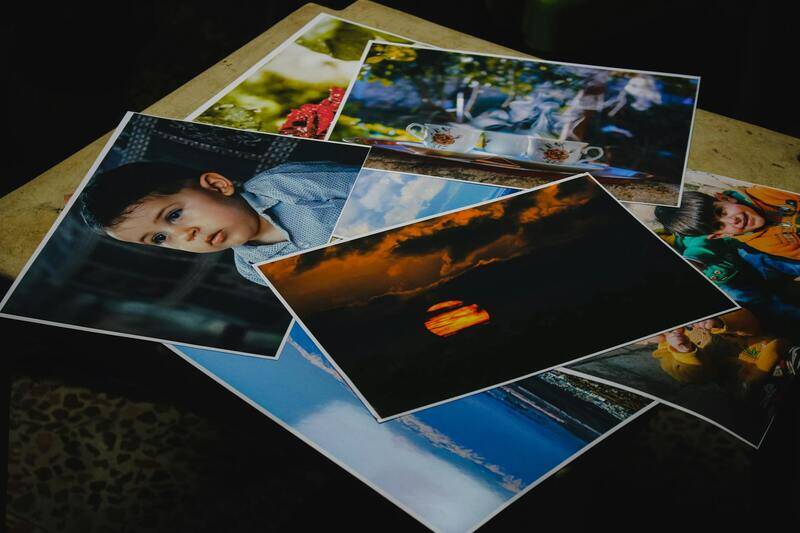
Professional custom banner printing involves a strategic approach that covers design adaptation, material selection, and finishing techniques. Ensuring that your designs are optimized for large-scale printing prevents distortions and maintains visual impact from a distance. Collaborating with a seasoned printing company allows for guidance on the best printing methods and materials suited for your particular project, guaranteeing a professional outcome that captures your brand or message effectively.
Types of Banners and Materials
Understanding the variations among banner types and materials is fundamental to achieving durability and visual appeal. Different environments and usage scenarios demand specific solutions that balance cost, longevity, and appearance. The primary types of banners include:
- Vinyl Banners: Known for their durability, flexibility, and weather resistance, vinyl banners are ideal for outdoor advertising and long-term use. They can withstand rain, wind, and sun exposure without significant deterioration.
- Fabric Banners: Often constructed from polyester or nylon, fabric banners offer a high-end appearance suitable for indoor events or retail displays. They provide vibrant color reproduction and a sleek finish but require careful handling to maintain their quality.
- Mesh Banners: Designed with small perforations, mesh banners allow wind to pass through, reducing stress on the material. This makes them suitable for large outdoor installations in high-wind areas.
- Paper and Specialty Media: Used for short-term displays or indoor promotions, these materials offer quick production times and high-resolution prints but lack weather resistance.
Design Considerations for Custom Banners
Effective banner designs are pivotal in capturing attention and conveying messages clearly. Key design elements include readability, color contrast, and simplicity. Large, bold fonts are preferable for visibility from a distance, and high-resolution images ensure clarity in the final print. Incorporating your brand’s visual identity, such as logos and color schemes, promotes recognition and consistency. Also, consider the environment where the banner will be displayed; for outdoor banners, designs should account for weather elements like wind and rain.
Using vector graphics for logos and icons ensures sharpness regardless of scaling, and avoiding overly complex backgrounds prevents distraction and improves message clarity. When working with a professional printer, their expertise can assist in refining your designs to enhance print fidelity, ensuring that text remains legible and images are sharp. Proper design preparation and consultation foster a seamless printing process, resulting in banners that truly stand out and communicate as intended.
Factors Affecting Quality and Durability in Custom Banner Printing
When investing in custom banner printing, understanding the variables that influence a banner’s lifespan and visual appeal is crucial. In Singapore's vibrant and humid environment, selecting appropriate materials and printing techniques ensures your banners maintain their integrity over time. The key factors include material quality, ink selection, and the specific printing process employed by your chosen service provider.
Material Selection and Its Impact
Material quality is fundamental to banner durability. Options range from vinyl and mesh fabrics to fabric-based textiles. Vinyl banners are highly resistant to weather elements, making them ideal for outdoor use. They resist tearing, fading, and water damage, even in high-humidity environments, which are common in Singapore.

Mesh banners, with their perforated design, facilitate wind passage, significantly reducing stress on the material during windy conditions. This feature makes them suitable for large outdoor displays, especially in areas prone to gusty winds. For indoor displays, paper-based or fabric materials offer quick turnaround times but lack extensive weather resistance, requiring careful handling and storage.
Influence of Ink Types and Printing Technologies
The longevity of your banners heavily relies on the inks used during the printing process. Solvent-based and UV inks are commonly preferred for outdoor banners due to their enhanced resistance to UV rays and moisture. These inks ensure vibrant colors that do not fade quickly, maintaining the banner’s visual impact over an extended period.
Advanced printing technologies such as solvent, eco-solvent, and UV printing provide high-resolution results with superior adhesion to various substrates. UV printing, for instance, cures instantaneously, producing sharp images and text with excellent durability against environmental challenges like rain and sun exposure.
Printing Process and Quality Control
Choosing a service provider that employs modern printing equipment provides a significant advantage in producing durable, high-quality banners. Automated color calibration and strict quality controls minimize inconsistencies, ensuring a uniform appearance throughout the print run. Professional printers also adjust printing parameters based on the selected material, optimizing vibrancy, fade resistance, and adherence.
Environmental Considerations for Banner Longevity
Singapore’s tropical climate—with its high humidity and frequent rain—necessitates protective coatings or lamination for banners used outdoors. Laminates can add a protective layer against moisture, UV exposure, and physical wear, substantially extending the banner’s lifespan. Proper installation, routine cleaning, and wind tie-downs further preserve the banner’s condition, reducing premature deterioration.
In summary, the durability and quality of your custom banner depend on an educated choice of materials, inks, and printing processes tailored to the environmental conditions. Partnering with experienced printing professionals ensures you receive a product designed to withstand local climate challenges, proving to be a cost-effective solution in the long run. Proper post-installation care and maintenance further ensure that your banner continues to serve its purpose and protects your branding investment over time.
Factors Affecting Quality and Durability
Achieving a high-quality and long-lasting custom banner hinges on selecting the right printing methods and materials while understanding the environmental influences that contribute to banner wear and tear. The quality of the ink, substrate, and printing process directly impact the banner's visual appeal and lifespan, especially when exposed to outdoor conditions prevalent in tropical climates such as Singapore.

Key factors influencing banner durability include the type of ink used. Solvent-based and UV inks are known for their resistance to fading, water, and physical damage, making them suitable for outdoor use. UV protective coatings and laminates act as additional shields against UV rays, moisture, and scratches, which are critical in humid and rainy environments.
Material selection also plays a vital role. Vinyl is favored for its robustness, weather resistance, and flexibility, making it a popular choice for banners expected to withstand outdoor elements. Mesh banners offer excellent airflow and reduced wind resistance, minimizing the risk of tears or damage in high-wind areas. Fabric banners, such as polyester, are chosen for indoor use or long-term displays where a higher aesthetic finish is desired, although they generally require additional protective features for outdoor deployment.
Environmental Considerations for Banner Longevity
In regions with significant climatic challenges, such as Singapore’s high humidity and frequent rain, protective treatments are essential. Applying UV coatings and laminates enhances resistance to fading and moisture, which are primary contributors to banner deterioration. Proper installation methods—such as using grommets, wind tie-downs, and suitable mounting hardware—ensure that banners remain intact despite weather fluctuations.
Routine maintenance, such as cleaning with mild pressures and inspecting for tears or wear, prolongs the lifespan of banners. When considering storage, keeping banners rolled and stored in cool, dry environments protected from direct sunlight helps preserve their colors and structural integrity for future reuse or storage.
By choosing resilient materials, employing advanced printing techniques, and implementing proper maintenance routines, businesses can optimize their investment in custom banners. This ensures that visual messaging remains impactful over time, even amidst challenging climatic conditions, safeguarding brand presence and maximizing return on investment.
Understanding Custom Banner Printing
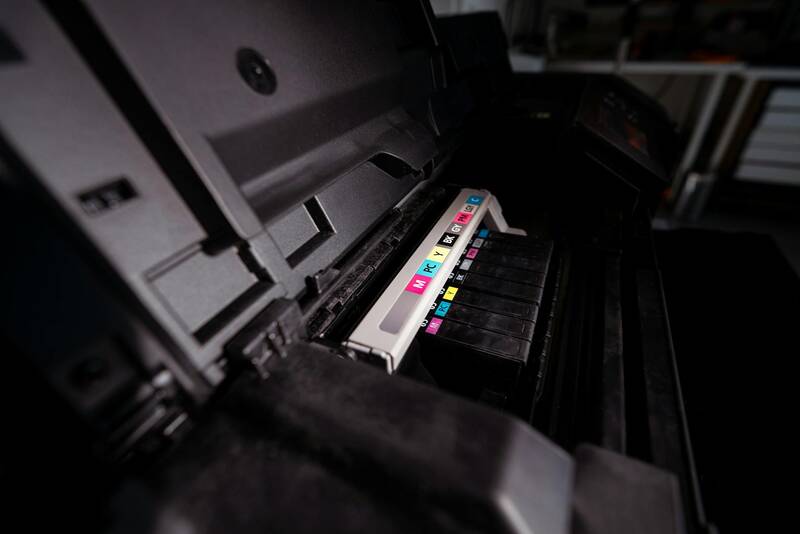
Custom banner printing is a specialized process that transforms your unique designs into high-quality visual displays, tailored to meet specific business or event needs. It involves a detailed approach where factors such as material selection, print technique, and environmental considerations are meticulously managed to produce a durable and vibrant banner. The process begins with conceptualizing the design, ensuring that branding elements, messaging, and aesthetics align with your objectives. This is followed by selecting appropriate materials that balance visual appeal with longevity, considering where and how the banner will be used. Advanced printing technologies are employed to ensure precision, color accuracy, and exceptional detail, whether for indoor exhibitions or outdoor advertising campaigns. The versatility of custom banners allows businesses to communicate their messages creatively and effectively, making them a staple in promotional strategies across various industries.
Types of Banners and Materials
Choosing the right type of banner and material is crucial to achieving the desired visual impact and durability. Some common types include:
- Vinyl Banners: Known for their robustness and weather resistance, vinyl banners are ideal for outdoor advertising and long-term campaigns. They are available in matte or gloss finishes, offering versatility in presentation.
- Fabric Banners: Made from polyester or nylon, fabric banners provide a high-end aesthetic. They are lightweight, wrinkle-resistant, and suitable for indoor displays, trade shows, or events.
- Mesh Banners: Crafted with a perforated material, mesh banners allow wind to pass through, reducing strain and increasing lifespan in windy environments.
- Other Materials: such as scrim vinyl, banner paper, or eco-friendly materials, catering to specific needs like temporary use, environmentally conscious branding, or specialized display contexts.

Design Considerations for Custom Banners
Creating an effective design for your custom banner involves several critical considerations:
- Clear Messaging: Your core message should be immediately understood. Use concise, impactful text and avoid clutter.
- Brand Consistency: Incorporate your brand’s colors, logos, and font styles to reinforce recognition.
- Visual Hierarchy: Prioritize key elements through size, color contrast, and placement to guide viewer attention.
- Readability: Choose fonts and sizes that are legible from a distance, especially for outdoor banners.
- Color Schemes: Use high-contrast combinations to enhance visibility and impact.
- Images and Graphics: Use high-resolution images to ensure clarity, avoiding pixelation or distortion in the final print.
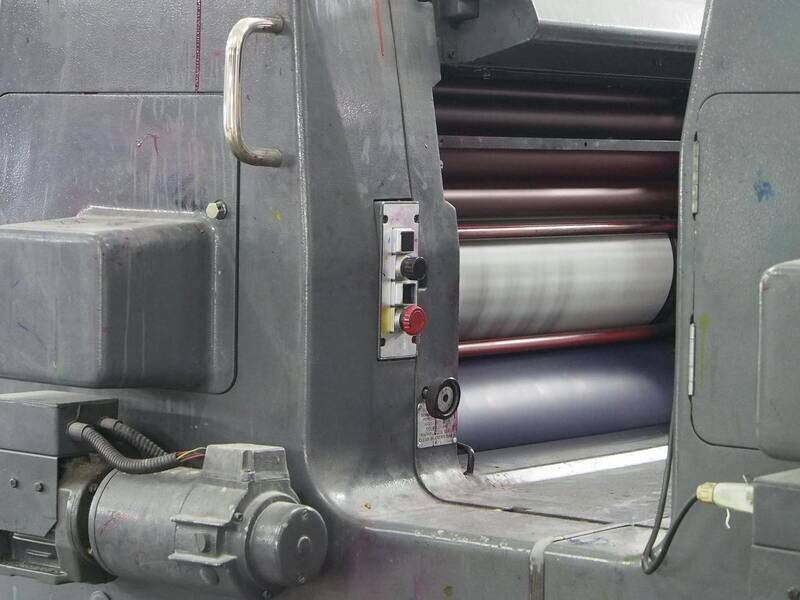
Printing Techniques and Technologies
Advances in printing technology have expanded the possibilities for custom banners, with methods optimized for different materials and applications:
- UV Printing: Offers durable, vibrant prints on a variety of surfaces, providing resistance to UV rays, scratches, and weather elements.
- Solvent and Eco-Solvent Printing: Produces weather-resistant images with vivid colors, suitable for outdoor banners exposed to the elements.
- Latex Printing: Environmentally friendly and versatile, latex printing provides flexibility and high-quality output on multiple substrates.
- Screen Printing: Suitable for large volume runs with simple color schemes, often used for promotional banners with limited color palettes.
Factors Affecting Quality and Durability
Several elements influence the overall quality, appearance, and longevity of custom banners:
- Material Selection: As discussed, the choice of fabric or vinyl impacts resistance to weather, tearing, and fading.
- Print Quality: High-resolution printing with proper color management produces sharp images and vibrant colors.
- Protective Coatings: UV laminates or gloss coatings shield the banner from UV damage, moisture, and physical abrasion.
- Installation: Proper mounting with appropriate hardware prevents tearing or warping, especially in outdoor settings.
- Environmental Conditions: Consider climate factors such as humidity, wind, and sunlight exposure when designing and installing banners.

Cost and Turnaround Time for Banner Printing
Understanding the investment involved in custom banner printing requires an assessment of both material costs and production schedules. Generally, costs vary based on the size, complexity, and material chosen; high-resolution printing on premium materials will command higher prices. Bulk orders often benefit from discounts, making large-scale campaigns more cost-effective.
Turnaround times are influenced by the complexity of the design, the quantity ordered, and the technical processes involved. Standard production can range from 2 to 7 business days, with expedited options available for urgent projects. Providing detailed specifications upfront helps streamline the process, enabling precise scheduling and delivery commitments. Contractors with efficient workflows and advanced machinery are capable of reducing lead times without compromising quality, ensuring your banners are ready in time for your event or campaign schedule.
Choosing the Right Printing Service Provider
Evaluating Experience and Expertise
When selecting a provider for custom banner printing, assessing their experience and specialization in large-format printing is crucial. Look for a company with a proven track record of producing high-quality banners that meet industry standards. Providers with extensive portfolios can demonstrate their proficiency in handling different materials, sizes, and design complexities, ensuring your project is in capable hands. Avoid companies that lack transparency about their previous work or do not showcase examples of banners similar to your needs.
Assessing Equipment and Technology
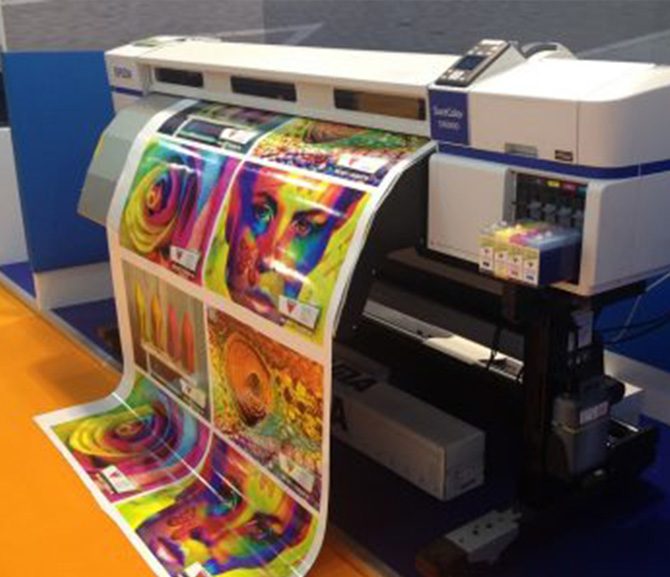
State-of-the-art printing technology influences the clarity, color accuracy, and overall finish of your banners. Advanced digital printers equipped with high-resolution capabilities and color management systems produce vibrant, detailed images with consistency across large runs. Modern equipment also supports a variety of media, from vinyl to mesh, enabling tailored solutions for indoor or outdoor use. When choosing a provider, inquire about their printing machinery and whether they employ eco-friendly and durable inks that resist fading and weather conditions.
Reviewing Customer Support and Communication
Effective communication is key to a successful custom banner project. A dependable printing service offers comprehensive support from conceptualization through delivery. This includes guidance on design optimization, material selection, and finishing options. Clear channels of communication and prompt responses help clarify project requirements, avoiding costly missteps. Testimonials and reviews from previous clients can give insights into their responsiveness and professionalism, ensuring your needs are prioritized throughout the process.
Understanding Pricing Structures and Value
Cost transparency and an explanation of what is included in the price are essential considerations. Reliable providers will offer detailed quotes that break down costs for design, materials, finishing, and delivery. While budget constraints matter, the lowest price doesn't always guarantee quality; therefore, weigh cost against factors like material durability, print resolution, and service reputation. Some companies may also provide bulk discounts or package deals for large orders, maximizing value without compromising on quality.
Checking Turnaround Times and Delivery Options
Timely delivery is critical, particularly for promotional or event-related banners. Choose a provider with clearly defined turnaround times that align with your schedule. Expedited options should be available for urgent projects, with assurances of quality and accuracy maintained under compressed timelines. Confirm their logistics and delivery methods, especially if your banners are needed for outdoor events or installations in remote locations. Reliable service providers will prioritize punctuality and provide tracking or updates throughout the production process.