Understanding Banner Printing Price
Determining the cost of banner printing requires a comprehensive understanding of several key factors that influence the overall price. While the basic expense covers the material and printing process, numerous elements can lead to variations in pricing from one provider to another and even among different specifications. Carefully evaluating these aspects enables clients to make informed decisions that align with their budget and desired quality standards.
Factors Influencing Banner Printing Cost
- Size and Dimensions: Larger banners naturally require more material and ink, leading to increased costs. The dimensions directly impact the amount of material used and the labor involved in production.
- Material Quality and Type: The choice of material—such as vinyl, mesh, fabric, or mesh—substantially impacts the price. Higher-quality, durable materials suited for outdoor use tend to cost more than standard indoor banners.
- Design Complexity: Custom graphics, intricate details, or the inclusion of multiple colors can increase production time and ink usage, thus affecting the total price.
- Printing Method: Techniques like digital printing, screen printing, or eco-solvent printing have different costs associated with their processes and durability.
- Additional Features: Features such as grommets, hems, UV coatings, and double-sided printing contribute to additional expenses, depending on client specifications.
Price variation also stems from the difference in equipment, labor costs, and volume discounts offered by different printing providers. Standardized pricing models provide a baseline, but customization and special requests can significantly influence the final quote.
Understanding Price Variability in Banner Printing
It is essential for clients to communicate their specific needs clearly to printing vendors. Comparing estimates across multiple providers ensures transparency and helps in choosing an option that offers the best value. Recognizing the interplay of size, material, design, and additional services allows for accurate budgeting and helps prevent unexpected expenses during project execution.
Understanding Banner Printing Price
When evaluating banner printing costs, it is crucial to consider several key factors that directly influence the final price. These aspects include material selection, design intricacy, printing methods, and additional customization features. Each factor carries its own weight in determining the overall expense, making it essential for clients to understand how each element intertwines with the production process to facilitate accurate budgeting.
Material Options and Their Effect on Price
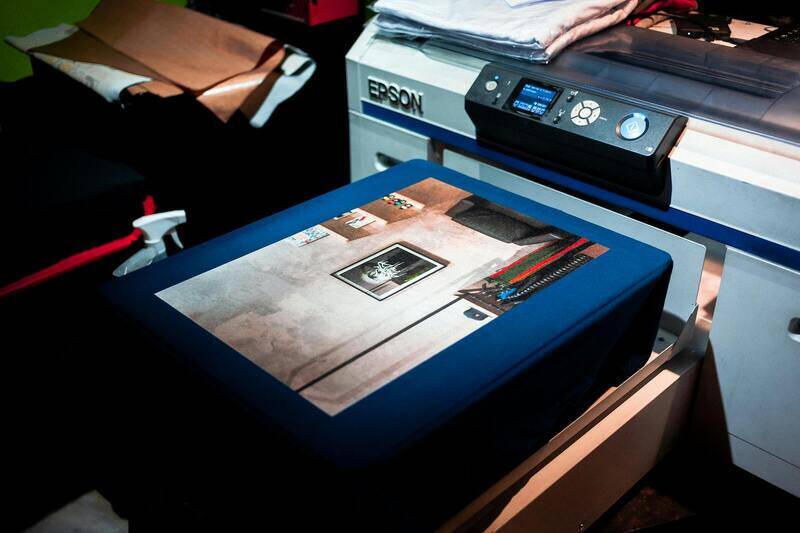
The selection of banner material substantially impacts cost. Common options include vinyl, mesh fabric, fabric banners, and lightweight paper-based substrates. Vinyl remains the most popular due to its durability and versatility, especially for outdoor advertising. The grade of vinyl—ranging from standard to heavy-duty—further influences the price. Higher-grade, weather-resistant materials tend to cost more but offer longer lifespan and better performance under diverse environmental conditions.
Mesh banners, designed to allow wind passage, are slightly more expensive than solid vinyl but provide advantages in high-wind areas. Fabric banners, often used for indoor displays or high-end events, typically have a premium price point due to their texture and printing quality. The choice of material also affects handling and installation costs, adding to the overall project budget.
Design Complexity and Its Cost Implications
The intricacy of a banner's design plays a fundamental role in pricing. Simple designs with minimal colors and straightforward graphics require less ink and fewer production steps, leading to lower costs. Conversely, detailed artwork involving multiple colors, gradients, or fine linework increases the complexity, consumption of printing materials, and setup time.
High-resolution images or custom graphics, such as logos or photographs, elevate production requirements. These designs may necessitate multiple printing passes or specialized color matching, which can extend manufacturing time and resource use, thus impacting the price.
Printing Techniques and Cost Differences
Different printing methods come with distinct cost structures. Digital printing, widely used for short to medium runs, offers high-quality output with quick turnaround times and moderate costs. Screen printing is often more economical for large orders with limited color palettes but less suitable for detailed images. Eco-solvent printing, noted for its durability and vibrant color reproduction, typically commands a premium owing to the specialized inks and equipment involved.
The choice of technique hinges on factors such as desired longevity, color vibrancy, and environmental exposure, necessitating an informed discussion with the printing provider to balance quality and cost effectively.
Additional Costs and Customization Options
Beyond basic printing, additional features can significantly influence the overall price. Grommets, used for hanging and attaching banners, add to the setup cost depending on their number and placement. Hemming around the edges enhances durability, especially for outdoor banners, and involves extra labor charges.
UV coatings or laminates protect against UV damage, weathering, and wear, ideal for outdoor campaigns but increasing material and processing costs. Double-sided printing offers increased visibility but doubles the ink and printing expenses. Clients should assess these options carefully to maximize value while meeting their promotional needs.
Tips for Budgeting and Getting the Best Price
- Clearly define the size, material, and design requirements from the outset to obtain accurate quotes.
- Request detailed estimates from multiple reputable vendors, ensuring all included features are comparable.
- Prioritize essential features and consider scalable options for larger projects to negotiate volume discounts.
- Plan ahead to avoid rush charges, which inflate costs due to expedited production and delivery.
- Leverage the experience of your printing provider—sometimes opting for slightly less durable materials can lead to substantial savings without compromising effectiveness.
Factors Affecting Delivery Time and Cost
Delivery schedules influence overall expenses, especially when expedited shipping is required. Shortening lead times often involves premium charges due to prioritization and overtime labor. Geographic distance from the printing facility can also add to costs, particularly if urgent international shipping is necessary. Incorporating these considerations into your procurement planning helps in forecasting final expenses more accurately and avoiding unexpected financial surprises.
Understanding Banner Printing Price
When evaluating the cost of banner printing, it is essential to consider several key elements that directly influence the final pricing. These include the choice of materials, size, design complexity, printing techniques, and added customization options. Each factor contributes to the overall expense, and recognizing their impact allows clients to make informed decisions aligned with their specific marketing goals and budget constraints.
Material Options and Their Effect on Price
The selection of banner material plays a significant role in determining the cost. Standard materials such as vinyl or polyester are widely used due to their durability and cost-effectiveness, making them suitable for both indoor and outdoor applications. For outdoor banners, UV-coated or weather-resistant materials are preferred, which typically entail higher costs due to enhanced performance features. Canvas or fabric options tend to be more premium, offering a different aesthetic but at a higher price point. The thickness or GSM (grams per square meter) of the material also affects pricing; thicker, heavier materials provide greater durability but come with increased material costs.
Additionally, specialty finishes like matte, gloss, or satin coatings can alter the final expense. These finishes not only influence the visual appeal but also impact how the banner interacts with light and weather conditions, thus affecting the overall durability and lifespan.
Design Complexity and Its Cost Implications
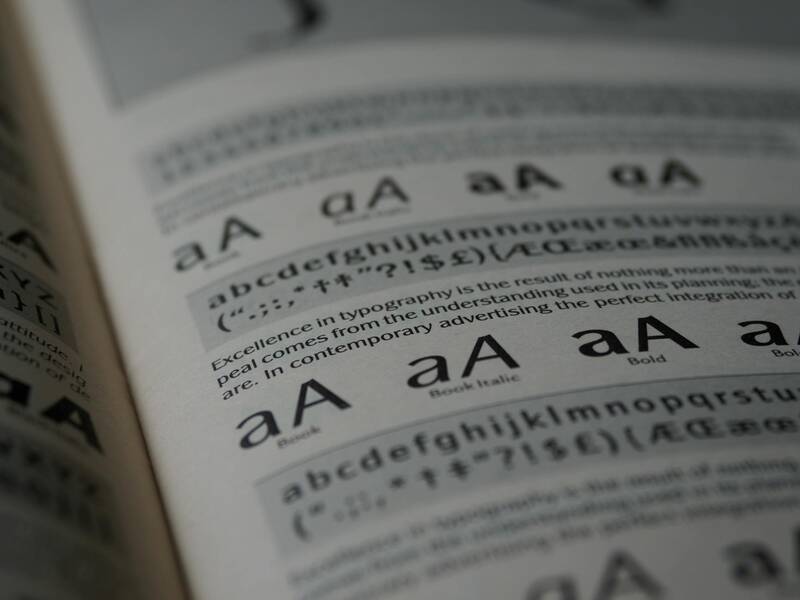
The intricacy of your banner's design directly affects production costs. Simple designs with minimal colors and straightforward graphics are generally more affordable and quicker to produce. Conversely, banners with highly detailed artwork, multiple colors, gradients, or photographic elements demand advanced printing techniques and more time, leading to increased costs.
Color matching and the use of special inks, such as metallic or fluorescent colors, also add to expenses. Moreover, complex designs may require more extensive pre-press preparations, including color proofing and design revisions, which can further influence the final price.
Printing Techniques and Cost Differences
Different printing methods come with varying cost structures. Digital printing is the most common and cost-effective for short to medium runs, offering quick turnaround times and high-quality output. Screen printing may be economical for very large quantities with simple designs but is less flexible for complex or multi-color graphics. Latex or solvent-based printing techniques are used for larger outdoor banners and offer superior adhesion and weather resistance, albeit at a higher cost due to the advanced equipment involved.
Each technique impacts pricing based on setup time, ink consumption, and the complexity of color management. Clients should select the method that aligns best with their quantity, design complexity, and durability requirements.
Additional Costs and Customization Options
Custom features such as reinforced hems, grommets, pole pockets, or wind slits add to the overall cost but are essential for banners that will withstand outdoor conditions or require added durability. Special finishes like laminates, UV coatings, and matte or gloss layers further influence costs. Optional customizations like dye sublimation, double-sided printing, or special mounting hardware also come with additional fees.
Considering these options during the planning phase ensures comprehensive budgeting and allows for the selection of features that provide the best value for your investment, enhancing visibility and longevity of your banners.
Understanding Banner Printing Price
Determining the exact cost of banner printing involves analyzing several key factors. While there are standard price ranges for popular sizes, customization options and material selections significantly influence the final quote. To obtain an accurate estimate, clients should consider the scope of their project, design complexity, and the durability requirements for their banners.
Price assessments typically encompass the base cost of materials, printing method, and optional enhancements. Banner printing services often offer tiered pricing structures, where larger quantities benefit from discounts. Moreover, intricate visuals, multiple colors, and special finishes tend to increase overall expenses due to added labor and material costs. When budgeting, it is crucial to recognize these variables to ensure a comprehensive understanding of potential expenditures.
Clients seeking transparent pricing should inquire about detailed quotes that break down costs per unit, including any setup fees or additional charges for customization. This approach allows for more precise planning and prevents unforeseen expenses. Ultimately, investing in quality materials and appropriate customization options ensures banners not only make an impactful visual statement but also withstand environmental stresses, thus providing better value over time.

Factors Influencing Banner Printing Price
- Size and Dimensions: Larger banners naturally incur higher costs due to increased material use and printing time.
- Material Selection: Choices such as vinyl, mesh, fabric, or eco-friendly substrates affect both price and performance.
- Printing Technique: Digital, screen, or latex printing methods each carry distinct pricing implications based on complexity, speed, and durability.
- Design Details: High-resolution images, multiple colors, or complex graphics require more precise printing processes, influencing overall costs.
- Additional Features: Reinforced hems, grommets, pole pockets, wind slits or lamination options add to the total expenditure but enhance banner longevity and usability.
- Order Quantity: Bulk orders usually qualify for volume discounts, reducing unit costs significantly.
Choosing the Right Price Point for Your Banner
To optimize your investment, balance your budget with the banner's intended purpose and lifespan. For short-term promotions, cost-effective materials and basic printing techniques suffice, while long-term outdoor displays may justify higher expenditures on weather-resistant materials and finishes. Conducting detailed consultations with printing providers enables tailored solutions that meet both aesthetic and financial goals.
Material Options and Their Effect on Price
Choosing the right material is a crucial element in determining the overall cost of banner printing. Different substrates offer varying levels of durability, visual appeal, and environmental resistance, which directly influence pricing. For instance, standard vinyl banners are a popular choice for their affordability and weather resistance, making them suitable for both indoor and outdoor use. They generally have a moderate price point, balancing quality with cost-effectiveness.
Mesh banners, another common option, feature small holes allowing wind to pass through, reducing strain on the display in outdoor environments. While slightly more expensive than solid vinyl, mesh banners provide enhanced durability in windy conditions, justifying the higher cost in suitable applications. Fabric banners, often used for premium branding or indoor events, tend to be at the higher end of the price spectrum due to their premium appearance and texture. They are more delicate and may require special handling and finishing, adding to the expense.
Eco-friendly materials, made from recycled or biodegradable substrates, are emerging as sustainable alternatives. These options often come with a price premium but appeal to brands emphasizing environmental responsibility. Additionally, finishes such as matte, gloss, or satin coatings not only enhance visual impact but can also add to the material costs, especially for specialty finishes that need specific application techniques.
It's essential to align the material choice with the banner's intended environment, lifespan, and budget. For short-term uses, standard vinyl provides a cost-effective solution. For long-term outdoor displays exposed to harsh weather, investing in heavier-duty, weather-resistant materials ensures greater longevity, reducing the need for frequent replacements and thereby offering better value over time.
Understanding Banner Printing Price
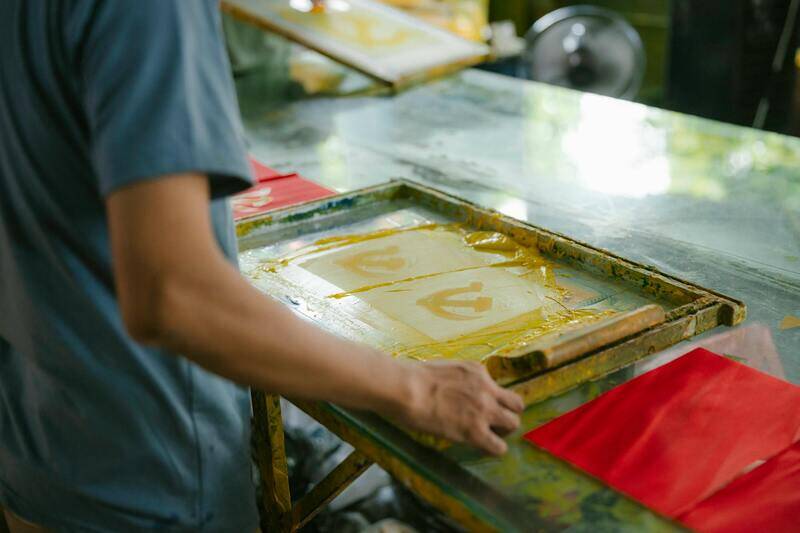
The cost of banner printing is influenced by multiple variables that collectively determine the final expense. First and foremost, the size of the banner plays a pivotal role; larger banners inherently require more materials, extended printing time, and often more complex setup processes, leading to higher costs. As such, choosing an optimal size for your specific needs can prevent unnecessary expenditure.
Beyond size, the choice of material significantly impacts pricing. Standard vinyl remains the most economical option, suitable for short-term, indoor, or temporary outdoor displays. Conversely, premium materials like fabric or heavy-duty mesh tend to be more expensive but offer enhanced durability and visual appeal, making them ideal for long-term or high-visibility applications.

Additional Costs and Customization Options
Customization options, such as the addition of grommets, pole pockets, reinforced edges, or specialized finishes, contribute to the overall price. Finishing touches can improve the banner's durability and ease of installation, but each element involves additional labor and material expenses. For example, grommets facilitate easy hanging and security, reducing wear and tear over time, but their installation adds to the production cost.
- Grommets: Reinforced eyelets for hanging
- Pole Pockets: Allows insertion of poles for display
- Finishing Coatings: Matte, gloss, or satin finishes for visual enhancement and weather resistance
- Edge Reinforcements: Added stitching or hemming for longevity
These auxiliary features, while increasing the upfront expense, often extend the lifespan of the banner and improve its functionality, providing better value over time.
Tips for Budgeting and Getting the Best Price
To optimize your budget, it's essential to consider the balance between size, material quality, and customization features. Negotiating bulk orders or seeking quotes from reputable providers can lead to cost savings. Additionally, planning your project ahead of time allows for better selection of materials and features, avoiding unnecessary premium upgrades. Always request detailed breakdowns of quotes to understand which elements contribute most to the total cost and to identify potential areas for savings.
Factors Affecting Delivery Time and Cost
Delivery logistics also influence overall pricing and scheduling. Standard turnaround times typically range from 3 to 7 business days, but expedited services charge a premium. Geographic distance and shipping method (ground, air, or freight) can impact costs significantly. Advanced notice enables suppliers to plan production efficiently, potentially reducing rush fees and ensuring timely delivery.
Understanding Banner Printing Price
Determining the cost of banner printing involves a comprehensive understanding of several key factors that influence total expenditure. It’s essential for clients to tailor their decisions based on specific needs, budget constraints, and desired outcomes. The cost assessment typically encompasses the size of the banner, material choices, printing techniques, design complexity, and optional enhancements. Recognizing how each element contributes to the overall price allows for more informed decisions, ensuring that the investment aligns with both expectations and financial plans.
Common Banner Sizes and Their Pricing
Banner sizes vary widely, and size is one of the primary determinants of production cost. Standard dimensions such as 2' x 4', 3' x 6', and 4' x 8' are popular for different display needs, but larger or custom sizes can significantly increase the price. Generally, the cost per square foot decreases as the size increases due to economies of scale, but overall expenses rise with larger formats. For example, a 3' x 6' banner may cost less per square foot compared to a 2' x 4', making it more cost-efficient for larger displays.

Material Options and Their Effect on Price
The choice of material significantly impacts the banner printing price. Different substrates offer varying levels of durability, appearance, and weather resistance. Vinyl banner materials are typically more affordable and suitable for short- to medium-term outdoor use. Mesh fabrics, which allow wind to pass through, are often slightly more expensive but are ideal for outdoor environments prone to high winds. Premium materials like polyester or laminated fabrics increase the cost but provide superior longevity and visual quality. The selection of a material should align with the intended display location and duration, balancing budget with performance expectations.
Design Complexity and Its Cost Implications
The intricacy of the banner’s design directly affects production costs. Simple text and logo-based banners require less time and fewer printing processes, resulting in lower prices. Conversely, banners featuring detailed images, gradients, multiple colors, and complex graphics necessitate advanced printing techniques such as high-resolution UV printing or dye sublimation. These methods demand more labor, higher-quality inks, and specialized equipment, all of which can elevate the final price. Clients should consider optimizing design elements to achieve the desired visual impact without unnecessary complexity, thereby controlling costs effectively.
Printing Techniques and Cost Differences
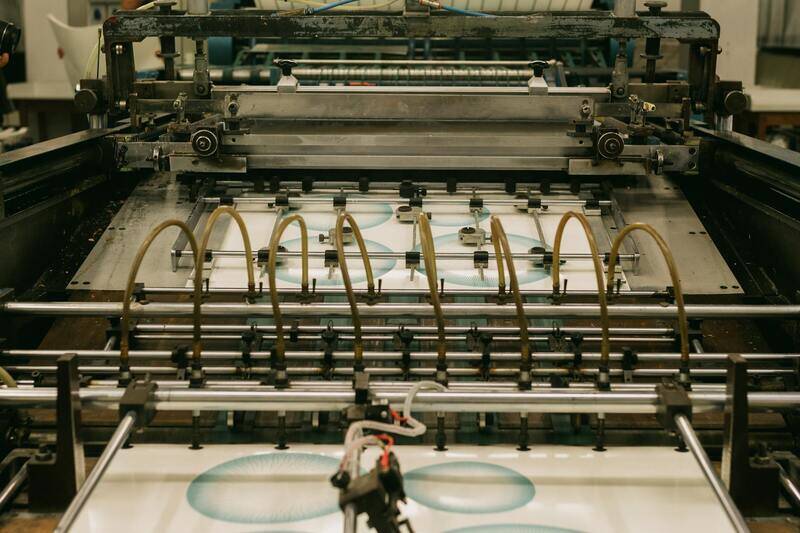
Various printing methods available for banners influence expenditure. Digital printing is the most common, offering rapid turnaround and excellent color fidelity. Screen printing, suitable for large quantities of simple designs, can be more cost-effective but has limitations regarding color versatility and image detail. Dye sublimation produces vibrant, long-lasting prints, often used for fabric banners—these techniques generally incur higher costs due to their specialized nature. Understanding the advantages and limitations of each printing method helps clients select the most appropriate option, balancing quality and cost. Additionally, some high-end techniques provide environmental benefits, utilizing eco-friendly inks and processes that may incur slightly higher prices but align with sustainable practices.
Additional Costs and Customization Options
Beyond core printing, supplementary features add to the overall expense but can significantly enhance the banner’s functionality and lifespan. Common customizations include:
- Pole Pockets: Facilitates easy mounting and display, with minimal added cost.
- Reinforced Edges and Hemming: Improves durability, especially for outdoor use, and involves additional sewing or adhesive processes.
- Finishing Coatings: Matte, gloss, or satin finishes can be applied to enhance visual appeal and weather resistance but slightly increase the price.
- Grommets and Eyelets: Provide convenient hanging options, with minor additional costs per installation.
- Custom Sizes and Shapes: Cutting banners into specific shapes or sizes can raise production costs due to additional editing and customization steps.
Careful selection of optional features can extend the durability and aesthetic quality of the banner, making the investment more valuable over time. It’s advisable to discuss all customization options upfront with the printing provider to understand their impact on the overall project cost and ensure alignment with the budget.
Understanding Banner Printing Price
The cost of banner printing is determined by a combination of multiple factors that influence the final price. These include the size of the banner, the material selected, the complexity of the design, and any special printing techniques employed. A comprehensive understanding of each element allows clients to anticipate expenses accurately and plan within their budget. Standard pricing models typically consider the base cost per square foot or meter, adjusted by the specifics of the project, ensuring transparency and tailored service offerings. When evaluating banner printing prices, it is essential to compare quotes from reputable providers, noting that prices may vary due to the quality of materials, the technology used, and the scope of customization options available.
Common Banner Sizes and Their Pricing
Most banner printing providers offer a range of standard sizes, which translate into different price points. Typical dimensions include 2' x 4', 3' x 6', 4' x 8', and 6' x 10'. The pricing for these sizes often reflects the amount of material used, with larger banners requiring more ink and longer production time. For example, a 2' x 4' banner might incur a lower cost due to its smaller size, making it suitable for indoor displays or short-term promotions. Conversely, larger banners like 6' x 10' serve outdoor or prominent advertising needs and consequently command a higher price.
- Small Banners (up to 4’ wide): More affordable, ideal for indoor use and quick promotional needs.
- Medium Banners (4'-6’ wide): Balance between visibility and cost, versatile for various applications.
- Large Banners (over 6’ wide): Higher overall cost but suitable for large-scale outdoor displays.
Image placeholder 1
Visual comparison of common banner sizes and their approximate pricing ranges.
Material Options and Their Effect on Price
The choice of material significantly influences the overall banner printing price. Each material offers different benefits in terms of durability, appearance, and weather resistance. Standard options include vinyl, mesh, fabric, and polyester, with respective price implications. Vinyl banners are the most common due to their durability and versatility, usually priced competitively for indoor and outdoor use. Mesh banners, featuring small perforations, allow wind to pass through and are favored for outdoor applications, often at a slightly higher cost. Fabric banners, made from polyester or similar textiles, provide a premium look and feel but tend to be more expensive. Additionally, eco-friendly materials with recyclable or biodegradable properties may incur higher prices but align well with sustainable branding initiatives.
Image placeholder 2
Comparison of material types and their respective costs for banner printing.
Design Complexity and Its Cost Implications
The intricacy of the banner design directly impacts production costs. Simple designs with minimal colors and straightforward graphics generally cost less due to reduced printing time and ink usage. Conversely, complex designs featuring multiple colors, detailed imagery, and gradients require advanced printing techniques, increasing both material and labor expenses. High-resolution artwork or custom illustrations necessitate meticulous preparation, which might involve additional file adjustments or vectorization. Moreover, if the design includes intricate cut-outs or custom shapes, cutting and finishing processes will add to the overall cost. Clients should provide detailed artwork and discuss design specifications upfront to avoid unexpected charges and ensure the final product aligns with their expectations.
Image placeholder 3
Visual representation of simple versus complex banner designs and their cost implications.
Printing Techniques and Cost Differences
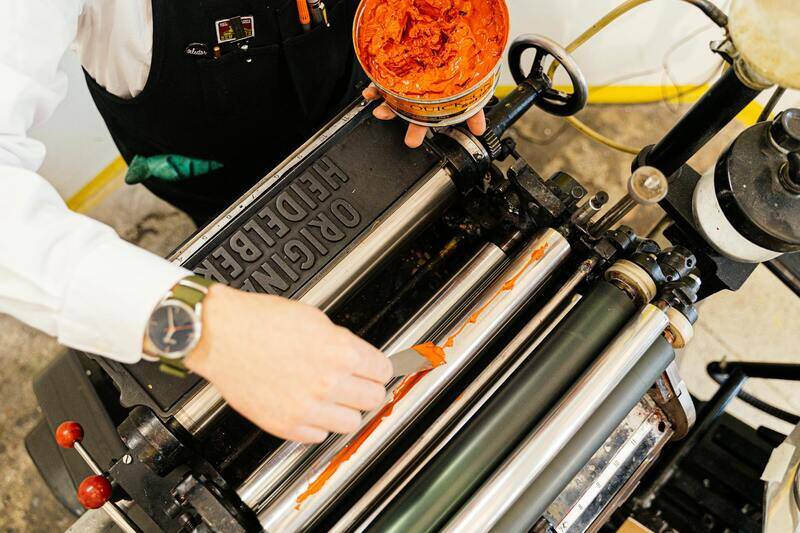
Different printing methods offer varied options in terms of image quality, color accuracy, and cost. Common techniques include digital printing, screen printing, and latex or eco-solvent printing. Digital printing is the most prevalent for banners due to its speed and ability to handle complex, colorful designs efficiently. Screen printing, while suitable for large runs with simple designs, involves higher setup costs but can be more economical for bulk orders. Latex and eco-solvent printing provide high-resolution images with vibrant colors and weather-resistant finishes, but they tend to be pricier due to their advanced technology. The selection of a specific technique should align with the banner’s intended use, lifespan, and budget constraints.
Image placeholder 4
Comparison of different printing techniques and their impact on pricing and quality.
Additional Costs and Customization Options
Enhancing a banner through various customization options can increase the total project cost but greatly improve its functionality and longevity. Standard customizations include pole pockets, reinforced edges, finishing coatings, grommets, and tailored shapes or sizes. Pole pockets facilitate seamless mounting, often at minimal extra expense. Reinforced edges and hemming enhance durability for outdoor environments, requiring additional sewing or adhesive processes. Finishing coats such as matte, gloss, or satin not only improve visual appeal but also add weather-resistant properties, marginally raising the price. Grommets and eyelets provide practical hanging points, typically billed per installation. Custom shapes or sizes involve extra cutting and editing, leading to higher production costs. Clients are encouraged to balance visual impact with cost considerations by selecting appropriate customizations that meet their specific needs and budget constraints.
Tips for Budgeting and Getting the Best Price
Effective budgeting for banner printing requires understanding the core factors affecting price and exploring options to optimize costs. Start by defining the purpose and required lifespan of the banner to determine the most suitable material and size. Request detailed quotes from multiple providers, ensuring transparency about included services. Consider standard sizes and materials that meet your objectives without unnecessary upgrades. When designing, opt for simplicity and limit color usage to reduce printing complexity and costs. Additionally, inquire about bulk discounts for larger orders and explore package deals that include installation or finishing options. Planning ahead and establishing clear specifications can prevent unexpected expenses and ensure you receive a quality product within your budget.