Understanding Banner Design
Effective banner design is foundational to creating visually compelling and impactful signage that captures attention and communicates messages efficiently. The principal elements of banner design include layout, color schemes, typography, and branding consistency. These components work synergistically to ensure the banner not only stands out in crowded environments but also clearly conveys the intended message to the target audience.
When approaching banner layout, balance and visual hierarchy are crucial. Proper placement of text, images, and logos guides viewers’ eyes through the content smoothly, ensuring the main message is understood within seconds. A well-organized layout prevents clutter, making the banner easier to read from a distance.
Color schemes serve a dual purpose in banner design: they attract attention and evoke emotions. Bright, contrasting colors can significantly enhance visibility, especially outdoors where multiple stimuli compete for attention. Harmonious color combinations aligned with brand identity reinforce recognition and consistency. Utilizing a limited palette helps maintain clarity and prevents the design from becoming overwhelming.
Typography is an art form that influences readability and message impact. Selecting bold, legible fonts suited for the viewing distance ensures that critical information is accessible. Combining different font sizes and styles highlights essential elements such as headings, calls to action, and contact details, drawing viewers’ attention efficiently.
Branding integration is vital for reinforcing brand identity through banners. Consistent use of logos, color schemes, and slogans aligns with overall marketing strategies. This cohesion helps in establishing a strong presence, whether in retail spaces, trade shows, or outdoor advertising.
In addition to these elements, understanding the environment where the banner will be displayed is essential. Consideration of lighting conditions, surrounding visuals, and audience demographics informs decisions about materials, colors, and overall design approach.
By adhering to these principles, designers can craft banners that not only attract the eye but also foster engagement and produce measurable results. Effective banner design combines creativity with strategic planning, ensuring that each element contributes to a cohesive and compelling visual narrative.

Choosing the Right Banner Materials
Selecting appropriate materials for banner printing is essential to ensure durability, visual impact, and suitability for the intended environment. Each material offers distinct advantages that make it ideal for specific applications, whether indoor or outdoor, temporary or long-term displays.
Vinyl remains the most popular choice for outdoor banners due to its exceptional weather resistance, flexibility, and print quality. Its waterproof nature protects against moisture, UV rays, and wind, making it suitable for signage on building facades, event banners, and large-format advertising displays. Economy vinyl options provide cost-effective solutions for short-term campaigns, while premium grades offer enhanced durability for extended exposure.
Fabric banners, crafted from polyester or polyester blends with matte or satin finishes, are favored for their high-end appearance and vibrant print reproduction. They lend a sophisticated aesthetic suitable for trade shows, interior displays, and promotional events where visual appeal is paramount. Additionally, fabric banners tend to be easier to transport and set up, with the option for reusability after gentle cleaning.

Mesh banners, constructed from a porous material with small holes, are specifically designed for outdoor use where wind resistance is critical. The mesh allows wind to pass through, reducing the risk of tearing and damage over time. These are ideal for large-scale advertisements in high-traffic outdoor settings or on structures where airflow is a concern.
Other specialized materials include canvas, which offers a textured, artistic effect suited for gallery displays or premium branding, and polycarbonate or rigid substrates used for more permanent, sign-like banners placed on buildings or interior walls.
Understanding the environmental factors, display duration, and budget constraints helps in choosing the optimal material for banner printing. Proper material selection not only enhances visual appeal but also prolongs the lifespan of the banner, ensuring it continues to serve its promotional purpose effectively over time.
Advanced Design Software and Tools for Banner Creation
Creating an eye-catching banner requires precise design capabilities that can be achieved through professional software tools. Industry-standard programs such as Adobe Illustrator and Adobe Photoshop are widely used for their robust features that enable designers to craft detailed, vector-based graphics and high-resolution images. These tools support comprehensive color management, scalable vector graphics, and intricate layer control, facilitating the creation of sharp, vibrant designs suitable for large-format printing.
Other notable options include CorelDRAW, which offers an intuitive interface combined with extensive vector editing capabilities, making it a favored choice for banner designers. Additionally, specialized online platforms like Canva and Crello provide user-friendly interfaces with customizable templates, enabling businesses to produce professional designs even without advanced graphic design expertise.
For precise color matching and layout accuracy, software that supports Pantone color libraries and provides bleed and safety margin settings is essential. These features ensure that the final printed banner maintains intended hues and free of cut-off content. When working with complex graphics or branding elements, utilizing professional design software helps in achieving high-fidelity results that captivate audiences and reinforce brand identity.
Understanding Banner Design
Effective banner design is a strategic process that combines compelling visuals, clear messaging, and appropriate layout to create a powerful advertising tool. A well-crafted banner captures attention quickly, conveys key information succinctly, and aligns with branding guidelines. The importance of clean, professional design cannot be overstated, as it directly influences viewer engagement and conversion rates. When conceptualizing a banner, consider the target audience, the environment in which the banner will be displayed, and the overall campaign goals. Using a hierarchical structure in the design—highlighting the most critical message or call-to-action—helps guide viewer focus efficiently. Color schemes should complement brand colors while ensuring high contrast for readability from a distance. Typography choices must be legible, even from afar, balancing style with clarity. Additionally, the inclusion of eye-catching images or graphics can enhance visual appeal and reinforce brand messaging. Effective banner design also takes into account the balance between text and visuals, ensuring that neither element overwhelms the other. Keeping the message direct and impactful is essential, especially considering the limited viewing time some audiences may have. Testing different versions (A/B testing) can help identify the most effective layout and messaging strategies. The layout should also incorporate space for important details, such as contact information or event dates, without compromising overall visual harmony. In essence, successful banner design combines creativity and technical precision, contributing significantly to the success of promotional campaigns.

Choosing the Right Banner Materials
The selection of appropriate materials forms the backbone of a durable and visually appealing banner. Material choice impacts not only the aesthetic quality but also the banner’s lifespan and suitability for specific environments. For outdoor banners exposed to weather elements, materials like vinyl or mesh are popular choices due to their resistance to moisture, UV degradation, and tearing. Vinyl banners are renowned for their durability, flexibility, and vibrant print reproduction. Mesh banners, with their permeable design, reduce wind resistance, making them ideal for exposed outdoor settings. For indoor banners or short-term displays, less robust options such as fabric or polypropylene may suffice, offering a lightweight and cost-effective solution. Canvas banners are also used when a textured, high-end appearance is desired, often for event displays, gallery exhibitions, or premium branding. When selecting materials, consider the clarity of the print, color retention over time, and the ease of installation. Additionally, choosing the right thickness and weight of material ensures that the banner maintains its integrity during handling and installation. Eco-friendly options such as recyclable vinyl or biodegradable fabrics are gaining popularity, aligning with sustainability efforts. Proper surface preparation and weatherproof coatings extend the lifespan of outdoor banners, preserving sharpness of print and structural stability.

Understanding Banner Design
Effective banner design requires a strategic approach to visual elements, messaging, and layout. A well-crafted banner captures attention quickly and communicates its purpose succinctly. Essential components include bold headlines that are easily readable from a distance, clear imagery or graphics that reinforce the message, and minimal text to avoid clutter. The choice of colors plays a pivotal role in attracting attention and evoking the desired emotional response, whether it’s excitement, trust, or curiosity. Consistent branding elements, such as logos and corporate color schemes, should be integrated seamlessly to strengthen brand recognition.
Attention to typography is crucial; fonts should be legible from afar, with contrasting colors to stand out against the background. The use of whitespace helps in organizing the design and prevents it from appearing overcrowded. When designing banners, considering the viewing environment—indoor or outdoor—is vital, as it influences font size and image resolution. A balanced composition ensures the viewer’s eye moves naturally across the banner, emphasizing key messages and calls to action. Incorporating a professional touch during the design process ensures that the final product aligns with marketing objectives and appeals to the target audience.
Design Principles to Maximize Impact
- Contrast: Use contrasting colors for text and background to enhance readability.
- Hierarchy: Prioritize information using size and placement; the most critical message should be the most prominent.
- Consistency: Maintain your brand’s visual identity through consistent use of colors, fonts, and logos.
- Simplicity: Keep the design clean and straightforward to convey messages quickly.
- Visual Balance: Distribute visual elements evenly to create harmony and prevent clutter.
Choosing the Right Banner Materials
The selection of suitable materials is essential for durable and effective banners. Factors such as environment, duration of display, and budget influence material choice. For outdoor banners, materials like vinyl and mesh are preferred for their resilience against weather conditions. Vinyl is particularly valued for its flexibility, print fidelity, and longevity, making it suitable for prolonged outdoor use. Mesh banners, with their perforated surface, allow wind to pass through, reducing strain and potential tearing in exposed areas. These characteristics make mesh ideal for large-format outdoor signage exposed to high winds.
Indoor banners, on the other hand, often benefit from lighter materials such as fabric or polypropylene, which are easy to handle and cost-effective. Fabric banners offer a textured, high-end appearance, suitable for gallery displays, trade shows, or premium branding events. Polypropylene options provide vibrant color reproduction and quick setup, making them suitable for temporary indoor displays. Canvas banners, with their textured surface, are also used in contexts where a more artistic or upscale presentation is desired.
When selecting a material, factors such as print quality, color retention, ease of installation, and environmental impact are crucial considerations. Recyclable vinyl and biodegradable fabrics align with sustainability initiatives, offering eco-friendly options.
Understanding Banner Design
Effective banner design begins with clarity and purpose. The visual hierarchy should guide viewers’ eyes to the most important information first, such as the company name, event details, or promotional message. Utilizing bold typography, contrasting colors, and strategic placement helps ensure the message is both eye-catching and easily readable from a distance. The simplicity of design is key; cluttered visuals can dilute the message and reduce impact. Incorporating brand elements such as logos, color schemes, and consistent fonts reinforces brand identity and enhances recognition. Additionally, visual balance, spacing, and alignment contribute to the professional appearance of the banner, making it more appealing to viewers.
Key Aspects of Banner Design
- Typography: Select clear, legible fonts suitable for large-format displays.
- Color Scheme: Use high-contrast colors to improve visibility and aesthetic appeal.
- Imagery: Incorporate high-resolution images that complement the message without overwhelming it.
- Messaging: Keep text concise, impactful, and aligned with the campaign or branding goals.
- Brand Elements: Integrate logos and brand colors consistently across the design.

Design Considerations for Different Banner Purposes
Each application of a banner requires tailored design strategies to optimize effectiveness. For instance, trade show banners benefit from bold visuals and minimal text to capture attention quickly in crowded environments. Conversely, for street advertising, larger fonts and high-contrast colors ensure visibility from afar. Promotional banners for online or indoor use might incorporate intricate graphics or detailed messaging, leveraging closer proximity for detailed viewing. Understanding the target audience, viewing distance, and display environment guides the customization of the design for maximum impact.
Choosing the Right Banner Materials
Material selection is foundational to the durability and visual quality of banners. Outdoor banners demands sturdy, weather-resistant materials like vinyl and mesh. Vinyl banners are appreciated for their flexibility, resilience, and ability to hold vibrant prints over time. Mesh banners, with their perforated surface, not only offer durability but also allow wind to pass through, reducing strain on the structure—especially useful in high-wind zones.

Indoor banners typically utilize lighter materials such as fabric or polypropylene, which provide a vivid print quality with easier handling. Fabric banners, often made of polyester or cotton blends, give a premium look suitable for gallery displays, exhibitions, or high-end branding. Polypropylene, on the other hand, offers affordability and quick turnaround, ideal for temporary indoor signage. Canvas banners are also selected for artistic presentations, providing textured, high-quality visuals that enhance the perceived value of the display.
Other Considerations in Material Selection
- Environmental Impact: Recyclable vinyl and biodegradable fabrics are increasingly favored for greener campaigns.
- Print Fidelity: Material's surface smoothness and absorption characteristics influence image sharpness and color vibrancy.
- Ease of Installation: Lightweight materials reduce handling difficulty and installation time.
- Longevity: Durability against UV exposure, moisture, and tearing prolongs banner lifespan.

Design Software and Tools for Banners
Creating impactful banners requires robust design tools that support high-resolution outputs and versatile editing capabilities. Professional software like Adobe Photoshop and Adobe Illustrator are industry standards, enabling designers to produce detailed, print-ready artwork with precise color matching and scalable vector graphics. These tools facilitate the incorporation of complex graphics, typography, and brand elements, ensuring the final design meets specifications for large-format printing.
For users seeking more accessible options, online platforms such as Canva and other banner-specific design tools provide templated solutions and user-friendly interfaces. While these may lack some advanced features, they still allow for customization and quick production of visually appealing banners suitable for most marketing needs.
Design Tips for Effective Banner Artwork
- Resolution: Use a minimum of 300 DPI for high-quality large-format prints.
- Color Management: Employ CMYK color mode to ensure colors translate accurately to print.
- Layering: Organize design elements into layers for easier editing and adjustments.
- Bleed and Margin: Include bleed areas (at least 0.125 inches) to accommodate trimming and prevent unintended cut-offs.
- Font Sizes: Opt for large, bold fonts that are legible from afar, avoiding overly artistic or complex typefaces.
Printing Technologies for Banners
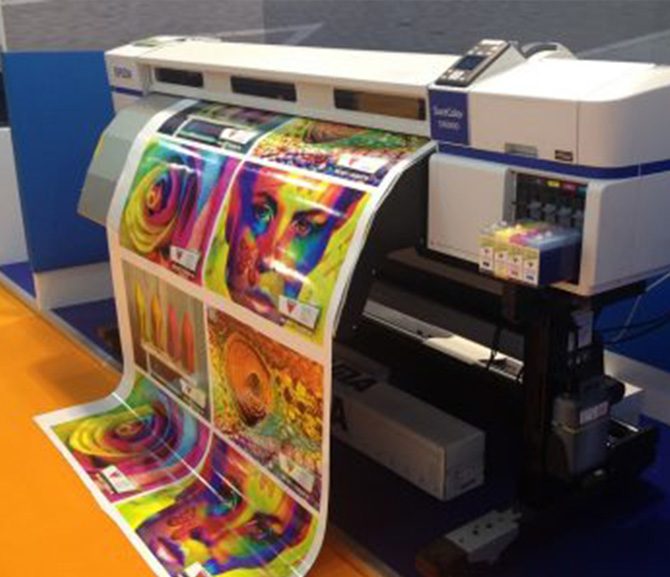
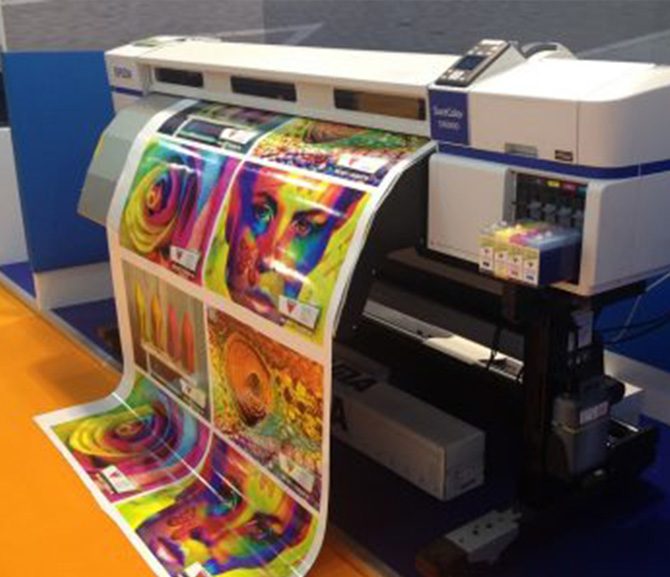
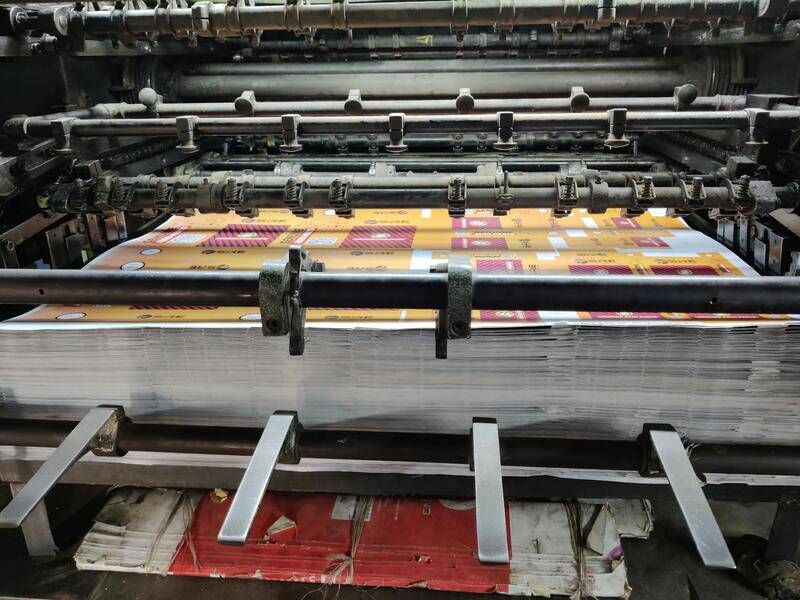
Transitioning from digital designs to physical banners involves choosing the appropriate printing technology to achieve quality, color accuracy, and durability. Wide-format UV printing is prevalent, offering high-resolution results with vibrant color reproduction and excellent adhesion on selected materials like vinyl and fabric. UV printing’s benefits include quick turnaround times, environmentally friendly inks, and weather-resistant finishes, especially suitable for outdoor banners.
Solvent and eco-solvent printing are also popular, particularly for outdoor applications, due to their ability to produce vivid colors on vinyl surfaces while maintaining flexibility and resistance to environmental elements. Dye sublimation printing is primarily used for fabric banners, producing vibrant, durable visuals that are resistant to fading and cracking. Each technology varies in cost, speed, and compatibility with specific materials, so selecting the right method depends on the project's requirements and expected lifespan.
Factors Influencing Printing Choice
- Material Compatibility: Ensure the selected printing technology suits the banner material.
- Color Accuracy: Use printing methods capable of matching brand colors and specific hues.
- Durability Needs: Opt for technologies that provide weather resistance and UV protection for outdoor displays.
- Environmental Standards: Consider eco-friendly ink options to minimize environmental impact.
Understanding Banner Design
Creating an effective banner begins with a comprehensive understanding of design principles that captivate and inform viewers. The visual hierarchy is crucial; it guides the audience’s attention from the most important message to supporting details. Utilizing bold typography for headings combined with clear, legible fonts ensures readability from a distance. Color schemes should align with brand identity and environmental context, offering contrast that enhances visibility.
Incorporating high-quality imagery and graphics elevates the banner's visual appeal. When designing for print, it's imperative to consider the viewing distance, opting for simpler layouts for wider displays to avoid clutter. The use of whitespace balances the overall design, preventing visual overload and directing focus toward the core message.
The typography must be consistent with brand guidelines, with size and weight carefully selected to optimize readability and impact. Incorporating a call-to-action (CTA) prompts viewers to engage further, whether through visiting a website, calling a contact number, or attending an event. Every element should serve the overarching purpose of the banner: to inform, promote, or motivate action effectively.
Understanding the nuances of color psychology can also influence design success. Bright, energetic colors evoke excitement and urgency, ideal for promotional banners, while subdued hues may be appropriate for more formal or informational displays. The overall design process should include reviewing visual balance, ensuring the message is clear and the composition appeals to target audiences.
Furthermore, designing with a focus on accessibility ensures that banners communicate universally. This involves choosing contrasting colors for readability, avoiding overly intricate fonts, and ensuring that images are sharp and clear. Proper planning and thoughtful design choices translate into banners that not only stand out visually but also effectively fulfill their intended purpose, leaving a lasting impression on viewers.
Understanding Banner Design
Effective banner design hinges on a clear understanding of visual hierarchy, branding consistency, and audience engagement. It’s essential to craft a layout that captures attention quickly while communicating the core message efficiently. Emphasizing key information through strategic placement and size, employing readability-enhancing typography, and integrating compelling imagery create a balanced composition that appeals to viewers. Color schemes should reinforce brand identity and evoke the desired emotional response, ensuring that the banner resonates with its target demographic. Additionally, incorporating a clear call-to-action (CTA) guides viewers toward taking the intended next step, whether it’s visiting a website, making a purchase, or attending an event.

Choosing the Right Banner Materials
Selecting the appropriate material is fundamental to the banner’s performance and longevity. Different environments and display durations necessitate specific material choices:
- Vinyl: Durable and weather-resistant, ideal for outdoor use, offering flexibility and vibrant printing results.
- Mesh Banner: Breathable and lightweight, suitable for windy outdoor settings, reducing the risk of damage or wind resistance issues.
- Fabric: Provides a premium appearance with matte finishes, often used for indoor displays or special events.
- Paper or Cardboard: Cost-effective options suited for short-term indoor promotions or temporary displays.
Understanding the environmental conditions and expected lifespan of the banner informs the material selection process, ensuring durability while maintaining visual appeal.
Design Software and Tools for Banners
Leveraging professional design tools is crucial for creating high-quality banners. Industry-leading software options include:
- Adobe Illustrator: Vector-based, enabling scalable designs without loss of quality, perfect for large banners requiring crisp graphics.
- Adobe Photoshop: Ideal for editing images and creating mockups, offering versatility in design effects and photo manipulation.
- CorelDRAW: Another vector-based design tool favored for its user-friendly interface and comprehensive features.
- Canva: Web-based option suitable for quick, simplified designs, especially for users without extensive graphic design experience.
Using precise templates and following the recommended specifications ensures optimal print quality and layout accuracy.
Printing Technologies for Banners
Advances in printing technology have significantly enhanced banner production, providing options that deliver exceptional visual fidelity:
- Large-format Digital Printing: Offers high-resolution outputs with vibrant color reproduction, suitable for detailed artwork and photographs.
- UV Printing: Enables printing directly on various materials with UV-curable inks, resulting in durable and fade-resistant banners.
- Eco-Solvent Printing: Uses eco-friendly solvents to produce weatherproof banners with rich color depth and longevity.
- Latex Printing: Combines environmental safety with flexibility, providing high-quality, weather-resistant graphics suitable for outdoor use.
The choice of printing technology directly influences the visual vibrancy, durability, and overall quality of the final product.
Size, Resolution, and Bleed Specifications
Meeting precise technical specifications ensures that banners are produced to the desired standards of clarity and impact:
- Size: Accurate measurement considering the display space, with allowances for extra margins or borders to facilitate installation and finishing.
- Resolution: Typically, 300 DPI (dots per inch) for close-up viewing or detailed imagery; larger display banners can often be printed at slightly lower resolutions without loss of visual quality.
- Bleed: Usually 2-3 centimeters beyond the final trim size, allowing for cropping inconsistencies and ensuring the design extends seamlessly to the edges.
Adhering to these specifications prevents issues like pixelation, misalignment, or incomplete printing, resulting in a professional-looking banner.
Installation and Maintenance of Banners
Proper installation maximizes the banner’s lifespan and visual impact. Techniques include:
- Using high-quality hardware such as tension rods, grommets, or special hooks to secure the banner firmly.
- Ensuring the surface is clean and smooth to avoid damage or uneven display.
- Regular cleaning with mild soap and water to remove dirt, dust, and pollutants without degrading the material.
- Inspecting for tears or loose fittings periodically, especially in outdoor environments subjected to weather fluctuations.
Different banners require tailored maintenance protocols to preserve color vibrancy and structural integrity over time.
Cost Factors and Budgeting
Budgeting for banner projects involves evaluating multiple cost elements:
- Material Choice: Premium materials command higher prices but offer increased durability and aesthetic appeal.
- Size and Complexity: Larger banners or those with intricate designs increase production costs, including setup and printing time.
- Printing Technology: Advanced printing methods like UV or latex printing generally incur higher costs but deliver superior quality and longevity.
- Finishings and Accessories: Options such as hemming, grommets, or reinforced edges add to the overall expense but enhance durability and ease of installation.
- Quantity: Bulk orders often reduce the unit price, making larger projects more cost-effective.
Understanding these factors enables accurate budgeting, ensuring the project aligns with financial expectations while achieving desired outcomes.