Overview of Professional Printing Services
Professional printing services refer to specialized solutions that provide high-quality, customized printing for a wide range of applications. These services are essential across numerous industries including marketing, education, healthcare, manufacturing, and retail. By utilizing state-of-the-art equipment and expert craftsmanship, professional printing providers deliver products that meet exact specifications, ensuring clarity, durability, and aesthetic appeal.
Unlike consumer-grade printers, professional printing services operate with advanced machinery capable of handling large volumes and diverse substrates. This allows for precise color matching, detailed imaging, and consistent output across batches, which is vital for branding and promotional material. Furthermore, these services incorporate various finishing options such as lamination, embossing, and binding to enhance the final product’s quality and functionality.
One of the primary roles of professional printing solutions is to help businesses communicate effectively and create lasting impressions. Whether producing eye-catching banners, sophisticated business cards, or detailed technical diagrams, these services support companies in establishing a strong visual identity. They also enable customization down to the finest details, catering to specific needs that standard printing methods cannot fulfill.

Additionally, professional printing services are invaluable for producing high-volume orders with consistent quality and rapid turnaround times. Whether it is for a large advertising campaign or educational materials, these services streamline the production process, reduce waste, and provide scalable solutions. This efficiency makes them indispensable for organizations that require reliable and flexible printing options.
The utilization of advanced technology also allows professional printers to incorporate sustainable practices by reducing excess waste and optimizing ink and material use. Overall, professional printing services stand as a cornerstone for modern business communications, offering expertise, precision, and adaptability to meet evolving demands.
Types of Printing Services Offered
Professional printing services encompass a diverse array of options designed to meet the unique needs of various industries and projects. Each method employs different techniques to achieve specific results, quality standards, and cost efficiencies. Understanding the primary types of printing available allows clients to select the most appropriate solution for their objectives.
Offset Printing
Offset printing remains a popular choice for large-volume projects due to its ability to produce high-quality images with excellent color fidelity. This process involves transferring ink from a plate to a rubber blanket, then onto the printing surface. Offset printing offers cost advantages for bulk orders, making it ideal for producing magazines, brochures, catalogs, and other promotional materials that require consistent quality across multiple copies.
Digital Printing
Digital printing is renowned for its speed, flexibility, and cost-effectiveness for smaller print runs. This method directly transfers digital images onto substrates, eliminating the need for printing plates. It is well-suited for personalized prints, short-run marketing materials, business cards, and on-demand printing requests. Digital printing allows for quick revisions and modifications, making it a favorite for projects that require rapid turnarounds and customization.
Large-Format Printing
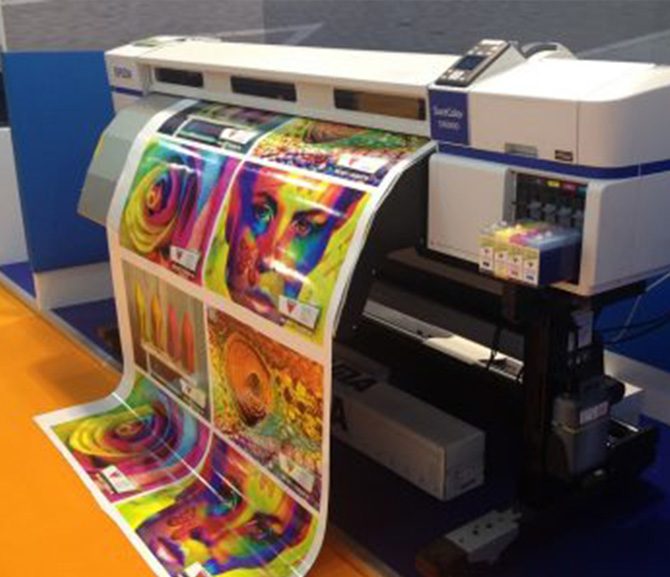
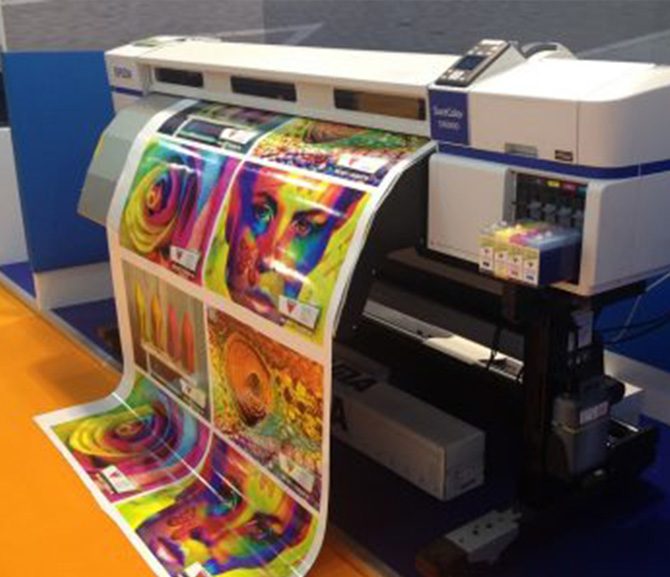
Specialized in producing oversized graphics, large-format printing is essential for banners, posters, signage, trade show displays, and other promotional visuals that demand high-impact visuals. This process uses wide-format printers capable of handling various materials such as vinyl, fabric, and backlit substrates. It offers vibrant color reproductions and durability, crucial for effective outdoor advertising and event displays.
Specialty Printing Options
Beyond standard methods, professional printing services also provide niche options like foil stamping, embossing, die-cutting, and textured finishes. These options enable brands to create distinctive, tactile experiences that enhance brand recognition and product appeal. Specialty printing is frequently used for packaging, business stationery, luxury branding, and artistic projects where aesthetic quality is paramount.

The selection of a printing method depends on factors such as volume, budget, desired finish, and the nature of the project. Professional printing providers offer expert guidance to determine the most efficient process, ensuring the final product aligns with the client's vision and quality standards.
Detailed Insights into the Range of Printing Options Available
Professional printing services encompass a broad spectrum of solutions designed to meet diverse business and creative needs. Digital printing remains the cornerstone of rapid and customizable output, ideal for short runs, personalized materials, and quick turnarounds. This method allows for dynamic color matching, variable data printing, and instant proofing, ensuring that each print is tailored precisely to client specifications. It is particularly advantageous for projects like marketing collateral, business cards, and event flyers, where flexibility and speed are essential.
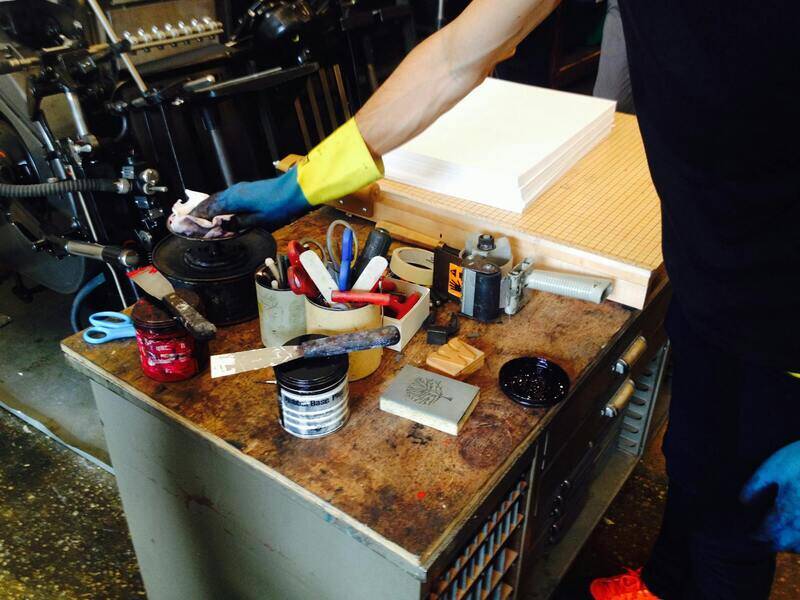
Offset printing continues to be the preferred choice for large-volume productions requiring consistent quality. This process involves transferring ink from a plate to a rubber blanket and then onto the printing surface, making it highly efficient for producing thousands of copies with sharp, vibrant images and text. Offset printing provides superior color fidelity and is often used for producing catalogs, brochures, magazines, and large batch promotional materials, ensuring each piece maintains a uniform appearance.
Large-Format and Specialty Printing for Visual Impact
Large-format printing is specialized for creating visually striking signage, banners, posters, and trade show displays. Equipped with wide-format printers capable of handling materials like vinyl and fabric, this service offers high-resolution images with excellent color consistency and durability. These materials are suitable for both indoor and outdoor environments, making them ideal for branding, advertising, and event decor that aims to capture attention from a distance.
In addition to standard printing options, specialty processes such as foil stamping, embossing, die-cutting, and textured finishes allow for tactile enhancements that elevate the aesthetic and sensory experience of printed products. These techniques are frequently employed in creating luxury packaging, high-end business stationery, or artistic projects where tactile distinction enhances overall presentation and brand perception.

Factors Influencing the Choice of a Printing Method
The decision to utilize a specific printing process hinges on multiple project factors, including the volume of production, budget constraints, desired finish, material choice, and turnaround time. Digital printing provides a quick and flexible solution for smaller runs and bespoke jobs, while offset printing remains cost-effective for large quantities requiring consistent high quality. Large-format and specialty printing require equipment and expertise tailored to specific visual and tactile needs, often necessitating consultation with printing professionals to select the most suitable approach.
Professional printing providers leverage their expertise to recommend optimal methods, ensuring that the final product aligns with the client's vision, quality requirements, and budgetary considerations. The collaboration often begins with detailed consultations, where specifications are clarified, and samples or proofs are produced for approval before the final run.
Overview of Professional Printing Services
Professional printing services encompass a wide range of solutions designed to meet the diverse needs of businesses, organizations, and individuals seeking high-quality printed materials. These services leverage state-of-the-art equipment, advanced printing technologies, and skilled craftsmanship to produce products that consistently meet specified standards. From business cards and marketing brochures to large-format banners and custom packaging, professional printing providers are equipped to handle projects of varying complexity and volume. Utilizing professional printing services ensures that the final output aligns with branding objectives, presentation standards, and industry best practices. By partnering with experienced printers, clients benefit from expert guidance throughout the process, including material selection, design optimization, and finishing techniques. This collaborative approach guarantees that each project not only meets immediate needs but also enhances long-term brand reputation. The comprehensive nature of these services extends beyond mere printing, often incorporating additional features such as UV coating, lamination, foil stamping, embossing, and die-cutting. Such enhancements add value and differentiation to printed products, making them more engaging and memorable. Whether for corporate marketing, special event branding, or personal projects, professional printing providers prioritize precision, consistency, and timely delivery.

Types of Printing Services Offered
Within the realm of professional printing, a broad spectrum of services is available to cater to various project requirements:
- Digital Printing: Ideal for short runs and on-demand printing, digital presses allow rapid turnaround and easy customization, making them suitable for personalized marketing materials, labels, and small batch jobs.
- Offset Printing: This traditional method provides high-quality, consistent results for large quantities. It is cost-effective for bulk printing of brochures, catalogs, business cards, and stationery, offering sharp image reproduction and color fidelity.
- Large-Format Printing: Specializing in banners, posters, trade show displays, and vehicle wraps, this method handles expansive sizes with detailed resolution and vibrant colors.
- Specialty Printing: Techniques such as foil stamping, embossing, die-cutting, and textured finishes enable designers to add tactile and visual uniqueness to their products. These services are particularly valued in luxury branding and artistic presentations.
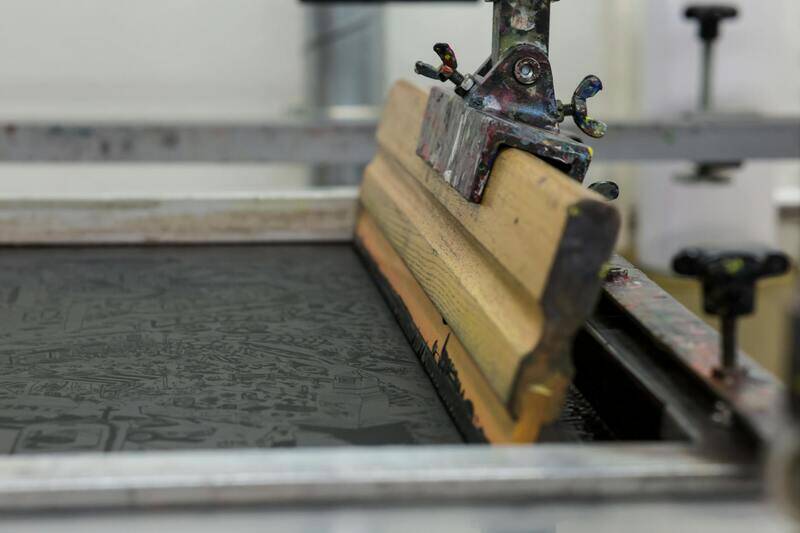
- Screen Printing and Flexography: Used mainly for fabric, apparel, and packaging, these methods facilitate printing on unconventional surfaces and materials with durability.

Advantages of Using Professional Printing Services
Engaging with qualified printing providers offers multiple benefits that directly influence the quality and effectiveness of printed materials. Key advantages include:
- Superior Quality: Advanced machinery and skilled craftsmanship result in crisp images, vibrant colors, and flawless finishes that elevate brand image.
- Customization and Flexibility: Professional services can accommodate intricate designs, special finishes, and personalized touches, providing a tailored solution for each project.
- Consistency and Precision: Large-scale productions benefit from stringent quality control measures, ensuring uniformity across all units.
- Expert Guidance: Experienced printers can recommend suitable materials, finishes, and printing techniques based on project goals, audience, and budget.
- Time and Cost Efficiency: While initial investment might seem higher, efficient workflows and bulk discounts ensure timely delivery and overall value.
By transitioning from in-house or amateur approaches to professional printing, organizations can achieve more impactful visual communication, reinforcing their reputation and ensuring that key messages resonate effectively with their target audiences.
Key Factors to Consider When Choosing a Printing Service
Selecting the right professional printing partner is crucial for achieving high-quality results that align with your project’s goals. Several essential factors should guide your decision to ensure you benefit from excellent craftsmanship, reliable service, and cost-effective solutions.
Reputation and Industry Experience
Evaluate the printing company's reputation by reviewing client testimonials, case studies, and their portfolio of completed projects. An established company with a robust track record demonstrates consistent quality and a commitment to customer satisfaction. Industry experience often correlates with advanced technical knowledge and familiarity with a wide array of printing techniques, which can be invaluable for complex or specialized projects.
Range of Services and Capabilities
Opt for a provider offering a comprehensive suite of printing options, such as digital, offset, flexography, screen printing, and large-format printing. This versatility allows for customization according to the specific demands of your project, whether it requires vibrant color reproduction, fine detail, or durable finishes. A company capable of handling diverse materials and formats—ranging from paper, fabric, to specialty surfaces—adds value and flexibility to your workflow.
Quality Assurance Standards
Reliable professional printers implement rigorous quality control procedures throughout the production process. Look for certifications or adherence to industry standards that indicate a commitment to precision, consistency, and defect-free output. High-quality materials, advanced machinery, and skilled artisans are key components in producing final products that meet your expectations.
Technological Infrastructure
Modern printing requires sophisticated equipment capable of high-resolution printing and quick turnaround times. Confirm that the provider leverages cutting-edge technology, including color management systems, automation, and eco-friendly printing solutions. This ensures vibrant, accurate colors and environmentally conscious practices, aligning with both quality and sustainability goals.
Customer Service and Communication
Clear, responsive communication channels and dedicated account managers significantly influence project success. A professional printer should offer detailed consultations, precise timelines, transparent pricing, and proactive updates throughout the process. Such engagement minimizes errors and streamlines project execution, saving time and resources.
Pricing and Turnaround Time
While cost considerations are important, the lowest price does not always guarantee the best quality. Request detailed quotes that specify all included services and potential additional charges. Additionally, assess the provider’s capacity for timely delivery, especially for projects with strict deadlines, to ensure your marketing campaigns or events proceed without delays.
Sustainable and Eco-Friendly Practices
Choose a printing partner that embraces environmentally responsible practices. This includes the use of recycled materials, eco-friendly inks, waste reduction strategies, and energy-efficient machinery. Supporting sustainable operations aligns your brand with responsible business ethics and appeals to environmentally conscious audiences.

Process and Workflow of Professional Printing
Understanding the process and workflow behind professional printing services is essential for ensuring quality results that meet your specific needs. Typically, this process begins with a thorough consultation where the client’s project specifications, design preferences, and target objectives are discussed in detail. This initial phase establishes clear communication channels to ensure alignment between your vision and the printer’s capabilities.
Once the project parameters are set, the next critical step involves artwork preparation. This includes verifying file formats, resolution, and color calibration to match the desired output. Professional printers utilize advanced color management systems that guarantee consistent color reproduction across different materials and print runs. A comprehensive proofing process often follows, allowing clients to review and approve samples before the full run begins, minimizing costly errors and revisions.
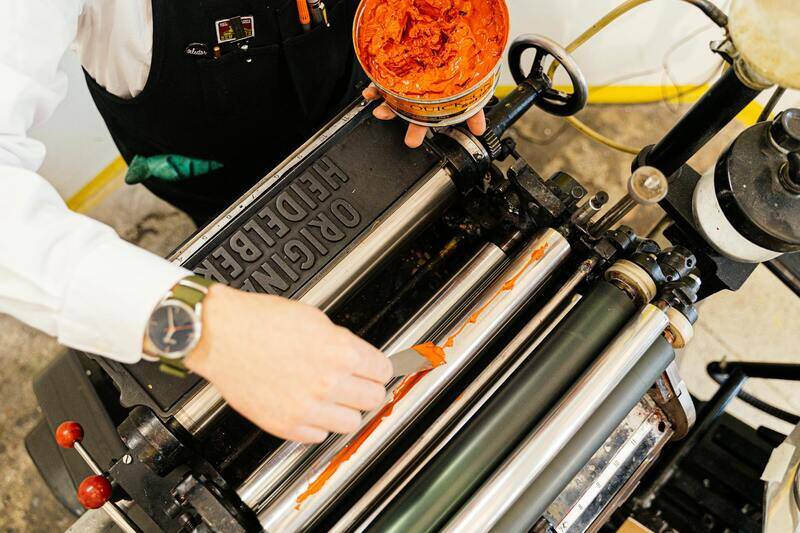
After approval, the files are processed through sophisticated printing machinery that supports various methods such as offset, digital, or large-format printing. Each method offers unique advantages depending on the project scope, materials, and quantity required. During the printing stage, quality control measures are rigorously applied to catch any inconsistencies or defects, ensuring each piece adheres to the high standards set at the outset.
Post-print finishing is a vital component of the workflow, encompassing options like lamination, coating, binding, and cutting. These finishing touches not only enhance the aesthetic appeal but also improve durability and functionality of the printed materials. In professional settings, specialized equipment and skilled technicians operate these processes to achieve precise results that fulfill client expectations.
Throughout this workflow, project management plays a crucial role. From timelines to logistics, efficient coordination ensures timely delivery. Modern professional printing services leverage digital tracking systems and communication tools that keep clients informed about progress, potential delays, and completion estimates. This proactive approach establishes trust and allows for adjustments when necessary, ultimately leading to successful project outcomes.
Choosing a service provider with a streamlined workflow and experienced personnel is fundamental to achieving optimal results. Their ability to manage each phase seamlessly — from initial design considerations to final quality assurance — guarantees a polished product that aligns with your branding and communication objectives.
Overview of Professional Printing Services
Professional printing services encompass a comprehensive range of solutions designed to produce high-quality printed materials for various commercial, promotional, and personal needs. These services utilize state-of-the-art technology, including digital, offset, and specialty printing techniques, to ensure precision, clarity, and consistency. When engaging with a reputable provider like expressprintingsi.com, clients can expect tailored solutions that meet specific project requirements, from small-scale runs to large-volume orders.

Beyond the machinery, these services involve meticulous planning, material selection, color management, and quality assurance protocols. The goal is to produce printed materials that resonate with branding objectives, deliver impactful visuals, and maintain durability over time. Professional printing services are essential for brands seeking to establish a distinctive visual identity through catalogs, brochures, posters, business stationery, and more.
Types of Printing Services Offered
Professional printing providers offer a diverse array of printing techniques to accommodate different project needs:
- Digital Printing: Ideal for quick turnarounds and small to medium print runs, digital printing allows for high-quality images with minimal setup.
- Offset Printing: Suitable for large volume orders requiring precise color matching and high-resolution output. Offset printing ensures consistency across extensive print runs.
- Wide-Format Printing: Perfect for banners, posters, trade show displays, and signage. This method accommodates large-sized materials with vibrant color reproduction.
- Letterpress and Specialty Printing: Used for embossing, foil stamping, and textured finishes that add a premium touch to business cards, invitations, and packaging.

Advantages of Using Professional Printing Services
Opting for professional printing ensures superior quality and consistency, which are crucial for effective branding and communication. Precise color matching and high-resolution outputs create visually compelling materials that leave a lasting impression. Additionally, professional services often provide custom finishing options such as lamination, UV coating, binding, and die-cutting, enhancing both aesthetic appeal and product longevity.
Efficiency is another significant benefit. Experienced providers have the capacity to handle complex projects within tight deadlines and manage large orders seamlessly. Their expertise also minimizes waste and optimizes material usage, leading to cost-effective solutions. Moreover, professional printers typically adhere to industry standards that guarantee the durability and safety of printed items, from eco-friendly inks to sustainable paper options.
Key Factors to Consider When Choosing a Printing Service
Selecting the right professional printing partner requires a careful assessment of several critical aspects:
- Quality Assurance: Evaluate the provider's portfolio and sample materials to assess print quality and finishing capabilities.
- Technology and Equipment: Confirm they utilize up-to-date machinery suited for your project scope and materials.
- Capabilities and Services: Ensure they offer the specific printing techniques and finishing options needed for your project.
- Turnaround Time: Discuss deadlines and capacity to meet your schedule without compromising quality.
- Pricing Transparency: Opt for clear quotations that detail all costs involved, including setup, proofs, and additional finishes.
- Environmental Practices: Prefer providers committed to sustainable practices, such as using recycled materials and eco-friendly inks.
Applications of Professional Printing Services
Professional printing services are indispensable across numerous sectors. Businesses utilize these services for marketing materials like brochures, flyers, and posters to boost brand visibility. Corporate entities rely on printed stationery, reports, and signage for daily operations and events. Event organizers employ high-quality invitations, programs, and banners to create memorable experiences.
Educational institutions and non-profits use printed materials for outreach, information dissemination, and fundraising campaigns. The healthcare sector relies on patient forms, informational brochures, and ID cards. Additionally, the packaging industry benefits from custom printed boxes and labels that enhance product appeal and compliance with branding standards.

Overview of Professional Printing Services
Professional printing services encompass a comprehensive range of high-quality printing solutions designed to meet the diverse needs of various industries. These services are distinguished by their ability to produce precise, vivid, and durable printed materials using advanced technologies and materials. When businesses and organizations seek to communicate their message effectively, they turn to professional printing providers that offer expertise, consistency, and scalability. Such services are not only pivotal for marketing and branding but also critical in operational documentation, event coordination, and product packaging. Partnering with a reliable printing service ensures that printed materials maintain their integrity and visual appeal, reinforcing the credibility and professionalism of your brand or organization.

Types of Printing Services Offered
Professional printing providers offer an array of specialized services tailored to different project requirements, including:
- Offset Printing: Ideal for large volume jobs requiring sharp details and consistent color reproduction, such as magazines, catalogs, and packaging.
- Digital Printing: Suitable for short runs and quick turnarounds, perfect for flyers, business cards, and personalized marketing materials.
- SIGNAGE & Banners: Large-format printing for outdoor and indoor signage, banners, and displays that demand high resolution and weather resistance.
- Custom Packaging: Designing and printing tailored boxes, labels, and wrapping materials that enhance product presentation.
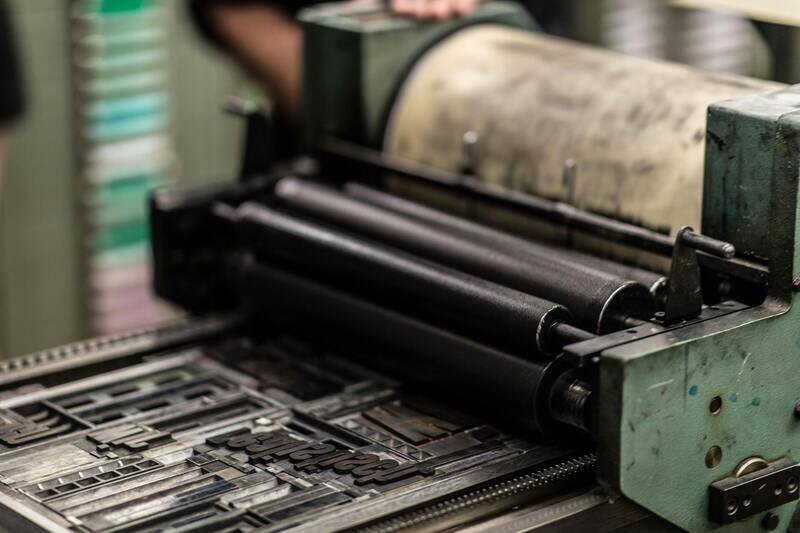
- Finishing & Bindery: Includes lamination, embossing, die-cutting, and binding to add professional touches to final products.
Advantages of Using Professional Printing Services
Opting for professional printing offers several benefits that can significantly impact the effectiveness of your printed materials:
- Superior Quality: Professional equipment and experienced operators ensure crisp, vibrant images and durable finishes, exceeding standard home or office printing.
- Consistency and Accuracy: Precise color matching and uniform quality across large batches guarantee a cohesive look for branding materials.
- Cost-Efficiency for Large Volumes: Bulk production reduces overall costs and minimizes waste, providing a cost-effective solution without compromising quality.
- Time Savings: Efficient workflows and advanced machinery enable quicker turnaround times, helping meet tight deadlines.
- Customization and Finishing Options: A wide range of finishes, coatings, and special effects to make printed materials stand out.
- Expert Guidance: Professional printers provide consultation on paper stocks, inks, and finishes to optimize the final product.
Key Factors to Consider When Choosing a Printing Service
Selecting the right professional printing provider involves evaluating several critical aspects to ensure your project’s success:
- Quality of Equipment and Materials: Confirm that the provider uses state-of-the-art machinery and high-grade materials suitable for your specific printing needs.
- Range of Services: Ensure the provider can accommodate all required techniques, finishes, and bindings for your project.
- Reputation and Past Work: Review portfolios, client testimonials, and certifications to gauge reliability and quality standards.
- Turnaround Time: Discuss and confirm timelines to align expectations and meet project deadlines.
- Pricing Transparency: Obtain detailed quotations covering all costs, including setup fees, proofs, and additional finishes.
- Eco-Conscious Practices: Prefer providers committed to sustainable practices, such as using environmentally friendly inks and recycled materials.
Applications of Professional Printing Services
From marketing campaigns to operational documents, professional printing services are vital across numerous sectors. Examples include:
- Marketing and Advertising: Brochures, flyers, posters, and promotional banners designed to attract and engage customers.
- Corporate Communication: Business cards, letterheads, reports, and internal signage that reflect a polished brand image.
- Events and Promotions: Invitations, programs, banners, and signage that create memorable experiences at events.
- Educational and Non-profit Outreach: Informational brochures, fundraising materials, and awareness campaigns.
- Healthcare & Medical: Informational leaflets, patient forms, ID badges, and educational posters.
- Product Packaging: Custom printed boxes, labels, and wrappers that distinguish brands and ensure compliance.
Environmental and Sustainability Practices
Many professional printing services prioritize environmentally responsible methods to reduce their ecological footprint. These practices include the utilization of eco-friendly inks, recycled and FSC-certified papers, as well as waste reduction initiatives. Implementing sustainable practices not only benefits the planet but also aligns with corporate social responsibility goals, helping clients demonstrate their commitment to environmental stewardship. Advanced digital workflows and water-based inks further minimize chemical usage and emissions, reinforcing a company's dedication to eco-conscious operations.