Understanding Color Printing Fundamentals
Color printing is an intricate process that transforms digital digital designs into vibrant, high-quality physical outputs. At the core of this process lies the understanding of color models and their applications in printing. Two primary color models govern the way colors are produced and perceived in print media: CMYK and RGB. Recognizing the differences and optimal applications of each model enables businesses and individuals to make informed printing decisions that affect print quality, cost efficiency, and overall results.

Color Models in Printing
CMYK Color Model
The CMYK color model, which stands for Cyan, Magenta, Yellow, and Key (black), is the standard for full-color printing. It operates on a subtractive color basis, meaning that colors are created by subtracting wavelengths from white light. When combined in different proportions, these four colors produce a broad spectrum of hues. CMYK is especially suitable for printing tasks that require high fidelity and color accuracy on various substrates, such as brochures, posters, and packaging materials.
RGB Color Model
The RGB color model — Red, Green, Blue — is primarily used for digital displays like monitors, screens, and digital media. It works on an additive principle, where combining light of the three primary colors produces a range of other colors. While RGB is essential during the design process, printing typically requires conversion to CMYK to ensure color consistency on physical prints. Understanding when and how to convert between these models is critical for achieving the desired print output without color discrepancies.
Influence on Print Quality
The choice of color model impacts the vibrancy, sharpness, and accuracy of printed images. CMYK printing allows for precise color matching, especially when managed through calibrated equipment and proper color management practices. Poor understanding of these principles can result in dull or mismatched colors, leading to unsatisfactory printed materials. Consequently, familiarizing oneself with color models and their applications forms the foundation for producing consistent and visually appealing color prints.

The Impact of Color Theory on Printing
Beyond technical understanding, knowledge of color theory enhances the ability to produce prints that evoke the intended emotional response and brand perception. Color harmony, contrast, and saturation are critical factors in designing printed materials that stand out. By mastering how colors behave in print media, designers and printers can collaborate to optimize the visual impact of each project, ensuring the final product aligns with the vision and expectations.
Key Takeaways
- Color models like CMYK and RGB guide how colors are created and rendered in print versus digital media.
- CMYK is essential for accurate color reproduction in physical printing, while RGB is primarily used in digital design.
- Understanding and managing color workflows is fundamental for achieving high-quality print results.
- Color consistency depends on calibration, color management, and the proper exchange of color data between digital and print devices.
Mastering the basic principles of color printing forms the cornerstone of producing visually compelling, professional-grade prints. Whether setting up a print job or designing for print media, an understanding of how colors are produced and controlled ensures that the final physical output meets aesthetic and technical standards, providing value and impact for every project undertaken.
Choosing the Right Color Printing Method for Your Needs
Selecting an appropriate printing method is essential to achieving optimal color quality, durability, and cost-effectiveness for your project. Different techniques serve distinct purposes, and understanding the advantages and limitations of each can guide you toward the best option.
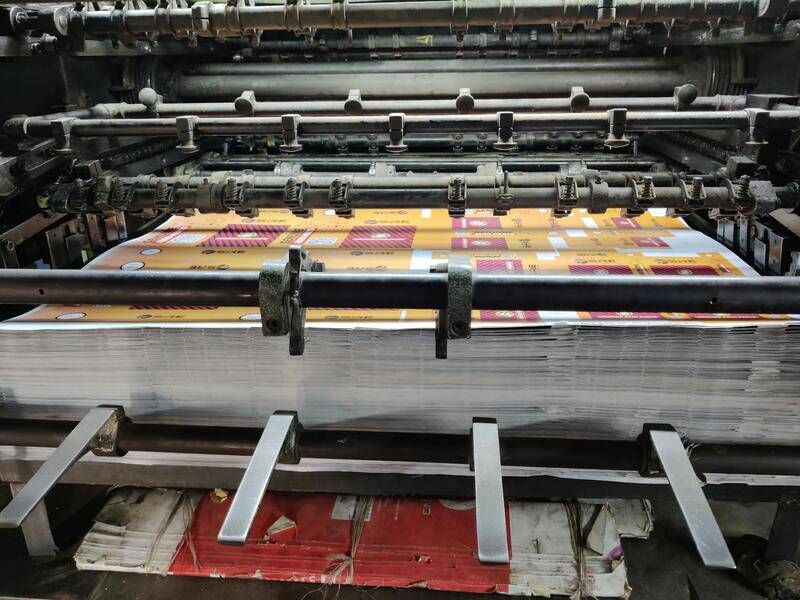
- Offset Printing: Ideal for high-volume runs, offset printing delivers consistent, vibrant colors with excellent detail. This method uses metal plates to transfer ink onto the substrate, making it suitable for producing brochures, catalogs, and large batch marketing materials. Its color accuracy and ability to handle diverse paper types make it a popular choice for professional-grade materials.
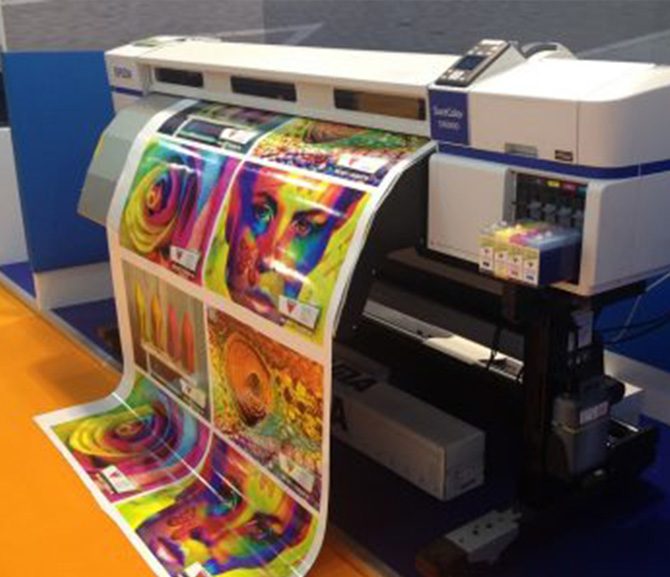
- Digital Printing: Perfect for short runs, on-demand printing, and personalized projects, digital printing offers rapid turnaround times. It operates directly from digital files, eliminating the need for plates, which reduces setup costs. Modern digital printers can produce high-quality color output, making this method suitable for business cards, posters, and customized prints.
- Flexographic Printing: Often used in packaging and labels, flexography employs flexible relief plates and fast-drying inks. Its high-speed operation and ability to print on various materials—including plastics and foils—make it a versatile choice for product branding and packaging solutions with vivid color results.
Each method has unique attributes that cater to different project requirements. Offset printing offers superior color fidelity for large quantities, while digital printing emphasizes flexibility and quick turnarounds. Flexographic printing specializes in packaging with strong color reproduction on unconventional surfaces.
Factors to Consider When Planning Color Printing Projects
- Volume and Cost: Determine whether your project demands a large batch or a limited run, as this impacts the choice of printing method and overall budget.
- Color Fidelity and Range: Ensure that the selected process can accurately reproduce your brand colors and desired palette.
- Material Compatibility: Verify that the printer can handle your chosen substrates, whether standard paper, specialty stocks, or non-paper materials.
- Turnaround Time: Align your project timeline with the capabilities of the printing method to meet deadlines without compromising quality.
- Budget Constraints: Balance quality and volume considerations to select an approach that delivers value within your financial plan.
Making informed decisions about the printing process ensures that your project achieves the intended visual impact while adhering to budget and timeline requirements. Collaborating with experienced printers who understand the nuances of different printing technologies can facilitate optimal results, especially when working with complex color designs.
Understanding Color Printing Fundamentals
Color printing is a complex process that combines precise color matching, material compatibility, and advanced printing technologies to produce vibrant, accurate, and consistent images. Achieving high-quality color output demands thorough knowledge of the foundational principles involved in color reproduction and an understanding of how different printing methods utilize inks, substrates, and calibration techniques to deliver optimal results.

Color Reproduction and Color Management
At the core of successful color printing lies the ability to precisely reproduce colors from digital designs onto physical media. This involves the use of color management systems (CMS), which ensure that the colors viewed on digital screens are accurately translated into printed outputs. Iconic color spaces such as CMYK and Pantone play essential roles in standardizing color matching across various devices and materials. Proper calibration of monitors and printers is fundamental to maintaining consistent color fidelity throughout the printing workflow.
Inks and Material Compatibility
The choice of inks significantly influences the vibrancy, durability, and accuracy of printed colors. Cyan, magenta, yellow, and key (black) inks are the standard components used in four-color process printing, allowing a broad spectrum of colors to be produced. Specialty inks, including metallics and fluorescents, expand the color palette further for specific design needs. Material compatibility is equally vital; different substrates such as glossy, matte, or textured papers, and non-paper surfaces like plastics or textiles, require compatible inks and precise application techniques to ensure color consistency and adhesion.
Printing Technologies and Their Role in Color Output
Various printing methods accommodate different color requirements and project specifications. Offset printing is renowned for its ability to deliver high-fidelity color reproduction in large quantities, thanks to the precise ink transfer process. Digital printing offers more flexibility, making it suitable for short runs and customized designs, with quick setup times and vibrant color output. Flexographic and screen printing methods are also utilized for specific applications, such as packaging and promotional items, where color impact and durability are critical.
Maintaining Color Accuracy
Color accuracy is maintained through rigorous calibration procedures for both digital devices and printers. Regular calibration ensures that color outputs match the original design specifications. Color proofs are essential during the pre-press phase, allowing stakeholders to verify color fidelity before mass production commences. Employing standardized color profiles and adhering to stringent quality control measures help prevent inconsistencies and ensure that the final printed product meets expectations.
Expertise and Technological Support
Partnering with experienced print professionals allows for expert guidance on the most suitable printing methods, ink selections, and material choices aligned with your project's color specifications. Advanced software tools facilitate seamless color management and calibration, reducing discrepancies and enhancing overall print quality. Whether it's fine art reproductions, branding materials, or complex graphic designs, leveraging expertise ensures that color richness and detail are preserved and accurately transferred onto the chosen substrates.
Materials and Inks Used in Color Printing
Choosing the right materials and inks is crucial for achieving vibrant, durable color prints. The substrate—whether it is paper, fabric, plastic, or another material—must be compatible with the chosen ink technology to maximize color fidelity and longevity. High-quality papers, such as coated or at least semi-gloss finishes, tend to produce more saturated colors with sharper details. Printing on textured or porous surfaces can influence how inks are absorbed, affecting color vibrancy and overall appearance.
Inks used in color printing come in various types, each suited to specific applications and substrates:
- Pigment-Based Inks: These inks contain solid pigments suspended in a vehicle that adheres well to various surfaces. They provide excellent color stability, water resistance, and UV durability, making them ideal for outdoor signage, banners, and long-lasting displays.
- Dye-Based Inks: Known for their vivid color range and high brightness, dye inks are often preferred for high-quality photographic prints and indoor applications. However, they may be more susceptible to fading over time when exposed to light and environmental elements.
- Solvent and Eco-Solvent Inks: These inks are formulated for printing on non-porous surfaces like vinyl and plastics. They offer exceptional color richness and durability, particularly suited for outdoor advertising and vehicle wraps.
- UV Inks: UV-curable inks are hardened instantly with ultraviolet light, providing excellent adhesion on diverse materials. They produce vibrant, sharp images with excellent scratch resistance, making them suitable for a variety of substrates including rigid plastics and metals.
Finishing options such as gloss, matte, or satin coatings further enhance the appearance and protective qualities of printed materials. These finishes can intensify color depth, minimize glare, and add a layer of resistance against scratches, moisture, and UV damage.
Material selection and ink compatibility are intertwined with the intended use, environmental conditions, and desired lifespan of the print. Professional printers evaluate these factors meticulously to select the most suitable combinations, ensuring that the final product meets both aesthetic and functional standards.
Materials and Inks Used in Color Printing
Achieving vibrant and accurate color prints hinges significantly on the selection of appropriate materials and inks. The various ink types available each offer distinct advantages tailored to specific applications and surfaces, ensuring that the final output is both aesthetically pleasing and durable.
Types of Printing Materials
The choice of substrate plays a crucial role in color printing, affecting color fidelity, longevity, and overall quality. Common materials include:
- Paper: Ranging from standard printer paper to high-gloss or matte art papers, each type offers unique textures and finishes that influence how colors appear. Premium coated papers tend to enhance color vibrancy, making them ideal for photographic and marketing materials.
- Vinyl and Plastic Films: Widely used in outdoor signage and vehicle wraps, these materials are durable and resistant to environmental factors. They require specialized inks that can adhere well and withstand exposure to UV rays and weather conditions.
- Canvas and Textile: Often chosen for fine art reproductions and custom apparel, these materials demand inks that can penetrate fabric fibers without bleeding or fading over time.
- Rigid Substrates: Includes metals, acrylics, and wood, frequently used for displays, awards, and decorative panels. UV-curable inks are typically employed here to ensure strong adhesion and vivid coloration.
Inks Optimized for Color Printing
The selection of ink technology directly impacts color accuracy, brightness, and longevity. The primary types include:
- Dye-Based Inks: Renowned for their vibrant color spectrum and high brightness, dye inks produce stunning photographic imagery. However, their susceptibility to fading when exposed to light or environmental factors necessitates consideration of storage and display conditions.
- Pigment-Based Inks: Containing solid particles suspended within a solvent, pigment inks excel in color durability and resistance to fading. They are often preferred for outdoor applications and long-term displays due to their high stability.
- Solvent and Eco-Solvent Inks: These inks are formulated for printing on non-porous surfaces such as vinyl, plastics, and laminates. They offer intense color richness and exceptional adhesion, making them suitable for outdoor signage and branding materials.
- UV-Curable Inks: Hardened instantly under ultraviolet light, UV inks provide sharp, vibrant images with outstanding scratch resistance. Their compatibility with various substrates and fast curing times make them a preferred choice for rigid and specialty items.
Color Fidelity and Material Compatibility
Ensuring consistent color reproduction across different materials requires careful matching of inks to substrates. Professional printing setups utilize advanced color management systems and calibration tools to control color output precisely. This alignment minimizes discrepancies and guarantees that the printed colors match digital files accurately. Additionally, considering environmental factors such as exposure to sunlight or moisture can influence the choice of inks and materials, ultimately extending the lifespan and maintaining the integrity of the color quality.

Understanding the Impact of Material Selection on Color Output
One of the pivotal factors in achieving vibrant and accurate color prints lies in the choice of materials and inks. Different substrates, such as paper, vinyl, fabric, or rigid boards, interact uniquely with various ink types, affecting color saturation, clarity, and longevity. Selecting the right material compatible with specific inks ensures that colors are reproduced faithfully, maintaining consistency across multiple prints. For instance, gloss-coated papers enhance color vibrancy, making images pop with rich hues, while matte surfaces may absorb ink differently, resulting in subdued tones but offering a sophisticated finished look.
Moreover, the surface texture, porosity, and coating of materials influence how inks are absorbed and dry. Smooth, non-porous surfaces like acrylic or plastic require inks with excellent adhesion and quick-drying properties to prevent smudging and color bleeding. Conversely, porous surfaces like uncoated paper might demand different pigment concentrations to prevent dulling of colors or bleeding. Understanding these material-specific characteristics is vital for achieving precise color reproduction and maintaining consistency throughout various print runs.
Role of Color Calibration in Producing Consistent Results
Achieving high fidelity in color print outputs depends heavily on meticulous color calibration processes. Advanced calibration involves using specialized tools such as spectrophotometers and colorimeters to measure and adjust the printer’s output. This ensures that the colors on the digital design match the printed result with minimal deviation, a critical aspect in branding and professional display materials where color accuracy is paramount.
Regular calibration of printers and monitors is essential to compensate for wear and aging of equipment, ambient light variations, and material differences. Calibration workflows typically include creating ICC profiles for specific substrates and inks, facilitating a standardized color language between digital files and print outputs. This process plays a decisive role in consistency, enabling businesses to deliver visually compelling and accurate color prints across different projects and production batches.
Environmental Factors Affecting Color Perception and Durability
The environment where a printed piece is displayed or stored can significantly influence its appearance and lifespan. Exposure to sunlight, moisture, and temperature fluctuations can cause fading, dye migration, or substrate degradation, adversely affecting color perception over time. To mitigate these risks, choosing inks with high UV resistance and applying protective coatings can extend the durability of color prints.
For outdoor applications, materials and inks designed to withstand harsh weather conditions should be prioritized. UV-blocking overlays and lamination not only protect against environmental damage but also preserve color vibrancy, ensuring that printed materials maintain their visual impact for extended periods. Proper storage conditions, including controlled humidity and temperature, further support the longevity of color fidelity, especially for archival or display purposes.
Adopting sustainable practices in material selection and printing processes, such as using eco-friendly inks and recyclable substrates, can also reduce environmental impact while maintaining high-quality color output. This approach aligns with current industry shifts towards greener printing solutions and ensures that color print products remain visually appealing and environmentally responsible.

Understanding Color Printing Fundamentals
Color printing involves precise reproduction of hues, tones, and shades on various substrates, requiring a thorough grasp of the principles that govern color behavior and application. At its core, successful color printing depends on accurately translating digital designs into physical images that match the intended color palette. This process necessitates knowledge about color mixing, color spaces, and the interaction between inks and substrates. Color printing systems are designed to reproduce a broad spectrum of colors, but achieving consistency across different print jobs requires attention to detail in calibration and process control.

Fundamentals of Color Reproduction
Color printing relies on subtractive color mixing, primarily using the CMYK color model. Cyan, Magenta, Yellow, and Key (black) inks combine to produce a wide array of colors. Precise layering and overlapping of these inks on the substrate permit detailed gradations and vibrant images. Key to this process is the concept of color gamut—the range of reproducible colors—determined by the inks used and the printing technology.
Another fundamental aspect involves color profiles and conversion, which ensure digital designs are translated effectively onto physical mediums. Embedded ICC profiles facilitate consistent color output, compensating for variances among printing devices, inks, and materials. Proper understanding and use of these profiles allow print technicians to maintain color fidelity throughout the production process.
Color Perception and Viewing Conditions
Color perception can vary based on ambient lighting, viewer position, and the viewing environment. To ensure color accuracy, print setups often include viewing booths with controlled lighting conditions. This standardization helps in assessing whether the printed colors meet the design specifications, especially for critical branding or photographic reproductions.
Quality Control in Color Printing
- Color consistency across multiple print runs
- Accurate color matching to digital designs
- Minimizing color shifts caused by environmental factors
- Maintaining sharpness and detail in color gradations
Implementing rigorous quality control measures, such as color matching tools and regular calibration of printing equipment, is essential for delivering consistent, high-quality color prints.
Understanding Color Printing Fundamentals
Color printing involves the precise reproduction of full-color images and designs onto various substrates, utilizing a combination of inks and advanced printing techniques. Mastery of these fundamentals ensures that the vibrant hues, detailed gradations, and accurate color representations are consistently achieved. Central to this process is understanding how colors are created through the layering of inks, each contributing to the final visual output. The ability to manage color accuracy from digital design to physical print relies on a streamlined workflow that accounts for color profiles, calibration, and device-specific parameters.
One foundational aspect involves comprehending how different substrates interact with inks. Porous materials like paper absorb inks differently compared to non-porous surfaces such as plastic or metal, affecting vibrancy and detail. Recognizing these interactions helps in selecting appropriate printing techniques and inks to optimize color output. Additionally, the role of color fidelity stays central, requiring consistent color management practices that involve color calibration, ICC profiles, and color matching to ensure the final print matches original digital designs without discrepancies.
Types of Color Printing Methods
- Offset Printing: Known for high quality, consistency, and cost-efficiency in large-volume runs, offset printing uses plates and is ideal for commercial printing with vibrant, precise color reproduction.
- Digital Printing: Offering rapid turnaround and flexibility, digital printing directly transfers digital images onto substrates. It excels at short runs, personalized print jobs, and quick iterations, delivering rich color fidelity.
- UV Printing: Utilizing ultraviolet light to cure inks immediately on substrates, UV printing creates vibrant, durable outputs suitable for various materials, including rigid objects.
- Screen Printing: A versatile technique especially for graphics on textiles and large surfaces, screen printing layers ink through a mesh stencil to produce bold, vibrant colors.
- Inkjet Printing: Widely used for high-quality photo prints and proofing, inkjet technology allows for intricate color details through precise droplet placement.
Design Considerations for Color Prints
Effective design for color printing involves understanding how colors will translate from digital files to physical media. Designers must consider color profiles and the color gamut limitations of their chosen printing method to avoid unexpected results. Use of high-resolution images, proper color harmony, and avoiding excessive color saturation are vital practices to prevent bleeding and ensure clarity.
Incorporating spot colors or special inks can further enhance vibrancy, especially in branding applications. Ensuring enough contrast and readability, particularly in text or small details, helps maintain the integrity of the design once printed. A thorough pre-press review, including proofing and color calibration, plays a crucial role in aligning the final output with the intended visual tone.
Materials and Inks Used in Color Printing
The choice of materials directly influences the quality and durability of the printed colors. Common substrates include various types of paper (coated, uncoated, matte, gloss), plastics, fabrics, and metals. Each material reacts differently to inks, requiring tailored approaches for optimal color reproduction.
Inks come in a variety of formulations—dyes, pigmented, solvent-based, latex, and UV-curable. Pigmented inks are preferred for longevity and weather resistance, maintaining vibrancy through exposure to light and environmental conditions. Special inks such as metallics, fluorescents, or gloss-enhancers can add unique visual effects, providing depth and richness to printed colors.

All these components must be selected carefully to match the desired output quality, cost considerations, and durability requirements. Proper storage and handling of inks are equally important to prevent contamination and degradation over time, ensuring consistent color results across different print jobs.