Overview of Wholesale Brochure Printing
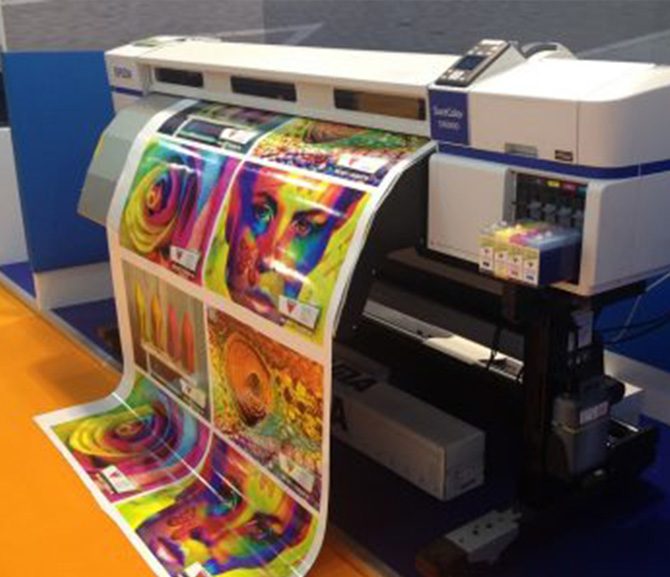
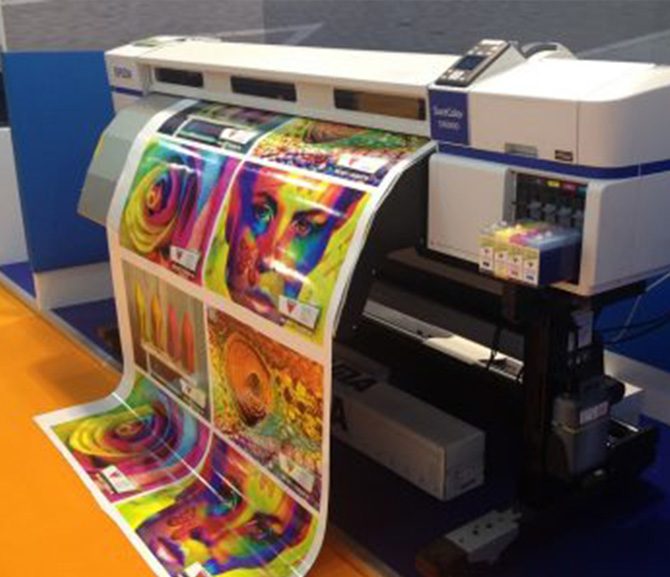
Wholesale brochure printing serves as a strategic approach for businesses aiming to produce high volumes of professionally designed marketing materials efficiently and cost-effectively. In essence, this process involves purchasing printed brochures in bulk through specialized providers who streamline the manufacturing and distribution procedures. The primary goal of wholesale brochure printing is to furnish organizations with visually appealing, durable, and informative brochures that help communicate their brand message clearly and persuasively to target audiences.
Brochures are integral to marketing campaigns across various industries, including real estate, hospitality, education, and retail. They serve as tangible representations of a company’s offerings, values, and unique selling points. When produced through wholesale services, brochures benefit from economies of scale, which significantly reduce per-unit costs, enabling businesses to allocate budgets more efficiently across other marketing channels.
Choosing wholesale brochure printing is particularly advantageous for organizations with extensive distribution needs or those involved in periodic promotional campaigns. Bulk production ensures consistency in design and quality across large quantities, making branding efforts cohesive and professional. Additionally, leveraging wholesale services allows for flexibility in customization, such as different sizes, finishes, and paper types, while still maintaining favorable pricing structures.

Beyond cost savings, wholesale brochure printing offers logistical advantages including faster production times, streamlined ordering processes, and the ability to plan campaigns well in advance. These benefits make it an essential component of a comprehensive marketing strategy for organizations seeking to expand their outreach with professionally printed materials.
Partnering with reputable wholesale printing providers ensures adherence to industry standards, consistent quality, and the flexibility to meet various project specifications. As businesses recognize the importance of physical marketing collateral in establishing credibility and brand recognition, wholesale brochure printing remains a vital service for organizations aiming to maximize impact while managing budgets effectively.
Choosing the Right Printing Materials and Finishes
When selecting materials for wholesale brochure printing, it is essential to consider the tactile and visual qualities that align with your brand’s identity. The paper stock forms the foundation of your brochure's durability, appearance, and overall impression. A high-quality, thick cardstock is often preferred for premium brands, providing rigidity and a luxurious feel that enhances perceived value. Conversely, lighter papers may be suitable for promotional flyers that require more economical options without compromising clarity and design impact.
Types of Paper Suitable for Brochures
- Glossy Cardstock: Offers a shiny surface that enhances colors, ideal for vibrant images and modern aesthetics.
- Matte Finish: Provides a subdued, elegant look with reduced glare, suitable for text-heavy or sophisticated designs.
- Uncoated Paper: Suitable for a natural, understated appearance, often used in environmentally conscious branding.
- Recycled Paper: Demonstrates a commitment to sustainability while maintaining functionality and quality.
Coatings and Finishes for Brochures
Finishing options extend beyond paper selection to include coatings that influence tactile experience and protection. A UV coating can add a high-gloss, durable surface that enhances color vibrancy and provides resistance against scratches and moisture. Matte coatings, on the other hand, deliver a refined, glare-free finish that minimizes fingerprints and smudges, lending a professional look to the final product.
Soft-touch finishes provide a plush, velvety feel, boosting a sense of luxury. Spot UV coatings can be selectively applied to highlight specific design elements, such as logos or images, creating visual focal points that capture attention effectively. These finishes not only reinforce branding but also contribute to the longevity of your brochures in storage or outdoor environments.
Binding and Folding Options
Seamless binding techniques such as saddle-stitching are common for brochures with fewer pages, providing a clean, minimally intrusive finish. Perfect binding is suitable for larger catalogs, offering a durable and professional appearance with a clean spine. Folding styles, including bi-fold, tri-fold, Z-fold, and gate fold, allow creative layouts that engage viewers and maximize space utilization. Each option can be customized based on content complexity and distribution method to ensure that your message communicates clearly and attractively.
Choosing the Appropriate Printing Methods for Wholesale Brochures
When selecting printing techniques for wholesale brochure projects, it is essential to understand the various methods that can influence the final quality, production speed, and cost-efficiency. The most prevalent printing methods include offset printing and digital printing, each offering distinct advantages tailored to different needs.
Offset Printing
Offset printing is a highly popular choice for large-volume brochure orders due to its ability to deliver exceptional image quality and color fidelity. This process involves transferring ink from a printing plate onto a rubber blanket, then onto the printing surface, making it ideal for designs requiring consistent color accuracy across extensive runs. Offset printing is cost-effective on high-volume orders, ensuring that unit costs decrease as quantity increases. It also supports a broad spectrum of paper options and finishing techniques, providing flexibility for customized brochure designs.
Digital Printing
Digital printing has gained prominence for smaller or more urgent brochure orders because it offers quick turnaround times and eliminates the need for plate creation. This method is especially suitable for personalized brochure printing, where variable data—such as personalized messages or images—can be incorporated seamlessly. Although digital printing might come with higher per-unit costs at large volumes, advancements in technology continue to improve cost-efficiency and print quality, making it an excellent option for short runs or prototypes.
Color Management and Quality Assurance
Maintaining consistent color quality across large batches of wholesale brochures is critical to establishing a professional brand image. Proper color management practices, including calibration of printers and proofing before the full run, are essential components of a reliable wholesale printing process. High-quality printing vendors employ advanced color calibration techniques, ensuring that each brochure accurately reflects the intended palette, regardless of the volume being produced.
Additive and Subtractive Color Techniques
Most commercial brochure printing employs subtractive color mixing using cyan, magenta, yellow, and black (CMYK) inks. This process provides a broad color spectrum, allowing for vibrant images and sharp text. Selecting a printer capable of fine-tuning this process can significantly enhance the visual impact of your brochures. For projects with special color requirements, such as Pantone spot colors, working with a printer with expertise in color matching ensures that specific hues are consistently achieved, reinforcing brand consistency.
Importance of Proofing in Ensuring Final Quality
Proofing is an indispensable step in wholesale brochure printing, allowing clients to review and approve a sample before full production. High-resolution proofing options, including digital and offset proofs, enable you to evaluate color accuracy, layout, and overall presentation. By investing in thorough proofing processes, you can prevent costly errors and ensure alignment between the design intent and the finished product.
Advanced Printing Technologies for Enhanced Brochure Quality
Newest advances in printing technology, such as web-to-print platforms and hybrid printing solutions, empower businesses to streamline large-scale brochure production while maintaining high standards of quality. These innovations support on-demand printing, rapid revisions, and detailed customization—all critical factors for businesses seeking to optimize their wholesale brochure printing initiatives.
Overview of Wholesale Brochure Printing
Wholesale brochure printing is a strategic approach to producing high-quality marketing materials in bulk, offering cost efficiency and consistent branding for organizations aiming to reach larger audiences. It involves collaborating with print providers who specialize in large-volume orders, leveraging advanced technology and scalable production processes. The primary goal is to deliver visually appealing, durable, and professionally finished brochures that effectively communicate brand messages, product details, and service offerings. This method is particularly advantageous for companies with extensive distribution networks, franchise operations, or marketing campaigns requiring multiple copies for various locations. Through wholesale brochure printing, businesses can benefit from customized options that align with their branding guidelines, including tailored sizes, finishes, and paper stocks. The ability to maintain uniformity across large quantities ensures that each brochure represents the brand accurately and reinforces marketing efforts. Additionally, bulk production facilitates faster turnaround times, allowing organizations to meet tight deadlines without sacrificing quality.

Choosing the Right Printing Materials and Finishes
Whether designing promotional materials or informational catalogs, selecting appropriate printing materials and finishes plays a crucial role in achieving desired aesthetic and functional qualities. The choice of paper stock directly impacts the brochure's durability, tactile appeal, and visual presentation. Common options include gloss, matte, and silk finishes, each imparting a distinct look and feel.
Gloss finishes provide a shiny, vibrant appearance that enhances vivid images and bold colors, making them ideal for product showcases and visual-heavy brochures. Matte finishes, on the other hand, offer a sophisticated, non-reflective surface that minimizes fingerprints and glare, suitable for text-heavy or professional presentations. Silk finishes strike a balance between gloss and matte, delivering a smooth, soft sheen that enhances both imagery and readability.
In addition to paper type and finish, incorporating special embellishments such as embossing, foil stamping, or spot UV coating can elevate the design. Embossing adds tactile depth, making key elements stand out. Foil stamping introduces metallic accents for a luxurious effect, while spot UV coating highlights specific areas with a shiny, protective layer. These finishing touches not only enhance visual appeal but also contribute to the brochure’s overall perceived quality and effectiveness.
Design Considerations for Effective Brochures
Design plays a vital role in ensuring brochures achieve their marketing objectives. Effective designs should adhere to principles of clarity, visual hierarchy, and brand consistency. It’s essential to create layouts that guide the reader’s eye naturally through the content, emphasizing key messages and calls to action.
Use high-quality images and concise copy to communicate messages clearly. Incorporate branding elements consistently, including logos, color schemes, and font styles, to reinforce brand identity. White space should be thoughtfully utilized to avoid clutter, allowing important elements to stand out prominently.
Furthermore, considering the target audience’s preferences can inform layout decisions and imagery choices. For instance, a corporate brochure may favor clean, minimalist designs with professional tones, whereas a retail catalog might embrace vibrant colors and dynamic visuals. Optimizing the font size and style ensures readability across different formats, including digital and printed versions.
Interactive elements, such as QR codes or contact information, should be seamlessly integrated without disrupting the overall aesthetic. Ensuring a cohesive flow from cover to inside pages enhances engagement and improves the overall impact of the marketing collateral.
Overview of Wholesale Brochure Printing
Wholesale brochure printing involves the production of printed marketing materials in large quantities, tailored for businesses seeking cost-effective solutions without compromising quality. This approach enables organizations to distribute professional-grade brochures across multiple channels, from direct mail campaigns to trade shows, ensuring brand consistency and widespread visibility. It combines efficient production techniques with advanced printing technology to deliver vibrant, durable, and customized brochures that capture target audiences effectively. By choosing wholesale options, companies can access a variety of customization features, including different paper stocks, coatings, and binding styles, all designed to meet specific marketing objectives and budget considerations.

Choosing the Right Printing Materials and Finishes
Material selection plays a crucial role in determining the overall impact of your brochures. Premium paper stocks, such as gloss, matte, or silk finishes, provide different aesthetic qualities and tactile sensations — gloss offers vibrancy and shine, suitable for vivid imagery; matte gives a sophisticated, non-reflective surface ideal for readable text; silk strikes a balance with a smooth, semi-gloss appearance. For durability, heavier paper weights ensure longevity and a premium feel.
Finishes further enhance the brochure’s appearance and protection. Coatings like UV gloss or matte varnish not only improve visual appeal but also safeguard against scratches and smudges, ensuring your brochures retain their professional look over time. Embossing, foil stamping, or spot UV coatings can be used selectively to highlight specific design elements or branding, making key messages stand out.
- Assess the target audience and distribution environment to select appropriate materials.
- Match the finish with the brand’s aesthetic and campaign goals.
- Consider environmental options such as recycled paper or vegetable-based inks to align with sustainability initiatives.
Choosing the right combination of materials and finishes ensures your brochures not only attract attention but also withstand handling and environmental factors, preserving their visual integrity and tactile appeal.

Overview of Wholesale Brochure Printing
Wholesale brochure printing offers a scalable and cost-effective solution for businesses seeking to produce large quantities of promotional materials that reflect professionalism and brand consistency. This approach enables organizations to leverage bulk production to reduce per-unit costs while maintaining high standards of quality. Wholesale printing is especially beneficial for companies launching extensive marketing campaigns, participating in trade shows, or expanding their distribution channels, where a consistent appearance across multiple locations is crucial. The process involves collaborating with experienced printing providers who specialize in large-volume orders, ensuring efficient production timelines and superior output.
One of the key advantages of wholesale brochure printing is the ability to customize the specifications to suit specific campaign needs. From choosing the optimal paper type and finish to selecting formats and folding styles, businesses have a wide array of options to enhance visual appeal and functional usability. Additionally, wholesale pricing allows organizations to allocate budget efficiently, freeing resources for other marketing initiatives. Reliable vendors often offer value-added services such as design assistance, proofing, and packaging, streamlining the entire process from concept to delivery.
In today’s competitive market environment, the importance of high-quality printed materials cannot be overstated. Well-crafted brochures serve as tangible representations of a brand's identity, conveying professionalism, trustworthiness, and attention to detail. By opting for wholesale brochure printing, companies can ensure consistent branding, quick turnaround times, and the ability to meet large-scale distribution demands—all while maintaining control over budget and quality parameters.

Choosing the Right Printing Materials and Finishes
Material selection plays a crucial role in determining the overall impact of your brochures. Premium paper stocks, such as gloss, matte, or silk finishes, provide different aesthetic qualities and tactile sensations — gloss offers vibrancy and shine, suitable for vivid imagery; matte gives a sophisticated, non-reflective surface ideal for readable text; silk strikes a balance with a smooth, semi-gloss appearance. For durability, heavier paper weights ensure longevity and a premium feel.
Finishes further enhance the brochure’s appearance and protection. Coatings like UV gloss or matte varnish not only improve visual appeal but also safeguard against scratches and smudges, ensuring your brochures retain their professional look over time. Embossing, foil stamping, or spot UV coatings can be used selectively to highlight specific design elements or branding, making key messages stand out.
Assess the target audience and distribution environment to select appropriate materials. Match the finish with the brand’s aesthetic and campaign goals. Consider environmental options such as recycled paper or vegetable-based inks to align with sustainability initiatives. Choosing the right combination of materials and finishes ensures your brochures not only attract attention but also withstand handling and environmental factors, preserving their visual integrity and tactile appeal.
Design Considerations for Effective Brochures
An impactful brochure design is pivotal in capturing the interest of prospective clients and communicating core messages clearly. Effective design hinges on strategic use of space, compelling imagery, and concise, persuasive copy. Visual hierarchy should guide readers seamlessly through the content, prioritizing key messages and calls to action.
It's essential to maintain consistency with branding elements such as logos, color schemes, and fonts. Incorporating high-resolution images helps convey professionalism, while avoiding clutter ensures that the information remains accessible and inviting. Consider the folding style and layout to enhance usability; common formats include bi-fold, tri-fold, or z-fold, each offering unique ways to organize content efficiently.
- Prioritize clarity in messaging and visual hierarchy.
- Use high-quality images that reinforce brand identity.
- Balance text and visuals to create aesthetic harmony.
- Include clear calls-to-action directing recipients on next steps.
- Align design with brand guidelines and campaign objectives.
Cost Factors in Wholesale Brochure Printing
Several elements influence the overall cost of wholesale brochure printing, including paper quality, finishing options, print run size, and additional features such as embossing or custom folds. Larger quantities often benefit from reduced unit costs due to economies of scale, but minimum order quantities and setup fees can impact the initial expense.
Premium finishes and specialty coatings add to the cost but can significantly enhance the perceived value of your brochures. Design complexity and the number of color options also play a role; full-color printing is generally more costly than single-color or two-tone options. Reverse logistics, packaging, and delivery charges are additional considerations that can influence the total investment.
Working closely with a printing partner to obtain detailed quotes and exploring tiered pricing models ensures transparency and aligns production costs with budget expectations. Selecting a balance between quality and cost-efficiency is vital to maximizing return on investment and achieving campaign goals.
Turnaround Time and Production Processes
Efficient production processes are essential for meeting deadlines and ensuring timely distribution of wholesale brochures. After finalizing the design and confirming material specifications, the printing process typically involves several stages: pre-press preparation, printing, finishing, and quality assurance.
Modern digital and offset printing technologies enable rapid turnaround times, with some vendors offering same-day or next-day production for smaller or simplified orders. For larger quantities, production may span multiple days, depending on the complexity of finishing options and the current order volume. Understanding the vendor’s lead times and scheduling accordingly aids in planning marketing timelines effectively.
Quality control is integral to the process; inspections during and after printing ensure color accuracy, binding integrity, and overall presentation. Advanced printing facilities utilize automation and precise calibration to maintain consistency across bulk orders, guaranteeing that each batch adheres to the highest standards of quality.

Overview of Wholesale Brochure Printing
Wholesale brochure printing serves as a strategic resource for businesses seeking to distribute high volumes of professionally crafted marketing materials. This method ensures consistency in presentation while reducing per-unit costs, making it an optimal choice for enterprises aiming to reach a broad audience efficiently. When selecting wholesale brochure printing services, clients benefit from options that include various paper stocks, finishes, and binding styles, all tailored to meet specific branding and marketing objectives.
The process begins with large-scale production, often utilizing offset or digital printing techniques that facilitate rapid, high-quality output. By leveraging economies of scale, organizations can produce hundreds or thousands of brochures to support campaigns, product launches, or informational distributions without compromising on quality. Maintaining alignment with brand standards and messaging consistency across all copies remains a core component of effective wholesale printing strategies. As such, choosing an experienced printing partner with robust quality control measures ensures that each brochure reflects your brand’s professionalism and appeals directly to your target market.

Choosing the Right Printing Materials and Finishes
Selecting appropriate materials is crucial for creating impactful brochures. Durability, tactile appeal, and visual impact should guide the choice of paper types and finishes. Common paper options include high-quality satin or gloss stocks, which elevate the visual appeal and make colors pop. Matte finishes offer a sophisticated, subdued look, ideal for elegant designs or text-heavy brochures.
Additional finishing options, such as UV coating, lamination, or spot varnishing, enhance durability and aesthetic appeal. UV coatings provide a shiny, protective layer that resists scuffs and fingerprints, making the brochures suitable for frequent handling. Laminations add extra rigidity and water resistance, increasing longevity in various environments. Spot varnishes can highlight specific features or call-to-actions, drawing attention to key elements within the design.
When selecting materials, consider the brochure’s purpose and distribution environment. Heavyweight stock may convey a sense of quality and permanence but involves higher costs and logistics considerations. Conversely, lighter stocks facilitate easier mailing and handling but may require additional care during printing and distribution. Working closely with your printing provider helps identify the best options that balance cost, durability, and visual impact.

Design Considerations for Effective Brochures
A well-designed wholesale brochure must capture attention and effectively communicate your brand message. Clear visual hierarchy, concise text, and compelling imagery are fundamental. Use high-resolution images that align with your brand identity, ensuring they are optimized for print to prevent pixelation or color inconsistencies.
Consistency in branding elements such as logos, color schemes, and typography reinforces recognition and professionalism. Incorporating a logical flow from headline to call-to-action guides readers through the information seamlessly. White space, when used effectively, enhances readability and prevents the design from appearing cluttered.
Design versatility also plays a role; consider fold styles, pocket inserts, or die-cut elements to add unique features that stand out. Modular layouts enable easy updates for different campaigns, making the brochure adaptable for various audiences or marketing themes. Collaborating with experienced graphic designers or print specialists ensures your brochure design translates well from digital concepts to print, maintaining quality and visual impact.
Cost Factors in Wholesale Brochure Printing
Multiple elements influence the overall cost of wholesale brochure printing. The choice of paper quality, finishing options, and quantity directly impact the price per unit. Higher-grade materials and elaborate finishes increase costs but can significantly enhance perceived value.
Print run size is a critical consideration; larger quantities typically reduce the unit cost due to economies of scale. However, initial setup fees, such as plate making for offset printing or digital job preparation, can influence pricing especially for smaller batches. Volume discounts often apply, making it advantageous to plan for substantial distribution to maximize cost savings.
Design complexity also affects production costs. Intricate graphics, variable data printing, or special fold designs require additional preparation time and precise finishing, which add to the overall expense. Working closely with your print provider to optimize design and material choices helps control costs without sacrificing quality or effectiveness.

Turnaround Time and Production Processes
Efficient production timelines are essential for aligning wholesale brochure delivery with marketing schedules. Modern digital printing technologies enable expedited processes, often accommodating same-day or next-day production for small or simplified orders. For larger quantities, production phases—including pre-press, printing, finishing, and quality assurance—may extend over multiple days.
Pre-press preparation involves files review, color calibration, and plate creation (for offset presses). During printing, automation ensures consistency and rapid throughput. Finishing stages such as cutting, folding, binding, and applying coatings are executed with precision, often utilizing advanced machinery to maintain quality standards.
Quality control checks conducted throughout production ensure color accuracy, proper alignment, and defect-free finishing, guaranteeing consistency across bulk orders. Clear communication with your printing partner about deadlines and capacity helps coordinate the production schedule, avoiding delays and ensuring timely distribution of your wholesale brochures.

Overview of Wholesale Brochure Printing
Wholesale brochure printing serves as a strategic approach for organizations seeking high-volume production of marketing materials that effectively communicate their brand message. This method allows businesses to access significant cost savings per unit compared to smaller quantity runs, making it an ideal choice for large-scale campaigns, trade shows, and product launches. Industry professionals leverage wholesale printing to ensure uniformity in branding, quality, and presentation across multiple distribution points. It also enables companies to maintain inventory levels, providing the flexibility to respond swiftly to market demands.

Choosing the Right Printing Materials and Finishes
Selecting the appropriate materials and finishes is critical to ensuring the durability and visual appeal of your brochures. For wholesale printing needs, paper stock options typically range from coated to uncoated, with weight variations from 100gsm to 300gsm or more. Coated papers, such as gloss or matte finishes, enhance color vibrancy and provide a professional look, while uncoated options offer a more tactile, understated feel suitable for certain industries.
Finishing touches further elevate the presentation. UV coating adds a protective, glossy layer that enhances durability and visual impact, perfect for high-end marketing materials. Matte finishes reduce glare and are favored for elegant, understated brochures. Other options like soft-touch coatings and laminates contribute to tactile appeal and surface protection, especially important for materials exposed to handling during distribution.
Design Considerations for Effective Brochures
Design plays a pivotal role in the effectiveness of wholesale brochures. Clear, compelling visuals capture attention and communicate key messages swiftly. Utilizing a consistent color scheme aligned with brand identity and a clean layout improves readability and engagement. Incorporating high-resolution images, strategically placed headlines, and concise copy ensures the brochure delivers its intended message efficiently.
For large print runs, maintaining uniform design elements across all copies is essential to project brand consistency. Collaborating with professional graphic designers familiar with print specifications helps optimize layouts for different paper types and finishes, ensuring content reproduces accurately and vibrantly during the printing process.
Cost Factors in Wholesale Brochure Printing
Understanding the elements that influence the cost of wholesale brochure printing enables better budget allocation. Factors include the volume of brochures, paper quality, finishing techniques, and the complexity of the design. Higher volumes typically reduce the unit cost through economies of scale. The choice of specialty finishes or premium papers will impact overall expenses but can significantly enhance the perceived value of the printed materials.
Additional costs may arise from custom cutting, folding, binding, or inserting special features such as holographic or metallic foils. Negotiating bulk discounts with your printing partner allows for cost savings while preserving quality. Moreover, considering the potential for long-term use and branding consistency emphasizes the importance of investing in quality materials that reinforce brand image over time.
Turnaround Time and Production Processes
Efficient turnaround times are crucial to maintaining the momentum of marketing campaigns. Modern digital printing technologies facilitate rapid production, sometimes allowing same-day or next-day delivery for smaller or simplified orders. Larger quantities undergo a series of predefined stages including pre-press preparation, printing, finishing, and quality control, which may extend the timeline.
During pre-press, digital files are reviewed for accuracy, color calibration is performed, and printing plates are created for offset presses. The printing stage employs automated machinery to ensure precise color matching and consistent output. Finishing involves cutting, folding, binding, and adding protective coatings, often with precision machinery to uphold strict quality standards. Throughout the process, continuous quality checks identify and rectify issues such as misalignment or color inconsistencies, ensuring each batch maintains uniform quality.
Choosing a Wholesale Printing Partner
Selecting a reliable wholesale printing partner involves evaluating their technological capabilities, quality control processes, and capacity to meet deadlines. An experienced printer will have access to advanced printing presses and finishing equipment, along with a thorough understanding of print specifications and material handling. Requesting samples of previous work provides insight into their quality standards and attention to detail.
Open communication regarding project scope, expected timelines, and budget constraints is essential. A proven track record of delivering large volumes on time and maintaining consistent quality across multiple projects demonstrates a printer’s reliability. Working with a partner that offers comprehensive support—from designing and proofing to final delivery—streamlines the process and minimizes potential disruptions.
Eco-Friendly and Sustainable Printing Options
As sustainability concerns grow, many wholesale printers offer eco-friendly options that reduce environmental impact without compromising quality. These include papers sourced from responsibly managed forests, soy-based or vegetable-based inks, and energy-efficient printing processes. Recycled materials are increasingly available in various weights and finishes, providing a viable alternative for environmentally conscious brands.
Implementing sustainable practices not only aligns with corporate responsibility goals but also appeals to consumers who prioritize environmentally friendly products. Selecting printing partners committed to sustainability ensures that your wholesale brochures meet high environmental standards while maintaining visual and tactile excellence.