Understanding Bulk Brochure Printing
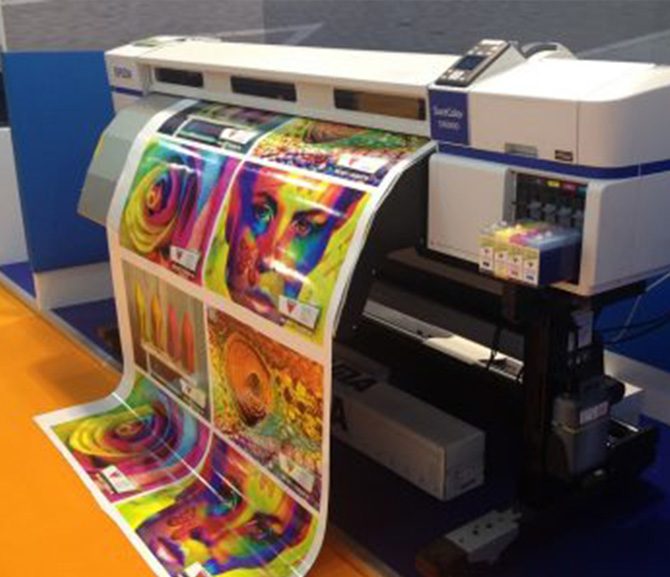
Bulk brochure printing refers to the process of producing a large volume of printed marketing materials designed to promote products, services, or brands. Unlike small-scale or on-demand printing, bulk brochure printing is optimized for extensive distribution and mass dissemination, making it an essential component of large-scale marketing strategies. Organizations often choose this method to ensure consistency in branding, messaging, and quality across hundreds or even thousands of brochures.
By printing in bulk, companies can significantly reduce the per-unit cost of each brochure, resulting in notable savings that can be reinvested into other aspects of marketing campaigns. Bulk printing also allows for uniformity in design and message, which helps relay a cohesive brand image. Moreover, the process supports quick and efficient production cycles, ensuring that marketing materials are ready for distribution within tight deadlines.
This form of printing contrasts with smaller, more flexible orders typical of on-demand services. While on-demand printing offers customization and quick turnaround for sporadic needs, bulk brochure printing is geared toward fulfilling large orders with high efficiency and minimized costs. This makes it particularly attractive for events, product launches, promotional campaigns, and widespread advertising efforts.
Key Factors to Consider When Ordering in Bulk
Securing a successful bulk brochure printing project requires attention to several critical factors that impact the final product, cost, and delivery timeline. Ensuring these elements are carefully managed can lead to a seamless process and high-quality output that aligns with marketing objectives.
Quantity and Scalability
Determining the precise number of brochures needed is fundamental to ordering in bulk. While larger quantities often lead to reduced per-unit costs, overestimating can result in unnecessary expenses. Conversely, underestimating can delay distribution or require reprints. Consider current demands, future campaigns, and distribution channels when estimating quantities to strike an optimal balance.
Design Consistency and Branding
Uniformity across each brochure reinforces brand identity. Consistent use of logos, color schemes, fonts, and messaging ensures a professional appearance. When ordering in bulk, providing finalized, print-ready files adhering to design specifications minimizes errors and streamlines the process.
Paper and Finish Selection
The choice of materials influences durability, appearance, and tactile experience. Heavyweight cardstock or gloss finishes often impart a premium feel, ideal for high-end brands, while matte or recycled papers can reflect an eco-conscious image. Selecting appropriate materials aligns with the campaign’s tone and target audience.
Turnaround Time Expectations
Manufacturers vary in lead times depending on order size, material availability, and scheduling. Clarifying delivery deadlines early ensures that production schedules align with marketing timelines. Adequate lead times help accommodate unforeseen adjustments or quality checks, preventing last-minute delays.

Environmental Considerations
Organizations increasingly opt for eco-friendly options, such as FSC-certified paper, soy-based inks, and sustainable printing practices. These choices support corporate social responsibility initiatives and may appeal to environmentally conscious consumers.
Future Scalability and Flexibility
Anticipating future marketing expansions can influence current order sizes. Building flexibility into the order process allows for seamless scaling and adjustments, ensuring ongoing marketing campaigns remain consistent and cost-effective.
By meticulously evaluating these aspects beforehand, businesses can optimize their bulk brochure printing endeavors, ensuring that each batch effectively supports marketing goals while maintaining high standards of quality and efficiency.
Image Placeholder

Understanding Bulk Brochure Printing
Bulk brochure printing involves the production of large quantities of marketing materials designed to distribute across target audiences efficiently and consistently. This process enables organizations to maintain a uniform brand message while reducing per-unit costs, making it an ideal choice for campaigns, product launches, and corporate branding efforts. The key advantage of printing in bulk is the ability to streamline operations, ensuring that an entire batch of brochures maintains quality standards and visual consistency. This also provides opportunities for customization in terms of finishes, paper quality, and binding options, allowing businesses to project a professional image that aligns with their branding strategies. Moreover, bulk printing can be integrated with delivery and distribution plans, ensuring timely availability of marketing collateral across multiple locations or channels. Proper planning, including understanding the scope of production and selecting appropriate printing technologies, greatly influences the overall success of bulk brochure projects.

Key Factors to Consider When Ordering in Bulk
Successful bulk brochure printing hinges on thoughtful evaluation of various critical factors. These considerations ensure that the final product aligns with marketing goals, budget constraints, and logistical demands. Some primary aspects to focus on include:
- Order Quantity: Determining the right volume is essential. Overestimating can lead to waste, while underestimating can hinder campaign reach. Accurate forecasts based on target audience size and distribution channels help optimize order size.
- Material Selection: The choice of paper and finishes has a profound impact on the brochure’s look and durability. Options range from gloss and matte finishes to recyclable or recycled papers, each offering different aesthetics and environmental benefits.
- Design Consistency: Ensuring that design elements, such as logo placement, color schemes, and typography, remain consistent across all brochures reinforces brand identity and enhances professional appearance.
- Turnaround Time: Manufacturer lead times can vary significantly based on the complexity of the order, material availability, and production schedules. Early coordination helps prevent delays and allows for adjustments or quality inspections prior to final printing.
- Budget Planning: Cost-effective bulk printing involves balancing quality with affordability. Understanding unit costs, setup fees, and potential discounts for large orders facilitates effective budget management.
- Environmental Considerations: Choosing sustainable materials and eco-friendly inks can support corporate social responsibility initiatives, appealing to environmentally conscious consumers.
- Future Scalability: Anticipating marketing expansion allows companies to choose flexible options or plan for subsequent orders that scale easily, ensuring a consistent appearance while managing costs.
Adopting a comprehensive approach to these aspects ensures the production of impactful, high-quality brochures that meet organizational objectives and leave a lasting impression on the audience.
Understanding Bulk Brochure Printing
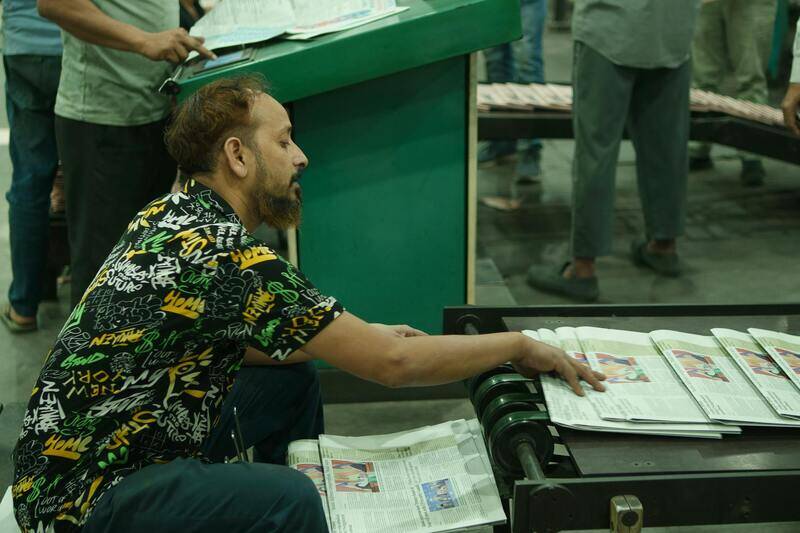
Bulk brochure printing involves producing a large quantity of printed materials efficiently and cost-effectively, often for marketing campaigns, trade shows, or organizational outreach. When executing large-volume orders, it is crucial to pay attention to the technical aspects and material choices that impact overall quality, durability, and visual appeal. Selecting a reputable printing provider ensures that each brochure maintains consistent standards, preventing inconsistencies that could diminish your brand image. High-quality bulk printing not only enhances brand professionalism but also provides a tangible connection with your audience, particularly when paired with thoughtful design and strategic distribution.
Key Factors to Consider When Ordering in Bulk
When planning for large-scale brochure printing, several essential factors must be evaluated to achieve optimal results:
- Print Quantity and Scale: Determine the precise number of brochures needed to meet current marketing goals without overestimating, which can lead to unnecessary expenses. Bulk orders often qualify for discounts, but careful planning ensures resource utilization remains efficient.
- Material Selection: The choice of paper and finishes directly influences the brochure's feel, appearance, and longevity. Heavier stocks like 100 lb or 130 lb cardstock convey durability and a premium look, while lighter options reduce costs and are suitable for mass distribution.
- Design Consistency: Consistent design elements, including logo placement, color palette, and typography, are vital. Maintaining uniformity across thousands of copies reinforces brand recognition and professional presentation.
- Environmental Impact: Incorporates sustainable practices such as recycled paper, eco-friendly inks, and minimal waste strategies to align with corporate responsibility efforts.
- Production Timeline: Establishing clear deadlines ensures timely delivery. Coordinating with the printer on production schedules, especially during peak seasons, helps avoid delays that could impact marketing initiatives.
- Quality Control Procedures: Implementing quality checks at various stages of production ensures that each batch meets the desired standards, reducing rework or waste.
Choosing the Right Printing Materials
Material quality plays a pivotal role in the perception and lifespan of your bulk brochures. The selection process involves balancing budget considerations with aesthetic and functional requirements. For instance, gloss and satin finishes offer vibrant color reproduction and a sleek appearance, ideal for images and promotional graphics. Matte finishes, meanwhile, provide a subdued, elegant feel that minimizes glare and finger marks.
Recyclable and recycled papers are increasingly popular, supporting sustainability initiatives without sacrificing quality. These materials often come with comparable printing properties to traditional stocks, making them a responsible choice for environmentally conscious brands. Additionally, specialty papers with textures, linen finishes, or metallic effects can elevate the tactile experience, adding an element of sophistication.
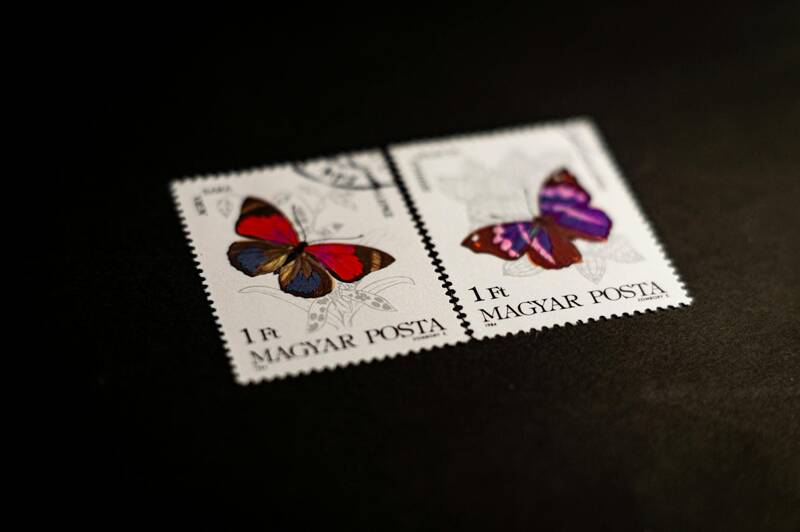
In choosing printing materials, it’s important to consider the nature of your content, target audience, and distribution environment. For example, outdoor displays might benefit from weather-resistant stocks, while high-end corporate brochures could justify premium paper choices with embossed or textured surfaces.
Consultation with a printing specialist often aids in selecting the best materials for specific needs, ensuring that the final product aligns with organizational branding and functional expectations.
Ensuring Proper File Preparation and Submission
For a seamless bulk brochure printing process, meticulous file preparation is essential. High-resolution files, typically 300 dpi or higher, ensure crisp images and sharp text. Using the correct color mode—usually CMYK—aligns the design with printing standards, preventing color discrepancies that could affect the final appearance.
Design files should include bleed areas, typically around 0.125 inches, to accommodate trimming without losing critical content. Margins and safe zones are equally important, preventing important text or images from being cut off. All fonts must be embedded or outlined to avoid font substitution issues.
Prior to submission, double-check color consistency, resolution, and layout alignment. Compress files appropriately without sacrificing quality to facilitate faster processing while maintaining detail integrity. Clear instructions and specifications regarding finishing options, folding, or binding are also vital to ensure the final product meets expectations.
Providing a detailed and organized digital file package expedites the printing process, reduces errors, and results in high-quality brochures that effectively represent your brand.
Monitoring and Quality Control During Production
Maintaining rigorous quality control throughout the printing process safeguards against errors that can compromise your brochures. It involves multiple stages, including pre-press checks, proofing, and on-site inspection during printing.
Pre-press evaluations ensure that files are correctly formatted, color calibrated, and free of technical issues. Digital or physical proofs are reviewed meticulously by clients to verify layout accuracy, color fidelity, and overall presentation. This step helps identify and rectify discrepancies before the full run.
During production, ongoing inspections monitor print consistency across batches, ensuring color uniformity, registration precision, and adherence to specified standards. Final quality checks include verifying cutting, folding, or binding accuracy, as applicable.
Engaging with a printing provider that prioritizes quality assurance minimizes reprints and delays, ensuring each brochure aligns with the desired specifications and maintains professional integrity.
Understanding Bulk Brochure Printing
Bulk brochure printing involves producing large quantities of promotional materials with consistency, efficiency, and quality. This process caters to organizations that require high-volume output for marketing campaigns, trade shows, and sales presentations. By leveraging specialized printing techniques and materials, large-scale brochure production can be both cost-effective and visually impactful. Proper planning, from design to final delivery, ensures that every brochure accurately represents your brand and meets your expectations.
Key Factors to Consider When Ordering in Bulk
- Order Volume: Determine the exact quantity needed to optimize costs without excess inventory. Consider future needs to establish a sustainable order size.
- Timeline: Set realistic deadlines for production and delivery, aligning with your campaign schedules. Advanced planning helps avoid delays and last-minute rush orders.
- Consistency: Ensure that the entire batch maintains uniform quality, color accuracy, and finish. Clear specifications and quality checks are essential throughout the process.
- Customization: Decide on any unique features such as die-cuts, special finishes, or variable data printing to enhance appeal without complicating logistics.
- Vendor Selection: Partner with a reputable printing provider experienced in large-volume projects, capable of meeting your quality standards and deadlines.
Choosing the Right Printing Materials
Material selection plays a critical role in the durability, aesthetic, and overall perception of your brochures. The right choice depends on the intended distribution environment, budget, and branding goals.

- Paper Type: Options include matte, gloss, silk, and uncoated finishes. Glossy papers provide vibrancy, while matte finishes offer a refined appearance.
- Weight: Thicker stock (such as 100-170 lb cover) imparts a premium feel and durability, suitable for high-end marketing materials.
- Special Finishes: Coatings like UV coating, lamination, or embossing add visual interest and protect against wear and tear.
- Recycled Materials: Environmentally conscious options are available and can enhance your brand’s sustainability image.
Design and Layout for Bulk Brochure Printing
Effective design enhances readability and visual appeal, making your brochures more engaging to your target audience. Consistent branding elements such as logos, color schemes, and fonts reinforce recognition and professionalism.
- Template Optimization: Use templates that maximize space, accommodate high-quality images, and maintain clarity when scaled to final print size.
- Image Quality: Incorporate high-resolution images (300 dpi or higher) to prevent pixelation and ensure crisp visuals upon printing.
- Color Management: Utilize color profiles that match your design for accurate color reproduction across batches.
- Content Clarity: Keep text concise and legible with adequate spacing, and avoid overcrowding to enhance readability.
- Proofing: Review digital and physical proofs meticulously to confirm layout accuracy, color fidelity, and overall presentation before mass production.
Cost Factors and Budgeting
Understanding the factors influencing costs helps in setting realistic budgets for bulk brochure printing. Major elements include printing volume, material choices, finishing options, and turnaround times.
- Volume Discounts: Larger orders typically attract lower unit costs, making bulk printing economically advantageous.
- Material Selection: Premium papers and special finishes increase costs but enhance perceived value.
- Design Complexity: Intricate layouts, die-cuts, or 3D effects may require additional setup or tooling fees.
- Turnaround Time: Expedited services often come at a premium, so planning well in advance helps reduce expenses.
- Quantity vs. Cost Efficiency: Balance your quality expectations with budget constraints to determine the optimal order size that maximizes value.
Best Practices for Ensuring Successful Bulk Brochure Printing
Executing a successful bulk brochure printing project requires meticulous planning and adherence to established best practices. By focusing on key aspects like clear communication with your printing provider, thorough quality checks, and strategic management of your design assets, you can achieve outstanding results that meet your organization’s goals.
Establish Clear Communication and Specifications
Initiate discussions with your chosen printing partner early in the process. Provide detailed specifications, including paper type, finish options, size, and quantity. Clearly outline your expectations regarding color accuracy, layout fidelity, and turnaround timelines. Precise communication minimizes misunderstandings and aligns your vision with the production capabilities of the printer.
Utilize Professional Design and Pre-Press Services
- Ensure your brochure design is optimized for printing by engaging experienced graphic designers familiar with print specifications.
- Prepare high-resolution files (at least 300 dpi) to prevent pixelation and ensure sharp images upon printing.
- Apply accurate color profiles and perform test prints or color proofs to match your branding standards.
- Incorporate bleed margins and safe zones to prevent unwanted cropping.
Conduct Rigorous Proofing and Quality Checks
Before mass production, review digital proofs meticulously. Request physical samples or prototypes to verify color accuracy, paper quality, and print fidelity. This step helps identify and rectify issues early, avoiding costly errors during large runs.
Plan for Material and Finishing Options
Select suitable paper stocks that balance durability and cost. Consider finishes such as gloss, matte, or soft-touch coatings to enhance tactile appeal. Special features like embossing, foil stamping, or die-cutting can elevate the perceived value but require additional planning and setup.
Manage Production Timelines and Delivery Logistics
Coordinate closely with your printing provider to establish realistic timelines, especially if targeting specific launch dates. Opt for reliable shipping options to ensure timely delivery across Singapore. Keep in mind that larger quantities may require extended lead times, so strategic scheduling is essential.
Ensuring Secure and Efficient Bulk Brochure Printing Methods
When considering large-scale brochure production, selecting the appropriate printing methods is essential for achieving high-quality results while maintaining operational security. Traditional printing techniques, such as offset lithography, are widely regarded as reliable for bulk orders due to their cost-effectiveness and consistent output quality. Offset lithography deposits ink onto printing plates, which are then transferred to the paper, allowing for uniform color reproduction across extensive quantities. This method is suitable for standardized designs and firm color fidelity, making it a popular choice for bulk brochure printing.
Digital printing offers a more flexible and rapid alternative, ideal for short to medium runs or campaigns requiring personalized content. Digital presses use digital files directly from a computer, eliminating the need for plates, which accelerates the production process. The technology also allows for variable data printing, enabling customization of each brochure with personalized messages or images without affecting production timelines. While digital printing may be marginally more costly per unit than offset, advances in technology have significantly improved color accuracy and output quality, making it a viable method for secure bulk brochure printing when quick turnaround and customization are priorities.
Additional Techniques for Specialized Needs
While offset and digital printing cover most bulk brochure requirements, other specialized methods can be employed for specific effects or enhanced security. Letterpress printing, known for its tactile quality, is suitable for premium brochures but may be limited in volume due to its manual process. Screen printing, though less common for brochures, offers unique finishes that can add textured effects. For projects demanding heightened security, some printers incorporate features like microtext, holograms, or UV-visible inks within digital or offset printing processes, deterring counterfeiting and ensuring authenticity.
Secure File Handling and Data Privacy
- Use encrypted file transfer protocols when submitting artwork files to prevent interception by unauthorized parties.
- Work with trusted printing providers with established protocols for data confidentiality.
- Maintain clear communication channels and signed confidentiality agreements, especially when dealing with proprietary designs or sensitive branding elements.
- Implement digital rights management (DRM) practices where applicable to control access to digital files used for printing.
Maintaining Quality Control During Bulk Production
Implementing rigorous quality control measures ensures that your bulk brochure printing meets your standards consistently. Basic quality checks include verifying color accuracy with approved samples, inspecting paper quality, and reviewing print registration. Advanced methods involve periodic sampling during the run, where a subset of printed materials is examined for defects or inconsistencies. Establishing a clear communication process with your printer helps address issues promptly, minimizing waste and preventing delays in delivery.
Conclusion
Adopting proven printing methods and adhering to strict security protocols are fundamental for successful bulk brochure projects. By selecting the right technique based on your volume, design complexity, and budget, and by safeguarding digital files diligently, you can achieve professional results that effectively represent your brand while ensuring operational security throughout the process.