Understanding Full Color Brochure Printing
Full color brochure printing is a highly effective marketing tool that combines vibrant visuals with compelling content to communicate a brand's message. It involves the use of a sophisticated color process that reproduces a wide spectrum of hues, ensuring that images, graphics, and text are rendered with sharp clarity and vividness. This technique is especially valuable for businesses and organizations seeking to make a strong visual impact, showcase their products or services, and convey professionalism. The process relies on advanced color reproduction methods to maintain consistency and accuracy across print runs, which is critical for brand recognition and marketing success.
In the industry, various format options are commonly used for brochures, each tailored to different marketing needs and distribution channels. The most prevalent formats include:
- Tri-fold: A compact and versatile layout that divides the brochure into three panels, ideal for quick reads and eye-catching designs.
- Bi-fold: Divides the sheet into two halves, providing ample space for detailed content and larger images, suitable for more substantial presentations.
- Z-fold: Features panels that fold in a zigzag pattern, offering an engaging way to lead the reader through information sequentially.
- Gate-fold: Larger panels that fold inward, creating a dramatic opening effect perfect for high-impact visuals.
Choosing the right format depends on the intended message, design complexity, and distribution method. Properly executed full color brochure printing ensures that every detail—from color fidelity to paper quality—supports the overall marketing strategy and helps establish a professional image that resonates with the target audience.
Understanding Full Color Brochure Printing
Full color brochure printing employs state-of-the-art multi-color printing systems that utilize four-color process technology—cyan, magenta, yellow, and black (CMYK). This allows for the reproduction of a comprehensive spectrum of hues, ensuring images and graphics are rendered with precise color fidelity and vibrancy. Accurate color matching is vital in maintaining brand consistency, conveying professionalism, and attracting the attention of potential customers.
In producing high-quality brochures, various sophisticated printing techniques are utilized to achieve sharp images and deep, rich colors. Digital and offset printing are the primary methods suitable for full color brochure production. Offset printing is ideal for large volume runs, offering consistency and cost efficiency, while digital printing offers rapid turnaround and is particularly suitable for small batches or when customization is required.
Color management processes, including color calibration and proofing, play a crucial role in ensuring that the printed output matches the designer’s original vision. Modern printers reliably reproduce colors that are true to the digital design, reducing the discrepancies that can occur between on-screen images and printed material. This precision enhances brand representation and ensures that marketing messages are visually compelling and uniform across print cycles.
Choosing the dimensions and folding style of a brochure requires careful consideration. Common formats include tri-folds, bi-folds, Z-folds, and gate-folds, each offering unique visual and functional advantages. For example, tri-fold brochures are ideal for quick information delivery and a compact design, whereas gate-folds provide dramatic visual impact suitable for high-end product displays. The selected format should align with the marketing strategy, display content effectively, and ensure ease of handling.
Advanced printing presses, combined with rigorous color calibration and high-quality inks, facilitate the production of brochures that are both visually striking and durable. The result is a product capable of capturing attention in various marketing environments—be it mailers, in-store displays, or trade shows—while maintaining consistent color quality throughout the print run.
Official Methods and Strategies for Achieving High-Quality Full Color Brochure Printing
When it comes to producing professional full color brochures, employing legitimate and proven printing methods is essential to ensure exceptional quality and consistency. The foundation of high-caliber brochure printing begins with selecting the right printing technology, such as offset printing and digital printing, each offering distinct advantages tailored to different project needs.
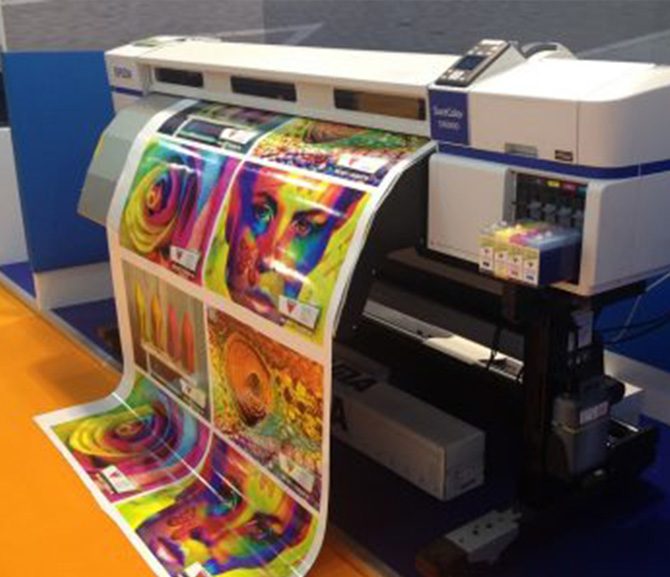
Offset printing remains a preferred method for large-volume runs, providing superior color accuracy, sharp detail, and cost efficiency at scale. This process involves transferring ink from a plate to a rubber blanket, then onto the printing surface. Its ability to reproduce vibrant colors with consistent quality makes it ideal for comprehensive marketing campaigns requiring brand uniformity across numerous copies.
For smaller quantities or projects with quick turnaround requirements, high-end digital printing presents a versatile solution. Modern digital presses utilize advanced inkjet or toner technologies, allowing for fast production times and easy customization. Digital printing also facilitates easier updates or modifications to designs without the need for costly plate creation, enhancing flexibility in marketing efforts.
Color management is paramount in official printing procedures. This involves meticulous calibration of printing equipment, use of standardized color profiles, and proofing stages. Digital proofs provide clients with a close approximation of the final output, enabling adjustments before the final print run. Such meticulous processes guarantee that the printed brochures reflect the digital design’s color palette accurately, preserving brand integrity and visual coherence.
Utilizing certified inks and premium-coated papers also plays a significant role in achieving durable, high-impact brochures. These quality materials resist fading, smudging, and handling wear, ensuring that the marketing message remains effective over time.
Implementing Legitimatel and Established Printing Practices
- Use Certified Printing Equipment: Ensure that the printing presses are regularly maintained and calibrated to produce consistent color and image quality.
- Employ Certified Inks and Materials: Select inks and paper products from reputable suppliers known for their quality and adherence to industry standards.
- Follow Standardized Color Processes: Implement color management systems, including ICC profiles and color calibration, to match digital designs with printed output accurately.
- Quality Control Checks: Conduct regular inspections during the print process to identify and address any inconsistencies or defects immediately.
Adopting these disciplined practices ensures that each brochure not only meets visual expectations but also upholds the professionalism and branding consistency essential for impactful marketing.
Understanding Full Color Brochure Printing
Full color brochure printing captures attention through vibrant, elaborate visuals that effectively communicate your brand message. This process involves reproducing a wide spectrum of colors with high precision, enabling businesses to produce brochures that are as striking and detailed as their digital designs. Achieving optimal color reproduction in brochures is a complex interplay of various technical factors, including the choice of printing method, quality of materials, and meticulous color management practices.
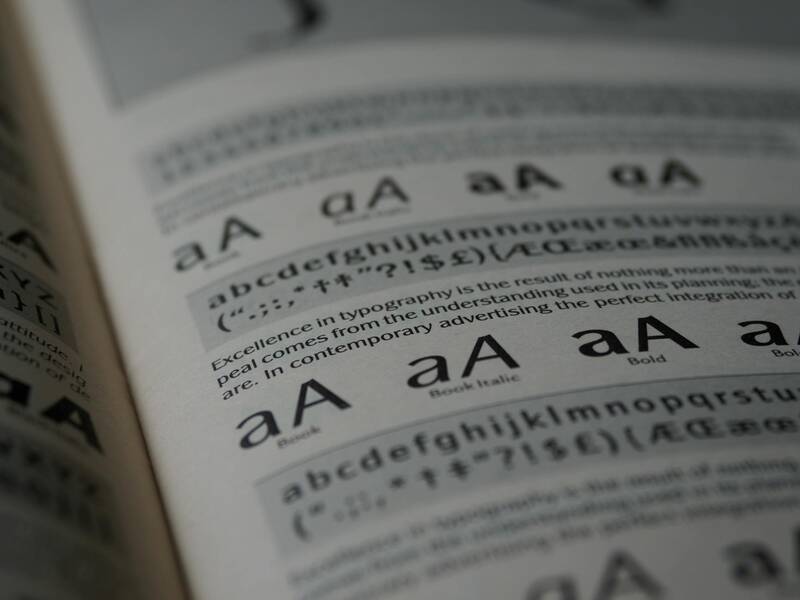
For consistent and accurate color output, the industry utilizes standardized color profiles such as ICC profiles, which serve as a reference point for color fidelity across devices and media. These profiles facilitate the calibration of printers and monitors, ensuring that the colors expressed digitally translate accurately to the printed page. Employing this standardized approach minimizes discrepancies and ensures a uniform presentation of branding colors, logos, and images.
Advanced proofing processes, including digital proofs and contract proofs, are integral components of producing high-quality brochures. Digital proofs grant clients an initial preview, allowing for adjustments prior to the final print run. This step helps identify color mismatches or design flaws early, saving costs and avoiding waste. Once approved, the final printing process is executed with strict adherence to color management protocols.
Material and Paper Quality Selection
The durability and visual impact of full color brochures greatly depend on the choice of materials. Upgrading to high-quality coated paper enhances vibrancy, ensures sharper image reproduction, and adds a professional finish. Different coatings such as gloss, matte, or satin influence not only the aesthetic appeal but also the tactile feel of the brochure, which can reinforce your brand's image.
Utilizing certified inks and premium papers ensures that the printed colors retain their vibrancy and resist common issues like fading, smudging, and handling damage. These high-grade materials also contribute to the brochure’s longevity, making them suitable for distribution in various environments, from retail points to trade shows.
Proper Storage and Handling of Printed Brochures
Post-print handling is critical to maintaining the integrity of full color brochures. Store them in a dry, cool environment away from direct sunlight and moisture to prevent deterioration. When distributing, use protective packaging if necessary to avoid creases, scratches, or smudges. Proper storage and handling ensure that the brochures remain pristine until they reach their intended audience, supporting your brand’s professional appearance.

Understanding Full Color Brochure Printing
Full color brochure printing involves utilizing advanced printing technologies to produce vibrant, detailed visuals that effectively communicate your brand message. Achieving optimal results requires a combination of precise color management, high-quality materials, and professional printing methods. The process begins with comprehensive design preparation, ensuring that images and graphics are optimized for print, with proper color profiles embedded to guarantee consistency. Choosing the right printing method, such as offset or digital printing, depends on the order size and desired quality outcome. Offset printing is ideal for larger runs due to cost efficiency and superior color accuracy, while digital printing offers quick turnaround times suitable for smaller batches. To ensure that your brochure's colors are accurately reproduced, reputable printers employ calibrated equipment alongside industry-standard color matching systems, including Pantone matching where necessary. This meticulous approach ensures that your printed materials meet specific branding standards and visual expectations. Moreover, the compatibility of digital files, attention to bleed specifications, and color profiles are crucial steps in preparing your designs for production, preventing issues like color mismatches or blurry images. Working with experienced printers also minimizes the risk of misprints or inconsistencies, especially important when translating complex graphics or subtle color gradients. Proper understanding and selection of the right printing process enable businesses to produce impactful brochures that leave a lasting impression on their target audience.

In addition to equipment and process choices, the quality control measures implemented during full color brochure printing are vital. These measures include ink consistency checks, proof approvals, and continuous monitoring during print runs. Such practices help maintain color fidelity and sharpness across the entire batch, making sure each brochure aligns with your brand standards. For organizations requiring precise color matching, especially those with specific Pantone or brand color specifications, collaborating with printers who offer color matching services can be invaluable. This ensures the final printed product faithfully represents your visual identity. Additionally, environmentally conscious printing options, such as soy-based inks and recycled papers, are increasingly available, supporting sustainable practices without compromising quality. Therefore, selecting a printing partner with expertise and verified standards is crucial for delivering a product that not only communicates your message effectively but also aligns with your company's values and quality expectations.
Understanding Full Color Brochure Printing
Full color brochure printing involves the use of four-color process printing, commonly known as CMYK (Cyan, Magenta, Yellow, Key/Black). This process allows for the reproduction of high-resolution, rich, and vibrant images, making it an ideal choice for marketing materials that demand visual impact. Achieving precise color consistency and image sharpness requires meticulous attention to detail in prepress preparation, including color calibration and file setup. Using professional-grade equipment, printers can produce brochures that accurately reflect the intended design, enhancing brand recognition and customer engagement. Whether conveying complex product details or showcasing artistic visuals, full color brochure printing ensures that every detail is crisply rendered and consistently vibrant across the entire batch.
Design Principles for Effective Brochures
Creating an impactful brochure begins with thoughtful design principles that guide the layout and visual hierarchy. Effective use of white space allows key messages and images to stand out, preventing visual clutter. Strategically incorporating a balance of text and imagery facilitates easy information absorption, guiding the reader naturally through the content. Consistent use of brand colors, fonts, and imagery creates a cohesive look that reinforces brand identity. Strong calls-to-action (CTAs) positioned prominently motivate recipients to engage further with your offerings. Additionally, understanding your target audience's preferences and tailoring the design to resonate with their interests enhances the brochure's effectiveness, ensuring your message leaves a lasting impression.
Material and Paper Quality Selection
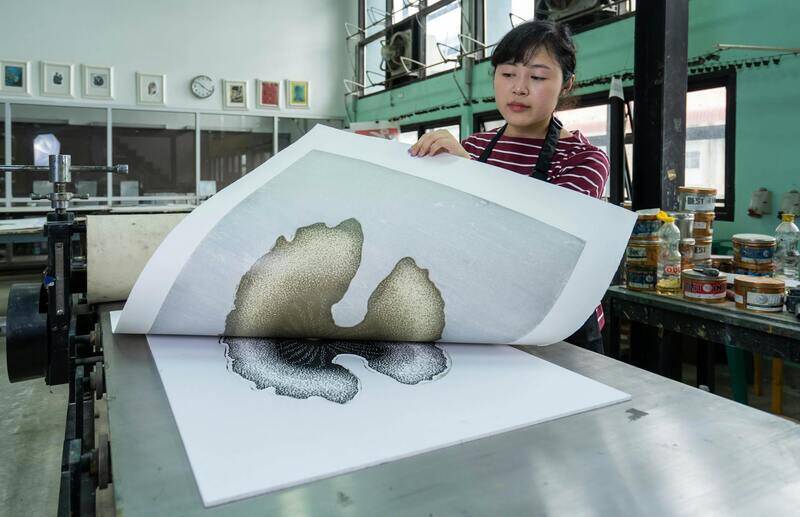
Choosing the appropriate paper stock plays a crucial role in the durability and visual appeal of your brochure. Thicker, weightier papers such as 14pt or 16pt cardstock provide a sturdy, professional feel that withstands handling and environmental factors. Satin or matte finishes offer a smooth surface that reduces glare and enhances readability, ideal for brochures with detailed images or extensive text. Glossy finishes, on the other hand, amplify vibrancy and image sharpness, making colors pop. Recycled and eco-friendly papers are also now widely available, aligning with sustainable practices without sacrificing quality. When selecting materials, consider the context in which your brochures will be used, whether for direct mailing, display, or handouts, to ensure they represent your brand appropriately and withstand their intended use.

Printing Techniques and Color Accuracy
The precision of color reproduction in full color brochure printing hinges on selecting the right printing technique and maintaining strict quality control measures. Offset printing remains the industry standard for high-volume runs, delivering detailed, vibrant images with consistent color fidelity and sharpness. Digital printing offers flexibility for shorter runs, proofs, or personalized brochures, providing rapid turnaround times and cost efficiencies without compromising quality. To ensure color accuracy, especially for branding that relies on precise shades, color matching services utilizing Pantone libraries or customized color profiles are indispensable. These services provide assurance that printed colors match digital designs and branding guidelines exactly, reinforcing professional integrity and visual consistency for your marketing collateral.

Understanding Full Color Brochure Printing
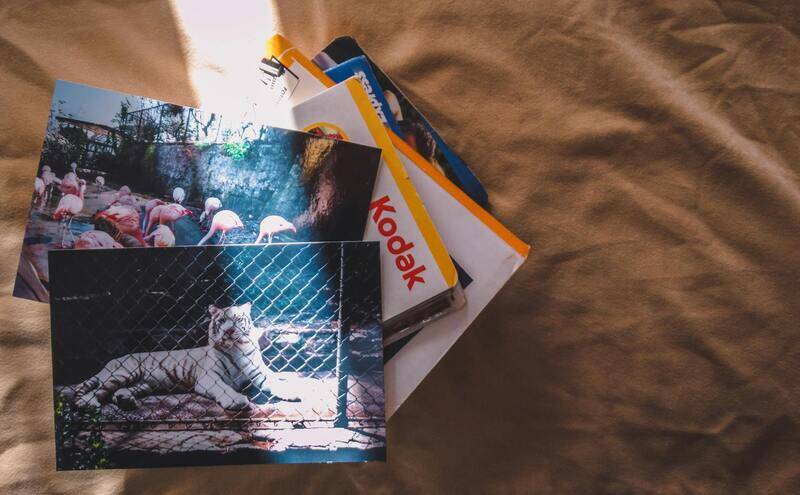
Full color brochure printing is a dynamic and visually compelling method for promoting products, services, or corporate messages. This process involves reproducing vibrant, high-resolution images and text using multiple color layers, typically adhering to the CMYK color model, which combines cyan, magenta, yellow, and black inks to produce a broad spectrum of hues. The precise execution of this technique allows businesses to create brochures that capture attention, evoke emotions, and convey complex information through rich visuals and engaging layouts.
One of the key advantages of full color printing is its ability to deliver detailed imagery with sharpness and clarity, making it ideal for showcasing product photos, illustrations, and compelling branding elements. Whether designing for marketing campaigns, product catalogs, or event promotions, the capability to produce eye-catching visuals helps enhance brand recognition and consumer interest.
In addition to visual appeal, full color brochure printing supports various paper finishes and textures, enabling customization to match your brand’s aesthetic and strategic goals. From matte and gloss coatings to textured stocks, selecting the right combination ensures your printed materials stand out in both appearance and tactile experience. The production process utilizes advanced printing technologies like offset and digital printing, which are capable of reproducing consistent and vibrant colors across large batches or small runs.
Benefits of Full Color Brochure Printing
- Exceptional visual detail and color depth that draw immediate attention.
- Versatility in design, allowing complex images and multiple hues to be incorporated seamlessly.
- Enhancement of brand identity through consistent use of colors and design elements.
- Ability to produce memorable marketing collateral that leaves a lasting impression.
- Compatibility with a variety of paper stocks and finishes for tailored tactile experiences.
Applications of Full Color Brochure Printing
- Corporate branding and identity promotion.
- Product showcase brochures for retail or trade presentations.
- Event invitations and promotional materials.
- Educational and informational pamphlets for various industries.
- Real estate listings and architectural portfolios with detailed imagery.
Adopting full color brochure printing allows organizations to communicate their messages vividly and professionally, making it an essential component of comprehensive marketing strategies. Selecting quality printing services ensures that every detail, from color accuracy to material durability, aligns with your brand’s standards and campaign objectives.
Understanding Full Color Brochure Printing
Full color brochure printing involves the use of advanced color printing technologies to produce vibrant, eye-catching marketing collateral that effectively communicates your brand message. This process utilizes a wide color spectrum to reproduce complex images, gradients, and intricate design details with exceptional clarity and depth. The choice of printing method, whether digital or offset, impacts the final output quality, durability, and cost-efficiency. High-quality full color brochures are essential tools in competitive marketing environments, capable of capturing attention and conveying professionalism through vivid visuals and meticulous design execution. They serve as a cornerstone for brand storytelling, product presentation, and informational dissemination across various industries, including retail, real estate, education, and corporate branding.
Design Principles for Effective Brochures
Creating impactful full color brochures requires adherence to key design principles that optimize visual appeal and message clarity:
- Consistent Branding: Incorporating brand colors, logos, and style elements to reinforce identity.
- Clear Hierarchy: Organizing content with headlines, subheadings, and bullet points to guide the reader’s eye through the material.
- Balanced Layout: Employing a harmonious arrangement of images and text that prevents clutter and emphasizes important information.
- High-Quality Imagery: Using sharp, well-lit images that demonstrate product details or evoke desired emotional responses.
- Readable Typography: Choosing fonts that are easy to read at various sizes, complementing visual elements without overpowering them.
- Strategic Use of Color: Utilizing contrasting colors for emphasis and maintaining visual consistency to strengthen brand appeal.
Material and Paper Quality Selection
The choice of substrate plays a significant role in the overall perception of your brochure. High-quality paper stock enhances durability and tactile experience, making a strong impression on recipients. Common options include gloss, matte, and silk finishes, each providing distinct visual effects. Glossy paper accentuates vibrant color and sharpness, ideal for image-heavy designs. Matte finishes deliver a sophisticated, subdued look, reducing glare and facilitating readability. Silk or satin finishes offer a balanced approach, combining vibrancy and elegance. Thicker paper weights convey a sense of quality and professionalism, while lighter stocks may be suitable for bulk distributions. Tailoring material selection to your message and target audience improves the effectiveness and longevity of your marketing material.

Printing Techniques and Color Accuracy
Achieving precise color reproduction is critical for maintaining brand consistency and visual impact. Offset printing remains the preferred method for large volumes, offering high color fidelity and uniformity. Digital printing, meanwhile, provides flexibility for small runs and quick turnaround times without compromising quality. Color management workflows, including the use of Pantone color matching systems and calibrated printing presses, ensure consistency across batches. Advanced proofing processes allow clients to review color accuracy before full production, minimizing discrepancies. Incorporating high-resolution images and properly calibrated printers guarantees vibrant, true-to-design brochures that resonate with viewers and reinforce brand recognition.
Cost Factors and Budgeting for Full Color Brochures
Understanding the elements that influence the overall cost helps align print projects with your budget. Major factors include:
- Quantity: Larger runs typically benefit from reduced per-unit costs due to economies of scale.
- Paper Quality: Premium finishes and thicker stocks increase expenses but deliver a higher-end feel.
- Printing Method: Offset printing is more cost-effective for bulk orders, while digital may incur higher per-unit costs for small quantities.
- Design Complexity: Intricate layouts, extensive use of colors, and custom finishes can add to production costs.
- Finishing Options: Lamination, embossing, or UV coating enhance durability and aesthetics but may elevate costs.
Planning your print quantities and specifications proactively ensures effective allocation of your marketing budget, optimizing quality while maintaining cost efficiency.
Turnaround Time and Order Process
Efficient production timelines depend on clear communication and detailed specifications. Standard lead times for full color brochures range from 3 to 7 business days, contingent on order complexity and volume. To expedite the process, provide accurate artwork files that adhere to printer specifications regarding resolution, color profiles, and bleed settings. An initial proofing stage allows for review and adjustments prior to mass production, reducing revisions and delays. Many printing providers offer quick turnaround options for urgent projects, but these often involve additional costs. Accurate scheduling and proactive coordination with your chosen printer ensure your marketing campaigns stay on track without compromising quality.
Distribution and Usage Tips
Maximizing the impact of your full color brochures involves strategic distribution and effective usage:
- Targeted Distribution: Deliver brochures to specific audiences at trade shows, events, or direct mail campaigns to improve response rates.
- Display in High-Traffic Areas: Place brochures in reception areas, retail counters, or exhibitions for immediate visibility.
- Incorporate with Digital Campaigns: Use QR codes or links to direct recipients to online content, fostering deeper engagement.
- Train Staff: Equip employees with knowledge about brochure content to encourage active promotion and distribution.
- Maintain Updated Content: Regularly revise and refresh printed materials to ensure consistency with current offerings and branding.
Proper handling, storage, and strategic placement extend the lifespan and effectiveness of your brochures, ensuring they continue to serve as valuable marketing assets over time.