Understanding Colour Brochure Printing
Colour brochure printing remains a highly effective method for businesses and organizations to communicate their message with vividness and clarity. This printing process involves reproducing visual content—such as images, graphics, and text—in multiple colors, which significantly enhances visual appeal and engagement. In Singapore’s competitive marketing landscape, colour brochures serve as a versatile tool for brand promotion, product showcasing, and informational dissemination. The process begins with high-quality design work that integrates compelling visuals and strategic layout planning. When printed in colour, brochures can convey complex messages through appealing imagery and eye-catching colour schemes. This capability makes them an ideal choice for industries ranging from retail and hospitality to corporate services and educational institutions. Using advanced printing technology, colour brochure printing ensures that every hue is reproduced with precision and vibrancy. This allows brands to maintain consistency across their visual identity and create memorable impressions. Moreover, colour brochures can be produced in various formats, sizes, and finishes to suit different marketing objectives and aesthetic preferences. In Singapore, where competition is fierce and attention spans are short, colour brochures stand out as a cost-effective, tangible marketing asset that combines visual impact with informative content. Their portability and ease of distribution make them suitable for direct mail campaigns, event giveaways, and in-store displays. From an operational perspective, colour brochure printing involves multiple stages including design, proofing, and production, which demand meticulous attention to detail to ensure the final product meets high standards of quality. This process requires specialized equipment and expertise to match the vibrancy and clarity of the original artwork. Ultimately, choosing to invest in colour brochure printing provides a strategic advantage by elevating brand presence and fostering engagement with prospective clients. It transforms basic promotional material into a powerful storytelling platform that leaves lasting impressions and encourages action.
Design Considerations for Colour Brochures
Creating a compelling colour brochure hinges on meticulous design choices that enhance readability and visual engagement. Effective layout planning ensures that information flows logically and allows key messages to stand out. Incorporating a balanced mix of textual content, images, and white space helps avoid clutter and directs the reader’s attention to essential details.
Color schemes play a vital role in reinforcing brand identity and evoking emotional responses. Choosing harmonious palettes that align with your brand guidelines can increase recognition and foster positive associations. The strategic use of contrasting colors highlights calls to action and important data, guiding potential clients seamlessly through the brochure’s narrative.
High-resolution images are crucial for capturing attention and supporting textual content. When selecting visuals, consider their relevance, clarity, and ability to communicate the intended message effectively. Proper image placement enhances the overall aesthetic and supports the story you aim to tell with the brochure.
Typography choices also influence the brochure’s professionalism and readability. Clear, legible fonts sized appropriately for both headings and body text ensure that information is accessible to all readers. Consistent font usage creates a cohesive look that aligns with your brand image.
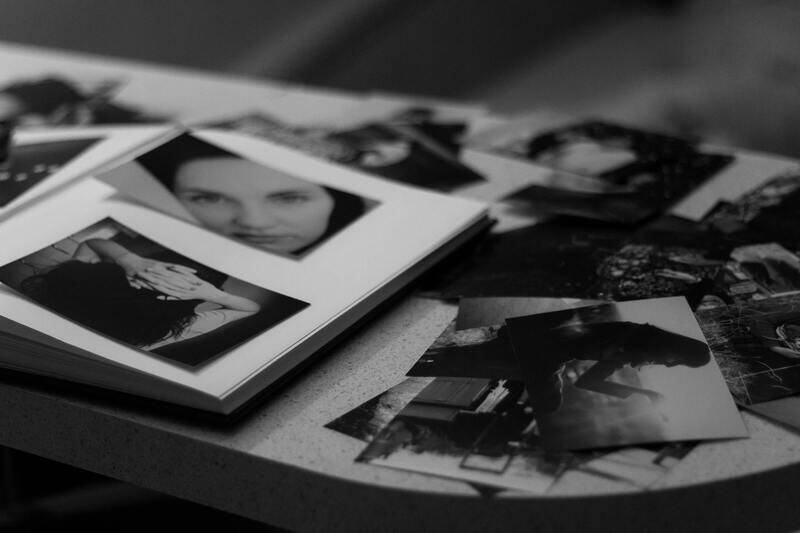
Additionally, incorporating visual elements such as icons, infographics, and borders can enrich the brochure’s design. These elements help highlight key points, break up text sections, and make the overall presentation more engaging.
Effective Layout and Content Placement
The layout should facilitate easy navigation, with a logical flow from introduction to conclusion. Positioning vital information at the beginning and emphasizing calls to action towards the end encourages recipients to engage further with your brand. Utilizing grids and alignment techniques ensures a tidy and professional appearance.
When designing, keep in mind the brochure’s intended distribution channel. A design tailored for print must consider how it appears in physical form, including fold lines, margins, and printing bleed areas. Thoughtful planning during the design phase guarantees that printing imperfections do not compromise the final presentation.
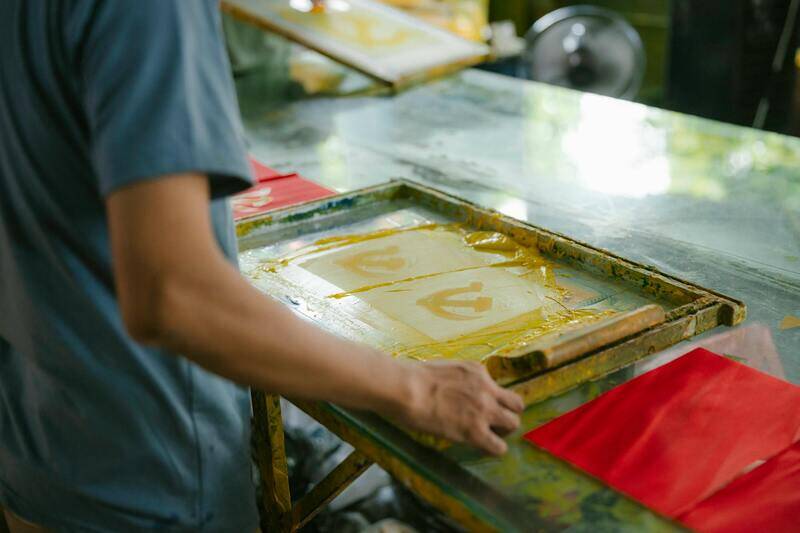
By focusing on these design considerations, businesses can craft visually captivating brochures that communicate their message clearly, foster brand recall, and motivate recipients to take action. A well-designed brochure effectively combines aesthetic appeal with strategic content placement, resulting in a powerful marketing tool that resonates with audiences.
Variety of Paper Types and Finishing Options
Choosing the appropriate paper type and finish is critical to the overall effectiveness and aesthetic appeal of your colour brochure. The selection process involves considering both the visual impact you desire and the physical durability required for your brochure’s purpose and distribution environment.
Paper quality varies from standard uncoated papers to premium coated options. Uncoated papers, often chosen for a natural, tactile feel, are suitable for brochures that emphasize readability and a relaxed aesthetic. Coated papers come with a smooth surface that enhances color vibrancy and detail sharpness, making them ideal for high-resolution images and striking graphics.

- Matte Finish: Offers a subdued, non-reflective surface that minimizes glare, ideal for easy reading and sophisticated looks.
- Gloss Finish: Adds a vibrant, shiny appearance to images and colors, making graphics pop and increasing visual appeal.
- Lamination: A layer of plastic applied over the paper can be glossy or matte, boosting resistance against fingerprints, scratches, and moisture, thus extending the brochure's lifespan.
Beyond paper choices, finishing techniques like spot UV coating, embossing, or foil stamping can elevate the tactile experience and highlight important elements such as logos or headlines. Although these options may add to the production costs, they significantly improve perceived quality and can leave a lasting impression on recipients.
When planning your brochure production, consider the balance between cost and durability. Heavier, thicker papers tend to feel more premium and are better suited for high-end branding efforts, but they may incur higher printing and shipping costs. Finishing touches, like matte lamination, can also influence handling and storage, ensuring that your brochure maintains its visual integrity over time.
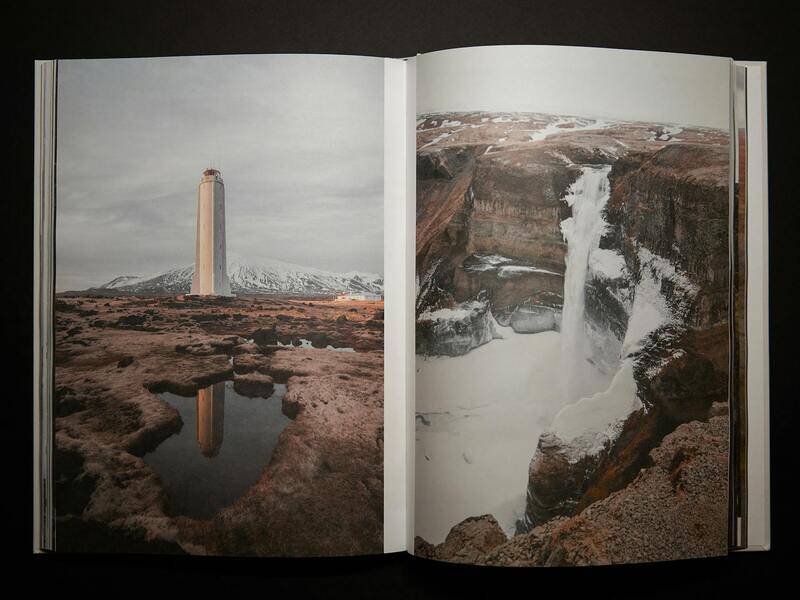
Ultimately, the choice of paper and finish should align with your brand identity, budget, and the message you wish to communicate. Collaborating with a professional printing service can provide valuable insights into selecting the most appropriate materials, ensuring that the final product not only looks impressive but also withstands the rigors of distribution and handling.
Choosing the Right Printing Method for Your Colour Brochures
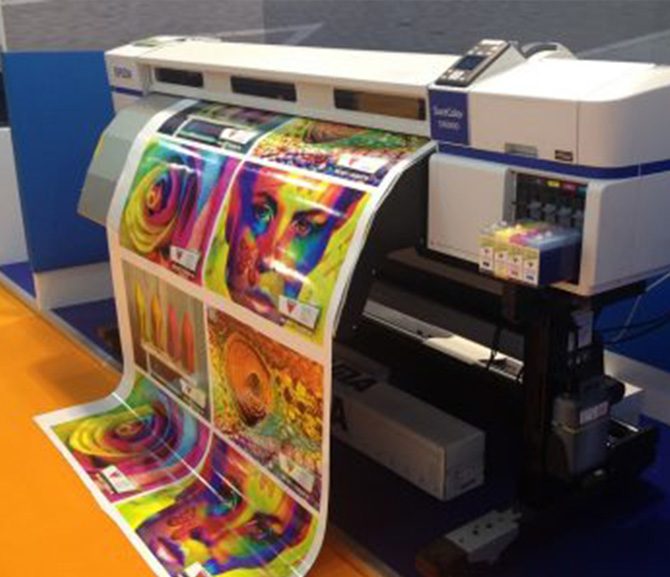
When it comes to producing vibrant and high-quality colour brochures, selecting an appropriate printing method is essential. Two primary techniques dominate the industry: digital printing and offset printing, each offering distinct advantages suited to different production needs.
Digital Printing
Digital printing employs direct-to-paper printing technology, allowing for quick turnaround times and cost-effective small-batch productions. It provides exceptional colour precision, making it ideal for projects requiring rapid updates or limited quantities. Modern digital presses can produce vivid, sharp images with consistent colour delivery, ensuring your brochure's visuals are compelling. This method also enables variable data printing, allowing for personalization and targeted marketing strategies.

Offset Printing
Offset printing, a traditional method, involves transferring ink from plates onto rubber blankets before applying it to paper. This technique excels in producing large volumes with impeccable colour richness and consistency. Offset printing allows for a broader range of paper options and finishing techniques, making it suitable for premium brochures that require complex colour gradations and fine detail. While it has longer setup times and higher initial costs, offset printing is the most cost-effective choice for bulk orders, offering excellent value at scale.
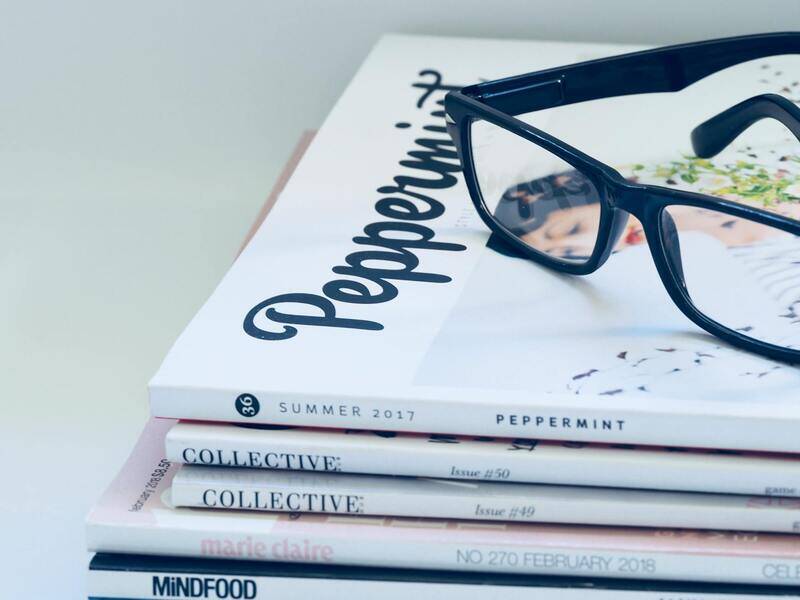
Ensuring Colour Accuracy and Consistency
Both printing methods rely on meticulous colour management processes. Colour calibration and proofing are vital steps to ensure that the colours on the final brochure match your brand’s visual identity. High-quality digital printers utilize advanced colour profiles, enabling accurate colour reproduction across different batches. Offset presses incorporate standardized colour matching techniques to maintain consistency, especially crucial when producing large quantities over extended periods.
It's advisable to review physical proofs before the full run. This step allows for adjustments in colour profiles, contrast, and saturation, preventing discrepancies and ensuring the final product aligns with your expectations. Professional printing services often provide colour management consultation, leveraging their expertise to help achieve optimal results.
Additional Considerations for Colour Brochure Printing
- Matt vs. Glossy Finishes: Choosing between matte or glossy finishes can significantly impact the visual appeal and tactile feel of your brochures. Matte finishes offer a sophisticated, glare-free surface, ideal for readability and minimizing fingerprints. Glossy finishes enhance colours, making images pop and adding a luxurious shine, perfect for high-impact marketing materials.
- Color gamut and printing limitations: Understanding the colour gamut, or the range of colours a printer can produce, is important. Some colours, especially vibrant fluor reds or blues, may have limitations in reproduction. Selecting a printing service with advanced colour management capabilities ensures maximum colour fidelity.
- Quality control and inspection: Regular checks during production help catch colour inconsistencies early. This proactive approach minimizes waste and guarantees a uniform appearance across all copies.
Advanced Techniques for Colour Accuracy in Brochure Printing
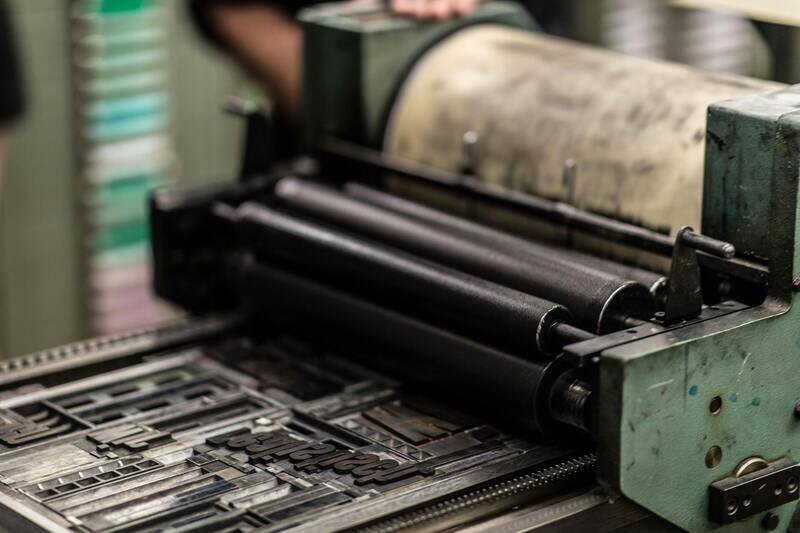
Achieving precise and vibrant colours in your brochures requires a deep understanding of the printing process and the application of advanced techniques. One of the most effective methods is the use of color management systems (CMS), which ensure consistency across different devices and media. CMS employs standardized colour profiles, such as ICC profiles, to control how colours are reproduced from digital files to physical prints—a crucial step to maintain brand integrity and visual consistency.
Implementing colour calibration for your monitors and printers before production begins helps align digital colour settings with the final printed output. This calibration minimizes colour shifts and ensures that what you see on screen closely matches the printed product. Many professional printing services utilize spectrophotometers to measure and verify colours during production, directly adjusting the printing parameters for optimal results.
Furthermore, spot colours, such as Pantone shades, can be incorporated into your design for specific branding elements. These colours are produced using predefined ink formulas, offering a predictable and consistent colour match regardless of the print run size. This is particularly beneficial when certain colours are critical to your branding or campaign visual identity.
In terms of ink application, techniques like four-colour process printing (CMYK) allow for a broad spectrum of colours by overlapping cyan, magenta, yellow, and black inks. However, understanding the limitations of CMYK, especially for vivid or metallic colours, is vital. High-end printers may also offer special inks such as metallic, fluorescent, or clear overlays, adding a level of vibrancy and textural depth to your brochures.

Official Methods for Achieving Accurate Colour Reproduction
When it comes to producing high-quality colour brochures, relying on established, reputable printing techniques is essential to achieve consistent and vibrant results. The process begins with precise colour calibration, which involves profiling your digital files using advanced colour management systems. These systems ensure that colours displayed on your screen match the printed output, reducing discrepancies that may compromise your brand’s visual integrity.
Commercial printing presses employed for brochure production utilize calibrated processes that align ink density, colour separation, and printing parameters. Such standard practices enable the reproduction of complex colour schemes with high accuracy, whether for detailed graphics or subtle tonal variations.
In addition, professional printers use multiple quality control steps, including spectrophotometers and colour guides, to verify colour consistency throughout the print run. Regular calibration of equipment ensures that each batch produced maintains the same colour fidelity as your original digital design.
To further guarantee the quality of your colour brochures, consider conducting test prints or sample runs. These samples serve as a benchmark to compare against your digital proofs, allowing for adjustments before the full production. The use of certified inks and environmentally compliant printing processes also contributes to producing colours that are both vivid and ethically sourced.
Utilizing Standardised Colour Libraries for Consistency
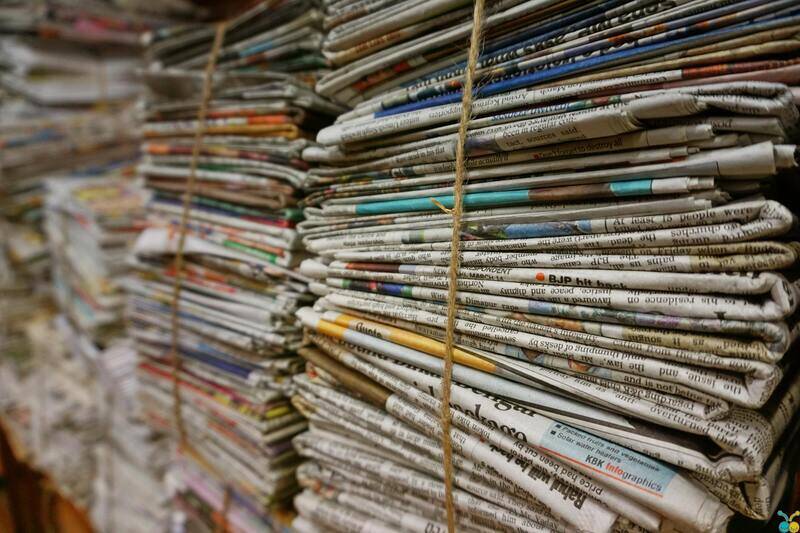
Employing recognised colour standards, such as Pantone Matching System (PMS), ensures that specific colours are matched precisely across different print batches. Pantone provides a universal language for colours, allowing designers and printers to communicate exact shade requirements. When colour accuracy is critical—such as matching brand colours or creating specific visual effects—referring to these standard colour libraries mitigates risks of colour variation.
By specifying Pantone colours in your design files, you empower your printing partner to replicate your colours faithfully using standardised inks tailored for precise application. This method is especially useful for vibrant hues, metallic finishes, or branding that demands consistency across various print runs.

Advantage of Advanced Printing Technologies
Modern digital and offset printing technologies are equipped with sophisticated mechanisms to maintain colour fidelity. Offset printing, in particular, utilizes precise ink application and registration systems to produce sharp, colour-accurate images at scale. Digital presses also feature embedded colour management systems that control ink density and tonality, delivering vibrant results with quick turnaround times.
Some high-end presses incorporate speciality inks such as metallic, fluorescent, or clear overlays, offering additional options to elevate your brochure’s visual appeal. These techniques require specific prepress processes, including colour profiling and proofing, to guarantee the final output matches your expectations.
Choosing a printing partner with access to these advanced technologies, supported by trained professionals, ensures that your colour brochure will not only meet quality standards but also reflect your brand’s true colours with consistency and brilliance.
Understanding Colour Brochure Printing
Colour brochure printing involves a complex interplay of design, paper selection, printing techniques, and finishing processes—all orchestrated to produce visually striking marketing materials. The fidelity of colours in a brochure directly influences its effectiveness, as vibrant, consistent hues captivate attention and reinforce brand identity. Achieving high-quality colour reproduction requires a strategic approach that encompasses choosing the appropriate printing method, selecting suitable paper surfaces, and employing advanced colour management systems.
Embracing Standardized Colour Management
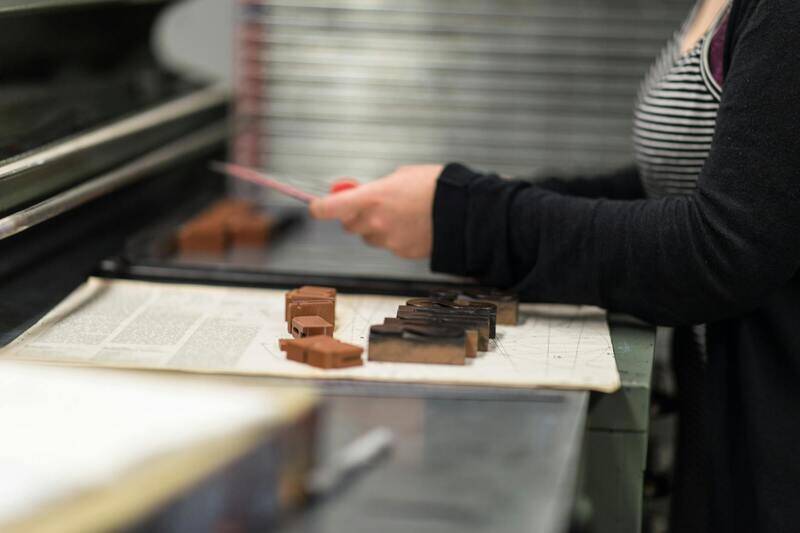
To ensure that colours are consistent across different print runs, many professional printers utilize standardized colour management protocols such as the Pantone Matching System (PMS). Integrating Pantone colours into design files facilitates precise colour replication, regardless of the printing technology used. This ensures that specific brand colours, metallic accents, or custom hues appear uniform on every brochure, maintaining brand integrity.
Technological Advancements in Colour Accuracy
Modern offset and digital printing presses are equipped with advanced colour calibration and management systems. Offset printing employs meticulous ink application techniques that reduce colour variation, while digital presses offer embedded colour controls capable of real-time adjustments. Some high-end printers also accommodate specialty inks like metallic or fluorescent inks, adding a layer of visual sophistication that elevates the brochure’s impact.
These capabilities depend on rigorous prepress processes such as colour profiling and proofing, which allow for fine-tuning before the actual print. This comprehensive approach guarantees that the final product accurately reflects the intended design, ensuring consistent colour reproduction from one brochure to the next.
The Role of Quality Control
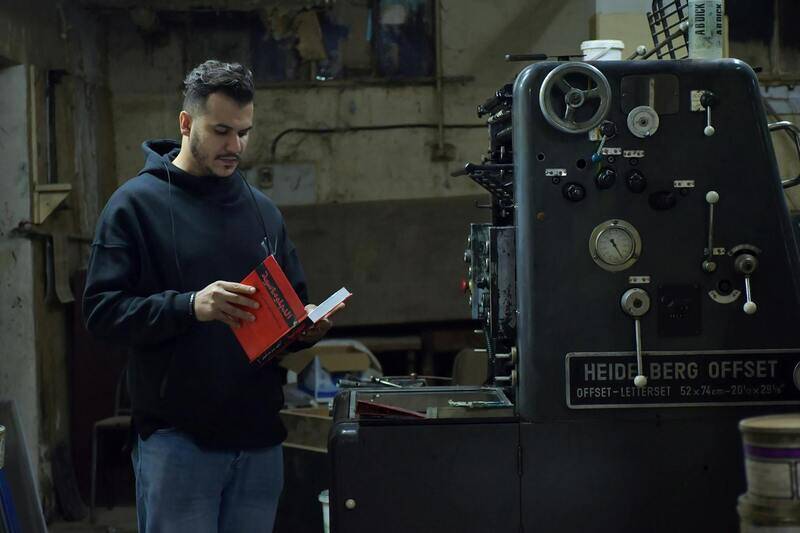
Maintaining high standards during the printing process is essential for colour accuracy. Printers employ multiple quality control measures, including spectrophotometers to measure colour deviations, ensuring that each batch adheres to the specified Pantone or CMYK values. This dedication to quality ensures that your brochures consistently meet expectations, whether for a local promotion or a nationwide campaign.
Implementing Proofing for Reliable Results
Prior to large-scale production, digital or physical proofs are critical for verifying colour accuracy. Proofing allows clients to see a close approximation of the final product and make necessary adjustments. This step minimizes costly errors and guarantees that the printing outcome aligns with the original design intent, especially regarding colour vibrancy and consistency.
In summary, leveraging the latest in colour management technology, rigorous quality control, and thorough proofing processes is key to producing eye-catching, consistent, and professional colour brochures.
Understanding the Legal and Ethical Framework for Colour Brochure Printing
In the realm of professional printing, adherence to established standards and ethical practices ensures the delivery of high-quality and compliant colour brochures. While there is no need to explore explicit legal terminologies, it remains crucial for printing providers to utilize approved methods that uphold integrity and consumer trust. These include sourcing materials that meet industry standards and employing verified printing techniques that guarantee consistency across batches.
Utilizing Certified Materials and Equipment
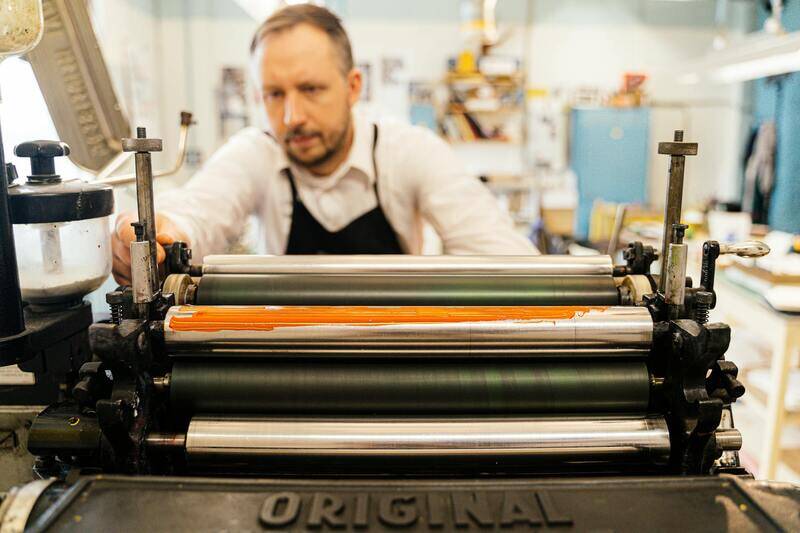
The first consideration for legitimate colour brochure printing involves sourcing certified papers, inks, and finishing products. Reputable suppliers offer materials that are tested for colour stability, durability, and safety, which are essential for achieving consistent output without compromising quality. Equipment used in the printing process must also comply with industry standards, often including calibration and regular maintenance to prevent discrepancies in colour and print quality.
Implementing Proper Colour Management Practices
Accurate colour reproduction relies on the systematic application of colour management protocols. This includes the use of calibrated monitors, colour profiles, and proofing systems. These tools help ensure that the printed colours match the digital design intents, respecting the client's brand colours or specific palette requirements. The employment of standardised measurement tools, like spectrophotometers, provides an added layer of verification, certifying colour precision and consistency across different print runs.
Ensuring Transparency and Documentation
Trustworthy printers maintain detailed records of every stage in the printing process. This documentation encompasses material sources, calibration logs, proof approvals, and batch records. Such transparency assures clients that their brochures are produced following approved procedures and standards. Additionally, clear communication regarding turnaround times, material specifications, and quality checks fosters confidence in the overall process.
Quality Control and Certification
To uphold prestigious standards, printing providers often seek accreditation from recognised industry bodies, which affirm their commitment to quality and best practices. Regular internal and external audits examine procedures, materials, and outputs, ensuring that each batch of brochures adheres to predetermined specifications. This rigorous approach guarantees that the final product reflects professionalism and meets the expectations set forth by the client.
Ethical Marketing and Intellectual Property Respect
Legitimate printing services prioritize ethical practices by respecting intellectual property rights and avoiding counterfeit or unlicensed materials. Clients can be confident that their colour brochures are produced with authentic design elements, licenses, and proprietary content. This respect for originality not only upholds legal standards but also reinforces a company’s credibility in the marketplace.
Visual Representation of Professional Practices
Final Assurance through Inspection and Client Verification
Before dispatching printed brochures, comprehensive inspection processes are essential. This stage involves verifying colour fidelity, print clarity, and finishing quality. Clients are often provided with physical or digital proofs to review and approve, ensuring the final product aligns with their specifications and expectations. Such due diligence consolidates confidence in the legitimacy and professionalism of the printing process.