Understanding the Purpose of Professional Brochures
Professional brochures serve as vital tools in a company's marketing and communication strategies. They are crafted to provide compact, visually appealing information that highlights a business’s products, services, or mission. A well-designed brochure acts as a tangible representation of a brand, offering potential customers a quick yet comprehensive overview of what the business offers.
In today’s competitive marketplace, the importance of brochures lies in their ability to deliver targeted messages directly to prospective clients. They facilitate brand recognition, foster trust, and help position a company as a credible and established entity. The effectiveness of a brochure depends heavily on how well it communicates the unique selling propositions of a business in a manner that resonates with the intended audience.
Beyond mere promotion, professional brochures serve an informative purpose. They detail features, benefits, and other key information that persuade potential customers to engage further with the brand. Whether presented as part of a direct mail campaign, handed out at trade shows, or displayed within a storefront, brochures create lasting impressions that can influence decision-making.

Furthermore, custom-designed brochures allow businesses to reflect their identity through tailored layouts, color schemes, and typography. This alignment with branding standards ensures consistency across all marketing channels, reinforcing brand recognition. Additionally, effective brochures streamline communication by presenting information logically and engagingly, encouraging recipients to take the next step—whether it’s contacting the company, visiting a website, or making a purchase.
In essence, professional brochures are a strategic investment in a business’s outreach efforts. They combine visual appeal with compelling content to draw attention, foster interest, and inspire action. When executed with precision, they become a powerful tool capable of extending a company's reach and establishing a memorable presence in the minds of potential clients and partners.
Choosing the Right Paper and Finishes
One of the foundational decisions in producing professional brochures is selecting the appropriate paper stock and finishes. These choices profoundly impact the tactile experience and visual appeal, influencing how recipients perceive your brand. For high-quality brochures, selecting premium paper types such as coated or matte finishes ensures durability and enhances color vibrancy. Coated papers—glossy or satin—offer a smooth surface that makes images pop, making them ideal for brochures rich in visuals. Matte finishes provide a non-reflective surface, lending a sophisticated and refined look suitable for detailed text or understated branding.

Finishing options, such as UV coating, lamination, or soft-touch coatings, further elevate the presentation. UV coating adds a glossy, protective layer that resists scratches and fingerprints, ideal for brochures that will be handled frequently. Lamination provides a sturdier, moisture-resistant surface, while soft-touch finishes offer a luxurious feel, making the brochure a memorable tactile experience for prospective clients. These surface treatments also contribute to the longevity of the brochure, ensuring the printed message remains vibrant over time.
Factors to Consider When Choosing Paper and Finishes
- Purpose and Distribution: Are your brochures meant for immediate distribution, or will they be kept for reference? Durable finishes are better for long-term use.
- Visual Impact: Visuals and images benefit from glossy or satin finishes due to their bright, sharp appearance.
- Budget: Higher-grade papers and special finishes typically entail increased costs, so balancing quality and expense is crucial.
- Environmental Considerations: Eco-friendly options like recycled paper and soy-based inks are available for environmentally conscious branding.
Collaborating with reputable printing providers can help you explore diverse options suited to your specific goals. They provide samples that enable you to assess the tactile qualities and visual effects beforehand, ensuring the final product aligns with your brand standards.
Final Tips for Selecting Paper and Finishes
- Request samples from your printer to compare textures, finishes, and weight options.
- Match the paper selection with the overall design theme and intended use of the brochure.
- Consider how the brochure will be stored or transported—thicker, coated papers may require extra handling care.
- Communicate your requirements clearly to your printing partner to ensure they recommend the most suitable materials.
Making informed choices about paper and finishes not only elevates the perceived value of your brochures but also ensures they withstand the demands of distribution channels, leaving a lasting, positive impression on your audience.
Determining Official and Secure Methods for Printing Your Brochures
Implementing the most reliable methods for printing professional brochures is essential to achieving high-quality results that reflect your brand’s integrity. Selecting proven printing techniques ensures durability, consistency, and a polished appearance that can stand up to rigorous distribution and handling processes. While various options are available, prioritizing established methods provided by reputable printing services guarantees the best outcomes for your marketing materials.
Offset Printing: The Standard for High-Quality Brochures
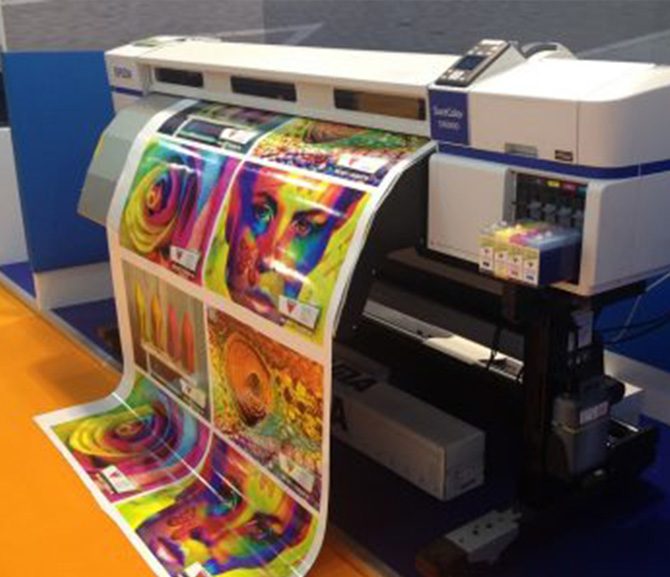
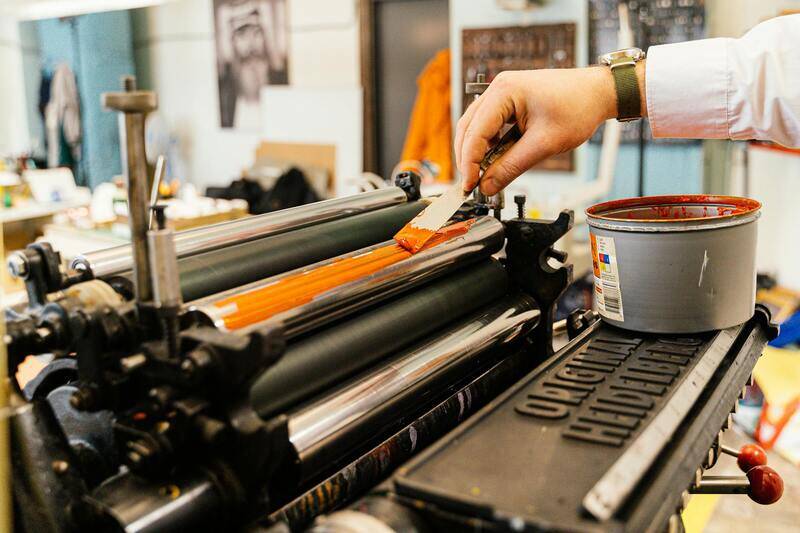
Offset printing remains the preferred choice for producing professional brochures in bulk due to its superior image quality and color fidelity. This technique involves transferring ink from a metal plate onto a rubber blanket, then onto the paper's surface. Offset printing provides sharp detail, consistent color matching, and cost efficiency for large print runs, making it ideal for companies requiring a polished and uniform appearance across many copies.
Additionally, offset presses accommodate a wide range of paper stocks and finishing options, allowing for customization that aligns with your branding efforts. The initial setup may be more complex and costly, but for sizeable quantities, offset printing offers remarkable value and visual consistency.
Digital Printing: Flexibility and Speed
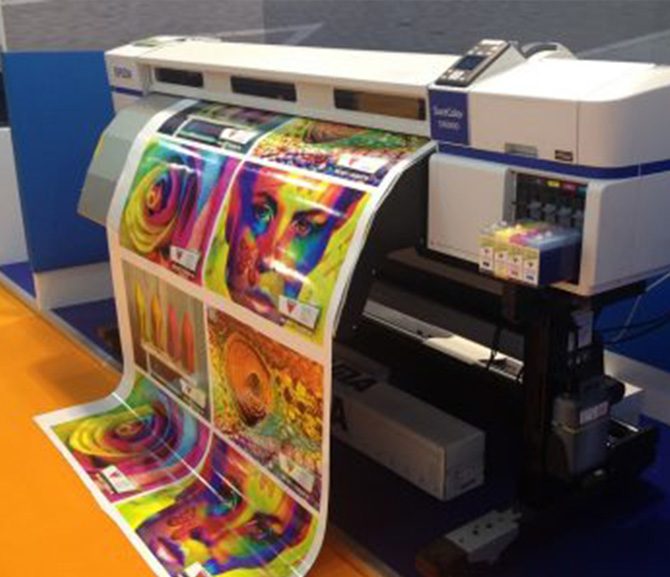
For shorter runs or projects requiring quick turnaround times, digital printing provides an efficient alternative. This method involves directly printing digital files onto paper without the need for plates, which reduces setup costs and time. Modern digital presses deliver excellent image quality and allow for easy updates to content without significant additional expenses.
Digital printing also supports variable data printing, enabling personalized brochures tailored to specific audiences or individual recipients. While the per-unit cost may be higher for large quantities compared to offset, digital processes are ideal for testing designs, producing prototypes, or managing targeted marketing campaigns.
Specialized Finishing Techniques for Added Impact
Enhancing your brochures with specific finishing techniques can elevate their professional look and tactile appeal. Options such as UV coating, laminations, and embossing create visual interest and provide additional protection against wear and tear.
- UV Coating: Adds a glossy or matte finish, increasing durability and making colors pop.
- Laminations: Provide a protective layer that resists moisture and scratches, suitable for outdoor or high-traffic displays.
- Embossing and Debossing: Create textured elements that add sophistication and tactile engagement.
Discussing these options with your printing provider allows you to select finishes that align with your brand’s identity and usage expectations. Properly applied, these techniques can distinguish your brochures from competitors and leave a lasting impression on recipients.
Importance of Confirming Printing Methods with Experts
Partnering with experienced printing professionals equips your business with insights into best practices for official brochure production. They can recommend the most suitable printing techniques based on your design specifications, quantity needs, and budget constraints. Requesting samples of various printing methods and finishes helps assess their visual impact and tactile qualities before committing to a full production run.
Reliable printing providers also ensure quality control throughout the process, from color matching and material selection to handling and finishing. Their expertise mitigates risks associated with technical errors or substandard results, safeguarding your investment and brand reputation.
Printing Techniques for Professional Brochures
When producing professional brochures, selecting appropriate printing techniques is critical to achieving high-quality results that reflect your brand's standards. Different methods come with their unique advantages, cost implications, and production timelines. Understanding these options ensures you can make informed decisions tailored to your project's specifications.
Offset Printing
Offset printing remains a popular choice for large-volume brochure printing due to its ability to deliver consistently high-quality images and vibrant color reproduction. This technique involves transferring ink from a plate to a rubber blanket and then onto the printing surface, allowing for precise color control and sharp detail. Although offset printing may involve higher initial setup costs, its efficiency makes it the most cost-effective option for sizeable batches.
Digital Printing
For smaller quantities or projects requiring quick turnaround times, digital printing presents a flexible alternative. It eliminates the need for plates, reducing setup costs and enabling on-demand printing. Digital printers can produce high-resolution images with rich colors, making it suitable for personalized brochures or immediate marketing campaigns. While per-unit costs may be higher than offset printing at scale, digital printing offers a practical solution for limited runs.
Special Effects and Finishes
Enhancing brochures with special effects can elevate their appeal and add tactile or visual interest. Techniques such as spot UV coating can highlight key design elements, while embossing or debossing introduces textured patterns that engage the sense of touch. Foil stamping adds metallic accents for a premium look. Consultation with your printing provider helps determine the most suitable effects that complement your brand image and production goals.
Production Timeline and Cost Evaluation
Choosing the right printing technique goes hand-in-hand with considering your budget and timeline constraints. Offset printing typically requires longer lead times due to the setup process but offers cost benefits at higher volumes. Digital printing, on the other hand, provides faster turnaround times for smaller runs, albeit at a slightly increased per-unit cost. Incorporating these factors during planning ensures your brochure campaign launches seamlessly without compromising standards.
Collaborating with experienced printing professionals allows for a detailed estimate of costs based on your selected methods and finishes. They can provide insights into optimizing your design for different printing techniques, ensuring your brochure achieves both aesthetic and functional excellence within your budget.
Ensuring Proper Distribution and Usage of Professional Brochures
Distributing your professionally crafted brochures requires strategic planning to maximize their impact. The distribution channels should align closely with your target audience to ensure the message reaches the right eyes. Common avenues include direct mail campaigns, placement in high-traffic locations such as trade shows or corporate lobbies, and inclusion in welcome packets or service kits.
When considering distribution, it is essential to evaluate the method of delivery to preserve the brochure's quality. For example, bulk mailing programs need appropriate folding and packaging to prevent damage during transit. In face-to-face interactions, presenting brochures with a personalized introduction can enhance engagement and foster stronger connections.
Moreover, digital integration complements physical brochure distribution. Utilizing QR codes or short URLs can direct prospects to dedicated landing pages, providing deeper information or special offers linked directly from the brochure. This approach helps bridge the gap between tangible and digital marketing, expanding your reach and tracking engagement metrics efficiently.
Maximizing Brochure Effectiveness in Application
To leverage your professional brochures' full potential, consider how they are integrated into your overall marketing and sales strategies. Training staff to reference brochures during client interactions ensures your material enhances conversations, not just serves as a passive display. Additionally, updating brochures periodically to reflect current promotions, new services, or corporate milestones keeps the content relevant and engaging.
Monitoring the response to your brochure distribution—such as tracking the increase in inquiries or sales—provides valuable insights. These metrics guide future efforts, helping you optimize distribution methods, refine messaging, and choose the most effective channels for your specific audience.
Working with Printing Service Providers
Establishing a solid partnership with a reputable printing service provider is essential for producing professional brochures that meet your exact specifications. Selection begins with evaluating the provider’s portfolio, customer reviews, and the range of services offered. It’s important to choose a vendor with extensive experience in brochure printing, as this indicates their proficiency in handling various materials and complex design elements. When engaging with a printing partner, ensure clarity in your project requirements, including design files, preferred paper types, finishes, and quantities. Open communication about timelines and expectations helps prevent misalignments, leading to a smoother production process. Requesting sample prints or prototypes can be invaluable; these allow you to assess the quality of materials, color accuracy, and overall craftsmanship before committing to a large order. A professional printing service will also advise you on optimal print settings to enhance visual appeal and durability. From choosing the right ink types to selecting environmentally friendly options, their expertise can significantly impact the final product's presentation. Moreover, establishing a long-term relationship with a trusted printer can streamline future projects, enabling quicker turnaround times and potentially more competitive pricing. Key considerations when working with a printing service include:
- Ensuring compatibility with your design and layout specifications.
- Discussing cost-effectiveness for large print runs.
- Verifying turnaround times align with your marketing schedule.
- Confirming availability of finishing options like varnishing, lamination, or embossing.
Collaborating with a reputable printer also involves reviewing proofs meticulously. Thorough review processes help identify any discrepancies in color, layout, or text, allowing for adjustments before final production. Investing time in these prepress reviews ultimately saves costs associated with reprints or corrections after delivery. To maximize the benefits of your printing partnership, maintain clear documentation and communication channels. Providing detailed specifications and staying involved throughout the process fosters a smoother workflow and guarantees that the end product aligns with your vision. When executed correctly, working with a professional printing service transforms your brochure concept into a tangible marketing asset that effectively communicates your message to the target audience.
Working with Printing Service Providers
Establishing a strong partnership with a dependable printing service provider is crucial in producing professional brochures that meet your brand standards and marketing objectives. To ensure seamless coordination and high-quality output, consider focusing on several key aspects of the collaboration process. Firstly, selecting a provider with a proven track record in printing high-quality brochures is vital. This entails reviewing customer testimonials, examining portfolios of previous work, and requesting samples that demonstrate their capabilities.
Once you've identified potential partners, engaging in transparent communication about your project specifications is essential. Provide detailed files that adhere to the recommended file formats, color profiles, and resolution standards. Clear specifications reduce the risk of discrepancies during printing and help streamline the review process. It’s also beneficial to inquire about the provider’s proofing procedures. Digital proofs allow you to review layout, color accuracy, and content before committing to the full print run. This step is instrumental in catching potential errors early, saving costs and preventing delays.
Throughout the production process, maintaining ongoing dialogue with your printer ensures quality control. Regular updates, progress reports, and the opportunity for feedback at various stages allow you to oversee the project closely. When discussing proofs, focus on verifying color fidelity, consistency across copies, and the fidelity of graphics and text. Don’t hesitate to request multiple proofs if needed, especially for complex designs or when specific finishes, such as embossing or laminating, are involved.

Furthermore, understanding quality control measures implemented by your printing partner converges with your expectations. Confirm that they employ rigorous inspection protocols—such as color matching checks, cutting precision, and finishing consistency—to deliver a flawless product. Working with a provider that utilizes advanced printing technology and adheres to industry best practices ultimately guarantees that your professional brochures will be durable, visually appealing, and effective in communicating your message.
Finally, well-organized documentation—covering proofs, specifications, and timelines—and clear contractual agreements help prevent misunderstandings. Establishing defined expectations guarantees that your project progresses smoothly from initial design to final delivery, ensuring the produced brochures align perfectly with your brand image and campaign goals.
Effective Distribution and Strategic Use of Professional Brochures
Once your meticulously designed and expertly printed brochures are complete, the focus shifts to their distribution and application within your broader marketing strategy. The ultimate goal is to ensure that each brochure reaches the intended audience efficiently and leaves a lasting impression that drives engagement and conversions. Thoughtful distribution methods not only amplify the reach of your marketing efforts but also reinforce your brand’s professionalism and attention to detail.
Targeted Distribution Channels
Identifying the right channels for distributing your brochures is crucial for maximizing their effectiveness. Depending on your target demographic, geographic location, and industry, different channels will be more suitable:
- Direct Mail Campaigns: Sending brochures via postal services allows for targeted outreach to potential clients or partners. Personalization enhances engagement, making recipients more likely to read and retain your message.
- Events and Trade Shows: Distributing brochures at industry events, conferences, and trade shows ensures direct engagement with interested prospects. Placing your brochures strategically at high-traffic areas can increase visibility and lead to meaningful conversations.
- In-Store and On-Site Distribution: Providing brochures at physical locations—such as retail outlets, offices, or reception areas—serves as a tangible reminder of your offerings. Well-placed brochures can influence purchasing decisions at the point of interaction.
- Strategic Partnerships and B2B Exchanges: Collaborating with complementary businesses allows for cross-distribution, expanding your reach into new customer bases.
- Digital Integration: While the focus here is on physical brochures, integrating QR codes or URLs that direct recipients to your digital platforms can reinforce your digital presence and provide additional information seamlessly.
Maximizing Brochure Impact in Marketing Campaigns
Beyond physical distribution, brochure utilization within broader campaigns can significantly enhance your marketing efforts:
- Incorporation into Sales Presentations: Well-designed brochures serve as invaluable tools during client meetings, presentations, and sales pitches, providing a professional overview of your products or services.
- Follow-up Enhancements: Including brochures in follow-up packages or when nurturing leads reinforces your message, providing potential clients with a lasting reference.
- Brand Reinforcement: Consistently distributing high-quality brochures helps establish a strong brand presence, demonstrating your professionalism and commitment to quality.
- Incentive Distribution: Offering brochures as part of promotional giveaways or loyalty packages can increase customer engagement and brand recall.
Utilizing Data to Refine Distribution Strategies
Tracking the effectiveness of brochure distribution efforts allows for continuous improvement:
- Monitoring which channels perform best helps allocate resources more efficiently.
- Collecting feedback from recipients or observing engagement levels provides insights into content relevance and presentation efficacy.
- Analyzing response rates and correlating them with specific distribution methods ensures your ongoing campaigns are as targeted and effective as possible.