Understanding Fast Printing and Its Significance
Fast printing has become a crucial component in the modern printing industry, especially within fast-paced markets like Singapore. It involves utilizing advanced printing techniques and equipment to produce high-quality printed materials within extremely short timeframes. This capability is vital for businesses that rely on rapid turnaround times to meet tight deadlines, respond swiftly to market demands, and stay competitive.
In the context of customer service, fast printing ensures that clients receive their printed items without unnecessary delays, enhancing satisfaction and fostering loyalty. For industries such as marketing, retail, and events, where timing is critical, the ability to deliver printed materials promptly can make a significant difference in operational success.
Furthermore, the evolution of fast printing technologies has transformed the industry landscape in Singapore. With the country's strategic emphasis on innovation and efficiency, printing providers that incorporate rapid production methods are better positioned to serve diverse needs — from large volume orders to customized print jobs. This shift not only accelerates the overall workflow but also reduces waiting times for customers, allowing for greater flexibility and responsiveness.
In essence, fast printing addresses the growing demand for immediacy in today’s business environment, making it a vital service for companies aiming to stay ahead. As we explore the key technologies and methods driving fast printing, it becomes clear that this capability is fundamental to meeting modern printing requirements effectively and efficiently.
Key Technologies Behind Fast Printing
Modern fast printing relies heavily on advanced technological innovations designed to maximize efficiency without sacrificing print quality. High-speed digital printers are at the forefront, allowing for rapid production cycles through streamlined processes that speed up the entire workflow. These printers utilize state-of-the-art components such as enhanced inkjet or toner technology that enable quick drying and vibrant color output, making them suitable for everything from marketing materials to large batch orders.
Multi-functional presses further enhance speed by combining various printing processes—such as digital, offset, and flexographic printing—within a single device. These versatile systems facilitate quick transition between different job types and sizes, reducing setup times significantly. Automated paper handling systems, including automatic feeders, stackers, and finishing units, also contribute to increased throughput by minimizing manual intervention and errors.
Another critical technology is digital printing software that optimizes job management. Advanced RIP (Raster Image Processor) software ensures precise color matching and high-quality rendering at speed, allowing print providers to deliver professional results rapidly. These digital tools automate many aspects of pre-press preparation, from file adjustments to color calibration, further accelerating production timelines.

The integration of cloud-based management systems also plays a role in fast printing environments, enabling remote job submissions and real-time job tracking. This connectivity allows for seamless workflow management, reducing delays and enhancing communication between clients and production teams. Moreover, continuous innovations, such as UV curing and laser cutting, complement the core printing processes, allowing immediate finishing in-line which streamlines overall production flow.
Understanding Fast Printing and Its Significance
Fast printing has become a critical component in modern production workflows, especially for businesses that require rapid turnaround times without compromising quality. As market demands evolve, the ability to deliver printed materials swiftly can significantly impact customer satisfaction, operational efficiency, and competitive positioning. Fast printing accommodates urgent requests, supports just-in-time inventory management, and facilitates on-demand marketing campaigns. By leveraging cutting-edge technology and optimized processes, companies can meet tight deadlines while maintaining high standards of print quality, which is essential for branding consistency and professional appearance.

Achieving high-speed printing involves a combination of advanced machinery, streamlined procedures, and intelligent software solutions. This synergy ensures minimal downtime between jobs, quick turnarounds, and the ability to handle diverse types of print projects—from small brochures to large banners—with equal efficiency. The importance of fast printing is underscored by its role in responding to market trends swiftly, reducing overall production costs through increased throughput, and enabling businesses to stay ahead in competitive environments.
Key Technologies Behind Fast Printing
The backbone of efficient fast printing operations is built on innovative technologies that maximize output while safeguarding quality:
- High-Speed Digital Printers: These printers use advanced inkjet or electrophotographic mechanisms capable of printing hundreds or thousands of pages per hour. Equipped with large-capacity trays and automated feed systems, they minimize manual intervention.
- Multi-Functional Printing Presses: Integrating digital, offset, and flexographic capabilities within a single device reduces job change times and allows seamless switching between different media types and sizes.
- Automated Paper Handling and Finishing: Features like automatic feeders, stackers, cutters, and binders streamline entire workflows, greatly reducing manual labor and errors while speeding up overall production.
- Advanced Printing Software and RIP Systems: Raster Image Processors are optimized for speed and color accuracy, automating complex pre-press tasks such as image adjustments and calibration, thereby shortening setup times significantly.
- Cloud Connectivity and Job Management Tools: Cloud-based platforms facilitate remote job submission, real-time tracking, and seamless communication, enabling flexible and responsive printing environments.
- In-line Finishing Technologies: UV curing, laser cutting, and embossing integrated into the printing line allow for immediate completion of high-quality finished products, accelerating project completion.

Types of Fast Printing Services Offered
Many printing service providers specialize in delivering rapid turnaround solutions tailored to diverse needs. Among the most common options are:
- Digital Printing: Perfect for small to medium quantities with quick setup times, digital printing offers high-quality, fast production suitable for promotional materials, catalogs, or personalized products.
- Bulk Printing: Leveraging high-speed offset presses, bulk printing ensures cost-effective output for larger quantities, maintaining speed without sacrificing detail.
- On-Demand Printing: This service caters to urgent requests, providing printed materials exactly when needed, often using digital presses for speed and flexibility.
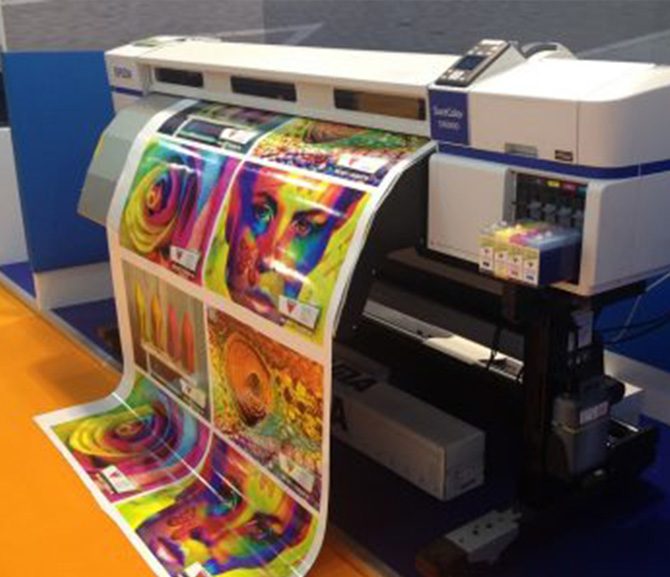
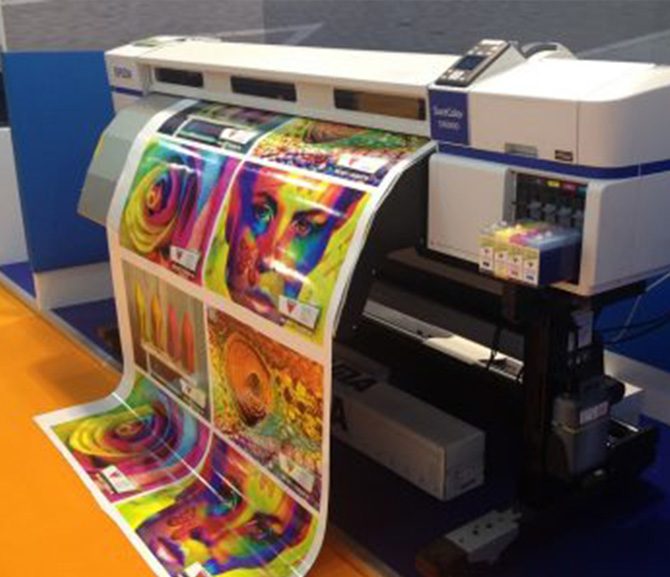
- Large-Format Printing: Ideal for banners, posters, and signage, large-format printers deliver high-quality prints at rapid speeds, accommodating large-scale projects efficiently.
- Variable Data Printing: Facilitating personalized marketing campaigns, this method allows individualization of each piece, all while maintaining quick production cycles.

Factors Influencing Printing Speed and Efficiency
While technology plays a pivotal role, several operational aspects impact overall printing speed and efficiency:
- Job Complexity: Complex designs with multiple colors, intricate graphics, or finishing requirements can extend production times, even on high-speed equipment.
- Media Type and Size: thicker or specialty materials may require longer processing times or specialized handling, affecting overall throughput.
- Pre-Press Preparation: Proper file setup, color calibration, and proofing are essential for preventing delays during printing.
- Equipment Maintenance: Regular servicing reduces downtimes and prevents disruptions caused by technical issues.
- Workflow Optimization: Streamlined procedures and integrated software systems ensure rapid job processing and minimal manual handling.
By monitoring and improving these factors, print providers can consistently achieve faster turnaround times and higher productivity levels, delivering quality results within tight deadlines.
Understanding Fast Printing and Its Significance
Fast printing has revolutionized the printing industry by drastically reducing turnaround times while maintaining high-quality outputs. This capability is vital for businesses that operate under tight deadlines or need to produce large volumes of printed materials with minimal delay. Quick turnaround times facilitate timely marketing campaigns, event preparations, and on-demand printing needs, thereby enhancing overall operational efficiency. Industries such as retail, marketing, and corporate services benefit significantly from rapid print solutions, allowing for agile responses to market demands and customer expectations.
Advantages of Fast Printing
- Time-Saving: Speeds up project completion, reducing wait times from days to hours or even minutes in some cases.
- Cost Efficiency: Minimizes labor and operational costs by streamlining the production process.
- Enhanced Productivity: Allows simultaneous handling of multiple jobs, optimizing workflow management.
- Competitive Advantage: Empowers companies to respond swiftly to market trends and customer needs, fostering better client relationships.
- Versatility: Supports diverse printing requirements, from small-run projects to large-format banners, all within shortened timeframes.
Challenges Addressed by Fast Printing
Rapid printing solutions tackle common constraints like lengthy production times and logistical bottlenecks. They also enable businesses to adapt quickly to unexpected demands or last-minute changes, ensuring that they stay ahead in a competitive landscape.

Understanding Fast Printing and Its Significance
Fast printing has become an essential component for businesses that require rapid production of printed materials without sacrificing quality. This technique allows companies to meet tight deadlines, respond promptly to market trends, and manage urgent needs efficiently. Fast printing is particularly valuable in industries such as retail, marketing, events, and corporate sectors, where time-sensitive materials like brochures, posters, banners, and promotional items are crucial for success. The ability to produce high-quality prints swiftly enhances operational agility, enables timely marketing interventions, and supports on-demand printing strategies—ensuring businesses remain competitive and responsive in dynamic environments.

Key Technologies Behind Fast Printing
Innovative printing technologies underpin the capabilities of fast printing services. Drying and curing systems, high-speed print heads, and advanced ink formulations play pivotal roles in accelerating the production cycle. For example, ultraviolet (UV) curing technologies enable rapid drying, significantly reducing turnaround times. Digital printing methods, such as inkjet and electrophotography, are optimized for quick setups and high-speed outputs, making them ideal for short-run and on-demand projects. Additionally, automation in pre-press workflows, including digital file preparation and print queue management, minimizes human intervention and streamlines operations, further boosting printing speed.

Types of Fast Printing Services Offered
Several specialized fast printing services cater to diverse business needs, including:
- Same-Day Printing: Ideal for urgent requests such as event banners, flyers, or business cards needed within hours.
- Next-Day Printing: Suitable for mid-range deadlines requiring the quick turnaround of marketing materials and signage.
- On-Demand Printing: Offers flexible production runs tailored to specific quantities, with swift processing times for both small and large orders.
- Large-Format Fast Printing: Provides rapid output of banners, posters, and display graphics essential for events and retail displays.
- Custom Quick Turnaround Projects: Special services designed to fulfill unique printing requests within tight schedules, often leveraging digital workflows and high-speed presses.

Factors Influencing Printing Speed and Efficiency
Several key factors determine how quickly a printing service can deliver high-quality results:
- Type of Printing Equipment: High-end digital presses, UV flatbed printers, and advanced substrate handling systems significantly enhance throughput.
- Print Job Complexity: Simpler designs or standard formats tend to process faster, whereas intricate or large-format jobs may require more time.
- Material Handling and Substrate Type: The choice of material, such as paper, vinyl, or fabric, affects drying times and setup procedures, impacting overall speed.
- Workflow Automation: Integration of digital file management, automated finishing, and scheduling reduces manual delays.
- Order Volume and Production Capacity: Larger capacity machines and well-organized production lines prevent bottlenecks during peak times.
- Quality Control Processes: Streamlined quality checks that do not hinder speed ensure each print meets standards without delays.

Understanding Fast Printing and Its Significance
Fast printing services have become integral to modern business operations, offering rapid turnaround times without compromising on quality. As market demands for quick delivery grow, businesses leverage these services to meet tight deadlines, launch marketing campaigns promptly, and satisfy urgent client requirements. The ability to produce high-volume prints swiftly enables organizations to stay competitive, manage inventory efficiently, and adapt swiftly to market trends. This rapid output capability also supports just-in-time production models, reducing storage costs and accelerating product deployment. In industries such as retail, advertising, and event planning, the significance of fast printing extends beyond convenience, impacting overall operational efficiency and customer satisfaction.

Key Technologies Behind Fast Printing
Several advanced technologies are at the core of modern fast printing processes, enabling high-speed output while preserving print quality. Digital printing technologies, particularly inkjet and electrophotography, form the backbone of rapid production workflows. These methods allow for quick setup, immediate start-up, and minimal material handling, significantly reducing turnaround times.
- High-Speed Digital Presses: Capable of printing thousands of sheets per hour, these machines utilize advanced imaging systems and high-capacity paper feeders to maximize throughput.
- UV Flatbed Printing: Ideal for large-format projects requiring quick drying times and versatile substrates, UV flatbed printers deliver large-scale graphics efficiently.
- Automation and Workflow Integration: Automated file management, printing queues, and finishing processes streamline operations, minimize manual intervention, and boost productivity.
- Advanced Material Handling: Modern equipment supports a wide array of substrates—rigid, flexible, or specialty materials—without sacrificing speed.
Types of Fast Printing Services Offered
Businesses seeking quick turnaround options can choose from a variety of specialized fast printing services tailored to specific needs. These include:
- Digital Printing: Perfect for short runs and personalized prints that need to be produced swiftly with high fidelity.
- Large-Format Printing: Enables rapid creation of banners, posters, trade show displays, and point-of-sale graphics, essential for high-impact visual communication.
- Same-Day and Next-Day Printing: Custom services designed to complete urgent print jobs within a very short timeframe, often leveraging dedicated high-speed devices.
- Custom Quick Turnaround Projects: Designed to meet unique project specifications and deadlines while ensuring quality and consistency.
These diverse offerings enable businesses to select solutions aligned with their urgency, budget, and quality standards, ensuring they capitalize on the benefits of rapid production capacities.
Factors Influencing Printing Speed and Efficiency
Several critical factors determine the pace and productivity of fast printing services:
- Type of Printing Equipment: Advanced digital presses, UV flatbeds, and automated finishing systems increase capacity and reduce processing time.
- Print Job Complexity: Simpler designs or standard formats process faster, whereas highly detailed or large-format jobs may require more time for setup and printing.
- Material Handling and Substrate Type: The choice of materials impacts drying, curing, and handling times, influencing overall speed.
- Workflow Automation: Digital management tools, automated loading/unloading, and streamlined quality checks minimize manual delays and ensure consistent speeds.
- Order Volume and Production Capacity: Larger, high-capacity machines and organized workflows prevent bottlenecks during peak periods.
Optimizing these factors is essential for maintaining rapid production cycles without sacrificing quality or accuracy, vital for meeting tight deadlines and customer expectations.
Understanding Fast Printing and Its Significance
Fast printing has become an essential component in modern printing services, enabling businesses and individuals to meet urgent deadlines while maintaining high standards of quality. It involves the use of advanced printing technologies and optimized workflows to produce print materials in a significantly reduced time frame. This efficiency is crucial in today’s fast-paced commercial environment, where quick turnaround times can make a vital difference in project success and customer satisfaction. Whether it's for marketing campaigns, event materials, or last-minute business reports, rapid printing solutions ensure timely delivery without compromising on detail or finish.

Understanding the importance of fast printing involves recognizing its role in enhancing agility and responsiveness across various industries. Industries such as retail, advertising, healthcare, and education rely heavily on swift print solutions to stay competitive and meet dynamic market demands. By reducing wait times, quick printing services facilitate real-time marketing adjustments, last-minute event preparations, and immediate document dissemination, ultimately providing a strategic advantage in fast-changing business landscapes.
Key Technologies Behind Fast Printing
Several cutting-edge technologies underpin the capabilities of fast printing services, ensuring rapid turnaround times coupled with high quality:
- Digital Printing: Digital presses enable direct printing from digital files, vastly reducing setup and processing times compared to traditional offset methods. They are suitable for short runs and customized jobs.
- High-Speed Inkjet and Laser Technologies: These methods are capable of producing large quantities quickly, with minimal delay, thanks to their fast drying and curing processes.
- Automated Finishing Equipment: Features like automated cutting, folding, binding, and laminating streamline post-printing processes, reducing manual intervention and accelerating overall completion.
- Workflow Automation Software: Digital management tools coordinate job scheduling, material handling, and quality checks, minimizing delays caused by manual operations.
Each of these technological components plays a critical role in achieving swift production timelines, ensuring that clients receive their prints promptly without sacrificing precision or aesthetic quality.
Types of Fast Printing Services Offered
Fast printing providers offer a diverse range of services tailored to meet various project requirements:
- Same-Day Printing: Perfect for urgent needs, these services ensure print jobs are completed within the same day of order placement, often utilizing high-capacity digital presses and streamlined workflows.
- Next-Day Printing: Suitable for projects with a slightly extended deadline, allowing sufficient time for preparing complex materials or larger volumes.
- Custom Quick Turnaround Projects: Designed for specific requirements, these solutions accommodate complex designs and special finishing options while maintaining rapid delivery.
- Bulk Rapid Printing: For large volume orders, specialized high-speed equipment and organized processes facilitate quick production without compromising quality.

Factors Influencing Printing Speed and Efficiency
While the goal is rapid output, several factors influence the overall speed and effectiveness of printing projects:
- Type of Printing Equipment: The capabilities of digital presses, UV printers, and other high-speed machines directly impact production rate and quality consistency.
- Print Job Complexity: Simpler designs or standardized formats tend to process faster, while intricate artwork or large-format prints require additional setup time and processing.
- Material Handling and Substrate Type: Choice of paper, vinyl, fabric, or specialty materials influences drying, curing, and handling times, affecting overall throughput.
- Workflow Automation: Automated systems for loading, unloading, and quality inspection ensure minimal manual delays.
- Order Volume and Production Capacity: Large-capacity machines and efficient organization prevent bottlenecks during peak periods.
Optimizing these elements allows providers to maintain rapid throughput while ensuring high standards of accuracy and visual fidelity, essential for meeting tight deadlines and client expectations.
Ensuring Quality and Sustainability in Fast Printing
Maintaining high-quality output while achieving rapid turnarounds presents a unique set of challenges that can be effectively managed through strategic approaches. Providers committed to excellence implement rigorous quality control measures at every stage of the printing process. These include real-time monitoring systems that detect inconsistencies early, minimizing reprints and reducing material waste. Advanced calibration procedures for printing equipment ensure color accuracy and sharp detail, critical for brand integrity and customer satisfaction.
In addition to quality assurance, sustainability is gaining prominence within fast printing operations. Dedicated eco-friendly practices help reduce environmental impact without compromising efficiency. This involves using recycled or responsibly sourced materials whenever possible, utilizing soy or vegetable-based inks that emit fewer volatile organic compounds (VOCs), and adopting energy-efficient machinery. Implementing digital workflow management not only speeds up production but also minimizes material waste, as digital proofs and automated color matching reduce unnecessary reprinting.
Manufacturers and service providers are increasingly adopting sustainable practices such as:
- Use of eco-conscious substrates: Selecting biodegradable or recyclable materials suitable for various applications.
- Efficient ink usage: Employing digital printing techniques that require less ink and produce less waste.
- Energy-efficient equipment: Investing in printers and auxiliary devices with high energy star ratings to minimize power consumption.
- Waste management programs: Recycling leftover materials, used inks, and cleaning fluids to reduce landfill contribution.
- Lean manufacturing principles: Streamlining workflows to deploy resources optimally, thus curtailing unnecessary consumption and waste.
By aligning quality with sustainability, fast printing services not only provide rapid results but do so responsibly, supporting environmentally conscious business practices and fostering long-term client trust. This holistic approach ensures that speed does not come at the expense of the environment, thereby setting a standard for future advancements in the printing industry.