Introduction to Professional Name Cards
In the realm of business communication, a professional name card serves as a vital tool for establishing initial impressions and fostering connections. Also known as business cards, these compact cards encapsulate essential contact information while conveying a company's branding and professionalism. Their significance extends beyond mere contact sharing; they act as tangible representations of a brand's identity and commitment to quality. A well-designed professional name card facilitates smooth networking at events, meetings, and conferences. It ensures that your contact details are easily accessible and leaves a lasting impression on recipients. The strategic use of a name card can significantly enhance your personal or corporate image, demonstrating attention to detail and dedication to effective communication. In a competitive marketplace, the importance of a high-quality name card becomes even more pronounced. It embodies your brand's ethos and provides a quick reference point that can differentiate you from competitors. As the primary physical touchpoint in many professional interactions, a name card's design, material, and printing quality reflect your level of professionalism and attention to detail. Furthermore, the evolution of name card design incorporates modern elements such as digital integration and innovative materials, ensuring that your brand remains current and visually appealing. Properly crafted, a professional name card not only conveys contact information but also projects your company's values, ethos, and market positioning. Overall, a professional name card remains an essential element in business etiquette, serving as an effective communication tool that supports relationship building and brand recognition. Its role in facilitating professional exchanges makes it a critical investment for individuals and businesses aiming to make a mark in their respective fields.
Material and Finish Options for Name Cards
Choosing the appropriate materials and finishes for your professional name card is vital in reflecting your brand’s identity and ensuring durability. A variety of high-quality materials are available, each offering distinct tactile experiences and visual effects. Standard cardstock remains the most common choice due to its affordability and ease of customization, but premium options elevate the overall perception of your brand.

Common Material Choices
- Standard Cardstock: Versatile, economical, and suitable for most professional settings.
- Recycled Paper: Environmentally friendly option that emphasizes sustainability.
- Plastic or PVC: Durable, waterproof, and suitable for long-term use or outdoor environments.
- Metal: Offers a modern, sleek appearance; often used for high-end branding.
- Textured and Specialty Papers: Including linen, soft-touch, or embossed textures that add a distinctive tactile element.
Finish Options and Their Impact
- Matte Finish: Reduces glare and provides a sophisticated, understated look.
- Glossy Finish: Enhances vibrant colors and provides a shiny, eye-catching surface.
- Soft Touch: Adds a velvety feel that exudes luxury.
- Hallmark Foil: Incorporates metallic foils in gold, silver, or other colors, creating a highly distinctive appearance.
- Spot UV: Selectively applies a glossy coating to specific areas for contrast and visual appeal.
Additional Decorative Elements
Adding die-cut edges, embossed logos, or raised print can further distinguish your name card. These details not only enhance visual interest but also reflect a commitment to quality craftsmanship.
Printing Techniques and Technologies
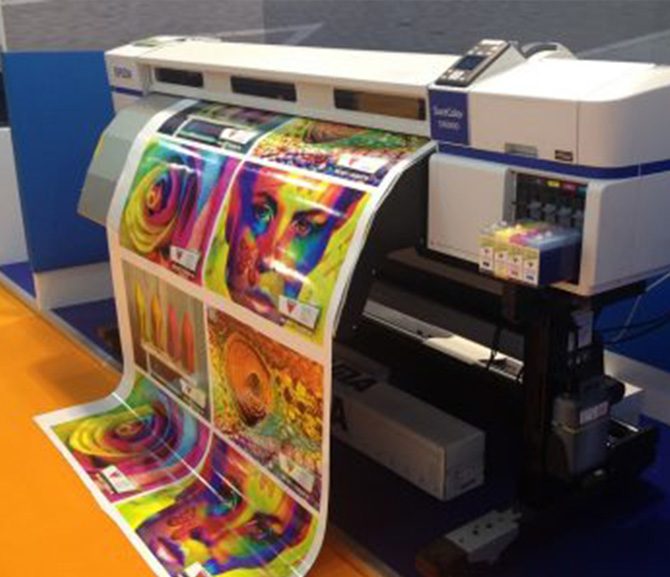
The method used to print your professional name card significantly influences its final appearance, durability, and cost. Modern printing technologies provide a multitude of options to achieve the desired effect and meet industry standards for quality.
Offset Printing
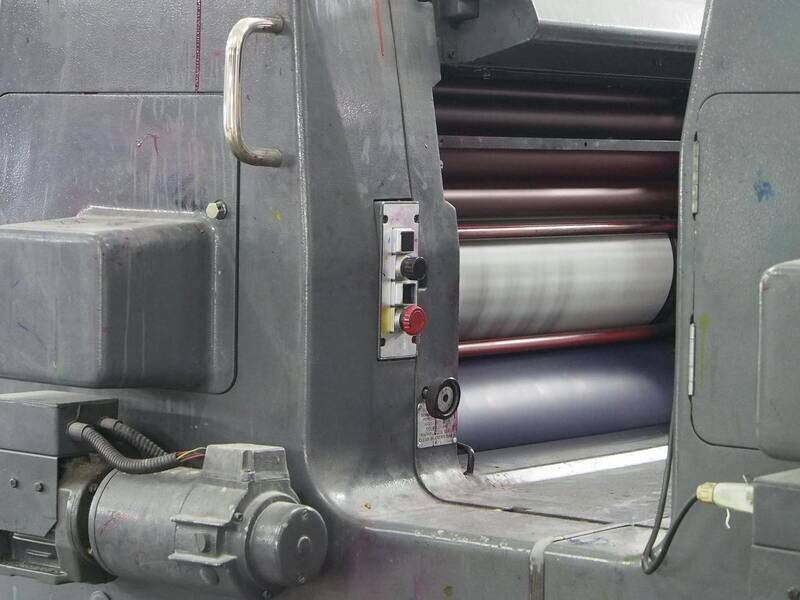
Ideal for large volume orders, offset printing ensures consistent color accuracy and high-resolution output. It is suitable for intricate designs and offers cost efficiency for bulk production.
Digital Printing
Perfect for short runs or personalized cards, digital printing provides quick turnaround times without sacrificing quality. It supports variable data printing, enabling customization for individual recipients.
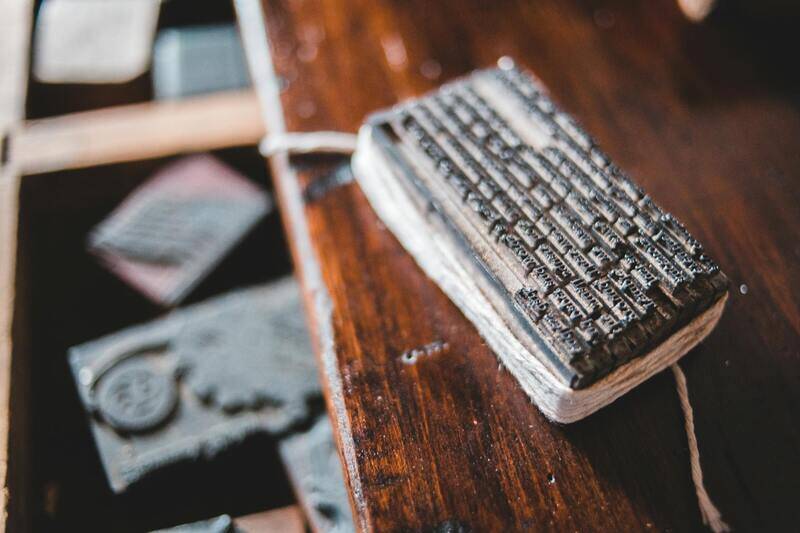
Letterpress and Relief Printing
Utilized for a tactile impression, letterpress printing presses ink into the paper to create a subtle, embossed effect. It is excellent for adding sophistication and a handcrafted touch to high-end cards.
Foil Stamping and Hot Stamping
This technique involves applying metallic or pigmented foil to the surface, resulting in a luxurious finish ideal for logos and accents.
UV Coating and Spot UV
These processes enhance specific areas of the design with a glossy overlay, creating contrast and depth. Spot UV is often combined with embossing or foil for a multidimensional effect.
Secure and Recognized Printing Methods for Name Cards
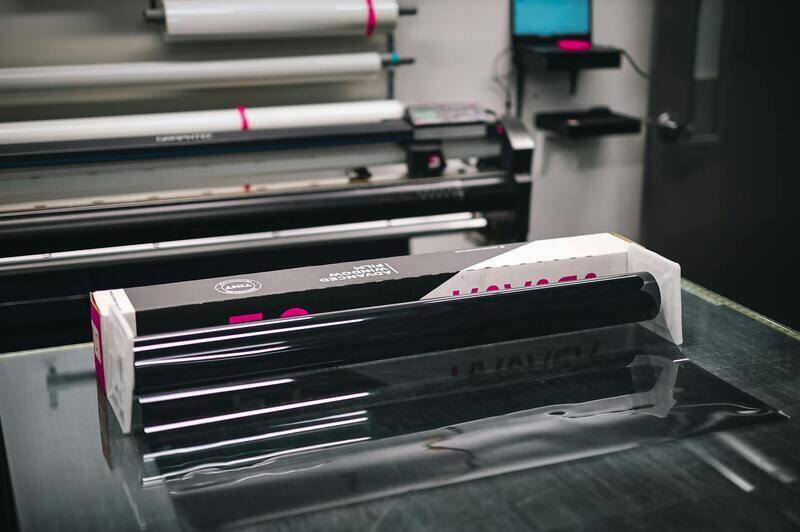
Utilizing reputable printing methods ensures that your professional name card maintains its intended quality, appearance, and durability. When selecting a printing service, it is essential to collaborate with established providers known for adhering to industry standards. These providers employ advanced printing technologies that guarantee consistent results, precise color reproduction, and long-lasting finishes.
One of the most reliable methods for high-volume production is offset printing, which provides sharp detail and color fidelity, making it suitable for intricate logos and designs. Its cost-effectiveness for bulk runs makes it a popular choice among corporate entities seeking consistency across large batches. Digital printing, on the other hand, caters excellently to small orders or personalized cards, offering quick turnaround times without compromising on quality. This method supports on-demand printing and variable data options, perfect for customizing name cards with individual details.
Advanced techniques like letterpress or relief printing provide tactile differentiation through embossing, adding a layered, handcrafted dimension to the card. Foil stamping involves applying metallic or pigmented foil to enhance logos or design accents, producing a luxurious touch that stands out. Spot UV coating adds a glossy overlay to specific design elements, creating a striking contrast with matte or uncoated surfaces. When these specialized techniques are executed by reputable printing providers, they elevate the overall quality and impact of your professional name card, making it a powerful tool for networking and brand recognition.
Key Guidelines for Choosing a Reliable Printing Partner
- Verify the provider’s portfolio and past work to assess their expertise and consistency.
- Ensure they use high-quality inks and durable substrates suitable for your desired finish.
- Confirm their compliance with industry standards for color accuracy, resolution, and finishing techniques.
- Seek transparency regarding their equipment, processes, and quality control measures.
- Review customer testimonials and feedback to gauge overall satisfaction and reliability.
By working with well-established printers that follow proven processes, you can ensure your professional name card meets industry standards, effectively represents your brand, and leaves a memorable impression on recipients.
Material and Finish Options for Name Cards
Choosing the right material and finish is fundamental in crafting a professional name card that not only conveys your brand image but also withstands everyday handling. The selection begins with cardstock quality, where options such as standard matte, gloss, or textured finishes offer different tactile sensations and visual effects. Higher-end materials include thick, durable stocks like 30pt or 45pt, which provide a substantial feel and durability, ensuring your card remains intact even after frequent exchanges.
In addition to the base material, the finish options greatly influence the overall appearance and feel of your professional name card. Matte finishes deliver a sophisticated, subdued aesthetic that minimizes reflections, making text and logos easier to read. Gloss finishes produce a shiny, vibrant look that enhances colors and design elements, ideal for brands aiming to make a bold statement. Textured finishes—such as linen, felt, or soft-touch coatings—add depth and tactile interest, reinforcing a premium impression.
Beyond the base and surface finishes, specialty coatings can elevate your name card's presentation. UV coating provides a high-gloss, durable surface that resists scratches and fingerprints, while matte varnish can offer a soft, non-reflective finish that complements understated designs. Soft-touch coatings are also popular, giving the card a velvety feel that invites contact and conveys a sense of luxury.
When considering materials and finishes, it is essential to align your choice with your brand message and the industry standards of your target audience. For example, creative sectors might favor textured or matte finishes that highlight uniqueness, while corporate environments often opt for sleek, glossy, or high-quality thick cardstock to project professionalism and stability.
Advanced Strategies for Distributing Your Professional Name Card
Targeted Distribution Channels
Effective distribution begins with selecting channels that align with your industry and target audience. In industries like corporate consulting, finance, and law, face-to-face interactions at industry conferences, networking events, and client meetings remain highly effective. These venues provide immediate avenues to exchange cards, fostering personal connections that can translate into future collaborations. For creative and tech sectors, participating in trade shows, innovation expos, or community meetups can increase visibility among peers and potential clients. Additionally, leveraging professional associations and chambers of commerce facilitates introductions within a trusted network.
Integrating Digital and Physical Strategies
While physical distribution is crucial, complementing it with digital strategies amplifies reach. Embedding QR codes on business cards can direct contacts to digital portfolios, LinkedIn profiles, or landing pages, enabling seamless follow-ups and ongoing engagement. Sending personalized emails after meetings, referencing the exchanged business card, reinforces relationships. Furthermore, maintaining an active online presence through professional platforms allows you to direct prospects to your digital contact points, making the transition from paper to screen smooth.
Consistency and Timing
Ensure that your branding on the name card aligns with your overall marketing materials for consistency. Distribute cards during key moments such as initial meetings, client presentations, and after networking events. Timing is critical; offering your card when establishing rapport or closing a deal leaves a lasting impression. Avoid handing out cards indiscriminately; instead, wait for an appropriate opportunity where your contact is receptive and shows interest. This strategic approach increases the likelihood of your card being retained and remembered.
Etiquette and Presentation Tips
- Present your card with both hands or with a slight nod to emphasize professionalism.
- Exchanging cards should be done smoothly and respectfully, ensuring both parties have ample opportunity to review.
- Keep your business cards in pristine condition—organized in a dedicated case—to avoid clutter and damage that could diminish perceived quality.
- Follow up after distribution by referencing your card in subsequent communications, demonstrating attentiveness and initiative.
Monitoring and Evaluating Distribution Effectiveness
Track where and how you distribute your name cards to assess their impact. Keep note of contacts gained from specific events or channels to identify which methods yield the best results. Solicit feedback from contacts about the presentation and relevance of your cards, and adjust your distribution strategies accordingly. Regularly reviewing your approach ensures that your networking efforts remain targeted and effective, maximizing the return on your investment in physical branding materials.

Design Elements of a Professional Name Card
Creating an effective professional name card requires careful consideration of various design elements that reflect your brand identity and facilitate easy communication. The layout should be clean and organized, ensuring that essential information is highlighted without appearing cluttered. Use of complementary colors and fonts enhances readability and visual appeal, making a memorable impression. Incorporating your logo prominently helps with brand recognition and establishes a cohesive identity across all marketing materials.
Typography plays a crucial role; selecting a legible font style and size ensures that your name, title, and contact details are easily readable. Avoid overly decorative fonts that may compromise clarity. Consistent use of color schemes aligned with your brand palette strengthens recognition and conveys professionalism. Placement of elements should follow a logical flow—typically, the name and title are given prominence at the top or center, with contact information and other details organized below or to the side.
Iconography can be employed to represent contact methods such as phone, email, and social media platforms, making it easier for recipients to identify different modes of communication quickly. Additionally, the inclusion of a tagline or a brief value proposition can provide context about your services or expertise. Remember, the goal is to balance aesthetics with functionality, ensuring your professional name card not only looks appealing but also facilitates seamless networking and follow-up interactions.

Material and Finish Options for Name Cards
The choice of material significantly impacts the perceived quality and durability of your name cards. Standard options include cardstock, which offers a sturdy and versatile surface suitable for most designs. Heavier cardstock, with a weight of 14pt or higher, exudes a premium feel and suggests attention to quality. For a more sophisticated look, specialty papers such as linen, textured, or matte finishes can be selected, adding tactile interest and differentiation.
Finish options further enhance the visual and tactile appeal:
- Glossy Finish: Provides a shiny surface that accentuates colors and details, ideal for vibrant designs.
- Matte Finish: Offers a subdued, non-reflective surface that reduces fingerprints and smudges, transmitting a sense of elegance.
- Soft Touch Finish: Adds a velvety texture, enhancing the tactile experience and conveying luxury.
- Spot UV Coating: Highlights specific areas like logos or key information with a glossy finish, creating visual contrast.
Specialty finishes such as foil stamping, embossing, or foil accents can be employed to add sophistication and make certain design elements stand out. These options are particularly suitable for industries where branding and presentation are paramount, including luxury services, fashion, and high-end corporate sectors.
Printing Techniques and Technologies
Advanced printing techniques ensure that your name card reflects high-quality standards and attention to detail. Offset printing remains the most commonly used method for achieving vibrant colors and precise output, especially for bulk orders. Digital printing provides quick turnaround times and is perfect for smaller quantities or personalized designs, maintaining high quality without the need for extensive setup.
Special decorative techniques can elevate your card’s visual impact:
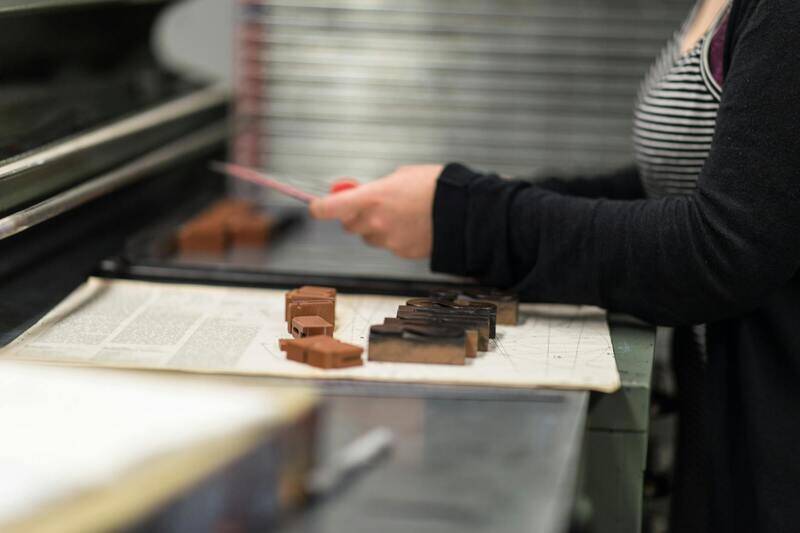
- Letterpress: Creates a tactile impression, adding depth and texture to text and logos.
- Foil Stamping: Adds metallic or pigmented accents, capturing elegance and catching the eye.
- Embossing/Debossing: Raises or recesses design elements, creating a three-dimensional effect.
- UV Coating: Provides a glossy, protective layer over specific areas for durability and shine.
Utilizing these techniques requires coordination with printing professionals to ensure that the design is compatible and the desired visual effects are accurately rendered. When selecting a printing method, consider factors such as the volume, budget, and intended impression to find the most effective approach for your professional branding materials.

Introduction to Professional Name Cards
A professional name card serves as a tangible extension of your personal brand and industry reputation. It provides essential contact details and subtly communicates your standards, professionalism, and industry position. Whether for networking events, client meetings, or business conferences, a well-crafted name card ensures that you leave a memorable impression. Beyond contact information, the design and quality of your name card reflect your attention to detail and dedication to your craft, making it a crucial element in establishing trust and credibility within your sector.
Design Elements of a Professional Name Card
Creating an impactful professional name card involves a careful balance of design components, including layout, color palette, typography, and branding. Minimalist designs often emphasize clarity and sophistication, while more elaborate styles can showcase creativity and innovation. Consistency with your overall branding—such as logo placement, color schemes, and font choices—helps reinforce brand identity and ensures recognition across multiple channels. High-resolution images and vector graphics retain clarity during printing, contributing to a polished appearance. Incorporating space strategically avoids overcrowding, making vital information easy to locate at a glance.
Material and Finish Options for Name Cards
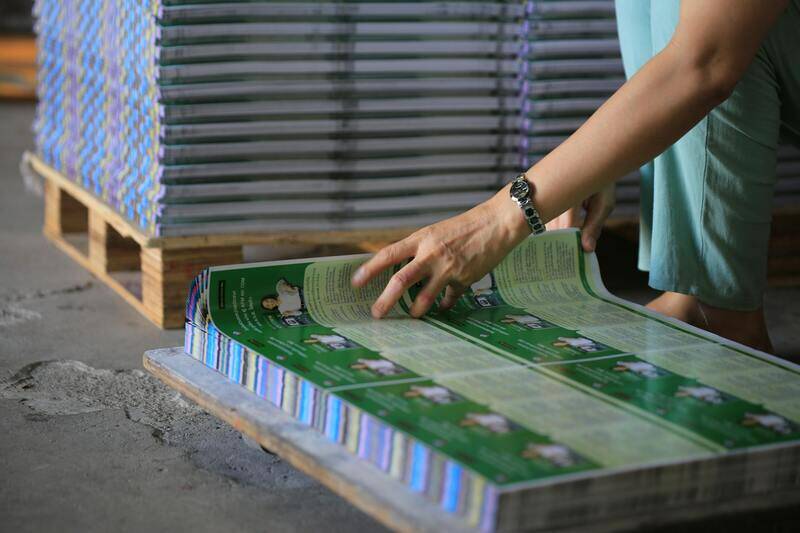
Choosing the right material can significantly influence the tactile quality and perceived value of professional name cards. Common options include premium cardstock, matte or gloss finishes, and specialty materials like transparent plastic or recycled paper. Embossed or raised text, along with matte lamination, provides a sophisticated appeal, enhancing durability and creating a premium feel. Soft-touch coatings deliver an elegant tactile experience, while aluminium or metallic finishes can emphasize modernity and strength. It’s important to align the material choice with your industry standards and brand messaging to ensure consistency and impact.
Printing Techniques and Technologies
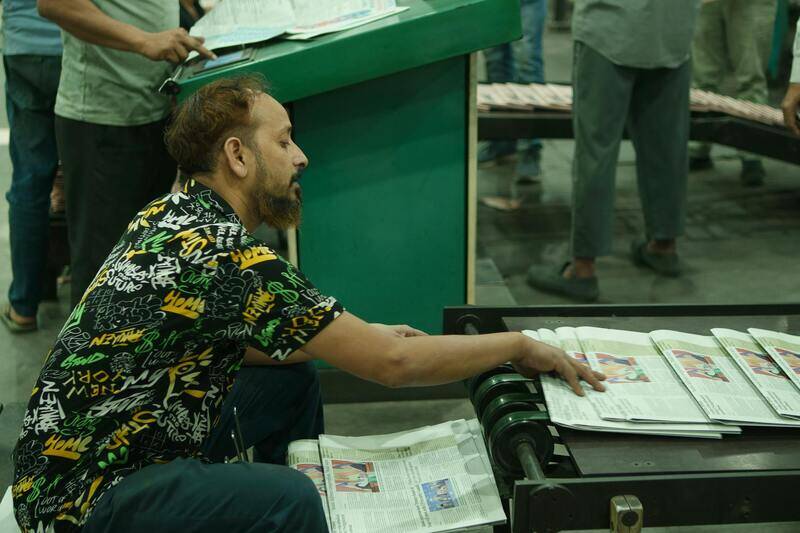
An array of advanced printing techniques ensures your professional name card reflects high-quality standards and meticulous attention to detail. Offset printing remains prevalent for its ability to produce vibrant and consistent colors in larger quantities, making it suitable for bulk orders. Digital printing offers quick turnaround times and flexibility for smaller or personalized batch designs without compromising print quality. For added visual and tactile appeal, decorative techniques like letterpress, foil stamping, embossing or debossing, and UV coating are often employed.
Letterpress creates an impression on the cardstock, adding depth and sophistication. Foil stamping introduces metallic or pigmented accents, which can highlight logos or titles, catching the eye. Embossing or debossing adds a tactile element that elevates the design's dimensionality. UV coating enhances durability with a glossy finish and emphasizes specific regions of the card for a premium look. Collaborating with experienced printing professionals ensures that these techniques are executed precisely, aligning with your design vision and brand standards.
Customizing Name Cards for Different Industries
Tailoring the design and material of your name card to fit industry-specific expectations fosters a stronger professional connection. For instance, creative agencies and design firms often opt for bold colors, unconventional shapes, and textured finishes to showcase innovation. Conversely, legal or financial professionals typically prefer classic layouts with subtle color schemes and high-quality cardstock to convey trustworthiness and stability. Healthcare providers might choose clean, minimalist designs with soft color tones to suggest care and compassion. Understanding your industry’s aesthetic norms helps craft a name card that resonates effectively with your target audience and enhances your professional credibility.

Best Practices for Distributing Name Cards
Maximizing the impact of your professional name card involves strategic distribution. Handing out your card at relevant networking events, conferences, and meetings ensures it reaches the right audience. Maintain a clean and organized supply to avoid unprofessional impressions. When exchanging cards, do so with a confident handshake while maintaining eye contact, accompanied by a brief introduction to foster a personal connection. Consider presenting your card with a smile and a statement of appreciation, emphasizing its importance. Additionally, integrating digital contact options, such as QR codes linked to your professional profile or website, enhances connectivity and provides recipients with quick access to more information about your services or offerings.

Methods to Legally Obtain Legitimate Professional Name Cards
Securing authentic and credible professional name cards is essential for establishing trust and conveying professionalism in any industry. To ensure the legitimacy and quality of your name cards, it is vital to follow recognized and authorized methods of production and distribution. This approach not only safeguards your brand image but also aligns with established industry standards.
Utilize Reputable Printing Providers
The most direct way to acquire legitimate professional name cards is through reputable printing companies that adhere to high-quality standards. When selecting a provider, look for established businesses with positive client reviews, extensive portfolio samples, and transparent processes. Engaging with recognized print shops that specialize in corporate branding solutions guarantees that your name card will be produced using genuine materials, advanced printing techniques, and customization options that meet industry expectations.

Request Official Production Details
When ordering your professional name cards, always request and verify detailed information about the production process, materials used, and printing techniques. Legitimate providers offer clear documentation, including proofing stages, material specifications, and finishing options. These details serve as assurance that the products are manufactured following recognized industry standards and adhere to your organization’s branding guidelines.
Verify Supplier Credentials and Certifications
Many established printing companies hold certifications and accreditations that attest to their operating standards and commitment to quality. Confirm the credentials of your chosen provider to validate their legitimacy in producing professional name cards. Certifications from industry bodies or quality management systems act as reputable markers of their adherence to best practices.
Use Authorized Channels for Customization and Data Security
Ensure that your personal or organizational data remains secure by engaging through authorized channels when customizing your name cards. Working directly with established providers via secure platforms prevents potential misuse or duplication of sensitive information. This practice safeguards your professional identity and guarantees that the final product complies with regional or industry-specific regulations concerning data handling and intellectual property.
Follow Legal and Industry Regulations for Material Use
Comply with regional standards regarding the materials used for printing your name cards. This compliance not only aligns with environmental and safety standards but also ensures that your promotional materials are produced without materials that might be restricted or prohibited. Working with legitimate suppliers ensures that these regulations are observed, giving you confidence in the authenticity of your name cards.
Keep Documentation of Your Purchase
Maintain comprehensive records of your orders, including invoices, contracts, and proofs of customization. These documents serve as proof of purchase from authorized and legitimate providers. They can be crucial for resolving disputes, future orders, or quality inquiries, and reinforce the legitimacy of your professional branding materials.

By following these practices, you ensure that your professional name cards are obtained through official channels, reflecting a commitment to quality, professionalism, and trustworthiness. This disciplined approach supports your reputation and helps you make a lasting impression in your industry.