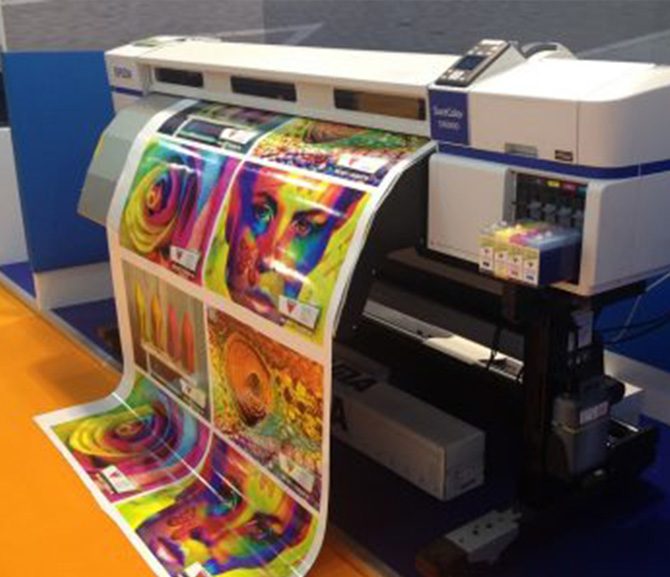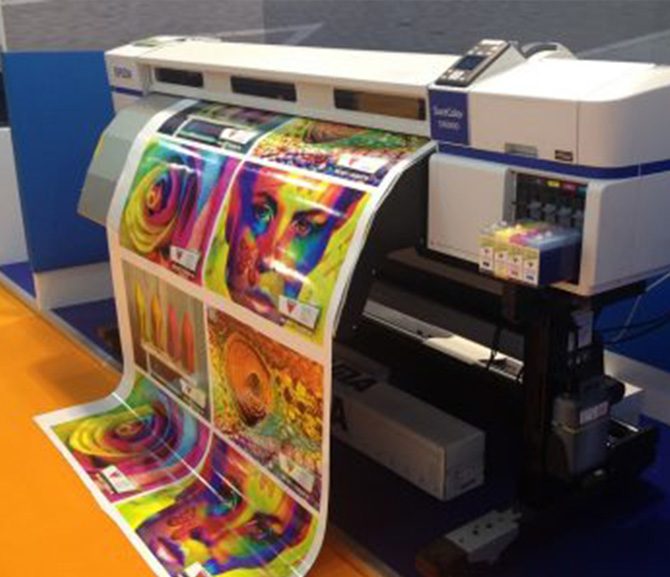
Introduction to Wide Format Poster Printing
Wide format poster printing is a specialized printing process designed to produce large-scale visual displays that capture attention and communicate messages effectively. This form of printing is instrumental across a multitude of industries, ranging from marketing and advertising to event planning, retail, and corporate communications. The ability to create vibrant, high-resolution posters in dimensions that surpass standard printing limits makes this technology a vital tool for businesses seeking impactful visual presence.
In the realm of visual marketing, the role of high-quality wide format posters cannot be overstated. They serve as focal points in retail environments, turning storefronts and product displays into compelling advertisements. Similarly, at trade shows and exhibitions, large-format graphics help brands stand out among competitors, creating memorable impressions that promote brand recognition. Moreover, in the entertainment industry, wide format posters are essential for advertising upcoming shows, movies, and concerts, often serving as the first visual touchpoint for potential audiences.

The significance of high-quality visual displays extends beyond mere aesthetics. They are essential tools for conveying complex information swiftly and clearly, especially in environments where capturing the audience’s attention is a challenge. Durable materials and sharp printing resolution ensure longevity and vibrancy, making posters suitable for both indoor and outdoor applications.
Furthermore, advancements in printing technology have expanded the possibilities for customization and design complexity within wide format poster printing. This enables businesses and designers to incorporate intricate graphics, detailed images, and a broad spectrum of colors, resulting in compelling visual stories. As such, the importance of precision in printing, material selection, and color management plays a crucial role in achieving the desired visual impact.
In modern commercial and creative environments, the strategic use of wide format posters as promotional and informational tools underscores their importance. The ability to produce large, vivid, and durable displays through high-quality printing methods is indispensable for organizations aiming to bolster their visual marketing efforts and create memorable experiences for their audiences.
Types of Materials Used in Wide Format Poster Printing
When selecting materials for wide format poster printing, the choice significantly impacts the visual appeal, durability, and suitability for specific environments. Common substrates include vinyl, fabric, paper, and mesh, each tailored to different display needs and conditions.
- Vinyl: Known for its robustness and weather resistance, vinyl is ideal for outdoor signage. It provides excellent color retention and flexibility, making it suitable for banners and large advertising displays that require longevity and resilience against environmental factors.
- Fabric: Fabric materials such as polyester or canvas are prized for their vibrant printing capabilities and elegant finish. They are often used indoors for promotional displays, event backdrops, and art reproductions due to their lightweight nature and ability to produce high-resolution imagery.
- Paper: For indoor displays, high-quality papers or poster boards are common. They are cost-effective options for short-term promotions, point-of-sale displays, and gallery-quality prints, offering sharp image reproduction and ease of handling.
- Mesh: Mesh materials are specially designed for outdoor environments where wind resistance is necessary. They are perforated, allowing air to pass through, which prevents the banner from flapping excessively while maintaining visibility of the printed graphics.
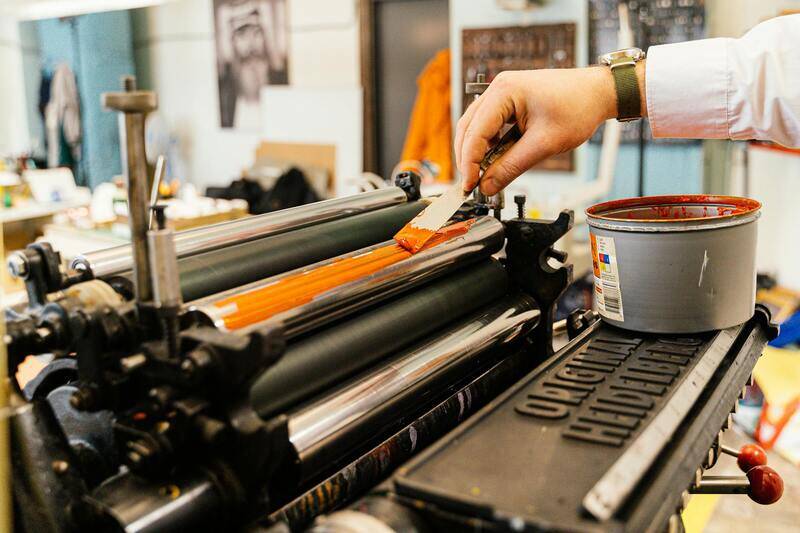
Variety of substrates used in wide format poster printing The material selected influences not only the appearance but also the lifespan and ease of installation. For instance, vinyl and mesh are more durable for long-term outdoor use, while fabric and paper are preferable for indoor applications where elegance and rapid replacement are prioritized.
Printing Technologies for Wide Format Posters
Choosing the right printing technology ensures the clarity, vibrancy, and durability of wide format posters. Most modern large-scale printing utilizes advanced inkjet or solvent-based printers designed specifically for high-resolution output on a range of materials.
- Solvent and Eco-Solvent Printing: These printers use solvent-based inks that penetrate deeply into materials like vinyl, resulting in vivid colors and weather-resistant prints. Eco-solvent options provide a more environmentally friendly alternative with reduced VOC emissions, suitable for varied indoor and outdoor applications.
- UV Printing: UV-curable inks can be directly printed onto substrates such as acrylic, metal, and non-porous surfaces. This process ensures high print durability, especially for products requiring resistance to scratches, moisture, and UV rays.
- Latex Printing: Latex technology combines environmental benefits with high-quality output. It offers excellent flexibility, vibrant colors, and a quick-drying process, making it suitable for both indoor and outdoor posters.

Modern printing technologies used for high-quality wide format posters The choice of printing technology directly affects the lifespan and visual impact of the final product. For instance, solvent and UV printing are favored for outdoor durability, while latex printing balances quality and eco-friendliness for versatile applications.
Design Considerations for Wide Format Posters
Effective wide format poster design hinges on several critical factors. High-resolution images, impactful typography, and thoughtful color schemes contribute to a compelling display. Designers must consider viewing distance and environmental lighting to optimize the visibility and readability of promotional messages. Incorporating a clear focal point and maintaining a balanced composition helps attract attention efficiently.
- Image Quality: Use high-resolution images to avoid pixelation when enlarged. Vector graphics are preferable for logos and text to ensure sharpness at any size.
- Typography: Select legible fonts that complement the overall design. Proper spacing and size ensure readability from a distance.
- Color Palette: Use colors that align with branding and are visible against the background. Consistency in color management across the design process guarantees vibrancy and accuracy.
- Contrast and Hierarchy: Establish visual hierarchy through size and contrast to guide viewers' attention toward key messages.

Key design elements for effective wide format posters Designing for wide format printing requires balancing aesthetic appeal with practical visibility. Proper planning and adherence to these principles ensure that the final product functions as a persuasive communication tool.
Types of Materials Used in Wide Format Poster Printing
Careful selection of materials plays a pivotal role in the durability, appearance, and overall effectiveness of wide format posters. Depending on the intended environment—indoor or outdoor—specific substrates and finishes are chosen to optimize longevity and visual impact.
One of the most common substrates for wide format poster printing is gloss or matte vinyl. Vinyl surfaces provide excellent durability against weather elements, making them suitable for outdoor advertisements, banners, and event signage. These materials are resistant to tearing, moisture, and UV exposure, ensuring that the promotional message remains visible over an extended period.
Fabric-based media is gaining popularity for indoor displays, offering a sophisticated appearance with minimal glare. Materials such as polyester or canvas are often used, providing rich color reproduction and a premium look. Their flexibility allows for creative installations, including tension fabric displays and backlit fabric posters.
Photo paper and polycarbonate sheets are also utilized, especially when high-quality image reproduction is paramount. Photo papers deliver vibrant, detailed images that are ideal for gallery-like installations or corporate displays. Polycarbonate or acrylic panels add a sleek, modern aesthetic, often used in retail or presentation environments, providing both visual appeal and structural strength.
Specialty materials, including mesh fabrics and perforated vinyl, are designed to accommodate specific needs such as large-scale advertising on windows or for indoor/outdoor partitioning. Mesh materials let light and air pass through while displaying large visuals, effectively reducing wind load and enhancing safety.

Durable vinyl and fabric materials serve as reliable choices for diverse display environments, offering excellent visual quality and longevity. Printing on these various substrates requires compatible technologies to ensure sharp images and color accuracy. Advances in dye sublimation, solvent, latex, and UV printing techniques make it possible to achieve high-resolution results with consistent color reproduction across different media.
Understanding the characteristics of each material enables designers and print providers to select the most suitable option for a project, ensuring the final product meets both aesthetic and functional expectations.
Precise and Consistent Color Management in Wide Format Poster Printing
Achieving accurate and vibrant colors is essential in wide format poster printing to ensure that the final output aligns with the intended visual appeal. This begins with proper calibration of all equipment involved, including monitors, printers, and proofing devices, to establish a uniform color standard throughout the workflow. Utilizing color management software allows designers and print operators to embed color profiles within digital files, ensuring that hues, shades, and tones are reproduced faithfully during printing.
Implementing standardized color spaces, such as Adobe RGB or sRGB, depending on the project, provides a predictable framework for color reproduction. For large-format prints, it's crucial to perform test prints and color checks at various stages. These proofs serve as a benchmark, helping identify any discrepancies early and enabling adjustments before the final run. This meticulous approach minimizes waste, reduces costly reprints, and guarantees high-quality results that meet client expectations.
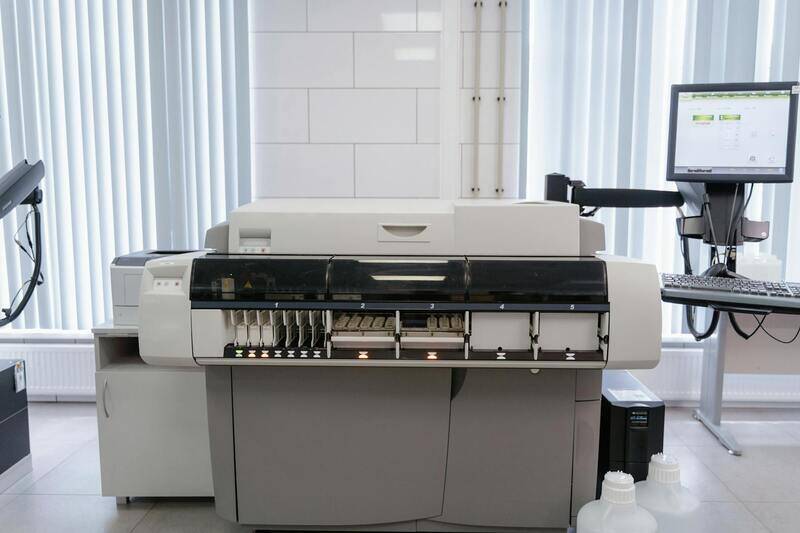
Color consistency is key to vibrant, impactful large-scale posters In addition, utilizing high-quality inks compatible with selected substrates ensures that colors remain vivid over time. UV inks, solvent, and latex inks each have distinct advantages in terms of color vibrancy, durability, and compatibility with different materials. Regular maintenance and calibration of printers are vital to maintain consistent color output—factors such as ink flow, print head alignment, and print speed must be monitored and optimized periodically.
Color accuracy also depends on careful lighting conditions during the viewing of finished posters. Proper lighting enhances the visual impact by accurately reflecting the intended hues, especially in gallery or display environments. Therefore, a comprehensive approach that combines precise equipment calibration, high-quality materials and inks, and proper display conditions ensures the poster's colors remain true and compelling, reinforcing the message and aesthetic appeal of large-format prints.
Strategies for Ensuring Proper Handling and Installation of Wide Format Posters
Handling wide format posters with care is critical to preserve their visual integrity and structural quality. When preparing for installation, it is essential to use clean, dust-free gloves to prevent fingerprints and dirt from marring the surface. The physical handling of these large prints requires adequate manpower or specialized equipment such as suction cups and stretchers, especially for oversized posters that are difficult to maneuver manually. Proper support during transport and mounting reduces the risk of tears, creases, or warping, which can compromise the poster’s visual impact.
Once on-site, selecting the appropriate mounting method is vital. Depending on the material, surface, and display environment, options include adhesive spray, magnetic frames, tension systems, or traditional frame mounting. Each method offers different advantages, such as ease of installation, removability, or enhanced flatness. Ensuring the wall or display surface is clean, smooth, and suitable for adhesion guarantees a secure and long-lasting presentation.
For interior displays, framing can add an extra layer of protection and aesthetic appeal. Frames should be chosen based on the poster’s dimensions and style, with UV-protective glass or acrylic to shield the print from environmental damages like sunlight, moisture, and dust. For outdoor posters, weather-resistant mounting hardware and protective coatings are necessary to withstand environmental elements.

Proper installation ensures that large-format posters maintain their visual integrity and durability over time Effective signage placement and visual alignment are essential. Leveling the poster ensures it looks professional and attracts attention. Use laser guides or spirit levels during mounting to achieve perfect alignment, and double-check positioning before final adhesion. Regular inspections post-installation help identify any issues such as peeling edges or slack, enabling prompt corrections.
Lastly, consider the viewing environment when installing large posters. Factors like lighting, ambient noise, and foot traffic influence how effectively the message is communicated. Strategic placement in high-visibility areas, combined with appropriate lighting solutions, maximizes impact and ensures the poster’s visual contents are easily perceived and appreciated by viewers.
Environmental and Maintenance Considerations
When deploying wide format posters in various settings, it is essential to consider environmental factors and ongoing maintenance to ensure the longevity and visual appeal of the display. Different environments demand specific adaptations to both the materials used and the upkeep routines. For instance, outdoor settings subject posters to weather elements such as rain, wind, UV rays, and dust, which can degrade the materials over time if not properly protected. In contrast, indoor environments may face issues related to humidity, temperature fluctuations, and occasional physical contact, all of which can affect the poster's condition.
Choosing the appropriate protective coatings and finishes is a vital step in safeguarding your posters. UV lamination, for example, provides a durable layer that guards against fading caused by sunlight exposure, while also offering resistance to scratches and regular wear and tear. For outdoor applications, utilizing weather-resistant materials like vinyl with a protective laminate adds an extra layer of defense, ensuring the poster remains vibrant and intact for extended periods.
Routine maintenance also plays a significant role in maintaining the visual order of large-scale displays. Regular cleaning with non-abrasive cloths and mild cleaning solutions can help remove dust, dirt, and smudges. Avoid harsh chemicals that could damage the surface or cause discoloration. In high-traffic areas, periodic inspections should be conducted to identify any signs of wear, such as peeling edges, warping, or fading. Prompt repairs or reapplication of protective elements can prevent further deterioration and preserve the poster's impact.
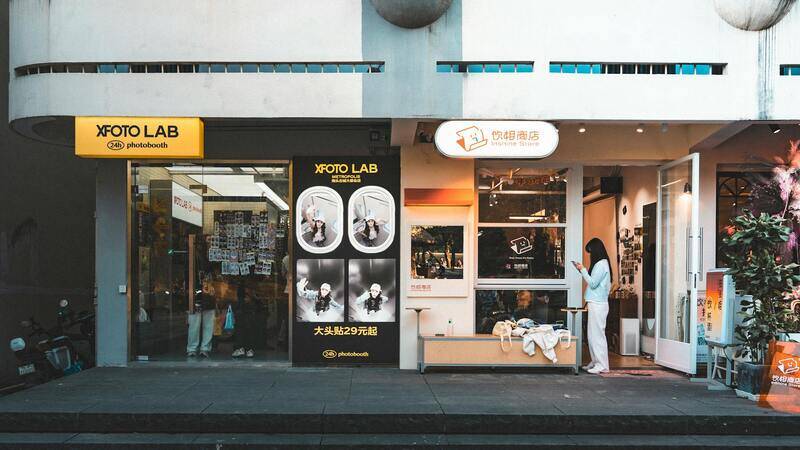
Proper environmental protection extends the lifespan and vibrancy of wide format posters, ensuring they serve their purpose effectively over time. When considering long-term display strategies, it is advantageous to select posters made from resilient materials and implement protective measures suited to the specific environment. For outdoor signage, utilizing weatherproof vinyl and advanced UV coatings maximizes durability. Indoor displays benefit from materials that resist tearing and curling, such as rigid foam boards or high-quality paper with lamination. Additionally, maintaining optimal environmental conditions—such as controlling humidity levels and avoiding excessive direct sunlight—can significantly extend the life span of your posters.
Implementing an effective maintenance schedule, coupled with selecting high-quality materials and protective finishes, guarantees that your wide format posters retain their original vibrancy and structural integrity. This proactive approach not only preserves the aesthetic and communicative intent of your display but also reduces the need for frequent replacements, resulting in operational cost savings and consistent visual messaging across your marketing or informational campaigns.
Environmental and Maintenance Considerations
Maintaining the visual appeal and structural integrity of wide format posters requires attention to environmental factors and regular upkeep practices. Weather resistance is a critical aspect, especially for outdoor displays exposed to varying conditions such as rain, wind, and sunlight. Selecting the appropriate materials—like weatherproof vinyl or laminated options—can significantly enhance durability. These materials are specifically designed to withstand moisture, UV rays, and physical abrasion, ensuring your posters retain their vibrancy and structural integrity over time.
Environmental considerations extend beyond material choice. Proper installation techniques—such as ensuring secure mounts and using weather-resistant fasteners—prevent damage caused by environmental forces. Additionally, understanding the specific environment where posters are displayed helps optimize longevity. For outdoor advertising, applying UV coatings and protective lamination acts as an effective barrier against fading and deterioration. Conversely, indoor posters benefit from materials resistant to tearing and curling, like rigid foam boards or high-quality coated paper with adhesive lamination, which protect the print from humidity and handling damage.
Beyond physical resilience, environmentally friendly practices play a vital role in sustainable display strategies. Opting for printing with eco-friendly inks that minimize volatile organic compounds (VOCs) not only reduces environmental impact but also improves indoor air quality. Recycling or repurposing materials for poster mounting helps reduce waste and fosters sustainable business operations. Regular cleaning using gentle, non-abrasive solutions preserves the vibrancy of the posters without damaging the print surface or protective coatings.
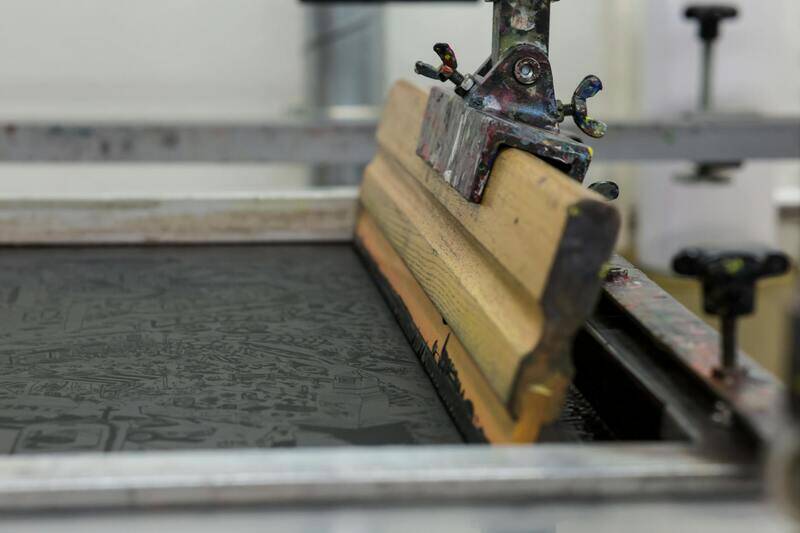
Proper material selection enhances poster durability against environmental elements Implementing a proactive maintenance plan—such as periodic inspections for signs of wear, peeling, or fading—allows for timely repairs or replacements. Cleaning should be performed carefully, using soft cloths and mild cleaning agents to avoid scratching or degrading the surface. For outdoor posters, applying additional protective coatings during installation can further extend lifespan, especially in harsh weather conditions. Proper environmental and maintenance practices not only preserve the visual impact of wide format posters but also maximize the return on investment by prolonging their effective display period.
Security and Verification of Wide Format Poster Printing
Ensuring that your wide format posters are produced through reputable and trusted methods is crucial for maintaining the integrity of your promotional efforts and safeguarding your brand image. Professional printing services employ multiple layers of verification to guarantee that every poster meets the set standards and specifications, providing confidence that each piece will perform as intended once displayed.
One of the primary methods used to verify the quality and accuracy of wide format posters is the implementation of stringent pre-press checks. These checks include detailed review of the digital files for resolution, color profiles, bleed specifications, and image clarity. The importance of adhering to these technical parameters cannot be overstated, as they directly influence the final output’s sharpness, color fidelity, and overall visual impact. Reputable print providers utilize advanced proofing systems to simulate the printed appearance digitally or via small-scale samples before final production, allowing clients to assess and approve the design meticulously.
Digital proofing and color calibration ensure the accuracy of large-scale poster prints. During the actual printing process, manufacturers employ continuous quality control measures. This includes monitoring ink consistency, calibration of printheads, and color management systems to ensure each batch aligns with the desired specifications. Regular maintenance of printing equipment reduces the risk of technical issues that could compromise print quality, such as color shifts, banding, or pixelation.
Post-print inspection stages involve thorough visual checks for defects like smudges, incomplete coverage, or misalignments. Skilled technicians review each poster, ensuring that protective coatings, laminates, or other finishes are correctly applied and cured. This final layer of inspection acts as a safeguard against producing subpar or flawed prints, solidifying the service provider’s commitment to excellence.
Secure and Transparent Supply Chain Practices
Reputable printers also prioritize transparency surrounding their supply chain. Using authentic, high-quality inks and materials sourced from trusted suppliers guarantees consistent results and adherence to safety standards. Documented procedures for material verification and supplier audits help prevent the use of counterfeit or substandard inputs that could impact durability, color accuracy, and environmental safety.
To further enhance confidence, some providers offer certifications or quality assurance guarantees on their work. These may include warranties for the print’s color longevity, resistance to environmental factors, or material durability. Such assurances reflect a commitment to high standards and provide clients with added reassurance that their investment in wide format poster printing is protected.
Importance of Client Involvement and Feedback
Engaging clients throughout the printing process fosters transparency and ensures that expectations align with the final product. Many professional services provide detailed proofs or mockups for client approval before proceeding with large-scale production. During this stage, clients can review the design, verify colors, and suggest adjustments, significantly reducing the risk of dissatisfaction or costly reprints.
Post-completion, some printers seek feedback or conduct follow-up inspections to confirm that the posters meet the agreed standards during installation and display. This open communication loop not only preserves the quality of the current project but also builds trust for future collaborations.
In summary, verifying the legitimacy of wide format poster printing involves a comprehensive approach rooted in technical precision, rigorous quality control, and transparent practices. Choosing a service that implements these methods ensures that every poster produced is of the highest quality, accurately representing your brand while standing strong against environmental challenges and display conditions.