Understanding Poster Printing Prices
Poster printing prices can vary significantly depending on multiple factors, including size, material, resolution, and additional services. When planning a poster printing project, especially in Singapore, it's essential to recognize what constitutes the overall cost and what influences fluctuations in pricing. Generally, the price includes costs for materials, printing techniques, and finishing options. Higher-quality materials and advanced printing methods tend to increase the expense, but they also ensure durability and visual appeal. Conversely, choosing budget-friendly options might reduce costs, but it could impact the longevity and overall presentation of the poster.
Pricing structures also take into account the complexity of the design, turnaround times, and the scale of production. For individual projects, costs are often calculated per poster, whereas bulk orders usually benefit from discounts. It is advisable to obtain detailed quotes from printing service providers to understand what is included in the pricing and whether any additional costs might apply.
In Singapore, the vibrant market offers a range of poster printing services tailored to different needs and budgets. It is crucial to compare various providers, considering their reputation for quality and customer service, alongside their pricing models. When evaluating poster printing prices, always verify the specifications offered, such as material types, size options, and finishing services, so you can make an informed decision that aligns with your project requirements and budget constraints.

Size and Dimensions Impact on Cost
Size and dimensions are primary determinants of poster printing cost. Standard poster sizes, such as 24x36 inches, often come at a predictable rate that balances affordability with visual impact. Larger formats, including those exceeding 36 inches in height or width, typically incur higher charges due to increased material usage and more complex printing requirements. Conversely, smaller posters, such as 11x17 inches, tend to be more economical, suitable for quick promotions or informational displays.
Beyond the basic size, aspect ratio and custom dimensions also influence price calculations. Customized sizes aligned with specific branding or event needs may incur additional setup fees or premium charges, especially if they require special cuts or unusual proportions. It's essential to communicate exact measurements to printing providers to obtain precise quotes and avoid surprises at the final billing stage.
Material and Finish Choices
The selection of materials and finishing options directly impacts the final poster printing price. Common material options include gloss, matte, satin, and UV-coated paper, each offering different visual effects and durability levels. Premium materials like fabric or vinyl significantly increase costs but provide enhanced longevity and resistance to environmental factors, making them ideal for outdoor or high-traffic areas.
Finishing techniques—such as lamination, framing, mounting, or bonding—also add to the expense but are crucial for achieving a professional appearance and ensuring long-term preservation. For instance, lamination shields posters from moisture and scratches, adding a layer of protection that justifies a higher price point. When selecting materials and finishes, consider the intended use and display environment to balance cost with quality and durability.
Printing Quality and Resolution
The quality of printing and the resolution used directly affect the visual clarity and detail in the final product. High-resolution printing, often at 300 dpi or above, produces crisp, detailed images suitable for professional presentations or marketing campaigns. This level of quality generally comes with a higher price tag, reflecting the use of advanced printing technology and inks.
Lower resolution printing may be more affordable but could result in pixelated or blurred images, compromising the poster's visual impact. Businesses and individuals aiming for a high-quality appearance should prioritize top-tier printing options, especially for critical applications like exhibitions, product launches, or art displays. It is advisable to request samples or proofs before committing to bulk orders to ensure the desired quality level is achieved.

Quantity and Bulk Discounts
The number of posters ordered significantly impacts unit costs. Most printing providers offer discounts for bulk orders, which improve overall affordability. For small batches, the setup and material costs must be distributed across fewer units, often resulting in higher prices per poster. Conversely, ordering larger quantities can lead to substantial savings, making it a strategic choice for companies or organizations planning multiple displays or events.
It’s important to inquire about volume-based pricing and consider upcoming needs or future projects when deciding on order quantities. Bulk discounts may sometimes include additional services like expedited processing or customized finishes, which can be beneficial for large-scale campaigns.
Additional Services and Costs
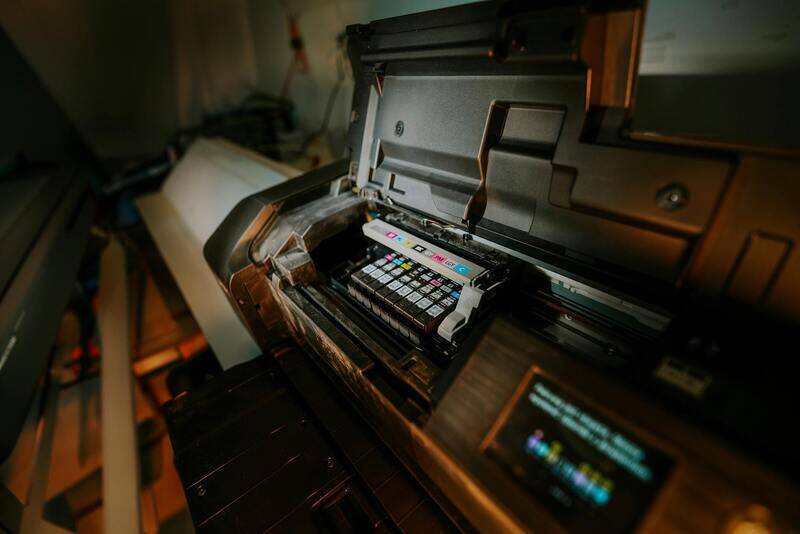
Extra services such as graphic design, custom mounting, or expedited processing add to the overall poster printing expenses. Many providers offer in-house design assistance to help craft eye-catching visuals, which could be billed separately or included within a package. Rush orders, often necessary for last-minute campaigns, typically command premium prices due to expedited turnaround times.
Enquiring about available packages that bundle printing with supplementary services can be advantageous. Clear communication about your needs ensures accurate quotes and prevents unforeseen costs. Additionally, some providers may charge for file preparation or proofing, so understanding these charges upfront is vital to remaining within budget.
Tips for Finding Affordable Poster Printing
- Compare quotes from multiple printing providers to identify competitive rates.
- Consider materials and finishes that balance cost with durability based on the intended use.
- Opt for standard sizes when possible, as custom dimensions may carry additional charges.
- Order in bulk to take advantage of quantity discounts.
- Plan ahead to avoid rush fees, which significantly increase costs.
- Request sample prints to assess quality before committing to large orders.
- Check for package deals that include design, mounting, or finishing services.
Implementing these strategies helps in managing poster printing costs effectively while ensuring the final product meets your expectations for quality and visual impact.
Size and Dimensions Impact on Cost
The dimensional specifications of a poster significantly influence the overall printing expense. Standard sizes such as A1 and A2 are widely accessible and often priced more competitively due to their high demand and streamlined printing processes. These formats provide an optimal balance between visibility and cost-efficiency, making them ideal for a variety of promotional and informational purposes.
Custom dimensions, on the other hand, tend to incur higher costs. The reason lies in the need for specialized printing setups, additional handling, or cutting procedures to achieve the desired size. For projects requiring unique measurements, it's recommended to evaluate whether the creative benefits justify the added expense. When precision is necessary, consulting with the printing provider can help identify size compromises that maintain visual impact without excessively increasing costs.
Keep in mind that larger posters require more material and ink, directly contributing to greater expenditure. Choosing a size that aligns with your display needs while considering budget constraints can optimize both the visual appeal and financial planning of your project.
Material and Finish Choices
The selection of materials and finishes plays a crucial role in determining the poster printing price. Standard options such as gloss or matte paper are typically affordable and suitable for most indoor displays. These materials offer good durability and a professional appearance at a reasonable cost.
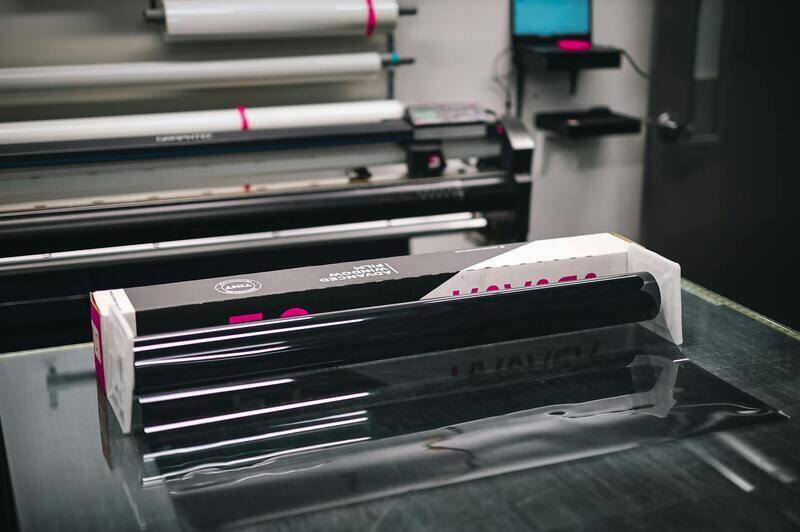
Premium materials, including laminated or textured finishes, enhance the tactile quality and protection of the poster but come with added expenses. These options are ideal for outdoor uses or environments where posters are subjected to handling and exposure, ensuring longevity without compromising visual integrity.
For projects demanding high durability, consider thicker stock options. While more resilient, these materials come at a higher price point, which should be factored into your overall budget. In contrast, lightweight options may reduce costs but could be less suitable for long-term outdoor displays.

Printing Quality and Resolution
The quality of the printed poster, particularly resolution, has a direct impact on pricing. High-resolution printing, typically 300 DPI or above, guarantees crisp details and vibrant colors, which are essential for professional-grade visuals. Achieving this level of sharpness often requires advanced printing technology and higher quality inks, consequently raising costs.
Lower resolution options, acceptable for internal or non-prominent displays, reduce expenses but may compromise visual clarity. For promotional campaigns or high-visibility displays, investing in superior resolution ensures that your message effectively captures attention without appearing pixelated or blurry.
Discussing your intended use and viewing distance with your printing provider can help determine the appropriate resolution, balancing budget with visual impact.

Quantity and Bulk Discounts
Ordering multiple copies of the same poster often qualifies for volume discounts, significantly reducing the cost per unit. Whether for an event, a series of promotional displays, or extensive campaigns, bulk purchasing can lead to substantial savings.
Manufacturers typically offer tiered pricing structures where each additional print diminishes in cost, incentivizing larger orders. It’s advantageous to evaluate your total needs and plan ahead to take full advantage of these discounts. Additionally, some providers may include complimentary services, such as shipping or minor edits, when ordering in bulk.
While ordering larger quantities reduces individual poster expenses, consider your storage capacity and the necessity of each unit to avoid overstocking or waste.
Additional Services and Costs
Many printing providers offer supplementary services that can influence the total expense. These include design assistance, mounting, lamination, or delivery. Opting for personalized design services ensures that your posters meet visual standards and branding requirements, albeit at an extra cost.
Expedited turnaround options, often necessary for last-minute campaigns, tend to carry premium charges. If time permits, selecting standard processing can substantially decrease expenses. Additionally, finishing services like mounting or framing enhance presentation and durability but should be evaluated against your budget constraints.
Understanding the scope of these optional services upfront helps prevent unexpected charges and allows for better financial planning.

Understanding Poster Printing Prices
Accurately estimating poster printing expenses requires a comprehensive understanding of the various factors that influence cost. While base prices may seem straightforward, additional elements such as size, material, quantity, and optional services can significantly impact the final expense. It’s essential to evaluate these aspects carefully to ensure your project stays within budget while achieving the desired visual and functional outcomes.
Size and Dimensions Impact on Cost
The dimensions of your poster are primary determinants of printing costs. Larger posters require more material and larger printers, which naturally increase production expenses. Standard sizes such as 24x36 inches tend to have a fixed base rate, while custom sizes may be priced higher depending on the dimensions and complexity of the print job. Furthermore, the aspect ratio can influence material waste and setup time, adding to the overall price.
In addition to size, the shape of the poster can influence cost factors. Unusual formats or custom cuts may require specialized cutting equipment or additional setup, leading to higher charges. When planning your poster design, selecting the optimal size that balances visibility and budget can result in cost savings without compromising your message’s impact.

Material and Finish Choices
The choice of printing materials and finishes plays a crucial role in determining poster printing costs. Common materials include standard paper stock, vinyl, canvas, or heavy-duty, weather-resistant materials suitable for outdoor display. Each of these options offers distinct durability and aesthetic qualities, but they also vary in price.
For instance, matte finishes provide a non-reflective surface ideal for detailed graphics, while gloss finishes enhance vibrancy and are often preferred for colorful designs. Vinyl materials, especially with weatherproof coatings, tend to be more expensive but are suitable for outdoor use, ensuring longevity. Framing or lamination services further add to the expense but significantly improve durability.
The selection of materials should align with your poster’s purpose, environment, and budget constraints. By opting for appropriate finishes, you can balance cost-effectiveness with the desired level of quality and resilience.

Printing Quality and Resolution
The resolution and quality of the print significantly affect both the visual impact and the price. Higher resolution files, measured in dots per inch (dpi), produce sharper images with more detail, but they demand more processing power and longer print times, which can increase costs. Standard resolutions like 150-300 dpi are sufficient for most large-format posters, ensuring crisp images without excessive expenses.
Advanced printing techniques, such as UV printing or eco-solvent inks, offer enhanced color accuracy and durability. Such methods are generally priced higher but deliver superior results suited for professional or promotional purposes. When defining your project parameters, consider the necessary resolution to achieve your visual goals while remaining cost-conscious.
Quantity and Bulk Discounts
Order volume often correlates directly with pricing structures. Typically, printing providers offer tiered discounts for larger quantities, reducing the cost per poster as your order size increases. For example, ordering in multiples of 10 or 50 might come with a significant price reduction per unit, making bulk printing a more economical option for large-scale campaigns or events.
Careful planning of your poster quantities can maximize savings. It’s advisable to forecast your needs based on upcoming campaigns or displays, avoiding unnecessary overstock. Additionally, some providers may extend promotional discounts or package deals for recurring clients, further decreasing the overall cost.
Additional Services and Costs
Many producers offer optional add-ons that can influence the total printing expense. Design assistance ensures your visuals meet branding standards and professional aesthetics, with costs varying depending on complexity. Mounting, lamination, or framing provide added durability and presentation quality but usually entail extra charges. Delivery services or expedited production are common supplementary options, particularly important for last-minute requirements.
Understanding these additional services upfront and evaluating their necessity can prevent unexpected expenditures. Coordinating your project scope with the provider helps to optimize your budget while achieving the desired professional finish.
Tips for Finding Affordable Poster Printing
- Compare multiple providers: Obtain quotes from several trusted sources to identify competitive pricing without sacrificing quality.
- Optimize size: Choose standard dimensions when possible to benefit from base rates and avoid custom surcharges.
- Plan ahead: Early orders reduce the need for rush services, which often carry premium costs.
- Leverage bulk discounts: Consolidate your printing needs to benefit from tiered pricing structures.
- Evaluate optional services: Only select additional features that are truly essential to control overall expenditure.
Impact of Printing Resolution and Quality on Pricing
When considering poster printing, the quality and resolution settings are crucial factors influencing the final cost. Higher resolution files ensure crisper images and more detailed visuals, which require more processing power and higher-quality inks or substrates. As a result, printing at a superior resolution often incurs additional expenses compared to standard quality prints.
Manufacturers typically offer multiple quality tiers, from basic to premium finishes. Basic settings, suitable for internal or informational posters, tend to be more affordable and are optimal for bulk printing or less critical displays. Conversely, high-resolution options are essential for posters intended for prominent display areas, where image clarity and detail are paramount.
Different printers may employ varying technologies, such as inkjet or laser printing, each with distinct pricing structures based on quality output. Inkjet printers, known for vibrant color reproduction, generally have higher per-unit costs, especially at higher dpi (dots per inch). Laser printers are often more cost-effective for large volume runs, though they might compromise a level of color vibrancy.
Understanding the impact of resolution settings enables businesses and individuals to balance quality requirements with budget constraints. Opting for the appropriate quality setting ensures that the poster's visual appeal meets expectations without unnecessary expenditure.

Volume and Bulk Order Discounts
Order volume significantly influences poster printing prices, with many suppliers offering tiered discounts for larger quantities. Small-scale projects may cost more per poster, as setup and material costs are distributed across fewer units. Conversely, bulk printing reduces the per-unit expense, providing a cost-effective solution for organizations with extensive needs.
For instance, printing over 50 posters might entitle you to discounted rates, especially if the provider offers customized discounts for tiered order quantities. This approach often proves advantageous for marketing campaigns, event promotions, or educational institutions requiring multiple copies.
Leveraging bulk discounts not only reduces unit costs but also streamlines production timelines, enabling simultaneous delivery of large batches. When planning your project, it’s advisable to evaluate your overall needs and inquire about quantity-based pricing structures, ensuring maximum savings.
Additional Services and Associated Costs
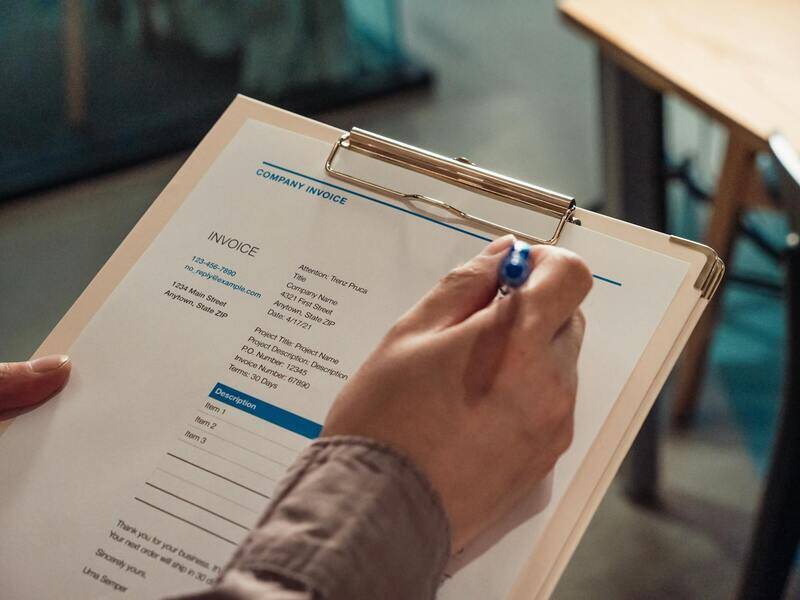
Many poster printing service providers offer additional functionalities that can enhance the final presentation but come with supplementary fees. Common add-ons include lamination, framing, mounting, and premium finishes—each contributing to both the durability and aesthetic appeal of the posters.
Lamination, for example, provides a protective layer against moisture and tearing, making posters suitable for outdoor or high-traffic environments. Framing options add a professional touch but naturally increase the overall expense. Mounting services, such as foam board or corridor mounts, facilitate easy display and improved longevity but often entail additional costs.
Delivery options or expedited production are particularly relevant for clients with tight deadlines. Express shipping or rush production can significantly increase costs but ensure timely delivery when needed.
Evaluating the necessity of these add-ons beforehand helps control the budget. Prioritize essential services to enhance the poster's functionality and appearance without unnecessary spending.
Size and Dimensions Impact on Cost
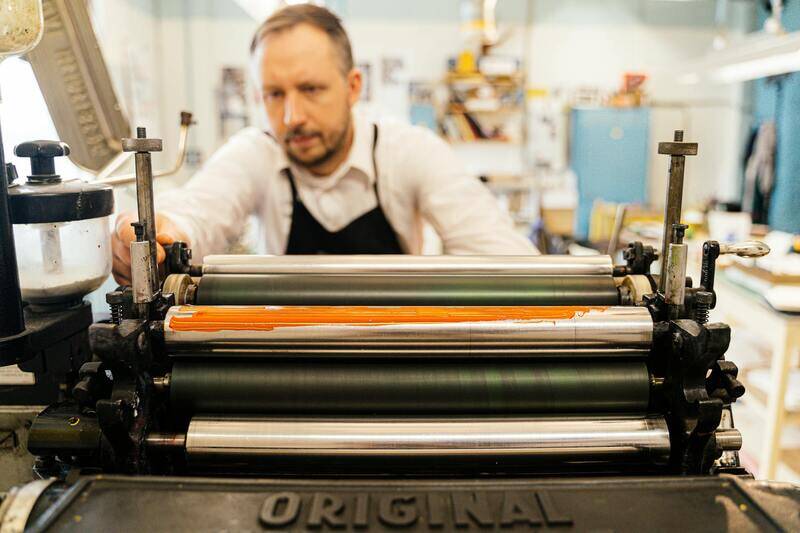
Poster printing costs are significantly influenced by the chosen dimensions, as larger sizes inherently require more materials and longer printing times. Standard poster sizes like 24x36 inches tend to be more economical, especially when produced in bulk, due to their widespread demand and manufacturing efficiencies. On the other hand, custom sizes or larger formats, such as 36x48 inches or oversized displays, can lead to increased expenses because of the additional material and the need for specialized equipment or settings.
For projects requiring specific dimensions, it’s essential to balance the visual impact with cost considerations. Cutting-edge digital printing technology allows for high-resolution images at various sizes without compromising quality, but the final cost is proportionate to the size. When planning, consider whether a scaled-down version or a standard size could effectively communicate your message to optimize the poster printing price.
It is advisable to consult with your printing provider to determine the most cost-effective dimensions that meet your design and display requirements. Many companies offer size calculators or price estimators that help visualize the impact of dimension choices on your budget, enabling informed decisions without compromising on quality or effectiveness.
Material and Finish Choices
The selection of materials and finishes is another crucial factor affecting the overall poster printing price. Standard poster papers, such as gloss or matte finishes, are generally cost-effective options suitable for indoor displays. However, selecting premium materials, like canvas, vinyl, or waterproof substrates, can substantially increase production costs but offer enhanced durability and aesthetic appeal.
Finish options also play a role in the cost. For example, UV coating, lamination, or special textures can improve the visual impact and weather resistance of your posters but come with additional fees. Choosing the appropriate material aligns with the intended usage—indoor or outdoor—and budget constraints.

When selecting materials, consider factors such as exposure to elements, lifespan requirements, and the aesthetic tone of your design. Discuss available options with your printing provider to strike the right balance between cost and the desired quality of the final product.
Printing Quality and Resolution
High-resolution printing enhances the clarity and visual appeal of posters, especially when featuring detailed graphics, vibrant colors, or fine text. However, increased resolution often results in higher costs due to longer processing times and the use of advanced printing technology.
Standard resolution may suffice for simple designs or decorative posters, offering cost savings while maintaining acceptable visual standards. For projects requiring detailed imagery or photographic quality, investing in premium resolution ensures the poster's effectiveness and professionalism.
It is important to specify your quality requirements upfront when requesting a quote. Understanding the balance between resolution and cost helps manage expectations and produce a final product that meets both budget and visual aspirations.
Request samples or proof previews from your printing service to verify that the quality aligns with your standards before proceeding with the full run. Proper resolution not only optimizes visual impact but also contributes to the overall professional appearance of your posters, making it a critical component in determining the poster printing price.
Understanding Poster Printing Prices
Poster printing costs are influenced by various factors, each contributing significantly to the final price you receive. Recognizing these elements helps in budgeting effectively and choosing the best options for your needs. From size and material choices to additional services, each component can alter the overall expenditure, so informed decision-making is essential to maximize value without compromising on quality.
Common Price Range for Poster Printing
The typical costs for poster printing can vary widely depending on the specifications and quantity. Basic, small-scale posters — around 11x17 inches — generally start at a modest rate, often ranging from $10 to $25 per piece for a single print. Large-format posters, such as 24x36 inches or bigger, tend to cost more, often between $40 and $150 per piece, especially if premium materials or high-resolution printing are involved. Bulk orders, however, usually benefit from tiered discounts, lowering the per-unit price significantly.
Size and Dimensions Impact on Cost
The size of the poster is directly proportional to the printing cost. Larger posters demand more material, longer printing time, and often higher-quality printing processes. Standard sizes such as 24x36 inches will naturally cost more than smaller formats like 11x17 inches. When planning your purchase, consider whether a slightly smaller or custom size could achieve your visibility goals while keeping expenses in check.
Material and Finish Choices
The choice of material significantly influences the overall poster printing price. Common options include:
- Glossy Paper: Enhances vibrancy and color depth, suitable for promotional displays.
- Matte Paper: Reduces glare, ideal for indoor settings where lighting conditions may pose a reflection issue.
- Vinyl or Weatherproof Materials: Durable and suitable for outdoor use; these materials tend to be more expensive but offer longevity and resistance to environmental factors.
Finish options such as lamination or special coatings can also increase costs but provide additional protection and aesthetic appeal. For instance, a lamination can boost the poster's lifespan and make it more resistant to scratches or moisture, which might be worth considering for outdoor signage or high-traffic indoor locations.
Printing Quality and Resolution
The clarity of your poster hinges on the printing quality and resolution selected. High-resolution printing — typically 300 dpi or higher — is essential for detailed graphics or photographic images, providing crisp, vibrant visuals. This level of detail, however, comes with increased costs due to advanced printing technology and longer production times.
Conversely, standard or lower resolutions might suffice for simpler designs or decorative posters, offering cost savings while maintaining visual adequacy. It is advisable to communicate your quality expectations clearly to your printing provider to avoid surprises and ensure the final product aligns with your standards. Requesting samples or proof previews can help verify the quality before committing to large runs.

Quantity and Bulk Discounts
The number of posters ordered impacts the unit cost significantly. Many printing services offer tiered pricing where bulk orders—such as 50 or more copies—can reduce the price per poster. This decrease results from fixed setup costs being spread across more units, and the efficiency gained in production.
For large campaigns or multiple locations, leveraging bulk discounts is an effective way to optimize expenses without sacrificing quality. Always inquire about volume pricing options, as well as any ongoing promotions or package deals that might be available, to maximize the value of your investment.
Additional Services and Costs
Beyond the basic printing, additional services can influence the final poster printing price. These include:
- Lamination: Adds durability and a polished look, often priced per poster depending on size and material.
- Framing: Provides a ready-to-hang solution, with framing costs varying based on size and frame material.
- Delivery and Shipping: Especially relevant for large orders or when expedited delivery is required, which can add to the overall cost.
Assessing your specific needs for these extras helps in budgeting appropriately and ensuring you receive a comprehensive quote from your printing service provider.
Tips for Finding Affordable Poster Printing
To optimize expenses while maintaining quality:
- Compare quotes from multiple printing providers, ensuring they understand your specifications clearly.
- Consider standard sizes that are typically more cost-effective than custom dimensions.
- Choose appropriate materials based on your usage environment—outdoor vs. indoor.
- Plan your order quantity to take advantage of bulk discounts.
- Balance resolution quality with visual needs; standard resolution might suffice for decorative posters.
- Inquire about ongoing promotions, package deals, or loyalty discounts offered by printing services.
Implementing these strategies can help secure high-quality posters at competitive prices, aligning with your budget and project goals.
Understanding Poster Printing Prices
Poster printing costs are influenced by several key factors, including the size, material, print quality, and additional finishing options. Accurately assessing these elements allows customers to budget effectively and choose suitable printing services. Recognizing how each factor impacts the overall price ensures that the final product meets both visual expectations and financial planning.
Common Price Range for Poster Printing
In Singapore, the typical cost to print a standard-sized poster ranges from SGD 10 to SGD 50 per piece, depending on the specifications. Small posters measuring 11x17 inches may fall toward the lower end of this range, especially if printed on basic materials and resolutions. Conversely, larger formats, such as 24x36 inches, with high-resolution graphics and premium finishes, can reach higher prices. Bulk ordering can significantly reduce per-unit costs, making large orders more economical over time.
Size and Dimensions Impact on Cost
The size of a poster is a primary determinant of printing price. Standard dimensions like A3 or 18x24 inches tend to fall into predictable price brackets. When opting for custom sizes beyond typical dimensions, expect a proportionate increase in costs. Larger posters require more material, larger printers, and longer processing times, all of which contribute to higher expenses. Precise measurements are crucial for obtaining accurate quotes and avoiding unforeseen charges during production.

Material and Finish Choices
The selection of poster materials significantly influences pricing. Common options include matte, gloss, and premium vinyl. Matte finishes provide a non-reflective surface and are cost-effective, while gloss finishes enhance vibrancy but may be slightly more expensive. For outdoor posters or environments requiring durability, vinyl materials are preferred, often at a premium. Special finishes like lamination or UV coating further increase costs but add longevity and a professional appearance.
Printing Quality and Resolution
The resolution of the print—measured in dots per inch (DPI)—affects both visual clarity and cost. High-resolution prints, suitable for detailed graphics and professional displays, command higher prices due to increased ink usage and longer printing times. Standard resolutions suitable for decorative posters are more budget-friendly yet still deliver sharp images suitable for most indoor displays. Clarifying your quality requirements helps in selecting an ideal balance between cost and visual impact.
Quantity and Bulk Discounts
Ordering multiple posters simultaneously often results in significant savings per piece. Many printing providers offer tiered discounts for bulk orders, making large batches more cost-efficient. Planning the total quantity needed ensures better unit pricing and reduces overall expenditure, especially for marketing campaigns or event displays. However, it is essential to consider storage and delivery logistics when ordering large quantities.
Additional Services and Costs
Beyond basic printing, additional services such as lamination, framing, and expedited shipping can influence the overall poster printing expenditure. Lamination improves surface durability and visual appeal but increases cost based on size and material. Framing offers ready-to-hang convenience, with prices varying according to frame material and size. Urgent delivery options may incur rush fees, especially for large or custom orders. Detailed discussions with the printing provider help in understanding and budgeting for these extras, ensuring clarity about total costs.

It is vital to request comprehensive quotes that itemize all aspects of the print job. This ensures transparency and helps avoid unexpected expenses once production begins. Providers that offer customizable packages and transparent pricing structures often facilitate better budgeting and project planning.