Overview of Large Scale Picture Printing
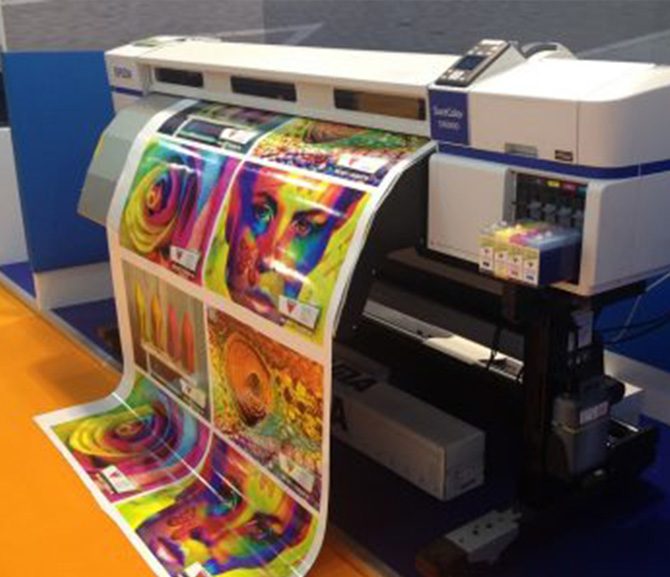
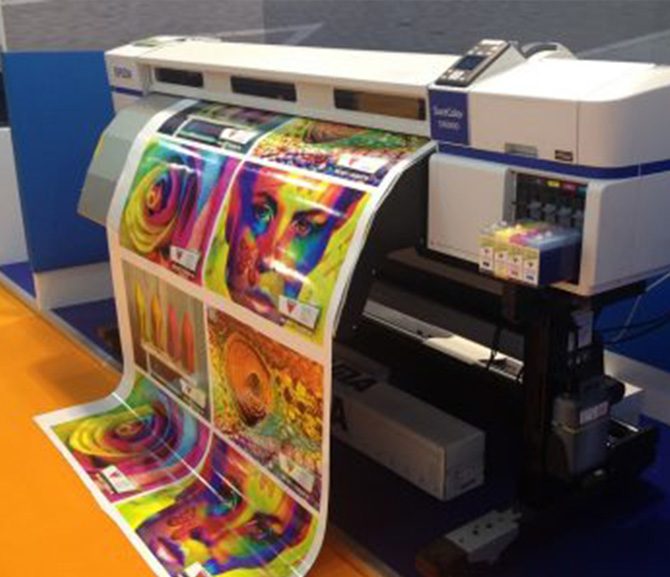
Large scale picture printing has become an essential component across multiple industries, offering a versatile means to communicate messages, enhance spaces, and promote products. This process involves creating high-quality images on expansive surfaces, allowing visuals to be viewed from a considerable distance while maintaining detailed clarity. Whether utilized for advertising billboards, striking murals, or impactful event backdrops, large format printing serves as a powerful tool to grab attention and convey compelling narratives.
The primary purpose of large scale picture printing lies in its ability to produce visually striking displays that can transform environments or elevate brand presence. When used in advertising, these printed images attract foot traffic and generate brand recognition through vivid, eye-catching visuals. In interior decor, expansive prints turn blank walls into expressive art moments that define the ambiance of a space. Events benefit from large format prints as well, providing impactful branding or thematic visuals that reinforce event themes and create memorable experiences.
Common applications encompass retail storefronts showcasing promotional banners, trade show exhibits with detailed graphics, sports stadiums featuring team promotions, and public spaces adorned with murals that communicate cultural or community messages. This versatility underscores the significant role large scale picture printing plays in creating engaging visual landscapes in both commercial and public settings.
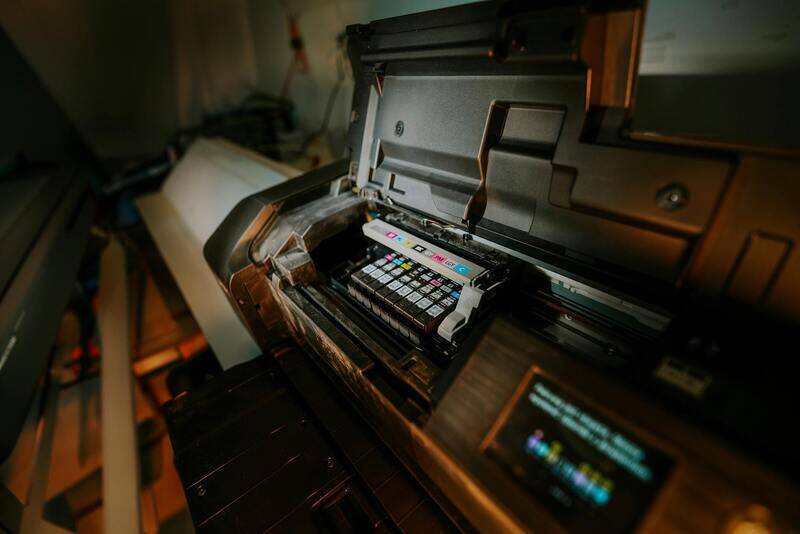
The process typically involves a combination of high-resolution digital imaging and specialized printing equipment designed to handle wide formats. These technologies enable consistent quality across expansive surfaces, ensuring sharpness, color accuracy, and durability. The ability to produce large images without loss of detail makes this printing method highly sought after in sectors that demand high visual impact.
Overall, large scale picture printing transforms simple images into commanding visual displays that leave lasting impressions. As technology advances, the capability to print larger, more detailed, and more durable images continues to grow, opening new avenues for creative expression and functional applications.

Materials and Substrates Used in Large Scale Printing
Choosing the right materials and substrates is fundamental to achieving high-quality results in large scale picture printing. The selection process involves understanding the specific requirements of durability, appearance, and the environment where the print will be displayed. Various substrates provide distinct advantages and cater to different aesthetic or functional needs.
Common substrates include vinyl banners, canvas, polypropylene, fabric, aluminum, acrylic, and foam board. Vinyl is highly versatile, offering durability and weather resistance, making it suitable for both indoor and outdoor applications. Canvas prints provide a textured finish reminiscent of traditional artwork, ideal for interior decor and gallery displays. Aluminum and acrylic substrates lend a modern, sleek appearance often used in corporate environments or high-end exhibitions.
In addition to the primary substrates, specialized coatings can enhance print longevity and color vibrancy. For example, lamination or protective overlays can shield prints from UV rays, moisture, and physical abrasions. This is especially critical for outdoor installations or pieces that are expected to withstand substantial handling or environmental exposure.

Advanced printing systems integrate with these substrates seamlessly, providing high fidelity and consistency across large surfaces. The choice of substrate also impacts the post-production processes such as framing, mounting, or installation. Compatibility with various mounting solutions ensures that the final display maintains structural integrity and visual appeal, whether it’s a mural covering an entire wall or a large-format banner hanging in a retail space.
Understanding materials and substrates enables organizations to tailor their large format prints precisely to their needs, balancing factors like cost, longevity, and aesthetic impact. The emphasis on selecting the appropriate base ensures that the visual message remains impactful and durable over time, aligning with the intended use and environment of the final display.
Materials and Substrates Used in Large Scale Printing
Choosing the right materials and substrates is vital for achieving optimal results in large scale picture printing. The selection process depends on various factors such as intended use, environmental conditions, durability requirements, and budget constraints. Each material offers unique properties that influence the aesthetic appeal, longevity, and installation method of the final print.
Vinyl remains one of the most popular substrates for large format printing due to its flexibility, affordability, and versatility. It is highly suitable for banners, vehicle wraps, and outdoor signage where durability against weather elements is essential. Matte or gloss finishes can be selected depending on the desired visual effect, with UV-resistant coatings enhancing longevity.
Canvas, often used for fine art reproductions or high-end interior decor, provides a textured appearance that mimics traditional painting. It offers a sophisticated look with a rich, tactile quality. When printed on canvas, a protective coating can be applied to prevent fading and physical damage, making this material suitable for gallery displays or corporate offices.

Fabric is another choice, particularly for soft signage and decorative applications. It provides excellent color vibrancy and a smooth surface that captures fine details. Specialty fabrics, including polyester mesh or linen, can enhance specific visual effects or meet particular environmental needs such as breathability or security.
For outdoor or high-traffic environments, specialty media like weatherproof vinyl or textured aluminum panels are ideal. Aluminum and other metal-based substrates provide a modern, sleek appearance and exceptional durability, making them suitable for long-term outdoor installations. These materials resist corrosion and fading, maintaining visual integrity over time.
Additionally, innovative options like acrylic, polycarbonate, or high-density foam boards are gaining popularity for their structural strength and contemporary aesthetic. They are often used in illuminated displays, signage backdrops, or in environments requiring a lightweight yet sturdy material.
Understanding the properties of these materials helps in selecting the most appropriate substrate for the specific application. For instance, a large outdoor mural demands weather-resistant media, whereas an interior corporate display might prioritize aesthetics and fine detail. Considerations such as mounting, framing, and environmental exposure guide these choices, ensuring the final presentation is both striking and enduring.
Overview of Large Scale Picture Printing
Large scale picture printing transforms ordinary images into impressive visual displays suitable for a variety of settings, from commercial spaces to artistic installations. This specialized form of printing caters to the demand for high-impact visuals by offering methods to reproduce high-resolution images on expansive surfaces without compromise on clarity or color fidelity. Institutions, businesses, and artists utilize large format printing to create striking murals, banners, and promotional displays that command attention and evoke emotional responses. The process involves meticulous preparation, high-quality materials, and advanced printing techniques to ensure the final product meets demanding visual standards while maintaining durability against environmental factors. The choice of printing method and substrate plays a pivotal role in achieving the desired aesthetic and longevity, making expertise and technical precision essential in delivering outstanding results.
Types of Printing Technologies for Large Format Images
Several advanced printing technologies are employed to produce large scale images with exceptional detail and color accuracy. Each technique offers specific advantages suited to different applications, substrate types, and environmental conditions.
- UV Flatbed Printing: This method involves printing directly onto rigid or flexible substrates using ultraviolet light to cure inks immediately after application. UV flatbed printers are renowned for their high-resolution output, exceptional color vibrancy, and ability to print on a variety of dense materials such as acrylic, metal, and wood. They are ideal for producing durable outdoor signage and high-end art displays.
- Solvent and Eco-Solvent Printing: Utilizing solvent-based inks, this technique provides excellent adhesion to wide-ranging media, especially vinyl and other flexible substrates. Solvent printing is highly weather-resistant, making it suitable for outdoor banners and billboards. Eco-solvent versions improve environmental performance without sacrificing print durability or quality.
- Latex Printing: Latex printing involves water-based inks that are flexible, eco-friendly, and capable of producing vibrant colors. It offers high durability and is suitable for a variety of materials, including fabric, paper, and vinyl. Latex technology is increasingly popular for its quick-drying properties and environmental benefits, making it a versatile choice for both indoor and outdoor large-format printing.
- Inkjet Printing: The cornerstone of high-resolution large format printing, inkjet technology delivers crisp details and a broad color spectrum. Advanced piezoelectric or thermal inkjet printers can effortlessly produce images on diverse substrates, including canvas, fabric, or specialty materials. This method excels in producing fine art reproductions, photographic murals, and detailed promotional graphics.
Materials and Substrates Used in Large Scale Printing
The selection of materials for large scale picture printing is critical to achieving the desired aesthetic and functional performance. Today’s market offers a diverse range of substrates tailored for specific environments and visual effects.
- Vinyl: A versatile and weather-resistant material, vinyl is the go-to choice for outdoor banners, vehicle wraps, and building facades. Its flexibility and durability make it suitable for curved surfaces and long-term outdoor installations.
- Canvas and Fabric: Ideal for artistic reproductions and interior décor, canvas offers a textured surface that adds depth and sophistication. Fabric substrates are also popular for soft signage and banners, providing excellent color vibrancy and a smooth finish that highlights detail.
- Acrylic and Polycarbonate: These transparent or translucent plastics are used for illuminated displays, backlit signs, and modern interior panels. Their sleek appearance and resistance to impact and weather make them suitable for high-end applications and signage requiring visual clarity and robustness.
- Metal Panels and Aluminum Sheets: For high durability and a contemporary aesthetic, metal-based substrates are preferred. They are commonly employed in outdoor murals, architectural facades, and industrial signage, offering resistance to corrosion and fading over time.
- Foam Boards and High-Density Plastics: Lightweight yet sturdy, these materials are favored for temporary displays, gallery exhibitions, or indoor installations where ease of mounting and handling is essential.
Design and Preparation for Large Scale Printing
Before initiating the printing process, meticulous design preparation is essential to achieving a high-quality, impactful large scale picture. This phase involves several critical steps, each contributing to the clarity, durability, and visual appeal of the final display.
Image Resolution and File Optimization
Ensuring the appropriate resolution is foundational when preparing artwork for large format printing. Typically, a minimum of 150 dpi at the final print size is recommended; however, for exceptional detail and clarity, especially on expansive displays, 300 dpi or higher is preferable. Images should be accurately scaled, maintaining aspect ratio consistency to prevent distortion. Utilizing high-resolution files in formats such as TIFF or PSD preserves image quality, facilitating detailed color and sharpness reproduction.
Color Management and Profiles
Color accuracy is paramount in large-scale visual displays. Implementing proper color management protocols involves calibrating monitors to match the printer's color profile and applying consistent ICC profiles throughout the workflow. This ensures that the hues seen on the screen align closely with the printed output, reducing mismatched colors and enhancing visual consistency. For artwork incorporating complex gradients or subtle color shifts, working within a standardized color space such as Adobe RGB or CMYK helps maintain fidelity.
Design Optimization for Scale
Adapting digital images for large format printing entails resizing and reformatting graphics to ensure sharpness and legibility. Vector graphics are preferred for text and logos due to their scalability without quality loss. Incorporating bleed areas into the design provides room for cutting and handling adjustments. High contrast and bold colors often translate better on large surfaces, ensuring visibility from a distance. Moreover, minimizing overly intricate details that may become indistinct at large sizes is crucial for maintaining clarity and impact.
Material and Surface Considerations
Choosing the appropriate substrate influences the final appearance and longevity of the print. Matte finishes tend to reduce glare, ideal for indoor displays, whereas gloss finishes enhance color vibrancy for outdoor banners or advertisements. Some materials require special surface preparations or priming to ensure optimal ink adhesion and image sharpness. Additionally, the physical properties of the substrate, such as flexibility or rigidity, should align with the intended installation surface and environmental conditions.
Preparation for Production
Prior to printing, files should undergo a thorough proofing process—either digitally or through small-scale test prints—to verify color accuracy and image fidelity. This step helps identify potential issues that could compromise the final product. Ensuring that file layers are properly organized and that high-quality, embedded images are used simplifies the workflow and minimizes errors during production. Proper naming conventions and version control facilitate smooth communication between design and production teams.

Types of Printing Technologies for Large Format Images
Choosing the appropriate printing technology is essential for achieving optimal quality, durability, and color accuracy in large scale picture printing. Various methods are available, each suited to different project requirements, substrates, and environmental conditions.
Solvent and Eco-Solvent Printing
Solvent printing is a popular choice for outdoor banners, vehicle wraps, and other signage. This technology uses solvent-based inks that penetrate the material, resulting in vibrant, weather-resistant images. Eco-solvent printers improve upon traditional solvent methods by reducing volatile organic compounds (VOCs), making them more environmentally friendly without compromising print durability.
UV Printing
UV printing uses ultraviolet light to cure inks instantly upon contact with the surface. This technique allows for printing directly onto a variety of rigid and flexible materials, including plastics, metals, and glass. It offers crisp detail, a high-quality finish, and excellent adhesion, making it ideal for both indoor and outdoor displays where durability and visual clarity are paramount.
Latex Printing
Latex printing employs water-based inks with polymer binders, providing flexibility and excellent color reproduction. It is considered an eco-friendly technology offering high-quality output suitable for both indoor and outdoor signage. Latex printers produce vibrant images with a matte finish, reducing glare and reflections, which enhances visibility in varied lighting conditions.
Inkjet and Piezoelectric Printing
Most large format prints are produced on high-end inkjet or piezoelectric printers. These devices utilize tiny nozzles to deposit precise ink droplets onto substrates, allowing for detailed image rendering and smooth gradients. Their versatility makes them highly suitable for fine art reproductions, detailed murals, and event signage.

In selecting the right technology, considerations such as print volume, substrate compatibility, color fidelity, and environmental impact should be evaluated. Understanding the strengths and limitations of each method ensures that your large-scale prints meet both aesthetic and functional expectations while maintaining cost efficiency.
Common Methods for Producing Large Scale Pictures
Creating large scale images requires precise and reliable printing methods that can accommodate expansive dimensions without compromising quality. When selecting the appropriate technology, it is essential to focus on proven and effective techniques. Traditional methods such as solvent, UV, and latex printing dominate the industry, offering diverse options tailored to different project needs. solvent printing, for instance, utilizes solvent-based inks that penetrate the substrate, resulting in vibrant colors with excellent durability, making it ideal for outdoor applications. UV printing employs ultraviolet light to instantly cure inks on rigid substrates like acrylics and metals, providing high-resolution images with exceptional sharpness and weather resistance. Latex printing, known for its flexibility and eco-friendliness, produces vibrant, matte-finish images suitable for a variety of indoor and outdoor displays. These technologies collectively serve the demand for large scale picture printing, ensuring durability, vividness, and crisp details over expansive surfaces.
Mobile and flatbed printers are among the most advanced options, accommodating large substrates with ease. Flatbed printers are particularly advantageous for rigid materials, enabling direct printing on thick and uneven surfaces. In contrast, roll-to-roll printers are designed for flexible materials like vinyl or fabric, allowing continuous production of large banners and murals. The choice of technology hinges on material compatibility and print volume, but both offer consistent quality for large scale picture printing. The use of cutting-edge digital controls ensures precise color matching and resolution, accommodating complex designs and high-definition requirements necessary for large displays.
Materials and Substrates Utilized in Large Format Printing
The selection of materials is pivotal for the durability, appearance, and application-specific suitability of large scale prints. Common substrates include vinyl, fabric, mesh, paper, rigid panels, and specialty surfaces such as glass or metal. Vinyl remains a popular choice due to its versatility and weather resistance, making it suitable for outdoor signage, billboards, and event backdrops. Textile substrates are favored in settings where a softer, more dimensional display is desired, often used in trade shows and artistic installations. Rigid materials like acrylic sheets, aluminum composites, and wood panels are preferred for wall murals, photo displays, and retail signage where a permanent or semi-permanent installation is needed.
The choice of substrate influences not only the aesthetic outcome but also the lifespan and maintenance requirements of the print. Special coatings and laminates are often applied after printing to enhance resistance against UV rays, moisture, and physical wear, extending the lifespan of large scale images. For indoor displays, matte or semi-gloss finishes can reduce glare and reflections, ensuring optimal visibility. In contrast, high-gloss surfaces can accentuate colors and details for museum displays or high-end retail environments. Understanding the properties and compatibilities of these materials ensures that large format images withstand the testing conditions of their intended environment.
Impact of Resolution and Image Quality in Large Scale Prints
Image resolution is a critical factor influencing the visual impact of large scale pictures. High-resolution files, typically measured in dots per inch (dpi), are necessary to maintain sharpness and detail when scaled to massive sizes. For large prints, a resolution of 150 dpi at the final viewing distance often suffices, but for closer inspection, a higher dpi—up to 300—is desirable. The use of high-resolution images prevents pixelation and ensures that details remain crisp and vibrant, which is essential for promotional displays, fine art reproductions, and detailed murals.
Ensuring that digital files are prepared correctly involves meticulous attention to aspect ratio, bleed margins, and color profiles. Proper color management—using calibrated equipment and standardized color spaces—guarantees that the final print matches the original design intent. When combining multiple images or panels, seamless alignment and consistent resolution across sections are vital to produce a cohesive visual experience. Sterile attention to these elements results in large scale images that captivate viewers with their clarity, vibrant color fidelity, and impeccable detail.
Methods and Techniques for Large Scale Picture Printing
To produce striking large scale images, selecting the appropriate printing method is essential. Each technique offers unique advantages tailored to specific applications, durability requirements, and aesthetic outcomes. Among the most prominent methods are inkjet printing, screen printing, and dye-sublimation, each suited to different substrates and project scopes.
Inkjet Printing for Large Format Images
Inkjet printing remains the top choice for high-resolution, full-color large scale pictures. This digital technology utilizes tiny nozzles to spray liquid ink directly onto the substrate, allowing for detailed, vibrant reproductions. Modern industrial inkjet printers can handle widths exceeding 10 feet, making them ideal for expansive murals, banners, and backdrops. The key to achieving high-quality results with inkjet printing lies in using archival-grade inks that resist fading and environmental wear, ensuring the longevity of the display.
Advanced inkjet systems employ multiple ink channels to expand color gamut and improve image fidelity. They also incorporate techniques such as color management, calibration, and real-time print quality monitoring. These steps contribute to precise color matching and seamless image reproduction, especially critical when working with detailed photographic content or artwork recreations.
Screen Printing for Large Scale Applications
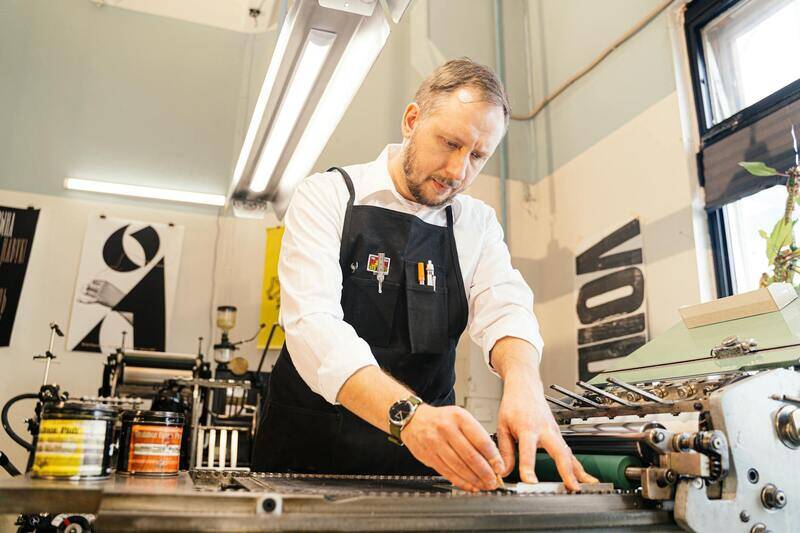
Screen printing offers advantages in producing large solids, bold colors, and textured finishes. This process involves creating a stencil or mesh screen, through which ink is pressed onto the surface. While traditionally associated with apparel and signage, modern screen printing techniques can be adapted for large format posters, decals, and banners, particularly when substantial quantities are required.
One of the main benefits of screen printing is its ability to deposit thick layers of ink, which enhances color vibrancy and durability. It is especially effective on substrates like vinyl, fabric, or rigid panels. However, due to the setup complexity and longer production times, screen printing is often reserved for bulk orders or specialized applications where color intensity and texture are priorities.
Dye-Sublimation for Vibrant, Durable Images
Dye-sublimation technology transfers dye-based inks onto specially coated substrates, often polyester fabrics or coated hard surfaces. This process involves turning solid dye into gas without passing through a liquid state, allowing the ink to embed into the material’s fibers or coating. The resulting image is highly vibrant, with excellent color depth, and exhibits superb resistance to scratches and environmental elements.
This method is particularly popular for producing eye-catching fabric banners, soft signage, and promotional displays that require flexibility and durability. The dye-sublimation process permits large, seamless images with rich color transitions and high resolution, making it an attractive choice for both commercial and fine art applications.
Choosing the Right Method for Your Project
Determining the optimal printing technology depends on factors such as substrate compatibility, desired aesthetic, production timeline, and budget constraints. For instance, inkjet printing offers versatility and exceptional detail for detailed reproductions and indoor displays. Screen printing excels in producing bold, high-impact visuals, often for outdoor advertising or mass-produced items. Dye-sublimation stands out for vibrant, durable fabric prints that require flexibility and weather resistance.
Considerations for Large Scale Print Production
Regardless of the technology chosen, ensuring consistent quality across large formats involves rigorous calibration of printers, proper color management, and high-quality input files. Collaborating with experienced large format printing specialists can help optimize workflow, improve color accuracy, and meet specific project requirements effectively. Properly prepared digital files with attention to aspect ratio, bleed, and resolution are vital for achieving seamless, professional results.