Understanding Large Poster Printing
Creating large posters from photos offers a unique opportunity to transform personal memories, promotional content, or artistic images into impactful visual displays. These oversized prints serve a variety of functions across multiple settings, including marketing campaigns, events, interior decor, and personal projects. To achieve the best results, it’s essential to understand what defines a large poster and the fundamental considerations involved in producing high-quality prints.
Large posters are typically characterized by their considerable dimensions, often exceeding standard poster sizes such as 24x36 inches. Common large poster dimensions range from 40x60 inches to even larger formats like 60x90 inches or more, depending on the specific needs and the printing method employed. These posters are designed to command attention from a distance, making them ideal for advertising, trade shows, gallery displays, or decor in expansive spaces.
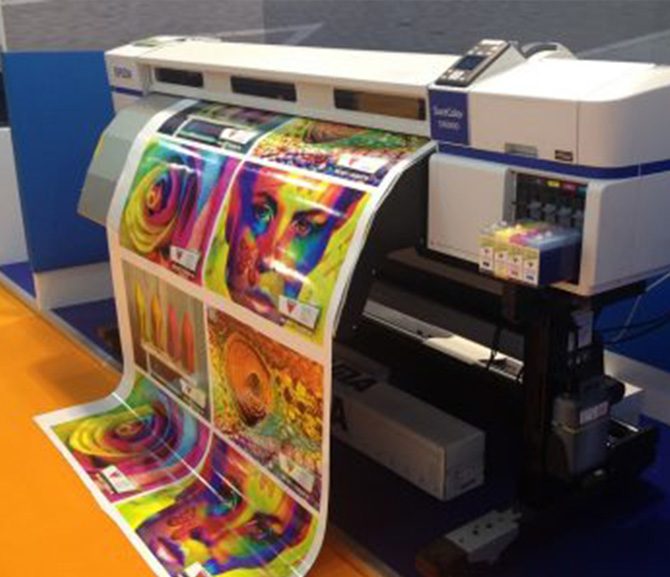
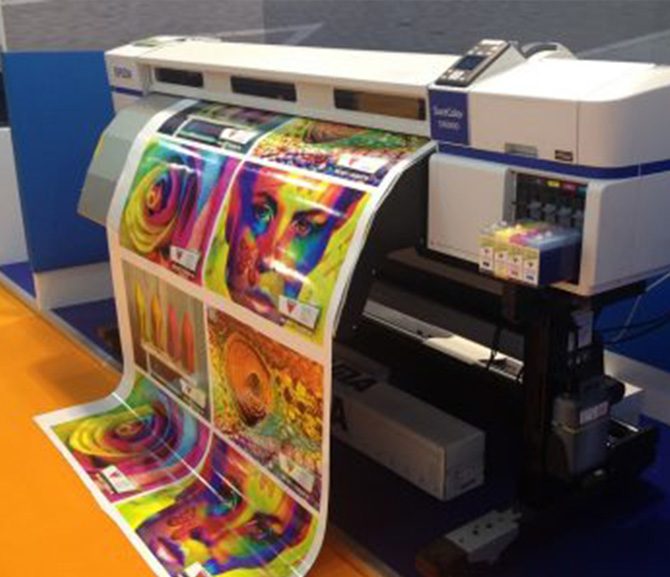
The primary purpose of large photo posters is to present images with vivid clarity and detail that are easily perceivable at close or mid-range distances. They are frequently used by businesses to promote products, by event organizers to showcase thematic visuals, or by individuals to display memorable photographs in home or office environments. Their size amplifies the visual impact of the original image, making it essential to select high-resolution photos that maintain quality when scaled up.

- Corporate branding and promotional displays in retail stores or trade shows
- Decorative art in homes, offices, or public spaces
- Event backdrops for weddings, concerts, or conventions
- Educational and motivational displays in schools and institutions
- Photographic exhibitions and gallery presentations
Understanding Large Poster Printing
When producing large posters from photos, it is crucial to understand the technical and aesthetic aspects involved in achieving a professional and impactful result. The process begins with assessing the original image's quality, which determines how well it will scale up to poster dimensions. High-resolution images—typically requiring 300 DPI or higher at the final print size—are ideal for large-format printing. This ensures that details remain sharp and colors stay vibrant, preventing the common pitfalls of pixelation or blurriness that can occur with lower-quality photos.
Different printing techniques and materials can influence the final appearance and durability of a large poster. Options such as solvent, eco-solvent, or dye-sublimation printing each offer unique benefits suited to various environments and uses. For example, heavy-duty materials like vinyl or canvas provide resilience against outdoor elements, while matte or gloss paper options are preferred for indoor displays. The choice of material, combined with the appropriate printing technology, allows customization based on the specific requirements of the display setting.
Optimizing Image Resolution for Poster Production
The quality of a large poster hinges heavily on the resolution and source image quality. When selecting photos for enlargement, it is vital to work with images that have a sufficient pixel count, especially if the final size is substantial. Typically, manufacturers recommend images with at least 300 pixels per inch (PPI) at the intended print size. For instance, a poster measuring 60 inches wide should ideally originate from a photo that offers a width of at least 18,000 pixels (60 inches x 300 PPI) to maintain clarity and detail.
In cases where existing images fall short in resolution, enhancing techniques such as upscaling using specialized software can be employed. However, this process has limitations and may introduce artifacts if not executed carefully. Therefore, capturing images with high-end cameras or smartphones equipped with high megapixel sensors remains the most reliable method for acquiring photos suitable for large-format printing.
Matching Image and Poster Dimensions
Accurate measurement and planning are necessary to match the photo's aspect ratio with the intended poster size. Discrepancies in aspect ratios can lead to unwanted cropping or stretching, affecting the visual impact. To prevent distortions, consider cropping the original image beforehand or choosing a poster size that aligns naturally with the photo's proportions. Professional design software can assist in framing and positioning the image properly before printing, ensuring that critical elements are preserved and the composition remains balanced.
Final Tips for Preparing Photos for Large Posters
- Use high-resolution images: Aim for minimum 300 DPI at the final print size.
- Check the aspect ratio: Ensure the photo matches or can be cropped to fit the poster dimensions without distortion.
- Enhance image quality: Use professional editing tools to adjust contrast, brightness, and sharpness as needed.
- Avoid heavy compression: Use lossless formats such as TIFF or PNG to maintain image integrity.
- Consult with printing professionals: They can provide specific recommendations based on the chosen materials and equipment to optimize results.
By adhering to these guidelines and utilizing the appropriate technologies and techniques, creating large posters from photos becomes a streamlined process that yields impressive, visually impactful displays suitable for diverse applications including promotional campaigns, decorative installations, or personalized art pieces.
Design Considerations for Large Photo Posters
Effective design is crucial when transforming photographs into large posters that captivate viewers. The layout and composition should prioritize the photo's main elements, ensuring they remain prominent and clear despite the enlarged scale. Consider the rule of thirds to position key subjects dynamically within the frame, avoiding overly centered images that might seem static at large sizes. Adjustments in color and contrast can significantly enhance visual impact, making the poster more vibrant and eye-catching. Maintaining harmonious color schemes helps prevent the poster from appearing cluttered or overwhelming.
When refining a photo for a large poster, use professional editing tools to fine-tune brightness, contrast, and saturation. These adjustments should complement the original image's mood, ensuring that when enlarged, it retains detail without appearing washed out or overly dark. Additionally, strategic whitespace can help direct focus toward specific areas, reinforcing the message or aesthetic intent of the poster. Incorporating subtle gradients or background textures can add depth, making the overall design more engaging.
Typography, if included, should be carefully selected and placed to avoid obstructing important visual elements. Larger, readable fonts and minimal text usually work best for posters that are viewed from a distance. Consistency in font style and color ensures a cohesive look, helping the poster communicate its message effectively without cluttering the visual hierarchy.
Printing Techniques and Materials
To achieve the best quality for large photo posters, selecting the right printing techniques and materials is essential. High-quality inkjet or dye-sublimation printers are often preferred for their ability to reproduce vibrant colors and intricate details accurately. The choice of material — such as glossy, matte, or satin paper — impacts both the aesthetic and durability of the poster. Glossy finishes tend to enhance color richness, while matte surfaces reduce glare, making them suitable for various display environments.
UV coating can add an extra layer of protection against scratches and UV light, prolonging the poster’s lifespan. Laminating the print further enhances durability and can help in maintaining the visual quality over time. When selecting materials, consider the intended display location—outdoor exposure requires weather-resistant options, whereas indoor posters may prioritize vibrant color reproduction and texture. Consulting with printing professionals ensures the optimal combination of technology and media to produce a striking large poster.
Size and Resolution Specifications
Accurately matching the resolution to the poster size is fundamental for producing clear, sharp images. For large posters, a minimum of 300 DPI (dots per inch) at the final print size is recommended to prevent pixelation or blurriness. To determine the required digital image dimensions, multiply the desired print size by 300 pixels per inch. For example, a 24x36 inch poster should ideally be created with a file size of at least 7200 x 10800 pixels.
Moreover, image files should be saved in lossless formats such as TIFF or PNG to preserve quality during printing. Downscaling high-resolution images is preferable to upscaling lower-resolution ones, which can result in blurred or pixelated visuals. When preparing photos, always verify pixel dimensions and DPI settings to match the chosen poster size, facilitating a seamless printing process and a final product that meets high standards of clarity and detail.
Official Methods for Large Poster Creation from Photos
Creating large posters from photos requires the use of authorized and professional printing techniques that ensure high quality and durability. To achieve a stunning visual impact, it’s essential to collaborate with reputable printing services that utilize industrial-grade equipment and genuine materials. These providers often employ specialized large-format printers that use eco-friendly, premium inks, ensuring vibrant colors and long-lasting prints without compromising safety standards.
One of the primary official methods includes digital large-format printing, which involves transferring digital images directly onto the chosen media. This process guarantees color accuracy, sharp details, and consistent quality across the entire poster surface. Authorized printers often work with high-resolution files, adhering strictly to recommended resolution guidelines—typically a minimum of 300 DPI at the final print size—to prevent pixelation.
The selection of genuine materials is equally important. Professional printers use certified substrates like vinyl, canvas, or specialty papers with guaranteed colorfastness and weather resistance. The choice of media should be aligned with the poster’s display location—indoor environments may favor vibrant, matte or glossy paper, while outdoor signage benefits from weatherproof, UV-resistant options. Additionally, lamination or coating techniques can be applied post-printing to further enhance durability and ease of maintenance.
Using legitimate printing channels ensures adherence to safety and quality standards, reducing the risk of issues such as color inconsistencies, material degradation, or print defects. It also provides access to expert advice on substrate selection, image preparation, and finishing techniques—elements crucial for large photo posters meant to make a lasting impression.
Furthermore, customers should verify that the printing service employs official software solutions that process images with precision. Reliable operators often use advanced RIP (Raster Image Processor) software, which manages color profiles and ensures accurate color reproduction. These systems also facilitate proper scaling of images to match the intended print size, preserving detail and sharpness. In summary, creating large posters from photos through legitimate methods entails carefully selecting authorized printing providers equipped with certified technology and high-quality materials. This approach guarantees the final product will meet expectations for clarity, vibrancy, and longevity, making it suitable for both personal and commercial applications.
Understanding Large Poster Printing
Creating impactful large posters from photos involves a detailed understanding of the printing process, materials, and quality controls. Utilizing authorized printing services guarantees that the final product adheres to strict standards, ensuring color accuracy, sharpness, and durability. These services employ advanced printing technology, such as high-resolution large-format printers equipped with precise color management systems, to produce posters that faithfully represent the original image's vibrancy and detail. Such equipment often uses sophisticated RIP software, which manages color profiles and ensures the correct scaling of images, mitigating issues like pixelation or color mismatches.
The importance of selecting a legitimate provider cannot be overstated. Authentic printers follow strict procedures for image preparation, including proper file formatting, resolution checks, and color calibration. This helps in achieving consistent, high-quality prints that stand out, whether for personal memories, marketing campaigns, or artistic displays. Moreover, these providers offer guidance on materials suitable for different environments, ensuring your large photo poster remains visually stunning over time and withstands exposure to elements if used outdoors.
Choosing the Right Photos for Large Posters
Opting for high-resolution images is fundamental when printing large posters. As image dimensions increase, the importance of quality pixels becomes more evident; low-resolution photos tend to pixelate or blur when scaled up. A good rule of thumb is to select images with a minimum resolution of 300 DPI at the poster's intended size. For instance, a poster measuring 48 x 72 inches should ideally have an image resolution of at least 14400 x 21600 pixels. This level of detail ensures clarity and sharpness, even when viewed up close.
Beyond resolution, the content quality of the photo plays a significant role. Choose images with proper lighting, vivid colors, and minimal noise. Images captured with high-quality cameras or professional equipment generally translate better in large-scale prints, providing crisp details and richer tones. It is advisable to avoid images that are overly compressed or contain heavy digital artifacts, which can detract from the print's overall quality.
When sourcing photos, ensure they are taken from legitimate licenses or your own collection to avoid potential issues with copyrights. If necessary, professional editing can enhance photos before printing, improving aspects like color balance, contrast, and sharpness to optimize them for large-format display.

Design Considerations for Large Photo Posters
Effective design principles are crucial for creating visually appealing large posters from photos. When working with large formats, simplicity often yields better results, allowing the main subject to stand out. Avoid clutter and excessive text, focusing instead on layout balance and composition. High-contrast elements and strategic placement can guide the viewer’s eye across the poster, enhancing message delivery and aesthetic impact.
Typography should complement the image instead of overpowering it. Use large, clear fonts with high visibility, and consider the viewing distance when selecting font size and style. Color harmony is equally vital; ensure that text and graphic elements do not clash with the photo's palette, maintaining a coherent visual theme.
Utilizing layered design software like Adobe Photoshop or Illustrator allows for precise control over image adjustments, overlays, and cropping. Working with professional designers or utilizing templates from trusted sources can streamline the process, especially for less experienced users. Always preview your design at full size to check for any discrepancies or unintended visual effects before finalizing the print.
Legal and Ethical Methods for Procuring Large Posters from Photos
Obtaining high-quality large posters from photos requires adherence to authorized channels that ensure the integrity of your images and compliance with copyright standards. The most reliable way to acquire such posters is through professional printing services, which utilize official photographs and licensed artwork. These companies partner with photographers, agencies, and rights holders to source images legally, providing customers with authentic and high-resolution files suitable for large-format printing.
When selecting a service like expressprintingsi.com, clients should ensure the provider offers a transparent process for image licensing. This involves verifying that the photos used are either owned by the client, sourced from royalty-free image libraries, or acquired via licensing agreements with the original creators. Such practices guarantee that every large poster produced respects intellectual property rights and is free from legal complications.
Another legitimate method involves using stock photo platforms that feature images explicitly licensed for commercial use. These platforms range from well-known stock agencies to niche providers offering high-resolution images compatible with large-format printing. Purchasing a license from these sources grants the right to print and display the photos at large sizes, ensuring the proper use of copyrighted content.
Furthermore, commissioning original photography from professional photographers or artists is an effective way to secure exclusive images for large posters. This approach not only guarantees authenticity but also allows customization aligned with your specific vision and branding needs. Licensing agreements made directly with creators often include detailed rights for reproduction at large scales, providing a legal framework for printing and display.
Utilizing authorized channels for acquiring images is essential to avoid disputes and ensure the highest quality results. Professional printing services typically have established relationships with image licensing entities, allowing for seamless integration of legally obtained high-resolution images into printed posters. Clients benefit from a straightforward process that guarantees the legality, authenticity, and visual excellence of their large-format displays.
Proper Methods for Obtaining Photos for Large Posters
Securing the right images for large posters from photos requires adherence to legal and ethical standards. The most straightforward approach is to purchase or license images through reputable sources that specialize in licensed content. This could involve subscribing to licensed stock photo platforms offering a vast catalog of high-resolution images explicitly approved for commercial reproduction. These platforms ensure that each image comes with a clear license that authorizes its use at large scales, providing peace of mind when producing large posters.
Additionally, commissioning original photography from professional photographers is an effective method for acquiring exclusive visuals tailored to your specific needs. Working directly with artists and photographers allows for customization in style, subject matter, and composition, resulting in a unique and personal touch for your large poster. Licensing agreements with creators typically specify the scope of use, including reproduction at various sizes, ensuring you have legal rights to produce and display the image in large formats.
Moreover, some organizations and institutions provide access to collections of images that are licensed for commercial use, often under Creative Commons licenses or similar arrangements. It is important to thoroughly review these licenses to confirm they permit large-scale reproduction for commercial purposes. Utilizing these authorized channels helps prevent any infringement issues and fosters a responsible approach to image sourcing, ensuring the integrity and legality of your large poster project.
Understanding the importance of proper image sourcing not only safeguards your project legally but also guarantees high-quality visuals that maintain clarity at large sizes. When selecting images for large posters, prioritize high-resolution files to preserve detail and sharpness. Whether purchasing from stock photo websites, engaging with professional photographers, or utilizing licensed collections, verify the resolution and licensing conditions before proceeding to print. This diligence ensures your final product is both visually impactful and compliant with all necessary rights and permissions.
In summary, the key methods for obtaining photos suitable for large posters include purchasing licensed images from reputable stock platforms, commissioning original photography, and leveraging authorized image collections. Each approach emphasizes respecting intellectual property rights and results in high-quality visuals ready for large-format printing. By adhering to these professional practices, you ensure your large posters will make a compelling visual statement while maintaining proper legal and ethical standards.
Ensuring Proper Image Use for Large Posters
When creating large posters from photographs, securing images through appropriate channels is essential to produce a visually striking and legally compliant product. While the digital landscape offers numerous sources of images, relying on official and authorized methods guarantees that the visual content is both high-quality and rights-cleared for large-scale reproduction.
Utilizing Reputable Stock Photo Platforms
One of the most reliable ways to obtain images suitable for large posters is through established stock photo websites. These platforms offer vast libraries of professionally curated images, many of which come with licensing agreements tailored for various uses, including large-format printing. The key is to select images that come with licenses explicitly permitting high-resolution reproduction at large sizes, ensuring the clarity and detail are maintained in the final print. When browsing, always verify the licensing terms to confirm that the image can be used for your intended purpose, avoiding any issues related to unauthorized use or restrictions on reproduction scale.
Commissioning Original Photography
In scenarios where specific visuals are required—such as branding, personalized decor, or unique promotional content—directly engaging professional photographers is an effective approach. This method allows for complete control over the image content, resolution, and composition, ensuring that the photos are optimized for large-scale printing. It is crucial to establish clear agreements regarding usage rights and scope of the work to avoid ambiguity about licensing rights beyond the initial shoot. Providing photographers with precise specifications for resolution and aspect ratio helps in obtaining images that translate well into large posters without loss of quality.
Leveraging Licensed Collections and Archives
Another legitimate avenue for sourcing images is through licensed collections and archives managed by reputable organizations. Many museums, cultural institutions, and image collections offer access to curated images that are explicitly licensed for reproduction in large formats. These collections often include historical, artistic, or documentary photography meant for public display, making them ideal choices for projects requiring authoritative visuals. Carefully reviewing and respecting the licensing conditions of these collections ensures compliance and contributes to preserving the integrity of the original work.
Confirming Resolution and Licensing Details
Irrespective of the source, verifying image resolution is paramount. High-resolution files are necessary to prevent pixelation and loss of detail in large posters. Typically, images intended for billboard or gallery-size prints should have a resolution of at least 300 DPI at the final print dimensions. Cross-check the licensing terms to ensure that the image can be reproduced in the desired size and for commercial or promotional purposes. Maintaining thorough documentation of licensing agreements and image specifications simplifies the production process and mitigates potential legal complications.
Maintaining Ethical Standards in Image Sourcing
Adhering to ethical standards when sourcing images not only upholds the integrity of your project but also fosters trust with your audience. By choosing official channels—such as stock agencies, licensed archives, or commissioned work—you demonstrate a commitment to respecting authorship rights and intellectual property. This responsible approach supports a sustainable creative ecosystem and ensures your large posters are produced with legally acquired visuals that meet the demanded quality standards.