Importance of Posters for Businesses
Posters remain one of the most versatile and impactful marketing tools available to businesses today. Their visual appeal and ability to convey messages quickly make them a preferred choice for advertising campaigns, promotional events, and brand awareness initiatives. A well-designed poster can attract immediate attention, communicate a brand’s identity, and drive customer engagement effectively.
In the competitive landscape of business, visibility is key. Posters placed strategically in high-traffic areas serve as constant reminders of products, services, or upcoming events. They help establish a physical presence in the minds of potential customers. Moreover, posters can be tailored to target specific audiences by adjusting design elements and messaging, increasing the chances of positive response and interaction.
Aside from promotional value, posters are cost-effective compared to other advertising formats. Production costs tend to be affordable, especially when ordered in bulk, and the versatility of poster sizes allows businesses to fit them into various spaces and budgets. The ability to customize content and visual elements ensures that posters remain relevant and can adapt to changing marketing strategies swiftly.

Beyond advertising, posters play a significant role in establishing brand identity. They reinforce brand colors, themes, and messages, creating familiarity and trust with prospective clients. For instance, a poster featuring a company's logo enhanced with compelling visuals can leave a lasting impression, making it easier for customers to recall the brand later.
Furthermore, posters serve as a tangible communication channel that complements digital marketing efforts. When combined with social media campaigns or online promotions, posters can extend outreach and create a cohesive marketing approach. Their physical presence also allows for creative design options and material choices that digital formats cannot replicate, such as textured papers or innovative finishes.
In essence, posters are an essential component of a comprehensive marketing strategy. They facilitate quick and effective communication, help build brand awareness, and promote products or services in a cost-efficient manner. The strategic placement of eye-catching posters can significantly contribute to a business’s growth and visibility in a competitive marketplace.
Choosing the Right Materials for Poster Printing
The selection of high-quality materials is fundamental in producing posters that are both visually appealing and durable. The choice of substrate impacts not only the aesthetic appeal but also the longevity and suitability of the poster for its intended environment. For indoor posters, options such as coated cardstock or premium paper stocks offer a sleek finish that enhances vivid colors and sharp details. Outdoor posters demand sturdier materials like weather-resistant vinyl or waterproof papers, ensuring they withstand various weather conditions over time.
When choosing materials, consider the environment where the poster will be displayed. High-traffic areas might benefit from thicker substrates to prevent damage, while display cases or indoor spaces may only require standard weight papers. The surface texture can also influence the visual impact; matte finishes reduce glare and are ideal for detailed graphics, whereas gloss finishes can make colors pop with a luminous effect.
Another aspect of material selection involves environmental considerations. Eco-friendly options such as recycled papers and biodegradable plastics are increasingly favored by businesses committed to sustainability. These materials not only reduce environmental impact but also align with corporate social responsibility initiatives, enhancing brand perception.
Types of Printing Technologies Used for Posters
Understanding the technologies behind poster printing can help in selecting the best method to achieve high-quality results. Two primary printing methods dominate the industry: digital printing and offset printing.
- Digital Printing: Ideal for short-run projects or posters requiring quick turnaround times. Digital presses directly transfer digital files onto substrates, offering sharp images and vibrant colors with minimal setup. This method is cost-effective for smaller quantities and allows for easy customization or personalization.
- Offset Printing: Best suited for large-volume orders, offset printing delivers consistent high-quality images and rich color depth. The process involves transferring ink from plates onto a rubber blanket and then onto the printing surface. While initial setup costs are higher, the per-unit cost decreases significantly with larger quantities, making it economical for extensive poster campaigns.
Both methods can achieve impressive results, but the choice largely depends on project size, deadline, and budget. Modern printing companies, like those operating through expressprintingsi.com, often utilize hybrid approaches, combining digital and offset techniques to optimize quality and efficiency.
Determining the Optimal Poster Size and Dimensions
Size selection plays a crucial role in the effectiveness of a poster. Proper dimensions ensure visibility and readability, especially when posters are placed in different settings, from crowded urban environments to private event spaces.
Popular poster sizes include standard dimensions such as 24x36 inches for large displays and 11x17 inches for smaller, more portable posters. Custom sizes are also available, allowing businesses to tailor dimensions to specific locations or design constraints.
Factors influencing size choices include the viewing distance and the amount of content to be displayed. Larger posters with bold visuals and minimal text work well in wide spaces, while smaller posters are suitable for indoor environments like offices or retail counters.
In addition to size, framing and mounting options should be considered. Using materials like foam boards, metal frames, or magnetic mounts can enhance the presentation and ensure longevity, especially in high-traffic areas.
Choosing the Right Printing Method for Your Poster
Choosing an appropriate printing technology is essential to achieving vibrant, durable, and high-quality posters that meet your branding and visibility needs. Various printing methods are available, each with their own advantages and ideal applications. Understanding these methods helps businesses select the best fit for their specific poster projects.
- Digital Printing: This is the most widely used method for posters due to its speed and affordability. Digital printing offers high-resolution images with vivid colors, making it suitable for short-run and custom orders. It is ideal for urgent projects or posters that require frequent updates, such as event promotions and sales advertisements.
- Offset Printing: This traditional printing technique facilitates high-volume production with consistent quality. Offset printing delivers sharp image quality and color accuracy, which is particularly beneficial for large-scale print runs or posters requiring precise color matching. While it involves higher setup costs, its cost-effectiveness increases with larger quantities.
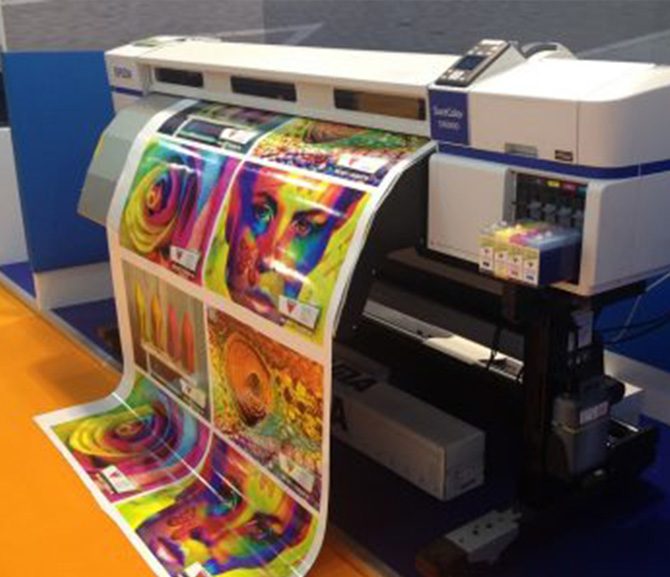
- Large-Format Printing: Specifically designed for oversized posters, banners, and wallpaper, this method uses wide-format printers capable of handling large media. It excels in producing vivid, eye-catching visuals suitable for outdoor advertising, trade show displays, and retail environments.
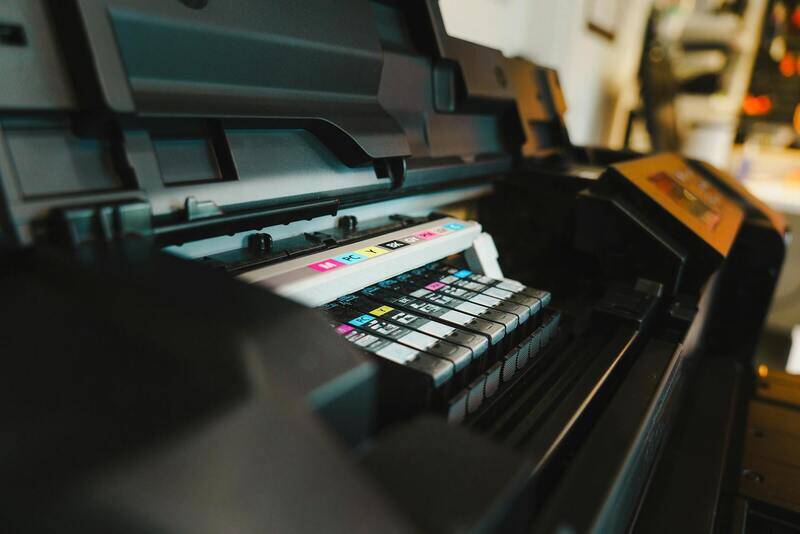
Beyond the choice of technology, selecting the right printer with advanced capabilities ensures that your posters meet professional standards. Experienced printing providers understand the nuances of different materials, resolution requirements, and finishing options, which significantly impacts the final outcome. Opting for a reputable printing company guarantees the use of top-tier equipment and adherence to quality controls, setting the foundation for compelling and effective visual communication.
Impact of Material Selection on Poster Durability and Appearance
The material used in poster printing influences both visual appeal and longevity. For indoor use, standard paper options such as gloss, matte, or satin finishes are popular, offering excellent color reproduction and a professional appearance. These materials are generally cost-effective and suitable for temporary or limited-duration displays.
For outdoor or high-traffic environments, more durable options are recommended. Vinyl signage is widely recognized for its resistance to weather elements, UV exposure, and physical wear. It maintains color vibrancy and structural integrity over extended periods, making it ideal for outdoor advertising, street posters, and event banners.
Fabric banners and posters offer a lightweight, foldable alternative with a refined look, suitable for trade shows, exhibitions, or retail displays. They are often washable and resistant to tearing, adding to their usefulness in dynamic environments where frequent repositioning is necessary.
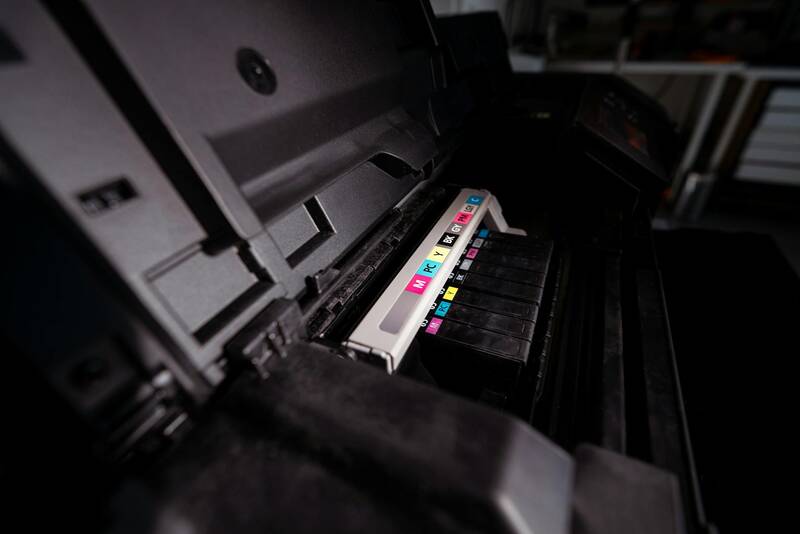
When selecting poster materials, consider factors like location, expected lifespan, and environmental conditions. Working closely with a printing specialist can help identify the optimal material that aligns with your branding objectives, budget, and placement environment, ensuring your poster makes a lasting impression.
Official Methods for Poster Production
When producing posters for business purposes, adhering to established guidelines and procedures ensures high-quality results that meet professional standards. The process typically begins with comprehensive consultations where clients discuss design ideas, material preferences, and intended use with experienced printing specialists. This collaborative approach helps clarify specifications and set realistic expectations regarding costs and timelines.
High-quality digital design files are prepared using professional graphic design software, ensuring resolution adequacy and color accuracy. Proper file formats, such as PDF, TIFF, or EPS, are essential for seamless printing workflows. Once the design is finalized, submission procedures involve submitting these files through secure channels, often via client portals or email, depending on the printer's protocols.
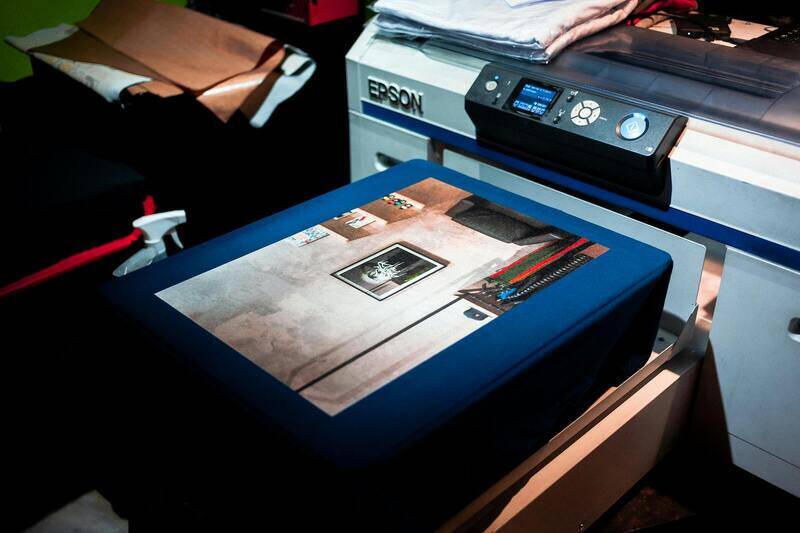
The actual printing process involves a series of carefully monitored steps. Modern printing companies employ advanced technologies like large-format digital printers, which allow for crisp image reproduction and vibrant color output directly from digital files. Offset printing is also an option for bulk poster orders that demand consistent color matching and fine detail, although it requires more setup time. These methods are recognized for their adherence to quality standards and are suitable for a range of poster types, from promotional banners to detailed informational displays.
Ensuring Compliance and Quality Assurance
Throughout the production process, quality assurance measures are implemented to verify color fidelity, alignment, and material integrity. Sample proofs are often produced and reviewed before the full print run to guard against errors and ensure the final product aligns perfectly with client expectations. This step is essential to guarantee that the poster's design, print quality, and material features meet predefined standards.
Legitimate printing companies operate under industry regulations and follow standardized procedures to maintain consistency and reliability. Certifications, such as ISO standards or membership in professional printing associations, further ensure adherence to recognized practices. Such credentials reflect a commitment to delivering printed materials that fulfill use-specific requirements and uphold industry benchmarks.
After printing, the final product undergoes thorough inspection for clarity, color accuracy, and physical condition. Proper packaging and handling are vital to prevent damage during transit and setup at the display location. Certified providers also offer guidance on installation and maintenance, helping clients maximize the poster's visual impact and lifespan.

Environmental and Safety Considerations
Following official procedures also involves consideration of environmental standards. Reputable printing companies utilize eco-friendly inks and recyclable materials to reduce ecological impact. Compliance with waste management protocols and the use of low-VOC inks contribute to healthier work environments and safer display conditions. Clients can be assured that their posters are produced responsibly, aligning with broader sustainability initiatives.
Additionally, safety protocols are upheld throughout each stage of production to protect workers and ensure the safe handling of printing equipment and materials. Such measures include proper ventilation, use of personal protective equipment, and adherence to industry safety regulations. These practices support the creation of high-quality posters while maintaining a safe and compliant production environment.
Size and Dimensions for Posters
Choosing the correct size and dimensions for your business posters is crucial to ensure maximum visibility and effective communication of your message. The visual impact of a poster can be significantly influenced by its scale, making it essential to select dimensions that align with the intended display environment and traffic flow. When considering size, evaluate the available space where the poster will be displayed, whether it is indoors or outdoors. Larger posters are ideal for high-traffic areas such as storefronts, trade show booths, and outdoor advertising spaces, where they can attract attention from a distance. Smaller posters suit indoor settings like reception areas, bulletin boards, or product displays, where detailed information can be appreciated up close.

Standard poster sizes often include 18x24 inches, 24x36 inches, and 36x48 inches, each serving different promotional needs. For instance, an 18x24-inch poster is suitable for point-of-sale displays and indoor advertising, whereas a 36x48-inch poster dramatically enhances visibility in outdoor or expansive indoor areas. Custom sizes are also available through professional printing services to meet specific spatial requirements and design aesthetics.
Factors to Consider When Selecting Poster Dimensions
- Display Location: Assess the size of the space and viewing distance to determine an appropriate scale.
- Message Complexity: More intricate details benefit from larger formats that allow for clearer, legible text.
- Target Audience: Consider the viewing habits of your audience; larger posters are more effective for broad, public exposure, while smaller formats suit targeted internal communications.
- Budget Constraints: Larger posters may incur higher printing and installation costs but can deliver greater impact and return on investment.
Optimal Dimensions for Different Business Uses
- Trade Shows and Events: 24x36 inches or larger to capture attention across large spaces.
- Storefront Signage: 36x48 inches or multiples for prominent display outside retail outlets.
- Informational and Internal Posters: 18x24 inches for clarity without overwhelming the space.
Careful selection of poster size, aligned with strategic display planning, enhances the effectiveness of your visual communication. A professional printing service can provide guidance on choosing the most suitable dimensions that meet both aesthetic and practical standards, ensuring you achieve a powerful, cohesive promotional footprint across all your marketing efforts.
Color Coordination and Finishing Options
Effective posters incorporate thoughtful color coordination to capture attention and communicate brand identity. Color matching is crucial for maintaining consistency across all marketing materials, ensuring that your brand colors are reproduced accurately on each poster. When selecting colors, consider contrast and readability; high contrast between text and background enhances visibility from a distance. Employing a professional printer allows access to precise color calibration, ensuring your posters look vibrant and true to your design intent.
Finishing touches also contribute significantly to a poster's overall appeal and longevity. Lamination provides a protective layer that guards against water, tears, and fading, which is especially important for posters displayed outdoors or in high-traffic areas. Mounting options such as foam board backing or magnetic frame inserts facilitate easy installation and secure display, ensuring your posters remain pristine over time. Additionally, advanced finishing options like gloss, matte, or satin coatings influence visual texture and durability, aligning with the mood and message your poster aims to convey.

Costs and Turnaround Time
The investment required for high-quality poster printing varies based on factors such as size, material, complexity, and finishing treatments. While larger posters or those with specialized finishes incur higher costs, the increased visual impact often justifies the expense. Working with a professional printing service enables precise cost estimates and ensures you receive a product aligned with your budget and expectations.
Turnaround time is an equally important consideration when planning promotional campaigns. Standard printing services typically deliver posters within 2 to 5 business days, depending on the scope and complexity of the order. For urgent requirements, many companies offer expedited services that can shorten the production timeline to 24-48 hours, albeit at an increased cost. It is advisable to discuss your timeline early in the planning process to coordinate production and delivery schedules effectively.

Working with a Printing Company
Partnering with a reputable printing company ensures access to expert guidance from design to finished product. An experienced provider can advise on the best printing methods, material choices, and finishing options tailored to your specific needs. Clear communication about your objectives, preferred timelines, and budget constraints helps streamline the process and minimizes revisions or delays.
Moreover, a professional printing partner offers quality assurance through proofs or sample prints before full production. This step allows you to confirm color accuracy, layout, and overall presentation, reducing the risk of costly reprints. Establishing a collaborative relationship with your printer fosters mutual trust and can lead to ongoing support for future marketing initiatives, ensuring your posters consistently meet high standards and achieve maximum impact.
Size and Dimensions for Posters
The selection of the appropriate size and dimensions for your posters plays a critical role in their effectiveness and visual impact. Standard poster sizes typically include A3 (11.7 x 16.5 inches), A2 (16.5 x 23.4 inches), A1 (23.4 x 33.1 inches), and larger formats such as banner-sized posters for prominent display spaces. Each size serves different purposes; smaller posters are ideal for indoor use, flyers, or detailed information, while larger formats are best suited for outdoor advertising or locations with high visibility.
When choosing the size, consider the viewing distance and environment. For instance, outdoor posters or billboard-sized banners need larger dimensions to ensure readability from afar, while indoor posters can be smaller yet impactful if designed thoughtfully. Additionally, the aspect ratio and orientation (portrait or landscape) should complement the content layout, ensuring key messages and images are presented clearly and attractively.
It is also advisable to collaborate with your printing service provider to confirm that your chosen dimensions are compatible with their printing equipment. They can advise on the optimal resolution and file specifications to maintain image quality at larger sizes. Proper sizing not only enhances the visual appeal but also maximizes the poster’s ability to catch attention and convey your message effectively.

Ensuring the Use of Authentic Printing Methods for Posters
Maintaining the integrity and professional appearance of your posters hinges significantly on the choice of authentic printing techniques. By utilizing proven and reputable printing methods, businesses can guarantee that their posters deliver vibrant colors, crisp details, and durable finishes that withstand environmental conditions. When selecting a printing company, it’s crucial to verify that they employ established technologies such as digital printing, offset printing, or large-format inkjet printing, each suited for different project scales and specifications.
Digital printing is often preferred for short runs and quick turnaround times, offering high-quality results with excellent color accuracy. Offset printing, on the other hand, excels in producing large quantities with consistent quality and cost-efficiency over volume, making it ideal for campaigns requiring hundreds or thousands of posters. Large-format inkjet printers are specifically designed for creating sizable posters with detailed imagery and color fidelity, ensuring that large visuals appear sharp and impactful. Recognizing which method aligns best with your project's needs will maximize your investment and presentation effectiveness.
Additionally, selecting a printing provider committed to using legitimate materials and inks further bolsters the durability and visual appeal of your posters. Look for companies that utilize eco-friendly inks and resins, which not only support sustainability initiatives but also guarantee that your posters won’t fade or suffer from premature deterioration over time. Authentic printing methods also encompass the application of well-established finishing processes such as lamination, UV coating, and mounting, which enhance the poster’s resilience against moisture, scratches, and UV rays, especially for outdoor displays.
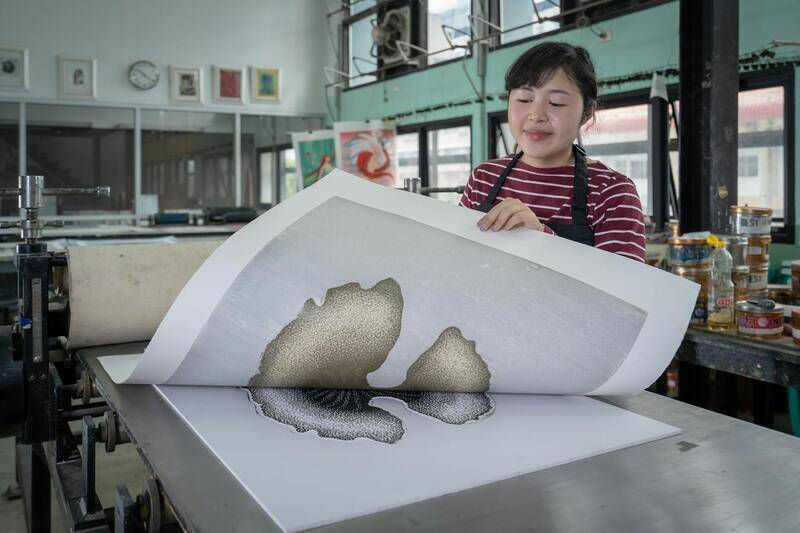
Understanding the importance of these professional printing techniques underscores the value of working with reputable companies that prioritize authenticity in their processes. This approach helps maintain your brand’s image by delivering posters that are visually striking, long-lasting, and capable of making a real impact in various display environments. When choosing your printing partner, always inquire about their methods, materials, and certifications to confirm they adhere to high industry standards.