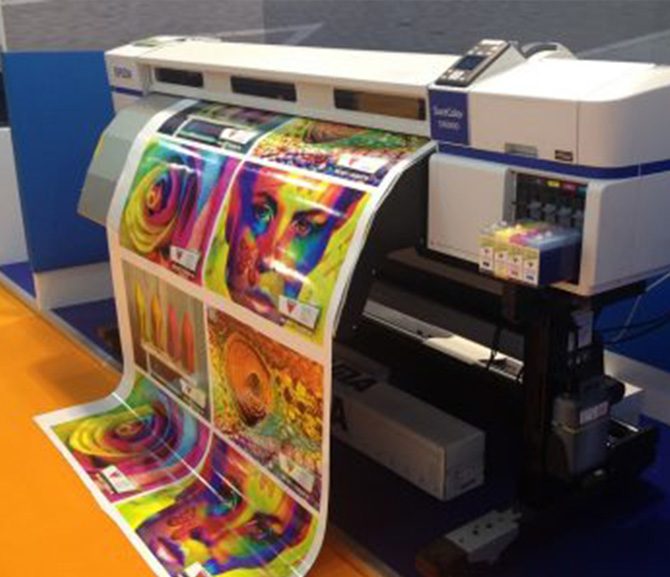
Understanding Poster Printing
Poster printing is a versatile and widely used method for visual communication, spanning fields such as marketing, education, event promotion, and artistic expression. This process involves transferring digital designs onto physical media to create visually impactful displays that can attract attention, convey information, or inspire action. When considering poster printing, it is essential to understand both the technical and practical aspects that influence the final outcome.
The foundation of effective poster printing lies in selecting the appropriate size and materials, which directly impact the poster’s visibility, durability, and overall aesthetic. Larger posters tend to be more eye-catching at events or in public spaces, while smaller formats are suitable for indoor displays or detailed information dissemination. Material choice affects factors such as weather resistance, texture, and finish, helping to determine the poster’s longevity and presentation style.

When initiating a poster printing project, it’s crucial to select design and material options that align with the intended use and environment. For instance, outdoor posters require weather-resistant materials like vinyl or heavy paper, while indoor posters might utilize lighter substrates such as glossy or matte paper. Moreover, the choice of size influences both the design approach and the printing costs, emphasizing the need for careful planning and precise specifications.
In today's digital age, the majority of poster prints are created from high-resolution digital files, ensuring clarity and sharpness in the final product. As such, understanding the technical requirements for digital files, including image resolution and color profiles, becomes integral to achieving professional results. Properly preparing your design files not only influences the print quality but also reduces the risk of common issues such as pixelation or color inconsistencies.
Effective poster printing combines thoughtful design, suitable materials, and precise technical execution. Whether for promotional campaigns, academic presentations, or artistic displays, paying close attention to these foundational elements ensures that your poster communicates effectively and leaves a lasting impression.
Understanding Poster Printing
When aiming to create a visually striking and professional poster, understanding the core principles of poster printing is essential. This knowledge enables you to optimize your design and select appropriate materials, ensuring your final print aligns with your expectations and intended impact. The printing process involves more than just the aesthetic elements; it encompasses the selection of suitable printing methods, materials, and technical specifications that work harmoniously to produce a high-quality poster.

Effective poster printing begins with a thorough understanding of the different printing techniques available. Digital printing, offset printing, and large-format printing are common methods, each with unique advantages suited to various needs. Digital printing is highly flexible and ideal for short runs, offering quick turnaround times and excellent color accuracy. Offset printing, on the other hand, is cost-efficient for larger quantities and produces sharp, consistent results. Large-format printing is suitable for posters that demand high resolution and size, commonly used for promotional displays and banners.
Selection of materials plays a crucial role in achieving the desired durability and aesthetic. Options include paper types such as gloss, matte, or satin finishes; vinyl for weather-resistant outdoor posters; and rigid substrates like foam board or coroplast for display stability. The choice depends largely on where and how the poster will be used. For instance, outdoor posters benefit from weatherproof materials that withstand elements like rain and sunlight, while indoor posters can be printed on lighter, more budget-friendly papers.
Technical specifications are equally important in poster printing. Ensuring your digital files meet the required resolution and color standards helps prevent issues like pixelation or color mismatches. A resolution of 300 dots per inch (dpi) is generally recommended for posters to retain clarity and detail, especially when viewing from close distances. Additionally, color profiles such as CMYK are used in printing to guarantee the colors in your design translate accurately onto the final product.
Furthermore, understanding the differences between digital and traditional printing methods allows you to make informed decisions based on your project needs. Digital printing is more adaptable for customized posters with variable data, while traditional methods, like offset, are preferred for consistency and larger batches.
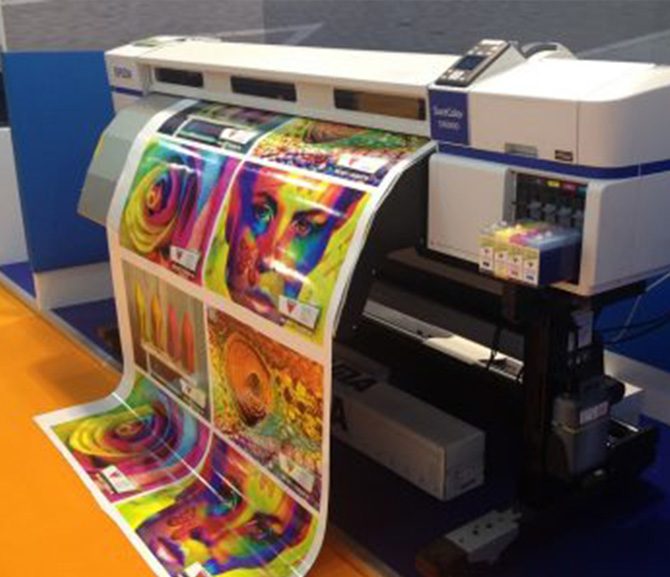
Visualizing the Printed Poster

Having a clear grasp of the entire printing process empowers you to communicate effectively with professional printers, such as those offered by expressprintingsi.com. Clear specifications, proper file preparation, and material selection ensure that the printed poster meets your visual goals and stands out in any environment. Whether crafting promotional materials, academic displays, or artistic creations, understanding the fundamentals of poster printing elevates the final product, making it more impactful and enduring.
Understanding Printing Techniques
Choosing the appropriate printing technique is essential to ensure the quality and durability of your poster print. There are primarily two standard methods used in professional poster printing: digital printing and offset printing. Each method offers distinct advantages and is suited to different project requirements.
Digital printing employs advanced inkjet or laser printers that print directly from digital files. This technique allows for quick turnaround times, cost-efficiency for small to medium quantities, and the flexibility to produce customized posters with unique designs or variable data. Digital printing also maintains high resolution and vibrant color reproduction when executed with quality equipment and materials.
Offset printing, on the other hand, uses plates to transfer ink onto paper through a series of rollers. This traditional method is favored for large-volume orders because it provides excellent consistency, color accuracy, and sharp detail at a competitive cost per unit for bulk quantities. Offset printing requires higher setup costs and longer lead times but delivers superior results for mass production.
Understanding these techniques allows you to make an informed decision based on your project scope, budget, and quality expectations. For promotional campaigns that demand vibrant, eye-catching visuals, digital printing offers the immediacy and customization needed. Conversely, for large promotional displays or exhibitions requiring consistent quality across multiple copies, offset printing remains a highly reliable choice.
Cost Factors and Budgeting for Poster Printing
Effective budgeting for poster printing involves considering multiple cost factors to maximize value without sacrificing quality. Key elements influencing the overall expense include the size of the poster, the chosen material, the printing technique, and the volume of copies.
The size significantly impacts the production cost; larger posters require more materials and higher printing costs. Premium materials like glossy or canvas also add to the expenses but enhance the visual appeal and longevity. Selecting a finishing option such as lamination or mounting can further influence the budget but offers additional protection and presentation refinement.
The volume of copies plays a critical role in cost calculation. Small runs or one-off prints typically incur higher per-unit prices due to setup and labor costs, especially with offset printing. Digital printing presents a more economical solution for limited batches or personalized posters.
When planning your poster project, it’s essential to assess these variables carefully. Communicating with a reputable printing partner, such as expressprintingsi.com, can help you identify the most cost-effective options suited to your objectives. They can provide detailed quotations based on your specifications, ensuring your investment aligns with your desired outcome.
Choosing the Appropriate Poster Printing Technique
When it comes to producing a high-quality poster, selecting the right printing method is crucial. Different techniques offer varying advantages depending on the project's scope, desired finish quality, and budget considerations. Each method influences factors such as color vibrancy, detail resolution, production time, and durability.
The most common techniques include digital printing, offset printing, and large-format inkjet printing. Digital printing is ideal for quick turnarounds and smaller quantities, providing excellent color accuracy and sharp detail. It enables quick modifications without significant setup costs, making it suitable for personalized posters or short-run projects.
Offset printing, on the other hand, is traditionally favored for large-volume runs, delivering consistent color quality and cost efficiency at scale. It involves creating plates for each color, which can entail higher initial setup costs but becomes more economical with increased quantities. Offset prints typically produce vibrant, crisp images and are capable of handling larger poster sizes with precise color matching.
Large-format inkjet printing is particularly useful for posters requiring high-resolution images and detailed graphic displays. This method is versatile, accommodating various materials and finishes, and is commonly used in promotional events, galleries, or outdoor advertising.
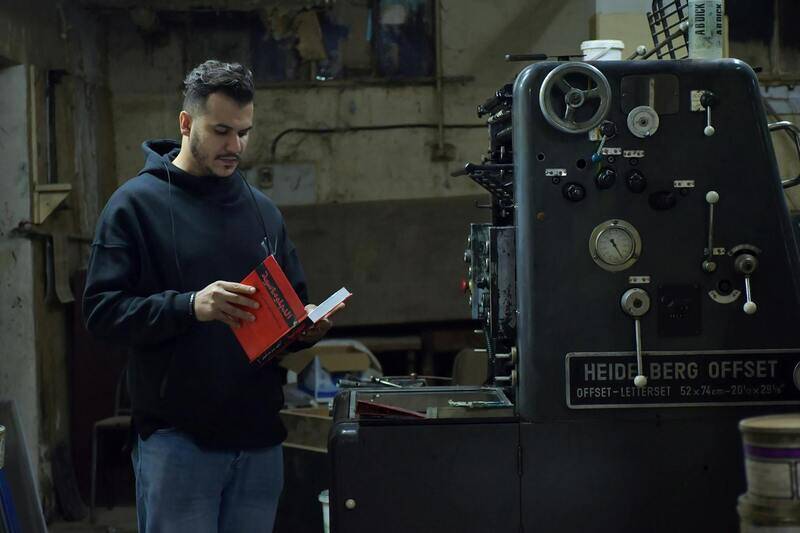
Assessing factors such as print volume, image complexity, budget, and desired longevity will guide the optimal choice of printing technology. Collaborating with a knowledgeable printing provider ensures that the selected technique aligns with your visual expectations and logistical requirements.
Official Methods for Make a Poster Print
When aiming to make a poster print through legitimate channels, it’s essential to adhere to established printing practices that ensure high quality, consistency, and durability. Recognized printing services employ proven techniques and use state-of-the-art technology to deliver professional results. These methods include digital printing, offset printing, and large-format inkjet printing, each suitable for specific project needs.
Digital printing is a popular choice for smaller runs and quick turnarounds. It utilizes high-resolution digital files directly imprinted onto various materials, providing sharp images and vibrant colors. This method is flexible, allowing for easy modifications and short production schedules, making it ideal for personalized posters or promotional materials requiring frequent updates.
Offset printing involves creating plates for each color in the design, then transferring ink onto the printing surface. This process is well-suited for large-volume orders, offering excellent color accuracy, consistent results, and cost efficiency at scale. Offset printing is often used for high-quality posters destined for widespread distribution, where vibrant and sharp imagery is critical.
Large-format inkjet printing is predominantly used for posters with intricate visuals and high-resolution images. It supports a variety of materials, including vinyl, fabric, and specialty papers, and provides durability for outdoor or long-term display. Inkjet printers are capable of producing detailed images with excellent color gradation, making them indispensable for promotional posters, art reproductions, and billboard displays.

Proper File Preparation for Poster Printing
Ensuring your digital files are correctly prepared is fundamental to achieving a high-quality poster print. Proper file preparation minimizes errors, reduces costs, and guarantees that the printed poster matches your creative vision. The process begins with selecting the right file format, typically high-resolution PDFs, TIFFs, or EPS files, which preserve image quality and support professional printing workflows.
Images embedded within your file should be at least 300 dpi at the final print size. This resolution is vital for maintaining sharpness, vivid details, and smooth color gradation, especially for posters containing intricate visuals or photographic elements. Avoid low-resolution images or compressed formats that can result in pixelation or blurry details upon printing.
Color management is equally important. Convert your files to CMYK color mode to align with printing inks and materials, ensuring color accuracy and consistency. Utilizing a color calibration tool for monitors and proofing your design on calibrated displays can significantly improve the match between digital preview and the final printed product.
Include bleed areas—typically 0.125 inches around the design—to prevent unintentional white borders due to trimming and ensure edge-to-edge coverage. Mark crop marks clearly outside the bleed zones to guide accurate trimming by the printing provider.
Explicitly state your expectations and the desired finish within your files. If you require matte or gloss finishes, or specific textures, communicate these details with your printer beforehand. Also, double-check for font embedding or outlining to prevent issues with missing or substituted fonts that can compromise your design’s readability.
Quality control during file submission includes reviewing all pages, checking for unintended color shifts, resolving any overlapping elements or hidden layers, and verifying file integrity. Many legitimate printers offer file review services, which can help identify potential issues before the printing process begins.
By adhering to professional file preparation standards, you empower your printing service to deliver a poster that aligns perfectly with your specifications, maximizing visual impact and durability.

Understanding Poster Printing
Poster printing is a specialized process that transforms your digital designs into vibrant, physical displays. Legal and reputable print service providers utilize advanced printing technology to ensure each poster meets high standards of color accuracy, sharpness, and durability. When you opt to make a poster print through professional channels like expressprintingsi.com, you're leveraging expertise in color management, material selection, and print technology. This guarantees your final product not only captures your intended message but also withstands environmental factors such as sunlight, humidity, and handling over time.

Understanding the printing process involves recognizing the variety of available techniques, such as digital printing, lithography, or large-format printing, each suited to different project sizes and finishes. Reputable printers employ digital presses equipped with high-resolution capabilities, enabling the reproduction of detailed images and rich color gradations essential for impactful posters. These professional methods also include careful calibration and profile management, ensuring consistent output that aligns with your digital design.
Legitimate Methods for Poster Printing
- Digital Printing: Ideal for short runs, full-color images, and quick turnaround. Digital presses produce vibrant results with precise color matching.
- Large-Format Inkjet Printing: Suitable for oversized posters, offering high resolution and customizable media options.
- Lithographic Printing: Best for high-volume projects with consistent quality, often used for commercial posters and promotional displays.
Choosing a service like expressprintingsi.com ensures you access the latest, proven printing technology backed by industry expertise. It is vital to work with vendors who adhere strictly to quality standards, providing you with a guarantee of message clarity and visual impact. Reliable printing providers also offer comprehensive consultation services, assisting with material selection, finishing options, and proofs to finalize your design before the actual print run begins.

Investing in legitimate printing techniques ensures your poster’s visuals are faithfully reproduced, with sharp details and consistent color profiles. This approach prevents discrepancies that can arise from incompatible inks, substandard materials, or miscalibrated equipment. Printing professionals also implement rigorous quality control measures, inspecting each poster for color fidelity, edge integrity, and overall appearance before shipment. Such standards are crucial for maintaining your brand image or campaign message across multiple prints or large display formats.
Ensuring Proper Handling and Final Delivery
After the printing process, proper packaging and handling are essential to maintain your poster's pristine condition during transit. Legitimate suppliers utilize protective wraps, sturdy tubes, or flat packaging options depending on the size and thickness of your print. Ensuring that the final product arrives without creases, smudges, or damage preserves its visual impact and longevity. When working through reliable sources like expressprintingsi.com, you also gain access to assistance with storage solutions and delivery options tailored to your needs, whether you require quick turnaround or scheduled project rollouts.
Ensuring Proper Handling and Final Delivery of Your Poster Prints
To guarantee that your poster maintains its visual appeal and professional quality from the printer to its display location, proper handling and delivery protocols are essential. Once your poster has been printed using legitimate and high-quality methods, meticulous packaging safeguards your investment and ensures the finished product arrives in pristine condition.
Protective Packaging Options for Poster Delivery
- Tube Packaging: Ideal for rolled posters, sturdy cardboard tubes prevent creasing, bending, or crushing during transit. They also facilitate easier storage and transportation for large-format prints.
- Flat Packaging: Suitable for posters that need to remain flat, this method involves flat envelopes or cardboard-backed parcels that protect against folds and dents, especially for thinner or more delicate prints.
- Wrapping Materials: Additional wrapping with bubble wrap or tissue paper provides cushioning against impact shocks and prevents scratches, particularly during longer or complex deliveries.
Handling Considerations for Protecting Your Poster
Proper handling during packaging, loading, and unloading minimizes the risk of damage. Careful lifting, avoiding excessive pressure, and minimizing exposure to moisture are fundamental practices. When dealing with large-format posters, specialized equipment such as lifting straps or flat carts helps manage the weight and size safely.
Choosing Reliable Delivery Services
Partnering with established couriers known for handling fragile and valuable items—such as express courier services or specialized art transport companies—enhances the likelihood that your posters will arrive undamaged. These providers often offer tracking options, insurance packages, and scheduled delivery times tailored to your project deadlines.
Storage and Handling Post-Delivery
Once delivered, storing your posters properly extends their lifespan and maintains their visual impact. Store rolled posters in protective tubes in a climate-controlled environment, avoiding exposure to direct sunlight, humidity, or fluctuating temperatures. For flat posters, use acid-free mounting frames or protective sleeves—this prevents warping, fading, or surface deterioration over time.
Additional Tips for Maintaining Your Posters
- Inspect packaging upon receipt for any signs of damage or mishandling.
- Use professional mounting and framing services to enhance durability and presentation.
- Implement routine maintenance, such as dusting or anti-UV coatings, to extend your poster’s visual appeal.
Adopting these careful handling and delivery practices ensures that your investment in professional poster printing remains impactful and retains its sharpness, color vibrancy, and overall integrity over time. Partnering with trusted printing and delivery providers, such as those available through expressprintingsi.com, guarantees a smooth process from final print to captivating display.