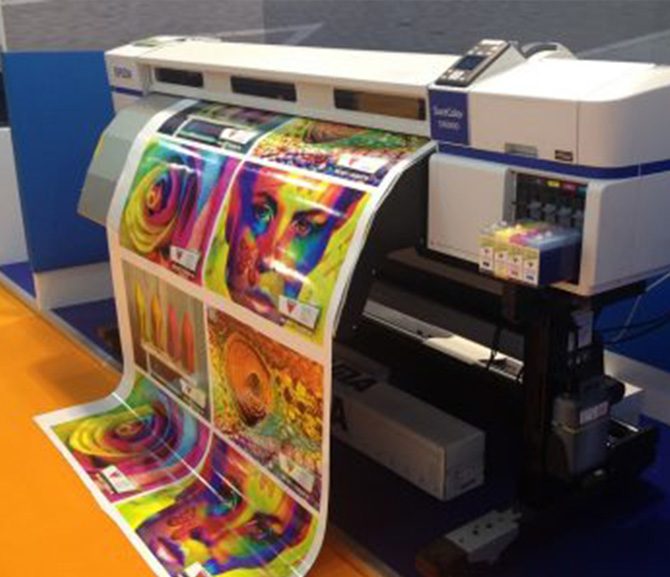
Understanding Color Poster Printing
Color poster printing is a dynamic and visually impactful method of creating large-format displays that communicate messages effectively through vibrant imagery and bold typography. This printing process involves transferring colored inks onto various substrates to produce high-resolution, eye-catching posters suitable for advertising, promotional events, educational purposes, and visual displays. The significance of such printing services lies in their ability to produce vivid, durable, and professional-quality posters that capture attention and convey messages clearly across different environments.
Key features that distinguish color poster printing from other printing techniques include the use of high-quality inks designed for vivid coloration and longevity, advanced printing technologies that ensure sharpness and color accuracy, and a wide array of material options that enhance the poster’s aesthetic appeal. The method's flexibility allows for customized sizes and finishes, making it an indispensable tool for businesses and organizations seeking impactful visual communication.

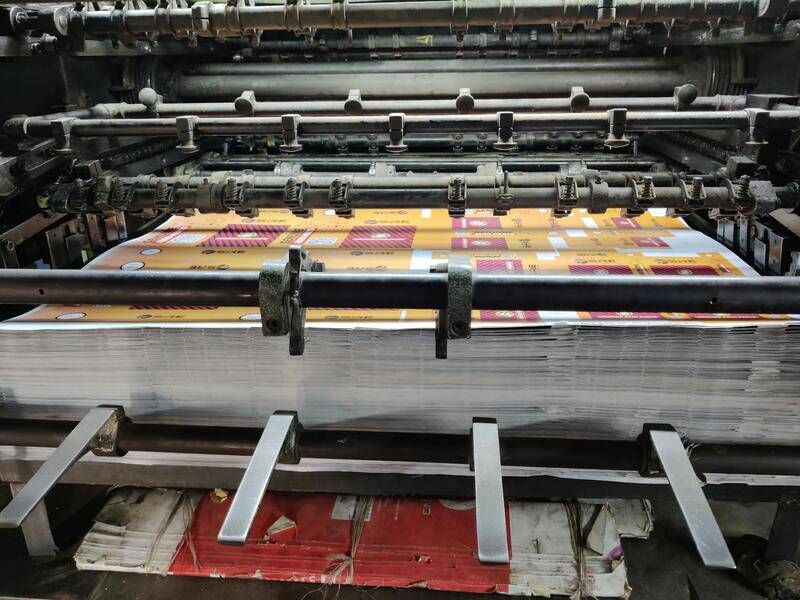
Modern color poster printing harnesses the capabilities of digital and offset printing technologies, enabling rapid production of large quantities with consistent color reproduction. This ensures that every poster maintains the same high standards of visual appeal, whether used for a single event or mass distribution. The ability to reproduce complex images with deep color gradients and fine details makes color poster printing a preferred choice for marketing campaigns, trade shows, and community events.
Moreover, the process allows for customization that aligns with branding and creative requirements. From choice of paper stocks to finishes like gloss or matte, and the option for lamination, the printing process adapts to various applications, ensuring the final product meets specific aesthetic and functional needs. The combination of versatility, quality, and scalability makes color poster printing a vital component of effective visual communication strategies.
As a foundational element of impactful marketing and visual storytelling, color poster printing stands out for its ability to produce large, colorful, and durable displays that make a lasting impression in any setting. Whether for a small local business or a large corporation, understanding how this process works and what makes it unique provides a solid base for leveraging its full potential in professional applications.
Types of Materials Used in Color Poster Printing
Opting for the appropriate material is crucial to achieving the desired visual impact and durability of your color posters. The choice of substrate directly influences not only the poster’s appearance but also its resilience to environmental conditions and handling. Among the most common materials used in color poster printing are various types of paper, vinyl, and canvas, each suited to specific applications and display environments.
Standard paper stocks, such as gloss, matte, and satin finishes, are widely used for indoor displays that require high-quality visual reproduction. Gloss paper enhances color vibrancy and detail, making images pop with clarity, while matte paper minimizes glare and is preferable for posters that will be viewed under strong lighting or need a more subdued aesthetic. Satin finishes offer a balanced option, providing a slight sheen with reduced glare, suitable for both indoor and short-term outdoor use.
Vinyl materials serve as an excellent choice for outdoor posters or situations requiring water resistance and durability. Vinyl posters can withstand exposure to moisture and sunlight without significant fading or warping, maintaining their color integrity over time. They are also flexible and resistant to tearing, making them ideal for banners, signage, and promotional displays in high-traffic environments.
Canvas is another premium material option, offering a textured finish that imparts a sophisticated, artistic look to posters. Canvas prints are often used for decorative purposes and can be stretched or framed, adding to the visual appeal in galleries or offices. The heavyweight nature of canvas enhances the perceived value of the final product and prolongs its lifespan.

Material choice significantly impacts not just the appearance but also the cost and production time of your posters. For instance, premium materials like canvas or specialty vinyl typically come at a higher price point but offer superior durability and visual impact. Conversely, standard paper stocks provide cost-effective solutions suitable for short-term campaigns or indoor displays. Understanding the specific requirements of your project—whether it's outdoor resilience, artistic presentation, or quick turnaround—guides the selection of the most appropriate material for your color posters.
Color Quality and Printing Techniques
High-quality color reproduction is fundamental to compelling poster design. The printing techniques employed—namely digital printing and offset printing—play a key role in achieving vibrant, accurate, and consistent colors across all copies. Digital printing offers rapid turnaround and is ideal for small to medium runs with complex designs requiring fine detail. Offset printing, on the other hand, excels in producing large quantities with uniform color fidelity and cost efficiency.
Modern color poster printing utilizes advanced color management systems to ensure that hues match the design specifications across different materials and printing methods. The use of wide-gamut inks and precise calibration of printing equipment enables the reproduction of deep gradients, subtle shades, and intricate patterns with precision. This technological edge guarantees that every poster aligns with the intended visual identity, critical for branding consistency and impactful messaging.

Achieving optimal color quality also depends on print resolution. High-resolution printing, typically at 300 dots per inch (DPI) or higher, ensures sharp images and crisp text. This level of detail is especially important when reproducing photographs or complex graphics, where clarity can significantly influence the viewer’s perception and engagement.
Furthermore, detailed color proofs and sample previews are essential steps before the full print run, allowing clients and designers to verify color accuracy and make adjustments if necessary. Leveraging sophisticated color calibration tools ensures that the colors seen on the monitor translate accurately onto the printed poster, minimizing discrepancies and enhancing the final product’s visual appeal.
Understanding Color Poster Printing
Color poster printing plays a crucial role in translating digital designs into vibrant, tangible visuals that effectively communicate a message or brand identity. To achieve the most impactful results, the printing process involves meticulous management of ink application, color calibration, and material selection. High-quality color poster printing requires a combination of advanced printing technology and a thorough understanding of color dynamics to ensure that hues appear vivid, accurate, and consistent across multiple copies. The process begins with a detailed prepress setup, where digital files are prepared with precise color profiles, and proofs are generated to validate color fidelity before proceeding with large-scale production. This attention to detail ensures that the final output matches the designed intent, which is vital for marketing campaigns, artistic displays, or corporate branding initiatives. Modern color poster printing employs a variety of methods, including digital and offset printing, each suited for different production volumes and desired quality outcomes. Digital poster printing offers quick turnaround times and flexibility for small batches or customized designs, while offset printing provides cost-effective solutions for bulk orders with sharp, consistent color reproduction. Overall, understanding the nuances of color management and choosing the appropriate printing method are key to producing posters that capture attention and convey professionalism.

Types of Materials Used in Color Poster Printing
The selection of materials is fundamental to achieving the desired visual impact and durability of color posters. Common options include gloss, satin, and matte finishes, each offering unique aesthetic qualities and functional benefits. Glossy papers enhance color vibrancy and are ideal for eye-catching displays, making images pop with crystal-clear detail and shine. Satin finishes strike a balance between gloss and matte, providing a sophisticated look with reduced glare, suitable for both indoor and outdoor environments. Matte materials, on the other hand, reduce reflections, ensuring readability and minimizing fingerprints, making them suitable for longer-term displays or environments with ambient lighting issues. Besides paper-based options, fabric posters and vinyl materials are also popular choices, especially when posters need to withstand exposure to elements or require a textured finish. Vinyl banners and adhesive-backed materials are durable and weather-resistant, ideal for outdoor advertising or high-traffic areas. Selecting the right material hinges on considering the intended location, audience, and desired aesthetic, ensuring that the vibrant colors are effectively showcased while maintaining longevity and durability of the poster.

Advanced Techniques for Color Accuracy and Vibrancy
Achieving striking color vibrancy and accuracy in posters hinges on utilizing the latest printing techniques aligned with rigorous color management protocols. Modern digital presses are equipped with wide-gamut inks and advanced calibration tools, enabling the reproduction of a broad spectrum of colors with high precision. Color profiles and ICC profiles are meticulously applied to ensure that colors are consistent across different devices and printed outputs. High-resolution printing at 300 DPI or greater further enhances image sharpness and detail, vital for reproducing intricate graphics or photographs with subtle gradations. Additionally, spot color printing allows for precise application of special inks for metallic, fluorescents, or other specialty hues, elevating the visual appeal of posters. Layered printing techniques can add depth to the images, providing a three-dimensional feel that enhances the viewer's engagement. Proofing methods, including digital proofs and press checks, are fundamental in verifying color accuracy before the full production run, minimizing discrepancies and ensuring the final product aligns with the original design specifications. These carefully controlled processes collectively help produce high-quality posters that stand out through vibrant, accurate colors and crisp details.
Color Quality and Printing Techniques
Achieving striking color vibrancy and accuracy in posters hinges on utilizing the latest printing techniques aligned with rigorous color management protocols. Modern digital presses are equipped with wide-gamut inks and advanced calibration tools, enabling the reproduction of a broad spectrum of colors with high precision. Color profiles and ICC profiles are meticulously applied to ensure that colors are consistent across different devices and printed outputs. High-resolution printing at 300 DPI or greater further enhances image sharpness and detail, vital for reproducing intricate graphics or photographs with subtle gradations. Additionally, spot color printing allows for precise application of special inks for metallic, fluorescents, or other specialty hues, elevating the visual appeal of posters. Layered printing techniques can add depth to the images, providing a three-dimensional feel that enhances the viewer's engagement. Proofing methods, including digital proofs and press checks, are fundamental in verifying color accuracy before the full production run, minimizing discrepancies and ensuring the final product aligns with the original design specifications. These carefully controlled processes collectively help produce high-quality posters that stand out through vibrant, accurate colors and crisp details.
Significance of Material Choice in Color Poster Printing
The selection of printing materials plays a crucial role in the final appearance and durability of your posters. Different substrates offer varying levels of color vibrancy, texture, and longevity, which directly impact the effectiveness of your advertising or promotional campaigns.
- Glossy Paper: Offers a shiny finish that enhances color brightness and contrast. Ideal for eye-catching displays and detailed imagery, glossy paper makes colors pop but can be prone to fingerprints and glare.
- Matte Paper: Provides a non-reflective surface, reducing glare and improving readability in brightly lit environments. It lends a sophisticated look with subdued color vibrancy, suitable for formal or understated messages.
- Vinyl Banners: Popular for outdoor advertising due to its resistance to weather elements. Vinyl surfaces can hold high-resolution prints with vivid colors and maintain durability over time.
- Photo Paper: Specifically designed for photographic posters, offering excellent detail reproduction and color fidelity, making it perfect for high-quality photographic displays.
When selecting materials, consider the location of display, expected exposure, and the desired visual impact. Durable materials like vinyl ensure longevity in outdoor settings, while premium paper options cater to indoor events, exhibitions, or promotional displays.

Techniques Enhancing Color Precision and Image Clarity
Implementing advanced printing techniques is essential for achieving exceptional color precision and image clarity in poster production. Digital printing technologies, especially inkjet and laser printers, now incorporate multi-layered ink application and color calibration processes that align with industry standards. Techniques such as soft proofing and spectral measurement tools allow for pre-press evaluations, ensuring your colors appear exactly as intended before the final print run. Furthermore, utilizing specialty inks, such as metallic or fluorescent options, can accentuate specific elements within your design for dramatic visual effects. Layering inks in multiple passes adds depth and texture, making images more dynamic and engaging. High-quality substrates combined with these techniques enable the creation of posters that not only capture attention through vibrant colors but also maintain sharp details and crisp lines, even from close distances. Proper maintenance and calibration of printing equipment are critical to sustain consistent results, minimizing color shifts and ensuring that each print meets exacting quality standards.
Color Fidelity and Calibration in Poster Printing
Achieving consistent and accurate color reproduction is paramount in professional poster printing. Modern color poster printing relies heavily on precise calibration of printers and the use of standardized color profiles. This process involves meticulous adjustment of printers to ensure that the colors output match the original digital designs as closely as possible. Color calibration tools and software enable operators to measure and adjust the printer’s output regularly, reducing color discrepancies over time.
Implementing spectral measurement devices enhances color accuracy by analyzing the printed output and comparing it against the intended design. This helps in identifying and correcting deviations that could affect the vibrancy and consistency of the colors. Light conditions where posters are displayed also influence how colors are perceived, making it essential to select printing solutions that produce colors optimized for various lighting environments.
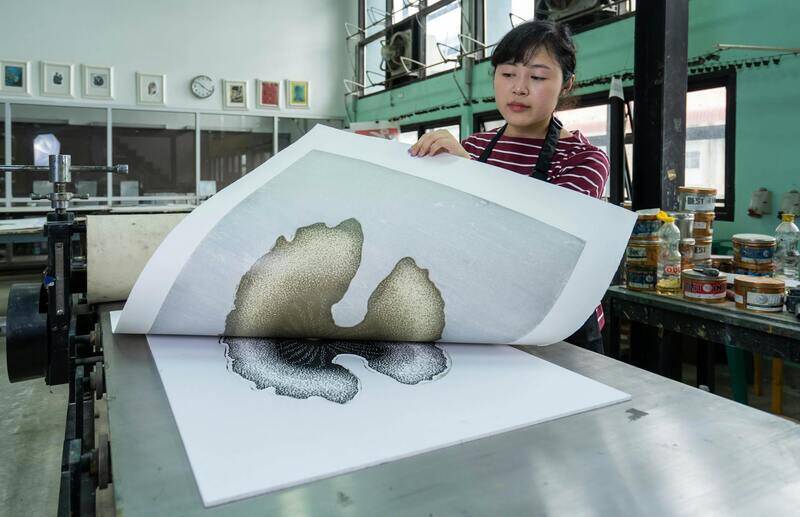
Additionally, the use of advanced color management systems ensures uniformity across multiple print runs, which is crucial for branding consistency. These systems control every stage of the printing process—from digital design to final output—maintaining color integrity regardless of the size or material used.
Specialty inks, including metallic, fluorescent, or gloss finishes, require careful handling and calibration. Correct calibration ensures these inks produce the intended aesthetic effects without unintended color shifts, especially when layered over base colors. This is vital for marketing campaigns, art displays, and other applications where visual impact is critical.
Ensuring Longevity and Color Stability
To guarantee that posters maintain their visual appeal over time, selecting the right ink technology and substrate is essential. UV-resistant inks prevent fading caused by sunlight exposure, while high-quality coatings provide additional protection against scratches and environmental wear. Regular maintenance and calibration of printing equipment further contribute to sustained color stability, ensuring each batch of posters remains vibrant and clear, reinforcing brand identity and message impact.
Understanding Color Poster Printing
Color poster printing is a nuanced process that combines art and technology to bring vibrant visual messages to life. This process involves transforming digital designs into large-scale printed visuals that are both eye-catching and durable. The mastery of color management, choice of printing techniques, and quality control ensures that each poster conveys the intended message with vividness and precision. Quality color poster printing demands an understanding of color theory, ideal color workflows, and calibration methods. It begins with digital design files that incorporate color profiles and specifications tailored for large-format printing. These profiles ensure that the printed colors match what has been envisioned on screen, preserving brand consistency and visual accuracy. Furthermore, color poster printing involves a deep knowledge of different printing processes like digital, offset, and large-format inkjet printing. These methods serve different needs based on volume, material, and fidelity requirements. Skilled printers optimize each step, from color separation and calibration to ink application, ensuring true-to-life color reproduction and sharp detail across diverse poster sizes and formats.
Types of Materials Used in Color Poster Printing
The selection of materials in poster printing significantly impacts the final appearance, durability, and suitability for specific environments. Common substrates include:
- Glossy Paper: Offers vibrant color reproduction and a shiny finish that enhances visual impact, ideal for promotional displays and art posters.
- Matte Paper: Features a non-reflective surface that minimizes glare, making it suitable for indoor environments where viewers may encounter ambient light.
- Vinyl: Known for its toughness and weather resistance, vinyl is preferred for outdoor signage and posters exposed to the elements.
- Canvas: Provides a textured surface that lends an artistic feel, often used for gallery-quality prints and decorative posters.
- Backlit Films: Special materials designed for illuminated displays, ensuring clarity and color vibrancy even in low-light settings.

The choice of material depends on the intended use, durability requirements, and budget considerations. High-quality materials not only enhance visual aesthetics but also contribute significantly to the longevity and weather resistance of the posters, making them suited for various display environments.
Color Quality and Printing Techniques
Achieving high color fidelity in posters requires the implementation of advanced printing techniques combined with precise color management. Techniques such as dye-based and pigment-based printing each come with their unique advantages. Dye-based inks are known for their vibrant colors and wide color range, ideal for indoor posters where longevity is less critical. Pigment-based inks, on the other hand, offer enhanced UV resistance and color stability, making them suitable for outdoor applications. The use of high-definition inkjet printers equipped with multiple color channels allows for detailed color gradations and smooth transitions. Additionally, specialized color calibration tools are employed to ensure consistent output across different print runs, replicating the original digital design accurately. Layering techniques, such as gloss or matte finishes, can also influence the visual perception of colors. For example, a gloss coating can intensify color saturation and provide a sleek appearance, while matte coatings diffuse light, reducing glare and giving a softer, more subdued aesthetic. For projects requiring unique effects, specialty inks like metallic, fluorescent, or pearlescent options are utilized. These inks demand meticulous calibration to produce the desired visual effects without unintended color shifts, especially when layered over standard inks. This level of precision is critical in marketing campaigns, art displays, and branding efforts where visual impact is paramount.
Design Considerations for Effective Posters
Design is the cornerstone of impactful poster printing. Effective posters integrate visual hierarchy, color contrast, and clarity to communicate their message efficiently. When designing for color poster printing, attention must be given to color harmony, text readability, and overall composition.
Contrast between background and foreground elements enhances visibility and draws attention. Bright, saturated colors can stimulate interest, but should be balanced with neutral tones to prevent visual overload. Utilizing color psychology can also help evoke the desired emotional response from viewers.
High-resolution images and vector graphics ensure that details remain sharp when enlarged. The recommended resolution for large-format posters typically exceeds 150 DPI at final size, minimizing pixelation and ensuring crisp details.
Designers should consider the viewing environment—indoors or outdoors—as lighting conditions can alter how colors are perceived. Incorporating bleed edges and safe margins prevents crucial elements from being trimmed during finishing, while comprehensive proofing processes verify color accuracy and layout precision prior to production.
Size and Resolution Options
Posters are available in a range of sizes to suit different display needs. Standard options include A0, A1, A2, and custom dimensions tailored to specific requirements. When choosing size, it’s essential to match the resolution to maintain sharpness: larger posters require higher DPI settings to ensure details are crisp and colors vibrant without pixelation. Typically, a resolution of at least 150 DPI at the final size is recommended for visually detailed posters, while larger banners or backdrops may be printed at lower resolutions, considering the viewing distance. This balance ensures efficient use of materials and optimal printing times while maintaining visual quality. In summary, understanding the nuances of size and resolution options enables the creation of posters that are visually compelling and perfectly suited for their intended environments, whether for indoor displays or large-scale outdoor advertising.
Understanding Color Poster Printing
Color poster printing is an essential aspect of visual communication, designed to deliver impactful messages through vibrant and eye-catching visuals. This printing process involves transferring high-resolution digital images onto large-format substrates using advanced printing technologies such as dye sublimation, UV printing, or solvent-based inkjet systems. The purpose of selecting a reliable color poster printing service is to achieve clarity, color accuracy, and durability in every poster produced.
Color accuracy plays a pivotal role in the effectiveness of posters, especially when branding or detailed imagery is involved. Professionals emphasize the importance of color management throughout the production process—this includes calibrated monitors for designing, color profiles embedded in digital files, and the calibration of printers themselves. By maintaining consistency between the digital design and printed result, businesses and individuals can ensure their visual messaging remains compelling and true to their original concept.
Modern color poster printing leverages wide-gamut inks that can reproduce a broader spectrum of colors, allowing for richer, more vibrant visuals. UV coating and laminations can further enhance poster durability, providing resistance against fading, scratches, and environmental elements. This combination of high-quality inks, precise color management, and protective finishes results in posters that are visually striking and long-lasting, suitable for both indoor displays and outdoor advertising campaigns.
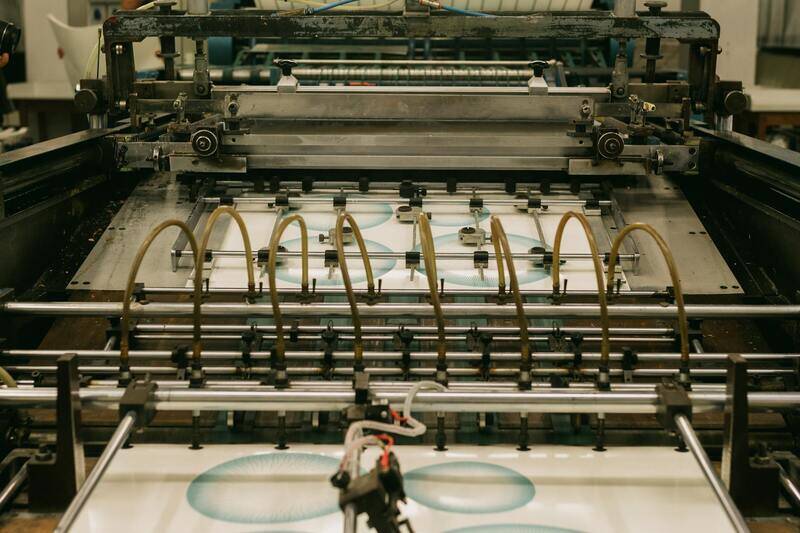
In addition to technical aspects, understanding the practical applications of color poster printing helps in selecting the right approach. For promotional campaigns, vibrant color schemes can draw immediate attention in busy environments, while muted or pastel tones might be more appropriate for sophisticated gallery displays. Adjustments in color saturation, contrast, and brightness can be tailored to match the target audience and context, maximizing visual impact.
Types of Materials Used in Color Poster Printing
The choice of substrate significantly influences the look, feel, and longevity of printed posters. Materials typically used include:
- Glossy Paper: Enhances color vibrancy and contrast, ideal for promotional displays and indoor use where a shiny finish attracts viewers' attention.
- Matte Paper: Provides a subdued, glare-free surface suitable for detailed designs, reducing reflections in brightly lit areas.
- Vinyl: Exceptionally durable and weather-resistant, perfect for outdoor advertising and environments prone to exposure to elements.
- Canvas: Offers a textured, artistic appearance, suitable for gallery displays or premium branding visuals.
Each material choice impacts the print process, durability, and overall presentation. It is important to select a substrate designed to withstand environmental factors or to complement the visual style expected for the application.

Understanding the Importance of Proper Color Poster Printing Methods
Achieving vivid, durable, and accurate color reproduction in poster printing requires utilizing official and reputable printing techniques. The process begins with selecting high-quality digital color management systems, ensuring that colors transfer precisely from digital designs to physical prints. Color calibration tools are employed to maintain consistency across different print runs, which helps in preserving brand integrity and visual appeal. Color profiles such as ICC profiles are integrated into the workflow to match the printed output with on-screen displays, reducing color discrepancies. These calibrated processes are crucial in production environments where precise color matching is necessary for branding, promotional campaigns, or artistic displays.

Advanced printing techniques like six-color or seven-color printing expand the color gamut, enabling a broader spectrum of hues and smoother gradations. These methods involve additional ink channels—such as light cyan, light magenta, and orange—that improve the depth and vibrancy of printed colors. Using solvent-based or UV-curable inks ensures durability and resistance to environmental factors, especially for outdoor or high-traffic placement of posters. Employing professional-grade printers in combination with high-quality inks ensures sharp details, consistent color flow, and minimizes issues like banding or color bleeding, which can compromise the visual impact of the final poster.
Color Enhancement and Finishing Options
To further enhance color brightness and longevity, various finishing options are available through official printing channels. These include lamination with gloss, matte, or satin finishes, which not only improve aesthetic appeal but also protect against scratches, moisture, and UV damage. Spot UV coating can be added selectively to emphasize specific areas or text, creating a striking visual contrast. Moreover, deep embossing or foil stamping can add textured or metallic effects that increase a poster’s visual and tactile appeal. These finishing techniques are executed by professional printers to ensure precision and consistency, ultimately delivering a product that stands out and maintains visual integrity over time.
Adherence to Industry Standards for Output Quality
Strict adherence to industry standards, such as ISO specifications for color accuracy and print quality, ensures every poster meets professional benchmarks. Standardized testing for color gamut, resolution, and ink coverage is conducted regularly to guarantee consistent outputs. Reputable printing services utilize certified equipment and trained personnel to execute these standards meticulously. This commitment to quality control minimizes common printing defects, ensures color fidelity, and produces a class-leading visual impact, whether for marketing, artistic endeavors, or informational displays.