Understanding Picture Poster Printing
Picture poster printing is a specialized process that transforms digital images into large-format prints suitable for display across diverse environments. This technique involves capturing visual content and reproducing it with high precision and clarity, making it ideal for promotional activities, decorative purposes, and event displays. The versatility of poster printing allows businesses, artists, and individuals to communicate messages vividly and attractively, enhancing the visual impact of their campaigns or personal projects.

Applications of picture poster printing span a broad spectrum. Retail stores utilize posters to showcase promotions and products, creating eye-catching displays that draw customers' attention. Event organizers leverage large posters for signage, branding, and thematic decoration that elevate the attendee experience. Artists and photographers rely on poster printing to reproduce their work authentically, allowing for artistic expression to be shared widely in galleries or personal collections. Additionally, educational institutions and corporate offices employ posters for informational and motivational purposes, demonstrating the method's extensive utility across different sectors.
Moreover, the process of picture poster printing involves meticulous attention to detail, from image selection and color management to material choice and print settings. Ensuring the output maintains the desired resolution and color accuracy is crucial, especially when reproducing intricate artwork or photographs. This demand for quality underscores the importance of employing advanced printing technologies and experienced service providers capable of delivering consistent, top-tier results. Ultimately, picture poster printing serves as a powerful visual communication tool that, when executed correctly, can evoke emotional responses, convey messages effectively, and enhance visual environments significantly.
Types of Materials Used for Poster Printing
When selecting materials for picture poster printing, it is vital to consider the environment where the poster will be displayed, desired finish, and durability requirements. Different substrates offer distinct advantages, enabling effective visual communication tailored to specific needs.
- Glossy Paper: This material provides vibrant color reproduction and sharp details, making it ideal for photographic images and artworks that benefit from a luminous finish. Its reflective surface enhances contrast and depth, creating a striking visual impact. However, glossy paper can be prone to fingerprints and glare, which may affect readability in brightly lit areas.
- Matte Paper: Offering a non-reflective surface, matte paper minimizes glare and fingerprints, making it suitable for posters displayed in well-lit environments or requiring a softer aesthetic. Its subdued finish lends a professional look, particularly for educational or corporate settings where readability and durability are priorities.
- Vinyl: Known for robustness and water resistance, vinyl posters are well-suited for outdoor use or environments with high humidity. They maintain color vibrancy over extended periods and withstand exposure to weather elements, making them perfect for advertising billboards or outdoor signage.
- Fabric: Fabric-based posters provide an elegant, textured appearance with excellent durability. They resist tearing and creasing, ideal for exhibitions, trade shows, or installations where longevity and portability are crucial. Additionally, fabric offers a unique aesthetic value that can lend a premium feel to artistic displays.
Design Considerations for Picture Posters
Effective poster design hinges on several critical factors that influence viewer engagement and message clarity. Tailoring these elements ensures the final product aligns with your communication objectives and visual standards.
- Image Resolution: High-resolution images are essential to preserve detail and avoid pixelation when enlarged. Typically, a minimum of 300 DPI at the intended print size guarantees sharpness and clarity.
- Color Management: Accurate color profiles and calibration of design files prevent discrepancies between on-screen visuals and printed output. Using calibrated monitors and embedding color profiles facilitates consistent results.
- Typography and Text Layout: Clear, legible fonts and appropriately sized text elements ensure readability from various distances. Strategic placement of text and imagery enhances overall visual balance.
- Hierarchy and Composition: Employing visual hierarchy guides the viewer's eye through the poster's key messages, emphasizing important information or visual elements for maximum impact.
- Use of White Space: Adequate spacing prevents clutter, allowing focal points to stand out and enhancing overall aesthetic appeal.
Technical Aspects of Picture Poster Printing
When aiming for high-quality picture poster prints, understanding the technical components involved in the printing process is essential. The selection of the appropriate printing technique significantly influences the final appearance, durability, and overall impact of the poster. Various advanced printing technologies are employed to achieve vibrant colors, sharp details, and durable finishes.
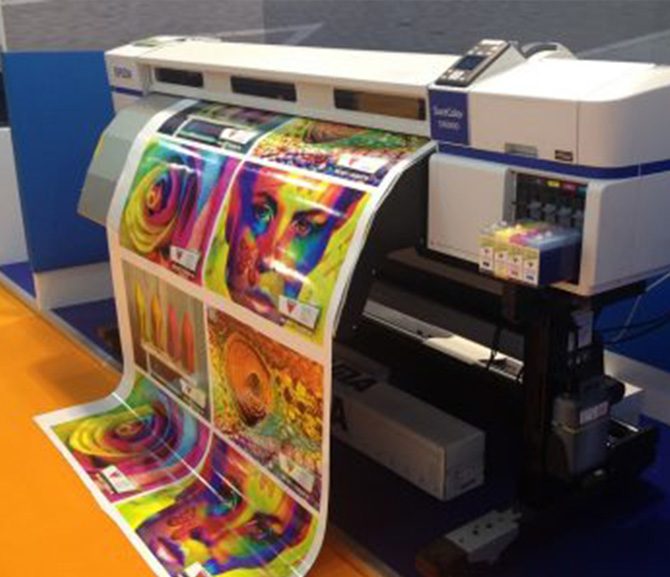
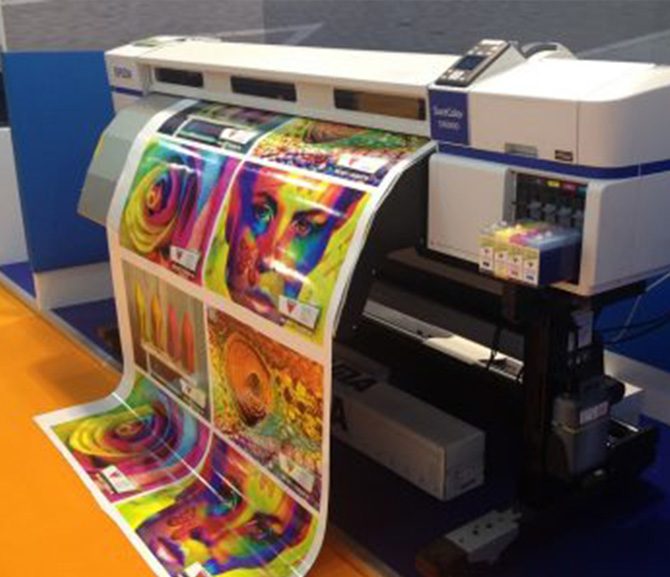
Among the most common methods is digital large-format printing, utilizing advanced inkjet or laser systems designed specifically for printing on large sheets with consistent color fidelity and resolution. Digital printing offers the advantage of quick turnaround times, cost-efficiency for smaller runs, and the ability to produce high-resolution images with intricate details.
Another noteworthy technology is solvent or eco-solvent printing, which employs solvent-based inks known for their excellent adherence on a variety of materials, particularly vinyl and outdoor banners. This method produces weather-resistant posters with vivid colors and long-lasting quality, ideal for outdoor advertising and promotional displays.
UV printing also plays a prominent role in poster creation, especially when printing on rigid substrates like foam boards or acrylic. UV inks are cured instantly under ultraviolet light, resulting in highly durable, scratch-resistant images with a glossy or matte finish. This technology is particularly suitable for high-end displays that require longevity and resistance to environmental factors.
Understanding the nuances of these printing technologies enables clients to select the most appropriate method based on their specific needs, whether for indoor displays, outdoor advertising, or artistic projects. Each technique offers unique advantages in terms of color vibrancy, material compatibility, and lifespan, which are crucial considerations when producing impactful and lasting posters.
Furthermore, attention to color management throughout the process is vital. Utilizing calibrated equipment, color profiling, and proofing ensures that the printed poster accurately reflects the original design intent, preserving brand consistency and visual appeal.
In addition to printing technology, post-processing steps such as lamination or UV coating can enhance the poster's durability, resist scratches and water damage, and improve visual quality. These finishing touches are integral components in ensuring the poster remains vibrant and intact over time.
Choosing the right printing technology depends on various factors, including the poster’s intended environment, budget constraints, and desired lifespan. Consulting with experienced printing professionals can help identify the optimal solution that balances quality, durability, and cost-effectiveness for each project.
Official and Reliable Methods for Picture Poster Printing
When aiming to produce high-quality picture posters, selecting appropriate printing methods is essential. Reliable techniques such as digital printing, large-format printing, and solvent printing are widely recognized for their ability to deliver professional results. These methods are developed and maintained by industry-leading companies that adhere to strict manufacturing standards, ensuring consistent color accuracy, sharpness, and durability. Such technologies utilize advanced inkjet and UV printing systems, which allow for precise color reproduction and detailed image rendering vital for impactful visual displays.
Digital printing, favored for its speed and versatility, is ideal for short runs and customized posters. It makes use of inkjet printers, which deposit tiny droplets of ink directly onto a variety of substrates, including heavyweight paper and synthetic materials. This method is noted for producing vibrant images with fine detail, making it suitable for promotional posters, art reproductions, and event displays.
Large-format printers, often utilizing solvent or eco-solvent inks, cater to larger poster sizes without compromising image quality. They are capable of printing on a broad range of materials, including vinyl, canvas, and mesh fabrics. These printers excel in outdoor advertising due to their high durability and resistance to environmental elements. Solvent-based inks penetrate the material, providing water and UV resistance that extend the lifespan of outdoor posters significantly.
Companies specializing in poster production invest in cutting-edge equipment and follow established protocols to guarantee consistent and long-lasting results. They employ calibrated color management systems and high-quality inks to replicate clients’ designs accurately, maintain brand integrity, and produce visually appealing posters. These official methods are fully compliant with industry standards, providing peace of mind for clients seeking reliable and professional poster printing services.
In addition to the core printing technologies, post-processing options such as lamination, UV coating, or mounting are available. These finishing touches serve to enhance the poster's longevity, resist scratches, water damage, and UV fading, thereby preserving image quality over time.
Partnering with a reputable printing provider ensures that the entire process—from file preparation to final output—is handled with expertise, utilizing legitimate and certified equipment and procedures. This commitment to quality supports the creation of impactful, durable posters suitable for various display environments, whether indoor or outdoor.
Understanding picture poster printing
Picture poster printing involves transferring high-resolution digital images onto various types of printing substrates to create visually striking display media. This process is essential for advertising, art exhibitions, corporate branding, and personal projects. Professional poster printing employs advanced printing technologies that ensure color accuracy, sharp detail, and consistent quality. The choice of images, resolution, and color profiles significantly impacts the final output, requiring meticulous preparation and calibration. Collaborating with authorized printing providers ensures adherence to industry standards and access to state-of-the-art equipment, resulting in posters that are vibrant, durable, and suitable for intended display environments.
Types of materials used for poster printing
The selection of material plays a crucial role in the durability, appearance, and purpose of the poster. Common substrates include:
- Glossy Paper: Offers vibrant color reproduction and eye-catching finishes, ideal for retail displays and art exhibitions.
- Matte Paper: Reduces glare and reflections, providing a sophisticated, understated look suitable for indoor settings like galleries and corporate offices.
- Vinyl Films: Known for their robustness, these materials are often used for outdoor posters due to their water resistance and weatherproof properties.
- Canvas: Provides a textured, artistic quality that mimics traditional paintings, popular among photographers and artists.
- Mesh Fabrics: Used for large outdoor banners where breathability and wind resistance are required.
Design considerations for picture posters
Creating an impactful poster requires careful attention to design principles. To optimize visual appeal and message clarity, consider the following:
- Resolution: Use high-resolution images (generally 300 DPI or higher) to ensure sharpness and detail in large formats.
- Color Management: Employ calibrated color profiles to accurately reproduce brand colors and imagery across different media.
- Legibility: Select clear, readable fonts and ensure sufficient contrast between text and background.
- Composition: Balance visual elements to guide the viewer’s eye and emphasize key messages or focal points.
- Whitespace: Use negative space strategically to avoid clutter and enhance overall aesthetics.
Printing techniques and technologies
The quality and fidelity of picture posters hinge on the printing technology employed. Official printing services utilize high-end digital printing methods such as:
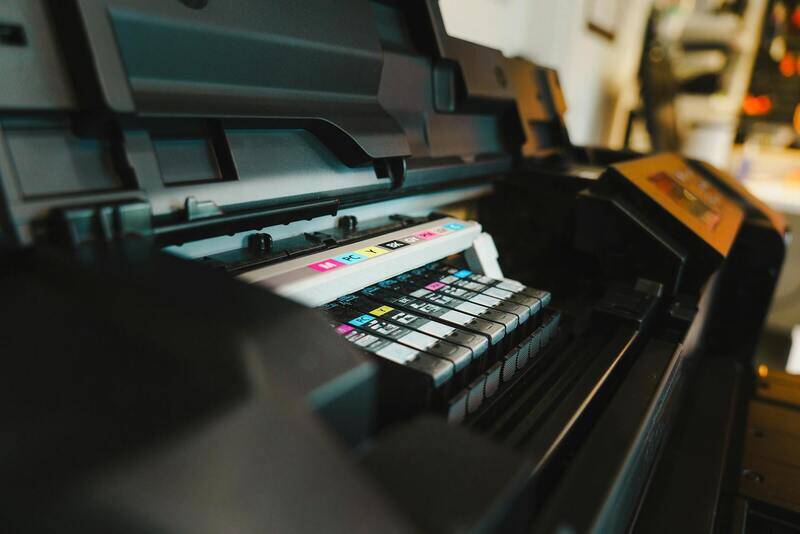
- Large-Format Inkjet Printing: This technique uses specialized wide-format printers with multiple color cartridges, capable of producing vibrant, detailed images on various substrates. Recent innovations include UV and latex inks, which provide enhanced durability and environmental safety.
- Solvent and Eco-Solvent Printing: Widely used for outdoor banners and posters, these methods use solvent-based inks that penetrate the material, resulting in water and UV-resistant images with extended lifespan.
- UV Printing: This process involves curing UV light on special inks that adhere to non-porous surfaces like acrylic or metal, allowing for a range of textured effects and increased durability.
In addition to the core printing process, professionals often incorporate post-processing steps such as lamination, UV coating, or mounting. These finishing treatments improve resistance against scratches, moisture, and fading, preserving the poster’s visual integrity over time. Certified printing providers strictly follow established protocols and utilize industry-grade inks and equipment to deliver reliable, impeccable results that meet specific client requirements.
Understanding picture poster printing
Picture poster printing serves as a powerful tool for visually communicating messages, promoting products, or decorating spaces with personalized artwork. It involves transforming digital images into large-scale prints that retain high resolution and visual impact. To achieve optimal results, the process begins with selecting the appropriate printing method, which directly influences the poster’s appearance, durability, and cost. A professional printing service ensures that every stage—from image preparation to final finishing—meets industry standards for quality, color accuracy, and material compatibility.
Types of materials used for poster printing
Choosing the right material is essential to match the poster’s intended use, viewing environment, and desired lifespan. Common substrates include:
- Glossy and Satin Photo Paper: Ideal for vibrant, high-resolution images with a reflective surface, suitable for indoor displays and artistic presentations.
- Matte Paper: Offers non-reflective finish, reducing glare and fingerprints, perfect for galleries or environments with bright lighting.
- Canvas: Provides a textured, artistic feel, frequently used for decorative art posters and photographic reproductions.
- Rigid Boards and Foam Cores: Used for mounting, these materials add rigidity for display purposes and are often preferred for outdoor or high-traffic areas.
- Vinyl and Banner Material: Durable and weather-resistant, suitable for outdoor advertising and frequent handling.
Design considerations for picture posters
Effective poster design hinges on clarity, visual hierarchy, and color harmony. The layout should guide the viewer’s eye naturally across the content, emphasizing key messages or focal points. Ensuring high-resolution imagery is critical; images should be at least 150-300 DPI at the final print size to prevent pixelation. Color schemes should be vibrant yet balanced, aligning with the overall aesthetic and branding guidelines. Typography must be legible from a distance, with font choices that complement the visual style. Including white space strategically prevents clutter and enhances overall readability. Lastly, incorporating bleed margins ensures that images extend to the edge of the poster without unintended borders or trimming issues.
Printing techniques and technologies
To produce superior picture posters, professional printers employ advanced digital printing technologies, each suited to specific substrates and durability needs.
- Large-Format Inkjet Printing: Utilizes specialized wide-format printers with multiple ink cartridges, producing vibrant, detailed images across various materials. Innovations in UV and latex inks improve durability and environmental safety.
- Solvent and Eco-Solvent Printing: Commonly used for outdoor displays, these inks penetrate the substrate for water and UV resistance, ensuring longevity in harsh conditions.
- UV Printing: Cures UV light on inks to adhere firmly to non-porous surfaces like acrylics and metals, enabling textured effects and increased resilience against environmental factors.
Post-processing involving lamination, UV coating, and mounting further enhances the poster’s resistance to scratches, moisture, and fading. Certified printing providers adhere to strict protocols, ensuring that each poster meets stringent quality standards and client specifications.
Cost factors in picture poster printing
Pricing for picture poster printing varies based on multiple elements. Material selection significantly impacts the overall cost, with premium papers and specialty substrates costing more. The size of the poster is directly proportional to the price, with larger formats requiring more ink and material. Order quantity also influences unit cost; bulk orders typically receive discounted rates. The choice of printing technology affects the price, especially when opting for high-end UV or latex printing methods that offer enhanced durability and color fidelity. Additional expenses may include finishing services like lamination, framing, or mounting, which contribute to the final budget. Understanding these factors helps clients allocate resources effectively, ensuring a balance between quality and affordability.
Maintenance and Longevity of Printed Posters
Effective maintenance of picture posters ensures they retain their vibrant appearance and structural integrity over time. Proper placement plays a crucial role; avoiding direct exposure to harsh sunlight, extreme temperatures, and high humidity can significantly extend the poster’s lifespan. When selecting a location, it is advisable to position posters indoors or in sheltered outdoor areas where environmental factors are controlled.
Cleaning printed posters requires careful attention. Dust and dirt can accumulate on the surface, dulling the visual impact. To clean, use a soft, lint-free cloth or a gentle vacuum with a brush attachment to remove surface debris. For stubborn smudges or fingerprints, lightly dampen the cloth with distilled water or a mild, non-abrasive cleaning solution, avoiding harsh chemicals that could damage the print or substrate.
Prolonging the lifespan of printed posters also involves applying protective finishes. Lamination or UV coating provides a barrier against scratches, moisture, and UV damage. These treatments are especially beneficial for posters displayed in high-traffic areas or outdoor environments where exposure to elements is inevitable.
When it comes to mounting and framing, using quality materials ensures additional protection. Framings with UV-resistant glass or acrylic safeguards against fading caused by light exposure. Proper mounting techniques prevent warping and curling, maintaining a smooth, professional appearance over time.
Routine inspection of posters allows early detection of signs of deterioration such as fading, peeling, or warping. Addressing minor issues promptly, such as re-gluing edges or replacing damaged mounts, can prevent more extensive damage and preserve the artwork's visual impact.
Order Process and Customization Options
Initiating a picture poster printing project involves several key steps that can be tailored to specific needs. Clients typically start with selecting their preferred size, material, and finishing options. High-resolution images are essential to ensure detailed and vibrant output, especially for large-format posters.
Most professional printing services offer comprehensive customization options. These include choosing various substrates like glossy, matte, or satin papers, as well as specialty materials such as canvas or fabric. Custom trimming, framing, and mounting options are also available to match the intended display environment and aesthetic preferences.
Step-by-step, the process involves providing digital artwork, specifying dimensions, and selecting finishing treatments. Many providers facilitate proofing services, allowing clients to review a preview before the final print runs. Once approved, the production phase begins, followed by careful quality checks to ensure the finished poster aligns with specifications.
Order sizes can range from small promotional posters to large-scale advertising displays. In addition, bulk ordering often presents opportunities for discounts and negotiated delivery timelines. Some providers also offer expedited services for urgent projects, ensuring timely completion without compromising on quality.
Throughout the ordering process, clear communication with the printing provider helps align expectations and refine customization choices. Transparency regarding lead times, costs, and post-print support ensures a smooth experience, allowing clients to achieve visually striking posters that meet their precise requirements.
Exploring the Significance of Proper Poster Maintenance and Display
Once a picture poster is printed and received, effective maintenance and strategic display are crucial to preserving its visual appeal and lifespan. Proper handling from installation to routine upkeep ensures that the vibrancy and structural integrity of the poster remain intact over time, allowing for sustained impact and functionality.
Proper Handling and Installation
Handling printed posters with clean, dry hands reduces the risk of smudges, fingerprints, and oil transfer, which can deteriorate the quality of the surface. When installing, using tools such as squeegees and levelers helps achieve wrinkle-free and bubble-free mounting, especially when dealing with large-scale posters. Employing appropriate adhesives or mounting systems compatible with the poster material guarantees durability and minimizes damage during removal or repositioning.
Environmental Considerations
The environment where posters are displayed significantly influences their longevity. Exposure to direct sunlight can cause fading or discoloration, particularly if the poster is printed on low-grade or non-UV protection materials. Moisture, heat, and pollution further accelerate deterioration. To combat these factors, strategic placement away from direct sunlight and on interior walls with stable humidity levels is advised. Utilizing protective framing or lamination adds an extra layer of defense against environmental stressors.
Routine Maintenance Practices
- Cleaning: Regular dusting with a soft, lint-free cloth helps maintain clarity and vibrancy. For more stubborn stains, lightly dampen the cloth with water or use specially formulated cleaning solutions compatible with the poster material. Avoid harsh chemicals or abrasive materials that can damage the print surface.
- Inspection: Periodic checks on the edges and corners can identify early signs of peeling, curling, or fading. Addressing these issues promptly prevents more extensive damage and retains the poster's visual integrity.
- Protection: Consider applying UV coatings or laminates to enhance resistance against fading and physical wear. Frame-mounted posters also benefit from glass or acrylic covers, providing additional protection against dust and accidental contact.
Preservation Techniques for Extended Use
For posters intended for long-term display, professional preservation techniques such as mounted reversible adhesives or archival-quality framing are beneficial. These methods prevent yellowing, curling, or surface degradation over years. When posters are used in high-traffic areas or environments prone to exposure, investing in protective coatings or specialized mounting solutions can ensure they retain their original vibrancy and clarity, serving their purpose effectively for years to come.