Understanding Poster Printing
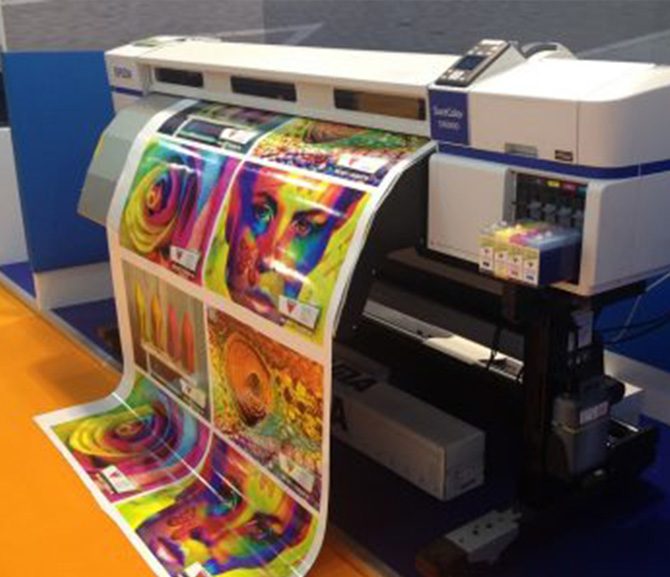
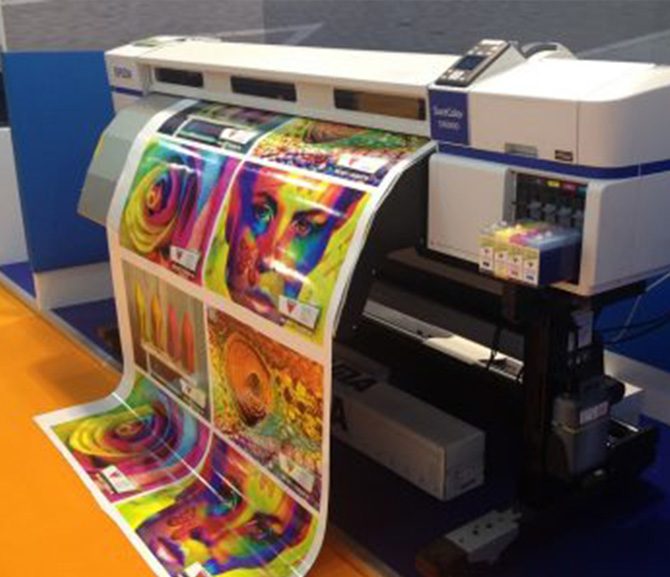
Poster printing is a specialized process that transforms digital designs into tangible visual displays intended for a variety of purposes, from promotional marketing to educational presentations. This process involves selecting the appropriate formats, materials, and printing techniques to produce high-quality visual outputs that effectively communicate messages. Common formats for posters include standard dimensions such as A3, A2, A1, and A0, each suited to specific environments and display purposes. These sizes are chosen based on where and how the posters will be viewed, ensuring visibility and readability from appropriate distances.
The materials used in poster printing range from traditional paper to durable, weather-resistant surfaces suitable for outdoor use. Matte, gloss, and satin finishes are common options, each offering distinct aesthetic and functional qualities. Matte finishes minimize glare, Ideal for indoor environments with controlled lighting, whereas gloss finishes enhance vibrancy, making colors pop and details sharp. The purpose of printed posters varies widely—from advertising campaigns and event promotions to informational displays and decorative art—necessitating careful selection of materials and finishes to match intended use and longevity requirements.
Design Considerations for Poster Printing
Creating an effective poster involves more than just appealing visuals; it requires thoughtful design choices that enhance readability and impact. When designing for print, it is important to use high-resolution images (minimum 300 DPI) to ensure clarity upon enlarging. Color schemes should be designed considering contrast and visibility to attract attention while maintaining visual harmony. Layout balance, font selection, and the inclusion of compelling messaging are crucial elements that contribute to a poster's effectiveness. Clear hierarchy in information helps guide viewers’ eyes naturally through the content, emphasizing key points or calls-to-action.
Utilizing professional design software allows for precise adjustments in layout and color management. It is also essential to produce print-ready files that follow specific bleed, margin, and DPI standards to prevent undesirable cropping or pixelation during printing. By adhering to these design principles, stakeholders can ensure their printed posters deliver their intended message with maximum visual impact.
Materials and Finishes for Posters
The selection of materials for poster printing directly influences durability, appearance, and suitability for specific display conditions. Standard poster paper is cost-effective and ideal for indoor applications, whereas heavyweight and synthetic materials provide resistance to environmental factors such as moisture, UV rays, and tearing. Popular finishing options include lamination, which adds a protective coat for enhanced durability, and mounting options like foam board or vinyl for easy installation on various surfaces.
The choice between finishes such as matte or gloss should align with the poster's location and lighting conditions. Matte finishes reduce glare in brightly lit areas, improving readability, while gloss finishes make colors more vibrant, ideal for eye-catching displays. Ultimately, selecting the right material and finish ensures the poster maintains its visual appeal and integrity over its display period—whether indoors or outdoors.
Design Considerations for Poster Printing
Achieving an impactful poster begins with meticulous design that captures attention and communicates the intended message effectively. The layout should be clean and organized, guiding viewers effortlessly through the content without causing visual clutter. Strategic placement of key elements such as headlines, images, and call-to-action statements enhances readability and engagement. Utilizing a grid system can improve alignment and balance, creating a cohesive visual flow.
Color schemes play a critical role in evoking emotional responses and reinforcing branding. Contrasting colors can emphasize important information, while harmonious palettes maintain aesthetic consistency. Selecting typography that is legible from a distance is essential, with bold fonts for headings and simpler fonts for body text. Avoiding overcrowding with excessive text or overly intricate visuals ensures the message remains clear and impactful.
Incorporating high-quality images and graphics boosts the visual appeal. These visual elements should be relevant and processed at appropriate resolutions to prevent pixilation. Visual hierarchy—using size, weight, and placement—guides viewers naturally through the poster, highlighting the most important information first. Additionally, incorporating space, or negative space, prevents the design from appearing crowded and allows key elements to stand out.
Material Choices and Finish Options
Selection of printing materials affects both the durability and presentation of the finished poster. Standard poster paper is a popular choice for indoor displays due to its affordability and ease of handling. For outdoor or high-traffic areas, heavier materials such as synthetic vinyl or weather-resistant substrates ensure longevity and resistance to environmental factors like moisture and UV exposure.
Finish options further protect and enhance printed posters. Matte finishes reduce glare and are suitable for brightly lit settings, enhancing readability without reflections. Conversely, gloss finishes provide a vibrant, eye-catching appearance for colorful visuals, making them ideal for promotional displays. Laminations can be applied to either finish type, offering additional protection against scratches, moisture, and fading. For installation purposes, mounting options like foam boards or vinyl stickers facilitate secure and versatile display methods.

Size and Format Options
Poster sizes are typically standardized but can be customized to meet specific needs. Common dimensions include A1, A2, and 24x36 inches, suitable for various indoor and outdoor settings. Digital templates offer flexibility in design while adhering to selected size parameters, ensuring the final product fits the intended display space. Formats should be chosen based on the viewing distance and location—larger sizes are effective for outdoor billboards or wall-mounted displays, whereas smaller dimensions suit indoor venues or tabletop presentations.
Flat formats are ideal for straightforward displays, while contour-cut posters add visual interest through custom shapes. Ensuring that your design adheres to the recommended bleed margins and DPI standards during creation prevents unwanted cropping or pixelation, resulting in sharp, high-quality prints.
Advancements in Printing Technologies
Modern poster printing employs advanced digital and large-format printing technologies that facilitate high-resolution output and vibrant color reproduction. Inkjet printers are prevalent for their capacity to produce detailed images, while UV-curable printers offer durable, weather-resistant prints suitable for outdoor use. These technologies support a range of materials and finishes, broadening creative possibilities.
The use of eco-friendly inks and sustainable printing practices is increasingly important, aligning with environmental considerations without compromising quality. Whether producing small batches or large-scale runs, the latest printing equipment ensures consistency, precision, and efficient turnaround times.
Cost Considerations and Budgeting
Understanding the factors that influence printing costs helps in planning an effective budget. Material selection, size, complexity of design, and finishing options all impact the final price. While standard posters on lightweight paper are cost-efficient, premium materials or finishes will elevate costs but also extend the lifespan and visual appeal of the posters.
Bulk orders often benefit from volume discounts, and choosing digital printing over traditional offset methods can reduce setup fees for smaller quantities. It’s vital to balance quality and budget to meet the campaign goals without overspending. Consulting with professional printers can provide clarity on costs and realistic expectations based on the specific project requirements.
Choosing the Right Poster Printing Provider
Selecting a reputable printing service involves considering their expertise, portfolio, and available technology. An experienced provider will offer guidance on material choices, size options, and finishing techniques tailored to your needs. Clarifying turnaround times and reviewing samples or proofs before final production ensures accuracy and satisfaction with the finished product. Reliable customer support and transparent pricing are additional indicators of a trusted partner for your poster printing projects.
Materials and Finishes for Posters
Choosing the appropriate material and finish is essential to achieving the desired visual impact and durability of your poster. Common materials include standard paper, gloss paper, matte paper, and more durable options such as canvas or vinyl. Each material offers distinct advantages: for example, gloss and satin papers enhance vibrant colors and sharp images, making visuals pop for advertisements and promotional displays. Matte finishes, on the other hand, reduce glare and are ideal for posters that will be viewed closely or in brightly lit environments.
For outdoor or long-term displays, weather-resistant options like vinyl and laminated surfaces provide added durability against moisture, UV rays, and other environmental factors. These materials are suitable for bus stops, billboards, or outdoor event posters. Additionally, specialty materials such as fabric-backed posters or textured papers can lend unique tactile qualities, elevating the overall aesthetic for art exhibitions or high-end marketing campaigns.
Types of Finishes and Their Benefits
Finishing techniques play a vital role in enhancing the visual appeal and lifespan of posters. Popular options include:
- Gloss Finish: Adds sheen, makes colors more vibrant, and is perfect for high-impact visuals but can reflect light and show fingerprints.
- Matte Finish: Offers a non-reflective surface, reducing glare, and is better suited for detailed text or artwork that benefits from a subdued appearance.
- Satin Finish: Provides a balanced sheen that combines the best features of gloss and matte, offering durability and moderate reflectivity.
- Laminated Coatings: Adds an extra layer of protection against scratches, moisture, and UV damage, ideal for posters in high-traffic or outdoor settings.
Considering the environment where the poster will be displayed and the desired aesthetic will guide the selection of the most suitable material and finishing method. Professional printing providers can advise on the best options to ensure your poster maintains its visual integrity over time while fitting within your budget.
Understanding Poster Printing
Poster printing is a detailed process that combines creative design with precise printing techniques to produce visually compelling and durable large-format visuals. The process begins with selecting a suitable size, format, and material, aligning with the intended display environment and purpose. High-resolution digital printing methods allow for vibrant color reproduction and sharp details, which are essential for capturing attention and conveying messages effectively. Since posters often serve as focal points in marketing, educational, or artistic contexts, the accuracy of colors and clarity of images are critical factors that influence their impact. Professional poster printing ensures that color consistency and image quality are maintained throughout the production process, utilizing advanced color management systems.
In addition to color fidelity, finishing options such as lamination, framing, or mounting contribute to the poster’s longevity and presentation. Choosing the right printing technology—such as solvent, eco-solvent, or UV printing—also affects the durability and visual quality, especially for outdoor or high-traffic displays. These methods ensure that posters withstand environmental challenges like moisture, UV radiation, and physical wear. Professional production processes also include rigorous quality control measures to ensure consistency and excellence from batch to batch.
When considering poster printing for promotional campaigns, events, or art displays, it’s essential to partner with experienced printing providers who understand the technical nuances involved. They can guide you through the selection of appropriate materials, finishes, and sizes, ensuring that your posters meet your objectives while fitting within your budget. Furthermore, with technological advancements, options like double-sided printing or textured finishes can be explored to create unique visual and tactile effects that elevate the overall presentation.
Leveraging professional poster printing not only ensures a polished appearance but also increases the effectiveness of your visual communication. High-quality output attracts viewers and leaves a lasting impression, whether used for advertising, informational displays, or artistic exhibitions. Investing in expert services guarantees that every detail, from color management to material selection, aligns with your marketing or creative goals, making your posters a powerful tool in your visual strategy.
Advanced Techniques in Poster Finishing and Mounting
To elevate the visual impact and durability of poster displays, professional finishing and mounting techniques are frequently employed. Laminating, for instance, provides a protective layer that shields posters from moisture, tearing, and UV damage, ensuring they retain their vibrancy and structural integrity over time. Glossy finishes enhance color saturation and create a vibrant, eye-catching appearance, ideal for advertisements and promotional visuals. Conversely, matte finishes reduce glare and manifest a sophisticated, muted aesthetic suitable for informational or artistic posters.
In addition to lamination, mounting methods such as foam board, gator board, or magnetic backing enhance stability and ease of installation. Foam board mounting offers lightweight support with a smooth surface that lends a professional look, making it suitable for exhibitions and retail displays. Gator board, being more rigid and durable, provides added strength, ideal for large-scale posters or outdoor needs. Magnetic backing allows flexibility, enabling posters to be easily updated or repositioned without damage to walls or surfaces.
Furthermore, specialty mounting techniques, such as hangers, frames, or adhesive strips, are incorporated based on display environment and longevity requirements. For outdoor signage, weather-resistant mounting options and corrosion-resistant hardware are vital to withstand environmental conditions. Choose mounting and finishing options that align with the poster’s purpose, display location, and expected lifespan to maximize visual impact and resilience.

Proper finishing and mounting are critical in transforming a standard poster into a professional-grade visual asset. These processes not only protect the print but also contribute significantly to how viewers perceive the quality and message of the display. When working with a trusted printing partner, discuss your specific requirements to choose the appropriate finishing techniques and mounting options that will deliver the desired aesthetic and functional results.
Methods to Ensure Poster Printing Accuracy and Quality
Achieving high-quality poster prints requires meticulous attention to detail throughout the printing process. Selecting the appropriate printing method is essential to match the poster’s size, design complexity, intended display environment, and desired finish. Here are official and proven methods to ensure your poster printing meets professional standards:
Collaborate with Experienced Printing Specialists
Partnering with reputable printers who have extensive expertise in poster production guarantees that your design is translated accurately from digital file to physical print. These specialists understand the nuances of different printing technologies and can advise on optimal file preparation, material selection, and finishing techniques. Their knowledge minimizes errors such as color mismatches, resolution issues, or misalignment, providing a reliable pathway to achieving your vision.
Use High-Resolution Files and Proper Formats
For optimal clarity and detail, utilize high-resolution images and vector-based graphics when preparing your poster file. Formats such as PDF, TIFF, or EPS preserve image quality and are compatible with professional printing equipment. Ensure that all fonts are embedded or converted to outlines to prevent substitution or misrepresentation during printing. Providing a well-prepared file reduces the need for reprints, saving time and resources.
Color Management and Color Proofing
Color accuracy is vital in professional poster printing. Employ color management systems (CMS) and color calibration tools to ensure that the colors in your digital design match the final printed output. Requesting a physical proof or sample print from your printing service allows for verification of color fidelity, layout, and overall appearance before producing the full batch. This step is crucial for maintaining consistent branding and visual impact.
Material and Finish Selection
The selection of print material and finish directly influences durability, appearance, and how the poster interacts with light. Matte finishes reduce glare and are ideal for posters with extensive text, while gloss finishes enhance vibrancy for images. Metallic or specialty papers can add a premium look, but it’s essential to confirm that the chosen material is compatible with the selected printing technology.

Maintain Quality Control Checks
Implementing quality control procedures throughout the production process mitigates errors and ensures consistency. This includes inspecting digital proofs, verifying color accuracy, checking file resolution, and confirming material specifications. Post-print inspection is equally important to identify any issues such as misalignments, color inconsistencies, or defects, allowing timely corrections.
Choose Certified and Industry-Standard Printing Technologies
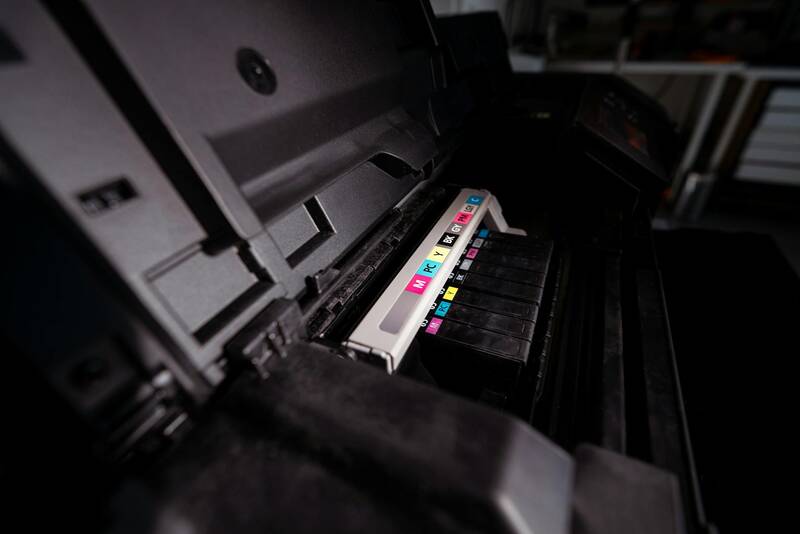
Opt for printing methods that employ industry-certified machines such as large-format inkjet or dye-sublimation printers. These technologies deliver superior color depth, sharpness, and longevity. When selecting a printing partner, inquire about the equipment used and their adherence to industry standards, as this significantly affects output quality.
Implementing these official practices and working with trusted professionals ensures your poster printing will consistently meet high-quality standards, enhance visual appeal, and fulfill your communication objectives effectively.
Understanding Poster Printing
Poster printing encompasses a variety of techniques and considerations to produce vibrant, durable, and visually appealing posters. It involves not just the actual printing process but also meticulous planning regarding design, material selection, and technological application. To ensure your poster effectively communicates your message and withstands handling over time, it is crucial to utilize proper methods aligned with industry standards and best practices.
Official and Reliable Methods for Poster Printing
When seeking poster printing services, it is vital to select methods that adhere to industry-approved standards. Digital large-format printing remains the most prevalent choice for producing posters, especially when durability and vivid color reproduction are priorities. This process uses advanced inkjet or other high-end printers that produce sharp images with accurate color representation, ensuring your poster stands out in any setting.
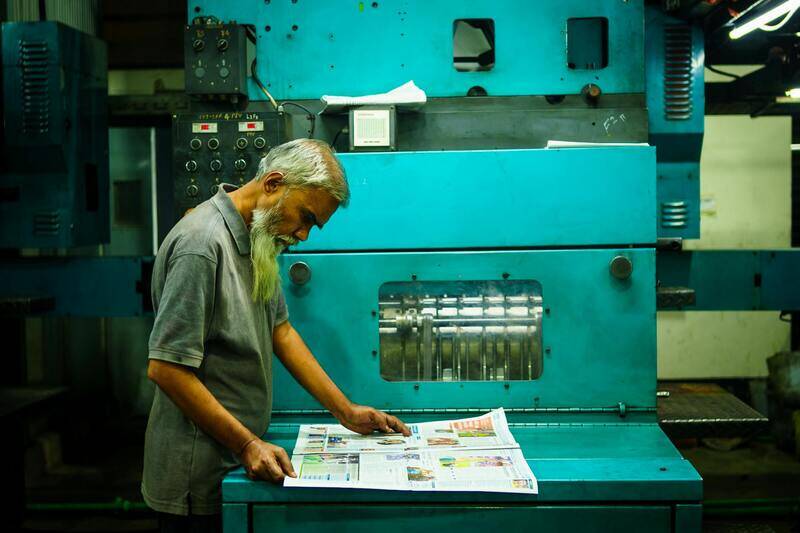
Offset printing, although less common for small quantities, is another reputable technique suited for large batch runs demanding consistent quality and color precision. Both methods require meticulous pre-production preparations, including file formatting and material selection, to avoid common issues such as color mismatches or resolution drop-offs.
Material Selection for Poster Durability and Visual Appeal
Choosing the right material plays a key role in the final presentation of your poster and its longevity. Standard options include gloss and matte finishes, each offering distinct benefits:
- Gloss Finish: Enhances color vibrancy and detail, making images pop vividly. It is suitable for posters intended for display in well-lit environments where eye-catching visuals are essential.
- Matte Finish: Provides a subdued appearance that reduces glare, ideal for posters with extensive textual information or for environments with strong ambient lighting.
For premium presentations, metallic or specialty papers can add a distinctive sheen or texture, elevating the poster's aesthetic appeal. Nonetheless, confirming the compatibility of chosen materials with the selected printing technology ensures optimal results.
Optimizing Image and Color Fidelity through Official Practices
Achieving accurate color reproduction begins with submitting files that meet industry standards—typically in high-resolution formats such as PDF, TIFF, or EPS. These formats preserve detail and prevent pixelation during enlargement. Employing color management systems, such as color profiles aligned with printing equipment, guarantees that what you see on your screen closely matches the printed output.
Process control measures—including digital proofs and sample prints—serve as checkpoints to identify and correct discrepancies early. Regular calibration of printing machines and adherence to manufacturer guidelines further ensure consistency from batch to batch.
Technology Adoption and Quality Assurance
Most trusted poster printing providers utilize official, certified machinery such as large-format inkjet printers equipped with high-quality inks designed for outdoor and indoor applications. These printers deliver sharp detail, accurate colors, and durable prints resistant to fading and environmental factors. When commissioning a poster, inquire about the specific equipment used, ensuring it aligns with industry standards for quality production.

Working with providers that employ certified printing procedures and regularly maintain equipment ensures your posters will meet defined quality benchmarks. This practice minimizes errors and enhances your overall communication results, particularly when handling high-stakes projects such as marketing campaigns or critical event promotions.
Understanding Poster Printing
Poster printing involves transforming digital designs into tangible, visually impactful displays suitable for various purposes such as advertising, educational displays, and event promotions. This process requires meticulous attention to detail in design, material selection, and printing technology to produce a product that accurately reflects the intended message while withstanding environmental factors. Precision in color reproduction, resolution, and material durability are essential to ensure the final poster captures attention and maintains its visual appeal over time.
Effective poster printing begins with high-quality digital files optimized for large-format output. Ensuring that your artwork adheres to specified resolution and color profiles prevents pixelation and color mismatches. Proper file preparation, including the use of vector formats like EPS or PDF for graphics and high-resolution images, guarantees sharpness and clarity regardless of the poster’s size. Additionally, understanding the printing process and materials available helps in making informed choices that align with your budget and purpose, whether indoor or outdoor use.

Design Considerations for Poster Printing
Designing an effective poster requires a strategic approach that balances visual appeal with clear communication. Key considerations include the use of bold, legible fonts, eye-catching imagery, and a cohesive color palette that complements your branding or message. The layout should guide viewers' attention seamlessly from the headline to supporting details, ensuring that the core message is immediately understood. Incorporating ample white space prevents clutter, making the poster easier to read from a distance.
Contrasts and color choices significantly influence visibility and impact. High-contrast combinations enhance readability, especially in outdoor environments or under varying lighting conditions. Make use of scalable vectors for logos and icons to ensure they retain quality regardless of size. Testing your design with a printed proof allows for adjustments before committing to the final batch, saving time and resources down the line.
Materials and Finishes for Posters
The selection of materials plays a pivotal role in the durability and aesthetic appeal of posters. Common options include gloss, matte, and satin finishes, each offering different visual effects and environmental resistances. Gloss finishes provide vibrancy and sharpness, making colors pop, but may reflect glare under certain lighting. Matte finishes reduce glare and are ideal for indoor settings or for artworks where minimal shine is preferred. Satin offers a balanced look, combining some sheen with reduced reflection.
Materials such as vinyl, paper, and synthetic fabrics are popular choices, with vinyl being particularly suitable for outdoor applications due to its weather resistance. The thickness of the material also influences its sturdiness and ease of handling. For added protection, laminating or coating can enhance waterproofing and longevity, particularly for posters exposed to outdoor elements or high-traffic environments.

Size and Format Options
Posters are available in a wide array of sizes and formats, allowing customization based on application and display environment. Standard sizes such as A0, A1, and A2 are popular for their versatility and ease of transport. Larger formats, including custom dimensions, are also common for impactful visual displays in outdoor advertising or large event setups.
When selecting dimensions, consider the viewing distance and the environment where the poster will be displayed. Smaller posters are suitable for indoor use in close proximity, while larger formats excel in outdoor or open areas where visibility from afar is essential. Format considerations extend to aspect ratios, which should align with your design layout to prevent unwanted cropping or stretching. Digital files should be prepared with these dimensions in mind, ensuring the resolution remains high enough for quality printing at the chosen size.
Printing Technologies Used in Poster Production
The primary printing methods for high-quality posters include large-format inkjet printing and digital printing techniques that utilize advanced color management systems. These technologies enable precise reproduction of colors and fine details. Large-format inkjet printers employ specialized inks and high-resolution printheads to produce sharp, vibrant images with excellent color gradients and depth.
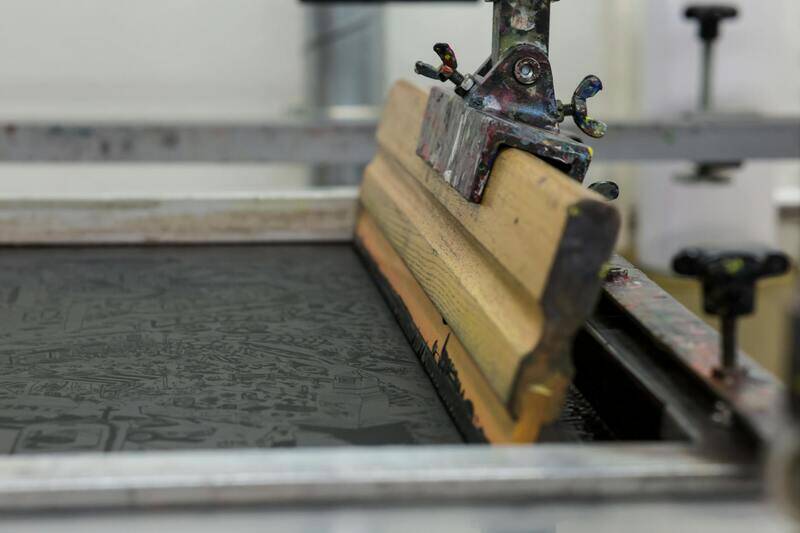
Modern printers are equipped with UV-resistant inks and weatherproof coatings, ensuring outdoor durability. The precision of these machines, coupled with rigorous maintenance and calibration procedures, guarantees consistent output quality. Screen printing, while still used for certain applications or limited runs, is less common nowadays due to the versatility and efficiency of digital large-format printers.
Cost Factors and Budgeting for Poster Printing
Understanding cost drivers in poster printing enables more effective budget planning. Factors influencing the price include the size and complexity of the design, material choice, finish, and turnaround times. Higher-resolution printing, premium materials, and specialized finishes naturally entail higher costs. Additionally, quantities ordered can lead to bulk discounts, making large orders more economical on a per-unit basis.
Other considerations impacting costs involve pre-press processes such as design revisions and file setup, as well as post-printing services like mounting or framing, if required. Establishing a clear budget upfront and discussing options with your printing provider can help streamline decision-making, ensuring the final product aligns with your expectations and financial constraints.
Choosing a Poster Printing Service in Singapore
Authentic poster printing services in Singapore emphasize transparent practices, utilizing certified equipment and proven printing techniques. When selecting a provider, prioritize those with extensive experience in handling various materials and sizes, as well as a portfolio demonstrating their capabilities in producing high-quality visuals.
Engaging with a reputable service ensures access to modern, calibrated machinery that delivers consistent color accuracy and sharpness. Knowledgeable staff can assist with material recommendations best suited for your intended use, as well as advise on optimal design specifications. Consider providers that offer sample prints or proofs prior to full production, allowing for adjustments and preventing costly errors.
Furthermore, choose a company committed to timely delivery and excellent customer support. Reliable communication and professionalism contribute to a smooth production process, ultimately resulting in posters that effectively communicate your message and stand the test of time.