Overview of Colour Printing Services in Singapore
Colour printing has become an integral part of many industries in Singapore, serving a wide range of applications from marketing collateral to educational materials and packaging. The vibrant and high-quality output that colour printing offers enhances visual appeal and effectively communicates brand messages. Businesses and individuals seeking colour printing services often choose from various options to suit their specific needs, whether it involves digital printing for small batches or offset printing for larger volume requirements.

In Singapore, the colour printing sector caters to diverse sectors such as retail, corporate, creative industries, and B2B services. Common applications include flyers, posters, brochures, business cards, product packaging, and point-of-sale displays. These services are provided by a broad spectrum of printing companies, ranging from local print shops to large commercial printers equipped with advanced technology to ensure colour fidelity and sharpness.
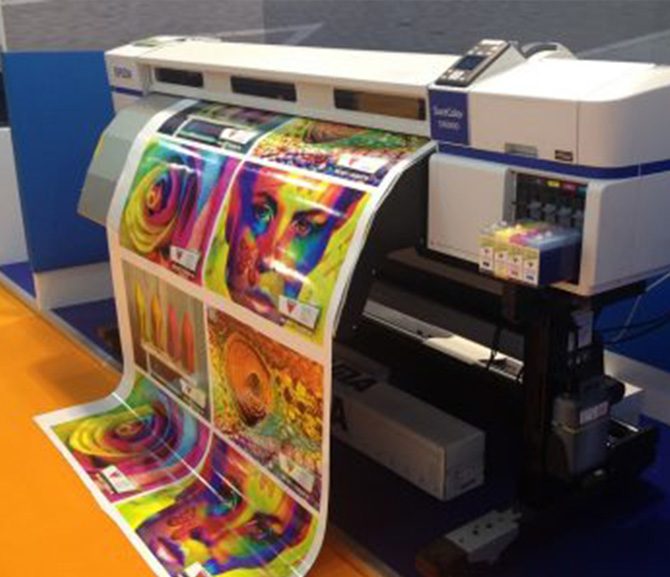
The choice of printing technology impacts the output quality and costs. Digital colour printing is widely used for short-run projects due to its faster turnaround and lower setup costs, while offset printing remains a preferred choice for bulk printing owing to its cost-effectiveness at high volumes. Additionally, specialised printing techniques such as UV printing, eco-solvent printing, and large-format printing cater to unique industry requirements, further diversifying the landscape of colour printing services in Singapore.
The industry also includes personalized print options such as customised stationery, event banners, and promotional items. As Singapore continues to develop as a commercial hub, the demand for high-quality, cost-effective colour printing services persists, driving continuous innovation and competitive pricing strategies within the sector.

Understanding the landscape of colour printing services in Singapore is crucial for consumers looking to procure quality prints at competitive prices. The dynamic nature of the industry, driven by technological advancements and evolving market needs, means that service providers are consistently updating their offerings and pricing models to cater to a diverse clientele.
This overview sets the stage for exploring the specific factors influencing costs, average pricing ranges, and strategies for obtaining the best value for colour printing projects in Singapore. A thorough understanding of these elements enables customers to make informed decisions and optimize their printing investments effectively.
Factors Influencing Colour Printing Prices
Understanding the determinants of colour printing costs in Singapore enables businesses and individuals to better manage their budgets and select appropriate services. Several core factors directly impact pricing, including the print volume, material quality, complexity of colours, and the technology employed during the printing process.
Print volume is a significant cost driver; bulk orders typically enjoy economies of scale, reducing the unit price compared to smaller runs. This is especially advantageous for large marketing campaigns, event banners, or corporate stationary. Material quality also influences costs, with premium paper stocks or specialty substrates like textured papers or transparent films carrying higher price tags than standard options. The choice of material affects not only the aesthetics but also the durability and overall presentation of the final product.
The complexity of colours, such as the use of multiple colour gradients, special finishes, or metallic inks, can further elevate costs. High colour fidelity and image sharpness are achieved through advanced printing techniques which may require more expensive consumables and precise calibration. Additionally, the kind of printing technology—digital printing, lithography, or large-format printing—affects pricing. Digital print methods excel for short runs with quick turnaround times, often at a higher per-unit cost, whereas offset printing remains economical for large quantities despite longer setup durations.
Average Cost Range for Colour Printing
In Singapore, the price spectrum for colour printing services is diverse, reflecting the range of options and quality levels available. For basic digital colour printing, consumers can expect to pay approximately S$0.10 to S$0.50 per page for standard materials in moderate quantities. Small batch projects or single orders tend to fall within this price range. As the complexity and size of the print job increase, costs can escalate to about S$1.00 to S$2.50 per page for premium finishes or larger formats.
For high-volume printing or specialised jobs, such as large banners, vehicle wraps, or textured business cards, prices are often negotiated on a case-by-case basis. Bulk discounts and package deals are common in this segment, making it essential for clients to request detailed quotations from multiple providers to ensure competitive pricing.

Pricing for Different Printing Materials
Different substrates have distinct pricing structures. Standard A4/A3 paper stocks are the most affordable, suitable for flyers, internal documents, and basic marketing materials. For more durable or aesthetically distinctive options such as glossy photo paper, matte finishes, or textured stocks, the costs range higher. Specialty materials like clear acrylic panels, metal sheets, or fabric banners involve advanced printing techniques and correspondingly higher fees.
Eco-friendly and recycled materials have gained popularity and tend to be priced similarly to their conventional counterparts, though some providers offer discounts or incentives for environmentally conscious choices. Custom-sized or bespoke materials generally entail additional setup costs and should be factored into the overall budget.

Comparing Prices Across Printing Providers
Price disparities among Singaporean printing companies can be attributed to differences in technology, operational efficiency, and service scope. Some providers leverage high-end digital presses capable of delivering vivid colours with minimal setup. Others focus on offset printing, ideal for large runs with consistent quality and lower per-unit prices.
It is advisable to request comprehensive quotations that include all potential charges. Some firms incorporate setup fees, delivery charges, or additional options such as lamination or folding into their base prices. Comparing these details helps avoid unexpected expenses and ensures a fair assessment of value versus cost.

Additional Costs and Hidden Fees
Beyond the base price, clients should be aware of incidental charges that may arise. These include artwork preparation fees, colour correction costs, or charges for rush orders and special finishes. Some providers impose surcharge for small batch sizes or for printing on unconventional materials. Delivery and logistics expenses can also impact overall budgeting and should be confirmed upfront.
Transparency when discussing project scope and requirements with the printing company ensures there are no surprises. Clarifying all potential costs allows for more accurate budgeting and helps maintain control over printing expenditures.

Tips for Getting the Best Price for Colour Printing
- Plan your projects ahead of deadlines to secure better rates and avoid rush order surcharges.
- Leverage bulk printing by consolidating multiple jobs to benefit from volume discounts.
- Request detailed quotations from several providers to compare prices and inclusions thoroughly.
- Opt for standard sizes and materials when possible to reduce setup and material costs.
- Maintain clear communication about project specifications upfront to prevent revisions and associated charges.
- Consider local printing shops with high reviews and proven reputations for quality and reliability.
Future Trends in Colour Printing Pricing
The landscape of colour printing pricing in Singapore is poised for change driven by advances in digital technology, eco-friendly practices, and automation. The integration of high-speed digital presses and printing management software is expected to lower costs and increase efficiency. As sustainability becomes a central concern, eco-conscious materials and processes will likely influence price structures, potentially offering savings through government initiatives or eco-incentive programs.
Moreover, competitive pressures from innovative digital workflows and online platforms are fostering more transparent and flexible pricing models. Clients can anticipate more tailored solutions, dynamic pricing, and faster turnaround times in the emerging market landscape.
Overview of Colour Printing Services in Singapore
Colour printing in Singapore encompasses a wide range of options tailored to meet diverse needs, from small business promotions to large-scale marketing campaigns. These services are available through various channels, including local print shops, established printing companies, and online printing platforms. Customers typically seek high-quality output with vibrant colour accuracy, consistent tone, and durable materials. Understanding the nuances of these services involves examining the different printing methods, the quality standards maintained by providers, and the specific applications suited to each technique.
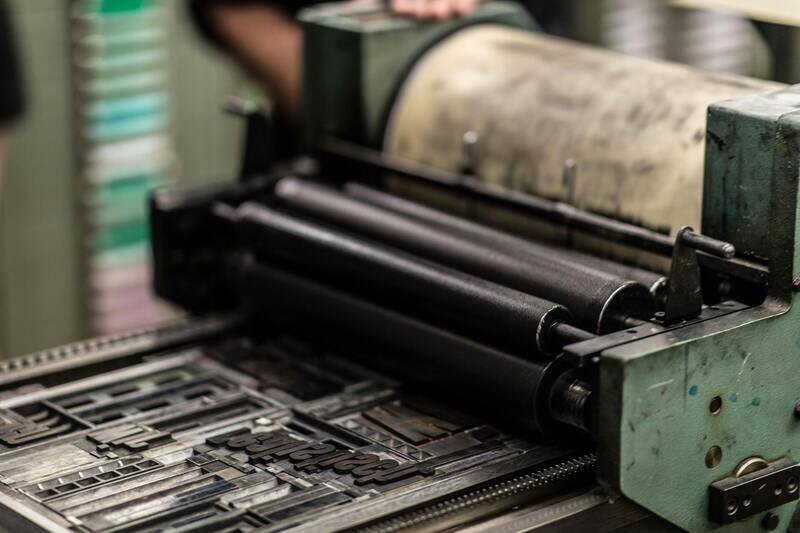
For standard marketing materials such as flyers, brochures, or posters, digital printing offers quick turnaround times and cost-efficiency for short runs. Larger projects or those requiring intricate colour fidelity may utilize offset printing, ensuring vivid, precise images across bulk quantities. Large-format printers are also in high demand for banners, exhibition displays, and signage, requiring specialized machinery capable of large-scale colour rendering. The choice of service depends largely on project scope, volume, and quality specifications, all of which influence overall price and delivery timelines.
Factors Influencing Colour Printing Prices
Several elements determine the final cost of colour printing projects in Singapore, with each factor contributing to the overall pricing structure. These include the type of printing technology employed, the quality of materials used, artwork complexity, and production volume. Local printing shops may also adjust their rates based on demand fluctuations, operational costs, and their target market segment.
- Printing Method: Digital printing generally offers lower costs for short runs due to reduced setup times. Offset printing, while more expensive initially, becomes more economical at higher volumes because of its faster per-unit cost.
- Material Choices: Premium paper stocks, eco-friendly substrates, and specialty finishes such as gloss or matte coatings significantly influence prices. The thicker or more textured the material, the higher the cost.
- Colour Complexity and Artwork: Multi-colour designs or high-resolution images require more precise calibration and ink usage, which can drive up expenses. Large, full-bleed images tend to incur additional setup charges to ensure seamless output.
- Project Volume: Bulk orders benefit from volume discounts, making per-piece costs more affordable. Conversely, small quantities typically carry higher unit costs due to setup and material handling.
- Turnaround Time: Expedited services or rush orders may attract premium pricing. Planning projects well in advance often results in cost savings.
Working closely with a printing provider to understand these factors allows for strategic planning to optimize costs without compromising quality. Transparent communication about design specifications and desired outcomes helps providers deliver accurate quotations and avoid unforeseen charges.

Pricing for Different Printing Materials
When considering colour printing in Singapore, the selection of materials plays a pivotal role in determining the final cost. Each material type offers unique qualities that cater to different project requirements, influencing the overall expense.
- Standard Paper and Cardstock
- Commonly used for flyers, posters, and brochures, standard paper and cardstock are among the most affordable options. They provide vibrant colour reproduction while maintaining reasonable costs. Higher-grade matte or gloss finishes, however, can add to the expense due to enhanced surface treatments that improve print quality and durability.
- Premium and Specialty Papers
- Materials such as textured, thick, or eco-friendly papers often carry higher prices. These are preferred for premium branding materials where tactile quality enhances brand perception. Specialty finishes like soft-touch coatings, foil stamping, or metallic papers further increase material costs but deliver distinctive visual effects that justify the investment.
- Vinyl and Adhesive Materials
- Popular for outdoor signage or decorative applications, vinyl and adhesive-backed materials are inherently more costly than standard papers. The durability of vinyl against weather conditions adds to their price, alongside the need for specialized printing equipment and inks capable of adhering effectively to non-porous surfaces.
- Fabric and Textile Substrates
- Used in banners, clothing, or custom fabric items, textiles usually involve higher material costs. The process requires specific inks and pre-treatment steps to ensure vibrant, long-lasting prints. The expense increases with the complexity of the design and the type of fabric used.

Understanding the nuances of each material type helps clients select the most appropriate options for their budget and project goals. While premium materials enhance aesthetic appeal, balancing quality and cost is essential for staying within budget. Consulting with experienced printing providers ensures that material choices align with both visual expectations and financial considerations, leading to efficient and cost-effective outcomes.
Pricing for Different Printing Materials
When evaluating the cost of colour printing in Singapore, it is essential to consider the specific materials used in your project. Each material type contributes differently to the overall expense, depending on its uniqueness, durability, and the complexity involved in printing on it.
Standard Paper and Cardstock
Most common for business brochures, flyers, and posters, standard paper and cardstock are the most cost-effective options. Prices typically vary based on thickness (measured in GSM) and finish (matte or gloss). For basic printing needs, economy-grade paper provides an affordable solution, allowing for high-volume output without significantly increasing costs.
Premium and Specialty Papers
Premium papers such as textured, linen, or glossy finishes come at a higher price point. Their visual appeal and tactile qualities are ideal for branding materials, invitations, or high-end marketing collateral. Specialty papers may also include options with metallic sheens or custom textures, further elevating the aesthetic but adding to costs.
Vinyl and Adhesive Materials
vinyl and adhesive-backed materials are predominantly used for outdoor signage, vehicle wraps, or decorative displays. Their inherent durability against weather conditions justifies the higher costs. These materials often require specialized inks and printing techniques, such as solvent or UV printing, which can increase initial investment but offer longer-lasting visuals.
Fabric and Textile Substrates
Printing on fabric or textiles involves unique challenges, requiring specialized inks and pre-treatment processes. Common for banners, clothing, or promotional items, these substrates tend to be more expensive due to their material costs and the complexity of achieving vibrant, durable prints on non-porous surfaces.

Understanding how different materials impact the pricing structure for colour printing allows clients to make informed decisions aligned with their budget constraints and visual expectations. While premium materials often translate to more striking results, optimizing choices ensures value efficiency and functional outcomes for various use cases.
Understanding the Cost Components in Singapore’s Colour Printing Services
When evaluating the price of colour printing in Singapore, it is essential to appreciate the various elements that contribute to the total cost. Unlike simple monochrome printing, colour printing involves multiple stages and materials that can influence the final quotation. These components include the choice of printing technology, material costs, print complexity, and order volume, all of which can affect the overall pricing structure.
Firstly, the printing technology plays a critical role. Digital printing, offset printing, and large-format printing each come with different cost implications. Digital printing is usually more economical for small quantities, making it a preferred choice for personalized or urgent projects. Offset printing, however, is cost-effective for larger runs due to its high-speed capabilities and consistent quality. Large-format printing, often used for banners and signage, involves specialized equipment that can elevate costs but provides outstanding visual impact.
Material selection significantly impacts the pricing. Standard paper options such as gloss, matte, or uncoated paper tend to have predictable costs, but premium materials like textured, metallic, or recycled papers can push prices upward. Specialty textures and finishes, such as embossing or UV coating, require additional processes that add to both material and production expenses.

Design complexity and colour coverage also influence pricing. Projects requiring extensive colour gradients, multiple layers, or intricate details demand more advanced print settings and higher ink consumption, translating to increased costs. For bulk orders, economies of scale typically reduce individual unit costs, whereas small or custom runs may have a premium pricing due to setup and labor requirements.
Economics of Colour Printing per Material Type
- Standard Paper Prints: Generally the most affordable option, suitable for reports, flyers, and internal documents.
- Premium Paper and Cardstock: Cost varies based on texture, weight, and finish, ideal for professional presentations and marketing collateral.
- Vinyl and Adhesive Materials: Used for outdoor signage and vehicle wraps, these are priced higher due to durability and specialized inks.
- Fabric and Textile Prints: Typically involve higher costs owing to material complexity and special printing techniques necessary for vibrant, lasting results.

In summary, understanding the explicit costs tied to each material type empowers clients to select options that balance quality and budget effectively, aligning their visual objectives with financial expectations.
Comparison of Printing Techniques and Their Price Implications
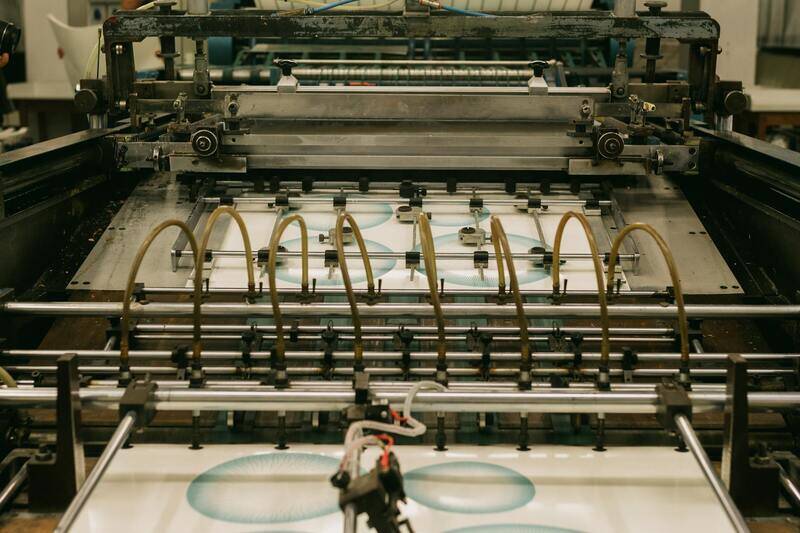
Choosing the appropriate printing technique plays a critical role in determining the overall cost of colour printing projects. Standard digital printing, a prevalent method for small to medium runs, offers quick turnaround times and effective color reproduction, usually at economical rates. However, for larger quantities or premium finishes, offset printing may be more cost-efficient due to its lower per-unit cost at scale, despite higher initial setup expenses.
Specialized techniques such as screen printing, flexographic printing, or flatbed UV printing are often reserved for specific applications like textiles, large signage, or textured effects. These methods typically involve higher costs due to their complex setup processes, specialized equipment, and unique ink formulations. Clients should evaluate the quality requirements and quantity to determine the most suitable and cost-effective technique for their needs.
Furthermore, advanced embellishments like embossing, spot UV coatings, and foil stamping deliver enhanced visual appeal but come with additional costs. These techniques require meticulous preparation and additional layers of processing, elevating both material and labor expenses. When considering colour printing projects, understanding the technical options available enables better budget management while achieving desired aesthetic effects.
How Volume and Turnaround Affect Pricing
Higher print volumes generally lead to reduced unit costs due to economies of scale, making bulk orders ideal for companies aiming to minimise expenses on large campaigns or annual reports. Conversely, small, customized print runs typically incur higher per-unit pricing because of setup fees, manual labor, and the absence of volume discounts.
Turnaround times also influence pricing levels. Express services that promise rapid delivery often carry a premium to cover expedited processing and staffing costs. Clients seeking cost efficiency should plan their projects well in advance, allowing for standard turnaround periods that leverage lower pricing structures. Engaging in early consultations with printing providers facilitates accurate quotations and helps manage costs effectively.
Impact of Design and Finishing on Price
Design complexity plays a substantial role in price determination. Projects featuring intricate graphics, gradients, or layering demand higher ink coverage and advanced print settings, thus increasing costs. Similarly, premium finishing options, such as matte, gloss, or textured coatings, add to the overall price due to additional processing steps.
Clients should collaborate closely with designers and print technicians early in the development phase to streamline design features that align with budget constraints. Simplifying artwork or opting for standard finishes can significantly reduce expenses, ensuring a balance between visual impact and financial viability.

Overview of Colour Printing Services in Singapore
In Singapore, the landscape of colour printing services has expanded significantly to cater to diverse business and individual needs. These services encompass a broad spectrum of options, including digital printing for quick turnaround projects, offset printing for high-volume runs, and specialty printing techniques that enhance visual appeal. The variety ensures that clients can select solutions tailored to their specific requirements, whether for marketing collateral, packaging, personal projects, or promotional materials. Since the demand for vibrant, high-quality prints continues to grow, providers have invested in advanced printing technology to deliver crisp, accurate colours and detailed graphics, reinforcing Singapore’s reputation as a regional hub for premium print solutions.
Factors Influencing Colour Printing Prices
The cost of colour printing in Singapore is affected by several key factors. These include the choice of printing technology, the complexity of the design, the volume of the order, and the materials used. High-end digital printers capable of detailed, high-resolution outputs tend to command higher prices compared to standard digital setups. Intricate artwork with extensive colour gradients, shading, and multiple finishing options increase demands on print quality and processing time, thereby elevating costs. Additionally, the size of the print material, whether standard A4 or large banners, directly impacts the overall price. Location and service speed also play roles, with premium charges applying for rush orders or same-day services.
Average Cost Range for Colour Printing
For standard colour printing projects in Singapore, prices generally range from SGD 0.20 to SGD 2.00 per page, depending on the specifications. Small quantities or basic colour prints on standard paper often fall on the lower end, whereas large-format prints or high-quality finishes tend toward the higher spectrum. Bulk orders benefit from volume discounts, reducing the per-unit cost significantly. It is essential for clients to request detailed quotations based on their project scope to avoid unexpected expenses and to ensure transparency in pricing.
Pricing for Different Printing Materials
- Standard Paper: Affordable and suitable for flyers, brochures, and posters. Prices typically align with the volume and size of the print.
- Premium Stocks: Thicker, textured, or coated papers enhance visual impact but come at a higher price point.
- Vinyl and Banners: Ideal for outdoor signage, with costs influenced by size, durability, and complexity of the design.
- Specialty Materials: Canvas, transparent films, and textured surfaces attract premium charges due to material costs and specialized printing processes.
Comparing Prices Across Printing Providers
Price disparities between providers in Singapore can occur due to differences in technology, service packages, and value-added features. Clients should consider not only the initial quote but also factors such as turnaround time, customer support, and quality assurance processes. Conducting thorough research, requesting samples, and reading customer reviews ensure they select a provider that offers the best balance of quality and value for money. Bulk or repeat projects often qualify for negotiated rates or discounts, making early discussions with printers advantageous.
Additional Costs and Hidden Fees
While base prices provide a foundation for budgeting, it is crucial to clarify potential additional costs. Common extras include setup fees, artwork adjustments, custom finishing, and delivery charges. Some providers may charge for proofs or sample prints, especially for complex projects. Hidden fees are often associated with special requests such as unique colour matching, folding, die-cutting, or packaging. Clear communication and detailed quotations are essential to avoid surprises and ensure that the total investment aligns with budget expectations.
Tips for Getting the Best Price for Colour Printing
- Plan your projects well in advance to benefit from standard turnaround rates and volume discounts.
- Compare quotes from multiple providers to understand market rates and identify the best overall value.
- Opt for simplified designs when possible to reduce ink usage and finishing costs.
- Choose standard sizes and materials without extensive custom finishes for budget-friendly options.
- Engage in early discussions to clarify all potential costs and negotiate better rates for bulk orders or repeat business.
- Use local providers who may have lower logistics and delivery charges compared to international options.