Understanding Colour Printing Services
Colour printing services encompass a range of professional printing solutions that utilize multiple ink colors to produce vibrant, detailed, and accurate images or text on various materials. These services are essential for businesses, designers, and individuals looking to create visually compelling marketing materials, branded products, or personal projects. The primary goal of colour printing is to deliver high-quality visuals that meet specific requirements for colour fidelity, resolution, and durability.
Primarily, colour printing can be classified into several common types, each suited for different applications:
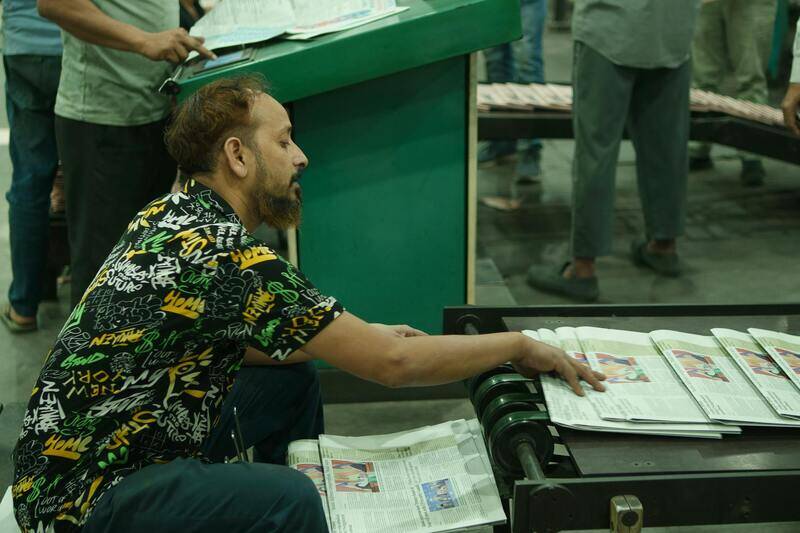
- Offset Colour Printing: This traditional method uses metal plates and is ideal for large-volume runs, providing consistent colour quality and sharp detail. It’s commonly employed for magazines, packaging, brochures, and catalogs.
- Digital Colour Printing: Utilizing digital files directly to produce prints, this technique offers quick turnaround, cost-efficiency for small to medium runs, and flexibility with variable data printing. It’s widely used for marketing materials, posters, and personalized items.
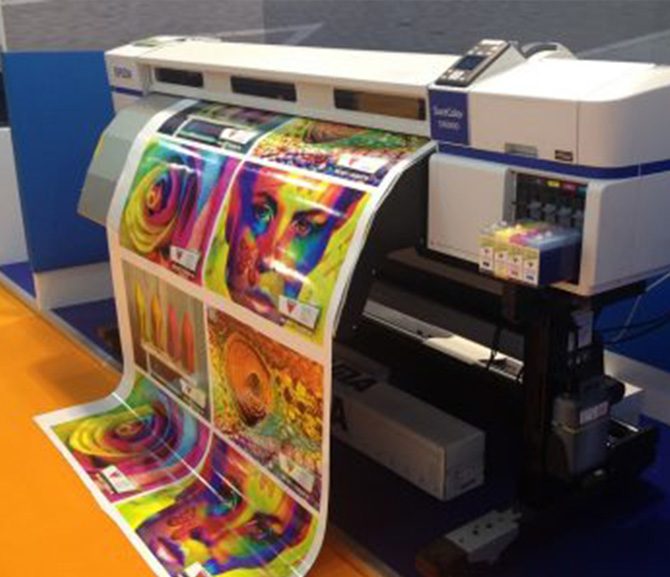
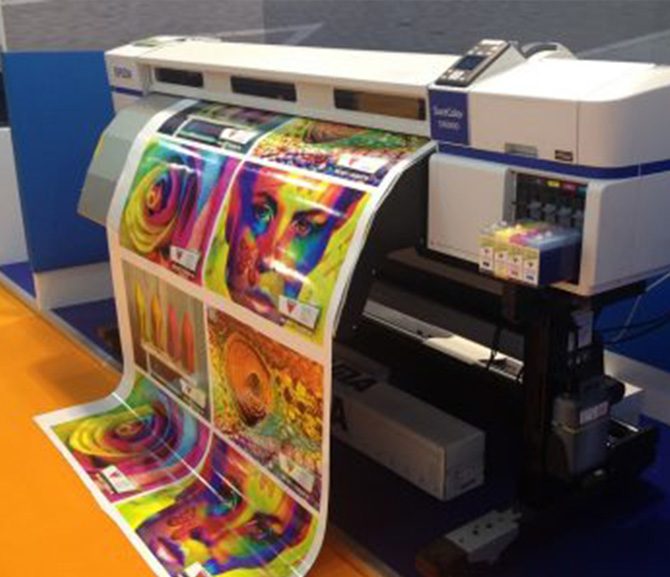
- Large Format Printing: Designed for banners, murals, and display graphics, this method delivers large, high-resolution images with vivid colour reproduction on wide surfaces.
Each type of colour printing serves specific needs, with the choice of method influenced by factors such as volume, colour accuracy demands, and material compatibility. Professional colour printing services are equipped with advanced equipment and skilled staff to ensure that each project achieves the desired high standards of aesthetic quality and durability.

Beyond the technical details, dependable colour printing involves understanding the application, target audience, and material requirements. The ability to reproduce colours reliably across different media ensures branding consistency and impactful visual communication, making colour printing an indispensable tool across various industries. Professional service providers also offer consultation to help clients select the most appropriate printing technology and materials based on their project goals.
Understanding Colour Printing Services
Colour printing services encompass a broad range of techniques designed to produce vibrant, precise, and durable images across various media types. At the core, these services utilize advanced printing technologies to translate digital designs into high-quality physical outputs that meet commercial and artistic standards. The process begins with the preparation of digital files, which are meticulously checked for colour accuracy, resolution, and layout to ensure optimal results.
Based on the project requirements, different types of colour printing methods are employed, each offering unique benefits tailored to specific applications. Offset printing, for example, is renowned for its ability to produce consistent, high-volume prints with exceptional colour fidelity. Digital printing, on the other hand, provides quick turnarounds and is ideal for shorter runs and personalized marketing materials. Large-format printing specializes in creating impactful visual displays such as banners, murals, and exhibition graphics, delivering vivid colours and sharp detail on expansive surfaces.

The choice of printing technology is influenced by project scope, volume, and colour fidelity requirements. Professional colour printing providers leverage sophisticated equipment—such as Heidelberg presses or state-of-the-art digital presses—to maintain consistent quality throughout large runs while accommodating specific colour profiles and custom finishes.
Colour management is a vital component in professional printing. It involves calibrating printers and monitors to adhere to industry-standard colour spaces like CMYK or Pantone. This meticulous process ensures that the colours captured in the digital design are faithfully reproduced in the final print, regardless of the material or surface being used. Consistency across different batches and media is achieved through rigorous quality control protocols, including colour swatch matching and proofing stages.

Furthermore, the materials used in colour printing—such as various papers, vinyls, fabrics, and plastics—affect the final appearance and durability of the print. Experienced service providers consider these factors during project planning, selecting compatible substrates that enhance colour vibrancy, longevity, and resistance to environmental factors.
In addition to technical execution, reliable colour printing services are characterized by their capacity to meet tight deadlines and adhere to budget constraints without compromising quality. Efficient workflow management, from pre-press preparation to post-print finishing, ensures timely delivery and client satisfaction. Whether creating a small batch of promotional flyers or large-scale retail displays, professionalism in project handling plays a crucial role in achieving optimal outcomes.
Colour Management and Material Selection
Effective colour printing extends beyond the choice of printing technology; it encompasses meticulous colour management practices and thoughtful material selection. Professional colour printing services employ advanced colour calibration techniques to match digital designs with the final printed output. This process involves calibrating printing equipment regularly and utilizing colour profiles—such as ICC profiles—that ensure consistent colour reproduction across different print runs and materials. The goal is to maintain fidelity to the original artwork, whether it’s a vibrant flyer, a complex photograph, or a detailed infographic.
Material choice plays a crucial role in the final appearance and durability of printed colours. High-quality papers, textured or coated materials, vinyls, fabrics, and plastics all respond differently to inks and toners. Experienced printing providers will assess the project's requirements and recommend substrates that not only enhance colour vibrancy but also provide resistance to environmental factors like moisture, UV exposure, and abrasion. For example, gloss-coated paper often amplifies colours for sharp, eye-catching results, while matte finishes offer a subdued, elegant look suitable for more subdued branding applications.

Quality Control and Consistency
To ensure uniformity across print batches, professional colour printing services implement strict quality control procedures. This includes initial proofing stages where colour accuracy can be verified through test prints, allowing for adjustments before final production. During printing, consistent calibration and monitoring of equipment reduce colour fluctuations, reliably reproducing the desired hues and tones. This level of precision is especially important for branding consistency, where colours like corporate reds or blues need to match exact specifications across multiple materials and formats.
Technical Aspects of Colour Printing
Most professional colour printing relies on specific technologies optimized for different applications. Digital printing, such as inkjet and laser, offers fast turnaround times and cost-effectiveness for short runs and on-demand jobs. Offset printing, however, remains the preferred choice for high-volume projects due to its superior colour fidelity and consistency. Additionally, specialty printing techniques such as fluorescent, metallic, or clear ink applications can add unique visual effects that elevate branding efforts. These advanced methods require careful handling and expertise to ensure the final result aligns with visual expectations.

Key Factors in Choosing a Colour Printing Partner
When selecting a provider for colour printing services, several essential considerations ensure successful project execution. Prioritize providers who demonstrate a commitment to quality control, technical expertise, and a broad range of printing options. Transparent communication about process capabilities, turnaround timelines, and cost structures helps align expectations. Experience with diverse substrates and innovative finishing techniques indicates a provider’s ability to deliver tailored solutions that meet specific branding or promotional goals.
Clients should also look for those who utilize sustainable practices and eco-friendly substrates, particularly when environmental impact aligns with corporate responsibility initiatives. A reliable provider will offer comprehensive support—from initial design consultation to post-print quality assurance—ensuring your final product reflects your vision flawlessly.
Ensuring Colour Accuracy and Consistency in Printing Projects
Achieving precise colour reproduction across multiple prints is essential for maintaining brand integrity and visual appeal. To accomplish this, colour management begins with meticulous calibration of printing equipment. Regular calibration of printers ensures that colour output remains consistent over time, reducing discrepancies between different print runs. Advanced colour management systems, such as International Colour Consortium (ICC) profiles, facilitate standardised colour workflows that can be seamlessly applied across various devices and substrates.
Implementing colour control measures includes the use of test charts and swatch comparisons during the initial stages of production. These tools enable operators to monitor and adjust colours, minimizing deviations before large-volume printing commences. It is equally vital for the print provider to employ high-quality inks and substrates compatible with colour management protocols, which greatly influence the fidelity of the rendered colours.
Moreover, digital proofing solutions offer clients a reliable preview of how colours will appear in the final print, allowing for adjustments prior to the main run. These proofs are generated through colour matching software that simulates the printing process, thereby reducing the risk of unexpected results and costly reprints. Ensuring that the digital files provided are colour-accurate and properly formatted plays a pivotal role; files should adhere to specific colour modes such as CMYK or Pantone to guarantee predictable output.
Design Considerations for Optimising Colour Printing Outcomes
The success of a colour print piece hinges heavily on thoughtful design choices. Selecting a suitable colour palette that aligns with branding standards and production capabilities is fundamental. Designers should leverage colour schemes that maintain vibrancy and contrast across different substrates and lighting conditions, ensuring visual impact without compromising clarity.
Incorporating Pantone colour references into designs helps achieve specific hues with precision, especially for brand colours that demand consistency. When designing for vivid or metallic finishes, understanding how these special effects interact with underlying colours is vital. Using high-resolution artwork with clean lines and sufficient color contrast prevents blurring or muddiness during printing.
Furthermore, optimizing file formats by embedding colour profiles and using vector graphics where appropriate safeguards against unexpected colour shifts and quality loss. Consideration of bleed areas, safe margins, and resolution settings contributes to a polished, professional appearance upon final output.

Types of Colour Printing Technologies
Understanding the various colour printing technologies available is essential for selecting the right service to meet specific project requirements. Each method offers distinct advantages in terms of quality, speed, cost, and application suitability.
- Offset Printing: This traditional high-volume printing process provides excellent colour accuracy and consistency. Ideal for large runs such as magazines, brochures, and catalogs, offset printing achieves rich, vibrant colours through precise ink application. The initial setup involves creating plates for each colour, making it cost-effective for bulk orders.
- Digital Printing: Suitable for short to medium runs, digital colour printing offers fast turnaround times with minimal setup costs. Using laser or inkjet printers, this technology allows for quick modifications and personalized prints. While it may have limitations on colour vibrancy compared to offset, modern digital presses deliver high-quality, detailed images with accurate colour representation.
- Wide-Format Printing: Designed for banners, posters, and large signage, wide-format colour printing employs specialized inks and printers capable of producing expansive, vivid images. Technologies such as inkjet wide-format printing enable detailed reproductions with vibrant colour fidelity across various substrates.
- Thermal Transfer and Dye Sublimation: These methods excel in producing high-definition, durable images on textiles and specialty materials. Dye sublimation, in particular, imbues fabrics with vivid and long-lasting colours, making it suitable for promotional apparel and custom fabric printing.

Choosing the Right Colour Printing Service
Selecting a suitable colour printing provider involves assessing several key factors to ensure the final output aligns with your expectations and project needs. It's crucial to review the provider's expertise, equipment quality, and commitment to colour accuracy.
- Review Portfolio and Samples: Request samples of previous work to evaluate the quality, vibrancy, and consistency of colours produced. A reputable service will have a diverse portfolio demonstrating their capability across different substrates and finishes.
- Assess Technological Capabilities: Confirm that the provider uses up-to-date printing technology that supports a broad spectrum of colours, including Pantone matching options for precise colour replication.
- Evaluate Quality Control Processes: Inquire about colour calibration procedures, digital proofing options, and on-press adjustments. Consistency across batches is vital for brand integrity and project cohesiveness.
- Lead Time and Flexibility: Determine if the provider can meet your deadlines without compromising quality, especially for time-sensitive campaigns or events.
- Customer Support and Consultation: A dedicated team offering pre-press advice, substrate recommendations, and colour management guidance enhances the overall printing experience.
Color Accuracy and Consistency
Achieving consistent colour reproduction is fundamental to professional printing processes. Accurate colour matching involves a combination of high-quality equipment calibration, rigorous colour management protocols, and precise communication of design intent.
Color calibration ensures that each digital device, from monitors to printers, aligns with standard colour profiles. Utilizing industry-standard colour profiles such as CMYK and Pantone allows designers and print providers to communicate specific hues effectively, significantly reducing colour discrepancies.
Digital proofing plays a vital role in visualizing how colours will appear after printing. High-resolution proofs, produced on the actual substrate intended for final production, enable designers to make necessary adjustments before committing to large runs. This step minimizes material waste and ensures the finished product meets all visual standards.
Consistency across multiple print batches can be maintained through strict adherence to calibration routines and the use of embedded colour profiles in artwork files. Regular quality inspections during the printing process help identify deviations early, allowing corrective measures to be taken promptly.

Understanding Colour Printing Services
Colour printing services encompass a wide range of solutions tailored to meet the diverse needs of businesses and individuals seeking vibrant, accurate, and high-quality printed materials. These services utilize advanced technologies and meticulous processes to ensure that colours are reproduced precisely, maintaining brand consistency and visual appeal across various mediums. From marketing collateral and packaging to promotional banners and bespoke art prints, professional colour printing plays a vital role in delivering impactful visual communication.
Types of Colour Printing Technologies
Various printing technologies are employed in colour printing services, each suited to different requirements, substrates, and production scales. Understanding these options allows clients to select the most appropriate method for their projects.
- Offset Lithography: A highly efficient method ideal for large-volume runs. It offers exceptional colour accuracy, sharp detail, and consistent results across batches. Offset printing uses plates to transfer ink onto a rubber blanket, which then prints onto the substrate, making it suitable for producing high-quality brochures, magazines, and packaging materials.
- Digital Printing: Perfect for short to medium runs with quick turnaround times. Digital printers use toner or inkjet technology to produce crisp, vibrant images without the need for plates. This flexibility makes digital printing suitable for personalised items, business cards, posters, and short-run marketing materials.
- UV Printing: Employs ultraviolet light to cure ink instantly on various surfaces, including plastics, metal, and glass. Ideal for printing on non-traditional substrates, UV printing offers rich colours and durability, making it perfect for custom packaging, display stands, and decorative applications.
- Flexography and Screen Printing: Used primarily for packaging, labels, and textiles, these methods are well-suited for printing on irregular surfaces and large-format items, ensuring vibrant and durable results.

Choosing the Right Colour Printing Service
Selecting the most appropriate printing service depends on several key factors:
- Project Scope and Quantity: For large volumes, offset lithography offers cost efficiency and consistent quality. Shorter runs may benefit from digital printing, which provides flexibility and faster turnaround.
- Material and Substrate Compatibility: Consider the type of material—paper, plastic, fabric, or specialty substrates—as different printing technologies are optimized for specific surfaces.
- Colour Fidelity and Matching: Determine the importance of colour accuracy for your brand standards. Technologies like offset printing with precise colour management systems are preferable for critical colour matches.
- Budget and Timeline: Evaluate project deadlines and budget constraints. Digital printing typically offers quicker delivery at a lower cost for smaller runs, while offset printing excels at large-scale projects.
Colour Accuracy and Consistency
Maintaining colour accuracy and consistency is fundamental for ensuring that printed materials align with your brand identity and visual expectations. High-quality colour reproduction relies on multiple elements:
- Calibration: Regular calibration of printers and monitors ensures that colours are consistent across devices and print runs. Color profiles such as CMYK and Pantone facilitate precise communication of specific hues.
- Colour Management Protocols: Implementing standardized workflows and colour management software minimizes discrepancies. This includes soft proofing, which allows adjustments on-screen before printing.
- Proofing and Verification: Digital proofs provide a close approximation of final output, enabling sign-off decisions before production. During printing, real-time quality checks help detect deviations early.
- Material and Ink Quality: Using premium inks and substrates contributes significantly to achieving vibrant and consistent colours across projects and batches.
Techniques and Practices to Ensure Colour Fidelity in Professional Printing
Achieving consistent and accurate colour reproduction in professional printing demands a comprehensive approach that encompasses various techniques and meticulous practices. High-quality colour fidelity is essential for maintaining brand integrity and visual appeal across all printed materials.
One of the foundational practices is regular calibration of printing equipment. Calibration involves adjusting printers and monitors to match standard colour profiles, minimizing discrepancies between digital design and the final printed piece. This process is crucial for ensuring that all devices involved in the production workflow communicate consistently, leading to predictable results.
Implementing robust colour management protocols is vital. This includes utilizing industry-standard colour profiles such as CMYK for print and Pantone colour matching systems, which facilitate precise colour communication. Integrating colour management software into workflows allows for soft proofing—viewing simulated prints on screen prior to actual production—so adjustments can be made proactively, reducing waste and reprints.

Another critical factor is proofing and verification. Digital proofs are created to approximate the final output, providing clients and printers with a benchmark for colour accuracy before mass production. During the print run, ongoing quality assessments—such as real-time colour verification tools—help detect any deviations early, allowing for immediate corrections.
Material and ink quality also significantly influence colour fidelity. Using high-grade inks and substrates not only enhances vibrancy but also sustains the consistency of colours over time. Choosing the right paper or substrate ensures that colours appear as intended under different lighting conditions, maintaining their visual integrity across various uses.
Conscientious application of these techniques—regular calibration, strict colour management, rigorous proofing, and quality material selection—forms the backbone of reliable colour printing. This comprehensive approach guarantees that outcoming prints meet the exacting standards required by brands, artists, and publishers who demand precision in every project.
Understanding Colour Printing Services
Colour printing services encompass a range of techniques and processes designed to produce vibrant, precise, and consistent colour reproductions across various print media. These services are vital for businesses and individuals who require high-quality visuals for marketing material, branding, packaging, or artistic projects. An effective colour printing process hinges on meticulous calibration, advanced technology, and a thorough understanding of colour management principles to deliver results that align with design intent and client expectations.
Types of Colour Printing Technologies
Several technologies underpin modern colour printing services, each suited to different applications and quality requirements. These include:
- Offset Printing: Known for its ability to produce large volumes with consistent quality, offset printing uses plates to transfer ink onto substrates, offering superb colour fidelity and detailed image reproduction.
- Digital Printing: Ideal for short runs and on-demand printing, digital methods eliminate the need for plates, enabling quicker turnarounds while maintaining accurate colour reproduction using advanced inks and colour management systems.
- Flexography: Often used for packaging and labels, flexography employs flexible relief plates and fast-drying inks to produce vibrant colours on a variety of substrates.
- Inkjet Printing: Suitable for high-quality prototypes and fine art prints, inkjet technology sprays tiny droplets of ink directly onto the substrate, allowing extensive colour depth and detail.

Choosing the Right Colour Printing Service
When selecting a colour printing provider, several key factors come into play. It’s essential to evaluate the company's expertise in managing colour accuracy, their technological capabilities, and their capacity to handle specific project requirements. Clients should inquire about their use of colour management workflows, proofing processes, and the range of substrates supported. A reputable provider will offer options for colour matching, such as Pantone colours, to ensure that the final print aligns perfectly with the desired palette. Additionally, assessing their portfolio and client testimonials can provide insight into their consistency and quality standards.
Colour Accuracy and Consistency
Maintaining precise and consistent colours throughout a print run is critically dependent on several factors. High-quality colour management software ensures that digital files are translated accurately onto print media. Calibration of printers and monitors ensures alignment between on-screen design and printed output, preventing unwanted variations. Color profiles, such as ICC profiles, are used to standardize colour reproduction across different devices and media, facilitating a seamless workflow that minimizes discrepancies. Regular calibration and rigorous quality control checkpoints during production help detect and correct deviations early, preserving the integrity of the colour scheme from initial proof to the final print.
Design Considerations for Colour Printing
Designing for colour printing requires attention to detail in colour palettes, contrast, and layout. Designers should utilize colour separation techniques, such as CMYK, to prepare files optimized for print. Selecting appropriate colour schemes—whether vibrant, subtle, or monochromatic—can significantly impact the final outcome. Incorporating test prints or soft proofs allows for adjustments before committing to full production, reducing waste and ensuring the printed colours meet expectations. Additionally, understanding the limitations of certain substrates helps in selecting colours that will maintain vibrancy and clarity once printed.
Applications of Colour Printing Services
Colour printing finds extensive application across numerous industries and creative fields. These include branding & packaging, marketing collateral, fine art reproduction, photographic printing, promotional merchandise, and educational materials. The ability to reproduce rich, accurate colours enhances visual appeal and communicates brand identity effectively. For instance, luxury brands rely on high-quality colour reproduction to convey their premium image, while artists depend on precise colour matching to preserve their creative vision. The versatility of modern colour printing enables bespoke solutions tailored to specific project needs, ensuring impactful visual storytelling.
Costs and Turnaround Time for Colour Printing
Pricing in colour printing varies based on factors such as project size, selected technology, material costs, and complexity of colour management. Digital print runs tend to be more cost-effective for small quantities and offer faster turnarounds, sometimes within 24 hours. Offset printing, while ideal for large runs, involves longer setup times but delivers economies of scale for bulk orders. Turnaround times can be expedited through efficient workflow management, prioritization, and flexible scheduling. Clients should discuss their deadlines early with their printing provider to ensure timely delivery without compromising quality. Transparent pricing and clear communication about deadlines help streamline the process, allowing for adjustments in scope or priority where needed.