Overview of Color Printing Services
Color printing services encompass a range of professional solutions that transform digital designs into vivid, tangible printed materials. These services are vital across numerous industries, including marketing, retail, education, healthcare, and manufacturing. The ability to produce sharp, vibrant images and highly detailed graphics enables organizations to communicate their messages effectively, enhance brand visibility, and create memorable impressions.
High-quality color printing plays a vital role in maintaining professionalism and credibility. Whether producing marketing collateral, packaging, banners, or educational materials, the precision and color fidelity achieved through professional services ensure that the final product aligns with the intended design and branding specifications. This level of consistency and quality is often unattainable through standard office printing solutions, which may lack the necessary color accuracy and durability.

In addition, color printing services often incorporate advanced techniques and materials that improve the longevity and resistance of printed items against environmental factors such as UV exposure, moisture, and physical handling. This durability is particularly important for outdoor displays, signage, and product packaging where maintaining vibrant colors over time is essential.
Businesses rely on these services not only to produce aesthetically appealing materials but also to ensure accuracy in color matching, adherence to branding standards, and cost-effective reproduction at scale. As demand for high-quality visual content grows, the importance of professional color printing in delivering consistent, impactful results becomes increasingly evident.
Effective color printing solutions also support customization, allowing for tailored marketing campaigns or personalized materials that stand out in competitive markets. Leveraging the latest digital printing technologies, such as large-format or high-resolution offset printing, providers can meet diverse client needs with precision and efficiency.
Ultimately, color printing services serve as a bridge between digital design and physical media, transforming creative concepts into tangible assets that communicate, inform, and persuade with clarity and vibrancy. Choosing the right provider ensures that these objectives are achieved through modern, legitimate methods that prioritize quality, durability, and environmental responsibility.
Types of Color Printing Techniques
Understanding the various color printing techniques available helps in selecting the most appropriate method for specific projects, ensuring optimal quality and efficiency. Among the most prevalent methods are digital printing, offset printing, and large-format printing, each suited to different types of print jobs and scaled production needs.
Digital Printing
Digital color printing is favored for its rapid turnaround times and ability to produce high-quality, detailed images directly from digital files. It is ideal for short runs, personalized printing, and projects requiring quick delivery. This technique offers precise color matching and allows for easy modifications without the need for costly setups. Digital color printers utilize advanced toner and inkjet technologies to reproduce vibrant colors and sharp details, making them suitable for marketing materials, promotional items, and custom print jobs.

Offset Printing
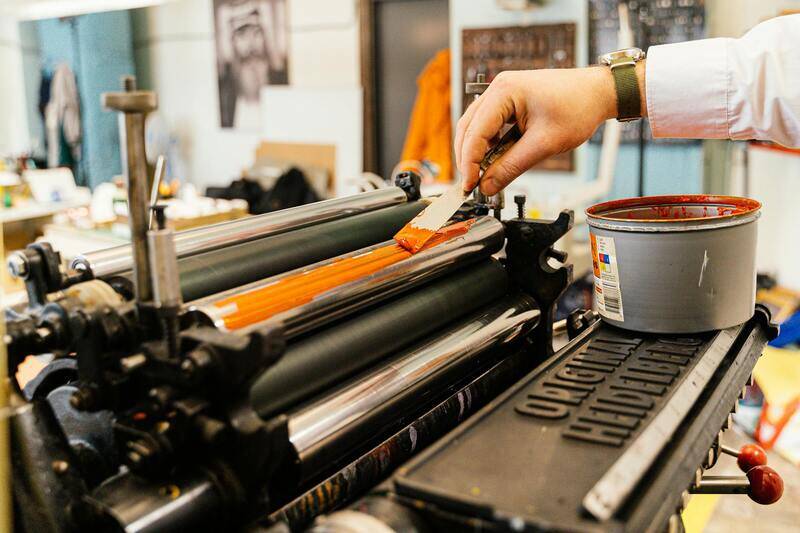
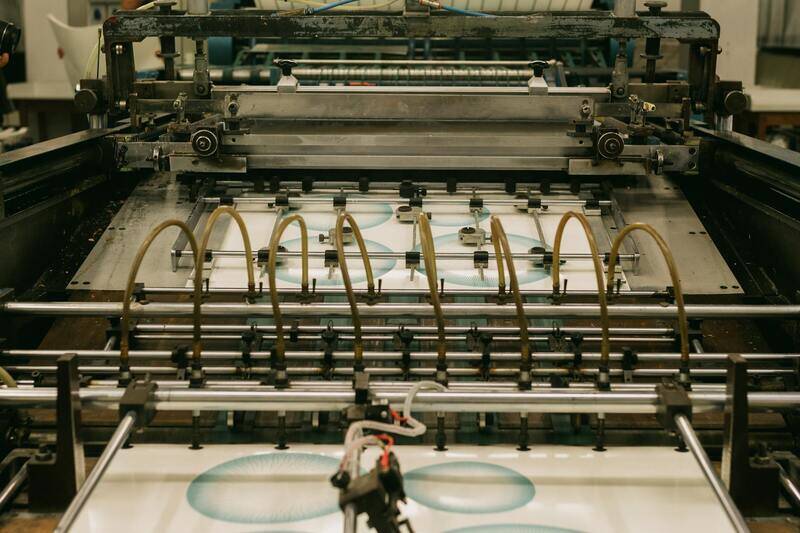
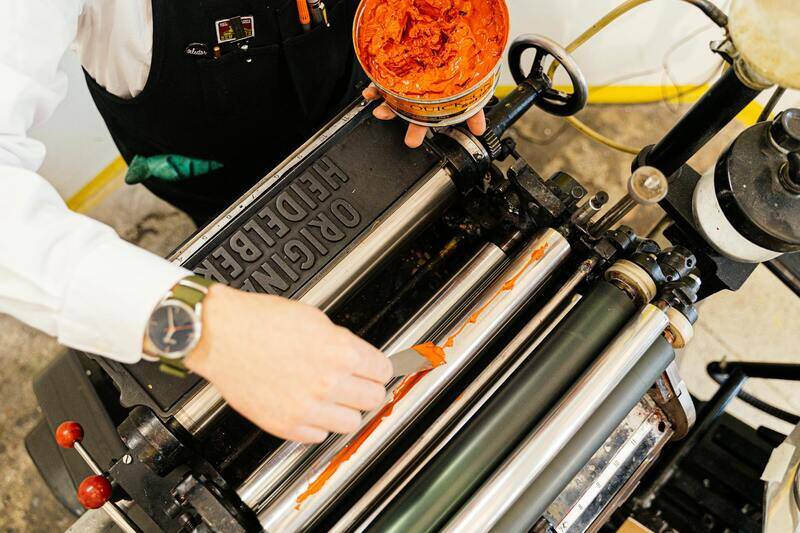
Offset printing remains a popular choice for producing high volumes of printed materials with consistent color accuracy. This method involves transferring ink from a plate to a rubber blanket, then onto the printing surface. It is especially effective for printing brochures, catalogs, packaging, and other large-scale projects where color fidelity and detail are crucial. Offset printing allows for the use of a broader range of inks and finishes, providing depth and vibrancy that can be difficult to achieve with digital methods. Its cost-effectiveness increases with volume, making it a preferred option for extensive print runs.
Large Format Printing
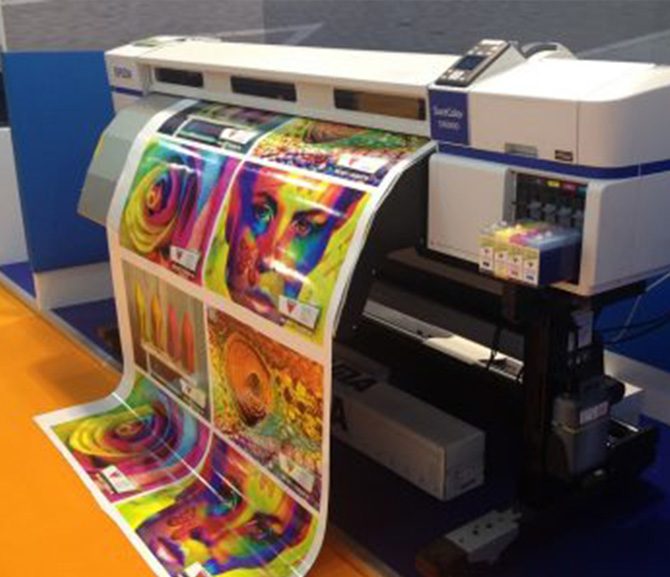
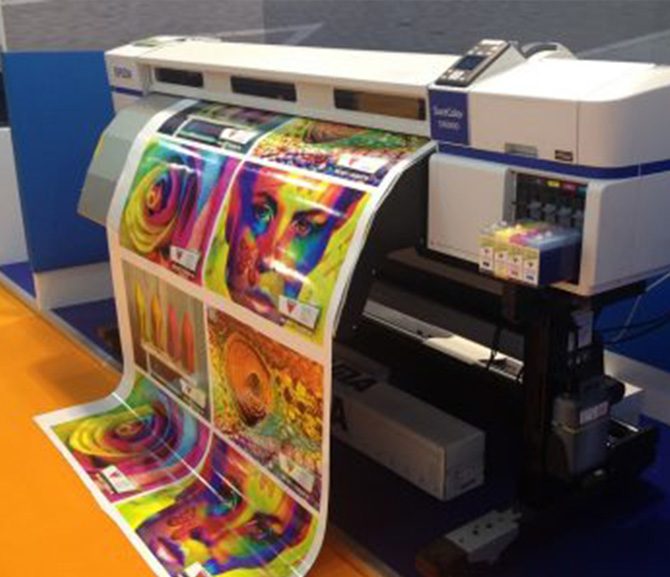
Designed for producing wide-format prints, this technique is essential for banners, posters, wall coverings, and signage. Large-format printers can handle substrates up to several feet wide, providing vibrant, continuous-color images suitable for outdoor and indoor displays. These printers often employ UV-curable, solvent, or latex inks, which ensure durability and resistance to environmental factors. The ability to print on various materials such as vinyl, fabric, and film makes large-format printing indispensable for visual marketing and branding campaigns that require impactful imagery.
Choosing the right printing method depends on project specifications, volume requirements, and desired quality outcomes. Professional color printing services leverage these advanced techniques to deliver precise, durable, and visually compelling results tailored to each client's unique needs.
Overview of Color Printing Services
Color printing services encompass a broad spectrum of high-quality printing solutions designed to meet diverse business and personal needs. These services are integral to producing visually compelling materials such as marketing brochures, business cards, banners, posters, packaging, and more. The primary advantage of professional color printing is its ability to render images with vibrant colors, sharp details, and consistent quality across various mediums and substrates. Utilizing top-tier equipment and advanced inks, these services facilitate the creation of impactful visual communications that enhance brand recognition and consumer engagement. When selecting a provider, it is essential to consider their capability to handle different formats, volumes, and finish requirements, ensuring that the final product aligns seamlessly with strategic goals and aesthetic standards.
Types of Color Printing Techniques
There is a variety of printing techniques employed by professional service providers, each suited to specific applications and project requirements. Recognizing these methods helps clients make informed decisions to achieve the best results for their projects.
Offset Printing
Offset printing remains a popular choice for large-volume orders due to its efficiency and excellent color fidelity. This method involves transferring ink from a metal plate to a rubber blanket, then onto the printing surface, allowing for precise color reproduction and sharp detail. Offset printing is particularly suited for projects such as catalogs, posters, and packaging, where consistent quality and cost-effectiveness at scale are vital. This technique also accommodates a wide range of finishes and specialty inks, enabling creative effects that elevate visual appeal.
Digital Printing
Digital color printing offers quick turnaround times and customization without the need for plates. It is ideal for small to medium print runs, offering high-resolution output with excellent color accuracy. Digital printing is commonly used for business stationery, personalized marketing materials, and short-run promotional campaigns. Its flexibility allows for easily updating content and implementing variable data printing, making it a versatile choice for targeted marketing efforts.
Large Format Printing
Designed for wide-format applications, this technique is essential for producing large images such as banners, wall murals, trade show displays, and signage. Large-format printers utilize UV-curable, solvent, or latex inks that provide vibrant colors and durability for outdoor and indoor environments. These high-capacity machines can handle substrates like vinyl, fabric, and film, ensuring visuals that are both eye-catching and long-lasting. The ability to produce continuous-color, high-resolution images makes large-format printing indispensable for branding campaigns that demand maximum visual impact.

Selecting the appropriate color printing technique depends on project scope, budget, and desired visual outcomes. Professional printing service providers combine these techniques with expert color management to ensure precise color matching, finish options, and overall print quality. This expertise is critical for creating materials that resonate with target audiences and convey messages effectively.
Factors to Consider When Choosing a Service Provider
When selecting a reliable color printing services provider, businesses must evaluate several critical aspects to ensure the final product aligns with their expectations and project requirements. These factors influence the overall quality, durability, cost-effectiveness, and sustainability of printed materials, making them essential considerations in the decision-making process.
Print Quality and Color Accuracy
High-quality output begins with advanced printing machinery and refined color management systems. A proficient service provider employs calibrated printers and color profiling techniques that ensure every printed piece accurately matches the intended palette. Precise color reproduction is vital for branding consistency, marketing campaigns, and professional presentations. Requesting samples or viewing portfolio examples can provide insights into the provider’s capability to deliver vibrant, sharp, and consistent results.
Turnaround Time and Production Speed
Depending on project urgency, prompt turnaround times might be a crucial factor. Reputable printing companies often offer expedited services without compromising quality, leveraging efficient workflows and state-of-the-art equipment. Clear communication regarding production timelines helps prevent delays and ensures that marketing schedules and event dates are met reliably.
Pricing Structures and Cost-Effectiveness
Transparent pricing that aligns with your budget is essential. While the lowest cost may be enticing, it is important to consider value alongside affordability. High-quality color printing often involves premium inks, substrates, and precise calibration techniques. A service provider offering detailed quotations, itemized costs, and options for customization can help businesses optimize their investment while achieving desired visual impacts.
Customer Service and Technical Support
Good customer service encompasses clear communication, responsiveness, and technical assistance throughout the project lifecycle. An experienced provider will offer guidance on material selection, finishing options, and design adjustments to enhance final output. Proactive support and post-printing follow-up are indicative of a commitment to client satisfaction and product excellence.
Additional Factors to Evaluate
- Material and Substrate Compatibility: The range of materials supported, including paper stocks, vinyl, fabric, and specialty substrates, affects the versatility of print projects.
- Finish Options: Choices like matte, gloss, or satin finishes enhance visual appeal and durability.
- Sustainability Practices: Eco-friendly inks, recycling programs, and energy-efficient operations contribute to environmentally responsible printing.
- Reputation and Industry Experience: Established providers with positive client reviews and industry expertise are more likely to deliver consistent results.

Overview of Color Printing Services
Color printing services have become essential for businesses and individuals seeking vibrant, high-quality visual representations of their designs, logos, and marketing materials. These services encompass a broad spectrum of printing solutions designed to produce detailed, color-rich outputs suited for various applications. Whether it's marketing brochures, promotional banners, custom apparel, or packaging, professional color printing guarantees consistency and precision that standard consumer-grade printers cannot match. Leveraging advanced printing technologies, these services ensure that color accuracy, resolution, and durability meet the highest standards, helping brands establish a strong visual identity and communicate effectively with their target audiences.

Types of Color Printing Techniques
Understanding the various color printing techniques is crucial when selecting a service that aligns with your project requirements. Each method offers unique advantages in terms of color richness, cost efficiency, and suitability for different substrates.
- Offset Printing: Widely used for large-volume printing, offset presses produce highly precise and consistent color reproduction. This technique involves transferring ink from plates to a rubber blanket, then onto the printing surface, making it ideal for brochures, catalogs, and posters.
- Digital Printing: Perfect for small to medium runs, digital printing provides quick turnaround times with sharp image quality. It allows for customization and variable data printing, making it suitable for personalized marketing materials and short-run packaging.
- Flexography: Often used in packaging and labels, flexography employs flexible relief plates and fast-drying inks. This method can print on various substrates, including plastics, metallic foils, and paper, with vibrant color results.
- Gravure Printing: Known for high-quality, high-volume production, gravure uses engraved cylinders for printing detailed images. It's typically used for magazines, luxury packaging, and other premium print products.
- Screen Printing: This versatile method involves forcing ink through a mesh screen to create bold, opaque images. It's especially effective for promotional items, textiles, and signage requiring bright, durable colors.
Common Applications of Color Printing
Color printing services find application across numerous industries and settings, facilitating effective visual communication and branding.
- Marketing Collateral: Brochures, flyers, posters, and banners that attract customer attention through vivid visuals.
- Brand Packaging: Custom boxes, labels, and wraps that showcase branding elements and product information with high fidelity.
- Promotional Materials: Branded giveaways, apparel, and signage that enhance brand recognition at events and within retail spaces.
- Corporate Identity: Business cards, letterheads, and presentation folders that reinforce a professional image.
- Art and Photography Prints: Reproductions and displays that require precise color matching and sharp details.
Factors to Consider When Choosing a Service Provider
Selecting a reliable color printing provider involves evaluating multiple key aspects to ensure the final product aligns with your expectations and project specifications. These include the range of supported materials, quality control measures, turnaround times, and cost structures.
- Material and Substrate Compatibility: Ensure the provider supports diverse substrates like paper types, vinyl, fabric, and specialty materials to accommodate different project needs.
- Color Calibration and Accuracy: Consistent color reproduction across batches is vital for branding accuracy. Confirm that the provider maintains rigorous calibration protocols.
- Finishing and Customization Options: Finishing touches such as lamination, UV coating, embossing, or die-cutting add durability and aesthetic appeal. Check if these options are available to meet your project's quality standards.
- Environmental Practices: Eco-friendly inks, recycling initiatives, and energy-efficient operations demonstrate a commitment to sustainability, which can enhance your brand’s reputation.
- Reputation and Industry Experience: Proven track records, client testimonials, and industry recognition indicate the provider’s capability to deliver high-quality results reliably.
Environmental and Sustainability Aspects
Choosing a color printing service that prioritizes sustainability can significantly impact your brand's environmental footprint. Many reputable providers adopt eco-friendly practices by using non-toxic, vegetable-based inks that emit fewer volatile organic compounds (VOCs), ensuring safer printing environments and healthier workplaces. Additionally, they often utilize recycled substrates and materials with certified eco-labels, demonstrating a strong commitment to reducing waste and conserving natural resources.
Another important aspect involves waste management and recycling protocols. Leading print services implement comprehensive recycling programs for paper, packaging, and unused inks to minimize landfill contributions. They also optimize printing processes to reduce excess material, employing digital workflows that curtail unnecessary prints and defective runs, which directly decreases resource consumption.
Energy efficiency is another crucial factor, with many companies investing in renewable energy sources or energy-efficient machines to power their operations. This not only lowers greenhouse gas emissions but also aligns your project with sustainable business practices, helping to enhance your company's eco-conscious image.
Ultimately, prioritizing environmentally responsible color printing services aligns with corporate social responsibility goals and appeals to eco-aware consumers, reinforcing your commitment to sustainability within your industry.
Overview of Color Printing Services
Color printing services encompass a wide array of solutions designed to produce vibrant, high-quality images and text across various media. These services play a vital role in marketing, branding, and communication strategies by translating digital designs into tangible, eye-catching outputs. Professional color printing providers utilize advanced equipment and refined processes that ensure color accuracy, sharp detail, and durability. Whether for business collateral, promotional materials, packaging, or personal projects, these services cater to diverse needs with customization options and a range of substrate choices. High-quality color printing not only enhances visual appeal but also effectively communicates your message, capturing the attention of your target audience and reinforcing brand identity.

Types of Color Printing Techniques
- Digital Printing: Ideal for short runs and rapid turnaround, digital printing offers flexibility and quick delivery. It employs digital files directly onto substrates, providing high-resolution outputs with a wide color gamut. This method is suitable for business cards, flyers, and customized promotional items.
- Offset Printing: Known for its efficiency in large-volume production, offset printing delivers consistent, crisp images with accurate color reproduction. It involves transferring ink from plates to a rubber blanket before printing onto the substrate, making it ideal for catalogs, magazines, and high-volume packaging.
- Flexographic Printing: Commonly used for packaging and labels, flexography employs flexible relief plates and rapid-drying inks. It excels in printing on a variety of substrates including plastic, foil, and paper, making it versatile for product wraps and bags.
- Screen Printing: Suitable for printing on textiles, plastics, and other surfaces, screen printing involves forcing ink through a mesh stencil. It produces vibrant, durable images suitable for promotional apparel and signage.
- UV Printing: Utilizing ultraviolet light to cure inks instantaneously, UV printing offers high-definition results on a multitude of surfaces such as glass, wood, or metals. It is favored for specialty applications requiring detailed, long-lasting prints.
Common Applications of Color Printing
Color printing is integral to numerous industries and serves multifaceted purposes:
- Marketing and Advertising Materials: Business cards, flyers, brochures, banners, and posters are crafted to attract attention and convey messages vividly.
- Branding and Packaging: Customized packaging and labels help in brand recognition, with vibrant graphics that differentiate products on shelves.
- Event and Trade Show Displays: Color-printed banners, backdrops, and displays enhance visual impact at events and exhibitions.
- Educational and Informational Materials: Color charts, infographics, and manuals facilitate understanding and engagement.
- Personal and Artistic Projects: Photo books, personalized gifts, and art reproductions benefit from professional color fidelity and longevity.
Factors to Consider When Choosing a Service Provider
- Print Quality and Consistency: Evaluate samples and portfolios to ensure color accuracy, resolution, and durability meet your standards.
- Range of Services: Confirm that the provider offers the specific printing techniques and substrates needed for your project.
- Equipment and Technology: Modern, well-maintained machinery ensures high-quality results and efficient production times.
- Sustainability Practices: Inquire about eco-friendly options such as biodegradable inks, recycled materials, and waste management protocols.
- Turnaround Time and Cost: Balance budget considerations with delivery deadlines to choose a provider that aligns with your project timeline.
Benefits of Using Professional Color Printing Services
- Enhanced Visual Appeal: Sharp, vibrant images and text improve the overall perception of your brand and messaging.
- Consistency and Precision: Advanced calibration and quality control ensure uniformity across all printed materials.
- Customization and Flexibility: Wide substrate compatibility and finishing options allow tailored solutions for specific needs.
- Time and Cost Savings: Efficient workflows and high-speed printing minimize labor and material waste, providing economical results for large orders.
- Technical Expertise: Experienced professionals can advise on best practices, material choices, and finishing techniques to maximize impact.
Image Placeholder 1

Compliant Methods of Achieving Color Printing
When seeking high-quality color printing services, it is essential to adhere to established and legitimate methods to ensure the integrity and excellence of your printed materials. Professional printer facilities utilize advanced techniques and industry-approved processes that guarantee vibrant, precise, and durable outcomes. Common and reputable methods encompass digital printing, offset printing, and wide-format printing, each serving different needs and project scopes. These methods are characterized by their adherence to strict quality standards, consistent color reproduction, and sustainable practices.
Digital Printing
Digital printing is a widely used technique for producing high-resolution color prints directly from digital files. It is ideal for short to medium print runs and offers quick turnaround times. Modern digital presses employ innovations like inkjet and laser technologies, facilitating vibrant color accuracy and fine detail replication. This method supports variable data printing, allowing customization for each piece, which is particularly beneficial for personalized marketing collateral or limited edition prints.

Offset Printing
Offset printing remains a staple for producing large quantities of high-fidelity color images with consistent quality. It involves transferring ink from plates to rubber blankets and then onto substrates such as paper or cardboard. This process offers superior color fidelity, uniformity across extensive print runs, and the ability to reproduce complex color gradations effortlessly. Offset printers utilize calibrated color management systems to match Pantone standards and achieve exact color matches for branding or corporate identity materials.
Wide-Format Printing
For applications requiring large-scale graphics, such as banners, posters, and signage, wide-format color printing employs specialized printers capable of handling large media sizes. These printers use solvent, eco-solvent, UV, or aqueous-based inks to produce durable, weather-resistant images with high vibrancy. Essential for advertising and retail displays, wide-format printers execute color printing services that are both visually striking and long-lasting.
Other Professional Techniques
- Screen printing for textiles and promotional items
- Giclée printing for fine art reproductions
- Embossing and foil stamping for added texture and shine
All these methods are implemented by trained technicians leveraging state-of-the-art equipment, employing industry standards for color calibration, substrate compatibility, and finishing techniques.
Ensuring Ethical and Certified Printing Practices
Choosing a service provider committed to legitimate practices involves verifying their adherence to industry standards, including ISO certifications, adherence to environmental protocols, and usage of authorized supplies. Reputable providers source their inks, papers, and other materials from certified suppliers ensuring safety and quality. They also maintain detailed quality control procedures, including color calibration and proofing processes, to meet project specifications accurately.