Overview of Printing in Color
Printing in color plays a vital role in the modern visual communication landscape, enabling businesses and individuals to produce vibrant, eye-catching designs that communicate messages effectively. This process involves reproducing images, texts, or graphics in a range of hues, tones, and shades, transforming plain black-and-white documents into dynamic, colorful works. The significance of color printing extends across various sectors, including marketing, branding, educational material, and personal projects, especially in a competitive environment like Singapore where visual appeal can directly influence consumer engagement.
Color printing is not just about adding aesthetic value; it also enhances clarity, facilitates better comprehension, and creates a memorable visual impression. This is particularly evident in promotional materials such as brochures, banners, business cards, and packaging, where colors are strategically used to evoke emotions, attract attention, and reinforce brand identity. As printing technology advances, the ability to accurately reproduce colors with consistency and precision has become a cornerstone of professional printing services.

Furthermore, the demand for high-quality color output has propelled the development of specialized printing techniques and materials tailored for different needs. Whether it’s achieving photo-realistic images or maintaining brand color consistency across various media, color printing remains a critical component of effective communication strategies. For businesses seeking to elevate their marketing efforts or individuals aiming to produce personalized, visually striking materials, understanding the foundations of color printing is essential to making informed choices and achieving optimal results.
In Singapore, a city known for its vibrant commercial environment and diverse cultural landscape, the importance of high-quality color printing cannot be overstated. Local printing service providers leverage advanced technology to meet the evolving demands for clarity, color fidelity, and durability, ensuring that projects stand out and leave a lasting impression. It’s essential for clients to understand the core principles and benefits of color printing to fully utilize its capabilities for their specific needs.
Types of Color Printing Technologies
Understanding the various methods of color printing is essential for choosing the right solution to meet specific project requirements. Each technology offers distinct advantages and is suitable for different applications, ranging from small digital prints to large-scale banners. The most common color printing technologies include offset printing, digital printing, and large-format printing.
Offset Printing
Offset printing remains a popular choice for high-volume, high-quality color prints. It involves transferring ink from metal plates onto a rubber blanket, and then onto the printing surface. This process allows for precise color reproduction and consistency across large print runs, making it ideal for magazines, brochures, and catalogs. Offset printers support a wide range of paper types and finishes, ensuring the final product aligns with branding standards.
Digital Printing
Digital printing offers a versatile, cost-effective approach for short-run and customized color printing projects. Instead of plates, digital presses use digital files directly to produce prints. This method reduces setup time and cost, making it suitable for personalized marketing materials, event giveaways, and rapid prototyping. The technology supports variable data printing, enabling each printed piece to carry unique information or images, which is a significant advantage in targeted marketing campaigns.
Large-Format Printing
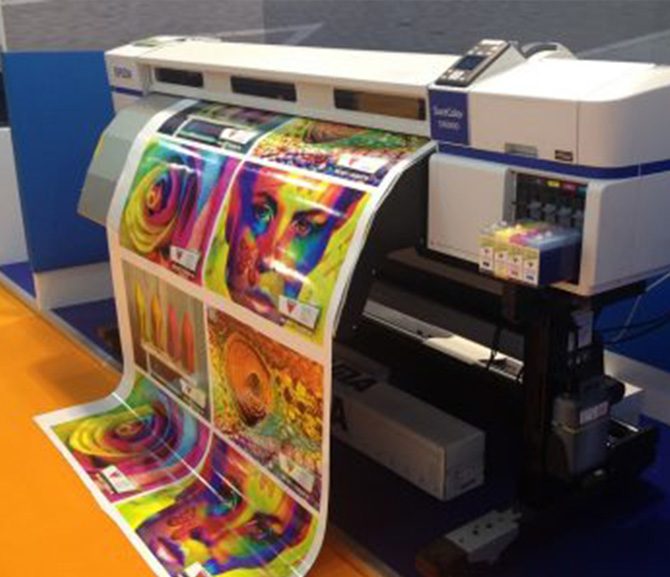
Large-format printing specializes in producing oversized images for banners, posters, and signs. This technology typically uses wide-format inkjet printers capable of printing on a variety of materials, including vinyl, fabric, and canvas. It excels in creating visually impactful displays for events, retail environments, and outdoor advertising. The ability to produce high-resolution, color-rich images at large scales makes this method indispensable for making a strong visual statement.
Summary of Applications
- Offset printing: Ideal for bulk production of high-quality marketing and publication materials.
- Digital printing: Suitable for short runs, personalized items, and quick turnarounds.
- Large-format printing: Perfect for banners, posters, and signage requiring bold, colorful visuals.
By selecting the appropriate printing technology based on project scope, budget, and desired output, clients can achieve optimal color fidelity and presentation quality. Each method's unique features and application strengths contribute to effective visual communication tailored to specific needs and settings.
Color Management and Color Accuracy
Achieving precise color reproduction is a fundamental aspect of high-quality color printing. This involves a combination of sophisticated processes, calibration tools, and standardized procedures that ensure the colors seen on the digital design are faithfully replicated on the physical medium. Color management begins with an accurate calibration of the printing equipment, which includes both software and hardware components. Using color profiles such as ICC profiles, printers can interpret colors consistently across different devices and materials, reducing discrepancies and ensuring the final output aligns with the original design intent.
Furthermore, profiling each printer and substrate combination is vital for maintaining color consistency. Print providers often utilize spectrophotometers to measure color accuracy during a calibration process, creating unique profiles for specific media and ink combinations. This process allows for precise control over color rendering, especially when reproducing complex shades, gradients, and subtle hues that are critical in brand-sensitive applications or detailed photographic reproductions.

Consistent color management not only enhances visual appeal but also reinforces brand identity by ensuring that corporate colors remain vibrant and recognizable in every printed piece. Digital pre-press processes, such as soft proofing and color validation before printing, play an essential role in identifying potential color issues early in the workflow. This proactive approach minimizes waste, reduces rework, and guarantees that the final output meets the expected standards.
Choosing the right color management system and maintaining ongoing calibration are key practices for delivering impeccable color accuracy, especially for large-scale projects encompassing multiple prints or varied media types. Through meticulous color control, businesses and designers can achieve a seamless visual presentation that captivates audiences and elevates their communication efforts.

Materials and Inks Used in Color Printing
Choosing the appropriate materials and inks is fundamental to achieving high-quality color prints. The selection process involves considering the compatibility of media, ink types, and the intended application. Common printing substrates include various paper types—such as gloss, matte, and silk finishes—each offering unique qualities that affect color vibrancy and overall appearance. For instance, glossy papers tend to enhance color brightness and contrast, making them ideal for promotional materials and photographic reproductions, while matte surfaces provide a sophisticated, subdued look better suited for professional reports and presentations.
Inks used in color printing range from dye-based to pigment-based formulations. Dye inks are often favored for their vivid colors and smooth gradations, making them suitable for detailed photographs and vibrant designs. Pigment inks, on the other hand, are renowned for their durability and resistance to fading over time, making them a preferred choice for archival-quality prints and outdoor displays. Both types of inks are available in a broad spectrum of colors, ensuring high fidelity when reproducing complex images and branding elements.
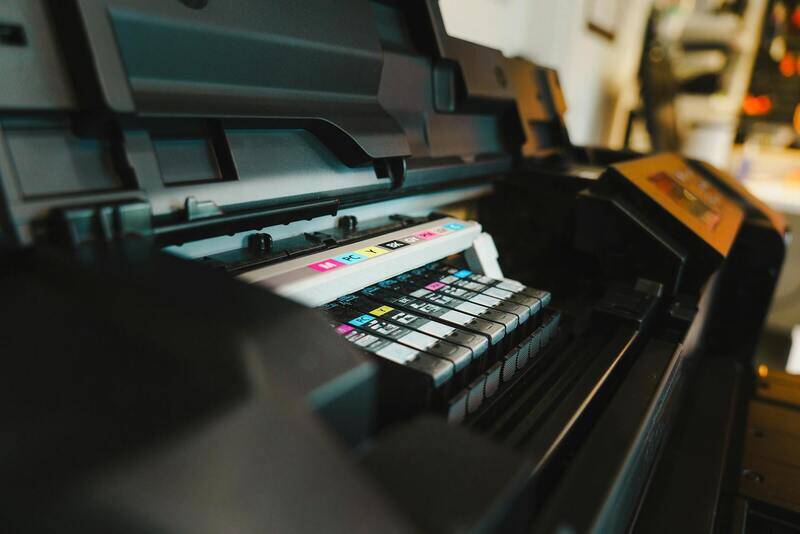
Optimization of material and ink combinations plays a significant role in color accuracy and vibrancy. Modern printers support a wide range of media, including self-adhesive vinyl for signage, fabric substrates for textiles, and specialty papers for fine art. Tailoring the choice of materials and inks to specific project requirements—such as durability, gloss level, or texture—ensures optimal results. Testing different media and ink combinations allows print professionals to fine-tune the output, minimizing wastage and reducing the need for reprints.
Advancements in ink technology, such as eco-solvent, UV-curable, and latex inks, have expanded possibilities for color printing across diverse environments. Eco-solvent inks are well-suited for outdoor signage with vibrant and long-lasting color retention, while UV-curable inks excel in producing detailed fine art and industrial applications. Latex inks offer excellent elasticity and adherence to a wide range of substrates, further broadening the scope of color printing applications. Leveraging these innovations enables businesses and designers to meet increasingly demanding expectations for color accuracy, longevity, and environmental sustainability.
Materials and Inks Used in Color Printing
Achieving vibrant and durable color prints relies heavily on selecting the appropriate materials and inks. The substrates used in color printing are designed to complement specific ink types, ensuring the final product maintains its vibrancy over time and in varying conditions.
Common substrates include coated and uncoated papers, films, fabrics, and specialty media tailored for specific applications. For instance, gloss and semi-gloss papers are often chosen for high-quality photographic prints and marketing materials, as their surface enhances color saturation and detail. Vinyl and synthetic films are preferred for outdoor signage due to their resistance to weather elements, maintaining color integrity over extended periods.
Inks in color printing play a vital role in achieving the desired vibrancy and longevity. Cyan, magenta, yellow, and black (CMYK) inks form the foundation for most professional color printing processes, enabling a broad spectrum of colors through precise layering. Advances in ink formulations, such as eco-solvent and UV-resistant inks, enable prints to withstand environmental exposure without fading or cracking. Specialty inks, like metallic or fluorescent varieties, provide additional options for branding and promotional materials, adding visual impact with unique metallic sheens or vibrant neon effects.

Finishing options further enhance the appeal and durability of color prints. Matte, gloss, and satin coatings can be applied post-printing to add texture, reduce glare, or increase resistance to scratches and moisture. Additionally, lamination and UV coatings provide extra layers of protection, ensuring that color-rich prints remain vibrant and intact, whether used indoors or outdoors.
Optimizing the combination of media, inks, and finishes involves testing different configurations to meet specific project goals. This ensures that colors are accurately reproduced, and the final product adheres to the necessary standards for lifespan, environmental exposure, and aesthetic requirements.
Overview of Printing in Color
Printing in color is a fundamental aspect of modern visual communication, allowing for the reproduction of vibrant images, detailed graphics, and accurate color palettes. Unlike monochrome printing, which focuses solely on varying shades of a single color, color printing incorporates multiple hues to produce images that are more appealing, realistic, and eye-catching. This process relies on precise color matching and advanced technology to ensure that the final output closely aligns with the intended design, capturing the nuances of shades and tones for maximum visual impact.
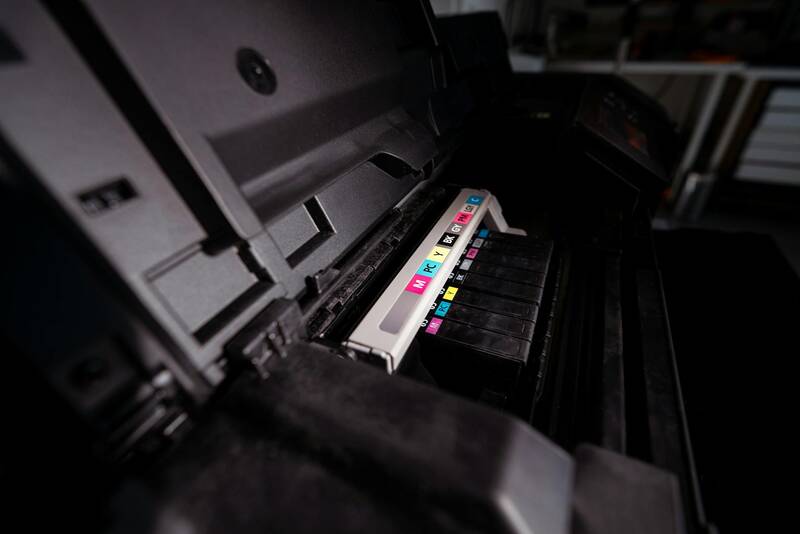
High-quality color printing elevates branding efforts, marketing campaigns, and informational materials. It allows businesses to showcase their logos, product images, and promotional content with clarity and vibrancy, making a strong impression on target audiences. The ability to reproduce accurate colors also plays a critical role in industries such as fashion, interior design, and advertising, where color fidelity directly influences consumer perception and purchasing decisions.
Types of Color Printing Technologies
Various printing technologies are employed to achieve high-quality color reproduction, each suited to different applications and production volumes. The most common methods include:
- Offset Lithography: This traditional printing process uses metal plates to transfer ink to a rubber blanket, then onto the printing substrate. Offset excels in large-volume runs with consistent color quality and sharp detail, making it ideal for commercial printing projects such as magazines, brochures, and packaging.
- Digital Printing: Digital color printing eliminates the need for plates, directly transferring digital images onto substrates. It offers quick turnaround times and cost-effective short runs, making it suitable for personalized prints, promotional materials, and variable data printing.
- Flexography: Often used for packaging and labels, flexography employs flexible plates to print on a variety of substrates, including plastics and foils. It supports vibrant colors and high-speed production, especially in food and beverage packaging.
- Giclée Printing: This high-resolution inkjet process is favored for art reproductions and photographic prints. It provides a broad color spectrum and fine detail, supporting archival-quality outputs with long-lasting vibrancy.
Color Management and Color Accuracy
Maintaining color consistency and accuracy across different print runs and media involves sophisticated color management practices. Color profiles are utilized to calibrate devices and ensure that the colors seen on the monitor are faithfully reproduced in the final print. Color matching systems, based on standardized color spaces like CMYK or Pantone, help achieve precise color replication. Proper calibration of printers, along with regular proofing and testing, ensures that the vibrancy, hue, and saturation of colors meet project specifications, minimizing discrepancies and reprints.

Design Considerations for Color Printing
Designers working for color printing projects must consider several factors to optimize the final output. Key elements include:
- Color Palette Selection: Choosing the right color combinations to evoke the desired response and match branding guidelines.
- Resolution and Image Quality: Ensuring images and graphics are high-resolution to maintain clarity when printed.
- Contrast and Balance: Balancing light and dark colors to enhance readability and visual appeal.
- Material Compatibility: Selecting substrates and inks that complement each other for optimal color rendering and durability.
- Print Sample Testing: Conducting test prints to evaluate color accuracy, registration, and overall quality before full production.
Materials and Inks Used in Color Printing
The selection of materials and inks plays a pivotal role in producing vibrant and durable color prints. Standard color printing employs cyan, magenta, yellow, and black inks following the CMYK color model, enabling a broad spectrum of colors through layered printing. Advances in ink formulations include eco-solvent, UV, and solvent inks, which provide increased resistance to environmental factors such as moisture, UV exposure, and scratches.
Materials vary based on the intended application. For indoor displays, coated papers and synthetic substrates are common choices, offering enhanced vibrancy. For outdoor signage, weather-resistant materials like vinyl, banner fabric, or corrugated plastics are preferred for longevity. Specialty inks, such as metallic or fluorescent options, are utilized when unique visual effects are desired, adding dimensions to branding efforts and promotional visuals.

Overview of Printing in Color
Printing in color involves the reproduction of images, text, and graphics using a broad spectrum of hues that accurately convey visual details and brand messages. Unlike black-and-white or monochrome printing, color printing allows for more dynamic and eye-catching outputs, essential for marketing materials, packaging, and personalized items. Achieving consistent, vibrant results depends on utilizing advanced printing techniques, meticulous color management, and high-quality materials and inks.

Types of Color Printing Technologies
Several proven technologies underpin professional color printing, each suited to different applications and quality requirements:
- Offset Lithography: Ideal for high-volume printing, offset lithography delivers sharp, consistent colors across large batches. It uses metal plates to transfer ink onto substrates, making it cost-effective for bulk production.
- Digital Printing: Perfect for short runs or personalized prints, digital technology allows for quick setup, onto-demand printing, and seamless color consistency. It includes inkjet and toner-based systems that produce high-resolution images.
- Flexography: Commonly used for packaging, labels, and flexible materials, flexography employs flexible plates and fast-drying inks, providing vibrant results on a variety of substrates.
- UV Printing: Employing ultraviolet light to instantly cure inks, UV printing produces durable, vibrant images on diverse surfaces including plastics, wood, and metals. It's especially valuable for specialty projects requiring high detail and resistance.
Color Management and Color Accuracy
The precision of color reproduction relies heavily on sophisticated color management systems. Calibrated monitors, accurate color profiles, and standardized printing workflows ensure that the hues seen on digital screens match the printed output. Color calibration involves adjusting printers and monitors to maintain consistent color fidelity throughout the production process.
Color profiles, adhering to international standards such as ICC profiles, facilitate communication between devices, minimizing discrepancies. Regular quality control checks, including test proofs and color matching techniques, are essential to preserving the integrity of project colors—especially when reproducing brand-specific shades or complex visuals.

Design Considerations for Color Printing
Creating effective designs for color printing involves careful thought around several factors:
- Color Palette: Selecting a balanced color scheme that aligns with branding guidelines and visual hierarchy is crucial. Using a limited palette can enhance cohesion and reduce printing costs.
- Contrast and Readability: Adequate contrast between text and backgrounds improves legibility. Bright, complementary colors also attract attention and highlight key messages.
- Saturation and Brightness: Managing color saturation prevents over-bleeding or dullness, ensuring that the final print remains vibrant and true to the original design.
- File Preparation: High-resolution files, proper color modes (CMYK for print), and avoiding excessive layers or transparency effects contribute to smoother printing.
Designers should verify that their files are optimized for specific printing processes, considering factors such as bleed, trim, and safety zones to achieve the desired visual impact without unintended distortions.
Materials and Inks Used in Color Printing
The choice of substrates and inks directly influences the vibrancy, durability, and overall quality of the printed material. Standard color printing employs the CMYK model with cyan, magenta, yellow, and black inks layered to produce a broad spectrum of colors. Advances in ink formulations include eco-solvent, UV-curable, and solvent inks, each offering benefits like increased resistance to environmental factors and a wider color gamut.
Materials vary widely based on the intended application:
- Indoor Displays: Coated papers, cardstock, and synthetic substrates are used for sharp, vibrant images that require minimal exposure to environmental stress.
- Outdoor Signage: Weather-resistant materials such as vinyl, banner fabric, and corrugated plastics are preferred for longevity and durability.
- Specialty Inks: Metallics, fluorescents, and UV-reactive inks add unique effects, enhancing branding efforts and promotional visuals with dimensional or luminous qualities.

Comprehensive Methods for Printing in Color
Achieving vibrant and precise color reproduction in printing requires an adherence to proven, official techniques that guarantee consistency, quality, and compliance with industry standards. These methods involve meticulous process control, material selection, and rigorous color management protocols that are universally recognized within the printing industry.
Color Calibration and Standardization
Implementing color calibration procedures is foundational for superior color printing in a professional setting. This involves calibrating monitors, printers, and proofing devices to industry standards such as ISO 12647-2, ensuring that colors are consistently reproduced across different substrates and print runs. Standardized color profiles, often in ICc format, serve as a benchmark, allowing designers and printers to communicate and predict actual output effectively. Consistent calibration minimizes color shifts and enhances the predictability of color outcomes, which is crucial for branding consistency and high-quality visual presentation.
Use of Color Management Software
Color management software plays a critical role in translating digital designs into accurate printed colors. These tools facilitate precise color conversion, profile embedding, and gamut mapping, managing the differences between digital displays and physical print outputs. Utilization of industry-leading software ensures adherence to color standards, reduces waste, and improves turnaround times by decreasing the need for multiple proofs or revisions. Proper training in these tools is essential for operators to harness their full capabilities and maintain fidelity throughout the production process.
Proofing and Soft Proofing Techniques
Before committing to large print runs, official proofing methods—such as contract proofs and digital soft proofs—are employed to validate colors and overall appearance. Contract proofs, produced on calibrated devices with approved substrates and inks, provide an exact preview of the final product. Soft proofing involves viewing digital proofs on calibrated monitors, simulating the printed result. Both approaches help identify potential color discrepancies early, reducing costly reprints and ensuring that the actual printed output aligns with client expectations.
Color Reproduction Standards and Quality Control
Enforcing strict quality control measures is vital for maintaining consistent color reproduction. This includes regular equipment maintenance, utilizing verified color charts, and conducting print samples for comparison. Adherence to recognized standards—such as the Pantone Matching System (PMS)—assists in maintaining color accuracy, especially for matched branding colors. Incorporating a systematic review process at every stage of production guarantees that each item meets predefined color criteria and minimizes the risk of deviations that could compromise visual integrity.

Legitimate and technically sound methods like these, supported by proper equipment, software, and quality measures, are essential for printing in color that meets the highest standards. Whether producing marketing materials, packaging, or signage, relying on recognized procedures and industry best practices guarantees the vibrancy, consistency, and durability of the final product—attributes crucial to branding and customer satisfaction.