Overview of Large Format Picture Printing
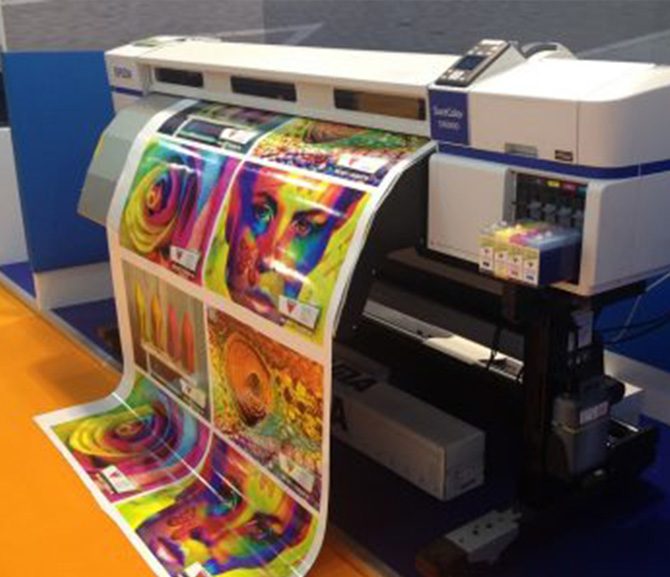
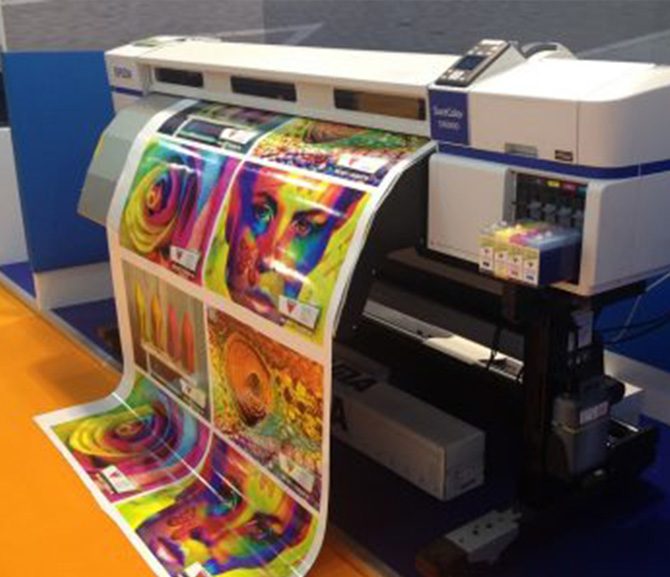
Large format picture printing refers to the process of creating high-quality, oversized images that are often utilized for advertising, interior decor, events, and artistic displays. Unlike standard print sizes, large format prints can range from several feet in width to panoramic displays, providing a vivid and impactful visual experience. This specialized printing technique allows for the reproduction of detailed images in sizes that command attention and elevate visual communication.
The significance of large format printing extends across various industries, including retail, architecture, real estate, and entertainment. Retailers use large banners and wall coverings to attract customers and promote products. Architects and interior designers incorporate wall murals to enhance spaces with customized imagery. Event organizers utilize large signage and backdrops to create immersive environments. In the art world, large format prints serve as means to showcase artwork in galleries or public spaces, offering viewers an engaging experience.
Manufacturers typically produce large format prints in standard widths ranging from 24 inches up to 120 inches or more, with the length varying based on project requirements. Formats include posters, banners, murals, backdrops, and fine art reproductions, each requiring specific considerations in terms of resolution, material choice, and printing technology. The ability to produce precise, color-accurate, and durable images makes large format picture printing indispensable for projects demanding both aesthetic appeal and long-term performance.
In addition to aesthetic applications, large format printing offers practical solutions for wayfinding, signage, and branding, ensuring visibility from afar while maintaining clarity and color fidelity. As a result, businesses and creatives leverage large format printing to enhance communication strategies and make impactful visual statements.
Materials and Substrates for Large Format Prints
Choosing the appropriate materials and substrates is crucial for achieving high-quality large format picture prints that meet both aesthetic and functional expectations. The selection depends on factors such as the intended display environment, durability requirements, and budget constraints.

Among the most common substrates are vinyl films, which are highly versatile and suitable for outdoor signage due to their weather-resistant properties. Vinyl can be finished in gloss, matte, or satin, depending on the desired visual impact. Canvas materials are favored for art reproductions and gallery displays, offering a textured surface that mimics traditional paintings. Canvas prints often require a protective coating to prevent fading and damage over time.
Mesh fabrics are often utilized for banners where airflow is a consideration, such as in outdoor events or sports venues. These materials allow wind to pass through while maintaining visual clarity when printed with vibrant colors. Forex panels and foam boards are popular choices for indoor displays, offering lightweight yet sturdy options that are easy to install and transport.
Specialty Materials and Finishing Options
- Photographic papers: Used for high-resolution fine art reproductions, often coated with a glossy or matte finish to enhance color depth and detail.
- Rigid boards: Materials like aluminum composite or Dibond provide a durable, sleek backdrop for large photographs or artwork meant for long-term display.
- Backlit substrates: Translucent films and acrylic sheets designed for backlit displays, ideal for achieving illuminated signage with vibrant transparency.
- Protective coatings: Laminates and varnishes are applied post-printing to increase resistance to scratches, UV rays, and environmental elements, prolonging the lifespan of the print.
The selection process must consider not only the visual qualities but also the environmental exposure the print will face. For instance, outdoor banners require UV-resistant inks and weatherproof materials to maintain their appearance, while indoor displays might prioritize color accuracy and texture. Collaborating with experienced print providers ensures that the chosen materials align with the specific technical requirements of each project, resulting in final products that are both visually stunning and highly durable.

Overview of Large Format Picture Printing
Large format picture printing encompasses a specialized segment of the printing industry dedicated to producing high-quality, sizeable visual representations suitable for a range of display settings. This process enables the reproduction of images at dimensions that surpass standard printing scales, making it ideal for creating impactful murals, banners, trade show displays, and fine art reproductions. The core objective is to deliver images that retain sharp detail and rich color fidelity, regardless of scale. The ability to produce large visual pieces without compromising clarity positions large format printing as a vital tool for businesses, artists, and event organizers seeking to make a significant visual impact.

Understanding the nuances of this printing specialty involves examining the variety of materials, technologies, and finishing techniques utilized. The key to successful large format printing lies in selecting appropriate substrates and employing the right printing technology to ensure durability, visual quality, and environmental suitability. Whether it's for indoor gallery displays or weather-exposed outdoor advertisements, tailored solutions are essential to meet specific project requirements while maintaining high standards of quality and longevity.
Types of Printing Technologies Used
When it comes to producing large format images, several printing technologies are employed, each suited to different types of materials, desired finishes, and application environments. The most common methods include:
- Solvent and Eco-Solvent Printing: These printers use solvent-based inks that provide excellent adhesion to various substrates, particularly vinyl and rigid materials. They offer vibrant color output and superior weather resistance, making them ideal for outdoor signage and banners.
- UV Printing: Utilizing ultraviolet light to instantly cure inks on a broad spectrum of surfaces, UV printing allows for vibrant, durable images on substrates like acrylic, wood, and metal. Its versatility makes it suitable for both indoor and outdoor displays requiring high durability.
- Latex Printing: This environmentally friendly technology employs water-based inks with latex polymers, suitable for cloth, vinyl, and paper. It provides flexibility, color vibrancy, and good weather resistance, often preferred for fabric banners and interior wall coverings.
- Piezoelectric Inkjet Printing: Common in fine art reproductions, this method uses small ink droplets to produce high-resolution, highly detailed images. It is preferred for applications where detail and color precision are paramount.
Careful consideration of the specific project requirements guides the choice of technology, ensuring that the final output meets expectations in terms of visual impact, durability, and environmental compatibility.

Overview of Large Format Picture Printing
Large format picture printing encompasses the creation of high-impact visual displays through expansive printed images, often exceeding standard dimensions. It is a critical component in industries such as advertising, interior design, event planning, and retail. These prints serve as attention-grabbing elements in both indoor and outdoor settings, providing an immersive experience that dramatically enhances branding and aesthetic appeal. The process begins with precise digital design and culminates in a high-quality physical reproduction capable of conveying intricate details and vibrant colors across extensive surfaces. Mastering large format printing requires a combination of advanced technology, quality materials, and a keen understanding of the intended environment to ensure the finished product maintains its visual integrity and durability over time.
Types of Printing Technologies Used
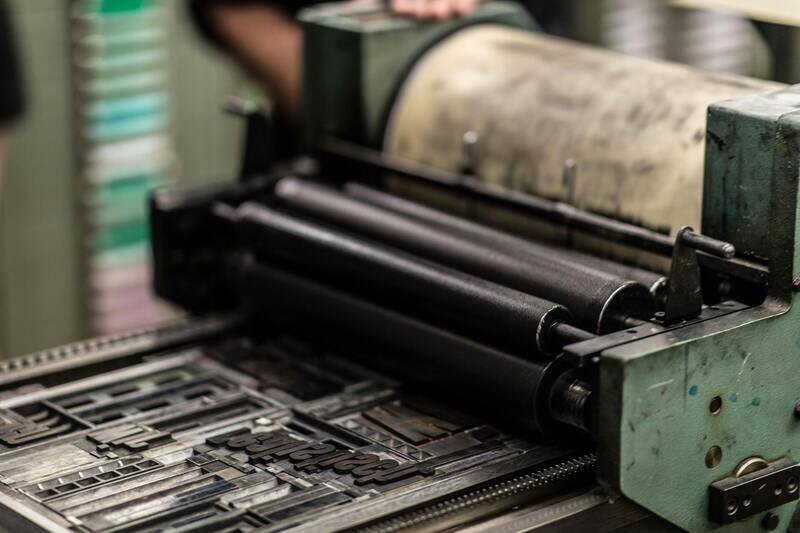
Various printing technologies are employed in large format picture printing, each suited to specific applications and substrate compatibility. Understanding these methods allows for optimal selection based on the desired outcome:
- Solvent and Eco-Solvent Printing: Using solvent-based inks, this technology ensures vibrant coloration and excellent adhesion on materials like vinyl and rigid substrates. It offers impressive weather resistance, making it suitable for outdoor displays such as banners, signs, and vehicle wraps.
- UV Printing: UV printing employs ultraviolet light to instantly cure inks on a wide array of surfaces, including acrylic, metal, and wood. Its capacity for producing vibrant, highly detailed images with durable finishes makes it ideal for both indoor displays and exterior signage requiring longevity.
- Latex Printing: An eco-friendly approach that utilizes water-based inks with latex polymers. It provides flexibility and bright color reproduction, which is particularly advantageous for fabric banners, wall coverings, and other flexible substrates that require weather resistance.
- Piezoelectric Inkjet Printing: Renowned for high-resolution output and detailed imagery, this technology is often used in fine art reproductions and displays where defining details and precise color fidelity are paramount. It ensures sharpness even at very large scales.
Materials and Substrates for Large Format Prints
Selecting the appropriate material for large format printing depends on the project’s environment, durability requirements, and aesthetic goals. Common substrates include:
- Vinyl: Versatile and weather-resistant, ideal for outdoor banners, vehicle wraps, and signage that require durability.
- Acrylic and Polycarbonate: Used for high-end displays and signage demanding clarity and vibrant color reproduction, suited for indoor applications.
- Metal and Aluminum Composite Panels: Provide a sleek, modern appearance for both indoor and outdoor signage, with excellent weather resistance.
- Canvas and Fabric: Preferred for art reproductions, interior wall displays, and decorative banners due to their texture and visual richness.
- Wood and Rigid Boards: Suitable for permanently mounted displays, trade show exhibits, and decorative panels requiring rigidity and durability.
Choosing the right substrate involves balancing factors such as environmental exposure, desired finish, and budget. Proper surface preparation and compatibility with the selected printing technology are vital for achieving clear, vibrant results that withstand the test of time.
Details on the Printing Workflow, Calibration, and Techniques to Ensure Color Accuracy, Resolution, and Durability of the Prints
Achieving high-quality results in large format picture printing requires a meticulous workflow that emphasizes precision at every stage of production. The process begins with comprehensive file preparation, where image resolution, color profiles, and sizing are optimized to match the specific dimensions of the final print. File formats best suited for large format printing typically include TIFF, PSD, or high-resolution PDF, ensuring that image quality is preserved during the printing process.
Once the files are prepared, calibration of the printing equipment becomes crucial. Calibration involves aligning the printer's color output with standardized color profiles, often using spectrophotometers to measure and adjust ink densities and color consistency. This ensures that the colors seen on the digital screen closely match the printed output, reducing discrepancies and ensuring service accuracy.

In addition to calibration, advanced printing techniques like color profiling and ICC (International Color Consortium) profiles are employed to maintain color fidelity throughout the process. Regular maintenance and cleaning of print heads prevent issues such as banding, streaking, or ink clogging, which can compromise image sharpness and color accuracy.
Print resolution for large format images is also a critical factor. While resolution requirements may vary based on viewing distance, a common standard is at least 150 DPI for outdoor banners viewed from afar and up to 300 DPI or higher for indoor displays or close-up viewing applications. High-resolution printing ensures fine details are preserved without pixelation, which is vital for photographic reproductions and detailed artwork.
Furthermore, durable inks—such as solvent, eco-solvent, UV, or latex inks—are used depending on the intended environment and substrate. These inks enhance the longevity of the prints, offering resistance to UV rays, moisture, and physical wear. Applying protective coatings or laminates after printing adds an additional barrier against environmental factors, extending the lifespan and maintaining the vibrancy of the images over time.
Quality control steps include visual inspections, color consistency checks, and test prints to verify alignment, color accuracy, and detail reproduction before final production. Using standardized test charts during production helps detect potential issues early, enabling adjustments to be made without sacrificing quality.
Proper sequencing of workflows—such as printing in batches, staged drying, and post-processing—further enhances the final output's durability and aesthetic appeal. By rigorously adhering to these protocols, print providers can consistently deliver large format images that are sharp, colorful, and long-lasting.
Materials and Substrates for Large Format Prints
Choosing the appropriate material or substrate is critical for achieving optimal results in large format picture printing. The selection depends on the intended application, environmental exposure, and desired aesthetic effect. Common substrates include vinyl banners, canvas, fabric, foam boards, corrugated plastic, and rigid aluminum or acrylic sheets.
Vinyl remains the most versatile and durable choice for outdoor applications due to its weather-resistant properties. It is suitable for banners, vehicle wraps, and signage exposed to harsh elements. Canvas and fabric substrates lend a high-quality, artistic look ideal for gallery displays, interior decorations, or custom fine art reproductions, providing a textured finish that enhances visual appeal. Rigid materials like foam boards, acrylic, or aluminum are frequently used for displays, exhibitions, and point-of-sale signage, offering stability and a premium appearance.
Each substrate has specific preparation requirements to ensure the printed image adheres correctly and maintains durability. Proper coating, such as a primer or gloss laminate, can enhance the print's color vibrancy, resistance to scratches, and environmental protection. Understanding the compatibility between ink types and substrates allows for better adherence, preventing issues like peeling, fading, or warping over time.
Design Preparation and File Requirements
Preparing digital files for large format printing demands meticulous attention to detail. Files should be created at a high resolution, with at least 150-300 DPI at the final print size, to ensure clarity and crispness. Resolution below this range can result in pixelation or loss of detail, especially when viewed from close distances.
Optimal color management practices include using color profiles such as Adobe RGB or CMYK, aligning with the printer's capabilities to achieve accurate color reproduction. Many printing services recommend embedding fonts and including bleed areas—usually 0.125 inches—to prevent unwanted white borders after trimming.
Vector-based graphics are preferred for logos, icons, and illustrations because they maintain quality regardless of scaling. Raster images, such as photographs, should be high-resolution originals to preserve fine details. Additionally, avoiding compression artifacts and ensuring consistent color spaces across files minimize surprises during the printing process.

Clear communication with the printing provider regarding file specifications, color expectations, and any special effects ensures that the final output aligns with client visions. Pre-press checks, including soft proofs and color proofs, can further mitigate errors and guarantee the print matches the original design intentions.
Overview of Large Format Picture Printing
Large format picture printing encompasses the creation of high-impact visual displays suitable for both interior and exterior settings. It involves printing images, artwork, or photographs on expansive surfaces such as banners, murals, billboards, or wallpapers. This process demands precision, high-quality materials, and advanced printing technologies to achieve vivid color reproduction, sharp detail, and durability that withstand environmental factors. With the ability to produce images on a scale that makes a significant visual statement, large format printing plays a vital role in commercial advertising, interior design, and promotional displays. Proper execution ensures the artwork maintains its integrity over time, withstanding elements like UV exposure, moisture, and physical wear.

Types of Printing Technologies Used
The driving force behind high-quality large format prints lies in the selection of appropriate printing technologies. The predominant methods include:
- UV Printing: Utilizing ultraviolet light to cure inks instantly on a variety of substrates, UV printing produces vibrant colors with excellent adhesion and resistance to fading. It is especially effective for rigid materials like plexiglass, metal, or wood.
- Solvent and Eco-Solvent Printing: These printers use solvent-based inks that penetrate deeply into substrates, providing outstanding outdoor durability and high-resolution images. Eco-solvent variants are environmentally friendlier, emitting fewer VOCs while maintaining quality.
- Aqueous (Water-Based) Printing: Ideal for indoor applications, aqueous printers produce sharp images with a broad color gamut on substrates like paper, fabric, or vinyl. They are known for their precision and color depth but are less suited for outdoor use.
- Latex Printing: Using water-based latex inks, this technology offers outdoor durability, flexible prints, and quick drying times. It is versatile, capable of printing on textiles, films, and various rigid surfaces, making it highly popular across multiple industries.
The choice of technology depends on factors such as material compatibility, intended use, budget, and desired longevity. Each method offers unique advantages in terms of image quality, environmental impact, and application flexibility.

Materials and Substrates for Large Format Prints
The material selection critically influences both the appearance and durability of large format prints. Common substrates include:
- Vinyl: A versatile choice for banners, wall graphics, and vehicle wraps, offering flexibility and excellent weather resistance when rated for outdoor use.
- Canvas: Popular for art reproductions and decorative displays, providing a textured finish that mimics traditional art mediums.
- Backlit Films and Acrylics: Used for displays requiring illumination, these materials enhance colors and contrast, making images pop in retail and exhibition settings.
- Fabric: Suitable for tension displays, trade show curtains, and wall coverings, offering lightweight flexibility and ease of installation.
- Parchment, Paper, and Specialty Films: Ideal for indoor art or photographic displays, where a specific aesthetic is desired.
Choosing the appropriate substrate depends on the environmental exposure, visual goals, and installation requirements. Surface textures, weight, and compatibility with the chosen printing technology should all be considered to optimize both visual impact and longevity.

Design Preparation and File Requirements
Effective large format printing begins with meticulous digital file preparation. Files should typically be created at a resolution of 150-300 DPI at the final print size to ensure clarity and detail. Vector graphics are highly recommended for logos and icons, as they maintain quality regardless of scaling, while high-resolution raster images are essential for photographic content.
Color management is crucial; professionals generally use color profiles like Adobe RGB or CMYK to match the printer’s capabilities, ensuring color accuracy. Embedding fonts, including bleed areas (usually 0.125 inches), and avoiding compression artifacts contribute to seamless printing outcomes.
Before submitting files, it's important to double-check for consistency in color spaces, resolution, and file integrity. Utilizing appropriate file formats such as TIFF, PDF, or EPS helps retain quality, and soft proofing allows visualization of the final output to prevent discrepancies.

Printing Process and Quality Control
The printing process involves precise calibration of machinery and rigorous quality control procedures. Once files are loaded, printers operate under controlled environments to maintain consistent ink flow, color accuracy, and layer adhesion. Real-time monitoring ensures parameters such as temperature, humidity, and ink density are within optimal ranges, reducing errors and inconsistencies.
Quality control also entails inspecting prints during and after production. Color matching, sharpness, and registration are verified against proof samples. For outdoor or high-traffic applications, additional protective coatings or laminates are applied post-printing to enhance weather resistance, UV protection, and surface durability. This ensures visual fidelity over prolonged periods despite exposure to environmental elements.

Overview of Large Format Picture Printing
Large format picture printing is an advanced technique that transforms digital images into expansive, high-quality visual displays. Whether for advertising, interior decor, or event signage, this method allows for images to be reproduced at sizes that maintain detail and vibrancy, making a significant impact in both commercial and personal settings. Achieving optimal results depends on meticulous preparation, the right choice of printing technology, and attention to material selection. With increasing demand for eye-catching visuals that command attention, mastering the nuances of large format picture printing has become vital for professionals seeking to deliver premium outputs tailored to diverse needs.
Types of Printing Technologies Used
For large format images, several printing technologies are predominant, each offering distinct advantages in terms of quality, speed, and material compatibility:
- Inkjet Printing: The most common technology for large format pictures, inkjet printers utilize microscopic nozzles to deposit ink directly onto substrates. This method supports a wide range of mediums, from vinyl and fabric to canvas and Fine Art papers, allowing for detailed, vibrant images with smooth color gradations.
- Solvent and Eco-Solvent Printing: These printers are ideal for outdoor applications due to their strong, weather-resistant inks. They produce durable, fade-resistant images suitable for banners, billboards, and vehicle wraps, with the added benefit of quick drying times.
- Larger Format UV Printing: UV-curable printers employ ultraviolet light to instantly solidify inks onto rigid and flexible surfaces. This technology is particularly effective for printing onto unconventional materials like acrylic or wood, expanding creative possibilities.
Materials and Substrates for Large Format Prints
The choice of substrate significantly influences the durability, appearance, and application of large format images. Common options include:

- Vinyl: Popular for banners and outdoor signage due to its weather resistance and flexibility. It can be printed with solvent or UV inks to withstand exposure to the elements.
- Canvas: Preferred for fine art reproductions or interior décor, offering a textured surface that enhances depth and richness of colors.
- Paper and Photo Boards: Ideal for gallery displays or presentation panels, providing a smooth surface for detailed imagery.
- Acrylic and Polycarbonate: Used for high-end signage and exhibits, providing a sleek, glossy finish with excellent clarity.
Design Preparation and File Requirements
Preparing files meticulously ensures the fidelity and quality of large format prints. Key considerations include:
- Resolution: Files should be created or upscaled to at least 150-300 DPI at the intended print size to preserve detail and sharpness.
- Color Space: CMYK color profiles are standard for printing, as they provide more accurate color reproduction. Soft proofing and calibration are vital to match on-screen visuals to the final print.
- File Formats: Accepted formats typically include TIFF, PDF, EPS, and high-quality JPEGs, which retain detail and minimize compression artifacts.
- Bleed and Margins: Incorporating bleed areas (usually 0.125 to 0.25 inches) prevents white borders and ensures the image extends seamlessly to the edges after trimming.
Designers should also verify that files are properly calibrated and that embedded fonts or vector graphics are correctly outlined to avoid discrepancies during printing.
Printing Process and Quality Control
The process involves calibrated equipment operated within controlled environments to ensure consistent output quality. Once the file is prepared, it is uploaded into the printer, where real-time monitoring optimizes ink flow, temperature, and humidity levels. Regular calibration checks and maintenance routines help uphold color consistency and mechanical precision. During printing, operators inspect the output at various stages, verifying color accuracy, registration, and sharpness against proof samples. Post-production, additional steps such as applying protective coatings or lamination may be performed to enhance surface durability and resistance to environmental factors, especially for outdoor installations.
Applications of Large Format Prints
Large format images serve a variety of purposes across different industries and settings:
- Advertising and Promotions: Creating impactful billboard and banner displays that attract attention from afar.
- Interior Design: Enhancing spaces through wall murals, gallery wraps, or decorative panels that reflect personal style or brand identity.
- Trade Shows and Exhibits: Producing large signage and backdrops that communicate messages clearly and attract visitors.
- Event Displays and Installations: Custom backdrops, stage sets, and photo booths that elevate event experiences.
- Architectural and Museum Displays: Reproducing detailed architectural plans or historical imagery for educational or aesthetic purposes.
Cost and Turnaround Time
Pricing for large format picture printing varies based on factors such as size, material, complexity, and finishing options. Typically, larger sizes and more intricate designs incur higher costs, with premium materials and protective coatings adding to the expense. Turnaround times are equally affected by these variables, often ranging from a few days for standard projects to several weeks for custom or high-volume orders. Efficient workflows and advanced printing technologies enable quick production without compromising quality, ensuring clients receive impactful visuals within their required schedules.