Overview of Booklet Printing Services
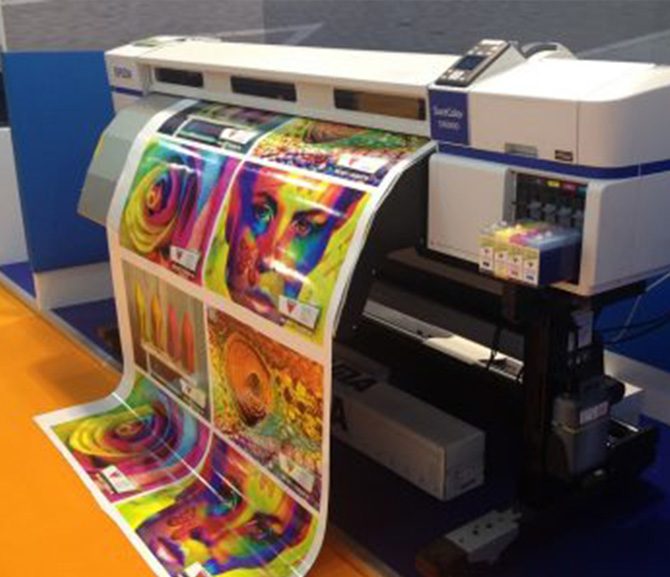
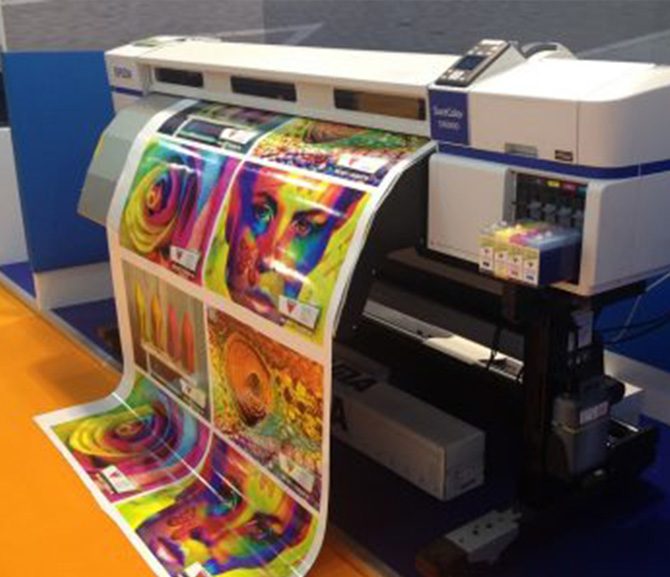
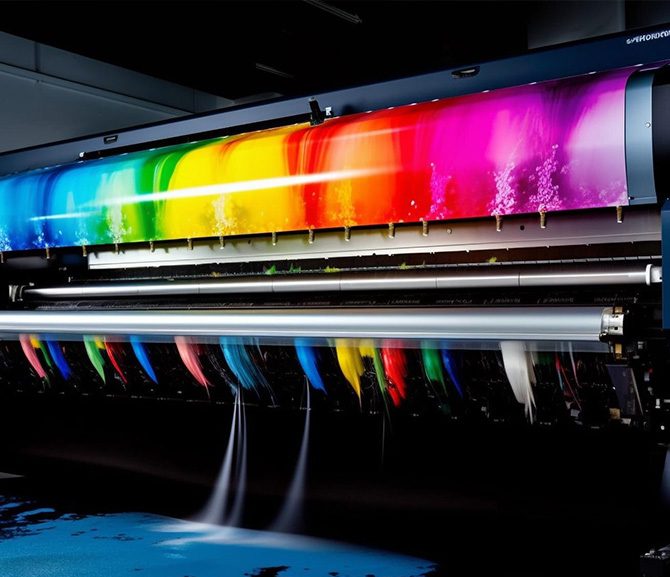
Booklet printing services play a vital role in producing professional, polished marketing materials, educational resources, programs, manuals, and event guides. These services enable businesses and organizations to share information effectively, presenting content in a format that is both portable and visually appealing. The process involves transforming digital designs into tangible printed booklets that reflect quality and attention to detail, meeting diverse needs across various industries.
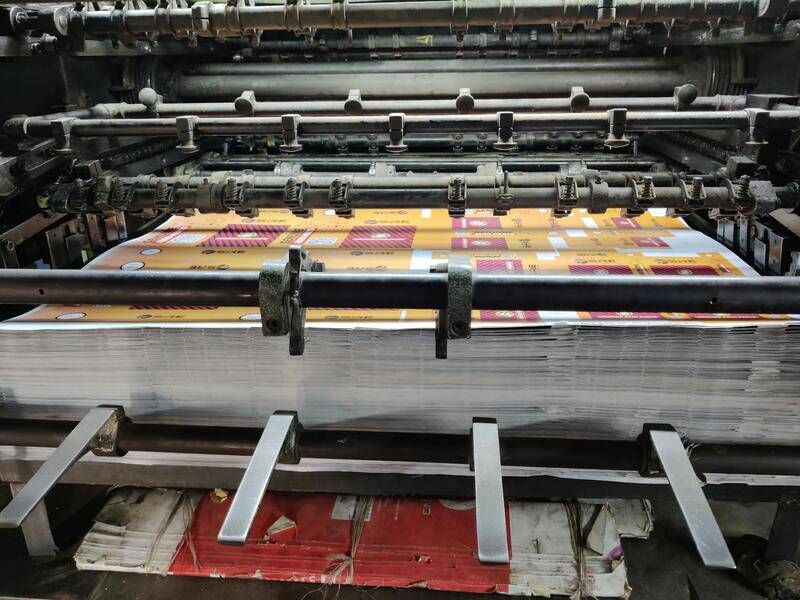
Choosing expert booklet printing providers offers numerous benefits. First, they ensure consistency in color and layout, crucial for maintaining brand integrity. Second, professional printers utilize advanced technology that guarantees precision and durability. Third, they provide a variety of customization options, allowing clients to select materials, finishes, and sizes that best suit their objectives. This level of service enhances the overall impact of the booklet, making it a compelling tool for marketing, communication, and informational purposes.
Booklet printing services are versatile, supporting small runs for targeted campaigns as well as large orders for extensive distribution. By partnering with experienced printers, clients gain access to guidance on design, paper selection, and finishing techniques that elevate the final product beyond standard printouts. This holistic approach not only improves the aesthetics and functionality of the booklet but also aligns it with the specific goals of the project.
In today’s competitive environment, professional booklet printing ensures a memorable presence in the hands of recipients. The tactile quality and presentation reflect a commitment to quality, making a lasting impression and reinforcing the message conveyed within. Whether used for corporate presentations, event programs, or product catalogs, high-quality booklet printing services help organizations communicate effectively and stand out from the crowd.
Furthermore, reliable printing providers offer flexible solutions tailored to various budgets and deadlines. They facilitate rapid turnaround times without compromising quality, accommodating urgent needs or large-scale distributions seamlessly. As a result, choosing the right booklet printing partner is a strategic decision that can significantly influence the success of marketing and informational initiatives.

Overall, the combination of skilled craftsmanship, advanced technology, and personalized service underscores the importance of professional booklet printing in achieving impactful, durable, and visually appealing printed materials tailored to any purpose or industry.
Types of Booklet Printing Techniques
Choosing the appropriate printing method is essential to achieving optimal quality and durability for your booklet. Different techniques serve various purposes based on the booklet's size, page count, binding style, and intended use. Among the most common methods are saddle stitching, perfect binding, and wire binding.

Saddle Stitching
Saddle stitching involves inserting folded pages onto a metal staple or stitch along the fold line, providing a cost-effective and efficient solution for booklets with relatively few pages. It is ideal for brochures, event programs, and thin catalogs, offering a slim profile and ease of opening. This method allows for quick production turnaround while maintaining a professional appearance.
Perfect Binding
Perfect binding is characterized by gluing the spine of a stack of gathered pages to a flexible cover, creating a flat or square-edged appearance. This method is suitable for larger booklets, such as comprehensive catalogs, manuals, or multi-section brochures, delivering a polished and durable product. It accommodates thicker, more substantial page counts and offers a premium feel that reflects quality and professionalism.
Wire Binding
Wire binding, also known as spiral or coil binding, involves inserting a continuous wire or plastic coil through punched holes along the edge of the pages. This technique allows the booklet to lay flat when open, making it ideal for manuals, planners, or interactive presentations requiring frequent handling. The binding process is flexible and supports a range of sizes, giving the finished product a functional yet attractive appearance.
Paper Types and Finishes for Booklets
The choice of paper significantly impacts the tactile experience and visual appeal of your printed booklet. Selecting suitable paper types and finishes ensures your content remains legible, vibrant, and durable:
- Uncoated Paper: Offers a natural, matte finish that is easy to write on and ideal for informational or note-taking booklets.
- Glossy Paper: Provides a shiny, smooth surface that enhances color richness, making it perfect for photo-heavy or visually striking brochures.
- Satin or Velvet Finish: Combines the qualities of matte and gloss, offering a subtle sheen with reduced glare for a high-end look.
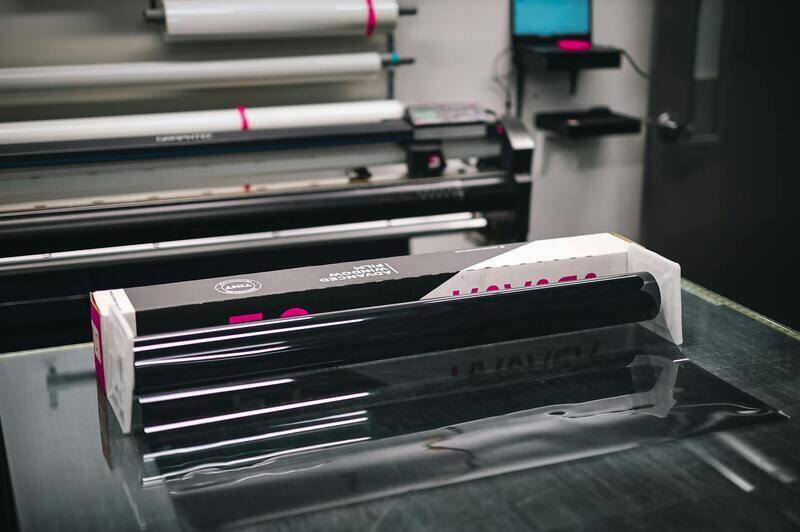
Beyond paper type, finishes such as UV coating, lamination, or soft-touch coatings can add additional protection and aesthetic appeal, ensuring your booklet maintains its quality over time. These options are especially beneficial for high-usage materials or those exposed to handling and environmental factors.
Design and Layout Considerations
Effective booklet design relies on thoughtful layout choices that facilitate readability and visual harmony. Incorporating consistent margins, balanced typography, and purposeful imagery enhances the reader’s experience. Additionally, strategic use of whitespace prevents overcrowding, making content more approachable and engaging.
- Utilize grid systems to align text and images for a clean, organized appearance.
- Choose font sizes and styles that reflect the tone and purpose of your booklet, ensuring accessibility.
- Implement visual hierarchy to guide the reader’s eye through sections intuitively.
High-resolution images and vector graphics should be embedded at appropriate sizes to prevent pixelation, complementing the overall layout without overwhelming the content.
Custom Sizes and Folding Options
Customization extends beyond printing techniques to include a variety of sizes and folding configurations. Standard sizes such as A4, A5, or custom dimensions can be tailored to match specific branding or distribution needs.
- Half-Fold: Divides the sheet into two, creating four pages within one folded sheet, suitable for brochures and mini catalogs.
- Tri-Fold: Divides the sheet into three panels, ideal for informational leaflets or quick-reference guides.
- Z-Fold and Accordion: Expand the folding options for larger, more intricate layouts that allow for sequential storytelling or detailed visuals.
Folding techniques combined with cutting options allow for unique, eye-catching formats that can better communicate your message effectively.
Paper Types and Finishes for Booklets
Choosing the appropriate paper type and finish is essential to achieving the desired look and longevity of your booklet. The selection process involves considering factors such as durability, tactile feel, visual appeal, and cost-effectiveness. Common paper options include coated papers like gloss, matte, and soft-touch finishes, which provide different aesthetic qualities and are suitable for various design intents. Glossy papers enhance color vibrancy and sharpness, making images and graphics stand out. Matte finishes offer a subdued, elegant appearance with less glare, ideal for sophisticated content or minimalist designs.
Uncoated papers are favored for a natural, raw texture that is easy to write on and feels comfortable to hold. They are often preferred for reports, presentations, or manuals where readability is paramount. Additionally, specialty papers with textures or unique finishes can add a premium touch, making your booklet memorable.
Finishing options further enhance both appearance and protection. Matte and gloss laminations protect the cover from scratches, smudges, and moisture, extending the lifespan of the booklet. Spot UV coatings can be applied to highlight specific design elements, adding a glossy shine to selected areas. Embossing or debossing techniques can create tactile effects that make particular parts of your design stand out, increasing visual interest and perceived value.
Design and Layout Considerations
Effective design and layout principles form the backbone of a compelling booklet. It begins with establishing a clear visual hierarchy that guides the reader smoothly through the content. Consistent use of color schemes, typography, and spacing ensures coherence, while strategic placement of images complements textual information.
Utilization of grid systems helps maintain alignment and balance, creating a harmonious and professional appearance. Choosing fonts that reflect the tone—be it formal, casual, or creative—is crucial for effective communication. Adequate margins and white space prevent clutter, making the content more digestible. High-resolution images and vectors should be optimized for print, ensuring crispness and clarity without pixelation.
Developing a cohesive design that aligns with your branding and target audience can significantly improve engagement. It is essential to consider how the cover design entices curiosity and how internal pages maintain consistency while presenting information logically and attractively.
Custom Sizes and Folding Options
Beyond standard formats, custom sizes and folding configurations allow for creative expression and functional flexibility. Selecting a size that aligns with your distribution method or branding needs maximizes impact. Popular options include A4, A5, and their custom derivatives, tailored for specific purposes or aesthetic preferences.
Folding techniques are instrumental in transforming flat sheets into interactive, multi-paneled booklets. The half-fold divides the sheet into two sections, creating a simple four-page layout ideal for mini catalogs or quick info sheets. The tri-fold, dividing the sheet into three panels, is perfect for brochures and flyers, offering a compact, easy-to-review format. More intricate options like Z-folds and accordion folds expand your storytelling capacity, allowing for sequential content or elaborate visuals that unfold step by step.
Folding methods can be combined with specialized cutting techniques to produce distinctive formats that stand out. These customizations are designed to communicate your message more effectively and ensure your booklet captures attention from first glance to the last page.
Design and Layout Considerations
Creating a well-structured booklet involves meticulous planning of design elements to ensure clarity, visual appeal, and effective communication. The selection of typography plays a crucial role; choosing fonts that are legible and complementary to the overall theme enhances readability across all pages. Consistent font sizes, styles, and spacing help maintain a cohesive look from cover to the final page.
Imagery also contributes significantly to a booklet's impact. High-resolution images and thoughtfully crafted graphics can illustrate key points, evoke emotions, and reinforce branding. Strategic use of white space prevents clutter, guiding the reader’s gaze naturally through the content and emphasizing important information.
Layout design should consider the flow of information, ensuring that headlines, subheadings, and body text are logically organized. Utilizing grid systems aids in maintaining alignment and balance, providing a polished appearance. Incorporating visual hierarchies through size and color differentiation directs viewers' attention to the most critical sections or messages.
Color schemes must be thoughtfully chosen to reflect branding and evoke the desired emotional response. Consistent use of palettes aligns the booklet with your corporate identity or thematic focus. When choosing images, opt for those that are relevant, high-quality, and capable of conveying your message without overwhelming the text.
Additionally, integrating call-to-action elements within the layout can guide readers toward desired responses, whether it’s visiting a website, making a purchase, or attending an event. Proper placement and design of these elements ensure they stand out without disrupting the overall aesthetic.
In digital printing environments, bleed areas, margins, and safe zones are essential considerations to prevent issues during trimming or binding. Working with professional printing services ensures that these technical details are managed correctly, resulting in a final product that meets high standards of quality and durability.
Custom Sizes and Folding Options
When selecting booklet printing services, it is essential to consider the variety of sizes and folding techniques available, as these choices directly impact the final product's appearance, functionality, and overall appeal. Custom sizes enable businesses and individuals to tailor their booklets to specific needs, whether for compact marketing materials or elaborate presentation booklets.
Standard sizes such as A4, A5, or letter dimensions serve the common needs of most projects. However, many professional printers offer bespoke size options, allowing for more precise dimensions that align with brand specifications or unique design concepts. Custom sizing ensures that your booklet stands out and effectively communicates your message in a format that resonates with your audience.

Folding techniques further enhance the aesthetic and functional qualities of your booklet. Common options include:
- Half-Fold: Divides the sheet into two equal parts, creating a simple brochure style.
- Tri-Fold: Commonly used in marketing brochures, offering three panels for organized content delivery.
- Z-Fold: Provides a more dynamic appearance, with panels that fold in a zigzag pattern, ideal for storytelling or step-by-step guides.
- Accordion Fold: Folds like an accordion for an extended, seamless presentation, perfect for timelines or panoramic images.
- Gate Fold: Features large panels that open outward like gates, drawing particular attention to the content inside.
Choosing the right folding method depends on your booklet’s purpose and how you want to engage your readers. For instance, a tri-fold layout is excellent for quick information delivery, while a gate fold can add a touch of sophistication to premium marketing materials.
These folding options influence not only the visual presentation but also the usability of the final product. Well-executed folds can enhance the durability of the booklet, prevent damage, and facilitate easy handling. Consulting with professional printing services during the design phase ensures that the chosen sizes and fold patterns are optimized for your project's goals and technical constraints.
Overview of Booklet Printing Services
Booklet printing services encompass a comprehensive range of solutions designed to produce professional, visually appealing printed materials tailored to various needs. These services include everything from simple, small-scale brochures to complex, multi-page booklets suited for marketing campaigns, instructional manuals, event programs, and corporate reports. When choosing a booklet printing provider, it is crucial to consider factors such as print quality, customization options, turnaround times, and the ability to handle specific design requirements. A reputable service ensures that your printed materials align with your branding and communication goals, reflecting a high level of craftsmanship and attention to detail.

Types of Booklet Printing Techniques
Different printing techniques can significantly influence the final appearance, durability, and cost of your booklet. Common methods include:
- Digital Printing: Ideal for small to medium runs, offering quick turnaround times and cost-effective options. Digital printing allows for high-resolution images and personalized content without the need for extensive setup.
- Offset Printing: Suitable for large quantities, offset printing provides superior color accuracy and consistency. It is frequently used for high-volume projects where quality and cost-efficiency are priorities.
- Letterpress and Flexography: Less common but valuable for specialty finishes and tactile effects, these techniques add a distinctive texture and aesthetic to your booklet.
Selection of a printing method depends on factors like quantity, budget, design complexity, and desired finish. Consulting with printing professionals helps determine the best approach for your specific project.
Paper Types and Finishes for Booklets
The choice of paper and finish directly impacts the tactile quality and visual appeal of your booklet. Popular options include:
- Glossy Paper: Enhances vibrant colors and images, making it ideal for marketing materials that require visual impact.
- Matte Paper: Offers a subdued, sophisticated look with reduced glare, suitable for text-heavy content and professional presentations.
- Uncoated Paper: Provides a natural feel, often preferred for note-taking, sketches, or eco-friendly projects.

Design and Layout Considerations
Effective booklet design combines aesthetic appeal with readability. Key considerations include:
- Consistent Styling: Maintain uniform fonts, colors, and spacing throughout to ensure a cohesive look.
- Readable Typography: Choose legible fonts and appropriate sizes, especially for body text.
- Visual Hierarchy: Use headings, subheadings, and bullet points to guide readers through the content systematically.
- High-Quality Images: Incorporate sharp images and graphics that align with your message and enhance visual interest.
- Margin and Bleed Settings: Proper margins and bleed areas prevent cropping issues and ensure a clean presentation.
Custom Sizes and Folding Options
Versatility in size and fold patterns allows your booklet to stand out and serve different purposes. Standard sizes include A4, A5, and custom dimensions based on specific needs. Folding options also influence both aesthetics and functionality:
- Half-Fold: Divides the sheet into two sections, suitable for simple brochures or introductory materials.
- Tri-Fold: Creates three panels, commonly used for quick-reference guides and event programs.
- Z-Fold: Adds a dynamic zigzag pattern ideal for storytelling or step-by-step instructions.
- Accordion Fold: Extends content in a continuous, expandable format, perfect for timelines or panoramic visuals.
- Gate Fold: Opens outward like gates, highlighting key information or visuals with an elegant presentation.
Choosing the appropriate size and fold pattern depends on your content richness and how you want your audience to engage with the material. Working closely with printing experts ensures configurations optimized for durability and visual impact.
Overview of Booklet Printing Services
Booklet printing services encompass a comprehensive range of options designed to produce professional, visually appealing booklets tailored to various needs. They cater to businesses, educational institutions, event organizers, and marketers seeking effective communication tools. These services include multiple printing techniques, paper selections, finishing options, and custom configurations, all aimed at delivering high-quality products that enhance brand presence and informational clarity. Whether for product catalogs, training manuals, menus, or promotional materials, choosing a reputable booklet printing service guarantees consistent quality, precise color matching, durable binding, and on-time delivery, ensuring your message is conveyed effectively to your target audience.
Types of Booklet Printing Techniques
Several printing methods are employed in booklet production, each offering unique advantages in terms of quality, speed, and cost efficiency:
- Offset Printing: Ideal for large volume orders, offset printing provides superior color accuracy and high-resolution prints. It involves transferring ink from a plate to a rubber blanket, then onto the paper, ensuring crisp visuals and sharp text, making it suitable for professional marketing materials and extensive catalogs.
- Digital Printing: This method excels in quick turnarounds and smaller print runs. Digital printing eliminates the need for plates, allowing for cost-effective, on-demand production with customization capabilities. It’s well-suited for short-term projects, personalized booklets, or prototypes.
- Letterpress and Flexography: These traditional techniques are used for special effects or limited editions, offering unique tactile finishes or embossing features that add a premium touch to your booklet design.

Paper Types and Finishes for Booklets
The choice of paper significantly impacts the overall appearance, durability, and tactile experience of your booklet. Options range from standard to premium qualities, each suitable for specific applications:
- Matte Paper: Offers a non-reflective, smooth finish that enhances readability and minimizes glare, ideal for text-heavy booklets and reports.
- Glossy Paper: Provides a shiny surface that enhances colors and images, making it perfect for photo-centric booklets such as portfolios and promotional catalogs.
- Satin and Silk Finishes: Combine the attributes of matte and gloss, delivering a soft sheen with smooth texture for a sophisticated look.
- Specialty Papers: Including textured, recycled, or heavyweight options that can add uniqueness and tactile richness to your booklet.
Finishing touches such as UV coating, lamination, or embossing can further enhance your booklet's durability and visual appeal, making certain elements stand out and providing added protection against wear and tear.

Design and Layout Considerations
Effective booklet design involves strategic layout planning to ensure clarity, engagement, and professionalism. It is essential to pay attention to:
- Content Hierarchy: Use headings, subheadings, and bullet points to organize information logically, guiding readers seamlessly through the material.
- Typography: Select legible fonts with appropriate sizes, especially for body text, to enhance readability across different formats and audiences.
- Visual Elements: Incorporate high-quality images, graphics, and icons that complement the textual content, break up blocks of text, and add visual interest.
- Color Schemes: Use colors that align with your brand identity while ensuring sufficient contrast for accessibility and visual impact.
- Margins and Bleed Settings: Proper margins prevent content from being cut off during trimming, and bleed allowances ensure backgrounds extend to the edge without unwanted borders.
Design consistency and attention to detail contribute to a professional finish that reflects your brand's credibility and message effectively. Collaborating with professional designers or utilizing specialized software can streamline this process and yield refined results.
Custom Sizes and Folding Options
Variety in size and folding patterns offers versatility in how your booklet is perceived and utilized. Standard sizes such as A4 and A5 can be customized further to meet specific requirements. Folding options significantly influence both the aesthetic and functional aspects:
- Half-Fold: Divides the sheet into two equal parts, suitable for simple brochures or introductory handouts.
- Tri-Fold: Creates three panels for compact, easy-to-handle materials, commonly used in menus and event programs.
- Z-Fold: Features a zigzag fold that allows for sequential storytelling or process explanations, adding dynamic visual interest.
- Accordion Fold: Extends content in a continuous, expandable manner, perfect for timelines or panoramic visuals.
- Gate Fold: Opens outward to reveal a large central panel, ideal for highlighting key visuals or information in an elegant fashion.
Choosing the right size and fold pattern depends on your content volume, audience engagement strategy, and overall aesthetic goals. Carefully designed configurations ensure your booklet is not only attractive but also functional and durable.
Applications and Use Cases
Booklet printing services are indispensable across a wide range of industries and functions, showcasing their adaptability and effectiveness for various communication objectives. Whether used for marketing campaigns, educational materials, corporate communications, or event promotions, booklets serve as a versatile medium to convey complex information in an engaging and organized manner.
Marketing and Promotional Materials
Businesses frequently utilize printed booklets as part of their promotional efforts. These materials can encapsulate product catalogs, service guides, brochures, and special offers, providing potential customers with comprehensive details in a tangible format. Well-designed booklets not only enhance brand visibility but also foster a tangible connection with the audience, encouraging engagement and response. The flexibility in design, size, and finishing options allows companies to align their printed materials seamlessly with their branding strategies, ensuring maximum impact.
Educational and Training Materials
Educational institutions and training organizations rely heavily on booklet printing services to produce manuals, student handouts, and instructional guides. The durability and customization options available, including matte or gloss finishes, help in creating durable, easy-to-read documents that facilitate effective learning experiences. Additionally, the ability to produce various sizes and folding styles allows for tailored materials suited to different age groups or training contexts, making complex information more accessible.
Corporate Communications
Many corporations utilize booklets for internal and external communication, including annual reports, policy manuals, onboarding materials, and corporate profiles. These printed materials serve to reinforce brand identity and provide stakeholders with professional, comprehensive content. High-quality paper choices and professional finishing techniques lend a polished appearance, vital for maintaining corporate credibility and trust.
Event Promotions and Programs
Event organizers frequently opt for booklet printing to produce programs, schedules, and promotional handouts. The versatility in folding options such as tri-fold or gate fold allows for compact, portable materials that can elegantly present event information, sponsorship details, or artist biographies. These booklets enhance attendees' experience, ensuring that essential information is readily accessible and visually appealing, fostering positive engagement during events.
Specialized Uses
- Art and Portfolio Books: Artists and designers utilize booklet printing to showcase their work, offering a tangible portfolio that can be customized in size and finishing to reflect their creative identity.
- Recipe and Cooking Guides: Culinary professionals may produce recipe booklets as promotional items or instructional materials, often featuring visually rich layouts and durable paper options.
- Instructional Manuals for Products: Manufacturers often provide detailed, easy-to-navigate manuals that support product use, featuring fold-outs and high-quality images for clarity.
Conclusion
Booklet printing services offer a dynamic platform for communicating information across various contexts. Their customizable nature, professional finishes, and diverse folding and size options make them an essential tool for creating impactful, lasting impressions in marketing, education, corporate outreach, and beyond. Tailoring these printed materials to specific needs ensures they resonate effectively with target audiences, solidifying their position as a critical element in comprehensive communication strategies.