Understanding Custom Booklet Printing
Custom booklet printing is a specialized printing service that involves producing booklets tailored to specific requirements, preferences, and purposes. This process allows organizations, businesses, and individuals to create personalized materials that effectively communicate their message, showcase their products, or promote their brand. Custom booklets are versatile tools commonly used for marketing campaigns, event programs, educational materials, product catalogs, training manuals, and corporate reports. Their significance extends beyond mere presentation; they serve as strategic assets in enhancing brand visibility and engagement. The essence of custom booklet printing lies in its flexibility and attention to detail. Unlike standard printing options, custom booklets offer a wide array of design, format, and material choices, enabling clients to craft a unique and impactful final product. The ability to incorporate personalized content, images, branding elements, and specific layouts makes this service invaluable for those seeking a distinctive printed material that aligns with their visual identity and communication goals. At the core of custom booklet printing is a comprehensive process that begins with understanding the specific needs of the client. Whether it’s a small business looking to produce a product catalog or a non-profit planning an informational brochure, the printing process adapts to various scales and complexities. The common applications of custom booklets illustrate their importance across multiple domains:

Common Applications of Custom Booklet Printing
- Marketing and Promotional Materials: Custom booklets effectively showcase products, services, and company stories, capturing audience attention and driving engagement.
- Event Programs: They serve as schedules or informational guides for conferences, weddings, exhibitions, and other organized events, providing attendees with essential details in an elegant format.
- Educational and Training Resources: Custom manuals, course materials, and instructional guides benefit from personalized layouts and high-quality printing to facilitate learning.
- Product Catalogs and Brochures: Businesses highlight their product lines through visually appealing and informative booklets, supporting sales and customer trust.
- Organizational Reports and Documentation: Corporate and non-profit organizations utilize custom booklets for annual reports, strategic plans, and informational pamphlets to communicate professionalism and transparency.
Choosing to utilize custom booklet printing not only elevates the aesthetic appeal of the final product but also ensures that the content is presented in a manner that resonates with the intended audience. The process involves meticulous design planning, selection of appropriate materials, and precise printing techniques—all aimed at achieving a balance between visual impact and functional clarity.
Design Considerations for Custom Booklets
When developing a custom booklet, every design element must be carefully curated to enhance readability, aesthetic appeal, and overall effectiveness. The layout plays a crucial role in guiding the reader seamlessly through the content. Proper use of white space, clear headings, and consistent typography ensure that the information is accessible and engaging. The cover design serves as the first impression, often reflecting the theme or purpose of the booklet, making it essential to select compelling visuals and appropriate fonts that resonate with the target audience.
Paper quality significantly impacts the tactile experience and durability of the booklet. Thicker cardstock or coated papers tend to provide a premium feel, ideal for high-end marketing materials or corporate reports. Conversely, lighter papers may be suitable for bulk distribution or informational handouts, balancing quality with cost efficiency. Size choices also influence how the content is perceived; standard dimensions such as A4 or A5 are common, but custom sizes can be tailored to suit specific branding or functional requirements.
The integration of design elements must also consider the printing techniques employed. Incorporating bleeds, margins, and crop marks ensures that images and colors extend seamlessly to the edges of pages, resulting in a polished final product. It is vital to maintain consistency in color schemes, fonts, and layout styles across all pages to enhance coherence and visual harmony. Utilizing high-resolution images and graphics further elevates the professional appearance of the booklet, making it a compelling communication tool.
Types of Booklet Bindings and Formats
Selection of binding style is instrumental in determining both the aesthetic and functional qualities of the booklet. Common binding options include saddle-stitched, perfect binding, comb binding, and spiral binding, each suited to different content lengths and usage scenarios. Saddle-stitching, involving staples through the fold, is ideal for smaller booklets, typically up to 48 pages, offering a clean and cost-effective solution.
- Saddle Stitch: Compact and economical, suitable for short document formats.
- Perfect Binding: Used for larger booklets, providing a professional look similar to paperback books.
- Spiral or Coil Binding: Allows for easy page turning and flat laying, perfect for manuals or catalogs that require frequent reference.
- Comb Binding: Flexible and easy to customize, often used in educational or training materials.
Format choices extend beyond binding, including portrait, landscape, or square layouts which can dramatically alter the presentation style. The choice depends on the nature of the content and the desired visual impact. Custom formats enable brands to showcase their uniqueness while ensuring practical usability for the intended audience.
Paper and Printing Quality Options
Choosing the right paper and printing quality is pivotal in producing durable, visually appealing booklets. Coated papers such as gloss or matte finishes enhance color vibrancy and image sharpness, making visuals pop. Uncoated papers provide a tactile, natural feel, often preferred for artistic or premium applications. Different weights of paper, measured in GSM (grams per square meter), offer varying degrees of sturdiness; heavier weights are more durable and suitable for premium products, while lighter options are more economical for large-scale distributions.
Printing technology, such as digital or offset printing, influences the final quality and turnaround times. Offset printing typically provides superior color accuracy and cost efficiency for bulk orders, whereas digital printing offers quick turnaround for smaller quantities with high customization capabilities. Incorporating UV coating or embossing can add special effects, elevating the tactile and visual appeal of the booklet, making it stand out in competitive environments.
Ordering and Customization Process
Initiating a custom booklet order involves a clear sequence of steps to ensure the final product aligns with your expectations. The process begins with selecting specifications including size, binding, paper type, and page count. Detailed design files are then submitted, often in high-resolution formats such as PDF or AI, to ensure fidelity during printing. Collaborating with a professional printer allows access to templates and design assistance, streamlining the process and reducing errors.
Once the design is finalized, proofing is essential to verify layout accuracy and color fidelity before mass production. Many providers offer physical or digital proofing options, enabling adjustments to achieve the desired aesthetic. After approval, printing proceeds, adhering to quality standards and specifications. Regular communication with the printing team ensures that any unforeseen issues can be addressed promptly, guaranteeing a smooth production cycle.
Turnaround Time and Cost Factors
Production speed for custom booklet printing can vary depending on the complexity of the order, volume, and selected finishing techniques. Standard turnaround times typically range from a few business days to a week for most projects. Express services are often available for urgent needs, albeit at a premium cost. Costs are influenced by factors such as paper quality, binding type, print volume, and the intricacy of design elements like embossing or foil stamping. Planning ahead and obtaining detailed quotes ensures budget alignment while achieving the desired quality.
Advantages of Choosing Professional Printing Services
Partnering with experienced printers guarantees access to advanced technology, high-quality materials, and expert craftsmanship. Professional services provide consistent color reproduction, crisp detail, and durable finishes that elevate the overall perception of your booklet. Additionally, experienced printers can offer invaluable guidance on design optimization, material selection, and finishing techniques to maximize impact and value.
Where to Find Custom Booklet Printing in Singapore
For businesses and organizations seeking reliable custom booklet printing in Singapore, numerous reputable providers exist that combine quality craftsmanship with competitive pricing. These companies typically offer comprehensive services from design consultation to final delivery, ensuring a seamless experience. Locating a local provider ensures reduced turnaround times and easier communication, facilitating swift adjustments and proofs as needed.
Types of Booklet Bindings and Formats
Choosing the appropriate binding and format for your custom booklet is essential for achieving the desired functionality, durability, and aesthetic appeal. Each binding style serves different purposes and complements various content types, providing options that cater to business presentations, educational materials, marketing brochures, and event programs.
- Saddle Stitch Binding: This is one of the most common and cost-effective binding methods. It involves folding sheets of paper in half and stitching them together along the fold with staples. Saddle stitch booklets are ideal for short publications, such as flyers, small catalogs, or event programs with a limited page count. They lay flat easily, making them suitable for quick reading and display.
- Perfect Binding: Widely used for thicker publications like catalogs, reports, and manuals, perfect binding involves gathering the text blocks and attaching them to a wraparound cover with adhesive. The resulting booklet offers a professional look with a clean spine, suitable for materials that require a polished, durable finish. It supports high page counts and provides a substantial, magazine-like appearance.
- Comb Binding: Also known as plastic comb binding, this method employs a plastic spine with rings that hold punched holes in the pages. It allows for easy page addition or removal, making it ideal for manuals, training materials, and presentations where updates are frequent. Comb binding also permits the document to lay flat when opened, enhancing usability.
In terms of formats, custom booklets can be tailored to diverse specifications. Standard sizes such as A4, A5, or customized dimensions are commonly available, depending on the intended purpose. Considerations for format include content type, target distribution method, and storage requirements. For instance, compact sizes work well for handouts, while larger layouts may be preferable for detailed visual presentations.
Beyond size, folding styles like bi-fold, tri-fold, or z-fold can add visual interest and facilitate thematic organization. Such variations are particularly effective for marketing materials or educational displays, where segmenting content enhances engagement and clarity. Adapting these formats ensures your booklet aligns with your branding objectives and functional needs.
Understanding Custom Booklet Printing
Custom booklet printing provides a versatile and impactful way to present information, whether for marketing campaigns, corporate reports, event programs, or educational materials. The process involves tailoring every aspect of the booklet—from size and paper type to binding and finishing options—to meet specific needs and preferences. High-quality custom booklets can significantly enhance brand image, engage audiences more effectively, and deliver content in a professional, polished format. The selection of appropriate materials, binding methods, and design elements plays a crucial role in ensuring the final product aligns with the intended purpose and leaves a lasting impression. For organizations aiming to promote their products or services, well-designed custom booklets are essential tools that combine visual appeal with functional utility, making complex information accessible and memorable.

Design Considerations for Custom Booklets
Effective design begins with understanding your target audience and defining the core message you wish to convey. Opt for layouts that balance visual elements with informative content, ensuring clarity and readability across the entire booklet. When planning the design, consider the following:
- Cover Design: The cover should be eye-catching and reflective of your branding. Use high-resolution images, compelling headlines, and consistent color schemes to make a memorable first impression.
- Content Layout: Organize information logically, using headings, subheadings, and bullet points to facilitate easy navigation. Incorporate whitespace to prevent clutter and enhance visual appeal.
- Typography: Select fonts that align with your brand identity and ensure legibility, especially for body text. Combining a headline font with a complementary body font adds visual interest.
- Visual Elements: Integrate high-quality images, infographics, and icons to support textual content. These elements should be relevant, clear, and properly aligned to maintain professional standards.
Pay attention to color consistency and contrast for readability, especially in printed materials. Additionally, consider incorporating QR codes or interactive elements to connect print with digital content, enhancing user engagement.
Types of Booklet Bindings and Formats
Binding choices influence the durability, aesthetic appeal, and usability of your custom booklet. Common binding methods include saddle stitch, perfect binding, and comb binding. Each serves different purposes and content types:
- Saddle Stitch: Suitable for booklets with fewer pages, typically up to 48 pages, using staples along the spine. It offers a sleek, minimalist look ideal for brochures, programs, and event booklets.
- Perfect Binding: Employs a strong glue to hold pages to an adhesive spine, creating a smooth, professional finish. This format supports larger page counts and is often used for catalogs, annual reports, and training manuals.
- Comb Binding: Uses a plastic spine with rings that open for easy page updates. It’s practical for manuals and presentations requiring frequent updates, providing lay-flat capabilities for better usability.
The format of your booklet should also be chosen based on content and distribution needs. Standard sizes such as A4 or A5 are common, but customized dimensions can better suit specific uses. Folding styles like bi-fold, tri-fold, or Z-fold are effective for organizing segmented information, especially in marketing materials or educational displays. Choosing the right size and fold enhances both the visual impact and the functional usability of your booklet, aligning with branding goals and operational requirements.
Understanding Custom Booklet Printing
Custom booklet printing offers a versatile means to present information, showcase products, or promote services with a tailored touch. It involves creating booklets that are precisely designed to meet specific branding, content, and functional requirements. The process begins with selecting appropriate formats and design elements, ensuring that the finished product aligns with the intended purpose. Customized booklets can range from small brochures to comprehensive catalogs, each requiring careful planning and professional execution.

In today's competitive landscape, employing official and proven methods for custom booklet production guarantees durability, clarity, and a professional appearance. Utilizing advanced digital and offset printing techniques, combined with premium materials, ensures that every detail—from vibrant colors to sharp text—is rendered accurately. This comprehensive approach reinforces brand consistency and fosters trust with your audience, whether for marketing, training, or informational purposes.
Design Considerations for Custom Booklets
- Content Structure: Organize your information logically, using headings, subheadings, and bullet points to improve readability.
- Visual Elements: Include high-quality images, icons, and graphics that complement your content and enhance visual appeal.
- Color Scheme: Use brand-appropriate colors that attract attention and maintain consistency across all materials.
- Typography: Select clear, professional fonts that align with your branding and ensure legibility throughout the booklet.
- Layout and White Space: Balance text and visuals, incorporating white space to prevent clutter and facilitate easier navigation.
Types of Booklet Bindings and Formats
Choosing the right binding method is crucial for both aesthetic appeal and functional durability. Common options include:
- Saddle Stitch: Utilized for smaller booklets, typically up to 48 pages, this method employs staples along the fold line to secure sheets. It's ideal for brochures, programs, and lightweight informational materials thanks to its sleek appearance and cost-effectiveness.
- Perfect Binding: Suitable for larger or more substantial booklets like catalogs or annual reports, it uses a strong adhesive along the spine to affix pages securely. The result is a professional, hardcover-like finish that supports high page counts.
- Comb Binding: Using plastic spines with rings that open, this binding is practical for manuals or training materials requiring frequent updates. It allows pages to lay flat, providing convenience during use.
In addition to binding types, the format and size of your booklet matter significantly. Standard formats include A4 and A5, but custom dimensions can be designed to better fit particular content or layout preferences. Folding styles such as bi-fold, tri-fold, or Z-fold help organize segmented information effectively, especially in marketing or educational contexts. The right combination of size and fold enhances both visual impact and usability, making your booklet a powerful communication tool.
Paper and Printing Quality Options
The choice of paper and printing quality plays a vital role in the overall effectiveness of your custom booklet. High-quality paper stock enhances durability and tactile appeal, which can leave a lasting impression. Options include matte, gloss, or silk finishes, each offering different visual effects and levels of durability suitable for various applications.
- Standard Paper: Ideal for general purposes, providing a balance between cost and quality.
- Premium Paper: Offers enhanced thickness and texture, perfect for premium branding or special editions.
- Recycled Paper: For environmentally conscious branding, incorporating recycled materials maintains quality while reducing environmental impact.
Color quality is equally important. Full-color printing ensures vibrant visuals that grab attention, while black-and-white options may suffice for text-heavy documents seeking a professional tone. The printing technology—digital for smaller runs or offset for larger quantities—determines the sharpness and consistency of colors and designs.
Understanding Custom Booklet Printing
Custom booklet printing offers an effective means to communicate your message through professionally crafted printed materials. It encompasses a range of options tailored to meet specific needs, whether for corporate presentations, promotional campaigns, educational resources, or personal projects. The process involves selecting appropriate sizes, formats, and finishes to create an attractive and functional document. High-quality custom booklets serve as a valuable communication tool by combining engaging content with visually appealing design elements. Such materials have the ability to enhance branding, convey detailed information clearly, and leave a memorable impression on your audience. Leveraging advanced printing techniques and premium materials ensures your custom booklet stands out, emphasizing professionalism and attention to detail at every stage of production. Moreover, the ability to customize every aspect from cover design to internal layouts supports the creation of a cohesive and impactful final product, making it an indispensable resource for organizations and individuals seeking to deliver their message effectively.
Design Considerations for Custom Booklets
Effective design is central to the success of any custom booklet. It requires meticulous planning to create a layout that is both aesthetically pleasing and easy to navigate. Consider employing consistent branding elements such as logos, color schemes, and typography throughout the booklet to establish brand recognition and professional appearance. Balance the arrangement of text, images, andwhite space to avoid clutter and enhance readability. Choose fonts that are clear and versatile, suitable for the content type and intended audience. For educational or technical booklets, clarity in diagrams and charts further improves comprehension. Incorporate high-resolution images and graphics to protect visual quality, especially when printing in full color. Additionally, pay attention to the cover design, ensuring it conveys the core message visually while maintaining a cohesive look with the interior pages. Ultimately, thoughtful design aligns with your objectives, creating a compelling and memorable communication tool that reflects your brand’s professionalism and attention to detail.
Key Tips for Designing Effective Booklets
- Maintain consistency in branding elements such as logos, colors, and fonts.
- Use high-resolution images and graphics for clarity.
- Keep layouts clean with sufficient white space to improve readability.
- Organize content logically with clear headings and subheadings.
- Include call-to-action elements where appropriate to guide reader engagement.
- Optimize font sizes and styles for easy reading across different formats.
Types of Booklet Bindings and Formats
The binding method directly influences the durability, appearance, and usability of your custom booklet. Common options include saddle stitch, perfect binding, comb binding, wire binding, and spiral binding, each suited to different purposes and project sizes. Saddle stitch, involving staples along the fold, is ideal for thinner booklets and offers a clean, streamlined look. Perfect binding utilizes glued spines, akin to paperback books, suitable for publications with more pages, providing a professional finish. Comb and wire bindings allow for easy page turning and flat laying, making them suitable for manuals and catalogs that require frequent use. Spiral binding offers flexibility and is often used for training materials and presentations. Choosing the right format depends on the document's intended use, aesthetic preferences, and budget constraints. Additionally, standard formats such as A4, A5, or custom sizes enable tailored design choices that maximize visual impact and functionality.

Popular Format Options
- A4 (210 x 297 mm) — ideal for detailed reports, brochures, and catalogs.
- A5 (148 x 210 mm) — suitable for handouts, mini booklets, and promotional materials.
- Custom sizes — designed to fit specific branding or ergonomic needs.
Paper and Printing Quality Options
The selection of paper stock and printing technology significantly impacts the tactile experience, visual appeal, and longevity of your custom booklet. Different finishes and weights are available to match your project's objectives and aesthetic preferences. Standard paper options include matte, gloss, and silk finishes, each offering distinct visual effects and durability levels. For a premium feel, thicker, textured paper stocks enhance the perceived value and tactile sensitivity. Environmentally conscious options like recycled paper allow for sustainability without compromising quality. The choice of paper weight, typically ranging from 80gsm to 170gsm, balances sturdiness with flexibility. High-quality printing techniques such as offset printing produce crisp, vibrant images and text, especially advantageous for large print runs. Digital printing offers flexibility for shorter runs with quick turnaround times. The selection of spot UV coating, embossing, or foil stamping can further elevate the overall presentation, making your custom booklet extraordinary and engaging for the audience.
Understanding Custom Booklet Printing
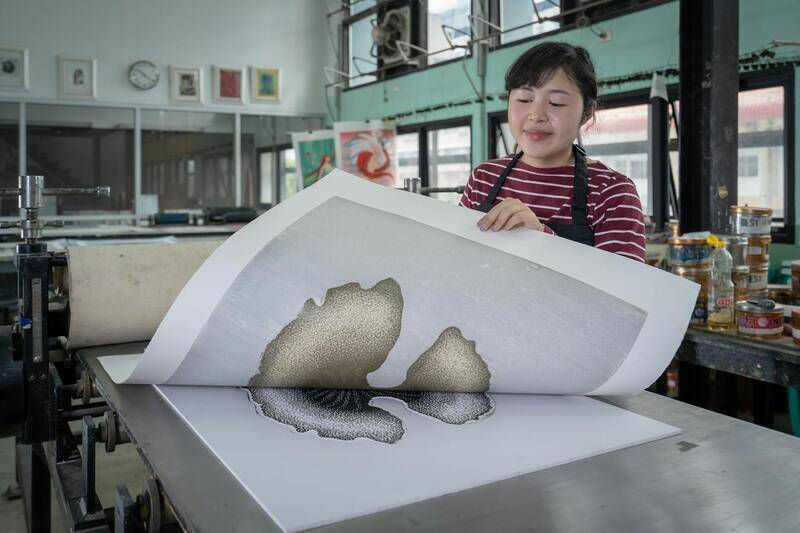
Custom booklet printing serves as a powerful tool for businesses, educational institutions, and organizations seeking to communicate information effectively through professionally crafted booklets. The process involves selecting specific formats, paper stocks, binding methods, and finishing techniques to produce a tangible product that accurately reflects the message and branding intentions. Leveraging digital or offset printing technologies, custom booklet printing ensures each copy maintains high visual fidelity and durability. Whether used for marketing brochures, event programs, training manuals, or portfolios, the emphasis remains on creating a cohesive and visually appealing product tailored to the client's unique specifications.

Choosing the right printing partner, such as enterprises offering specialized services like expressprintingsi.com, guarantees access to advanced printing technologies, a broad array of customization options, and expert guidance throughout the production process. This ensures the final product not only meets aesthetic standards but also aligns perfectly with messaging and branding strategies, establishing credibility and fostering audience engagement.
Design Considerations for Custom Booklets
Design plays a pivotal role in the efficacy and visual appeal of a custom booklet. Effective layouts minimize clutter, create a logical flow of information, and incorporate brand elements seamlessly. Critical design features include consistent typography, appropriate color schemes, ample white space, and compelling imagery that resonates with the target audience.
- Content Hierarchy: Organize information in a manner that guides readers naturally through the material, emphasizing key messages.
- Image Integration: Use high-resolution images that complement the text, enhancing visual interest without overwhelming the layout.
- Branding Alignment: Incorporate logos, branded color palettes, and fonts to reinforce brand identity effectively.
Leveraging professional graphic design services can ensure each element of the booklet aligns with your visual standards, ultimately delivering a cohesive and impactful communication piece.
Types of Booklet Bindings and Formats
Different binding methods and formats serve specific purposes based on the intended use, content length, and desired aesthetic. Common binding types include:
- Saddle Stitch Binding: Suitable for booklets with fewer pages; involves folding sheets and stapling along the spine for a clean, compact finish.
- Perfect Binding: Ideal for larger booklets; uses adhesive to bind the pages, providing a smooth, professional spine suitable for catalogs and manuals.
- Comb and Coil Binding: Offers flat lay capability, perfect for workbooks or presentations where ease of use is crucial.
- Wire-O Binding: Provides durability and a professional appearance, suitable for training manuals and periodic reports.
Formats vary from standard sizes like A4 and A5 to custom dimensions tailored to specific branding or ergonomic needs. Selecting the appropriate binding and format enhances usability and presentation, reinforcing the professionalism of the final product.
Paper and Printing Quality Options
Choosing the appropriate paper and printing quality is crucial to achieving the desired tactile and visual effects. Standard options include matte, gloss, and silk finishes, each delivering unique aesthetics and durability. Matte finishes provide a sophisticated, non-reflective surface that minimizes glare, making text easier to read. Gloss finishes enhance vibrancy, making images stand out with a shiny, reflective surface. Silk finishes strike a balance, offering smoothness with a refined look.
For premium quality, textured and thicker papers can elevate the tactile experience. Heavier weights, like 130gsm or higher, lend sturdiness especially for presentation or sales materials, while lighter stocks provide flexibility for handouts. Sustainable options, such as recycled paper, enable eco-conscious printing without sacrificing visual appeal.
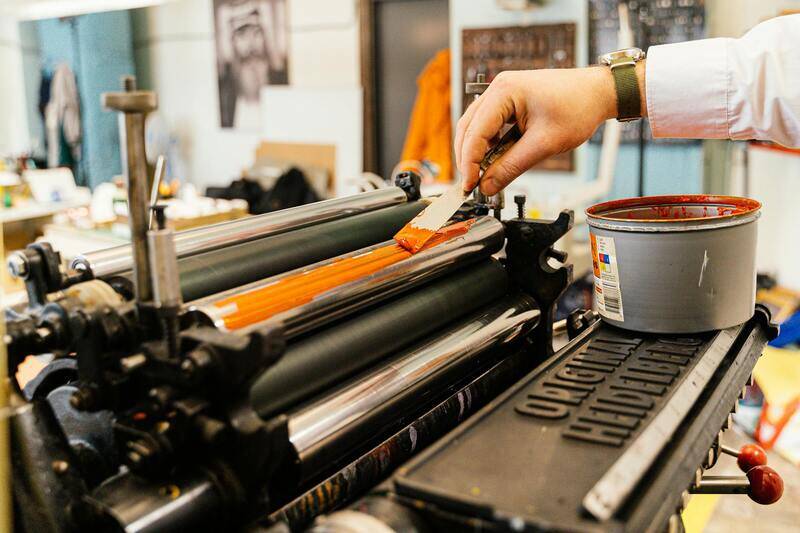
Advanced printing techniques like offset printing yield sharp, vibrant images suited for bulk production, whereas digital printing offers flexibility and quick turnaround for smaller batches. The incorporation of coating finishes such as spot UV, embossing, or foil stamping further enhances the aesthetic appeal, providing tactile or visual accents that make your booklet stand out distinctly.
Ordering and Customization Process
The process of ordering custom booklets begins with a consultation to clarify objectives, desired formats, quantities, and budget. Clients typically provide digital files in specified formats, often accompanied by design guidelines or brand assets. Most printing providers offer proofing options, allowing clients to review a digital or physical mock-up before full production begins. This ensures that layout, color accuracy, and overall design meet expectations.
Customization options extend beyond layout to include special finishes, embossing, foil accents, and unique fold lines, enabling the creation of distinctive, eye-catching booklets. Clear communication during this stage minimizes revisions and streamlines production, ultimately reducing lead times and ensuring a high-quality outcome.
Turnaround Time and Cost Factors
Production timeline varies based on project complexity, volume, and chosen finishing options. Standard turnarounds can range from a few days to two weeks, with expedited services available for urgent needs. Cost considerations include the type of paper, binding choice, page count, quantity, and any special finishes or custom sizes. Bulk orders often benefit from reduced per-unit costs, making large-scale projects more economical.
Investing in quality materials and finishes might elevate costs but significantly enhances the perceived value and durability of your booklets. Therefore, aligning your budget with your objectives is essential—whether prioritizing quick turnaround for internal distribution or long-term durability for client-facing materials.
Understanding Custom Booklet Printing
Custom booklet printing involves producing multi-page printed materials tailored to specific requirements, whether for marketing, educational, or corporate purposes. This process allows for a high degree of personalization in terms of size, design, binding, and finishes. The primary advantage lies in creating unique, professional-quality booklets that effectively communicate your message and align with your branding objectives. As a strategic marketing tool, custom booklets offer tangible value, combining visual appeal with functional design to engage audiences effectively. Reliable printing providers employ advanced technology and quality materials to ensure each booklet meets precise standards, enhancing your brand’s credibility and impact.

Design Considerations for Custom Booklets
Creating an impactful custom booklet begins with effective design elements that reflect your brand identity. Consider the following when designing your booklet:
- Layout Consistency: Maintain uniform margins, spacing, and alignment to create a cohesive look.
- Color Scheme: Use brand colors and high-resolution images to enhance visual appeal.
- Typography: Select legible fonts that complement your message and optimize readability across different sections.
- Content Hierarchy: Structure content with headings, subheadings, and bullet points for clarity and ease of navigation.
- Imagery and Graphics: Incorporate professional visuals that support your narrative, ensuring they align with your overall theme.
- Call-to-Action: Strategically place prompts to guide readers towards desired actions, such as visiting a website or contacting your team.
Additionally, consider the inclusion of special finishes—such as spot UV coating, embossing, foil stamping, or die cuts—to create tactile and visual interest. These elements can distinguish your booklet from standard publications, making it more memorable and engaging for recipients.
Types of Booklet Bindings and Formats
The binding method significantly influences the durability, aesthetic, and functionality of your booklet. Common options include:
- Saddle Stitch: Staples along the spine, suitable for booklets with fewer pages, offering a clean, professional look.
- Perfect Binding: Used for thicker publications with a glued spine, providing a polished finish similar to paperback books.
- Combination Binding: A mix of saddle stitch and perfect binding, ideal for specialized projects requiring specific durability or appearance.
- Wire-O and Spiral Binding: Wire or plastic coils used for booklets needing to lay flat, often preferred for manuals, catalogs, or presentation materials.
Formats vary from standard sizes such as A4 or A5 to custom dimensions tailored to your content and distribution needs. Choosing the right binding and format depends on the intended use, budget, and desired presentation style.
Paper and Printing Quality Options
Material quality is crucial in defining the tactile experience and overall impression of your custom booklet. Options include:
- Paper Weight: Ranges from lightweight (80gsm) for handouts to heavyweight (up to 350gsm or higher) for covers and premium aesthetics.
- Finish: Matte, gloss, silk, or soft-touch coatings, each providing distinct visual effects and tactile sensations.
- Textured Papers: Linen, felt, or other textured surfaces can add a sophisticated look and feel.
- Printing Techniques: Digital printing offers quick turnaround and flexibility for short runs, while offset printing provides superior quality for larger quantities with precise color reproduction.

Ordering and Customization Process
To ensure a smooth production process, providing detailed specifications upfront is key. Typically, the workflow involves:
- Initial Consultation: Discuss your project goals, design ideas, quantities, and preferred finishes.
- Design Submission: Share digital files in required formats, accompanied by any branding guidelines or artwork assets.
- Proofing: Request digital or physical mock-ups to review layout, colors, and overall design before proceeding.
- Revisions: Make necessary adjustments to align with your expectations.
- Production: The finalized design enters the manufacturing process, adhering to agreed specifications.
Turnaround Time and Cost Factors
Delivery timelines depend on the complexity of your project, chosen processes, and order volume. Typical turnaround periods range from three to ten business days, with expedited options available for urgent needs. Cost considerations include:
- Material Selection: Higher-quality papers and finishes generally increase expenses.
- Binding Method: Premium bindings or intricate fold lines can influence costs.
- Page Count and Size: Larger or more padded booklets require more materials and time.
- Quantity: Bulk orders often benefit from discounted rates per unit, making large projects more cost-effective.
- Additional Finishes: Embossing, foil stamping, or special coatings add to the overall expenditure.
Advantages of Choosing Professional Printing Services
Entrusting your custom booklet production to experienced providers ensures high-quality results that meet your exact specifications. Professional services employ advanced printing technology, high-grade materials, and meticulous quality control processes, which collectively ensure consistency and durability. They also offer guidance on design optimization, material selection, and finishing options, facilitating a seamless production experience. Additionally, established printing partners are equipped to handle large-scale orders efficiently, providing reliable turnaround times and competitive pricing. This leading-edge support guarantees that your final product will be visually compelling, structurally sound, and aligned with your strategic objectives.