Understanding Color Booklet Printing
Color booklet printing is a specialized printing process that involves producing small booklets with vibrant, full-color pages. These booklets are used across various sectors, including marketing, education, corporate communication, and event promotion. The primary advantage of color booklet printing lies in its ability to deliver information with visual appeal, making complex data, product images, and promotional content more engaging and easier to understand. Color booklets are often employed for menus, product catalogs, training manuals, brochures, and event programs. The use of multiple colors enhances the visual impact, helping to attract readers' attention and convey messages more effectively. Moreover, color printing allows for brand consistency by incorporating corporate colors and logos seamlessly into the design. This process ensures high-quality, vibrant output that can vividly reproduce photographs, illustrations, and detailed graphics. The ability to print in color not only enriches the overall presentation but also elevates the perceived value of the booklet, making it suitable for professional contexts where first impressions matter. When considering color booklet printing, it's essential to understand its benefits:
- Enhanced visual appeal and engagement
- Improved brand recognition through consistent color use
- Support for complex graphics and detailed images
- Versatility for various applications and industries
- Ability to produce customized, eye-catching marketing materials
Types of Printing Technologies for Color Booklets
Selecting an appropriate printing technology is crucial in achieving the desired visual impact and maintaining cost efficiency for your color booklet project. Several printing methods are commonly employed, each with specific advantages suited to different production requirements.
Digital printing offers a streamlined process ideal for small to mid-sized runs, providing fast turnaround times and the ability to produce personalized content with ease. It excels in customization, allowing for quick adjustments and high-quality color reproduction without the extensive setup required for larger projects.

Offset printing, on the other hand, is the preferred choice for large-scale production due to its high efficiency and consistent output quality. It involves creating plates for each color, which makes it more suitable for projects with large quantities and intricate color schemes. Offset printing delivers superior color fidelity, sharp details, and smooth gradients, which are vital for complex visuals in color booklets.
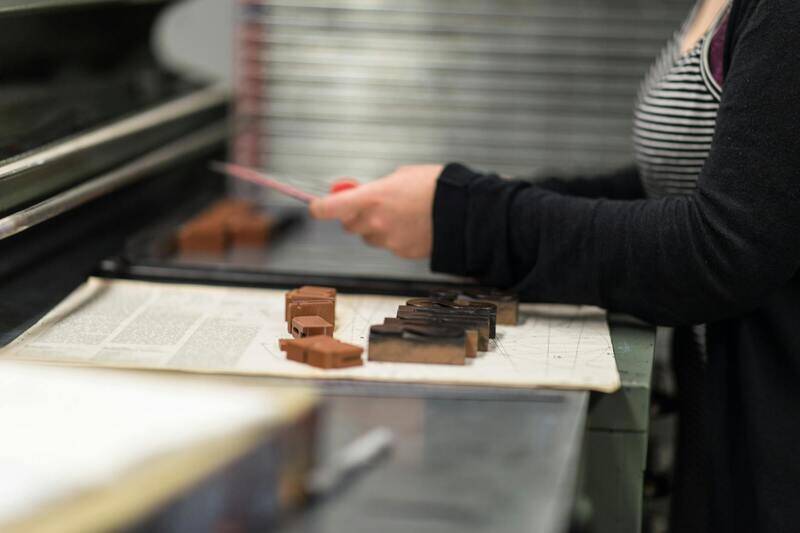
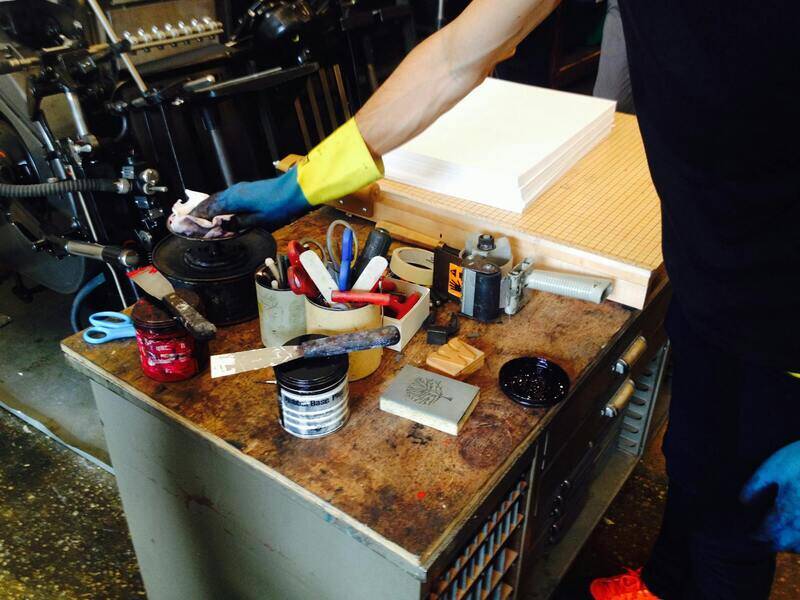
Lithography, closely related to offset printing, provides exceptional detail and color accuracy, often used for specialty prints requiring high artistic quality. Its application in booklet printing is tailored toward premium products where visual excellence is a top priority.
Understanding these methods helps in aligning your project's needs with the correct printing technology, ensuring you get the best results for your budget and timeline. The choice between digital and offset printing should consider volume, color complexity, and required turnaround, enabling you to optimize both quality and efficiency in your color booklet printing process.
Choosing the Right Paper and Materials
Selecting appropriate paper and material options is essential for achieving the desired visual appeal and durability of your color booklet. The choice of paper significantly impacts how vibrant colors appear once printed and affects the overall tactile experience for the reader.
Weight and thickness, measured in GSM (grams per square meter), are critical factors that determine the robustness of your booklet. For instance, a higher GSM, such as 130-170, provides a sturdy feel suitable for cover pages, lending an air of professionalism and quality. Lighter paper, typically around 80-100 GSM, is often used for internal pages where flexibility and cost efficiency are priorities.
Finish options also play a crucial role in presentation and longevity. Matte finishes reduce glare, making text easier to read and images softer to the eye, perfect for long-form content. Glossy finishes enhance color brightness and contrast, making images pop, which is ideal for high-impact visuals and photography-intensive layouts. Satin finishes offer a balance between the two, providing vibrancy with a softer sheen.
Moreover, specialty papers such as textured, recycled, or waterproof materials can be utilized to add unique tactile qualities or environmental considerations to your booklet. When choosing materials, consider your target audience, the environment in which the booklet will be used, and the overall aesthetic you aim to achieve.
Adhesives and binding materials are also vital, particularly when selecting cover stocks and internal pages. Heavyweight covers with lamination or UV coating provide extra durability and prevent wear, maintaining the booklet's professional appearance over time. For internal sections, binding options such as saddle stitching, perfect binding, or spiral binding depend on the size, usage, and presentation style.
Utilizing select paper and materials ensures that your printed color booklet not only displays vibrant, accurate colors but also withstands handling and environmental factors, preserving its quality throughout its lifecycle.
Understanding Color Booklet Printing
Color booklet printing is a specialized process that combines vibrant visual presentation with professional craftsmanship. The goal is to produce booklets that not only capture attention but also convey information clearly and attractively. This involves careful consideration of color consistency, print quality, and material selection to ensure that the final product aligns with your branding and communication objectives.

Success in color booklet printing hinges on understanding the key components that influence the final output. This includes choosing the appropriate printing technology, managing color fidelity, selecting suitable paper stocks, and implementing effective design practices. When these elements are optimized, the finished booklet becomes a powerful tool for marketing, education, or corporate communication.
Types of Printing Technologies for Color Booklets
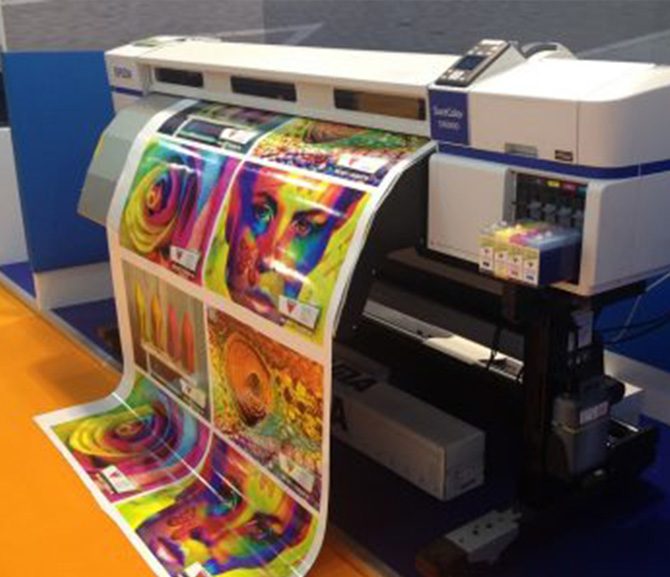
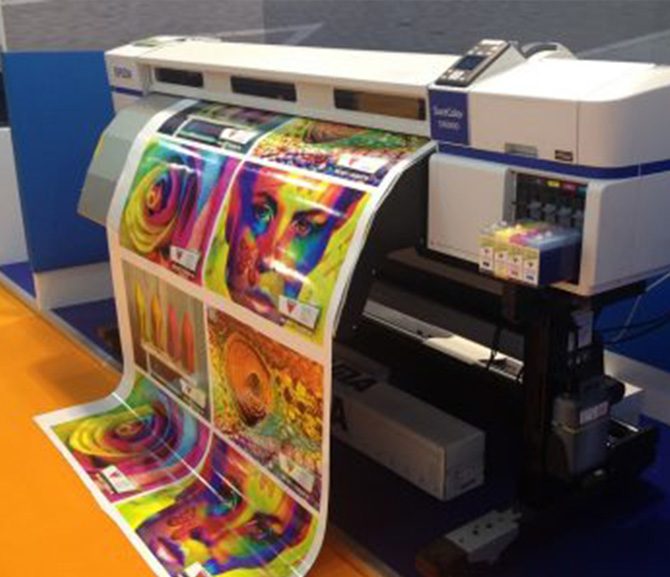
Several printing methods are available for producing colorful brochures, each with its unique advantages tailored to specific project requirements. The most common technologies include digital printing, offset printing, and large-format printing, each suitable for different quantities and desired quality levels.
Digital Printing
Digital printing offers a quick turnaround and cost-effective solution for small to medium print runs. This method employs electronic files to directly print onto various substrates, making it ideal for customized or short-run projects. Digital presses support high-resolution color output, vibrant images, and can handle variable data printing, allowing for personalized content in each booklet.
Offset Printing
Offset printing is renowned for its ability to produce high-volume, high-quality color reproductions with exceptional color fidelity and consistency. It involves transferring ink from plates onto rubber blankets, then onto paper. This process is highly economical at larger quantities and allows for precise color matching, making it suitable for extensive print runs of professional-grade booklets.
Large-Format Printing
While typically used for banners or posters, large-format printing can also be adapted for oversized booklets or specialty projects requiring detailed graphics or vibrant visuals on a grand scale. This technology ensures color accuracy and clarity, especially when printing on diverse materials or unusual shapes.

Choosing the Right Paper and Materials
The quality of your booklet's paper and materials significantly affects its aesthetic appeal and lifespan. Several factors should be considered, including texture, weight, finish, and environmental impact.
Paper Types and Weights
- Glossy Paper: Enhances color vibrancy and sharpness, ideal for image-heavy layouts.
- Matte Paper: Offers a softer, glare-free finish, perfect for reading-intensive materials.
- Satin or Silk Finish: Balances gloss and matte properties, providing vibrant colors with a subtle sheen.
- Recycled or Eco-friendly Paper: Demonstrates environmental responsibility while maintaining quality standards.
Surface Finishes and Specialty Materials
- UV Coating: Provides added protection and a glossy sheen, suitable for covers and high-visibility pages.
- Lamination: Adds durability and a professional look, especially for handling and outdoor exposure.
- Textured and Specialty Papers: Create unique tactile experiences, making your booklet stand out.
Material selection must align with your brand image, target audience, and the environment in which the booklet will be used, ensuring an ideal balance between visual appeal and practicality.
Considerations for Effective Color Booklet Printing
Successful color booklet printing involves meticulous preparation. Ensuring your digital files are high-resolution, properly color-managed, and formatted correctly is crucial for achieving the desired effects. Communicating with your printer about paper choices, finishing options, and turnaround times will help streamline the process and avoid costly misunderstandings. Regular proofs and samples can prevent errors and guarantee that the output matches your expectations, especially when precise color matching is necessary.
Official Methods for Color Booklet Printing
When seeking high-quality color booklet printing, it is essential to utilize recognized, official printing methods that guarantee consistency, durability, and vibrant color reproduction. These methods are widely adopted by professional printing companies and are highly reliable for producing professional-grade booklets that meet industry standards.
One of the most common official methods is **offset printing**. This technique involves transferring ink from a metal plate to a rubber blanket and then onto the printing surface. Offset printing is highly effective for large print runs due to its ability to produce sharp, consistent images with superb color fidelity. Its capacity to reproduce detailed graphics and rich hues makes it ideal for color booklets that demand high quality and color accuracy.
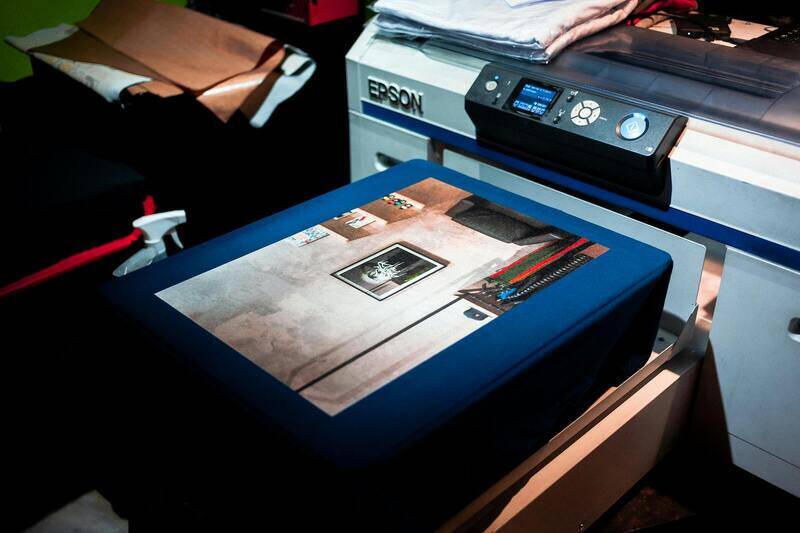
Another prominent method is **digital printing**, which offers a flexible, cost-effective solution for smaller quantities. Digital presses utilize toner or liquid ink directly onto paper, eliminating the need for plates. This approach allows for quick turnaround times and on-demand printing, making it suitable for short-run projects or personalized booklets. Digital color printing also supports variable data printing, enabling customization of each copy without additional setup costs.
For projects requiring enhanced durability and visual appeal, **UV printing** can be employed. This process applies ultraviolet light to instantly cure the ink, resulting in vibrant colors and a glossy finish. UV printing is often used for covers and special pages where a striking visual impact is necessary.
Each of these methods has specific benefits and applications, but selecting the proper printing technology should align with your project's scope, budget, and quality expectations. Consulting with a reputable printing service providers ensures you leverage these official methods correctly to achieve optimal results.
In addition to choosing the right printing process, paying attention to the print files' preparation is fundamental. Ensuring that digital files are high-resolution (at least 300 dpi), properly color-managed using standardized color profiles, and formatted appropriately for the chosen printing method will significantly impact the quality of the final product. Utilizing color profiles such as sRGB or Adobe RGB within your design files helps maintain color consistency across different devices and printing batches.
Furthermore, engaging in proofing stages with your printer—whether through digital proofs, soft proofs, or printed mock-ups—allows you to verify colors, layout, and overall appearance before the full run begins. This step minimizes errors, reduces waste, and guarantees that the printed booklet aligns with your expectations. Maintaining open communication with your printing partner about paper options, finishing treatments, and turnaround timelines streamlines the workflow and ensures a smooth production process.
Understanding Color Management and Color Accuracy
Maintaining precise color fidelity in booklet printing is crucial for achieving a professional and visually appealing final product. The process begins with definitive standards and best practices that ensure consistent reproduction of color throughout the print run. Proper color management involves calibrating your design and printing equipment to standardized color spaces and profiles, which mitigates the risk of color discrepancies between your digital files and the printed booklet.
To achieve optimal color accuracy, it is essential to embed color profiles such as Adobe RGB or CMYK profiles specific to your printer and substrate. Embedding profiles allows your design software to interpret colors correctly, matching what you see on your screen with the output on paper. This step is especially significant when handling complex, multi-color graphics or images that require precise matching to brand standards or visual expectations.
Color calibration of your professional printer or printing partner’s equipment ensures consistent results across different print runs. Many offset printing facilities utilize spectrophotometers and color management software to calibrate their presses regularly. This calibration process helps to align the printed colors with the intended color specifications, maintaining uniformity from the first sheet to the last.
Before proceeding with the full print run, conducting color proofing is a vital step. Digital proofs or printed mock-ups serve as a reference for verifying color fidelity and overall appearance. Approving these proofs allows you to identify and address color discrepancies early, reducing potential reprints and costs. Open communication with your printer about the desired color outcomes, paper type, and finishing details reinforces the importance of aligning expectations and achieving the best possible results.
In summary, meticulous attention to color management, from digital file preparation to printer calibration and proof approval, underpins high-quality, accurate color booklet printing. Employing these official methods guarantees that your creative vision and branding standards are faithfully represented in the final printed product.
Implementing Proper Color Calibration and Proofing Procedures
To ensure consistent color reproduction across all copies of your color booklet, it is essential to incorporate stringent color calibration practices into your printing workflow. This begins with calibrating your digital files using industry-standard color profiles, such as ICC profiles, that accurately represent the intended output conditions. By embedding these profiles into your design software, you help communicate precise color specifications to the output device.
Next, partnering with a commercial printing provider that utilizes advanced calibration tools, such as spectrophotometers, guarantees that the printing equipment maintains color accuracy over multiple runs. Regular calibration sessions, which align the printer’s color output with standardized references, prevent color shifts and ensure visual consistency. This process involves measuring color patches printed during calibration and adjusting press settings until the desired color values are achieved reliably.
Color proofing constitutes a critical step before committing to a full print run. Digital proofs, printed on the same or similar materials, provide an initial reference for assessing color fidelity. Printed mock-ups, on the other hand, give a more tangible preview of the final product, allowing for detailed examination of color accuracy and overall design appeal. Reviewing these proofs meticulously enables stakeholders to identify any discrepancies in color reproduction and request adjustments accordingly.

This collaborative process between designer, client, and printer ensures that the final product aligns with brand standards and creative expectations. Clear communication regarding color preferences, paper type, and finishing details is vital to avoid misunderstandings that could lead to costly reprints.
Utilizing High-Quality Materials for Optimal Results
Choosing the right paper stock and finishing materials plays a significant role in enhancing color vibrancy and durability. For color booklets, glossy or semi-glossy papers are often preferred for their ability to showcase vivid colors and fine details. Coatings such as UV or aqueous coatings can offer additional protection and a polished appearance, preserving the integrity of colors over time.
It is advisable to discuss various material options with your printer, considering factors like weight, texture, and compatibility with printing inks. Heavier papers tend to support richer color output and provide a premium feel, which can positively influence the perception of your booklet.
In addition to surface finishing, selecting environmentally sustainable options can bolster your brand’s commitment to sustainability without compromising on quality. Many printing services offer eco-friendly paper choices that meet rigorous standards for color fidelity and durability.
Maintaining Consistency Through Standardized Procedures
Establishing a set of standardized procedures—such as designated color management workflows, ongoing printer calibration, and approval processes—creates a reliable foundation for producing high-quality color booklets. Incorporating these methods into your procurement and production plans ensures each batch adheres to the same color standards.
Continuing education and communication with your printing partner are essential for staying updated on the latest color management technologies and best practices. Regularly reviewing finished samples and conducting quality audits can further strengthen your production process, reducing the risk of inconsistencies and ensuring that your color booklet stands out with true-to-design colors and professional appeal.
Understanding Color Booklet Printing
Color booklet printing involves a precise interplay of various technical and material considerations to achieve vibrant, consistent, and visually appealing results. When planning to produce a high-quality color booklet, it's essential to understand the specific printing processes, materials, and finishing techniques that can elevate your project. Ensuring that each element—from color fidelity to binding—aligns with your intended design and purpose will maximize the impact of your booklet.
Importance of Authentic Color Reproduction
Authentic color reproduction ensures that the visuals in your booklet translate accurately from digital design to physical print. This process depends heavily on meticulous color management strategies, high-quality printing equipment, and choice of materials. Even slight variances in ink formulation or paper properties can influence the final appearance, making it crucial to work with experienced printers who specialize in color booklet printing. Achieving precise color matching contributes significantly to the professional appearance and credibility of your printed material.
Color Consistency Across Batches
Maintaining color consistency across multiple copies or print runs is vital for branding purposes and project uniformity. Standardized procedures such as regular calibration of printing equipment, use of standardized color profiles, and thorough quality control measures can help achieve this goal. Implementing a comprehensive color management workflow ensures that each booklet produced adheres closely to the original design specifications, avoiding color drift or inconsistency that could diminish the visual impact.
Material Selection for Optimal Color Results

Opting for the appropriate paper stock is fundamental to superior color reproduction. Heavier, coated papers typically enhance color vibrancy and sharpness, providing a finished product that looks professional and feels substantial. Additionally, selecting environmentally friendly and sustainable options not only supports ecological responsibility but often also improves ink adherence and color clarity. High-quality substrates combined with proper surface treatment can prevent issues like ink bleed or fading, ensuring your booklet retains its visual appeal over time.
Implementing Proper Color Management Strategies
Effective color management involves using accurate color profiles and calibration tools to transfer digital colors to the print medium reliably. Utilizing standardized color spaces, such as ICC profiles, helps match colors between your digital files and printed outputs. Ensuring that your digital files are correctly prepared—using appropriate color modes (RGB or CMYK)—prevents unexpected color shifts. Regularly conducting test prints and examining color accuracy before mass printing can save time and resources while guaranteeing that the final product aligns with your branding and design intentions.
Conclusion
Color booklet printing demands an integrated approach that combines technical expertise, quality materials, and meticulous process control. By understanding the intricacies of color management, selecting suitable substrates, and maintaining consistency throughout production, you can achieve visually stunning results that captivate your audience and reinforce your message. Partnering with experienced printing professionals ensures that every detail—from vibrant hues to durable bindings—is executed precisely, reflecting the professionalism and attention to detail that your project warrants.