Overview of Banner Printing
Banner printing stands as a fundamental component in the realm of promotional advertising and brand visibility strategies. In Singapore's dynamic marketing landscape, businesses and event organizers increasingly rely on high-quality banners to communicate messages effectively to a broad audience. This form of advertising offers a versatile, eye-catching solution that can be customized to suit various marketing needs, whether for storefront promotions, trade shows, outdoor events, or special celebrations.
Banner printing has evolved from traditional fabric and paper placards to sophisticated digital and large-format printing methods, enabling detailed visuals and vibrant color reproduction. The popularity of banner printing in Singapore is driven by its ability to combine affordability with high impact, ensuring brands stand out amidst a crowded marketplace. With numerous printing service providers specializing in both small and large-scale projects nationwide, businesses access a range of options tailored to different objectives and budgets.
As part of the broader printing industry, banner printing leverages advanced technology to deliver high-resolution images and durable materials, making it an essential tool for effective visual communication. The demand for professionally printed banners continues to grow, influenced by the need for businesses to maintain a strong market presence and create memorable impressions during campaigns or events. Overall, banner printing remains a vital element of marketing strategies across Singapore, offering an efficient way to convey messages with clarity and visual appeal.
Types of Banners and Materials Used
Choosing the appropriate banner material is essential to ensure optimal performance and visual impact. Different environments and purposes require specific material properties, making it crucial to understand the options available.
- Vinyl Banners: The most common choice for outdoor advertising due to their durability and weather resistance. They can withstand exposure to sunlight, rain, and wind, maintaining vibrant colors over time. Vinyl banners are suitable for long-term outdoor campaigns or events that require a sturdy display.
- Fabric Banners: Made from materials such as polyester or nylon, fabric banners offer a high-end appearance with a smooth surface that enhances color richness. These are popular for indoor events, trade shows, and retail displays where a professional aesthetic is desired.
- Mesh Banners: Featuring a perforated design, mesh banners are ideal for high-wind outdoor environments. The tiny holes allow airflow, reducing wind resistance and potential damage, making them suitable for large-scale outdoor signage on balloons, fences, or scaffolding.
- Specialized Materials: These include eco-friendly options like biodegradable banners or reflective surfaces for nighttime visibility. Such materials cater to specific marketing strategies or compliance requirements, providing flexible and innovative solutions.

Selecting the right material depends on the intended environment, longevity, and visual aesthetic. Proper material choice not only enhances the overall appearance but also ensures the banner withstands applicable environmental elements, maintaining its message integrity over time.
Design Considerations and Best Practices
Effective banner design plays a crucial role in capturing attention and communicating the intended message clearly. Key factors include readability, color contrast, and visual hierarchy. Use bold fonts and minimal text to ensure quick comprehension, especially from a distance. Incorporate vibrant colors that align with brand identity, but avoid overly complex graphics that can clutter the message.
Proper resolution and image quality are vital for a professional look. High-resolution graphics prevent pixelation and blurriness, ensuring sharp visuals. Including a clear call-to-action can guide viewers on the next steps, whether it’s visiting a website, calling a number, or attending an event.
Printing Techniques and Technologies
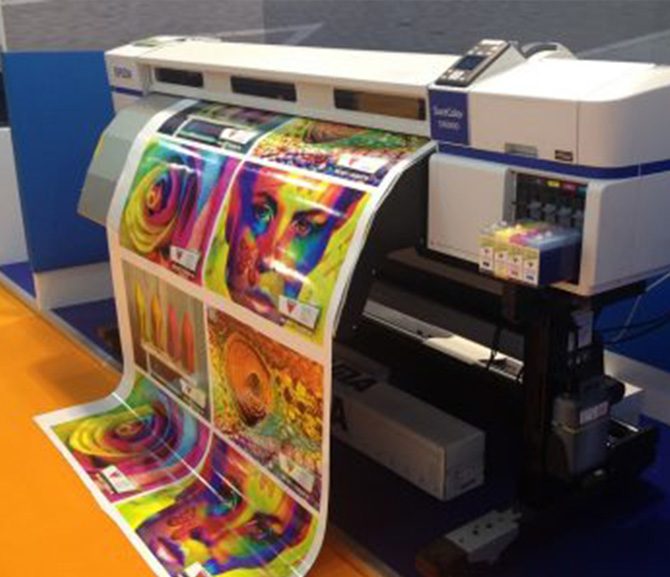
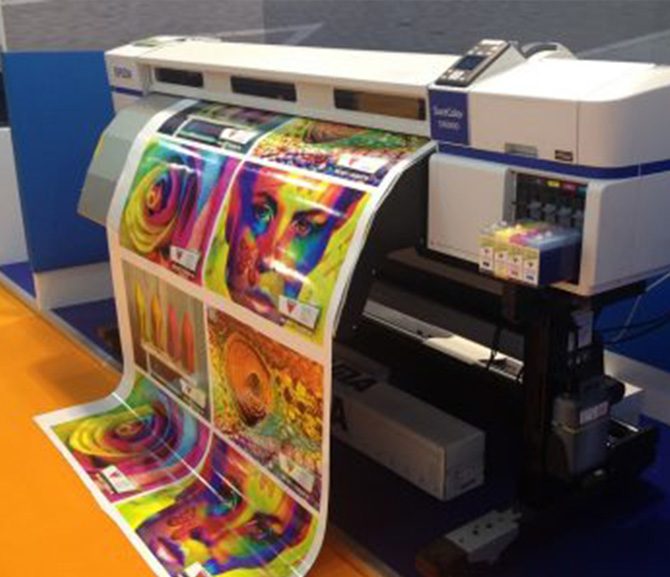
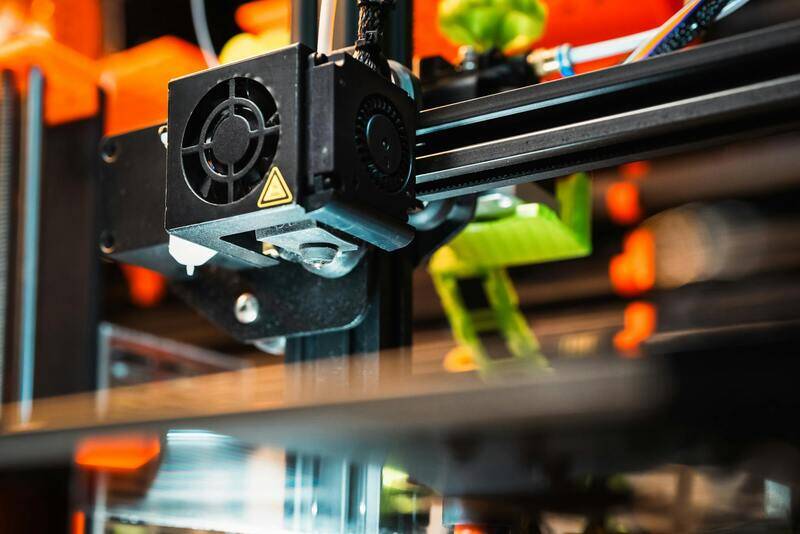
Modern banner printing employs advanced digital and large-format printing technologies that produce high-resolution and vibrant visuals. Inkjet printers are widely used for their precision and color accuracy, allowing for detailed imagery and smooth color gradients. Latex and UV printing methods offer additional benefits such as increased durability and environmentally friendly inks.
These printing techniques enable customization with variable data, intricate designs, and photographic imagery, making banners more engaging and tailored to specific marketing campaigns. The consistency achieved through these modern methods ensures each banner meets professional standards and branding requirements.
Incorporating the latest printing innovations aligns with best practices for delivering high-quality banners capable of making a lasting impression.
Sizes, Dimensions, and Customization Options
Understanding the range of available banner sizes is essential for selecting the most effective format for your message and location. Common sizes include standard widths such as 2 feet, 3 feet, 4 feet, and 5 feet, with customizable lengths to fit specific spaces. The height is usually proportional or can be tailored based on the intended display area. For large-scale outdoor visibility, banners often extend to several meters in width and height, ensuring they are eye-catching from afar.
Custom options extend beyond mere dimensions. You can choose from various shapes including rectangular, vertical, and even circular banners, which lend unique visual appeal. Material choices further influence customization, with options for matte, gloss, or satin finishes that impact glare and visibility. Additionally, finishing touches like grommets, pole pockets, and reinforced edges enhance durability and ease of installation.
In terms of design, customization allows extensive flexibility to incorporate branding elements, logos, slogans, and relevant imagery. High-resolution printing ensures that details remain sharp regardless of size. Whether you need banners for indoor events, storefront promotions, or large outdoor advertisements, selecting the right size and customization options ensures maximum impact.
Pricing Factors and Cost Estimates
Pricing for banner printing fluctuates based on several key factors, allowing for tailored solutions that fit different budgets. When estimating costs, the size of the banner is a primary consideration; larger banners require more material and ink, which increases the price. Material choice also heavily influences the overall expense, with durable options like vinyl or mesh typically costing more than fabric or polyester.
Complexity of design impacts pricing as well. High-detail graphics, intricate logos, and photographic images demand more advanced printing processes and more ink, which can elevate costs. Additional features such as extra lamination for weather resistance or special finishes like matte or gloss coatings add to the overall price.
Turnaround time is another factor—urgent orders may incur higher charges. Bulk orders can often benefit from discounts, making large-scale campaigns more cost-effective. As a guideline, small banners with simple designs tend to start at a few hundred dollars, while extensive banners with premium materials and detailed graphics can reach into the thousands.
For accurate quotes, service providers often consider the total area, material, complexity, and finishing options, ensuring transparent and competitive pricing.
Choosing the Right Printing Technique for Your Banner
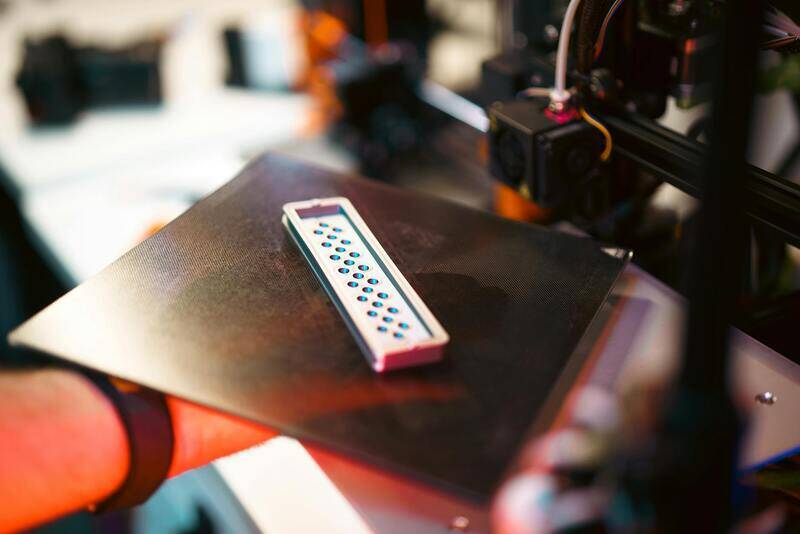
When it comes to banner printing, selecting an appropriate printing technology plays a critical role in achieving vibrant images, sharp details, and durable results. Various methods are employed, each offering distinct advantages depending on the project scope, budget, and intended use.
Digital Printing
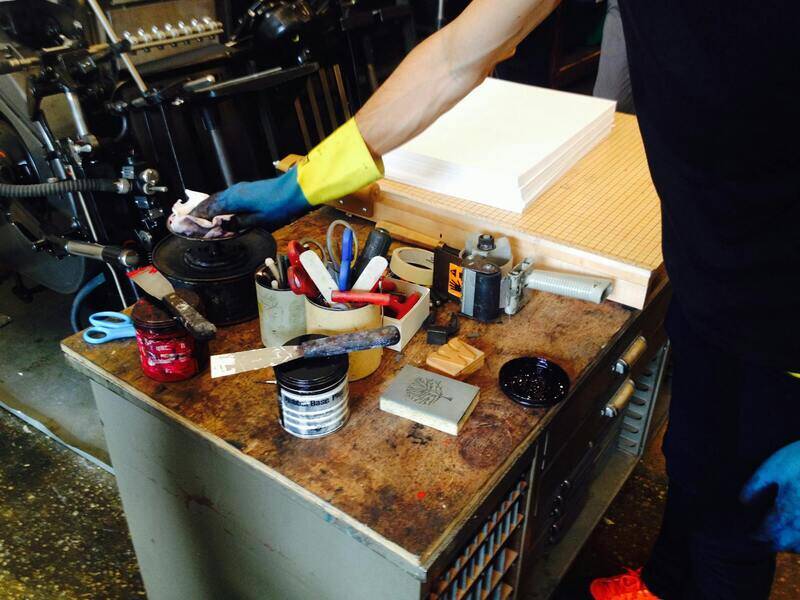
Digital printing is the most prevalent method used for custom banners, especially suitable for short runs and complex designs. It involves direct printing from digital files onto the chosen material, allowing for quick turnaround times and high-resolution output. Digital printers can produce detailed photographic images, vibrant colors, and intricate graphics efficiently. This technique also facilitates on-demand printing and easy updates for new designs, making it ideal for targeted marketing campaigns.
Screen Printing
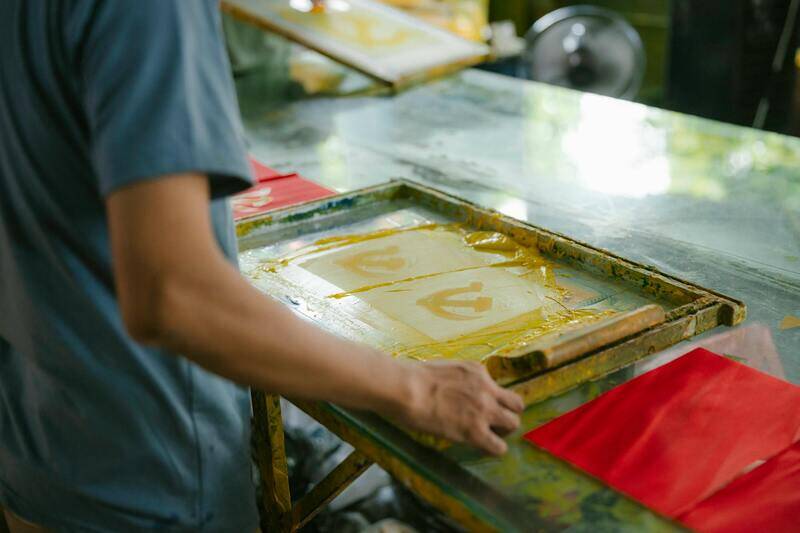
Screen printing is traditionally used for mass production and logos that require vivid, consistent colors. It entails creating a stencil (or screen) for each color and pushing ink through onto the material. Although it is cost-effective for large quantities, the setup process is more involved, making it less suitable for small runs or highly detailed images. Screen printing delivers bold, vibrant results with durable ink adherence, which is advantageous for outdoor banners exposed to weather elements.
Large-Format and UV Printing
Large-format printing is specifically designed for producing oversized banners with impressive clarity and color fidelity. Incorporating UV or solvent-based inks enhances durability, chemical resistance, and weatherability. UV printing is particularly effective for banners installed outdoors or in high-traffic areas, as it prevents fading and cracking over time. This technology also supports rigid substrates, enabling versatile applications beyond flexible banners.
Innovations in Banner Printing
Recent advancements include eco-friendly inks and hybrid systems that combine multiple print technologies for optimized results. These innovations ensure vibrant, long-lasting banners while minimizing environmental impact. Quality control measures, such as color calibration and material handling, are pivotal in ensuring printed banners meet high standards of visual appeal and resilience.
Best Practices in Banner Design for Optimal Printing Results
- Use High-Resolution Images: To prevent pixelation, choose images with at least 300 dpi resolution, ensuring sharp details in large formats.
- Limit Text and Fonts: Keep text concise and use bold, easily readable fonts. Avoid clutter for clear communication from a distance.
- Choose Contrasting Colors: Effective contrast maximizes visibility and readability, especially in outdoor settings.
- Incorporate Branding Elements: Include consistent logos, colors, and taglines to reinforce brand identity.
- Plan for Bleed and Margins: Include necessary bleed areas and margins in the design to prevent unintended cropping.
- Optimize File Formats: Use vector files (e.g., AI, EPS) for logos and graphics; raster images should be in high resolution for detailed sections.

Maintaining and Ensuring the Longevity of Your Banner
Proper maintenance significantly affects the lifespan of your banners, especially when used outdoors. Durability depends on material choice, printing quality, and installation conditions. Regular cleaning with mild soap and water helps remove dirt and pollutants that can degrade the material over time. Avoid abrasive cleaners which may damage the surface or fade the inks.
Storage during off-use periods is equally crucial. Roll banners with the printed side inward, and store them in a cool, dry, and dark place to prevent warping, fading, or mold growth. When installing banners, ensure they are tightly secured to avoid fluttering, which can cause wear and tear.
For outdoor banners, selecting weather-resistant materials such as vinyl or mesh, coupled with protective lamination, enhances resistance to UV rays, rain, and wind. Investing in high-quality finishes, like matte or gloss coatings, further extends the visual appeal and resilience of your banners amidst challenging environmental conditions.
Seeking Professional Banner Printing Services
Partnering with an experienced printing provider ensures your banners are produced to the highest standards. Look for companies that utilize advanced printing technologies, offer a variety of materials, and provide design assistance. Transparent pricing, turnaround efficiency, and after-sales support are also important factors to consider when choosing a service provider in Singapore.
Sizes, Dimensions, and Customization Options
Choosing the right size and dimensions for your banner is vital in ensuring maximum visibility and impact. Standard banner sizes typically range from small tabletop displays of around 24 inches by 36 inches to large-sized banners measuring 10 feet by 20 feet or more, suitable for expansive advertising needs. However, many businesses opt for custom dimensions tailored precisely to their promotional space or display area, ensuring the banner fits perfectly within the designated environment.
Beyond size considerations, customization options significantly enhance the effectiveness of your banner. Finishing touches such as grommets or eyelets facilitate secure mounting on various structures, whether walls, fences, or frames. Hemming provides reinforced edges, preventing fraying and ensuring the banner maintains its integrity over time. Pole pockets enable easy installation on poles or banners stands, presenting a sleek, professional appearance.
For added visual impact, businesses often choose to incorporate unique shapes or cutouts that align with branding themes or campaign messages. Double-sided banners are also an option for street-level advertising, allowing visibility from multiple directions. When planning your banner, consider the combination of these customization features to maximize durability, ease of installation, and aesthetic appeal.
Design and Material Selection
The design of your banner plays a crucial role in attracting attention. Opt for bold, high-contrast colors and clear, concise messaging that is easily readable from a distance. Always maintain a balanced layout, ensuring that key information such as logos, contact details, and call-to-action are prominently displayed.
Material selection is equally important for ensuring your banner performs well in its intended environment. Vinyl remains the most popular choice for outdoor banners due to its durability and weather resistance. Polyester fabrics offer a lighter, more flexible alternative, ideal for indoor displays or short-term outdoor use. Mesh banners, featuring small perforations that improve airflow, are suited for windy locations, reducing the risk of tear or damage.
High-quality printing on these materials ensures vibrant colors and sharp imagery that stand the test of time. Protective coatings like UV lamination can further shield the design from fading caused by sun exposure, keeping your banner visually appealing throughout its lifespan.
Overview of Banner Printing
Banner printing is a vital component of promotional strategies across various industries, including retail, events, real estate, and corporate branding. It involves reproducing visual messages on large-format media to attract attention, increase visibility, and communicate key information effectively. High-quality banner printing ensures that messages are clear, vibrant, and durable enough to withstand different environmental conditions, making it an essential investment for both short-term campaigns and long-term branding efforts.
Detailed Process of Banner Printing
The process begins with the meticulous design phase, where your brand’s visual elements and messaging are translated into a digital format suitable for large-scale reproduction. Once the design is finalized, the next step involves selecting an appropriate printing technique and material tailored to the banner’s intended use.
Modern banner printing employs advanced digital printing technology, which allows for precise color matching and high-resolution outputs. This ensures that your graphics remain sharp and vibrant, catching attention from afar. The printed banners are then finished with specific treatments such as eyeletting, hemming, or grommeting for secure installation, depending on the specific display requirements.
Importance of Choosing the Right Details
Effective banner printing hinges on meticulous attention to detail—from the clarity of the imagery and text to the choice of materials that affect durability and appearance. Optimum printing not only sustains the visual integrity over time but also enhances the overall impact of your advertising message. As a result, selecting a competent printing provider with access to high-end technology and premium materials is crucial for achieving desired outcomes.
Engaging Visuals and Effective Messaging
Designing banners involves the strategic placement of visual elements and text to maximize readability and appeal. Use bold, contrasting colors to draw attention and ensure that key messages are easily decipherable even from a distance. Incorporating your brand’s logo and contact information prominently can enhance brand recognition and drive engagement. Keep the messaging straightforward, focusing on call-to-actions that motivate viewers to take the desired step.
Considering the environment where the banner will be displayed informs the choice of materials and finishes. For outdoor banners exposed to weather elements, materials like vinyl with UV protective coatings are recommended for longevity. Indoor banners may employ lighter fabrics that are easier to handle and install while still delivering vivid visuals.
Tailoring Your Banner to Specific Needs
The importance of customization cannot be overstated. Whether you require large-format outdoor banners or small indoor displays, tailoring the size, material, and finishing touches ensures your banner meets campaign objectives efficiently. For instance, wind-resistant mesh banners are suitable for high-exposure outdoor settings, while fabric banners are ideal for indoor exhibitions and events. Double-sided banners enhance visibility in street-level advertising, amplifying your message from multiple angles.
Overview of Banner Printing
Banner printing is a crucial component of modern marketing strategies, delivering impactful visual communication for various events, promotions, and branding initiatives. The process involves transferring digital designs onto durable substrates capable of withstanding different environmental conditions, whether for indoor displays or outdoor advertising. A well-printed banner not only captures attention but also conveys your message clearly, reinforcing brand awareness and attracting potential customers.
Choosing the right banner printing method involves understanding the fundamental variables such as material selection, printing technology, and finishing options. Selecting legitimate and reputable printing providers ensures the use of high-quality materials and advanced printing techniques, leading to vibrant visuals and long-lasting results. Ultimately, the goal is to produce banners that effectively resonate with your target audience while maintaining professional standards across all production stages.
Types of Banners and Materials Used
The diversity of banners available caters to different promotional needs and environmental conditions. Common types include:
- Vinyl Banners: Known for durability and weather resistance, suitable for outdoor advertising. They can withstand wind, rain, and UV exposure, making them ideal for long-term outdoor campaigns.
- Fabric Banners: Typically made from nylon or polyester, these banners offer a professional appearance with a matte finish. They are often used indoors at trade shows and exhibitions for an elegant presentation.
- Mesh Banners: Constructed with perforated vinyl, allowing wind to pass through. This feature reduces the risk of tearing in high-wind areas, making mesh banners ideal for outdoor use on fences or building exteriors.
- Roll-up Banners: Portable and lightweight, these are frequently used for conferences, retail displays, and temporary promotions. They come with retractable mechanisms for easy setup and storage.
Material selection is driven by the environment where the banner will be displayed, desired lifespan, and budget constraints. For instance, banner printing on PVC vinyl with UV coatings ensures longevity outdoors, while lightweight fabric might suffice for short-term indoor applications.
Design Considerations and Best Practices
Effective banner design hinges on clear messaging, bold visuals, and optimal material use. Ensuring the design aligns with brand identity while remaining readable from a distance is paramount. Utilize high contrast between background and text colors—dark fonts on light backgrounds or vice versa—to enhance legibility. Incorporate prominent placement of logos, contact details, and call-to-action elements to maximize viewer engagement.
Design considerations include the following best practices:
- Simplicity: Keep content concise to avoid clutter and ensure quick comprehension.
- Visual Hierarchy: Use size and color to prioritize key messages and calls-to-action.
- Contrast and Colors: Use bold, contrasting colors to maximize visibility in busy environments.
- High-Resolution Images: Ensure all visuals are high-resolution for crisp, professional output.
- Consistency: Maintain brand consistency in fonts, colors, and logos across all banners.
Proper design not only attracts attention but also conveys professionalism and trustworthiness, which can translate into higher engagement rates and successful promotional outcomes.
Printing Techniques and Technologies
Modern banner printing leverages advanced digital printing technologies, offering high speed, precision, and vibrant color reproduction. The key techniques include:
- UV Printing: Utilizes ultraviolet light to cure ink instantly on various surfaces, resulting in durable and weather-resistant banners with rich colors.
- Solvent and Latex Printing: Provides flexibility in printing on different materials, offering excellent durability and resistance to environmental factors.
- Large-Format Digital Printing: Designed specifically for printing oversized banners with high resolution, ensuring visual clarity regardless of viewing distance.
Investing in cutting-edge printing technologies guarantees a superior finish, vibrant color accuracy, and increased longevity. Professional printing services equipped with the latest machinery can also provide finishing options such as hemming, grommets, or pole pockets to facilitate ease of installation and enhance durability.

Ensuring Quality and Compliance in Banner Printing
When it comes to banner printing, selecting the right method and service provider is crucial to achieving a result that meets your expectations and adheres to industry standards. Reputable banner printing establishments, such as those offering services through platforms like expressprintingsi.com, employ proven techniques and equipment to guarantee high-quality outcomes. This ensures that your banners are not only visually striking but also durable and safe for display in various environments.
Adhering to Approved Printing Methods
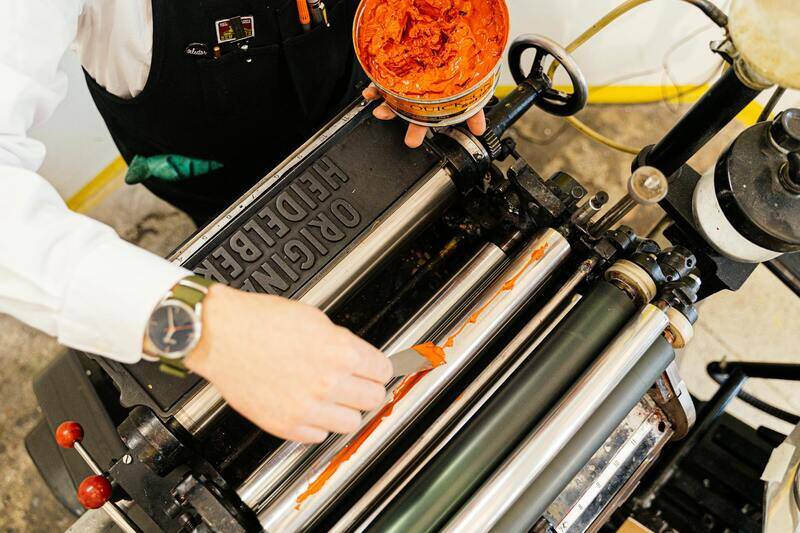
Utilizing officially recognized printing techniques ensures consistent results and compliance with safety and quality standards. Digital printing methods such as UV, solvent, and latex printing are widely accepted and offer excellent durability and color vibrancy. These technologies are capable of producing large-format banners with crisp details and vivid colors, suitable for both indoor and outdoor use. When selecting a service provider, verify their adherence to industry-approved methods and the quality of their equipment to ensure your banners withstand environmental exposure and maintain visual impact over time.
Moreover, professional printing companies implement rigorous quality control procedures during production. This includes color calibration, material inspection, and finishing checks, which collectively enhance the final product's integrity and appearance.
Materials That Meet Industry Standards
The choice of materials is fundamental in banner printing. Trusted providers use materials that are certified for durability, weather resistance, and colorfastness. Commonly used materials include vinyl, mesh, fabric, and eco-friendly substrates—all selected based on their suitability for specific applications and environmental conditions.
For outdoor banners, weather-resistant vinyl with lamination is recommended to prevent fading, tearing, and water damage. Indoor banners can utilize lighter fabrics that offer a higher quality print with a premium look without compromising on durability. Ensure your chosen service uses materials that align with recognized standards, promoting longevity and safety during installation and display.
Maintenance and Handling of Printed Banners
Proper maintenance is vital to preserve the appearance and structural integrity of banners over time. Officially printed banners should be cleaned gently with soft cloths and mild detergents to remove dirt and pollutants. Avoid abrasive cleaning solutions or rough handling to prevent damage to the print surface.
When not in use, banners should be stored flat or rolled in a cool, dry environment, protected from direct sunlight and extreme temperatures. Proper storage extends the lifespan of your banner, maintaining the vibrancy of colors and preventing material deterioration.
Monitoring and Ensuring Compliance
Employing standard practices in banner installation and maintenance further supports compliance and safety. Using appropriate hardware such as grommets, pole pockets, and secure attachments ensures stability and safety during display.
Regular inspections for signs of wear or damage allow for timely repairs or replacements, safeguarding your investment and maintaining a professional aesthetic. When engaging a printing service, confirm that they follow established guidelines for material quality, environmental safety, and handling procedures.