Factors Influencing Booklet Printing Costs
When calculating the expense associated with booklet printing, several vital factors come into play that determine the final cost. Understanding these elements is essential for producing high-quality print materials while managing expenses effectively. Key influences include the size of the booklet, the total number of pages, and the quality of paper used, each contributing uniquely to the overall expenditure.

Size and Format of the Booklet
The dimensions of the booklet significantly impact printing costs. Standard sizes such as A4 or letter-sized booklets are generally more affordable due to the efficiencies in printing processes. Conversely, custom or smaller sizes may incur additional setup and trimming fees. The chosen format not only affects the visual appeal but also influences the number of booklets that can be printed on a single sheet, thereby affecting material usage and cost.
Page Count and Print Quantity
The total number of pages directly relates to the amount of material consumed and the time required for printing. A booklet with more pages will naturally cost more, especially if it requires additional signatures or folding processes. Additionally, the quantity of copies ordered plays a crucial role; bulk printing usually reduces the per-unit expense through economies of scale, although initial setup costs may be higher.
Paper Quality and Thickness
The type and quality of paper used in printing dramatically influence costs. Premium materials like glossy or silk finishes, thicker cardstock, or specialty papers enrich the tactile experience but come with increased expenses. In contrast, standard matte or uncoated papers offer a cost-effective alternative while still providing durability suitable for most marketing or informational functions.
Color vs. Black and White Printing
The choice between full-color printing and black-and-white influences cost considerably. Color printing, especially on both sides of the page, requires more ink and advanced printing technology, raising the overall expense. B&W printing remains a more economical option for text-heavy booklets that do not rely on color imagery, thus providing flexibility in budget management.
Binding and Finishing Options
Binding type impacts both aesthetic and price. Common options include saddle-stitching, perfect binding, or spiral binding, each with distinct cost implications. Finishing touches like lamination, embossing, or die-cutting add to production costs but can significantly elevate the perceived quality and durability of the finished material.
Ultimately, a comprehensive understanding of these cost factors enables optimal planning and budgeting for booklet printing projects. It helps balance quality and expense, ensuring that the final product aligns with both branding goals and financial considerations.
Factors Influencing Booklet Printing Costs
When planning to produce a booklet, understanding the key factors that influence printing costs is essential for effective budgeting and project management. Several elements, including paper quality, color choices, binding methods, and finishing options, play a significant role in determining the overall expense. Each decision made during the production process impacts not only the aesthetic appeal but also the cost structure, making it vital to evaluate these components carefully.

Paper Quality and Thickness
The selection of paper is a primary factor affecting printing costs. Premium papers with glossy or silk finishes, thicker stock, or specialty textures tend to be more expensive. These materials enhance the tactile experience, giving the booklet a high-quality feel that aligns with luxury branding or professional presentation. Conversely, standard matte or uncoated papers provide a budget-friendly alternative suitable for informational or promotional materials where cost constraints are a concern. The weight and finish of the paper not only influence appearance but also impact production processes, such as binding and handling, further affecting overall costs.
Color vs. Black and White Printing
The decision to print in full color or black and white significantly affects the expense. Full-color printing involves more ink and advanced technology, especially if both sides of the pages are color-printed. This results in higher costs but offers vibrant visuals that enhance branding and marketing efforts. On the other hand, black-and-white printing minimizes ink usage and is ideal for text-heavy booklets where vivid imagery is unnecessary, enabling better budget control without sacrificing clarity and readability.
Binding and Finishing Options
The type of binding chosen influences both the aesthetic and cost of booklet production. Saddle-stitching, the simplest form, uses staples along the fold and is cost-effective for smaller booklets. Perfect binding, which involves gluing pages together at the spine, offers a more polished look suitable for larger or more professional publications, but at a higher cost. Spiral binding provides flexibility and durability, often used for manuals or catalogs. Additional finishing touches like lamination, embossing, or die-cutting can elevate the appearance but also add to the manufacturing expenses. Selecting the appropriate binding and finishing options requires balancing desired quality with budget limitations.
Optimizing Cost Management
By comprehensively understanding how each factor influences costs, businesses and individuals can better plan and control their budgets. Making strategic choices between paper types, color schemes, binding styles, and finishes allows for tailored solutions that meet both aesthetic expectations and financial constraints. Proper planning ensures that the final product resonates with branding objectives while remaining within the allocated budget.
Factors Influencing Booklet Printing Costs
Multiple elements play a crucial role in determining the overall expense of booklet printing, requiring careful consideration to optimize both quality and budget. The choice of paper quality significantly impacts costs; higher-grade, thicker paper options tend to be more expensive, but they provide a premium feel and durability. Conversely, standard or recycled papers may reduce costs while still maintaining acceptable quality for informational or internal use booklets.
Color versus black-and-white printing is a primary determinant of costs. Full-color print runs, especially those with vivid images and complex graphics, can substantially increase expenses due to higher ink usage and longer drying times. Black-and-white printing offers a cost-effective alternative, suitable for text-heavy materials where visual embellishments are unnecessary.
The choice of binding method directly affects the production budget. Saddle-stitch binding remains the most economical, ideal for small booklets with fewer pages. For projects requiring a more refined presentation, perfect binding provides a cleaner finish at a higher cost. Spiral binding offers a durable and flexible solution, often favored for manuals and catalogs, but at a greater expense compared to saddle-stitching. Additional finishing touches like lamination or embossing can enhance visual appeal but also contribute significantly to costs, especially when combined with premium binding options.
Common Printing Methods and Their Cost Implications
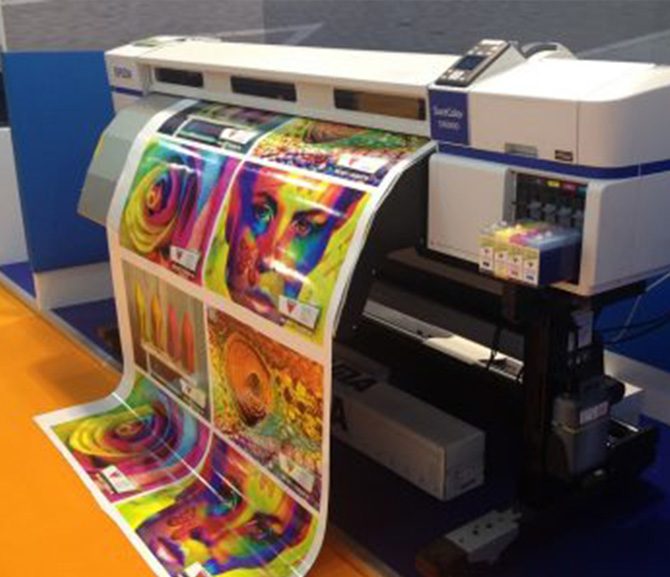
Understanding the different printing techniques is essential for managing expenses effectively. Digital printing is typically suitable for small to medium runs, offering quick turnaround times with minimal setup costs. This method is ideal for customized or short-term projects where flexibility is needed. Offset printing, on the other hand, is more cost-efficient for large-volume orders, providing consistent quality and lower per-unit costs at higher initial setup expenses.
- Digital Printing: Cost-effective for small quantities, fast turnaround, suitable for personalized booklet projects.
- Offset Printing: Better suited for bulk orders, offers higher quality and cost efficiency in large runs, initial setup costs are higher.
- Screen Printing: Less common for booklets but applicable for specialty finishes or unique printing effects.
Businesses and individuals aiming to optimize their budgets should evaluate project scope and required quality levels when choosing between printing methods. Digital printing's flexibility and lower setup costs make it suitable for smaller batches or prototypes, while offset printing excels in achieving volume savings for larger projects.
Factors Influencing Booklet Printing Costs
When planning for booklet printing, understanding the various factors that can impact costs is essential to budget effectively and avoid unexpected expenses. Several elements, including design complexity, paper quality, finishing options, and the choice of printing technology, play significant roles in determining the final price. Each aspect has a direct influence on material costs, production time, and overall quality, which collectively shape the total expenditure of a printing project.
Design Complexity and Layout
The intricacy of your booklet’s design can notably affect printing costs. Detailed graphics, intricate typography, or complex layouts requiring multiple colors and specialized effects demand more from printing equipment and resources. For example, multi-color designs or high-resolution images increase ink usage and may necessitate precise registration, elevating production costs. Conversely, simpler designs with minimal color schemes and straightforward formatting generally keep expenses lower, enabling more pages or larger print runs within the same budget.
Color Choices and Printing Techniques
The decision to use full-color, spot colors, or black-and-white printing significantly influences costs. Full-color printing, while visually engaging, uses more ink and can extend production times, especially if special inks or effects are involved. Limited color schemes or monochrome printing often result in cost savings. Additionally, the choice of printing technology—digital or offset—interacts with color options. Digital printing is more economical for small batches and customizations, whereas offset printing offers better efficiency for large quantities with consistent color quality.
Paper Types and Finishing Options That Affect Cost
Choosing premium paper stocks or specialty materials can substantially increase production costs. Thicker or textured papers, such as gloss or matte finishes, require more expensive raw materials and may incur higher printing and binding charges. Additionally, finishing options like lamination, UV coating, embossing, or foil stamping enhance durability and visual appeal but also add to the overall expenses. These embellishments, while creating a high-end look, tend to be more cost-intensive, especially when combined with complex binding or multiple treatments.

Impact of Design and Layout on Printing Expenses
Complex or highly detailed designs often require additional setup time and specialized printing techniques, which can drive up costs. For instance, incorporating custom illustrations, intricate borders, or layered effects demands meticulous file preparation, potentially increasing prepress costs. Additionally, elaborate layouts with multiple columns, embedded graphics, and varied typographies may necessitate more precise alignment and calibration during printing, further influencing overall expenses. Balancing creative ambition with pragmatic cost considerations ensures a more financially manageable project while still achieving a professional appearance.
Summary
By carefully evaluating design complexity, color choices, paper quality, and finishing options, individuals and businesses can manage their booklet printing costs more effectively. Making informed decisions regarding these variables allows for optimal use of resources, ensuring that the final product meets expectations without exceeding budget constraints.
Factors Influencing Booklet Printing Costs
Multiple elements play a significant role in determining the overall expense of printing a booklet. Understanding these factors allows for more accurate budgeting and strategic decision-making. Key considerations include the choice of paper, the complexity of design, the printing technique employed, the quantity ordered, and the finishing touches selected.
Paper Quality and Weight
The type and weight of paper significantly influence printing costs. Thicker, higher-quality paper options, such as premium matte or gloss finishes, tend to incur higher costs compared to standard-weight papers. Additionally, specialty papers, recycled materials, or textured options are often more expensive, adding both to material costs and production time due to handling requirements.

Design Complexity and Layout
Design intricacies directly impact production costs. Simple layouts with minimal graphics are quicker and less resource-intensive to produce. Conversely, elaborate designs featuring custom illustrations, high-resolution images, layered effects, or intricate borders require additional prepress work, detailed file preparation, and sometimes specialized printing techniques. Such complexities extend the setup process and may necessitate multiple passes, which can escalate costs.
Printing Techniques and Color Usage
The choice between digital and offset printing influences pricing. Digital printing is often more cost-effective for smaller runs and allows for quick turnaround times, whereas offset printing becomes advantageous for larger quantities due to lower per-unit costs after initial setup. Additionally, the number of colors used—full-color versus monochrome—impacts the price. More colors demand more setup steps and color calibration, increasing expenses.
Quantity and Turnaround Time
Economies of scale play a pivotal role—larger orders typically lower the per-unit cost, making bulk printing more economical. Conversely, small quantities tend to be more expensive on a per-piece basis. Urgent deadlines or rush orders can also add surcharges, as expedited production may require overtime work or priority processing.
Finishing and Binding Options
Additional finishing touches such as lamination, UV coating, embossing, foil stamping, and specialty binding methods contribute to the overall costs. These enhancements not only improve aesthetic appeal and durability but also involve extra labor and materials, especially when combined in complex configurations. For example, a booklet with a softcover binding, gloss lamination, and embossed cover will cost more than a simple saddle-stitched brochure.
Paper Types and Finishing Options That Affect Cost
Choosing appropriate paper stocks and finishes is crucial for balancing quality and cost. Standard options like 80-100 lb. gloss or matte papers provide a professional look at moderate prices. In contrast, textured or recycled papers, as well as specialty finishes like foil stamping or spot UV coating, will raise the total cost but can significantly enhance visual and tactile appeal.
Average Price Range for Booklet Printing Services
The costs for booklet printing vary widely based on factors such as size, quantity, paper, and finishes. Typically, for small runs (fewer than 100 copies), prices can range from $200 to $500, especially when using standard paper and basic binding. Larger orders, around 1,000 copies, may fall within $1,000 to $3,000, reflecting economies of scale and more efficient production methods. Custom finishes or premium materials can push these figures higher, often requiring detailed quotes from printing providers.
Tips to Reduce Booklet Printing Costs
- Opt for standard sizes and formats to minimize die and setup fees.
- Limit the number of colors and design complexity where possible.
- Choose conventional paper stocks without specialty finishes for basic projects.
- Order in bulk to benefit from volume discounts.
- Request quotes from multiple providers to compare prices and services.
- Allow ample lead time to avoid rush fees and expedited processing charges.
Selecting a Printing Service: What to Consider
When choosing a printing partner, focus on their expertise in handling booklet projects, reputation for quality, and range of available materials and finishing options. Transparent pricing, efficient turnaround times, and good customer service are vital. Additionally, reviewing samples of previous work can provide insight into print quality and attention to detail. Always request detailed quotes that itemize costs to better understand the breakdown and avoid unexpected charges.
Factors Influencing Booklet Printing Costs
Understanding the variety of elements that impact the overall expense of booklet printing is essential for planning and budgeting effectively. These factors determine the final cost and can vary significantly depending on your specific requirements. Some of the primary influences include the size and dimensions of the booklet, the type of paper used, the complexity of the design, and the desired finishing options. Additionally, the printing method chosen and the quantity ordered also play vital roles in cost determination.
Size and Dimensions
The standard sizes, such as A4 or 8.5x11 inches, typically have lower setup costs and are more economical to print. Customized sizes or unique formats may require special dies or additional setup, increasing production costs. Compact booklets, such as A5, may reduce material expenses but could influence printing fees depending on the volume and machine capabilities.
Paper Selection
The choice of paper significantly impacts the price. Basic standard paper stocks are less expensive and suitable for informational or internal use booklets. Conversely, premium or specialized papers, such as textured or thicker stock, add to the overall cost. Heavier weight papers also increase shipping and handling expenses due to their bulk and weight.
Design Complexity and Color Usage
Simple black-and-white designs are more cost-effective, especially for high-volume print runs. Incorporating full-color images or intricate graphics increases ink costs and may require multiple passes on the press. The inclusion of special design elements like foil stamping, embossing, or varnishes will further elevate costs due to additional setup and materials.
Finishing Options
Finishing touches such as binding type (stapled, perfect bound, saddle-stitched), lamination, coating, or die-cutting influence the final price. While staples may be affordable for smaller quantities, options like perfect binding or added coatings contribute to higher production expenses. These finishes can also enhance durability and aesthetics, adding value to the finished product.
Printing Method
Offset printing generally provides cost advantages for larger quantities, offering consistent quality at a lower per-unit price once setup fees are absorbed. Digital printing, on the other hand, is more suitable for small quantities or customized short runs, but can be more expensive per piece. The choice of method should align with your volume and quality expectations to optimize costs efficiently.
Quantity Ordered
The number of copies directly influences the unit price. Larger quantities benefit from economies of scale, reducing the cost per booklet. For small runs, setup and material costs are distributed over fewer copies, leading to higher per-unit costs. Planning for bulk orders or staggered printing schedules can lead to substantial savings over time.
Common Printing Methods and Their Cost Implications
The choice of printing technology impacts both quality and cost. Offset printing is traditional and efficient for high-volume projects, delivering high-quality prints with economies of scale. Digital printing offers flexibility for short runs or prototypes but tends to be more costly per unit.
Offset Printing
This method involves creating plates for each color, making it suitable for large orders where the initial setup costs are justified by lower per-unit expenses. Offset printing produces sharp and vibrant images, ideal for detailed graphics or large batches. It is particularly cost-effective when printing thousands of copies.
Digital Printing
Ideal for small quantities and quick turnaround times, digital printing minimizes setup costs but has a higher cost per piece compared to offset. It allows for easy customization, which is beneficial for targeted marketing materials or short-term campaigns. Advanced digital presses can produce high-quality results comparable to offset, but at a higher price point for bulk jobs.
Screen Printing and Other Methods
Less common for booklet printing, screen printing may be used for specific design effects but is generally reserved for specialty projects due to its higher costs and limitations in reproducing detailed images. Flexography and letterpress are also applicable for particular textured or vintage effects, though these are usually more expensive and specialized.

Estimating Printing Costs Based on Quantity
Accurately projecting the cost of booklet printing requires understanding how quantities influence pricing. While small runs generally incur higher per-unit costs, larger orders benefit from bulk pricing, significantly reducing the overall expense. It's crucial to balance immediate budget constraints with long-term savings through strategic quantity planning.
Small Quantity Printing (Fewer than 100 copies)
- Per-unit costs tend to be higher due to setup fees and material overheads.
- Typical price range may be from $200 to $500 depending on size, design complexity, and finishing options.
- Best suited for internal use, promotional handouts, or testing new designs.
Medium Quantity Printing (100-500 copies)
- Economies of scale start to reduce the per-unit cost.
- Total costs may range from $500 to $1,500, depending on specifications.
- This quantity balances quality and cost, ideal for small marketing campaigns or local distribution.
Large Quantity Printing (Over 1,000 copies)
- Most cost-efficient per booklet due to setup amortization and bulk material purchasing.
- Expenses could range from $1,000 to $3,000 or more for comprehensive projects.
- Suitable for mass distribution or events requiring extensive material.
Cost-Saving Strategies
- Order in larger quantities whenever possible to leverage volume discounts.
- Opt for standard sizes and minimal customization to keep setup fees low.
- Choose economical paper options without intricate finishes for budget projects.
- Plan your printing schedule to avoid expedited fees and last-minute requests.
Factors Influencing Booklet Printing Costs
The cost of printing booklets is affected by multiple key factors that can significantly impact the overall budget. One of the primary considerations is the complexity of the design, including the number of pages, the use of color versus black-and-white printing, and intricate layout elements. More complex designs generally require longer printing times, additional setup, and higher ink consumption, which all contribute to increased costs.
Another critical element is the choice of materials, particularly paper type and finishing options. Premium paper grades and specialized finishes such as gloss or matte coatings enhance the durability and visual appeal of the booklet but come at a higher price point. Additionally, factors like binding method—stapled, saddle-stitched, or perfect-bound—can influence expenses, with more durable or decorative bindings often being more costly.
The volume of the order is a decisive aspect of cost calculation. Generally, larger quantities benefit from economies of scale, reducing the per-unit expense. Conversely, small runs tend to have elevated costs due to fixed setup fees and minimum order requirements. Timing also plays a role; expedited printing or last-minute requests often incur additional charges due to rush fees and prioritization processes.
Common Printing Methods and Their Cost Implications
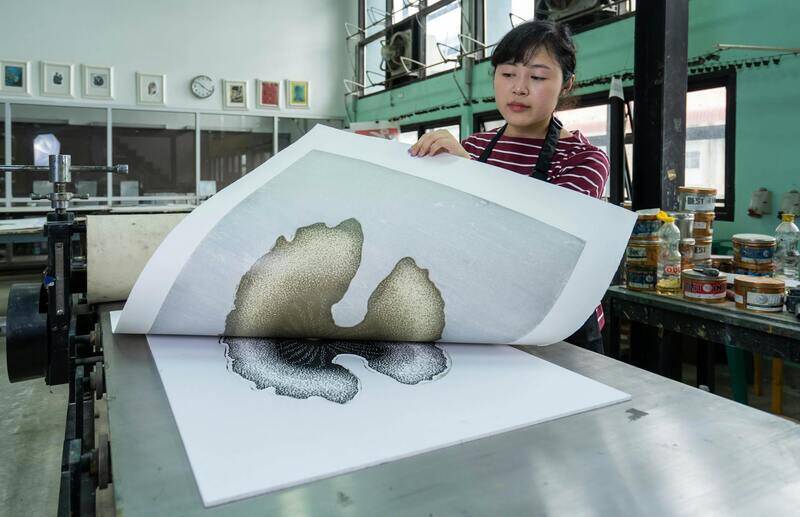
Various printing techniques are employed in booklet production, each with distinct cost profiles. Digital printing is ideal for small quantities and offers quick turnaround times. Its lower initial setup costs make it suitable for short-run projects, but the cost per unit increases as order volume decreases. Offset printing, on the other hand, is more economical for larger runs due to its high setup costs balanced by lower per-unit costs in batch productions. This method delivers high-quality output, especially with vibrant color reproduction and sharp details.
Flexography and letterpress are less common for booklet printing but might be used for special finishes or branding elements. Both techniques are generally more expensive and suited for high-volume or specialty projects. The choice of method depends on factors like order size, desired quality, and urgency, with each influencing overall costs accordingly.
Estimating Printing Costs Based on Quantity
Budget planning for booklet printing begins with understanding how order volume impacts costs. Small orders, typically fewer than 100 copies, involve higher per-unit expenses due to fixed setup and labor costs spread over a limited number of units. These costs can range from several hundred to over a thousand dollars, depending on design intricacies and finishing treatments.
For medium-sized runs, such as 100 to 500 copies, the average cost per booklet tends to decrease significantly. Users can expect to pay between $0.50 and $2 per copy, with total costs varying from $500 to $1,500. As the quantity increases, the per-unit cost continues to decline, especially beyond 1,000 units, where bulk pricing becomes a significant advantage. Large-volume orders often see costs drop below $0.50 per booklet, making them a cost-effective solution for extensive distribution campaigns.
Impact of Design and Layout on Printing Expenses
Design complexity directly influences printing costs. Simple, straightforward layouts typically require minimal setup, thus reducing expenses associated with formatting and adjustments. Conversely, complex layouts with custom graphics, high-resolution images, and detailed artwork necessitate specialized printing techniques and more extensive prepress preparations, elevating costs.
A well-optimized design can also streamline printing processes. For instance, utilizing standard dimensions, avoiding excessive color use, and maintaining consistent margins contribute to faster turnaround times and lower material usage. Additionally, simplifying features such as borders, background images, or intricate typography can help manage production expenses without compromising overall quality.

Paper Types and Finishing Options That Affect Cost
The choice of paper significantly impacts both the tactile quality and the price of the final booklet. Standard options like 80lb gloss or matte paper provide a balance between affordability and visual appeal. Higher-end papers, such as textured or recycled options, enhance durability and aesthetic value but substantially increase costs.
Finishing touches like lamination, embossing, foil stamping, or spot UV coating elevate the booklet's appearance but also add to the expense. When aiming for a budget-friendly project, selecting basic paper stock and minimal finishes is advisable. Conversely, premium options are suitable for promotional materials or high-end presentation booklets where impression and durability are paramount.
Average Price Range for Booklet Printing Services
Booklet printing costs can vary based on factors such as size, page count, material choices, and volume. Typically, small-scale projects with minimal customization might be completed for as low as $200 to $500 for under 100 copies. Medium runs, which are common for local events or campaigns, generally fall within the $500 to $1,500 range. Large orders, especially those exceeding 1,000 copies, tend to cost between $1,000 and $3,000 or more, depending on specifications.
It's important to obtain detailed quotes from reputable printing services, factoring in all desired options. Requesting samples and reviewing previous work can also help ensure the quality aligns with the invested budget. Additionally, understanding the cost implications of various options allows for strategic decision-making, balancing quality and expense efficiently.
Factors Influencing Booklet Printing Costs
Numerous variables contribute to the overall expense of printing booklets. The size and format of the booklet play a significant role; larger dimensions typically demand more material and can influence setup costs. The number of pages directly affects printing and binding expenses, with thicker booklets requiring additional resources. The choice of binding method, such as saddle stitch, perfect binding, or spiral binding, has distinct cost implications, with saddle stitch generally being more economical for smaller runs.
Design complexity is another critical factor. Intricate layouts, custom illustrations, or the use of specialized fonts may necessitate additional pre-press work, prolonging production time and increasing costs. Color usage is also influential; full-color pages significantly raise expenses compared to black-and-white printing, especially when high-quality color fidelity is required. Additionally, secondary services like custom die cuts, embossing, or foil stamping can elevate costs by adding steps to the manufacturing process.
Order volume remains a decisive element in pricing structures. Higher quantities often benefit from bulk discounts, reducing the per-unit cost. Conversely, small orders tend to maintain a higher unit price due to setup and material costs. Deadlines or expedited delivery requests can introduce additional fees, as they may require overtime or premium shipping services.

Common Printing Methods and Their Cost Implications
Various printing techniques are utilized for booklet production, each with unique cost profiles suited to different project requirements.
- Offset Printing: Best suited for large volumes, offset printing offers high quality and color accuracy at a lower cost per unit when printing in high quantities. It involves a setup process that can be costly initially but becomes more economical with scale.
- Digital Printing: Ideal for smaller runs or on-demand printing, digital methods eliminate the need for plates and reduce setup times. While the cost per piece is higher compared to offset, digital printing provides flexibility and quick turnaround.
- Print-on-Demand: A subset of digital printing, this approach allows for printing exactly the quantity needed without excess inventory, minimizing waste and upfront costs.
The choice of printing method should align with project scale, deadline constraints, and budget considerations to ensure efficient utilization of resources.

Estimating Printing Costs Based on Quantity
The quantity of booklets ordered significantly impacts the overall cost structure. Small-scale projects (under 100 copies) typically incur higher costs per unit, often ranging from $3 to $8 each, depending on design complexity and finish options. Mid-sized projects, usually between 100 and 500 copies, benefit from lower unit prices, generally falling between $2 and $5. As the volume increases beyond 1,000 copies, unit costs tend to decrease further, often below $1.50 or $2 per booklet.
It is advisable to request detailed quotations from multiple vendors, clearly specifying quantities, materials, and finishing preferences. Advanced planning can leverage economies of scale, making larger orders more budget-efficient, especially when they meet distribution or promotional needs. Bulk printing not only reduces costs but also streamlines production and delivery schedules.
Impact of Design and Layout on Printing Expenses
Design intricacy and layout considerations can influence printing costs beyond material expenses. Complex designs with multiple images, overlapping elements, or extensive use of color necessitate more sophisticated pre-press work, which can elevate production costs. Properly prepared files, with correct color profiles, bleed areas, and vector graphics, help streamline the printing process and minimize errors or reprints.
Adjustments in layout, such as reducing page count or simplifying graphical elements, can lead to measurable savings. It is also vital to consider the digital file preparation; high-resolution images and well-structured files prevent delays and additional costs. Clear communication with the printing service regarding design specifications ensures the final product aligns with expectations and budget constraints.
Paper Types and Finishing Options That Affect Cost
The type of paper selected directly influences the tactile experience and visual appeal of the booklet, as well as its cost. Standard gloss or matte finishes are generally economical and suitable for most projects. Recycled or textured papers offer aesthetic and environmental advantages but tend to have higher prices. Heavier paper weights provide durability and a premium feel, which can significantly increase expenses.
Finish options such as lamination, UV coating, embossing, foil stamping, or spot varnishing add visual interest and tactile richness but come with additional costs due to extra processing steps. These choices are often justified in high-end or promotional documents where impression and longevity are priorities. Balancing practical function with budget constraints requires careful selection of materials and finishes to achieve the desired quality without overspending.
Average Price Range for Booklet Printing Services
Pricing for booklet printing varies widely based on specifications. For small batches with simple designs, prices typically start around $200 to $500 for under 100 copies. Medium-sized projects, involving 100 to 500 copies, usually fall within the $500 to $1,500 range. Larger runs, especially those exceeding 1,000 copies, often range from $1,000 up to $3,000 or more, contingent on options and finishes chosen.
To maximize value, it is essential to compare quotes from multiple reputable printing providers. Ensure each quote details materials, finish options, and turnaround times. Understanding the factors influencing price allows for more strategic decision-making and finer control over quality and costs, particularly when planning for bulk production or specialized features.