Understanding Printed Banners and Their Uses
Printed banners serve as versatile tools in the realm of marketing, event promotion, and business signage. Their prominence lies in their ability to convey messages visually and tangibly, capturing attention across various settings. These banners come in a multitude of formats, from large-scale outdoor billboards to indoor event displays, tailored to meet specific needs and environments. Types of printed banners include vinyl banners, fabric banners, mesh banners, and banner stands, each suited for different application contexts and durability requirements.
Vinyl banners are among the most common due to their durability and weather resistance, making them ideal for outdoor advertising. Fabric banners offer a more refined aesthetic, often used in indoor environments such as exhibitions or shop displays. Mesh banners are designed to withstand high wind conditions, providing excellent airflow while maintaining visibility. Banner stands serve as portable options for trade shows or temporary promotions.
In terms of applications, printed banners are integral to marketing campaigns, product launches, event promotions, and storefront advertising. They help brands establish a physical presence and communicate key messages effectively. For businesses, a well-designed banner can significantly enhance visibility, attract foot traffic, and reinforce brand recognition. Event organizers utilize printed banners for directions, sponsorship displays, and thematic decoration, ensuring that event messaging is prominent and cohesive.
Aside from commercial uses, printed banners are also employed in public awareness campaigns, community celebrations, and sporting events. Their adaptability and visual impact make them indispensable in both professional and informal contexts. To maximize effectiveness, selecting the right type of banner, appropriate sizes, and durable materials is crucial, especially considering the environment in which they are displayed.
Understanding Printed Banners and Their Uses
Printed banners serve as versatile tools for a broad spectrum of advertising and informational purposes. Their ability to deliver vivid visuals and clear messaging in large formats makes them essential for capturing attention in various environments. These banners are commonly used in retail settings to promote sales, new arrivals, or events, offering a dynamic way to engage passersby and potential customers. In addition, they play a crucial role in outdoor advertising campaigns, where durability and visibility are paramount.

Trade shows and corporate events frequently utilize printed banners for branding, directional signage, and sponsor acknowledgments. Their large format enables brands to communicate their message effectively from a distance, creating a cohesive visual environment that reinforces brand identity. Similarly, in sporting events and community festivals, banners serve both decorative and informative functions, such as displaying event schedules or sponsorship logos.
Inside retail stores and exhibition halls, fabric and vinyl banners contribute to a polished and professional aesthetic, elevating the overall ambiance while conveying promotional messages. Moreover, public awareness campaigns rely heavily on the visual impact of banners to educate and motivate audiences, demonstrating their importance beyond commercial contexts.

Choosing the appropriate type of printed banner depends on several factors, including the intended environment, durability requirements, and visual impact. Outdoor banners usually benefit from weather-resistant materials like vinyl, while indoor applications might favor lighter, more refined options such as fabric. Size considerations are equally important; a larger banner enhances visibility from afar, whereas smaller banners are suitable for targeted points of interest within a confined space. Proper material and size selection ensure that the message remains clear, visually appealing, and resilient over time, ultimately maximizing the effectiveness of the promotional effort.
Providing Guidance on Selecting Appropriate Materials and Sizes Based on the Intended Use, Location, and Durability Requirements
When considering printed banners online, the choice of materials and sizes plays a crucial role in the success of your marketing or communication efforts. The environment where the banner will be displayed, the expected lifespan, and the specific visual impact you aim to achieve are key factors to evaluate.
- Material Selection: For outdoor environments, durable, weather-resistant materials such as vinyl or mesh are ideal. Vinyl banners offer excellent resistance to rain, sun exposure, and wind, making them suitable for long-term outdoor use. Mesh banners are designed for high wind areas, allowing air to pass through, reducing strain on the material. Conversely, indoor banners often utilize fabric or smooth vinyl, which provides a refined appearance suitable for retail, trade shows, or indoor events.
- Size Considerations: Larger banners command attention from greater distances, ideal for outdoor advertising, grand openings, or sporting events. Smaller banners, on the other hand, can be effectively used within internal spaces such as stores or conference halls to highlight specific messages or offers. Precise measurements aligned with display areas ensure that the banner maximizes its visual impact without overwhelming or underwhelming viewers.
Applying appropriate material choices based on environmental exposure and size optimizes both durability and aesthetic value. It also helps in budgeting effectively by balancing cost with performance, ensuring your investment in printed banners online yields long-term benefits.

Design Tips for Effective Banner Printing
Design plays a pivotal role in the effectiveness of a printed banner. A well-crafted design captures attention, communicates the intended message clearly, and reflects your brand identity. Here are essential tips to consider:
- Simplicity is Key: Keep text concise and legible. Use bold fonts and high-contrast colors to enhance readability from a distance. Avoid clutter and focus on a single, compelling call-to-action or message.
- Visual Hierarchy: Structure your design to guide the viewer’s eye naturally. Place the primary message prominently at eye level, with supplementary information in smaller fonts.
- High-Quality Images and Graphics: Incorporate sharp, relevant images that reinforce your message. Ensure graphics are high-resolution to prevent pixelation when printed at large sizes.
- Brand Consistency: Use your brand’s color palette, logo, and typographic style to maintain consistency across all marketing materials.
- Test Your Design: Before the final print, review the design at actual size to check for readability and visual balance. Consider seeking feedback from others to refine the layout.
Adhering to these design principles maximizes the visual impact of your banner and ensures that your message resonates with your target audience.

Design Tips for Effective Banner Printing
Creating a compelling printed banner involves strategic design choices that enhance visual appeal and clarity. When designing your banner, selecting the right colors is essential. Use bold, contrasting hues to ensure your message stands out, especially from a distance. Bright reds, vivid blues, and striking yellows can draw attention quickly, but always align your color scheme with your brand identity to maintain consistency.
Font selection plays a crucial role in readability. Opt for large, clean typefaces such as sans-serif fonts, which are easy to decipher at a glance. Limit the number of different fonts to create a cohesive look, typically sticking to two variants—a primary font for headlines and a secondary font for supplementary details.
Incorporating relevant imagery enhances message delivery. Use high-resolution images that align with your message, avoiding pixelation or blurriness. Graphics should complement the text without overwhelming it, maintaining a balanced composition.
Utilize white space effectively to prevent your design from appearing cluttered. Adequate spacing guides the viewer’s eye smoothly across the banner, highlighting key information and calls to action.
Lastly, maintaining brand consistency through the use of your logo, brand colors, and typefaces ensures that your banner reinforces your overall marketing strategy. Before finalizing the design, review it at actual size for clarity and visual impact, making adjustments as needed based on feedback from colleagues or stakeholders.
Factors Influencing Quality and Pricing
When selecting printed banners online, several factors significantly impact both the quality of the finished product and the overall cost. Understanding these elements allows for more informed decision-making and helps ensure that your investment delivers the desired visibility and durability.
- Material Selection: High-quality materials such as vinyl or mesh typically command higher prices but offer enhanced durability and weather resistance. The choice of material affects how well the banner performs outdoors or indoors and influences how long it will last without fading or tearing.
- Size of the Banner: Larger banners require more material and printing time, which can increase costs. Custom sizes tailored to specific spaces may also entail additional setup or cutting fees, especially if special finishing is needed.
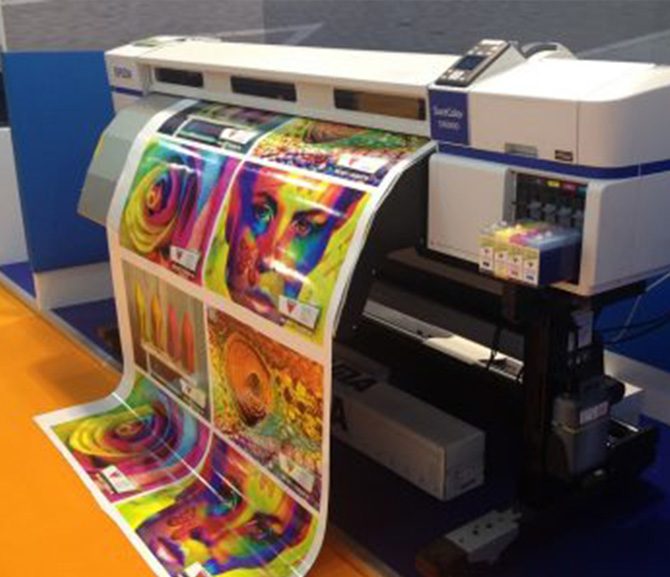
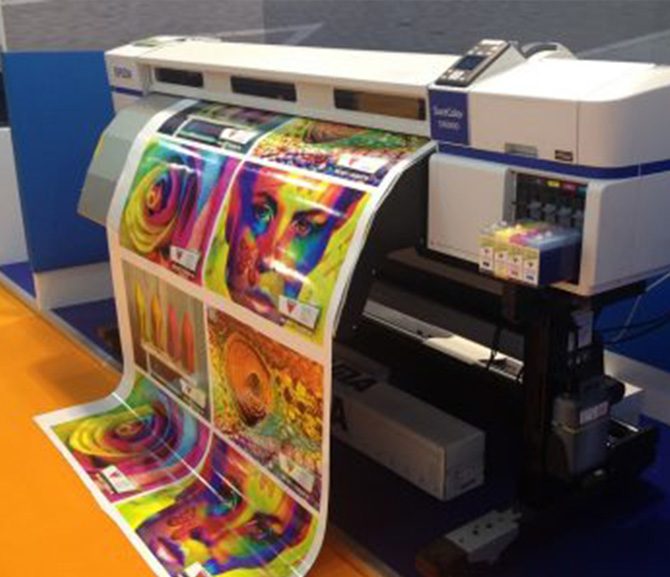
- Print Resolution and Technique: Superior print resolution results in sharper images and clearer text, contributing to a more professional appearance. Advanced printing techniques like dye sublimation or solvent printing often produce vibrant colors and longer-lasting results, but they come at a premium.
- Design Complexity: Intricate designs with multiple colors, gradients, and detailed imagery may require more advanced printing processes and inks, impacting overall pricing. Simpler designs typically cost less and are quicker to produce.
- Finish and Additional Features: Optional finishing touches such as lamination, hemming, grommets, or framing can enhance durability and ease of installation. While these features add to the cost, they extend the lifespan of the banner and maintain its visual appeal over time.
Pricing can also fluctuate based on order volume, turnaround times, and specific customization requests. Bulk orders often benefit from discounts, whereas expedited services might carry higher charges. It’s important to evaluate your budget against the desired quality and longevity of the banner to identify the best value.
Understanding Printed Banners and Their Uses
Printed banners serve as versatile visual communication tools used across a multitude of settings, including corporate events, retail promotions, trade shows, and community gatherings. They are designed to convey messages quickly and effectively, catching the eye of passersby and reinforcing branding efforts. Whether used for advertising sales, announcing grand openings, or highlighting special events, printed banners are durable, customizable, and impactful. Their utility extends to indoor and outdoor environments, where weather-resistant materials ensure longevity and sustained visibility. The ability to produce large, high-quality images and text makes printed banners an essential element in creating memorable visual impressions.
Common Uses for Printed Banners:
- Promotional Campaigns and Sales
- Trade Show Displays
- Event Signage and Directions
- Brand Awareness and Identity Building
- Educational and Informational Signage
- Grand Openings and Celebrations

Advantages of Ordering Printed Banners Online
Opting to purchase printed banners through online platforms offers distinct advantages that cater to business needs and personalized requirements. The process provides access to a vast array of customization options, enabling clients to select specific sizes, materials, finishes, and design intricacies without the constraints typical of physical storefronts. Online ordering streamlines the procurement process, allowing for quick uploads of artwork, real-time price estimates, and instant communication with printing specialists. Additionally, competitive pricing and special promotions for bulk orders make online platforms a cost-effective choice for many organizations. The convenience of doorstep delivery, coupled with secure payment methods and comprehensive customer support, further enhances the experience of ordering printed banners online.
Key Benefits include:
- Wide selection of materials and finishes
- Enhanced customization capabilities
- Accurate and instant pricing estimates
- Time-efficient ordering process
- Easy reordering for repetitive campaigns
- Access to professional design assistance
- Flexible delivery options to suit project timelines

Choosing the Right Material and Size for Your Banner
Selecting appropriate materials and sizes for printed banners is crucial to achieving the desired impact and durability. Material options typically include vinyl, mesh, fabrics, and laminate coatings, each balancing factors such as weather resistance, flexibility, weight, and aesthetic appeal. For outdoor use, weatherproof and tear-resistant materials like premium vinyl or mesh are recommended, ensuring longevity against elements like wind, rain, and sunlight. Indoor banners may opt for lighter fabrics with matte or gloss finishes for a sharper appearance.
Size considerations should be based on the intended display location, viewing distance, and messaging complexity. Larger banners command attention from afar and are suitable for prominent outdoor spaces or large venues, whereas smaller banners are ideal for indoor use or confined areas. Custom dimensions allow for precise integration into specific environments, making the message more effective. When selecting sizes, account for installation methods, such as grommets or pole pockets, to ensure the banner fits seamlessly within the designated space.
Tips for Material and Size Selection:
- Assess the environmental conditions where the banner will be displayed
- Consider the viewing distance for optimal messaging impact
- Choose durable materials for outdoor applications
- Ensure the size complements the mounting or hanging setup
- Use high-quality materials for a professional appearance and longevity

Design Tips for Effective Banner Printing
An impactful banner design hinges on clarity, coherence, and visual appeal. Prioritize simplicity by limiting the number of fonts and colors to prevent clutter and maintain focus on the core message. Use high-resolution images and vector graphics for crisp visuals, particularly for logos and text. Incorporate contrasting colors to enhance readability from a distance, ensuring that key information such as event names, dates, or discounts stands out. Maintain a balanced layout with aligned elements and strategic use of whitespace to prevent overcrowding.
Consistency in branding, such as logo placement and color schemes, strengthens recognition. When utilizing text, choose bold, legible fonts suitable for outdoor readability. Consider the viewing context—whether the banner will be seen at eye level or from afar—to determine font sizes accordingly. Testing the design by previewing it in scaled-down versions or in digital mockups can help identify areas for improvement before final printing.
Design Best Practices:
- Keep messaging concise and direct
- Utilize high-quality images and vector graphics
- Ensure sufficient contrast for readability
- Use consistent branding elements
- Avoid overcrowding with minimal text and visuals
Understanding Printed Banners and Their Uses
Printed banners serve as versatile tools for marketing, event promotion, and informational displays across a variety of settings. They are especially effective in high-traffic areas such as trade shows, retail stores, outdoor festivals, and corporate events. The adaptability of printed banners allows them to convey messages clearly and attractively, making them a go-to choice for businesses and organizations aiming to increase visibility. They can be customized with logos, slogans, images, and contact details, ensuring brand consistency and strong visual impact. Whether used as temporary signage or long-term advertising solutions, printed banners help communicate key messages swiftly and efficiently to a broad audience.

In addition to marketing, printed banners play a crucial role in guiding visitors, announcing special offers, or highlighting new products. Their large format and vibrant graphics catch attention and enhance the overall aesthetic of the environment. Durable materials and high-resolution printing ensure these banners withstand outdoor elements or repeated indoor use, making them a cost-effective investment for ongoing promotional needs. Recognizing the different applications of printed banners helps users choose the right design, material, and installation method to maximize their effectiveness.
Advantages of Ordering Printed Banners Online
Opting to order printed banners through an online platform offers significant benefits that streamline the entire process. Users gain access to a wide variety of customization options, from size and material to design elements, all at their fingertips. Online ordering platforms provide comprehensive previews, allowing customers to visualize their banners before making a commitment, which minimizes errors and enhances satisfaction.
- Convenience: Orders can be placed 24/7 from any location, saving time compared to traditional in-store visits.
- Variety: Extensive selections of materials, finishes, and customization options cater to specific needs and budgets.
- Cost Efficiency: Competitive online pricing, bundle offers, and promotions often lead to savings.
- Fast Turnaround: Digital workflows facilitate quicker processing and delivery, especially when working with reputable providers.
- Sample and Proofing: Digital proofs ensure the design aligns with expectations before final printing, reducing rework and waste.
Choosing the Right Material and Size for Your Banner
Selecting optimal materials and dimensions tailored to the intended display environment is essential for the banner's effectiveness and longevity. Common materials include vinyl, mesh, fabric, and PVC, each offering distinct advantages such as weather resistance, flexibility, and print quality. For outdoor use, weatherproof and UV-resistant vinyl or mesh materials are preferred due to their durability against rain, wind, and sun exposure. Indoor banners may opt for fabric or thinner vinyl for ease of handling and elegant presentation.
Size selection depends on viewing distance, location, and purpose. Larger banners are ideal for catching attention from afar, such as roadside advertising or event backdrops. Smaller banners suit indoor spaces or targeted displays. Understanding the exact dimensions necessary ensures the message is legible and visually appealing without overwhelming the designated space.
Factors to Consider When Choosing Materials and Sizes
- Intended Location: Outdoor or indoor placement influences material choice.
- Viewing Distance: Larger or bolder designs for distant viewing.
- Duration of Use: Long-term outdoor banners require weather-resistant materials.
- Budget: Material costs vary; balance quality with cost considerations.
- Design Impact: Size and material should complement the design’s visual elements for maximum impact.
Understanding Printed Banners and Their Uses
Printed banners serve as versatile promotional tools used in a multitude of settings, from corporate marketing campaigns and trade shows to community events and retail displays. Their primary function is to deliver impactful visual messages that capture attention quickly, making them invaluable for brand awareness and event promotion. Depending on the intended environment, banners can be designed for indoor use, such as in retail stores or exhibitions, or for outdoor use, where they must withstand weather conditions while maintaining visual clarity. Popular uses include advertising sales or new product launches, marking special events, directing attendees at large gatherings, or simply enhancing the aesthetic of a space with vivid visuals and clear messaging.

Advantages of Ordering Printed Banners Online
Ordering printed banners through online platforms offers numerous benefits that streamline the procurement process and enhance customization options. Customers gain access to a wide range of design templates and materials, enabling tailored visuals that align perfectly with branding requirements. The convenience of browsing portfolios and obtaining instant quotes simplifies decision-making, saving significant time compared to traditional print shops. Additionally, online services often feature user-friendly design tools allowing real-time adjustments and previews, ensuring the final product precisely matches expectations. Faster turnaround times and the ability to order in bulk or for one-off projects cater to both small-scale events and large marketing campaigns, providing flexibility and efficiency. Delivery options tied to these platforms streamline the process further, with many services offering on-time dispatch directly to the event location or business premise.

Choosing the Right Material and Size for Your Banner
Selecting suitable materials and dimensions for your printed banner is critical to ensure maximum impact and durability. The choice depends primarily on where the banner will be displayed and how long it needs to last. Common materials include vinyl, mesh, fabric, and PVC—each offering distinct advantages.
- Vinyl: Weather-resistant and durable, ideal for outdoor use where longevity is critical.
- Mesh: Designed for high wind areas, allowing air flow while minimizing damage.
- Fabric: Offers a premium look for indoor applications, with excellent print quality and ease of handling.
- PVC: Cost-effective and versatile, suitable for both indoor and outdoor purposes.

Design Tips for Effective Banner Printing
Effective banner design hinges on clarity, simplicity, and visual appeal. Use bold, legible fonts that can be read from afar. Limit text to concise messages or calls to action, focusing on key information such as offers, dates, or branding slogans. Incorporate high-resolution images and contrasting colors to enhance visibility and engagement. Maintain uniform branding elements like logos and color schemes to reinforce brand recognition. Balance the layout to avoid overcrowding, ensuring that the banner is easy on the eyes while delivering the intended message promptly. Testing design drafts at full size can prevent misalignments or unclear elements, helping guarantee the final product is both striking and effective.
Ordering Process and Customization Options
The process begins with selecting the desired banner size, material, and quantity. Many online platforms offer intuitive design tools or allow upload of custom artwork created by professional designers. Customization options include adding logos, contact details, slogans, and images. Customers can choose finishes such as matte or gloss to enhance visual effects. Proof approval stages ensure the design aligns with expectations before production begins. After finalizing the specifications, placing the order triggers the production process, which typically takes from a few days to a week based on complexity and quantity. Some providers also include options for double-sided printing, grommets, or hemmed edges to suit various installation needs.
Factors Influencing Quality and Pricing
Several aspects impact the overall quality and cost of printed banners. Material quality directly affects durability, especially for outdoor applications with exposure to weather elements. Higher-grade materials like laminated vinyl generally come at a premium but offer longer lifespan and better print fidelity. Printing technology, such as digital or eco-solvent printing, influences color vibrancy and resolution. Additional features like reinforced edges, eyelets, or special finishes add to the cost but improve usability and longevity. Quantity discounts and bulk orders tend to reduce the unit price, making large campaigns more cost-effective. Accurate specifications and thoughtful design ensure the final product delivers value for money, providing a product that is impactful, durable, and within budget constraints.