Understanding Outdoor Banner Printing
Outdoor banner printing is a specialized form of large-format printing designed to produce visually striking and durable banners for advertising, branding, and informational purposes in outdoor environments. These banners play a crucial role in attracting attention from passersby, conveying clear messages, and enhancing visibility in busy public spaces. The significance of outdoor banner printing extends across various industries, including retail, real estate, events, and municipal advertising, where effective communication in open spaces can lead to increased foot traffic and brand recognition.
The primary advantage of outdoor banners lies in their ability to withstand varying weather conditions, including rain, wind, sunlight, and temperature fluctuations. This necessitates the use of high-quality materials and advanced printing techniques to ensure longevity and vibrant color retention over time. Moreover, outdoor banners are versatile in design and size, allowing businesses and organizations to customize visuals that align with their branding strategies and promotional campaigns.
A well-printed outdoor banner not only captures attention but also communicates essential information efficiently. Whether used for announcing sales, promoting events, or displaying directional signage, these banners are an effective and economical marketing tool capable of reaching large audiences in outdoor settings.
At the core of outdoor banner printing is a combination of durable materials, precise design, and advanced printing technology that together produce a product capable of enduring environmental challenges while maintaining high visual standards. Proper selection of materials, thoughtful design considerations, and the deployment of suitable printing processes are essential steps in creating outdoor banners that stand out and last long.
Choosing the Right Materials
When it comes to outdoor banner printing, selecting appropriate materials is fundamental to ensuring longevity and visual impact. The primary materials used include vinyl, mesh, fabric, and sometimes lightweight substrates, each offering unique benefits tailored to specific environments and purposes.
Vinyl remains the most popular choice for outdoor banners due to its robustness, flexibility, and resistance to weather conditions. It is available in various thicknesses, with heavier options providing enhanced durability against wind, rain, and UV exposure. Mesh banners, constructed with perforated material, allow wind to pass through, reducing strain on mounting points, making them ideal for large-scale displays in high-wind areas. Fabric banners, often made of polyester or polyester blends, provide a softer, more premium look but may require additional treatments to withstand outdoor elements effectively.

Other considerations include the surface on which banners will be mounted. For concrete or brick surfaces, banners with reinforced grommets and corrosion-resistant hardware ensure secure installation. For more temporary setups, lightweight banners attached with adhesive or clamps may suffice, but these options emphasize the need for appropriate material selection to prevent damage or tearing over time.
Design Considerations
Effective outdoor banners hinge on thoughtful design that captures attention and communicates message swiftly. Use bold, contrasting colors and large, legible fonts to enhance visibility from afar. Incorporate high-resolution images and minimal text to convey key messages quickly. The design must also consider environmental factors such as sunlight glare, which can obscure details, making color choice and placement critical.
Strategic use of branding elements—logos, slogans, and brand colors—helps reinforce identity and ensures consistency across various marketing channels. Consider the viewing distance and angle during the design process; banners placed at high traffic points benefit from prominent, straightforward messaging that can be understood instantly by passing viewers.
Printing Techniques and Technologies
Modern outdoor banner printing employs advanced digital printing technology, such as solvent, eco-solvent, UV, and latex printing. Solvent and eco-solvent printers utilize inks formulated to resist fading, scratching, and water damage, ensuring that banners maintain their vibrant appearance over extended periods. UV printing applies ultraviolet light to instantly cure inks, producing highly detailed imagery with excellent color vibrancy.
Latex printing, known for its environmentally friendly profile, offers flexibility, quick drying times, and excellent durability. These techniques allow for high-resolution, full-color graphics that adhere well to various substrates, resulting in sharp, eye-catching visuals that stand out even in challenging outdoor conditions.
Choosing the appropriate technology depends on the intended lifespan, environmental exposure, and budget considerations. For instance, solvent-based inks are ideal for long-term banners exposed to harsh weather, while UV and latex options are suitable for shorter-term promotional campaigns.
Understanding Outdoor Banner Printing
Outdoor banner printing involves producing large-scale custom banners designed to capture attention in outdoor environments. It encompasses everything from selecting the right materials to employing advanced printing techniques that withstand the elements. Properly manufactured outdoor banners serve as powerful visual tools for branding, advertising, and event promotions, offering high visibility and flexibility in placement across diverse locations.
The key to effective outdoor banner printing lies in choosing the optimal combination of materials and technologies. Digital printing advancements allow for vibrant, detailed graphics that maintain their appeal despite exposure to sun, rain, wind, and dirt. Whether you’re promoting a grand opening, a seasonal sale, or community event, the critical aspect of outdoor banner printing is ensuring that your message remains clear and impactful over time.

Choosing the Right Materials
The longevity and visual impact of outdoor banners significantly depend on the materials used during production. Common options include vinyl, mesh fabric, and fabric banners, each offering unique benefits tailored to different needs.
- Vinyl Banners: Known for their durability and resistance to water, tearing, and weather conditions. They are suitable for long-term outdoor use and are easy to clean and maintain.
- Mesh Banners: Designed with a perforated surface to allow wind to pass through, reducing stress on fixtures. Ideal for high-wind areas, maintaining structural integrity while providing visibility.
- Fabric Banners: Made from polyester or similar textiles, these banners offer a refined appearance with vibrant color reproduction. They are better suited for short-term campaigns or indoor applications but can be treated for outdoor use.
Additional considerations include UV coating and laminate finishes, which enhance resistance to fading, scratches, and dirt. These protective layers are essential for banners facing prolonged outdoor exposure and ensure the visual appeal endures over time.
Design Considerations
Effective outdoor banners demand thoughtful design strategies to maximize visibility and message retention. Key points include choosing bold colors with high contrast, utilizing large, legible fonts, and simplifying the message to ensure clarity from a distance. Optimizing size and layout ensures the banner can be read quickly by viewers passing at various speeds and angles.
- Visibility: Use contrasting colors and large fonts to ensure readability from afar.
- Color Choices: Select color schemes that align with branding and stand out against outdoor backgrounds.
- Size Optimization: Adjust banner dimensions to fit the intended display location, ensuring important elements are not obscured or bypassed.
- Content Clarity: Keep messaging brief and impactful, focusing on key information like offers, dates, or contact details.
High-quality visuals paired with strategic placement enhance the overall effectiveness of outdoor banners, capturing attention quickly and conveying messages effectively even in busy environments.
Understanding Outdoor Banner Printing
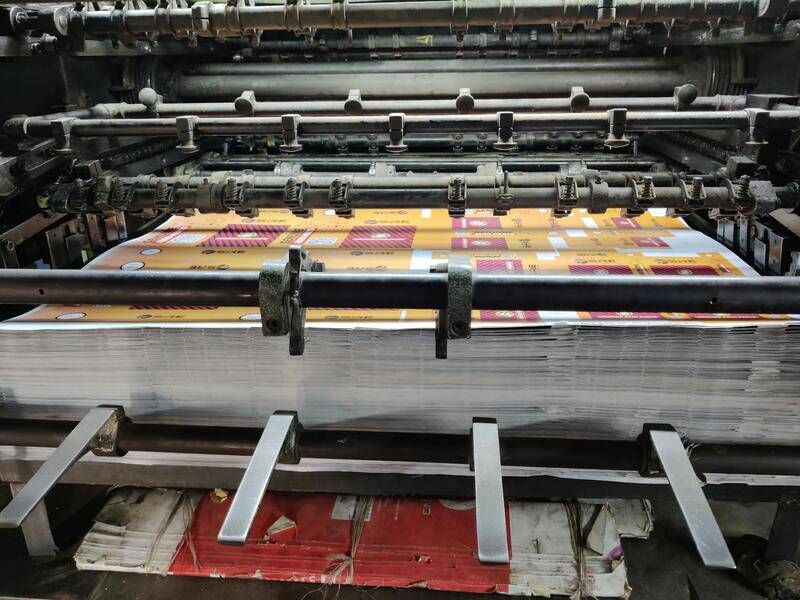
Outdoor banner printing involves the use of specialized printing technologies and durable materials designed to withstand the elements while delivering vibrant, impactful visuals. This process requires selecting the right printing method that ensures long-term performance, especially in environments exposed to sun, rain, wind, and varying temperatures.
The primary goal is to produce banners that maintain their visual appeal over extended periods without fading, tearing, or deterioration. Commercial-grade digital printers equipped with solvent or latex inks are typically employed for outdoor banners due to their superior adhesion, resistance to UV rays, and ability to produce sharp, vivid images. These inks penetrate the material surface, providing enhanced durability and weather resistance, crucial for outdoor settings.
Additionally, the choice of materials plays a significant role in outdoor banner longevity. Manufacturers often use heavy-duty vinyl, mesh fabric, or polyester-based substrates that are specially coated to resist water, UV rays, and tearing. These materials can handle exposure to harsh weather conditions, ensuring that outdoor banners remain visually striking and structurally sound for the duration of their campaign.
Choosing the Right Materials
Selecting suitable materials is essential for ensuring outdoor banner durability. Factors such as environmental exposure, installation method, and intended lifespan influence this decision. Standard materials include:
- Vinyl Banners: Made from PVC, offering excellent weather resistance and flexibility, ideal for long-term outdoor use.
- Mesh Banners: Featuring perforations for wind resistance, perfect for high-wind areas.
- Polyester Fabrics: Lightweight and easy to handle, often coated for water and UV protection.
Uniform coating and lamination processes further enhance these materials, providing a protective barrier against UV fading, scratches, and dirt accumulation, which preserves the visual impact of the banner over time.
Design Considerations
Design plays a critical role in maximizing the effectiveness of outdoor banners. Strategic choices in color, font, imagery, and layout ensure the message is quickly understood and visually appealing from a distance.
- Color and Contrast: Use bold, contrasting colors to enhance visibility, making sure the message stands out amid outdoor clutter.
- Typography: Select large, clear fonts that remain legible from various distances and angles; avoid overly intricate typefaces.
- Content Simplicity: Keep messaging concise with key information—such as promotional offers, dates, or contact details—so viewers can quickly grasp the message.
- Size and Layout: Adapt dimensions to suit installation locations, ensuring key elements are not obstructed and are easily readable from passing vehicles or pedestrians.
High-resolution visuals and carefully planned placement significantly enhance the banner’s ability to attract attention and communicate effectively in busy outdoor environments.
Understanding Outdoor Banner Printing
Outdoor banner printing involves specialized techniques and materials designed to withstand the diverse environmental conditions encountered outdoors. When selecting banners, it is essential to consider factors such as weather resistance, visibility, and longevity. Printed banners are used for a range of purposes, including marketing campaigns, event promotions, directional signage, and branding efforts. Precision in the printing process ensures crisp, vibrant images and text that can be seen clearly from a distance, even under adverse weather conditions. The durability of the print relies heavily on the chosen printing technology, with UV-resistant inks and quality substrates ensuring that colors remain vivid over time. Laser and solvent printing methods are frequently utilized for outdoor banners due to their ability to produce high-resolution images with excellent adhesion and weatherproof qualities. Properly printed banners not only serve as impactful visual communication tools but also maintain their aesthetic appeal after exposure to sunlight, rain, and wind, making them a valuable investment for ongoing outdoor advertising strategies.
Choosing the Right Materials
Selecting suitable materials is fundamental to maximizing the effectiveness and lifespan of outdoor banners. Common materials include vinyl, mesh fabric, and polyester textiles, each offering distinct advantages tailored to specific environmental conditions and installation needs.
- Vinyl Banners: Made from PVC, vinyl banners are highly durable, weather-resistant, and capable of withstanding exposure to rain, UV rays, and wind. They are ideal for long-term outdoor use and offer excellent print quality with vibrant color reproduction.
- Mesh Banners: Featuring perforations that allow wind to pass through, mesh banners are particularly suitable for high-wind areas. Their breathable design reduces stress on mounting points and prevents tearing, ensuring longevity in exposed environments.
- Polyester Fabrics: Lightweight and flexible, polyester is often coated with water-resistant and UV-protective layers to enhance durability. These fabrics are easier to handle during installation and are suitable for banners requiring higher flexibility or specific fabric finishes.
To prolong the lifespan of outdoor banners, additional protective coatings such as lamination or UV-resistant finishes are often applied. These layers safeguard against fading, scratches, and dirt accumulation, maintaining visual clarity and vibrancy throughout the banner’s service life.

Design Considerations
The effectiveness of an outdoor banner largely depends on thoughtful design choices that enhance visibility and convey the intended message quickly. Strategic design involves selecting appropriate colors, typography, imagery, and layout to maximize impact in outdoor settings where viewers may only have seconds to absorb the information.
- Color and Contrast: Use bold, contrasting colors to ensure the banner stands out against the environment. Bright hues such as reds, yellows, and blues effectively attract attention and improve readability from afar.
- Typography: Choose clear, legible fonts with large sizes so the message remains readable at different distances and angles. Avoid overly intricate styles that could hinder comprehension outdoors.
- Content Simplicity: Focus on concise messaging that highlights key information like promotional offers, event dates, or contact details. A clutter-free layout helps viewers quickly grasp the core message without confusion.
- Size and Layout: Adapt banner dimensions according to installation locations, ensuring that critical elements are unobstructed and visible to moving traffic or pedestrians. Proper placement and proportioning significantly enhance the banner’s communicative effectiveness.
High-resolution visuals paired with strategic placement enhance the banner’s ability to attract attention and deliver messages effectively, even from a distance or in crowded outdoor areas.
Installation and Mounting Methods
Secure Mounting for Durability and Safety
Proper installation of outdoor banners is essential to ensure their longevity and effectiveness. The choice of mounting methods depends on the environment, banner material, and size. It is crucial to implement secure fastening techniques to prevent damage from wind, weather, or accidental dislodgement, which can compromise both safety and promotional impact.
When installing outdoor banners, options include grommets, which are reinforced metal rings embedded into the edges of the banner, allowing for strong tie-down points. These are ideal for banners that need to withstand high wind conditions. Alternatively, pole pockets provide a clean, professional appearance and facilitate easy insertion onto poles or display fixtures.
For long-term installations, heavy-duty anchoring systems such as concrete weights or specialized wall brackets can ensure stability. Wind slits, strategically placed cuts in the banner, can reduce wind pressure and minimize stress on the mounting points, thereby prolonging the lifespan of the display.

Choosing the Right Location for Optimal Visibility
The success of an outdoor banner often hinges on where it is installed. High-traffic areas such as roadside, storefronts, or event venues maximize exposure. The height of installation should be adjusted according to the typical viewer's eye level and the distance from which the banner will be viewed.
Ensuring the banner is free from obstructions like trees, poles, or other signage also plays a vital role in maintaining clear visibility. Correct placement enhances the banner's impact, making the message immediately noticeable and easy to read from various angles and distances.
Lighting can further increase visibility during evening hours or in shaded locations. Installing lighting fixtures or reflective elements can make signs stand out in low-light conditions, extending the banner’s reach and effectiveness beyond daylight hours.
Understanding Outdoor Banner Printing
Outdoor banner printing involves the production of large-scale visual displays designed to withstand the elements while effectively conveying messages, branding, or promotional content. This process requires careful selection of printing methods, materials, and finishing techniques to ensure durability, clarity, and vibrant color reproduction. High-resolution digital printing has become the standard for outdoor banners due to its ability to produce sharp images with a wide color palette, ensuring that the final product captures attention from a distance. Options such as eco-solvent, solvent, and UV printing are commonly used, each providing specific benefits regarding weather resistance and color longevity. Selecting a trusted manufacturer with strict quality control standards is essential to achieve a finish that maintains its vibrancy and structural integrity over time.
Choosing the Right Materials
The selection of materials for outdoor banners directly impacts their lifespan and visual appeal. Commonly used materials include vinyl, mesh fabric, and polyethylene banners, each suited for specific environments and mounting options. Vinyl banners are highly durable, resistant to tearing, and can be finished with UV coatings to prevent fading. Mesh banners allow wind to pass through, reducing stress on fixtures, making them ideal for high-wind locations. Polyethylene banners are lightweight and economical but may have a shorter lifespan under extreme weather conditions. Additionally, surface treatments such as lamination or UV coatings serve as protective layers, safeguarding against moisture, UV damage, and surface abrasions. Careful consideration of these parameters ensures selecting an appropriate material that meets both aesthetic standards and site-specific demands.
Design Considerations
Effective outdoor banner design hinges on clear messaging, high contrast, and readability. Key elements include bold fonts, simple graphics, and minimal clutter to ensure the message is discernible from a distance. The use of vibrant colors against contrasting backgrounds enhances visibility under diverse lighting conditions. Incorporating brand logos and consistent color schemes reinforces brand recognition. Keep text concise; lengthy messages can be difficult to read quickly. Safety margins or bleed areas should be integrated into the design to prevent unintended cropping during the printing process. Additionally, incorporating elements like reflective strips or fluorescent colors can improve nighttime visibility, extending the banner’s usability beyond daylight hours.
Printing Techniques and Technologies
State-of-the-art printing technologies used in outdoor banner production include solvent, eco-solvent, UV, and latex printing. Solvent and eco-solvent printers are preferred for their ability to produce weather-resistant and fade-resistant graphics, suitable for outdoor use. UV printing adds a protective layer to the ink, providing excellent scratch and UV resistance, which is essential for banners exposed to harsh sunlight. Latex printing is known for its flexibility, environmental friendliness, and superb color vibrancy, making it an excellent option for high-quality displays. Each technique offers specific advantages depending on budget, material, and intended display duration. Ensuring the selected technology aligns with the design and material specifications results in vibrant, durable banners that maintain their impact over time.

Installation and Mounting Methods
Proper installation is crucial for maximizing the visibility and lifespan of outdoor banners. Grommets, pole pockets, and edge reinforcements are standard mounting methods, providing secure attachment points compatible with various structures. Grommets are reinforced metal rings placed at regular intervals for easy tying or bolting to fixtures. Pole pockets allow banners to slide onto poles or posts, offering a clean and professional appearance. Wall-mounted banners can be affixed using brackets, hooks, or adhesive anchors designed to handle outdoor weather conditions. For high wind areas, combining mounting techniques with wind slits or reinforced edges can reduce stress and prevent tearing. Well-planned installation that considers wind dynamics, structural support, and safety ensures banners remain securely displayed and visually impactful for the duration of the campaign or event.

Cost Factors and Budget Planning
Budget planning for outdoor banner printing involves several key factors: size, material, printing quality, finishing options, and installation costs. Larger banners naturally incur higher expenses due to increased material and printing requirements. Premium materials with enhanced weather resistance and UV coatings add to the overall cost but significantly extend the banner's lifespan. Advanced printing techniques, such as UV or latex printing, tend to be more expensive but offer superior durability and color vibrancy. Additional costs might include custom finishing touches like hemming, reinforcement, and eyelets for mounting. When considering a budget, it is important to balance initial costs with the desired durability and longevity. Investing in high-quality materials and printing can reduce replacement frequency and maintenance costs over time, resulting in a more cost-effective outdoor advertising solution.
Understanding Outdoor Banner Printing
Outdoor banner printing is a specialized service designed to produce promotional and informational displays capable of withstanding the demands of outdoor environments. This process involves the selection of durable materials, high-quality printing methods, and reliable finishing options that ensure vibrant visuals and structural integrity over time. The ideal outdoor banners are constructed to resist elements such as wind, rain, sunlight, and temperature fluctuations, making them essential tools for effective marketing campaigns, event promotions, and directional signage.
When choosing outdoor banner printing, consideration must be given to various factors, including the intended display duration, location-specific weather conditions, and the message's visibility. Professional outdoor banners typically feature UV-resistant inks and weatherproof substrates to maintain color vibrancy and structural integrity despite prolonged exposure to outdoor elements. This type of printing utilizes advanced technologies to produce sharp, vivid images with precise color matching and long-lasting durability, ensuring your message remains impactful with minimal maintenance.

Choosing the Right Materials
The foundation of a successful outdoor banner is the choice of materials that offer resilience and visual appeal. Commonly used substrates include vinyl, mesh, and fabric, each with unique benefits suited to specific environments and campaign goals.
- Vinyl: Known for its durability and weather resistance, vinyl banners are ideal for long-term outdoor use. They resist tearing, fading, and moisture, making them a popular choice for various outdoor advertising needs.
- Mesh: Featuring perforations, mesh banners allow wind to pass through, reducing the risk of tearing in high-wind areas. These are suitable for large banners that need lightweight yet durable options.
- Fabric: Typically made from polyester, fabric banners provide a refined appearance with vibrant color reproduction. Coatings enhance weather resistance, extending their lifespan outdoors.
Additional features such as matte or gloss finishes, UV coatings, and reinforcement edges further enhance durability and visual impact. Proper selection based on environmental conditions ensures your banner maintains its integrity and readability over time.

Design Considerations
Effective outdoor banner design combines visual clarity with strategic message placement. Key considerations include font size, color contrast, and simplicity to ensure readability from a distance. Avoid cluttered visuals and focus on high-impact images or logos to grab attention quickly.
In addition, incorporating brand elements and a clear call-to-action can significantly enhance engagement. When designing for outdoor displays, keep in mind environmental factors such as sun glare and background interference, adjusting contrast and brightness accordingly.
Printing Techniques and Technologies
Advances in printing technology have revolutionized outdoor banner production, providing options that balance cost, quality, and durability. Among the most prevalent methods are UV printing, solvent printing, latex printing, and eco-solvent printing.
- UV Printing: Utilizes ultraviolet light to cure inks instantly, resulting in vibrant colors and sharp details with excellent weather resistance.
- Solvent and Eco-solvent Printing: Employ solvent-based inks that penetrate substrates for durability and resistance to outdoor elements, with eco-solvent variants offering environmentally friendly options.
- Latex Printing: Combines water-based inks with latex technology to produce flexible, durable prints ideal for outdoor banners with complex graphics or vibrant color schemes.
The selection of printing technology depends on the project’s specific needs, including durability requirements, environmental considerations, and desired visual effects.