Understanding Professional Brochure Printing
Professional brochure printing plays a crucial role in shaping a company's visual communication and brand identity. It involves the creation of high-quality printed materials designed to inform, promote, and engage target audiences effectively. Unlike basic printing options, professional brochure printing ensures that each brochure meets specific standards of quality, accuracy, and durability, reflecting the brand’s credibility and attention to detail.
The significance of professionally printed brochures extends beyond mere aesthetics. They serve as tangible representations of a company's values, products, and services. Well-designed brochures help establish trust with potential clients and partners by showcasing expertise and commitment to excellence. In addition, these printed materials are instrumental during trade shows, corporate events, and direct marketing campaigns, making a lasting impression that digital media alone cannot achieve.

Understanding the intricacies of professional brochure printing involves recognizing the importance of every detail, from design to finishing. The process begins with clear communication of the desired message, followed by selecting appropriate materials, layouts, and printing techniques that align with the targeted audience and campaign goals. When executed correctly, a professionally printed brochure becomes a vital marketing asset that boosts brand visibility, encourages customer interaction, and ultimately contributes to increased sales and market presence.
Choosing a reputable printing partner ensures that the final product lives up to the brand’s expectations. Professional brochure printing encompasses a range of services, including tailored design consultations, customized size and format options, premium materials, and advanced printing technology. Each element is carefully selected to create a cohesive and compelling visual narrative that resonates with viewers and motivates action.
In essence, professional brochure printing is a synergy of design expertise, material quality, technology, and strategic communication. When executed with precision, it elevates a brand’s marketing efforts and helps establish a memorable and trustworthy presence in competitive markets.
Material and Finish Options
One of the most critical choices in professional brochure printing involves selecting the appropriate materials and finishes. The durability, tactile experience, and overall visual appeal of a brochure heavily depend on these decisions. Premium paper stocks such as gloss, matte, or satin finishes can significantly influence the perceived quality of your marketing collateral.
Glossy finishes are ideal for showcasing vibrant images and dynamic visuals, providing a smooth, reflective surface that makes colors pop. Conversely, matte finishes offer a soft, non-reflective surface that lends a sophisticated and understated look, suited for text-heavy brochures and elegant branding. Satin finishes strike a balance between gloss and matte, providing moderate sheen and durability suitable for multi-purpose campaigns.

In addition to paper type and finish, specialty options such as soft-touch coatings, linen textures, or foil stamping can add unique touches that elevate your brochure’s design. These enhancements improve tactility, catch the eye, and reinforce brand identity. Selecting the best material and finish involves understanding your target audience and the message you wish to convey—luxury, professionalism, approachability, or innovation.
Color Printing and Image Quality
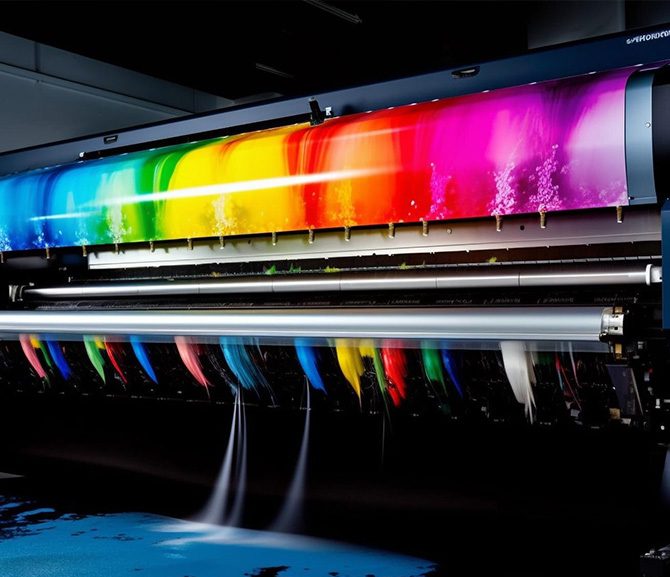
High-quality color reproduction is fundamental to effective brochure printing. Accurate color matching, precise image rendering, and sharp details ensure your visuals communicate your brand story compellingly. To achieve this, professional printers use advanced color management systems and high-resolution printers capable of reproducing a broad color spectrum, including Pantone matching when consistent color accuracy is necessary.
Image quality also depends on the original graphics and photographs. For best results, high-resolution images—typically at least 300 DPI—are essential to prevent pixelation and ensure crispness. Vector graphics are preferred for logos and illustrations, as they scale without loss of quality. Proper image optimization and color profiles help maintain fidelity across print runs, strengthening brand consistency and visual impact.

Leveraging professional printing technology ensures your colors are vibrant, true-to-life, and consistent across batches. The result is a harmonious visual narrative that guides the reader seamlessly through your content, reinforcing your marketing message and brand image.
Understanding Professional Brochure Printing
Professional brochure printing combines technical expertise with creative design to produce marketing materials that effectively communicate your brand message. The process involves selecting appropriate printing methods, materials, and finishes to ensure that the final product meets the specific needs of your business. High-quality brochure printing requires precision in color reproduction, image clarity, and attention to detail, which professional printing services excel at providing.
One of the key advantages of partnering with experienced printers is access to advanced equipment and quality control processes that guarantee consistent results. Such technology includes digital and offset presses capable of handling various paper weights, finishes, and printing techniques. This ensures that the colors are vibrant, the images sharp, and the overall presentation aligns with your brand identity.
Moreover, professional brochure printing involves a meticulous quality assurance process. This includes proofing, color matching, and calibration to make sure your design appears as intended on the final print. By choosing renowned printing experts, businesses can benefit from flexible options such as variable data printing for personalized brochures or specialty printing techniques for unique effects.
Choosing the right printing method depends on your project's scope, budget, and timeline. Digital printing offers quick turnaround times suitable for smaller batches and variable data, while offset printing is preferred for larger runs demanding consistent quality across bulk copies. Each method has its merits, but both rely on off-the-shelf and customized printing technology that guarantees durability, color fidelity, and a professional touch.
In addition to process precision, the handling of materials and finishes plays a significant role in the effectiveness of your brochure. Selecting high-quality paper stock that matches your branding—whether glossy, matte, or textured—can elevate the perceived value of your printed materials. Finishing options such as lamination, embossing, or UV coating add tactile appeal and durability, making your brochures suitable for multiple viewings and longer shelf life.
Ultimately, professional brochure printing is about translating your creative vision into a tangible asset that strengthens your marketing efforts. The combination of advanced technology, material selection, and finishing techniques ensures your brochures leave a lasting impression on your target audience, building credibility and encouraging engagement.
Material and Finish Options
Choosing the right material and finish for your professional brochure printing project is crucial to achieving a high-quality, visually appealing product that aligns with your brand identity. Various paper stocks are available to cater to different needs, ranging from standard gloss or matte finishes to more specialized textures like linen,laid, or recycled paper. Each type of stock offers unique tactile qualities and visual effects, enhancing the overall presentation of your brochures.
Glossy paper stocks are ideal for vibrant images and eye-catching visuals, making colors pop and details sharp. Matte finishes, on the other hand, provide a sophisticated, glare-free surface that is excellent for text-heavy brochures or understated design elements. Textured papers such as linen or embossed varieties add an extra layer of tactile engagement, creating a memorable impressions and emphasizing a premium look.
Finishing techniques further elevate the durability and aesthetic appeal of your brochures. Lamination offers added protection against wear and tear, making brochures suitable for handling over time, while UV coating provides a glossy, reflective surface that enhances visual impact. Embossing and foil stamping introduce tactile and metallic accents, respectively, allowing for creative decorative details that catch the eye and reinforce brand messaging.
In selecting these options, consider the environment in which your brochures will be used and the message you intend to communicate. Heavyweight stocks convey luxury and importance, while lighter options may be more practical for mass distribution. UV coatings and lamination not only improve resilience but also help your brochures stand out in competitive markets, ensuring your marketing materials make a lasting impression.
It's essential to consult with your printing service provider about available materials and finishes that best suit your design and budget. They can offer guidance on compatibility with your selected printing techniques and advice on achieving the desired tactile and visual effects, resulting in professional brochures that effectively represent your brand.
Understanding Professional Brochure Printing
When seeking the highest quality for your marketing collateral, selecting an experienced provider for professional brochure printing is essential. Advanced printing techniques ensure that every color, detail, and finish aligns perfectly with your brand image. High-end printing involves state-of-the-art machinery, precision color calibration, and meticulous quality control processes to produce brochures that truly stand out. Such professionalism guarantees that your brochures will reflect a polished, cohesive look, capable of capturing attention across diverse audience segments.
Picking a provider equipped with cutting-edge technology and industry experience minimizes inconsistencies and maximizes visual appeal. Professional brochure printing is also about consistency; consistent color matching and finishing details across large print runs maintain your brand’s integrity. This consistency is vital for brand recognition and ensuring that whether your brochures are received in person or mailed out, they communicate professionalism and trustworthiness.
The Significance of Quality Control
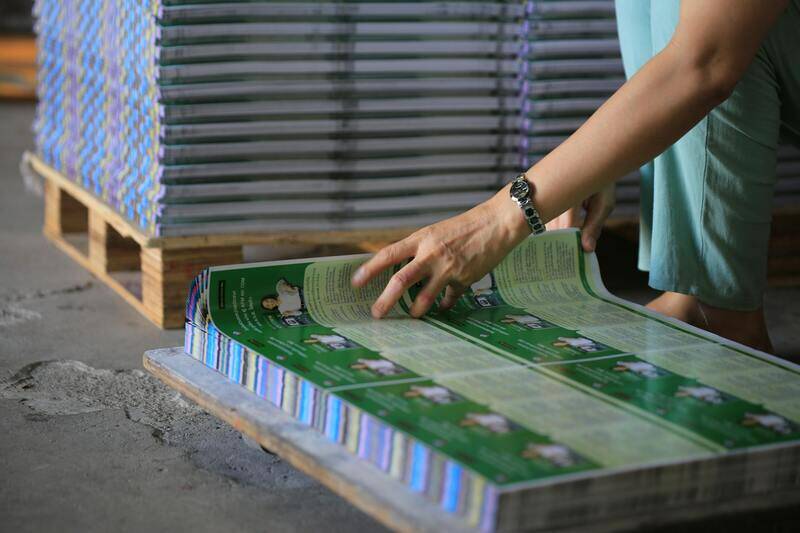
Quality control measures during printing encompass several key practices. Regular calibration of printing equipment ensures color fidelity, while thorough inspection of printed batches detects defects before distribution. This diligence prevents issues such as misalignments, color discrepancies, or material imperfections, ultimately safeguarding your investment. By choosing a printing partner that emphasizes meticulous quality assurance, companies can avoid costly reprints and uphold their brand standards.
Customization and Unique Finishing Techniques
Modern professional printing incorporates a variety of customization options that elevate basic brochure concepts. Die-cutting, embossing, foil stamping, and UV coating are techniques that add visual and tactile sophistication. For instance:
- Die-cutting enables intricate shapes and patterns, giving brochures an eye-catching cutout or special form factor.
- Embossing introduces a raised texture, highlighting key elements like logos or headlines for tactile engagement.
- Foil stamping adds metallic accents that convey luxury and allure.
- UV coating provides durability and a high-gloss finish, enhancing colors and images.
Such enhancements require specialized equipment and skilled craftsmanship, emphasizing the importance of selecting a seasoned printing service capable of delivering refined results. These finishing touches not only improve aesthetic appeal but also contribute significantly to the perception of quality and professionalism.
Advanced Printing Technologies for Superior Results
In the realm of large-volume or high-end brochure production, digital and offset printing technologies stand out. Offset printing is preferred for its cost-effectiveness in large runs and superior color accuracy, making it ideal for brands demanding impeccable quality. Digital printing, on the other hand, offers flexibility with short runs, quick turnaround times, and easy customization. Combining these technologies effectively can optimize production efficiency without compromising on quality.
Ensuring Durability and Long-Lasting Impact
Beyond visual presentation, durability plays a crucial role in the longevity of your brochures. Selecting appropriate paper stocks enhances both look and resilience. Heavier, coated stocks are favored for executive-level brochures, while lighter options may suffice for mass distribution. Finishing options, such as lamination and UV coatings, further protect your materials from scratches, moisture, and handling wear, maintaining their professional appearance over time.
Expert Consultation for Tailored Solutions
Engaging with experienced printing professionals allows you to explore innovative options for your brochures. These experts can guide you through the selection process, factoring in your design goals, budget, and distribution methods. This collaborative approach ensures your final product achieves the desired impact, effectively communicating your message and reinforcing your brand’s reputation.
Material and Finish Options
Professional brochure printing demands careful selection of materials and finishes that align with your brand image and functional needs. The choice of paper stock significantly impacts both the feel and durability of your brochures. Common options include matte, gloss, and silk finishes, each offering a distinct tactile experience and visual effect. Matte finishes provide a sleek, non-reflective surface ideal for readability and elegant presentation, while gloss finishes enhance color vibrancy and visual impact. Silk finishes strike a balance, offering smoothness with a subtle sheen.
Beyond paper selection, finishing techniques add a layer of sophistication and protection to your brochures. Laminations, whether matte or gloss, lend increased robustness against handling wear and environmental factors. UV coatings deliver a high-gloss shine that accentuates images and branding elements, making your brochures stand out. Spot UV, a specialized varnish applied to specific areas, can highlight logos or key messages, adding visual interest and tactile appeal.
Other finishing options include die-cutting to create unique shapes and textures, and embossing or debossing for raised or recessed designs that enhance the tactile experience and make your brochure memorable. These methods are particularly effective for premium branding or special campaigns where visual and sensory impact directly correlates with brand perception.

Color Printing and Image Quality
Color fidelity and image clarity are core components of professional brochure printing. High-quality color printing ensures vivid, consistent hues that accurately reflect your brand palette, making your brochures visually compelling and perfectly aligned with your branding standards. Advanced color management systems and color calibration processes are employed to maintain color consistency across large print runs, preventing unwanted variances.
Image quality is equally critical, especially for brochures featuring detailed visuals or photography. High-resolution images, typically 300 DPI (dots per inch) or higher, are essential to avoid pixelation or blurriness. When preparing artwork, it is crucial to use image files with the correct resolution and color profiles to ensure sharp, vibrant results.
Offset printing excels at reproducing detailed images with accurate color gradations, making it a preferred choice for projects requiring precise color matching and high-quality images. Digital printing offers excellent detail for short runs and quick turnarounds, with ongoing improvements in image rendering and color output.

Understanding Professional Brochure Printing
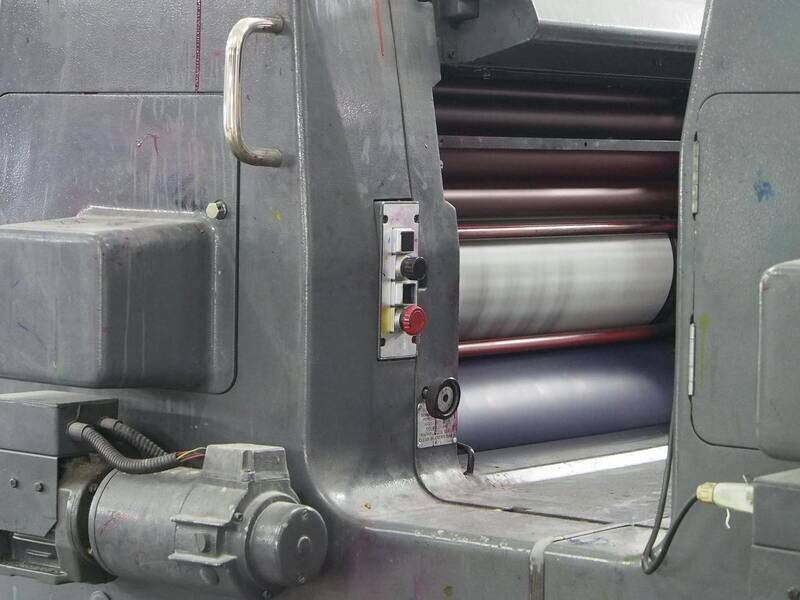
Professional brochure printing encompasses a variety of techniques and choices that directly influence the final product's quality, durability, and visual appeal. To achieve a polished and impactful brochure, selecting a printing process that aligns with your design complexity, quantity, and budget is essential. Offset printing, a traditional yet highly precise method, leverages metal plates to transfer ink onto paper and is ideal for large-volume runs demanding color accuracy and consistency. Conversely, digital printing offers flexibility for short runs, customized printing, and quick turnaround times, with advancements enabling high-resolution outputs comparable to offset techniques. Both methods utilize specialized equipment capable of producing sharp images, vibrant colors, and crisp text, ensuring your marketing materials make a professional impression.
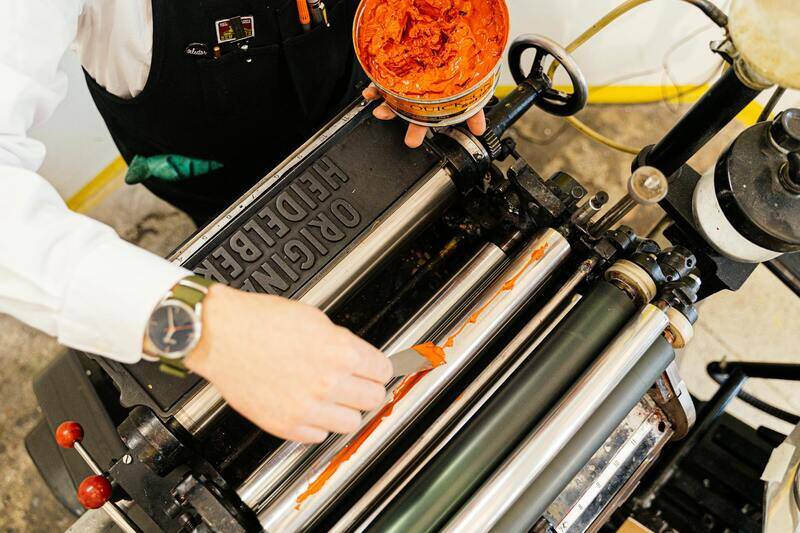
Beyond equipment choice, adherence to best practices in color management, proper file preparation, and consistent quality checks contribute significantly to the final product. High-resolution digital files, correctly calibrated color profiles, and precise registration are fundamental. When executed properly, professional brochure printing results in tangible marketing tools that reflect your brand’s quality and attention to detail. Understanding these processes allows businesses to make informed decisions that enhance brand perception and customer engagement.
Choosing the Right Brochure Design
The visual layout, typography, and overall branding elements must be carefully crafted to communicate your message effectively. A well-designed brochure guides the reader’s eye seamlessly through the content, highlighting key features and calls to action. Collaborating with experienced graphic designers ensures that your brochure’s aesthetic aligns with your brand identity. Clear, concise copy, supplemented by compelling visuals, creates an engaging piece that maintains the reader’s interest from cover to cover. The design phase also includes selecting the appropriate balance between text and imagery, ensuring readability while maximizing visual impact.
Selecting Brochure Sizes and Formats
Options in brochure sizes and formats provide flexibility to match specific marketing goals. Popular formats include trifold, bifold, and z-fold, each offering distinct advantages in terms of space and usability. Standard sizes such as 8.5" x 11" remain versatile, while custom sizes can be tailored for specific branding needs. Considerations for choosing the right format include the amount of content, distribution method, and budget. Ensuring that the chosen size complements your design will enhance the overall presentation and effectiveness of your brochure.
Material and Finish Options
Material selection plays a pivotal role in the tactile and visual impression of your brochure. Glossy finishes enhance color vibrancy and add a sleek look, ideal for photographic content. Matte finishes, on the other hand, provide a sophisticated, glare-free surface that is easier to write on, which is beneficial for interactive or informational brochures. Heavyweight paper stocks convey a sense of quality and durability, particularly important for longer-term distribution or mailers. Specialty materials, such as textured or recycled paper, offer unique sensory experiences and demonstrate eco-conscious branding, respectively. Finishing options like lamination, UV coating, or spot varnishing can further elevate your brochure’s appearance and longevity.
It is crucial to select materials that align with your branding message, budget, and intended distribution environment. Industry-leading printing services can provide samples and guidance to help you choose the optimal combination to make a lasting impression.
Understanding Professional Brochure Printing
Choosing the appropriate printing methods for your brochures is essential to achieve the desired quality, durability, and visual impact. Professional brochure printing typically employs advanced digital or offset printing technologies that ensure sharp details, accurate color reproduction, and consistent results across large batches. Offset printing is especially advantageous for bulk orders, offering high-quality output and cost efficiency, while digital printing allows for quick turnaround times and customization for smaller runs. It is crucial to select a printing service that utilizes appropriate machinery and adheres to industry standards to produce a product that aligns with your branding goals.
Prioritizing Paper Quality and Finishing Techniques
The material and finish of your brochure play vital roles in its overall appeal and longevity. Selecting the right paper stock involves considering weight, texture, and durability. Thicker, heavier papers such as 100 lb or 14 pt cover stocks impart a premium feel, making your brochure stand out and withstand handling. Matte finishes are popular for their elegant, non-reflective surface that facilitates readability and writing, whereas glossy coatings enhance color vibrancy and visual impact, especially for photographic images.
Additional finishing touches can elevate your brochure’s aesthetic. Laminations provide added protection against wear and tear; UV coatings lend a high-gloss shine and improve durability; spot varnishes can be selectively applied to highlight specific design elements, creating a striking contrast. These options allow customization according to your brand’s style and strategic requirements. Working closely with a reputable printing provider can help you select the ideal combination of materials and finishes to ensure your brochure leaves a memorable impression.
Implementing Effective Color and Image Strategies
Color accuracy and image quality are fundamental to making a professional brochure visually compelling. When preparing your artwork, use high-resolution images (300 dpi or higher) to ensure clarity and sharpness. CMYK color mode should be employed to match the printing process, avoiding unexpected color shifts in the final product. Consistency in color profiles across all design elements maintains a cohesive look and reinforces brand recognition.
In addition, choosing the right color palette influences emotional response and message clarity. Vibrant hues can grab attention, while subdued tones convey sophistication. Complement your color scheme with well-crafted images that reflect your brand identity and messaging. Providing the printing company with precise color specifications can help replicate your digital files accurately, ensuring that your final brochure aligns with your original vision.
Adopting Cutting-Edge Printing Technologies
Leveraging the latest printing technologies ensures high fidelity and efficient production processes. Modern digital presses equipped with advanced color management systems deliver superior results, especially for personalized or short-run brochures requiring rapid turnaround. Offset presses remain the standard for large-scale production, offering exceptional color consistency and fine detail reproduction.
The integration of UV-curable inks and digital enhancements allows for unique finishes and textured effects, adding sensory appeal to your brochure. Moreover, some printers incorporate eco-friendly practices such as soy-based inks and sustainable paper options, aligning your marketing efforts with environmental responsibility. Selecting a service provider that stays up-to-date with technological advancements ensures a polished final product that meets contemporary expectations.
Budgeting for Professional Brochure Printing
Cost considerations are integral to the planning process. While premium materials and finishing options elevate the quality, they also influence the overall expense. Bulk printing often reduces the unit cost, making large campaigns more economical. Conversely, face-to-face or targeted mailings may justify higher-quality paper and intricate finishes to maximize impact.
To optimize your budget, seek comprehensive quotes that detail costs for different paper stocks, finishes, and sizes. Prioritize options that complement your marketing goals without exceeding your financial parameters. Remember that investing in quality printing can significantly enhance your brand’s credibility and effectiveness, making it a worthwhile expenditure for your marketing initiative.