Understanding Custom Brochure Printing
Custom brochure printing stands as a vital component in contemporary marketing strategies, offering businesses a unique avenue to communicate their brand message, showcase products, and engage target audiences effectively. Unlike standard printing options that typically provide generic templates and common formats, custom brochure printing allows for personalized design, tailored layouts, and specialized finishing touches. This level of customization ensures that each brochure genuinely reflects the brand’s identity and resonates with the intended demographic.
In essence, custom brochures serve as versatile marketing tools that can be crafted to meet specific business goals, whether promoting a new product line, announcing an event, or strengthening overall brand recognition. The significance of customizing printed materials extends beyond aesthetic appeal; it fosters a sense of exclusivity and professionalism that can significantly impact customer perception and trust.
When compared to standard printing, which often relies on pre-designed templates and limited creative options, custom brochure printing offers enhanced flexibility in design, size, and material choice. This flexibility empowers businesses to craft brochures that are not only visually compelling but also aligned precisely with their branding strategies. Furthermore, custom printing supports various formats, such as bi-fold, tri-fold, z-fold, and even bespoke configurations, enabling the creation of informative and eye-catching marketing collateral.
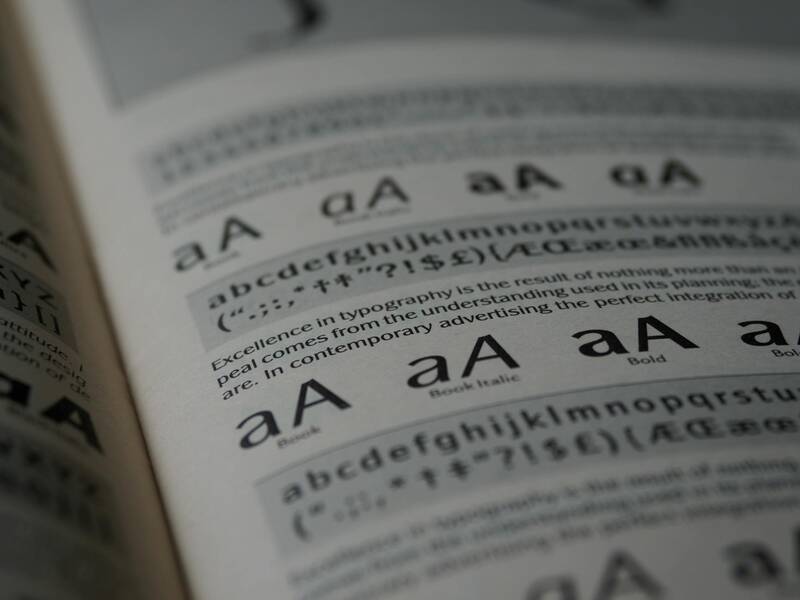
Such tailored approaches guarantee that every element, from color schemes and typography to imagery and layout, aligns seamlessly with the overall marketing message and branding guidelines. This comprehensive personalization elevates the perceived quality of the brochure, making it an effective tool for fostering customer interest and driving engagement.
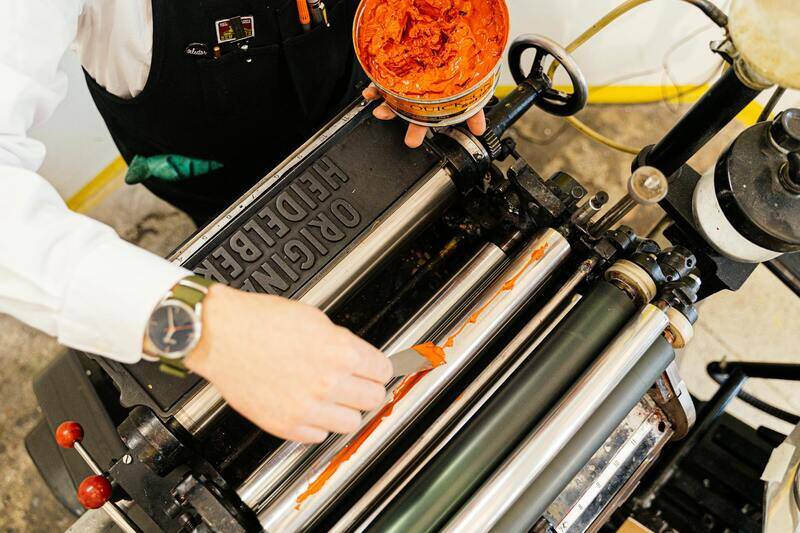
Moreover, the ability to select various finishes, paper qualities, and binding options allows for further differentiation of printed brochures. The strategic use of custom brochure printing not only enhances visual appeal but also ensures that marketing efforts are both memorable and impactful, helping businesses stand out in a competitive marketplace.
Choosing Paper Types and Finishes
One of the most crucial elements in producing high-quality custom brochures is selecting the appropriate paper type and finish. The choice of paper significantly influences not only the tactile experience but also the visual appeal and durability of the final product. When opting for paper types, businesses should consider smoothness, weight, and texture to match their branding goals and target audience expectations.
Common paper options include gloss, matte, satin, and metallic finishes, each imparting a distinct look and feel. Glossy papers lend a vibrant, eye-catching quality, perfect for brochures with vivid images and color-rich designs. Matte finishes offer a sophisticated, glare-free surface that enhances readability and adds a touch of elegance. Satin finishes strike a balance between gloss and matte, providing a soft sheen that enhances color vibrancy while maintaining a professional appearance. For specialized branding efforts, metallic papers can add a unique shimmer, making brochures stand out.
Beyond paper finish, weight and thickness play vital roles. Heavier papers (typically 100 lb or above) convey quality and permanence, making them suitable for luxury branding or flagship campaigns. Lighter stocks are more economical and ideal for mass-distribution brochures where cost efficiency is a priority.
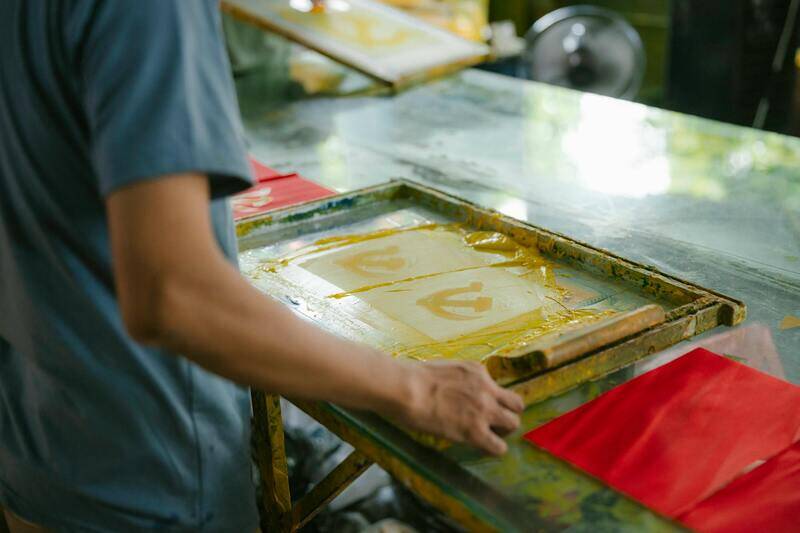
Additionally, finishing options such as embossing, UV coating, lamination, and spot varnishing provide further opportunities to elevate brochure aesthetics. Embossing creates tactile patterns that add a sensory dimension, while UV coating and lamination protect the prints and add gloss or matte effects. Spot varnishing can highlight specific design elements, increasing visual appeal and focus areas.
By carefully choosing the right combination of paper type, weight, and finishing details, businesses can craft brochures that effectively reinforce their brand identity, resonate with their target audience, and withstand the rigors of distribution and handling. These elements collectively contribute to a polished, professional presentation that can significantly influence customer perceptions and engagement.
Understanding Custom Brochure Printing
Custom brochure printing serves as a vital component for brands aiming to communicate their message effectively and leave a lasting impression on their audience. Unlike standard printing options, custom brochures allow for a personalized approach that reflects the unique identity of a business, product, or service. These printed materials are meticulously crafted to showcase key information through appealing layouts, high-quality images, and strategic messaging, all tailored to meet specific objectives. The process begins with selecting the appropriate format and size, ranging from traditional tri-fold designs to more innovative gate folds or Z-fold layouts. The choice of dimensions influences not only how information is structured but also how engaging the brochure is for the target audience. High-resolution graphics and professional typography are essential to ensure clarity and visual cohesion, making the content accessible and attractive. A critical aspect of custom brochure printing involves the integration of branding elements, including logos, color schemes, and taglines, which must be consistently maintained throughout the material. This consistency helps reinforce brand recognition and communicates professionalism. Moreover, incorporating compelling calls-to-action encourages readers to engage further with the product or service offered. When executed with precision, custom brochures also serve as tangible representations of a company’s attention to detail and commitment to quality. They can effectively communicate complex information, highlight features and benefits, and evoke emotional responses, all while aligning with the overarching marketing strategy. As a versatile promotional tool, well-designed brochures can be distributed at trade shows, mailed directly to potential clients, or placed in strategic locations to maximize visibility. By leveraging advanced printing techniques and high-quality materials, businesses can produce brochures with enhanced durability and aesthetic appeal. The choice of matte or gloss finishes, specialty papers, and textured surfaces contribute to a refined tactile experience that complements the visual design. Such thoughtful details ensure brochures withstand handling over time, maintaining their visual integrity and impact. Ultimately, custom brochure printing combines artistic creativity with technical expertise, producing compelling marketing collateral that effectively communicates a brand’s message. It plays a crucial role in establishing credibility, fostering customer trust, and supporting broader marketing campaigns with tangible, memorable materials.
Printing Techniques and Methods
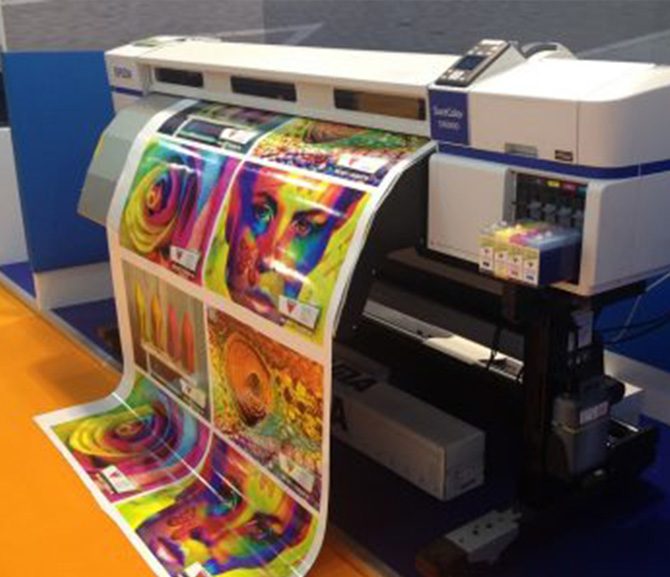
Choosing the right printing technique is essential for achieving the desired quality, durability, and visual impact of custom brochures. Each method offers unique advantages tailored to different needs and budgets. Digital printing, for example, is highly flexible and cost-effective for short runs or personalized brochures, providing quick turnaround times without sacrificing quality. Offset printing, on the other hand, excels in producing large quantities with consistent color fidelity and sharp detail, making it ideal for extensive campaigns where brand consistency is crucial.

Moreover, specialty finishes such as spot UV coating, embossing, or foil stamping can elevate the tactile experience of the brochure, adding a layer of sophistication and visual interest. These techniques can highlight key information, create a contrast between different sections, or simply add a premium feel that aligns with a brand's identity. When selecting a printing method, it is vital to consider the nature of the brochure’s design, desired durability, and the overall marketing objectives.
Printing processes also involve the choice of color models, typically CMYK or Pantone, which influence color accuracy and vibrancy. Digital printing generally works with the CMYK process, ideal for detailed images and photographs, whereas Pantone spot colors are often used in offset printing to ensure precise brand color reproduction.
Advantages of Advanced Printing Techniques
- Enhanced Aesthetic Appeal: Specialty coatings and textured surfaces create a tactile and visual distinction that captures attention.
- Customization Flexibility: Digital techniques facilitate variable data printing, enabling customization for target segments.
- Cost Efficiency: Short runs with quick turnaround times make digital options attractive for immediate needs.
- High-Quality Finish: Offset printing offers sharp detail and rich color consistency, suitable for large volume orders.
Adopting the appropriate printing technology hinges on balancing budget, volume, and the desired impact. Collaborating with experienced printers ensures the best match for your specific requirements, resulting in stunning, professional brochures that effectively communicate your brand message.
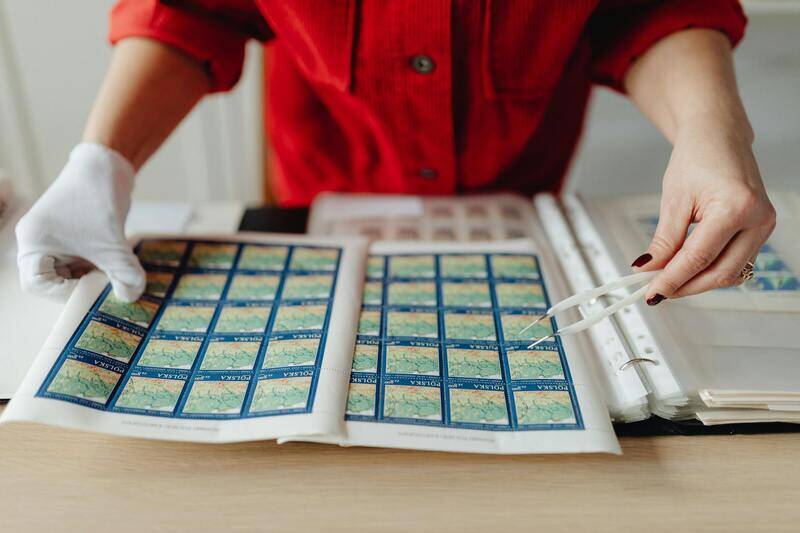
By understanding and leveraging the strengths of various printing techniques, businesses can produce durable, eye-catching brochures that reinforce their marketing efforts with clarity and style. Selecting the right approach not only elevates the visual presentation but also ensures that each piece serves as a potent tool to engage and influence target audiences effectively.
Understanding Custom Brochure Printing
Custom brochure printing involves tailoring every aspect of the printed material to meet specific marketing objectives, brand identity, and target audiences. It goes beyond basic reproduction, offering a wide array of options like unique sizes, fold styles, finishes, and thicknesses. These personalized choices allow businesses to craft brochures that truly reflect their image and stand out among competitors. High-quality custom brochures serve as tangible representations of a brand’s professionalism and commitment to detail, making them powerful tools at trade shows, client meetings, and promotional events.
Leveraging advanced printing technologies, such as digital and offset printing, ensures vibrant colors, sharp images, and consistent quality. The ability to produce specific quantities, from small batches for targeted campaigns to large runs for extensive distribution, provides flexibility and cost-efficiency. When executed properly, custom brochure printing enhances brand perception, boosts engagement, and encourages customer action—making it an essential element of a comprehensive marketing strategy.
Design Considerations for Custom Brochures
The design of a brochure is central to its effectiveness. Elements like layout, imagery, typography, and messaging should be aligned with your brand’s identity and marketing goals. Consider the visual hierarchy—highlight key messages with strategic placement and size to draw attention. Consistent use of brand colors and fonts promotes recognition and cohesion across different marketing materials.
- Use high-resolution images to ensure clarity and impact.
- Select fonts that are legible and complement your brand style.
- Incorporate compelling calls to action that guide reader responses.
- Design with the fold lines in mind to maximize space and readability.
In addition, consider the overall tone and messaging strategy. Whether you opt for a formal, professional approach or a more casual, engaging style, your brochure’s content should resonate with your target audience. Work closely with designers who understand your brand to develop layouts that are not only visually appealing but also functional.
Choosing the Right Layout and Format
The layout should facilitate easy navigation and highlight your primary messages effectively. Common formats include tri-fold, bi-fold, Z-fold, and gate-fold layouts, each serving different content and aesthetic needs. The choice of format affects how information flows and interacts with visuals. Additionally, think about the dimensions—standard sizes are cost-effective, but custom sizes can offer unique branding opportunities.
Choosing Paper Types and Finishes
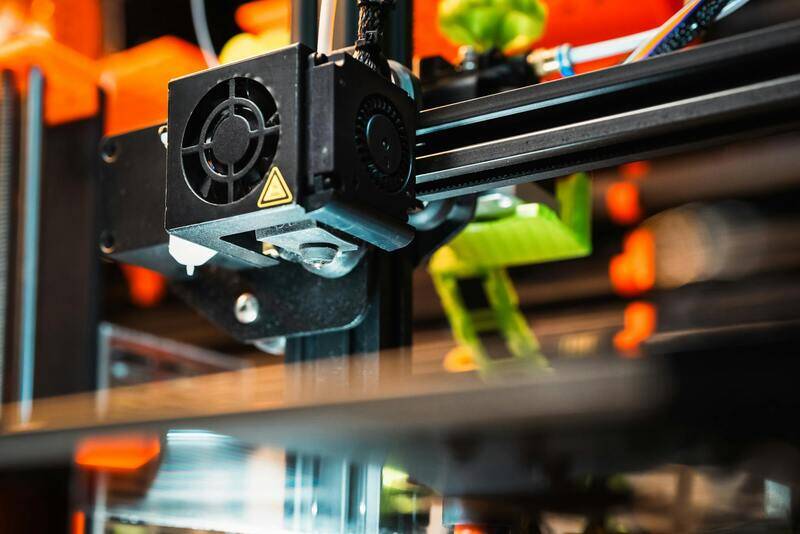
The selection of paper and finishing touches significantly influences the tactile and visual quality of your brochure. Different paper weights and textures offer unique effects, from crisp, sturdy cardstocks for a premium feel to lighter, matte options for a subtle, understated look. Glossy finishes enhance color vibrancy and image sharpness, ideal for photographic content, while matte finishes reduce glare and are suitable for readability and writing.
- Standard paper options include gloss, matte, and satin finishes.
- Specialty papers, like textured or embossed materials, provide tactile interest.
- Consider UV coatings or lamination for extra durability and sophistication.

Choosing the appropriate paper and finish depends on the brochure’s purpose, distribution environment, and budget. For instance, premium textured papers convey luxury and exclusivity, while durable coated finishes withstand handling in outdoor settings. Discussing options with your printing service can help determine the best combination to align with your branding and campaign goals.
Understanding Custom Brochure Printing
Custom brochure printing serves as a powerful avenue for brands and organizations to communicate their message effectively. By tailoring the design, content, and materials to specific branding needs, businesses can create impactful marketing tools that resonate with their target audience. This process involves meticulous planning, from conceptualizing the layout to selecting appropriate printing techniques, ensuring that every element aligns with the company's brand identity and campaign objectives.
Key Advantages of Custom Brochure Printing
- Brand Differentiation: Unique designs and high-quality materials help your brochure stand out in a crowded market, reinforcing brand recognition.
- Enhanced Audience Engagement: Well-crafted brochures can effectively convey complex information, calls-to-action, and brand stories in an engaging format.
- Flexibility: Customization options allow for various shapes, sizes, folds, and finishes, giving your marketing materials a distinctive touch.
- Cost-Effective Marketing: When tailored appropriately, brochures serve as a cost-efficient method of delivering information to a large audience, with tangible value for recipients.
Design Considerations for Custom Brochures
Design plays a crucial role in the effectiveness of custom brochures. Thoughtful layout, compelling visuals, and strategic content placement enhance readability and visual appeal.
- Layout Optimization: Organize content logically and aesthetically, ensuring essential information is immediately accessible.
- Visual Hierarchy: Use size, color, and contrast to guide the reader's eye through the brochure seamlessly.
- Brand Consistency: Incorporate brand colors, logos, and fonts to maintain a cohesive brand image throughout the brochure.
- Call-to-Action (CTA): Clearly define the desired response, whether it's visiting a website, making a call, or attending an event.
Selecting Appropriate Materials for Custom Brochures
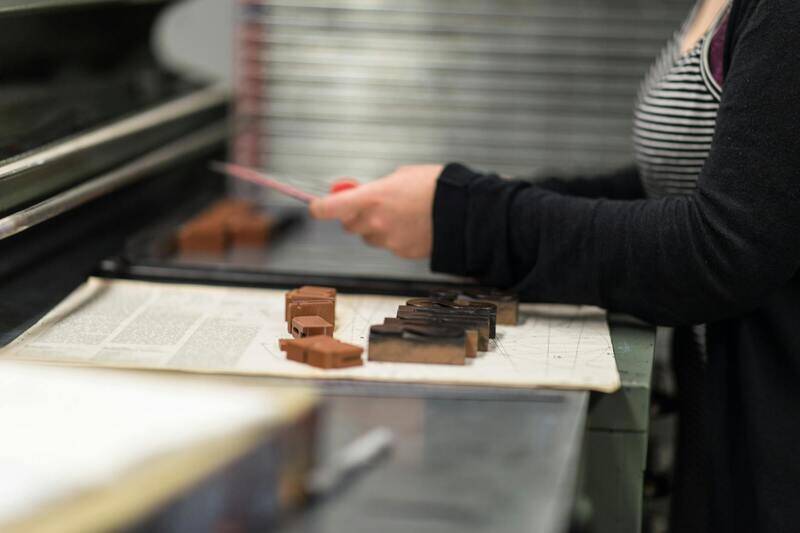
The selection of materials significantly influences the tactile and visual impact of your brochures. The choice of paper type and finish should complement the overall design and intended presentation environment.
- Paper Weight: Thicker papers (e.g., 300gsm) offer a premium feel and durability, suitable for high-end branding, while lighter weights are appropriate for mass distribution.
- Textures and Finishes: Matte finishes reduce glare and enhance readability, perfect for text-heavy brochures; glossy finishes boost color vibrancy and are ideal for photographic images.
- Specialty Papers: Textured or embossed materials add tactile interest and can elevate the perceived value of your brochure.
- Coatings and Laminates: UV coatings or lamination provide extra protection against wear and moisture, ensuring your brochure maintains its quality over time.
Innovative Printing Techniques for Distinctive Brochures
Employing advanced printing methods can elevate the aesthetic and tactile quality of your custom brochures, giving them a distinctive edge.
- Spot UV Coating: Adds gloss to specific areas, highlighting key visuals or information with a shiny, textured effect.
- Die-Cutting: Creates custom shapes and folds that can add visual interest and functionality, such as unique pop-out sections.
- Embossing and Debossing: Adds three-dimensional textures to logos, titles, or decorative elements, enhancing tactile engagement.
- Foil Stamping: Incorporates metallic effects for luxury branding, making certain elements shimmer and stand out.

Cost Factors in Custom Brochure Printing
Understanding the cost components involved in producing custom brochures enables strategic budgeting and optimal allocation of resources.
- Material Selection: Premium papers, specialty finishes, and coatings command higher costs but enhance perceived value and durability.
- Design Complexity: Intricate layouts, die-cuts, and special effects increase production time and expenses.
- Print Run Volume: Larger quantities typically reduce the unit cost due to economies of scale, while small batches may incur higher unit prices.
- Print Technique: Use of advanced techniques or custom shapes adds to the overall cost but can significantly differentiate your brochure.
- Turnaround Time: Urgent printing requests may involve premium charges to expedite production and delivery.
Maximizing the value of your investment involves balancing design aspirations with budget constraints, collaborating closely with your printing provider to select the best options aligned with your marketing goals.
Understanding Custom Brochure Printing
Custom brochure printing serves as a strategic tool for conveying brand identity, highlighting products, and engaging potential clients through tailored visual storytelling. This process involves selecting specific design elements, paper qualities, and printing techniques that align with your brand message and target audience. It enables businesses to stand out in a crowded marketplace by creating unique, high-quality marketing collateral that leaves a lasting impression. Given the broad range of options available, it is essential to understand the various components involved in the production process. From choosing appropriate materials to employing advanced printing methods, each decision impacts the overall effectiveness and cost-efficiency of your brochure campaign. Custom brochure printing offers a versatile platform to communicate your value proposition clearly and creatively, ensuring your marketing efforts resonate with your audience effectively.
Design Considerations for Custom Brochures
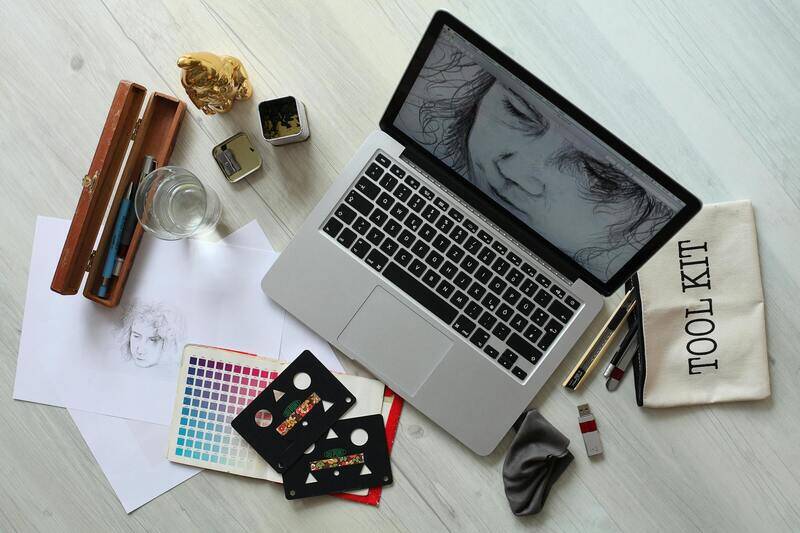
Design plays a pivotal role in capturing attention and conveying your message effectively. When developing your brochure layout, consider elements such as branding consistency, color schemes, typography, and imagery that align with your overall marketing strategy. Incorporating visual hierarchy guides the reader through the content seamlessly, highlighting key information, offers, or calls to action. Additionally, strategic spacing and clean layouts ensure readability, while maintaining an aesthetically appealing balance between text and visuals. Interactive features like QR codes or augmented reality elements can also enhance engagement when appropriately integrated into the design. Throughout this process, maintaining clear communication with your printing partner helps ensure that the final product reflects your vision accurately and is optimized for print specifications.
Design Tips for Effective Brochures
- Prioritize clarity by highlighting key messages and benefits
- Use high-resolution images to enhance visual impact
- Maintain brand consistency in colors, logos, and fonts
- Incorporate ample white space for improved readability
- Choose a format and folding style that complements the content

Choosing Paper Types and Finishes
The selection of paper stock significantly influences the tactile experience and perceived quality of your brochure. Options range from standard matte or gloss finishes to more premium materials such as silk, linen, or textured papers. Glossy finishes tend to enhance vibrant colors and sharp images, making visuals pop, whereas matte surfaces provide a sophisticated, understated aesthetic suitable for detailed text-heavy brochures. Specialty finishes like linen or suede give a tactile dimension, elevating the perceived value of your printed piece. Coatings such as aqueous or UV coatings offer added durability and resistance to smudging or scratching. When choosing a paper type, consider factors such as weight (gsm), texture, and environmental impact, aligning with your brand's image and sustainability goals.
Printing Techniques and Methods
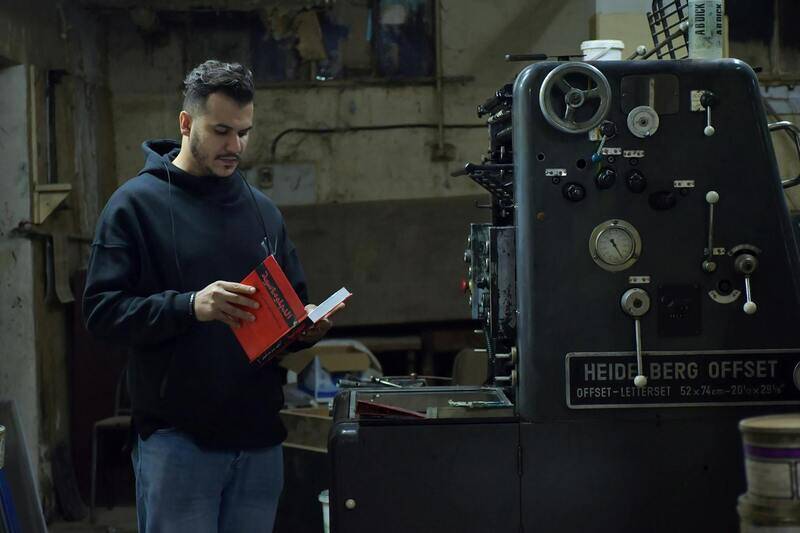
To achieve specific visual effects and tactile qualities, a variety of printing techniques are employed in custom brochure production. Traditional offset printing remains the standard for high-volume runs, offering consistent quality and color accuracy. Digital printing provides flexibility for smaller quantities, quick turnarounds, and personalized content. For premium finishes, techniques like spot UV coating can create contrast between matte and glossy areas, adding depth and visual interest. Embossing and debossing introduce three-dimensional textures to logos or decorative elements, elevating the brochure’s tactile appeal. Foil stamping adds metallic accents, perfect for highlighting key information or creating an upscale appearance. Die-cutting allows for custom shapes and interactive elements, making your brochure not only a visual medium but also a functional piece that engages recipients in a memorable way.
Cost Factors in Custom Brochure Printing
Understanding the various elements that influence the overall cost of producing custom brochures enables better budgeting and resource allocation. Material selection remains a primary determinant, with premium papers and special finishes incurring higher expenses. The complexity of the design, such as intricate die-cut shapes or textured effects, also adds to production costs. The volume of print runs directly impacts unit prices; larger quantities benefit from economies of scale, reducing overall costs per piece. Additionally, advanced printing techniques or unique features like embossing, foil stamping, or specialty coatings contribute to a higher price point. Urgent or expedited orders might involve additional charges to prioritize your project. Collaborating closely with your provider ensures optimal choices that balance quality ambitions with budget considerations, maximizing your return on investment. Strategies such as batching printing runs and selecting versatile design options help achieve cost efficiency without compromising on brand impact.
Understanding Custom Brochure Printing
Custom brochure printing is a strategic marketing tool that combines personalized design with professional printing techniques to create impactful promotional materials. Leveraging tailored layouts, colors, and content, businesses can craft brochures that effectively communicate their brand message, highlight products or services, and engage target audiences. The flexibility inherent in custom printing allows for a wide range of formats and styles, from traditional tri-folds to elaborate gatefolds or die-cut designs, making it possible to produce distinctive pieces that stand out in crowded marketplaces.
Unlike off-the-shelf options, custom brochure printing offers control over every element, ensuring alignment with branding standards and marketing objectives. This customization extends to size, paper choice, printing techniques, and finishing options, all of which contribute to the final aesthetic and tactile experience. For instance, thick cardstock combined with matte or gloss coatings can give a luxurious feel, while UV coatings provide vibrant, eye-catching visuals. The purpose of these tailored brochures is to create a memorable impression, foster brand recognition, and prompt desired responses from potential clients or partners.
Design Considerations for Custom Brochures
Effective custom brochure design necessitates careful thought around layout, imagery, typography, and content hierarchy. To optimize readability and visual appeal, maintain a balanced structure that guides the reader naturally through key information. Incorporating compelling visuals, such as high-resolution images and relevant graphics, enhances message delivery and captures attention. Typography choices should reflect the brand personality; for example, modern sans-serif fonts for a contemporary look or serif fonts for a professional tone.
- Clear Call-to-Action (CTA): Encourage immediate responses with concise directives.
- Consistent Branding: Use brand colors, logos, and messaging uniformly across the brochure.
- Whitespace Management: Ensure adequate spacing to prevent clutter and improve comprehension.
- Content Focus: Highlight unique value propositions and benefits prominently.
Additionally, integrating interactive elements like QR codes or perforations can boost engagement. Maintaining design consistency across all printed marketing materials reinforces brand identity and ensures a cohesive campaign.
Choosing Paper Types and Finishes
The choice of paper and finish significantly impacts the tactile quality, durability, and overall perception of your brochure. For a sophisticated appearance, consider heavier paper stocks such as 14pt or 16pt cardstock, which provide sturdiness and a premium feel. Matte finishes lend an understated elegance and minimize reflections, ideal for reading-intensive brochures. Gloss finishes, on the other hand, enhance vibrancy and make images pop, perfect for colorful visuals.
- Textured papers: Add depth with linen, canvas, or felt textures.
- Eco-friendly options: Bamboo, recycled papers, or biodegradable coatings support sustainability goals.
- Specialty finishes: Soft-touch coatings or velvet laminates evoke a velvety surface that invites touch.
Partnering with professional printers enables you to explore and select the best combinations that align with your brand’s aesthetic and functional requirements.
Printing Techniques and Methods
Choosing the appropriate printing technique is crucial for achieving desired visual effects and quality standards. Offset printing remains the preferred method for high-volume runs, offering superior color accuracy and consistent output. Digital printing provides flexibility and cost-efficiency for smaller batches or proofing purposes. For premium finishes, methods such as foil stamping, embossing, or UV coating can be incorporated to add metallic accents, textured surfaces, or glossy highlights.

Die-cutting allows for complex shapes and window displays, enhancing interactivity and visual interest. Spot UV coatings selectively highlight specific sections, drawing attention to key messages or logos. These techniques require specialized equipment but significantly elevate the perceived value of your brochures, making them stand out from standard print pieces.
Cost Factors in Custom Brochure Printing
Understanding cost determinants helps in strategic budgeting without compromising quality. Material selection plays a significant role; high-end paper stocks and specialty finishes naturally increase expenses. Design complexity, including intricate die-cut shapes or textured effects, also impacts production costs. Larger print volumes usually benefit from bulk pricing, reducing the unit cost per brochure. Conversely, smaller runs tend to incur higher per-piece costs, making early planning essential.
- Order Turnaround: Expedited deadlines can incur additional charges for priority processing.
- Finishing Options: Special coatings, embossing, or foil stamping contribute to overall expenses.
- Color Processes: Full-color printing on both sides increases material and ink costs.
- Design Complexity: Custom shapes and intricate design elements require more setup time and labor.
A detailed discussion with your printing provider enables balancing quality aspirations with budget limitations, ensuring a return on investment with impactful materials.
Selecting a Printing Service in Singapore
Choosing a reputable printing partner is essential for consistent quality and reliable delivery. Look for providers with extensive experience in custom brochure printing, industry certifications, and a track record of satisfied clients. Transparency in pricing, clear communication, and the ability to offer tailored advice based on your project requirements are important markers of a trustworthy service.
It’s beneficial to review portfolios and seek recommendations from industry peers to ensure the printer understands your vision and can execute it effectively. Additionally, capacity for quick turnarounds and flexible volume options ensures the printer can accommodate varying project demands. Local providers in Singapore often leverage advanced technology and sustainable practices, aligning with regional preferences and environmental standards.
Best Practices for Successful Brochure Campaigns
To maximize the impact of your printed brochures, integrate them into a broader marketing strategy. Distribute brochures at targeted locations, events, or through direct mailing campaigns to reach your desired audience. Collect feedback and analyze response rates to refine future designs and distribution methods.
- Personalization: Use custom inserts or personalization techniques to resonate with individual recipients.
- Strategic Placement: Ensure brochures are available where your audience is most likely to engage with them.
- Consistent Messaging: Coordinate with digital and other print campaigns to reinforce brand stories.
- Follow-up Engagement: Incorporate QR codes or contact info for quick access to digital channels or sales teams.
Regularly updating brochure content and design ensures your marketing materials remain fresh and relevant, fostering ongoing interest and brand recognition.