Overview of Name Cards in Singapore

In Singapore, the exchange of name cards serves as a vital component of professional networking and business communication. These small but impactful tools symbolize personal identity, brand recognition, and the intention to foster meaningful business relationships. Given Singapore’s status as a global business hub, the standards surrounding name cards extend beyond mere convenience to embody professionalism, innovation, and cultural awareness.
Having a well-designed and high-quality name card can significantly influence first impressions, conveying credibility and attention to detail. As a city highly regarded for technological advancement and design excellence, Singapore’s business community often emphasizes customization and sophistication in the creation of name cards. Whether for corporate executives, entrepreneurs, or industry specialists, the importance of a polished presentation cannot be overstated, making name cards a crucial asset in the networking arsenal.
Furthermore, the strategic use of name cards extends into various sectors including finance, technology, logistics, and hospitality, among others. The diversity of industries thriving within Singapore underscores the need for versatile design options and innovative materials that cater to different business identities. As such, the role of name cards transcends mere contact sharing and becomes an extension of brand identity—reflecting company values, visual aesthetics, and individual professionalism.
Professionals often tailor their name cards to match their industry standards and personal style, ensuring alignment with corporate branding guidelines. This enhances recognition and recall among clients and partners, reinforcing a trusted and authoritative presence in the marketplace. Ultimately, in Singapore’s interconnected and competitive landscape, a meticulously crafted name card is considered an essential element that supports long-term business success and fruitful networking interactions.
Types of Name Cards and Materials Used
Singapore’s diverse business landscape demands name cards that not only serve as contact details but also as powerful branding tools. As such, selecting the appropriate material and type of card is vital to creating a lasting impression. A range of options is available to cater to different industry needs and personal preferences, from traditional paper-based cards to innovative, durable alternatives.
The most common type remains the standard paper name card, available in various finishes such as matte, gloss, or silk. These are versatile, cost-effective, and suitable for bulk orders, making them ideal for startups, small businesses, and corporate environments that require regular updating of contacts. The paper quality can vary based on thickness, with premium options like 300gsm or higher offering a luxurious feel that reflects professionalism and quality.
Plastic cards provide enhanced durability and a modern aesthetic. Their resistance to wear and tear makes them suitable for clients who handle their cards frequently, such as sales professionals or service industry representatives. Plastic options can be transparent, frosted, or opaque, allowing unique visual effects aligned with brand personality.

Embossed name cards elevate the tactile experience, featuring raised text or logos that exude sophistication and exclusivity. Raised foil stamping, commonly used for metallic accents, adds a luxurious touch, making embossed cards perfect for high-end brands or executive-level professionals focused on premium presentation.
Furthermore, there are specialty materials such as magnetized cards, which can adhere to metal surfaces like refrigerators or filing cabinets, serving as both a contact card and a practical reminder. Other innovative choices include biodegradable or recycled paper options, appealing to environmentally conscious businesses committed to sustainability.
The decision between these materials hinges on factors like budget, industry standards, and the desired brand message. For instance, a creative agency might prefer textured or artistic finishes, while a financial firm could opt for sleek, minimalist designs that convey trust and stability.
Design Elements and Best Practices
Effective name card design in Singapore is characterized by clarity, consistency, and aesthetics that align with a company's branding. Key design elements include choosing appropriate typography, color schemes, logo placement, and spacing that ensure readability and visual appeal. Industry-specific symbols or icons can be integrated subtly to reinforce the card’s messaging.
Best practices involve utilizing negative space effectively, maintaining a balanced layout, and avoiding clutter to ensure the essential contact details stand out. Including a QR code can facilitate digital convenience, allowing recipients to scan directly to digital profiles or company websites, blending traditional contact sharing with technological innovation.

Color schemes should reflect the brand's identity, using hues that evoke the desired emotional response. For instance, blue signifies trust and dependability, while red conveys energy and passion. Consistency across all branding materials, including name cards, enhances recognition and reinforces professionalism.
Typography choices also play a crucial role. Sans-serif fonts tend to communicate modernity and clarity, suitable for tech or creative sectors, whereas serif fonts project tradition and authority, often preferred by legal or financial institutions.
Printing Techniques and Finishes
Advanced printing techniques can significantly elevate the impact of a name card. Techniques such as letterpress, thermography, or foil stamping add tactile or visual sophistication. For example, foil stamping creates a metallic shine on logos or text, embodying luxury and exclusivity. Similarly, spot UV coating can highlight specific design elements, providing a glossy contrast against matte backgrounds.
Matte finishes tend to project a subtle elegance, reducing glare and providing a smooth feel, while gloss finishes enhance colors’ vibrancy, making designs pop. Soft-touch coatings offer a premium, velvety touch that leaves a memorable impression. Combining different finishes strategically can create a dynamic, refined appearance that captures attention.
Custom Features and Personalization Options
Personalization options are crucial to tailoring a name card to reflect individuality and brand identity. Besides standard contact information, features such as embossed logos, custom cut-outs, and textured backgrounds can add exclusivity. Incorporating a photo or personal signature can also enhance authenticity and personal connection.
Furthermore, integrating digital elements like scannable QR codes or NFC chips offers a seamless transition into digital branding efforts. These features enable quick access to portfolios, social media profiles, or direct contact initiation, which is especially beneficial in a digitally connected business environment.
Cost Considerations and Ordering Process
Pricing in Singapore for name cards varies depending on the material, design complexity, quantity ordered, and finishing techniques. Bulk orders tend to reduce per-unit costs, making them more economical for companies requiring large quantities. Premium materials and intricate finishes naturally command higher prices, reflecting the craftsmanship involved.
The ordering process typically involves selecting a design, confirming specifications, and choosing additional features or finishes. Reputable printing service providers offer digital proofing to ensure the final product aligns with expectations before mass production begins. Turnaround times vary but generally range from a few business days to a week, depending on complexity.
Tips for Maintaining and Replacing Name Cards
Proper maintenance involves storing name cards in protective cases to prevent damage from moisture, dirt, or bending. Handling cards with clean hands preserves the ink and finish, ensuring they remain professional and presentable for longer periods.
It is essential to regularly review and update your name cards to keep information current, reflecting recent contact details or branding changes. When replacing outdated cards, maintaining consistency in design and material across new batches reinforces brand coherence and professionalism.
Choosing the Right Printing Service in Singapore
Qualities to look for include a portfolio of diverse projects, positive client testimonials, and industry accreditation. A reliable provider will offer comprehensive consultations, guiding clients through material choices, design adjustments, and finishing options to achieve optimal results. Their technical expertise ensures that the printing quality meets high standards and that turnaround times are adhered to effectively.
Working with experienced local printers, such as those offering tailored solutions for various industries, ensures that your name cards will not only meet expectations but also reflect the dynamic, competitive spirit of Singapore’s business community.
Design Elements and Best Practices
Crafting an eye-catching and effective name card requires careful attention to design elements that communicate professionalism while embodying your brand identity. When designing your name card, the layout should be clean and well-organized, ensuring that key information such as your name, position, contact number, email, and company logo are prominently displayed. Utilizing a grid structure helps maintain visual balance, making the card easier to read at a glance.
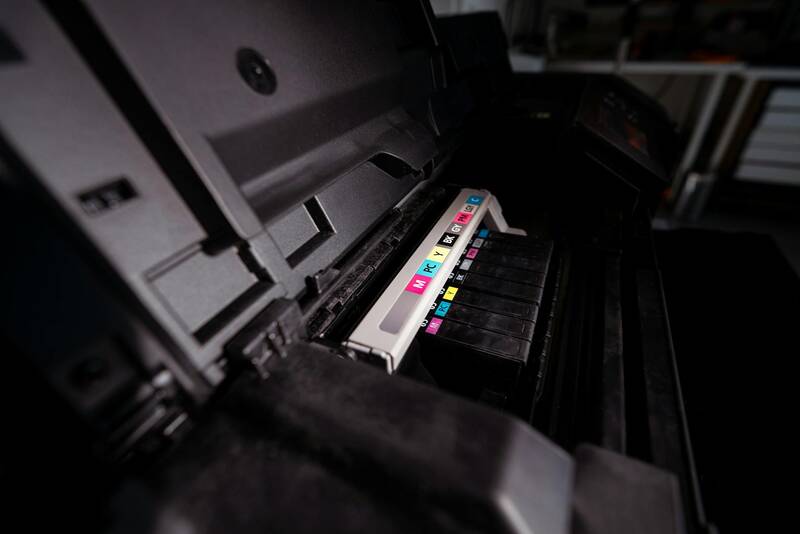
Color schemes play a significant role in establishing brand recognition and conveying the right tone. Typically, a limited color palette aligned with your company's branding creates a cohesive and polished look. Avoid overly vibrant or clashing hues, as these can detract from the card's professionalism. Instead, opt for subtle, complementary colors that enhance readability and aesthetic appeal.
Font choices should prioritize clarity and legibility. Sans-serif fonts like Helvetica or Arial are popular for their modern and clean appearance, while serif fonts such as Times New Roman or Garamond imbue a sense of tradition and refinement. Use font sizes that are easy to read—generally between 8 to 12 points—and maintain consistency throughout the card.

Incorporating your company logo as a focal point adds instant brand recognition, but it should not overpower other essential information. The logo placement must be strategic—often positioned towards the top left corner or center—to create visual harmony. Ensure that logos are high-resolution and properly scaled to prevent pixelation or distortion.
Best Practices for Professional Name Card Design
- Simplicity: Keep the design uncluttered by limiting the number of design elements and focusing on essential information.
- Consistency: Match the card's design with your overall corporate branding, including colors, fonts, and logo usage.
- Whitespace: Adequate spacing around text and images improves legibility and creates an elegant look.
- Contact Clarity: Prioritize the visibility of contact details, ensuring they are easy to locate and read.
- Unique Elements: Consider distinctive design features such as embossed logos, unique cut-outs, or textured finishes to make your card memorable without compromising professionalism.
Overall, a well-designed name card effectively encapsulates your brand identity, facilitates professional networking, and leaves a lasting impression on recipients. Working with experienced print service providers can help you execute these design principles seamlessly, ensuring the final product resonates with your business objectives.
Detailed Overview of Printing Techniques and Finishes
High-quality printing techniques are essential to produce a professional and durable name card that accurately represents your brand. One of the most common approaches is digital printing, which offers quick turnaround times and cost efficiency, especially suitable for small to medium quantities. Digital printing ensures vibrant color reproduction and detailed graphics, making it ideal for custom designs and intricate logos.
Offset printing, on the other hand, is often preferred for larger volume orders due to its consistent high-quality output and cost-effectiveness at scale. It delivers precise color matching and sharp image clarity, which is crucial for maintaining brand standards across large batches. Both methods require high-resolution files to prevent pixelation and ensure crisp details.
Additionally, specialty finishes significantly enhance the tactile experience and visual appeal of name cards. Matte finishes provide a sophisticated, non-reflective surface that minimizes fingerprints and smudges. Gloss finishes add a vibrant, shiny appearance that makes colors pop, ideal for modern, eye-catching designs. For a more dramatic effect, spot UV coating can be selectively applied to areas like logos or text, creating a striking contrast that draws attention. Embossed or debossed elements also add a tactile dimension, elevating the card’s perceived value and uniqueness.

Combining these printing options allows businesses in Singapore to produce name cards that stand out while maintaining professionalism and durability. Selecting the appropriate technique depends on your branding goals, budget, and the intended impression you wish to leave on recipients. Professional print service providers with advanced equipment can advise on the best finishes to match your design, ensuring your name card reflects your corporate identity effectively.
Design Elements and Best Practices
Creating an impactful name card in Singapore requires careful attention to design elements that effectively communicate your brand identity while adhering to professional standards. A well-designed name card should strike a balance between aesthetics and functionality, ensuring that key information is easily accessible and visually engaging.
Color schemes play a pivotal role in defining your brand personality. Opting for colors that align with your corporate palette helps reinforce brand recognition. Contrasting text colors against backgrounds enhances readability, especially in diverse lighting conditions typical in networking events.
Typography is equally important; selecting clear, professional fonts ensures your contact details and brand messaging are legible. Avoid clutter by maintaining adequate whitespace, allowing each element to breathe and making the overall design more sophisticated.
Incorporating branding elements such as logos, taglines, and distinctive graphics can elevate your card’s visual impact. Strategic placement ensures these elements do not overwhelm the layout but instead complement the overall aesthetic.
Layout consistency and alignment are critical for a polished look. Use grids and guides during the design process to achieve symmetry and balance. An asymmetrical design can be contemporary and eye-catching if executed correctly, but symmetry usually promotes clarity and professionalism.
Another best practice involves including essential contact information succinctly. Typically, this includes your name, position, company name, phone number, email address, and website. For added functionality, incorporating social media handles or QR codes can streamline direct contact or portfolio access.
For businesses aiming for a modern touch, minimalistic designs with bold accents or creative use of space can make your name card stand out without appearing cluttered. Consistency in design language across all marketing collateral also enhances brand cohesiveness.

Tips for Maintaining and Replacing Name Cards
Effective management of your business cards is essential to maintain a professional image and ensure your contact details remain current. Regularly inspecting your existing name cards for signs of wear such as fading, creases, or damaged edges can help you determine when a replacement is necessary. Storing your cards properly in dedicated cardholders or cases prevents unnecessary damage that could tarnish their appearance.
When it comes to replacing your name cards, consistency in design remains paramount. Recreating the same style, font, and layout ensures brand recognition remains seamless in your networking efforts. Keep a digital copy of your original design files, allowing for easy updates or reprints when contact details change or if you wish to refresh your visual presentation.
Updating your contact information promptly is vital, especially when you undergo changes in your role, company, or contact channels. Consider including a version control system for your digital design files, which can streamline the process of printing new batches without errors.

In addition to keeping physical cards in good condition, digital copies of your contact details provide a backup that can be printed as needed. This flexibility is particularly useful for last-minute networking events or when you need to quickly distribute updated information.
Some businesses opt to include a version of their digital contact information—such as a QR code leading to their online profile or website—on their name cards. Regularly updating this digital link ensures recipients always access the most current information, reinforcing a professional and tech-savvy image.
Moreover, consider periodic reviews of your branding and design elements to align with current trends or evolving brand identity. Small adjustments, such as font updates or color palette tweaks, can breathe new life into your cards and reflect your company’s growth or change in direction.
Investing in high-quality printing and durable card materials can extend the lifespan of your name cards, reducing the need for frequent replacements. Materials such as PVC, matte or gloss lamination, or even metal options can provide added resilience and a premium feel that leaves a lasting impression.
Overview of Name Cards in Singapore
In Singapore, name cards serve as a vital component of professional networking and first impressions. They encapsulate essential contact details, company branding, and personal identity within a compact, portable format. With Singapore's vibrant business landscape, a well-designed name card can significantly enhance credibility and facilitate meaningful connections. The proliferation of diverse industries, from technology startups to finance institutions, underscores the importance of customized branding that resonates with target audiences. Properly crafted, name cards can serve as a tangible extension of your professional image, fostering trust and recognition across various sectors.

Types of Name Cards and Materials Used
Singaporeans and businesses opt for a variety of name card styles and materials to match their branding objectives. The most common types include standard paper cards, which range from matte to gloss finishes, offering affordability and versatility. For a more premium feel, options such as thicker cardstock or textured materials like linen and suede are favored. In addition, environmentally conscious companies often choose recycled paper variants, aligning with sustainability goals.
- Standard Paper Cards: Cost-effective, suitable for bulk printing.
- Premium Cardstock: Thicker, more durable, ideal for luxury branding.
- Textured Materials: Linen, suede, or embossed finishes for tactile appeal.
- Eco-friendly Options: Recyclable kraft paper, seed paper.
- Specialty Materials: PVC, metal, or clear acrylic cards for innovative presentation.

Design Elements and Best Practices
Effective name card design balances aesthetic appeal with clarity. Incorporating your brand’s logo, consistent color schemes, and legible fonts ensures recognizability. Minimalist layouts with clean lines tend to leave a professional impression, while strategic use of whitespace enhances readability. It’s crucial to prioritize essential contact details, such as your name, title, phone number, email, and company website. Avoid overcrowding; instead, focus on a cohesive visual hierarchy that guides the recipient’s eye naturally across the card.
- Consistent branding incorporating logos and color themes.
- Clear typography with legible font choices.
- Balanced use of space to prevent clutter.
- Inclusion of social media handles or QR codes for digital integration.
- Strategic placement of elements to spotlight key information.

Printing Techniques and Finishes
Singapore’s printing industry offers a spectrum of techniques to elevate your name cards. Digital printing provides quick turnaround times and is suitable for small batches, while offset printing ensures high-quality replication for larger quantities. Embossing, spot UV coating, and foil stamping are popular finishes that add texture and visual interest, creating a tactile experience that leaves a memorable impression. Matte lamination offers a sophisticated look, while gloss finishes enhance vibrant colors and intricate designs. In addition, techniques like beveled edges or rounded corners contribute to a distinctive profile.
- Digital and Offset Printing: For cost-effective, high-volume production.
- Spot UV and Foil Stamping: To highlight specific design elements.
- Lamination and Finishes: Matte, gloss, or soft-touch coatings for durability and aesthetics.
- Embossing and Debossing: To add depth and texture.
- Specialty Cutting: Rounded corners or die-cut designs for unique shapes.

Custom Features and Personalization Options
Personalization elevates your name card from standard to standout. Incorporating QR codes links recipients directly to your digital portfolio or contact details, streamlining follow-ups. Incorporate holographic foils or metallic inks for a modern, eye-catching appearance. Rounded or uniquely shaped cards can break the conventional rectangular mold, making your card memorable at first glance. Additionally, integrating subtle branding elements or embossed textures enhances the overall tactile and visual experience. Custom finishes such as soft touch coatings or velvet laminates further convey a premium sensation while aligning with specific branding strategies.
- QR Codes for immediate digital access.
- Holographic and metallic inks for visual impact.
- Unique shapes and die-cut designs.
- Embossed or debossed logos and text.
- Specialty finishes like velvet or soft-touch coatings.

Cost Considerations and Ordering Process
When sourcing name cards in Singapore, cost varies based on material choices, design complexity, and printing techniques. Bulk orders typically enjoy discounted rates, making it advantageous for companies producing recurring batches. Most printing providers offer online design templates or bespoke design services, ensuring flexibility for branding consistency. The ordering process involves selecting materials, finalizing the design layout, choosing finishing options, and approving proofs before mass production. Lead times can range from a few days for standard prints to several weeks for custom finishes or specialty materials. It’s advisable to request detailed quotes and verify turnaround times early to align with your networking or branding schedules.
- Factors influencing cost include material, quantity, and finishes.
- Bulk orders reduce per-unit costs.
- Design approval stages ensure accuracy.
- Choose experienced providers with reliable turnaround times.
- Plan ahead for special finishes or rush orders.
Overview of Name Cards in Singapore
Name cards, also known as business cards, remain a powerful tool for professional networking and brand identity in Singapore. They serve as a tangible representation of your personal or corporate brand, often making the first impression during meetings, conferences, and networking events. The city-state’s vibrant business environment demands high-quality, visually impactful name cards that reflect professionalism and creativity. As Singapore continues to evolve as a global business hub, the importance of precision design, premium materials, and efficient printing services has become even more pronounced. Whether for executives, entrepreneurs, or small business owners, the right name card can significantly influence your professional relationships and brand recognition.
Types of Name Cards and Materials Used
In Singapore, a diverse range of name card types and materials cater to various branding needs and aesthetic preferences. Standard paper stock remains popular for affordability and ease of customization. Options include matte, gloss, and satin finishes, each imparting a distinct visual and tactile feel.
For a more luxurious presentation, specialty materials such as thick cardstock, textured papers, or eco-friendly options are available. Metal, acrylic, and even wood are used for bespoke, high-end cards that exude durability and exclusivity. These materials not only elevate the perceived value but also enhance the tactile experience, making the card memorable.

Design Elements and Best Practices
Effective name card designs incorporate clear typography, consistent branding elements, and a balanced use of space. Minimalist layouts with legible fonts allow key contact information to stand out, while strategic use of color enhances brand recognition. Incorporating your logo prominently ensures immediate association with your brand.
Designing with the target audience in mind helps optimize visual impact. For instance, luxury brands may opt for elegant fonts and metallic accents, whereas tech firms might favor modern, sleek aesthetics with vibrant colors. Including a professional photograph or a unique graphic can also distinguish your card from competitors.
- Maintain simplicity to avoid clutter
- Ensure all essential information is prominently displayed
- Use high-resolution logos and images
- Align design choices with your brand identity
Printing Techniques and Finishes
High-quality printing techniques play a vital role in producing durable and visually appealing name cards. Digital printing offers quick turnaround and customization, ideal for small batches or personalized designs. Offset printing, on the other hand, provides superior color fidelity and is suitable for larger quantities.
Special finishes further enhance the appearance and tactile experience of name cards. These include:
- Spot UV coating for glossy highlights on logos or text
- Embossing or debossing to add depth and texture
- Soft-touch coatings or velvet laminates for a luxurious feel
- Holographic or metallic foil accents for visual impact

Custom Features and Personalization Options
Modern name cards in Singapore are increasingly customized to reflect individual personality and brand identity. Custom features include die-cut shapes, rounded corners, and unique textures that break away from the conventional rectangular design. Incorporating elements like QR codes facilitates quick access to digital profiles or portfolios, bridging physical and online presence seamlessly.
Personalization extends to personalized images, signatures, or personalized messaging that can foster connections and leave a memorable impression. Additionally, incorporating specialty inks such as fluorescent or metallic inks can help your card stand out with vibrant colors.
Cost Considerations and Ordering Process
Cost factors for name cards in Singapore hinge on material choice, design intricacy, and quantity ordered. Bulk orders tend to offer cost advantages per piece, making them suitable for companies with ongoing networking needs. Most printing providers streamline the ordering process through online platforms, where clients can select templates, upload designs, and choose finishes.
The process typically involves selecting the appropriate materials, reviewing digital proofs, and finalizing the order. Production lead times range from several days for standard prints to several weeks for specialized finishes. To avoid delays, early planning and requesting detailed quotations are recommended, especially when considering premium options or custom features.
Tips for Maintaining and Replacing Name Cards
Proper handling and storage are essential to maintain the pristine condition of your name cards. Using cardholders or leather wallets prevents unnecessary wear and tear. Regularly replenishing your supply ensures you're always ready for networking opportunities, especially during busy periods or events.
When replacements are necessary, consider redesigning your cards to incorporate new branding elements or updated contact information. Consistency in style and quality across your cards reinforces your professional image. Also, digital versions of your contact details can be stored on smartphones for quick sharing, supplementing traditional cards.