Understanding Custom Business Cards
Custom business cards serve as a vital touchpoint between a business and its clients, partners, or prospects. Unlike standard, off-the-shelf cards, tailored cards offer a unique opportunity to showcase a company's brand identity through personalized designs, materials, and finishes. These cards are more than just contact information; they are a reflection of professionalism, creativity, and attention to detail. When businesses invest in custom options, they position themselves as memorable and credible within their respective industries.
The role of custom business cards extends beyond mere contact sharing. They act as a powerful marketing tool, reinforcing brand recognition and establishing a consistent visual identity. This consistency helps in creating a cohesive brand image that resonates with target audiences. Whether employing bold graphics, elegant typography, or distinctive textures, customized cards help businesses differentiate themselves from competitors. Moreover, they can be strategically designed to communicate specific messages or values that align with the organization’s mission and vision.

Businesses opt for tailored card designs for various reasons. First, they enable the incorporation of distinctive brand elements such as logos, color schemes, and fonts that reinforce brand recognition. Second, they allow the use of advanced materials and finishes that elevate the tactile experience and perceived value of the card. This customization fosters a lasting impression on recipients, encouraging engagement and relationship building.
Furthermore, the flexibility offered by custom business cards supports diverse marketing strategies. For instance, specialized designs can target specific audiences or promote particular products and services. Unique shapes, sizes, or interactive features can also be employed to make the card stand out. The ability to craft a one-of-a-kind design ensures that each card effectively communicates the desired brand message while aligning with the overall branding strategy.
When choosing custom business cards, companies benefit from working with professionals who understand the nuances of design and production. These experts ensure that the final product not only looks exceptional but is also durable and functional. The personalization options available enable organizations to align their business cards with current design trends, industry standards, and their individual brand aesthetics, ultimately helping foster trust and credibility among clients, partners, and stakeholders.
In summary, custom business cards are a strategic element in branding and marketing efforts. Their tailored nature allows businesses to present a polished, professional image that can leave a memorable impression. From the choice of materials to the design intricacies, every aspect of a custom business card plays a role in how a brand is perceived and remembered. Properly crafted cards not only serve as contact tools but also as ambassadors of a company's values and identity, making them an essential component of professional presentation.
Materials and Finishes for Custom Business Cards
Choosing the right materials and finishes for custom business cards significantly impacts their overall appearance, durability, and the impression they leave. High-quality paper types such as thick cardstock, textured surfaces, or specialty materials like faux leather or metal options are popular choices among discerning professionals. The thickness, often measured in points (pt), can range from 14 pt for a standard feel to 32 pt or higher for luxurious heft that radiates exclusivity.
Surface finishes play a critical role in how the visual elements are showcased. Matte finishes provide a sleek, subdued look that minimizes glare and lends a sophisticated touch, enhancing photographs and detailed graphics. Glossy finishes, on the other hand, offer vibrant color reproduction and a shiny surface that makes images pop. Soft-touch matte coatings give a velvety feel, offering a tactile experience that can elevate a brand's perceived quality. Additional specialty finishes like UV coating, embossing, or foil stamping can add texture, depth, and a premium look that distinguishes a card from competitors.
Incorporating rounded edges or incorporating specialty laminates can further refine the final product. These choices not only improve the aesthetic but also contribute to the card's lifespan, protecting against bending, scratching, and general wear. When selecting materials and finishes, consider how they align with brand identity and the message you wish to convey. Durable, high-quality options tend to leave a lasting impression, reinforcing customer confidence in your services or products.
Design Elements and Creativity
Creative design elements transform a simple card into a memorable branding tool. Strategic use of whitespace allows key information to stand out cleanly, while bold typography can enhance readability and impact. Incorporating brand colors consistently maintains visual harmony across marketing materials, fostering recognition and trust.
Visual hierarchy is essential in guiding recipients' attention to vital contact details while maintaining aesthetic balance. Creative elements such as custom icons, unique typography, or subtle patterns add personality and distinguish your brand. Interactive features, such as QR codes or augmented reality elements, can integrate digital connections directly into the card, providing an innovative touch that encourages engagement.
Typography and Color
- Use legible fonts that align with your brand’s personality; minimalism often enhances professionalism.
- Limit color palettes to avoid visual clutter, focusing on brand colors for consistency.
- Balance textual and visual components to maintain clarity.
Printing Techniques for Custom Business Cards
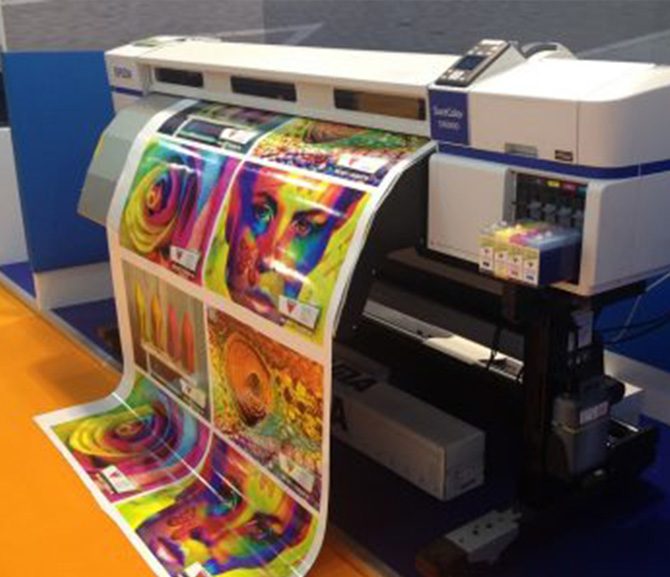
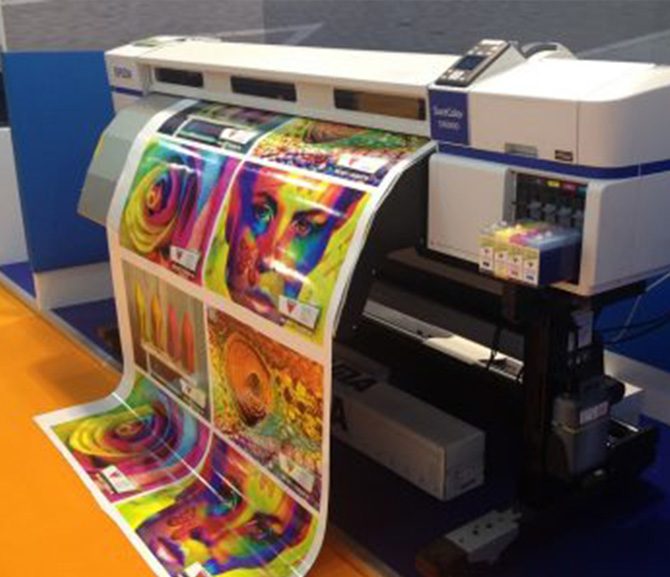
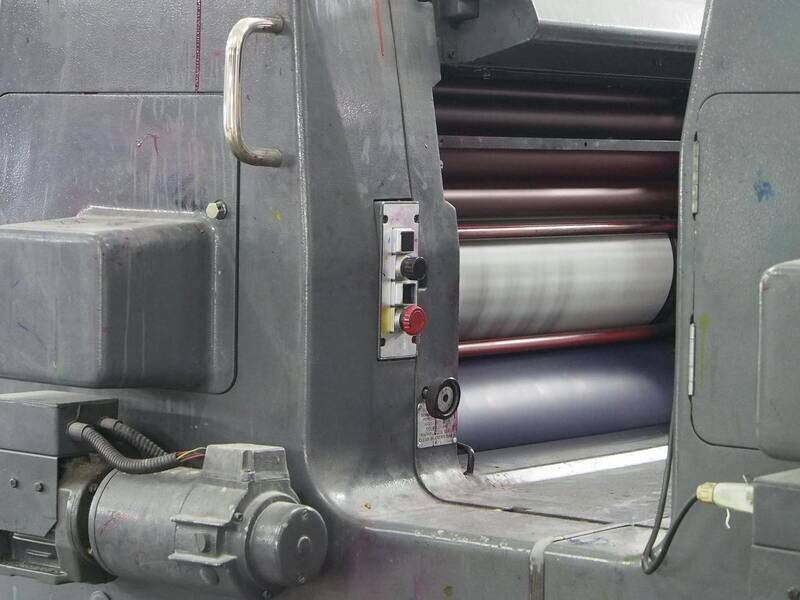
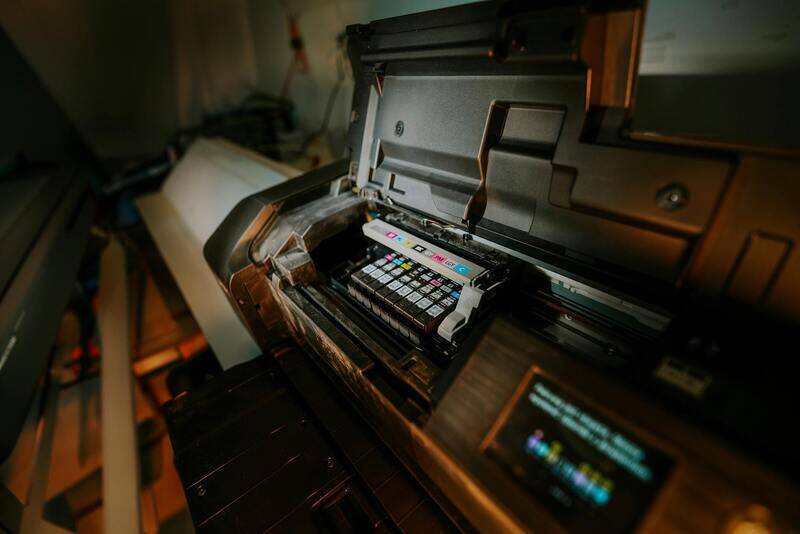
Advanced printing techniques elevate the perceived value of custom business cards. Offset printing offers high-quality, consistent results for larger quantities, ensuring vibrant color reproduction and crisp details. Digital printing provides flexibility for short runs, allowing quick turnaround times and cost-effective options without compromising quality.
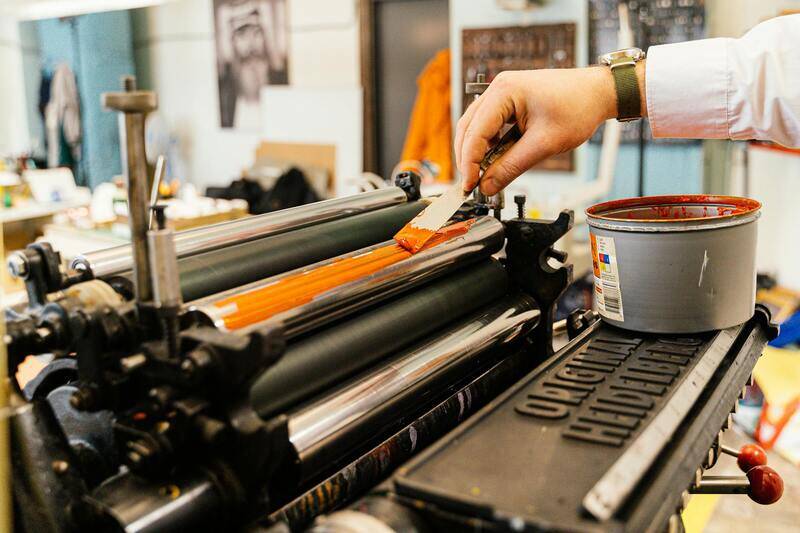
Specialty techniques like letterpress printing employ pressure to create tactile impressions, adding a luxurious dimension to your design. Foil stamping introduces metallic accents that enhance logos, borders, or important text, giving a premium look and feel. Embossing and debossing add texture by raising or lowering design elements, making your card more engaging to recipients.
Custom Business Card Sizes and Shapes
While standard dimensions (typically 3.5 x 2 inches) are widely used for compatibility with cardholders and wallets, custom sizes and shapes offer opportunities to make a bold statement. Square, circular, or die-cut shapes tailored to specific themes or branding concepts can evoke creativity and innovation.
Consider practicality alongside aesthetics; uniquely shaped cards may require special handling or storage, so balance originality with functionality. The shape and size should complement the overall design and ensure information remains easily accessible and legible.
Ordering and Turnaround Time
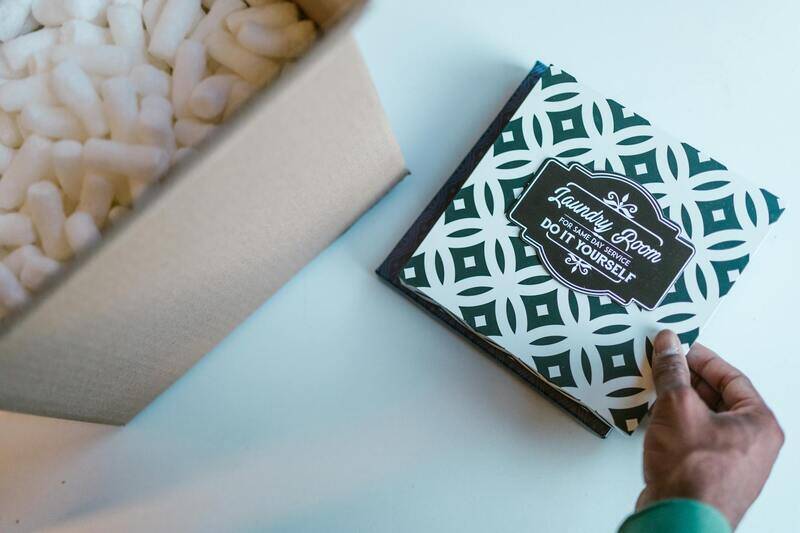
Efficient ordering processes and clear communication are essential for timely delivery of custom business cards. Most reputable printing providers offer online design tools, sample proofs, and detailed timelines. Standard printing can often be completed within 3 to 7 business days, with expedited options available for urgent needs.
Anticipate additional time for design approval, quality checks, and potential revisions. Planning ahead and requesting samples can help align expectations, ensuring that the final product meets branding and quality standards. Consider the scope of your order, as larger quantities may benefit from discounts and streamlined production schedules.
Cost Considerations and Budgeting
Estimating costs involves evaluating material choices, printing techniques, quantity, and finishes. Premium materials and elaborate finishes naturally increase the overall expense, but they also elevate the brand perception. Balancing quality with budget constraints is key; smaller runs or simplified designs can reduce costs without sacrificing professionalism.
Request detailed quotes from multiple vendors, paying attention to setup fees, per-unit costs, and shipping charges. Consider value-added features like specialty coatings or custom shapes as investments that can differentiate your brand and serve long-term marketing objectives.
Choosing a Printing Service Provider
Selecting a reputable printing partner is crucial to achieving desired results. Look for providers with extensive experience in custom printing, positive customer reviews, and a portfolio showcasing diverse projects. Transparency in pricing, turnaround times, and support during the design process ensures smoother workflows and satisfied outcomes.
Request samples of previous work to assess print quality and finish options. A provider offering comprehensive services—ranging from design assistance to multiple finishing choices—can simplify the process while giving access to industry best practices. Effective communication and clear understanding of your branding needs will ultimately ensure a professional and impactful set of custom business cards.
Materials and Finishes for Custom Business Cards
Choosing the right materials and finishes is fundamental in creating distinctive and durable custom business cards. The material forms the foundation of the card’s tactile and visual appeal, while the finish enhances its aesthetic qualities and longevity. Standard options like cardstock are reliable, but premium materials such as matte, gloss, or silk finishes add a sophisticated touch that can leave a lasting impression. Specialty materials, including textured papers or recycled stock, cater to brands aiming for a unique identity or eco-conscious image.
When selecting finishes, consider how they complement your design elements. Matte finishes impart a soft, muted appearance that reduces glare and enhances readability, ideal for professional settings. Gloss finishes provide a shiny surface that amplifies color vibrancy and ensures images pop, suited for creative industries. Silk or satin finishes offer a middle ground, combining smoothness with a subtle sheen, and are appreciated for their tactile appeal.
Incorporating specialty techniques like foil stamping, embossed or debossed effects, and Spot UV coating can elevate standard designs, adding texture and visual interest. Foil stamping introduces metallic accents that evoke luxury; embossing and debossing create tactile hierarchies with raised or recessed elements, and Spot UV coating highlights specific areas with a shiny, reflective surface. These finishing touches can differentiate a brand and communicate a sense of professionalism and attention to detail.
Investing in high-quality materials and finishes correlates directly with brand perception. Durable finishes and premium paper stocks withstand handling and environmental exposure, retaining their appeal longer. Ultimately, aligning material choice with brand identity and target audience expectations ensures that each card not only looks professional but also reinforces your company's credibility and style.
Advanced Printing Techniques and Their Impact
Numerous professional printing techniques are utilized in crafting custom business cards to achieve specific aesthetic and tactile effects that align with branding strategies. Each method offers unique advantages, enabling businesses to create cards that stand out and communicate their identity effectively.
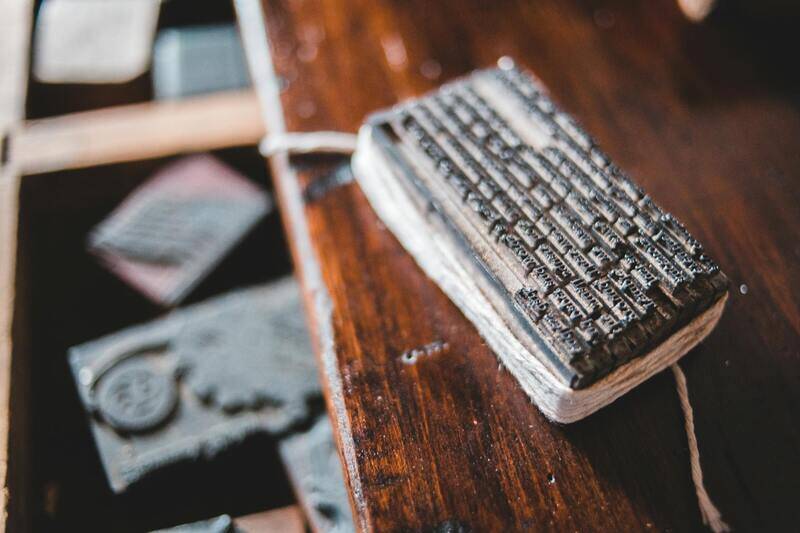
- Letterpress Printing: This technique involves pressing an inked, raised surface onto the paper, producing a tactile impression that adds a tangible dimension to the card. The result is a sophisticated, classic look often preferred for luxury brands and high-end services. The embossed or debossed elements created through letterpress convey depth and elegance, making certain design features pop.
- Foil Stamping: Applying metallic or pigmented foils onto the card surface provides a shimmering, eye-catching accent. This process is ideal for highlighting logos, borders, or specific text. The reflective quality of foil stamping lends a sense of prestige and exclusivity, often used in industries where premium presentation is key.
- Embossing and Debossing: These techniques create a raised (embossed) or recessed (debossed) effect on specific design areas. Embossed elements attract tactile interaction, emphasizing important information such as brand logos or contact details. Debossed sections, on the other hand, add visual depth and subtle texture, reinforcing brand sophistication.
- Spot UV Coating: This technique involves applying a glossy, transparent coating to certain areas of the business card, contrasting with a matte or uncoated background. Spot UV highlights specific design features like logos or patterns, adding a layer of visual interest and gloss that draws attention efficiently.
- Digital Printing: Suitable for short runs or highly variable designs, digital printing offers quick turnaround times and the ability to produce vibrant, high-resolution images. It is cost-effective for customization and rapid prototyping, making it a common choice for personalized and innovative card designs.
Each of these professional-grade printing methods enables businesses to enhance their visual communication, add tactile engagement, and reinforce their brand perception through carefully selected techniques. The choice of method should align with the desired aesthetic, budget, and branding objectives to create impactful and memorable custom business cards.
Understanding Custom Business Cards
Custom business cards serve as tangible representations of a company's brand, personality, and professionalism. They are designed to leave a lasting impression on clients, partners, and prospects, providing key contact information while also reflecting the company's identity through unique visuals and materials. Unlike standard templates, custom business cards allow for a tailored approach to branding, incorporating specific color schemes, logos, typography, and innovative design elements that resonate with the company's core message.
When selecting custom business cards, businesses can opt for various personalization options to express their unique style. This includes choosing distinctive shapes, textured finishes, or integrating interactive features such as QR codes for digital connectivity. The goal is to create a memorable, high-quality card that not only conveys contact details but also reinforces brand recognition and credibility.
In a competitive marketplace, a well-crafted custom business card can be a powerful marketing tool, enabling businesses to stand out in networking situations and formal meetings. Every detail, from the choice of font to the tactile elements, contributes to the overall perception of professionalism and creativity. Therefore, understanding the full scope of customization helps companies craft cards that accurately portray their brand and values.
Materials and Finishes for Custom Business Cards
The selection of materials and finishes plays a crucial role in the durability and aesthetic appeal of custom business cards. Common materials include standard cardstock, which is economical yet versatile, as well as specialty options like textured paper, linen, or plastic, which offer enhanced durability and a premium feel. For high-end branding, materials such as thick cardstocks with embossed details or metallic finishes can convey luxury and sophistication.
Finishes further elevate the tactile and visual quality of the cards. Matte finishes provide a sleek, understated look with minimal glare, while gloss coatings add shine and vibrancy to colors and images. Soft-touch coatings deliver a luxurious feel, providing a tactile experience that invites touch, making the card memorable. Additionally, specialty finishes like foil stamping, spot UV coating, or matte lamination can be used to accentuate specific design features, such as logos or patterns, adding depth and interest.

Design Elements and Creativity
Creating impactful custom business cards requires attention to design details that showcase creativity while maintaining clarity and professionalism. Incorporating bold typography, brand-aligned color schemes, and distinctive logos helps in immediate brand recognition. Designers often utilize innovative layout techniques, such as asymmetrical arrangements or layered elements, to break away from conventional card designs.
Additional creative features include the use of textured elements like embossed patterns, die-cut shapes, or transparent sections that add visual interest and tactile engagement. Including QR codes or NFC technology can also modernize the cards, providing direct links to digital portfolios or contact forms without cluttering the design.
- Use of bold, readable fonts
- Consistent color schemes aligned with branding
- Incorporation of logos that communicate brand identity
- Textured or embossed patterns for tactile appeal
- Innovative shapes, such as rounded edges or custom die-cuts
- Integration of digital elements like QR codes or NFC tags
Printing Techniques for Custom Business Cards
Achieving the desired aesthetic and tactile effects often relies on advanced printing techniques. Embossing and debossing elevate logos or design motifs through raised or recessed effects, respectively, adding a tangible quality that enhances brand recall. Spot UV coating is used to selectively add a glossy finish to particular elements, creating contrast and visual interest against matte backgrounds.
Digital printing remains popular for its flexibility and cost-effectiveness, especially for short runs or high customization needs. Offset printing, on the other hand, delivers high quality and consistency for larger quantities, making it suitable for expanding branding efforts. Letterpress printing offers a traditional method that provides a deep impression with rich texture, often preferred for luxury or boutique brands.
Choosing the right printing method is essential to align with the design, material, and budget. While digital options allow for rapid turnaround and customization, specialty techniques like foil stamping or textured finishes can significantly elevate the perceived value of your business cards.

Understanding Custom Business Cards
Custom business cards serve as essential tools for professionals seeking to make a memorable first impression. They go beyond traditional templates, offering tailored designs, luxurious finishes, and innovative shapes that reflect individual or corporate branding. The process begins with selecting the appropriate materials, considering the desired tactile experience, durability, and visual impact. Incorporating elements like embossing, foil accents, and unique textures can significantly elevate the card’s aesthetic, enabling it to stand out amidst a sea of standard options. Attention to detail in layout, typography, and color scheme ensures consistency with brand identity, reinforcing a professional image.

Ultimately, custom business cards serve as compact branding assets that encapsulate professionalism, creativity, and attention to detail, making them a powerful addition to any networking or marketing strategy.
Materials and Finishes for Custom Business Cards
The choice of materials plays a crucial role in the visual appeal and durability of your custom business cards. Popular options include:
- Standard cardstock: Versatile and cost-effective, suitable for most business needs.
- Premium textured papers: Offer tactile interest and a sense of sophistication.
- Glossy finishes: Enhance colors and provide a sleek look, ideal for vibrant designs.
- Matte finishes: Provide a subdued elegance and reduce glare, perfect for minimalist aesthetics.
- Specialty papers: Include linen, cotton, or recycled materials for eco-conscious branding.
Finish options such as matte, gloss, or soft-touch coatings influence not only the look but also the feel of the card. Spot UV coating can be selectively applied to highlight logos or specific design elements by adding a high-gloss effect that contrasts with matte backgrounds. Foil stamping introduces metallic accents like gold, silver, or copper, creating visual richness and enhancing the perceived value. Embossing and debossing techniques add depth by raising or lowering design elements, providing a tactile dimension that engages recipients physically.

Design Elements and Creativity
Innovative design elements are key to transforming standard business cards into compelling branding tools. Incorporating creative features can include:
- Unique shapes and die-cuts: Such as rounded corners, custom cuts that align with logo shapes, or intricate patterns that catch the eye.
- Digital integrations: QR codes or NFC tags that facilitate instant contact sharing or access to online portfolios and websites.
- Typography and color schemes: Bold fonts and brand colors to reinforce visual identity and ensure readability.
- Brand storytelling: Including relevant taglines or icons that communicate core values or services at a glance.
Thoughtful placement of graphical elements and consistent branding across all touchpoints further enhance recognition and memorability.
Printing Techniques for Custom Business Cards
Achieving the desired aesthetic and tactile quality hinges on selecting suitable printing methods. Common techniques include:
- Embossing and Debossing: Create raised or recessed designs that add texture and depth, ideal for logos and patterns meant to be felt.
- Spot UV Coating: Adds a glossy finish to specific areas, creating contrast and highlighting critical branding elements.
- Foil Stamping: Incorporates metallic or pigmented foils for a luxurious, eye-catching effect.
- Digital Printing: Offers flexibility, affordability, and quick turnaround for small quantities and high customization.
- Offset Printing: Suitable for bulk orders, ensuring consistent high quality and vibrant colors.
- Letterpress Printing: Provides a deep impression and authentic tactile feel, suitable for upscale or boutique brands.
Selecting the right combination of these techniques allows for a tailored finish that aligns with brand identity and budget constraints.
Understanding Custom Business Cards
Custom business cards serve as a tangible representation of a company’s brand identity, offering a professional and memorable way to share contact information. Tailoring these cards involves selecting specific attributes such as dimensions, shape, and surface finishes, which collectively contribute to a distinctive impression. They are not just carriers of basic details; they embody the ethos, personality, and professionalism of an organization. When carefully crafted, custom business cards can reinforce brand consistency and leave lasting impressions on potential clients and partners.
Materials and Finishes for Custom Business Cards
The choice of materials directly impacts the overall feel and durability of the business card. Standard options include paper, cardstock, and specialty materials like plastic or metal. Coatings and finishes such as matte, gloss, or satin elevate visual appeal and tactile sensation. For example, a matte finish reduces glare and enhances readability, while gloss coats provide vibrant color enhancement. Specialty finishes like soft-touch coatings add a luxurious feel, making the card stand out prominently in a stack.

Design Elements and Creativity
A well-designed custom business card incorporates various creative elements that align with branding goals. Logo placement, typography, color schemes, and graphical accents should work in harmony to communicate professionalism and uniqueness. Incorporating brand storytelling through taglines or iconic symbols can quickly convey core values and services. Strategic use of space ensures that information remains clear and impactful. Innovative design approaches, such as asymmetrical layouts or minimalistic aesthetics, can help a business card stand out from competitors.
Printing Techniques for Custom Business Cards
The printing process determines the tactile qualities and visual richness of a business card. Common techniques include:
- Embossing and Debossing: Create raised or recessed elements that add texture, enhancing logos and patterns.
- Spot UV Coating: Apply a shiny finish to specific areas, highlighting logos or key design features.
- Foil Stamping: Use metallic or pigmented foils for a luxurious and eye-catching appearance.
- Digital Printing: Ideal for small batches or highly customized designs, ensuring quick turnaround and vibrant color output.
- Offset Printing: Suitable for larger orders, maintaining consistency and deep color saturation.
- Letterpress Printing: Imparts a deep, tactile impression that imparts a premium feel suitable for upscale brands.

Custom Business Card Sizes and Shapes
Beyond traditional rectangular designs, customization extends to unique shapes and sizes to effectively exemplify brand personality. Rounded corners, die-cut shapes, mini cards, or oversized formats can make a memorable impact and facilitate better brand recognition. Selecting standard sizes ensures easy handling and compatibility with wallets and cardholders, while specialty shapes add an element of surprise and exclusivity.
Ordering and Turnaround Time
The process involves selecting a design, choosing materials and finishes, and placing an order through a professional printing service. Lead times can vary based on the complexity of the order and the printing method selected. Digital printing options typically offer the fastest turnaround, often within a few days, whereas offset printing may require longer due to setup times. Planning ahead ensures that the production schedule aligns with marketing or networking events, preventing last-minute delays.
Choosing a Printing Service Provider
When seeking to produce high-quality custom business cards, selecting a reputable printing service provider is crucial. The right provider will not only deliver excellent craftsmanship but also offer a range of customization options that align with your brand identity. To ensure a seamless experience and a final product that meets your expectations, consider the following key factors.
Assessing Experience and Expertise
Look for printing companies that have a proven track record in producing custom business cards. An experienced provider understands the nuances of different printing techniques, materials, and finishes. They can advise on optimal design choices and help refine concepts to achieve the desired visual impact. Companies with extensive portfolios and client testimonials often demonstrate reliability and a commitment to quality.
Customization and Material Selection
The ability to customize extends beyond merely selecting colors and fonts. A reliable provider offers a variety of premium materials, including thick card stocks, textured papers, and specialty finishes like matte, gloss, or soft-touch coatings. They should also provide options for unique shapes and specialty effects, such as foil stamping or embossing, to enhance brand distinction.
Quality Assurance and Proofing
Before proceeding with full-scale printing, the provider should offer detailed proofs—either digital or physical—to review design accuracy and color fidelity. This step helps prevent costly errors and ensures that the final product aligns with your branding standards. High-quality providers will have robust quality control processes to monitor press checks and material integrity throughout production.
Turnaround Time and Customer Support
Timely delivery is essential, especially when business cards are needed for upcoming events or marketing campaigns. A professional service offers transparent timelines based on order complexity and printing techniques used. Clear communication channels and attentive customer support are equally important, providing swift assistance for any inquiries or adjustments during the process.
Pricing Transparency and Value
Establish a detailed understanding of pricing structures, including setup fees, printing costs, and additional charges for premium finishes or customization. While budget considerations are important, investing in quality printing services often results in more durable, visually appealing business cards that leave a lasting impression. Comparing quotes from multiple providers can help identify the best value without compromising quality.
Environmental Considerations
Many reputable printing services now prioritize environmentally responsible practices. Inquire whether the provider uses eco-friendly inks, recycled materials, or sustainable manufacturing processes. Choosing a provider with green initiatives aligns with corporate social responsibility goals and ensures that your branding efforts reflect ecological consciousness.

Ultimately, selecting a reliable printing partner involves evaluating their experience, scope of customization options, quality controls, and customer service capabilities. By doing so, you can confidently produce custom business cards that effectively embody your professional identity and leave a memorable impression on clients and contacts alike.