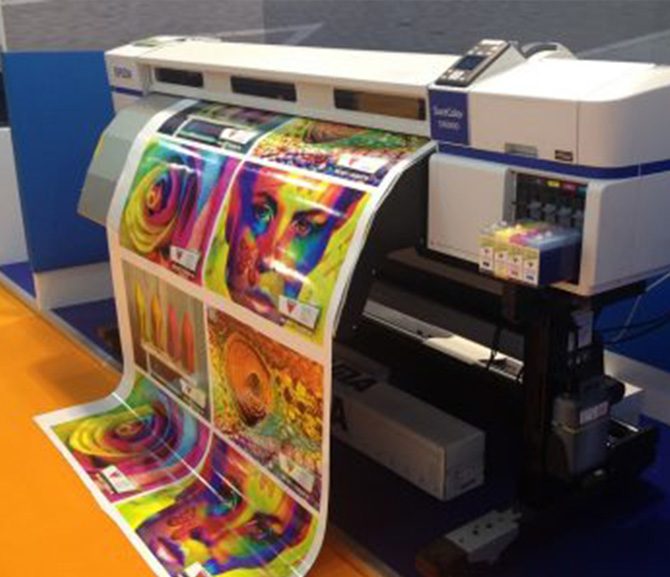
Understanding Large Print Sizes
Large print sizes refer to printing dimensions that significantly exceed standard text and image sizes, catering to specific needs where visibility and readability are paramount. In the printing industry, the term encompasses a broad range of dimensions, typically starting from sizes that are at least twice the size of standard paper formats. Recognized standards and common dimensions play a crucial role in ensuring consistency and quality across various projects.
The most widely used dimensions in large print printing often align with larger paper formats such as tabloid (11 x 17 inches), architectural and engineering paper sizes like ANSI D (34 x 22 inches), and poster dimensions like 24 x 36 inches or even larger. These sizes facilitate the display of intricate designs, detailed images, or extensive textual information that requires clear visibility from a distance. When selecting large print sizes, it is essential to consider the medium, purpose, and viewing environment to determine the optimal dimensions that meet your needs.

Industry standards for large prints often specify resolution requirements to ensure crisp, high-quality outputs. Typical resolutions for large print projects are 150 to 300 dots per inch (DPI), depending on the viewing distance and printer capabilities. Maintaining high resolution when enlarging images prevents pixelation and ensures the final product remains sharp and clear.
Understanding the distinctions between various large print dimensions and adhering to established standards guarantees that the final product not only meets aesthetic expectations but also functions effectively in its intended environment. Whether the project involves banners, posters, or large-scale displays, selecting the appropriate size is fundamental to achieving professional results that resonate with viewers and serve their purpose efficiently.
Factors to Consider When Choosing Large Print Sizes
Selecting the right large print size involves a careful assessment of multiple elements to ensure the final product effectively communicates the intended message while fitting seamlessly into its environment. One of the primary considerations is the viewing distance. For instance, promotional banners intended for outdoor display must be significantly larger than indoor posters viewed from a closer range. Larger sizes help maintain readability from afar, whereas smaller large print sizes may suffice for indoor settings where viewers are in close proximity.
Another crucial aspect is the purpose of the print. If the project aims to highlight specific information or display detailed artwork, larger dimensions can accommodate finer details without sacrificing clarity. Conversely, simple or bold designs may require smaller large print sizes that still serve their purpose effectively.
The available space or installation area is also an important factor. Measuring the designated location beforehand ensures compatibility with the chosen size, avoiding issues related to overcrowding or insufficient coverage. Additionally, consider the visual impact—larger print sizes command attention and can transform the aesthetics of a display or environment, making strategic sizing essential for maximum effect.

Furthermore, the material type influences the achievable size, especially when working with flexible or rigid substrates. Certain materials, like vinyl or canvas, support larger dimensions without warping or sagging, enabling the production of expansive displays that remain durable over time. The elección of ink and printing technology also impacts size, as high-quality methods like wide-format digital printing are capable of producing larger, high-resolution outputs with vibrant color accuracy.
Finally, budget constraints can influence size selection. Larger prints typically require more materials, time, and skilled labor, impacting overall costs. Balancing the intended impact with financial considerations involves understanding that larger sizes may necessitate additional investment but often yield higher visibility and engagement. Carefully evaluating each of these factors ensures that the large print size chosen not only matches functional requirements but also enhances the project's overall effectiveness and visual appeal.
Factors to Consider When Choosing Large Print Sizes
When selecting the appropriate large print size for a project, it is crucial to assess several key factors that influence both the visual effectiveness and practicality of the final output. The intended viewing distance plays a significant role; larger sizes are essential when viewers will be from a distance, ensuring text and graphics remain legible without strain. In contrast, closer viewing distances may permit slightly smaller large print dimensions, providing more flexibility without sacrificing clarity.
Ambient lighting conditions also impact size choice. In brightly lit environments, such as outdoor displays or busy commercial spaces, larger prints with high contrast and bold compositions help maintain visibility. Conversely, in more controlled settings like reception areas or indoor corridors, a moderate large print size can deliver an elegant, impactful visual without overwhelming the space.
Material compatibility is another vital consideration. Rigid substrates like acrylic or aluminum panels support extensive dimensions and maintain structural integrity over time. Flexible materials, such as vinyl or fabric banners, accommodate large print sizes while offering ease of installation and handling. Matching the material to the environment and intended use ensures that the large print sizes perform optimally without warping or damage.
It’s also essential to evaluate the printing technology available. Wide-format digital printers enable the production of high-resolution, large-scale images with vibrant colors and crisp text. They support seamless, borderless designs that maximize coverage and aesthetic appeal. The quality of ink and finishing processes further influences longevity and overall presentation, making the choice of technology a key factor in optimal large print size selection.

Budget constraints are also a decisive element. Larger prints often necessitate higher material costs, increased production time, and specialized labor. Careful planning and clear communication with printing service providers can help balance desired visual impact with budgetary limitations, ensuring the project remains cost-effective while achieving maximum visibility.
Ultimately, deliberate consideration of each of these factors allows for precision in choosing large print sizes that align with the project’s goals, environment, and specifications. This strategic approach ensures your large prints not only convey your message effectively but also enhance the overall visual environment, creating engaging and professional displays.
Factors to Consider When Choosing Large Print Sizes
When selecting appropriate large print sizes, it is vital to evaluate several key factors to ensure optimal readability and visual impact. The primary consideration involves the intended viewing distance. Larger prints are typically necessary for spaces where viewers are expected to be several meters away, such as billboards, banners, and large signage. These sizes ensure that text remains clear and legible from the desired distance, minimizing straining the viewer's eyes.
Material type also plays a crucial role in determining suitable print sizes. Different substrates, such as vinyl, canvas, or vinyl-backed paper, possess varying degrees of rigidity, weight, and surface texture. For instance, a lightweight paper might require smaller size considerations or additional framing to prevent warping, while robust materials like aluminum or vinyl can sustain larger dimensions without distortion.
The purpose of the print material significantly influences size selection. For informative displays and directional signage, larger sizes enhance visibility and comprehension, especially outdoors or in crowded venues. Conversely, for decorative or artistic applications, choosing proportions that complement the surrounding environment can foster a cohesive aesthetic experience. Properly aligning the size with its functional role ensures that the print achieves its intended communication objectives effectively.
Another critical aspect involves environmental lighting conditions. Bright outdoor environments may necessitate larger and bolder designs that stand out amidst natural light, while indoor settings might focus on finer details and subtler contrasts. Additionally, safety regulations and design codes in public spaces can impose restrictions or recommendations on display sizes, which should be adhered to in order to ensure compliance and safety.
Furthermore, the physical space available for installation must be taken into account. Overly large prints risk overpowering the environment or not fitting within designated areas, whereas smaller sizes may be insufficient for the intended visibility. A detailed measurement and careful planning process, including consultations with experienced printing professionals, can significantly optimize the overall effectiveness of the large print project.
- View distance and audience size
- Type of material and its physical characteristics
- Intended environment, lighting, and ambient conditions
- Space allocation and installation area
- Purpose and message clarity of the print
Materials and Printing Techniques for Large Prints
When producing large print sizes, selecting the appropriate materials and printing techniques is crucial to achieving high-quality, durable, and clear results. The choice of materials impacts not only the visual appeal but also the longevity and resistance to environmental factors such as moisture, UV exposure, and physical wear. Common materials include vinyl, canvas, photo paper, fabric banners, and rigid substrates like foam board or metal panels, each offering distinct advantages based on the intended application and location.
Vinyl is highly versatile, weather-resistant, and suitable for outdoor signage, while canvas provides a premium look for art reproductions and decorative displays. Photo paper and fabric materials are ideal for indoor use, offering vibrant color reproduction and an elegant finish. Rigid substrates like foam board or aluminum panels are perfect for wall-mounted signage, museum displays, or trade show exhibits, providing structural stability and ease of installation.
In terms of printing techniques, digital large-format printing dominates due to its ability to produce detailed, high-resolution images on wide substrates. This method supports various inks such as solvent, eco-solvent, UV-curable, and latex, each offering specific benefits regarding color accuracy, durability, and environmental impact. UV-curable printing, for example, provides excellent scratch resistance and vibrant colors, making it suitable for outdoor displays. Solvent and eco-solvent prints impart resilience against elements, ensuring that large outdoor banners or signs maintain their appearance over time.
Additionally, lamination and protective coatings are essential components of the printing process for large prints. They enhance resistance to UV sunlight, water, and physical abrasions, while also accentuating color vibrancy and clarity. When considering printing methods, it is helpful to work with professionals who understand the nuances of each technique and material to optimize the final product. Their expertise ensures that the large print sizes retain sharpness, color fidelity, and durability across their lifespan.
Understanding Large Print Sizes
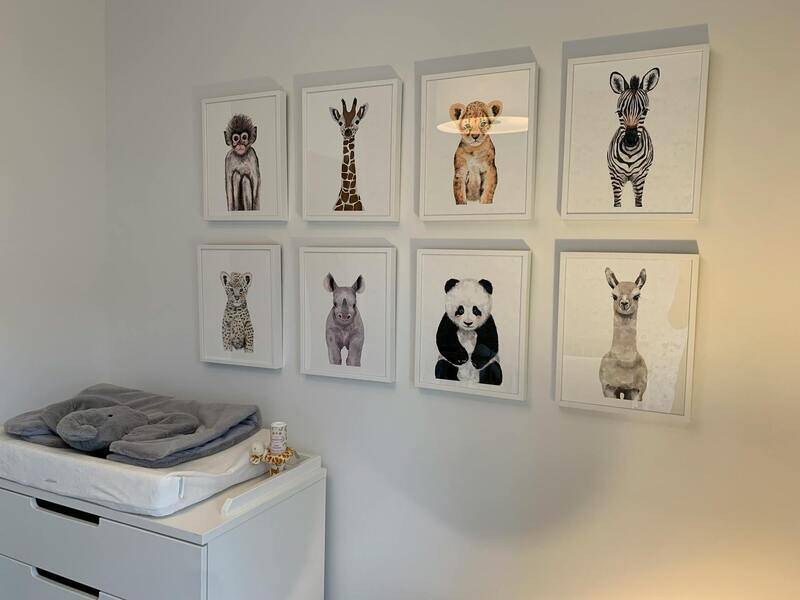
Large print sizes typically refer to prints that exceed standard dimensions, designed to ensure visibility from a greater distance or for impactful visual communication. These sizes are essential in various sectors, including advertising, retail, signage, and educational displays, where immediate readability and visual impact are paramount. Common large print dimensions include banners, posters, wall decals, and trade show displays, which can range from several feet in width and height to panoramic formats. When selecting the appropriate large print size, it’s critical to consider the purpose of the display, the viewing distance, and the physical space available. Utilizing specific measurement guidelines helps ensure the final product is both functional and aesthetically compelling.

Applications of Large Print Printing
Large print printing finds applications across a broad spectrum of industries. Retail stores often employ oversized banners and posters to attract foot traffic and highlight promotions. In the context of public spaces, large signage serves to direct visitors, communicate safety protocols, or promote community events. Educational institutions utilize large prints for classroom visuals, campus navigation, and event advertising. The event and entertainment sector also leverages large-format prints to create immersive environments, from stage backdrops to promotional displays at conventions and exhibitions.
- Retail banners and window displays
- Trade show and exhibition signage
- Event backdrops and stage decor
- Public information and wayfinding signs
- Educational posters and informational displays

Benefits of Using Large Print Sizes
Employing large print sizes offers multiple advantages that enhance communication effectiveness and visual engagement. Firstly, large prints ensure high visibility, making messages clear and accessible from a distance, which is crucial in high-traffic environments or open outdoor spaces. The size also allows for greater creative freedom; visual elements can be expanded, and intricate details can be included without sacrificing clarity. This translates into more eye-catching and memorable displays that resonate with viewers.
Moreover, large prints promote professionalism and brand recognition. They serve as powerful branding tools that reinforce messaging through bold visuals and vibrant colors. The physical impact of sizable displays can influence perception, creating perceptions of quality and authority. Additionally, large prints are often more durable, especially when produced with suitable materials and protective coatings, ensuring longevity even in demanding environments. The versatility of large print sizes also means adapting designs for multiple formats, allowing for consistency across various marketing channels and physical spaces.
Factors to Consider When Choosing Large Print Sizes
When determining the optimal large print size for a project, several critical factors should be evaluated to achieve the desired effect. The primary consideration is the intended viewing distance. For instance, outdoor banners viewed from hundreds of feet require larger text and graphics, whereas interior signage may permit smaller elements due to proximity. The physical space also influences size decisions; the print must be proportionate to its surroundings to avoid overpowering or blending into the environment.
Additionally, the nature of the message impacts size choices. Simple, bold messages often benefit from larger, more straightforward text, whereas complex visuals with fine details require careful scaling to maintain clarity. The medium or substrate used for printing is another vital aspect, as it determines the feasible dimensions for production and installation. For example, roll-to-roll banners can be manufactured in vast widths, while rigid substrates like foam boards or metal panels may impose size constraints based on transportation and mounting capabilities.
Finally, budget considerations play a role, as larger sizes may incur higher costs due to material, printing time, and installation requirements. Collaborating with experienced print providers helps to balance aesthetic ambitions with practical realities, ensuring that the selected size enhances the message without exceeding logistical or budgetary limits.
Factors to Consider When Choosing Large Print Sizes
Selecting the appropriate large print size requires a careful evaluation of several key factors to ensure the final output effectively communicates the intended message. One primary consideration is the viewing distance; larger sizes are essential for visibility from afar, such as outdoor advertisements or stadium banners, whereas smaller sizes may suffice for indoor signage intended for close-up viewing. Accurately assessing how far the target audience will be from the print helps determine the optimal dimensions to maximize impact.
The physical environment in which the large print will be displayed also influences size selection. An imposing sign in a spacious lobby benefits from a proportionally larger print to command attention, while smaller, detailed displays in confined spaces require more precise sizing to maintain clarity. The available space and surrounding visual elements should guide the size to ensure the print complements rather than clashes with its environment.
Message complexity is another crucial aspect. Bold, straightforward text or minimalist designs are often more effective at larger sizes, making the message easily digestible at a glance. Conversely, intricate graphics or detailed visuals must be carefully scaled to preserve clarity without overwhelming the viewer. If the details become indistinct at larger sizes, options such as simplifying the design or adjusting color contrasts can enhance readability.

The choice of substrate or material imposes practical limits on size. Flexible materials like vinyl or fabric lend themselves to expansive banners and murals, while rigid substrates such as metal panels or foam boards are suitable for more fixed installations. The method of installation and transportation also influence feasible dimensions; enormous prints must be manageable and suitable for mounting in their intended locations.
Budget considerations impact the size decision as well. Larger prints generally demand more material, longer production time, and potentially higher installation costs. Striking a balance between visual impact and financial feasibility is essential. Consulting with seasoned printing experts allows for fine-tuning size choices that meet both aesthetic objectives and practical constraints, ensuring the large print project achieves its purpose effectively.
Understanding Large Print Sizes
When executing large print projects, it is crucial to recognize the specific dimensions that define large print sizes. These measurements typically start at a width of 24 inches and can extend to 100 inches or more, depending on the application. The size you choose impacts readability, visibility, and overall visual impact. Standard large print sizes include formats like 24x36 inches for posters and 48x96 inches or larger for murals and banners. Knowing the options available allows designers and clients to make informed decisions that align with the intended use and display environment.
Adapting the size of a print involves understanding the viewing distance and the environment where the print will be displayed. For instance, outdoor banners or murals viewed from hundreds of feet require larger sizes to ensure messages are effectively communicated. Conversely, indoor posters or signage viewed at close range may benefit from somewhat smaller dimensions, focusing on clarity and detail. The resolution required for large prints is also a consideration, with higher DPI (dots per inch) making large images crisper and more suited for detailed visuals.
Applications of Large Print Printing
- Outdoor advertising including billboards, banners, and building wraps
- Trade show displays and event signage
- Mural installations for commercial and public spaces
- Point-of-sale displays for retail environments
- Educational and informational signage in large venues
Each application demands specific size considerations, which influence the choice of printable material and method. For example, murals require expansive dimensions and durable materials that withstand environmental elements, while indoor signage can utilize lighter materials with vibrant color reproduction.
Benefits of Using Large Print Sizes
Implementing appropriately large print sizes enhances visibility and ensures that messages reach a broad audience quickly. In environments with fast-paced foot traffic, such as airports or stadiums, large prints enable information to be absorbed from a distance, reducing the need for viewers to approach closely. Additionally, oversized prints generate visual impact, making them ideal for branding and promotional campaigns. The scale allows for creative flexibility, from bold typography to expansive images, contributing to memorable visual storytelling.
Factors to Consider When Choosing Large Print Sizes
Several practical factors influence the final size selection:
- Intended Viewing Distance: Large prints viewed from afar require bigger dimensions for optimal readability.
- Display Environment: Outdoor settings necessitate weather-resistant materials and larger sizes, whereas indoor displays can be more versatile in dimensions.
- Material and Surface: The substrate impacts achievable size; lightweight vinyl or fabric allows for large-scale banners, while rigid surfaces suit murals and mounted panels.
- Design Complexity: Simplistic designs are more effective at larger scales, while intricate visuals demand high-resolution printing to maintain clarity.
- Budget Constraints: Larger sizes generally increase costs due to material, printing time, and installation requirements. Prioritizing essential elements helps balance impact with expenditure.
Materials and Printing Techniques for Large Prints
Selecting the right material and printing method is fundamental for achieving high-quality large prints. Common materials include vinyl, fabric, mesh, rigid panels, and foam boards. Each offers specific advantages in terms of durability, flexibility, and visual effect. Printing techniques such as UV printing, eco-solvent, solvent, and latex printing are standard for large formats, providing excellent color fidelity and longevity. Advanced printers capable of handling wide-format media ensure detailed and vibrant results, crucial for impactful large-scale visuals.
Design Tips for Large Print Projects
Effective design is key to large print success:
- Use bold, legible typography with sufficient contrast against the background.
- Avoid overly intricate graphics that may lose detail when scaled up.
- Utilize high-resolution images and vector graphics to maintain clarity.
- Plan for a clear hierarchy of information, emphasizing key messages.
- Incorporate negative space strategically to prevent clutter and enhance visual flow.

Cost Factors and Budgeting for Large Print Sizes
The cost of large print projects depends on multiple variables, including size, material choice, printing technology, and installation requirements. Larger dimensions require more raw material, extended production time, and specialized equipment, all contributing to higher costs. It is essential to establish a clear budget from the outset, allowing for adjustments in size or material quality to meet financial constraints. Consulting with professional printing services ensures that size and material selections align with both aesthetic goals and budget considerations, optimizing resources for the desired visual impact.