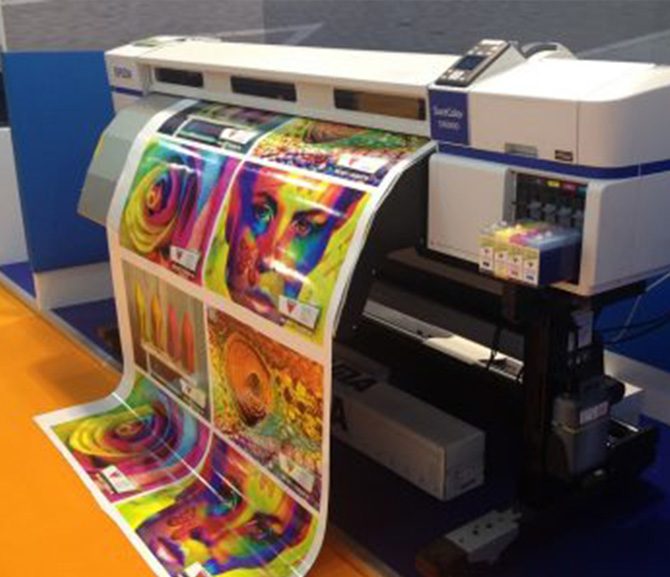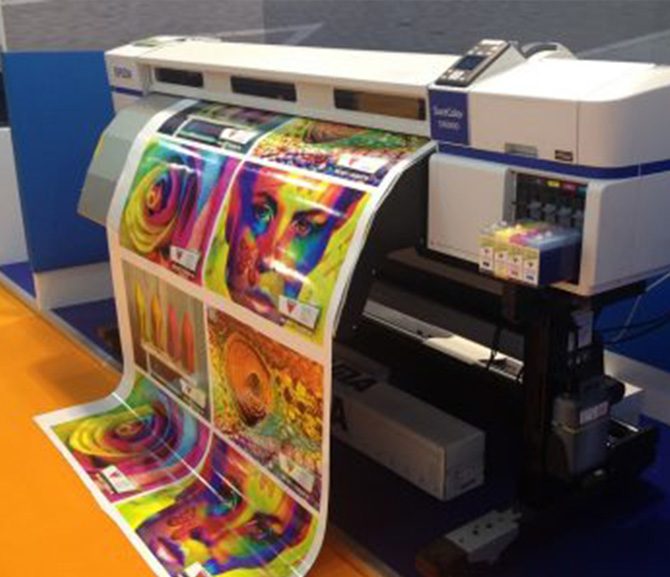
Understanding Speed in Colour Printers
In today's fast-paced environment, the speed of a colour printer is a critical factor that significantly impacts workflow efficiency, especially in business, educational, and creative settings. The ability to produce high-quality colour prints rapidly can streamline operations, reduce waiting times, and enhance productivity. When evaluating the importance of print speed, it is essential to consider how quickly a printer can complete tasks without compromising on output quality.
Print speed directly influences daily output capacity and overall operational cost. For organizations that rely on frequent, high-volume printing, a faster colour printer can mean the difference between meeting tight project deadlines and facing costly delays. Additionally, in print shops and commercial settings, high-speed devices allow for servicing more customers within limited time frames, translating into increased profitability and customer satisfaction.
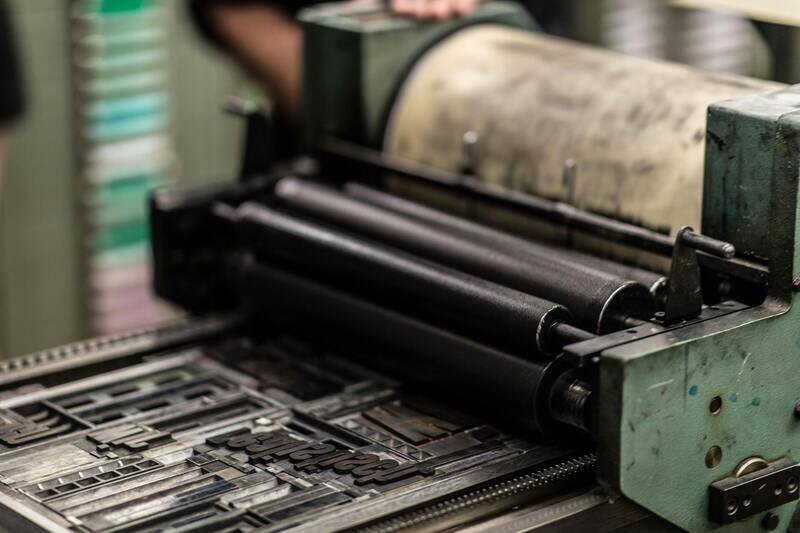
Print speed is commonly measured in pages per minute (PPM), indicating how many pages a printer can produce within one minute. This metric is essential when comparing different models and determining their suitability for specific tasks. However, print speed is not solely about raw numbers. The type of content—be it text-heavy documents or vivid colour images—also influences the practical speed of printing. Real-world assessments consider how quickly a printer can handle complex graphics, high-resolution images, and multi-page documents with minimal delays.
High-speed colour printers excel in environments that demand rapid output, where delay can hinder productivity and operational flow. Whether used in an office, a print shop, or a multimedia production setting, understanding the nuances of print speed helps users select equipment that aligns with their volume requirements and quality standards. Balancing speed, quality, and cost is essential to achieving optimal printing solutions that meet diverse operational needs.
Key Features of Fast Colour Printers
To achieve the highest possible print speeds without compromising on quality, modern fast colour printers incorporate several advanced technical features. These innovations are designed to streamline the printing process, reduce bottlenecks, and ensure consistency across various types of print jobs.

High-Performance Print Engines
The core of any fast colour printer is its print engine, which must be capable of handling large volumes of data swiftly. High-performance engines are equipped with advanced ink or toner delivery mechanisms, precision imaging components, and optimized thermal management systems. These elements work together to accelerate print speed while maintaining sharpness and colour accuracy.
Robust Processing Capacity
Internal processing units, typically integrated into the printer’s hardware, are vital for managing complex tasks such as high-resolution images and multi-page documents. Faster CPUs and increased RAM facilitate quick data processing, minimizing delays when handling large or detailed files. This capacity allows the printer to keep pace with high-volume demands efficiently.
Hardware Design and Automation Features
Design elements such as large paper feeders, dual paper trays, and automated document feeders (ADFs) contribute significantly to printing speed. These features enable uninterrupted workflows by reducing the need for manual intervention. Additionally, automation tools like smart toner management and predictive maintenance systems help maintain peak performance over time.
Connectivity and Integration
Modern fast colour printers often feature multiple connectivity options, including Ethernet, Wi-Fi, and cloud integration. These capabilities facilitate seamless printing from various devices and locations, accelerating the overall printing process. They also support remote management and remote firmware updates, which help maintain high-speed operation without downtime.
Energy Efficiency and Thermal Management
Efficient energy consumption and thermal regulation are crucial in high-speed printers to prevent overheating and ensure consistent performance. Advanced cooling systems and energy-saving modes enable prolonged operation at high speeds, reducing mechanical failures and enhancing lifespan—both essential for demanding environments.
Comparative Advantage in High-Volume Settings
Printers equipped with these features are ideally suited for environments that require rapid turnaround, such as large-scale print shops, corporate offices, or multi-location retail outlets. Their design ensures that speed does not come at the expense of colour fidelity or print durability, providing a comprehensive solution that meets diverse operational demands.
Understanding Speed in Colour Printers
When evaluating the performance of colour printers, one of the most critical factors to consider is their printing speed. Speed directly impacts workflow efficiency, especially in settings where large volumes of documents must be produced within tight deadlines. The speed of a printer is typically measured in pages per minute (PPM), which indicates how many pages the device can print in one minute. This metric provides a straightforward comparison point across various models, but it’s important to understand what influences these numbers and how they translate into real-world performance.
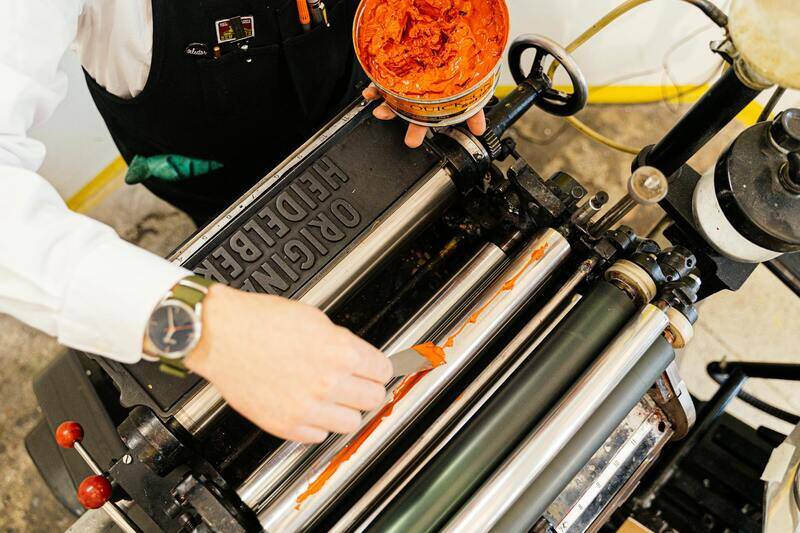
Factors Impacting Printing Speed
- Print Resolution and Complexity: Higher resolution printing or complex graphics may slow down printing speeds due to increased processing requirements.
- Printer Architecture: Modern printers with advanced processor capabilities and optimized hardware components achieve faster processing cycles.
- Media Handling: Printers with automatic document feeders (ADFs) and high-capacity paper trays can process multiple pages rapidly without manual intervention.
- Connectivity Options: Ethernet and Wi-Fi connections enable faster data transfer from devices to the printer, reducing bottlenecks and latency.
- Automation and Workflow Optimization: Features like print queues, job scheduling, and smart management tools streamline operations and reduce idle times between print jobs.
Real-World Application of Speed Metrics
While a printer's PPM offers an initial indicator of its potential throughput, actual performance depends on the specific use case, document complexity, and network conditions. For departments or print centers with high-volume demands, opting for models that excel in steady, high-speed output ensures productivity remains uninterrupted. Furthermore, compatibility with high-speed connectivity standards and automation features enhances overall throughput, enabling quicker turnaround times for large print jobs.

Choosing the right printer involves balancing speed with quality, dependability, and operational costs. Models designed specifically for high-volume, fast-paced environments incorporate robust hardware, optimized software, and connectivity features that work in tandem to deliver swift, consistent results. Investing in such equipment ensures that high-speed printing does not compromise colour fidelity or document integrity, providing a comprehensive solution tailored to demanding work environments.
Understanding Speed in Colour Printers
When evaluating the performance of a colour printer, speed remains a critical factor that influences productivity and workflow efficiency. The term 'speed' typically refers to how quickly a printer can produce a certain number of pages within a specific time frame, often measured in pages per minute (PPM). However, actual performance depends on multiple variables that extend beyond the basic PPM metric. Factors such as print quality settings, connection methods, and document complexity all play a role in how swiftly a printer can complete tasks. Recognizing these elements allows users to select equipment that aligns precisely with their operational demands, ensuring seamless output without unnecessary delays.

Different Aspects of Printer Speed
- Page Per Minute (PPM): The standard measurement indicating how many pages a printer can produce in a minute under optimal conditions. Higher PPM ratings generally suggest quicker output capabilities.
- First Page Out Time (FPOT): The duration it takes for a printer to produce the first printed page after receiving the print command. Shorter FPOT is vital for applications requiring rapid response times.
- Processing Speed: The rate at which a printer's internal hardware handles print data, affecting how efficiently it can manage complex or high-volume jobs.
The Impact of Document Complexity
Simple text-based documents are processed and printed faster than highly detailed graphics or high-resolution images. Advanced printers incorporate technology to optimize processing and rendering of complex files, minimizing delays. Features such as dedicated processing units, high-capacity memory, and efficient raster image processors (RIPs) are instrumental in maintaining high speeds even with elaborate documents.
Connectivity and Workflow Integration
Modern high-speed colour printers utilize advanced connectivity options, including Ethernet, Wi-Fi, and cloud integration, to facilitate rapid data transfer. These features ensure that large files are transmitted without bottlenecks, and print jobs are queued efficiently. Automation tools like print job scheduling and batch processing further streamline operations, enabling multiple print tasks to be executed swiftly, especially in high-demand environments.

Technological Advancements Accelerating Speed
Recent innovations in printing technology have significantly improved speed without compromising quality. These include high-performance print engines, faster toner and ink delivery systems, and optimized software algorithms. Color management systems ensure consistent output at high speeds, maintaining colour accuracy and preventing delays caused by quality adjustments. Furthermore, advancements in sheet feeding mechanisms and duplex printing technology contribute to quicker completion of large, double-sided documents.
Understanding Speed in Colour Printers
Speed is a crucial factor when selecting a colour printer, particularly for busy work environments where time efficiency directly impacts productivity. The speed of a colour printer is generally measured in pages per minute (PPM), which indicates how many pages the device can produce in one minute. This metric provides a straightforward way to compare different models and determine which one can meet specific printing demands.
However, print speed is not solely determined by PPM ratings. It is also influenced by complex factors such as the complexity of the print job, the resolution settings chosen, and the type of documents being printed. For instance, printing high-resolution graphics or detailed images may reduce the effective speed compared to simpler text documents. Faster printers are equipped with advanced processing units and memory systems designed to handle such complexities without significant delays.
Key Features of Fast Colour Printers
Modern high-speed colour printers boast several features geared toward maximizing efficiency:
- High-capacity processing units: Dedicated processors ensure rapid data handling, reducing processing lag for complex files.
- Large memory buffers: Sufficient memory allows for smooth handling of large and multi-page documents, preventing bottlenecks.
- Advanced raster image processors (RIPs): These units efficiently convert digital files into printable images at high speeds.
- Fast toner or ink delivery systems: Optimized delivery mechanisms keep print cycles swift without sacrificing quality.
- Efficient paper handling mechanisms: Features like high-capacity trays, auto-duplexing, and quick-sheet feeding contribute to faster output of multi-page documents.
Measuring and Comparing Printing Speeds
To evaluate the speed of different models, it’s essential to look beyond the PPM figures alone. Factors such as warm-up time, first-page-out time, and the speed at which the printer maintains high throughput during continuous operation all matter. Manufacturers often advertise high PPM ratings, but real-world performance can vary depending on workload and specific usage scenarios.
When comparing printers, review technical specifications concerning:
- Initial page out time – the time it takes for the first page to print after sending a job.
- Consistent speed during prolonged printing sessions.
- Ability to handle large or complex documents efficiently.
Testing prints with typical documents used in your operations can also provide better insights into expected performance.

Top Fast Colour Printer Models
Selecting from the top models available in the market involves analyzing their rated speeds, durability, user reviews, and compatibility with existing workflows. Leading brands continually innovate to push the boundaries of printing speed while maintaining high quality outputs.
Some of the most popular high-speed colour printers include those designed for enterprise use, which can deliver upwards of 30-60 pages per minute, making them ideal for high-demand environments. These models often feature advanced connectivity options, such as Ethernet, Wi-Fi, and cloud printing capabilities, to facilitate seamless workflow integration.
For environments where rapid turnaround times are critical, choosing a model with quick warm-up and first-page-out times ensures minimal wait periods and enhances overall efficiency.

Understanding Speed in Colour Printers
When evaluating the speed of colour printers, it is essential to understand how different factors contribute to overall performance. Speed is not solely about pages printed per minute; it encompasses various elements that influence how efficiently a printer can handle high-volume, complex, or rapid-fire printing tasks.
Print speed is typically measured in pages per minute (PPM), reflecting how many pages the device can produce in one minute under optimal conditions. However, this figure can fluctuate based on document complexity, color print settings, and network efficiency. For instance, printing high-resolution graphics or using duplex (double-sided) options might reduce the effective PPM due to processing time and ink drying requirements.
Another critical aspect of speed involves warm-up time— the duration a printer needs to prepare for printing after being turned on or coming out of sleep mode. Models with quick warm-up times enable seamless switching between tasks without unnecessary delays, especially important in busy office environments that demand swift turnaround times.

Additionally, the initial page out time—how long it takes for the first page to emerge after a print job is sent—can significantly impact productivity, particularly in environments requiring rapid responses. Continuous-printing capabilities and the printer's ability to maintain consistent speed during prolonged workloads are vital for ensuring efficient operations.
Performance consistency and the capacity to handle complex, multi-page documents without degradation in quality or speed are qualities that define truly fast colour printers. Users should consider these attributes when comparing different models to ensure they meet the demands of their specific printing needs.
Measuring and Comparing Printing Speeds
Measuring print speed involves standardized testing methods, often specified by manufacturers, highlighting maximum pages per minute under test conditions. To get realistic expectations, it's advisable to evaluate these numbers against actual print scenarios encountered in daily operations, such as printing mixed media or color-heavy files.
Comparing models requires attention to:
- Rated speed: the manufacturer’s specified maximum.
- Real-world performance: speed during normal, everyday tasks.
- Warm-up and first-page-out times: critical for quick-start workflows.
- Consistency over time: maintaining high speed during extended use.
Test prints, especially those including typical document formats used within your organization, can provide valuable insights into how a printer performs in actual conditions. Monitoring these metrics helps in selecting a device capable of meeting workload requirements without sacrificing quality or efficiency.
Top Fast Colour Printer Models
In the market for the fastest colour printers, manufacturers continuously strive to improve their products’ speed and versatility. Leading models often feature high rated speeds, rapid warm-up times, and robust build quality suitable for demanding environments. These devices are designed primarily for office settings, print shops, and enterprises with high-volume needs.
Popular options include models capable of printing upwards of 40 to 60 pages per minute, equipped with advanced connectivity such as Wi-Fi, Ethernet, and cloud access, facilitating seamless integration into modern workflows. Their extensive feature sets include duplex printing, high-yield toner cartridges, and user-friendly interfaces that contribute to overall efficiency.

Those in search of rapid output capabilities should also pay attention to warm-up times and first-page-out speeds, as these directly impact the ability to respond quickly to printing requests. Manufacturers offer a range of models designed explicitly for high-demand environments, ensuring that speed does not compromise print quality or operational longevity.
Understanding Speed in Colour Printers
Speed is a critical factor when selecting a colour printer, especially for high-volume environments where efficiency directly impacts productivity. The speed of a colour printer is generally measured in pages per minute (PPM), indicating how many sheets can be printed within a single minute under optimal conditions. However, this figure does not always reflect real-world performance, as various factors such as print complexity, document size, and machine warm-up time influence effective throughput. High-speed colour printers are engineered to minimize downtime, reduce wait times, and handle large workloads without sacrificing print quality.
Factors Affecting Actual Printing Speed
- Document Complexity: Complex graphics, high-resolution images, and detailed color schemes increase processing time, potentially reducing overall speed.
- Print Size: Larger, multi-page documents take longer to process and print, especially if they contain rich graphics or high-resolution images.
- Warm-up Time: The duration between powering on a printer and when it begins printing can impact workflow, particularly in intermittent-use scenarios.
- Connectivity: Network performance, Wi-Fi stability, and data transfer speeds can influence print job submission times, especially in networked environments.
- Machine Maintenance and Condition: Well-maintained printers with clean components operate more efficiently, maintaining optimal printing speeds over time.
Importance of First-Page-Out Time
In addition to the pages per minute metric, the first-page-out time (FPOT) offers valuable insight into a printer’s responsiveness. A shorter FPOT means the device can produce the first printed page quickly, which is essential in situations requiring rapid turnaround times. High-end fast colour printers aim to reduce both PPM and FPOT, ensuring users experience minimal delays after submitting a print job.
Technologies Enhancing Printing Speeds
Modern fast colour printers incorporate advanced technologies such as high-speed processing units, high-capacity paper trays, and optimized engine components to boost throughput. Some models employ dual-engine or multi-process printing pathways, allowing concurrent handling of different print jobs or complex graphics without significantly affecting speed. Additionally, improvements in toner and ink delivery systems enable rapid imaging, which contributes to higher PPM rates. Automation features like duplex printing and batch processing further streamline workflows, reducing manual intervention and accelerating overall output.
Measuring and Comparing Printing Speeds
To assess the true performance of a colour printer, users should consider not only listed PPM rates but also real-world testing results that account for typical job types. Benchmarks provided by manufacturers are based on specified test conditions, often using standard documents with uniform content. For practical comparisons, it is advisable to evaluate a device’s ability to handle your typical workload, including complex documents, varying sizes, and diverse color requirements.

Methods for Accurate Speed Evaluation
- Request Sample Prints: Test the selected models with actual documents used in your daily operations to gauge true performance.
- Monitor Warm-up and Response Times: Measure how quickly the machine becomes operational after startup and how fast it responds to print commands.
- Assess Consistency: Run multiple print jobs of varying sizes to determine how consistent the printer maintains its rated speed over time.
- Compare Total Throughput: Calculate how many pages can be effectively printed within a given period, considering setup, warm-up, and actual printing times.
Evaluating Service and Support
Fast printing capabilities are complemented by reliable service plans and support, ensuring minimal downtime. When comparing models, it's important to consider availability of technical support, ease of maintenance, and the availability of high-yield consumables. These factors contribute to maintaining high printing speeds even during extended operation periods, preventing interruptions that could compromise productivity.
Understanding Speed in Colour Printers
Color printing speed is a critical factor for businesses and individuals who require efficient and high-volume printing. The speed of a colour printer is typically measured by the number of pages it can produce in a minute (PPM). However, real-world performance often varies based on factors such as the complexity of the documents, the type of content, and the print settings used. When evaluating the fastest colour printer, it is essential to look beyond manufacturer's claims and consider practical outputs under typical working conditions. Accurate assessment involves examining how quickly a printer can process various types of jobs without compromising quality or causing workflow disruptions.
Key Features of Fast Colour Printers
- High Pages Per Minute (PPM): Critical for rapid document processing, especially in busy office environments.
- Advanced Processing Power: Ensures quick job processing with minimal delays, especially for complex graphics or high-resolution images.
- Large Input and Output Capacity: Reduces the frequency of paper reloads, facilitating uninterrupted high-speed printing.
- Optimal Warm-up Time: Short warm-up periods help achieve maximum speed right from startup, essential for workflows with frequent print demands.
- Improved Connectivity: Faster data transfer through Ethernet, Wi-Fi, or direct connections ensures smooth communication between devices and the printer.
Measuring and Comparing Printing Speeds
While manufacturers often list PPM rates based on standard testing environments, actual performance can vary significantly in real-world scenarios. To accurately compare printers, consider conducting sample tests that replicate your typical documents. Such evaluations should include:
- Sample Job Printing: Run a typical document to observe actual speed and time taken.
- Warm-up Time: Measure how quickly the printer becomes ready after startup.
- Response Time: Record the delay between sending a print command and actual commencement of printing.
- Consistency across Multiple Jobs: Run several jobs back-to-back to assess whether speed is maintained.
- Throughput Calculation: Determine the total pages printed over a designated period, factoring in setup and warm-up time.
This approach offers a more comprehensive understanding of a printer’s real-world speed performance beyond manufacturer specifications.
Top Fast Colour Printer Models
Several models stand out in the domain of high-speed colour printing, backed by advanced features and reliable performance:
- Model A: Known for exceptional PPM rates and impressive color accuracy, suitable for high-volume environments.
- Model B: Combines rapid printing with energy-efficient operation, ideal for cost-conscious businesses.
- Model C: Offers intelligent workflow automation, reducing manual intervention during high-speed jobs.
- Model D: Features robust processing hardware for handling complex graphics swiftly without lagging.
Factors Influencing Printer Speed
Several elements impact the effective speed of colour printers, including:
- Print Complexity: High-resolution images or detailed graphics naturally require more processing time.
- Media Type and Size: Printing on thicker or specialized media can slow down throughput.
- Connectivity and Data Transfer Rates: Slower connections can introduce delays, especially with large files.
- Printer Hardware and Firmware: Advanced processors and optimized firmware contribute to faster processing and output.
- Environmental Conditions: Temperature and humidity levels may influence print quality and speed minimally but still are worth noting in some environments.
Cost and Efficiency Considerations
While focusing on speed, it’s vital to balance operational costs and efficiency. High-speed printers often have higher initial purchase prices but can reduce overall operational costs through:
- High-Yield Consumables: Using toner or ink cartridges with larger capacities minimizes downtime for replacements.
- Energy Efficiency: Modern high-speed printers incorporate features that reduce power consumption without compromising output rates.
- Maintenance and Support: Reliable service plans help sustain optimal performance and prevent costly downtimes.
- Paper Handling: Larger input/output trays and automated document feeders facilitate continuous operation, saving time.
Choosing the Right Fast Colour Printer
Selecting a colour printer that aligns with specific workload requirements involves analyzing various aspects beyond mere speed. Goals such as print quality, media compatibility, volume capacity, and budget constraints should inform the decision. Conducting test runs with the actual types of documents you will process ensures the selected device can deliver the expected performance. Additionally, evaluating support services and availability of consumables ensures sustained productivity, especially when operating at high speeds regularly.