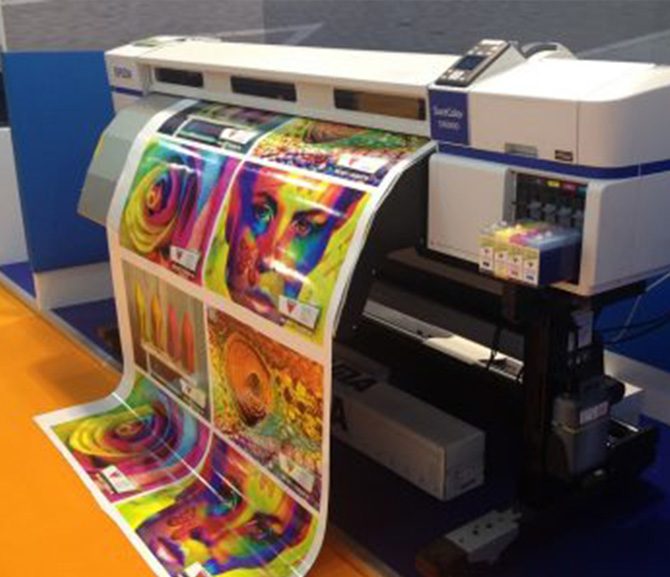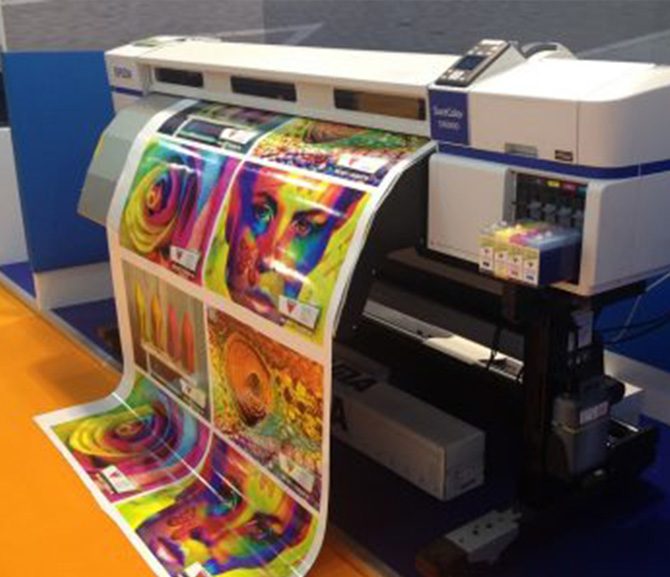
Overview of Booklet Printing in Singapore
Booklet printing in Singapore has become an essential service for a wide range of industries, including corporate marketing, educational institutions, event management, and non-profit organizations. These professionally produced booklets serve as informative brochures, promotional materials, training manuals, and event programs, providing a compact yet comprehensive way to communicate messages effectively. The high standards of quality, precision, and timely delivery are critical for clients who rely on these printed materials to promote their brand, disseminate information, or support operational needs.
In Singapore’s competitive market, booklet printing services maintain strict industry standards to ensure consistency, durability, and visual appeal. This involves a variety of formats, binding options, and paper choices designed to meet specific client requirements. The industry has adapted to the growing demand for quick turnaround times without compromising quality, making efficient production methods increasingly vital for businesses and organizations that operate on tight schedules.

Common uses of printed booklets include marketing campaigns, product catalogs, event programs, training manuals, and educational materials. Businesses often rely on sophisticated digital printing techniques that align with industry standards to guarantee sharp graphics, accurate colors, and durable finishes. As such, knowing the scope and standards of booklet printing within Singapore helps organizations plan their projects efficiently and select the service providers best suited to their needs.
Understanding Fast Booklet Printing
Fast booklet printing refers to the process of producing high-quality printed booklets within significantly reduced timeframes. This approach is essential for organizations that need to meet urgent deadlines, such as last-minute marketing campaigns, event handouts, or emergency communication materials. Unlike traditional printing, which might take days or weeks, fast booklet printing prioritizes speed without sacrificing clarity, consistency, or durability.
To achieve this, specialized digital printing technologies and streamlined workflow processes are employed. These methods allow for quick file processing, efficient printing, and rapid finishing, making it possible to deliver a professionally finished product in a fraction of the usual production time. Understanding the nuances of fast booklet printing enables clients to plan projects effectively, ensuring that their visual and informational standards are maintained despite tight schedules.
Key Technologies and Equipment for Fast Turnaround
Rapid booklet production relies on advanced digital presses capable of high-speed output without compromising print quality. Technologies such as inkjet and digital toner presses are the backbone of fast printing services, providing flexibility for short runs and quick adjustments. Additionally, automated binding and finishing equipment, including saddle-stitchers, corner cutters, and folding machines, accelerate the final stages of production.
Modern print facilities invest heavily in workflow management systems that integrate design, printing, and finishing processes. These systems minimize manual intervention, reduce errors, and enable precise scheduling, which cumulatively results in faster turnaround times. The availability of multiple presses and the strategic organization of production lines further enhance capacity, allowing for larger orders to be fulfilled swiftly.

Design and File Preparation for Speed
Preparing files correctly is crucial for efficient and quick booklet printing. High-quality design files prepared with attention to bleed, margins, and resolution ensure smooth processing and reduce the need for revisions. Using industry-standard formats, such as PDF, with embedded fonts and linked high-resolution images helps maintain color fidelity and sharpness.
Clients are advised to work closely with their printing service providers during the design phase to align specifications with the printing technology. Proper file preparation minimizes errors, reduces delays, and guarantees that the final product meets expectations. Clear communication and sharing detailed print specifications upfront are essential steps in achieving a rapid turnaround.
Materials and Finishing Options for Rapid Production
Choosing the right materials can significantly impact the speed of production. Light-weight papers, compatible with high-speed digital presses, facilitate quick printing and binding. A variety of finishing options, including gloss or matte coatings, folding, perforations, and laminations, can be added swiftly with modern equipment.
Pre-selected standard materials often lead to faster processing, while custom options may require additional lead time. Reliable print providers maintain a stock of common materials and finishes to accommodate urgent requests, ensuring that clients receive their booklets promptly without sacrificing quality or aesthetic appeal.
Benefits of Choosing Fast Booklet Printing
Opting for fast booklet printing offers numerous advantages:
- Quick turnaround times accommodate urgent deadlines and last-minute projects.
- Enhanced flexibility in project planning, allowing for spontaneous marketing or communication efforts.
- Consistent quality maintained through advanced digital technologies and experienced production teams.
- Cost-effective solutions for small to medium runs, reducing inventory and storage needs.
- Competitive edge in rapidly changing markets by enabling swift dissemination of promotional materials.
Best Practices for Ensuring Quick Turnaround
To maximize the benefits of fast booklet printing, clients should:
- Provide precise and print-ready files that adhere to the printer’s specifications.
- Choose standard materials and finishes that are readily available and compatible with digital printing processes.
- Communicate deadlines clearly and early in the process.
- Work with experienced print providers who have dedicated workflows for rapid turnarounds.
- Request sample proofs promptly to confirm design accuracy before full production.
Selecting a Reliable Fast Booklet Printing Service in Singapore
When seeking a reliable fast booklet printing service in Singapore, consider factors such as technological capabilities, turnaround history, and customer reviews. A reputable provider will have a proven track record of delivering high-quality products within tight deadlines. Additionally, a full-service provider offers comprehensive options, from consultation and design support to various finishing methods, ensuring seamless project execution.
Partnering with experienced professionals like those at expressprintingsi.com ensures that your urgent printing needs are met with precision, efficiency, and consistent quality, ultimately supporting your organizational goals effectively and professionally.
Understanding Fast Booklet Printing
Fast booklet printing is a specialized service designed to produce high-quality booklets within abbreviated timelines, catering to urgent organizational or marketing needs. This process leverages advanced digital printing technologies to significantly shorten production cycles compared to traditional offset methods. Typically, turnaround times can range from same-day service to a few days depending on the complexity and volume of the order. The primary features that distinguish fast booklet printing include rapid file processing, streamlined production workflows, and efficient finishing techniques, all aimed at delivering a completed product promptly without compromising on quality.
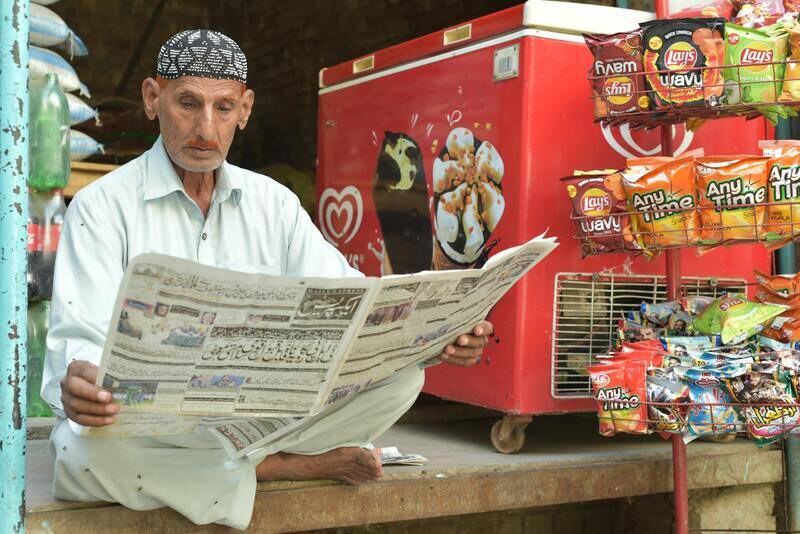
Clients opting for fast booklet printing benefit from highly responsive processes, allowing them to respond swiftly to market opportunities or unforeseen changes in project schedules. The use of high-speed digital presses ensures that each booklet maintains consistent quality while significantly reducing production times. Moreover, this service supports various sizes, formats, and finishing options, making it adaptable to diverse requirements ranging from promotional brochures to detailed instruction manuals.
Key Technologies and Equipment for Fast Turnaround
Central to expediting booklet production are state-of-the-art digital presses capable of high-speed, high-resolution printing. These devices often include features like automated duplexing, inline binding, and finishing mechanisms such as folding, cutting, or laminating. Additionally, advanced software solutions facilitate quick file processing, color management, and layout adjustments, enabling seamless transitions from design to print.
- High-speed digital printers with large-format capabilities
- Automated binding and finishing equipment
- Prepress software optimized for rapid processing
- Advanced workflow management systems for project tracking
Such technological integration not only accelerates production but also enhances consistency and minimizes errors, ensuring each booklet adheres to the desired standards within a compressed timeframe.
Design and File Preparation for Speed
Preparing your files properly is crucial for ensuring a swift printing process. Clients should adhere strictly to the printer’s specifications regarding file formats, resolution, bleed margins, and color profiles. Using vector-based graphics and embedded fonts reduces processing delays and avoids discrepancies. Additionally, simplifying complex designs or reducing the number of colors can facilitate faster printing and drying times.
Submitting print-ready files well in advance of deadlines and confirming design details through sample proofs helps prevent delays. Clear communication about specific requirements, such as fold types, binding styles, or special finishes, ensures immediate execution once files are approved.
Materials and Finishing Options for Rapid Production
Choosing readily available, compatible materials optimizes the speed of production. Standard paper stocks, such as gloss or matte finishes, are preferable since they are compatible with digital presses and require minimal setup. Finishing options like saddle stitching, perfect binding, or plastic comb binding are commonly handled in-house or via quick-turnaround partners for faster completion.

Requesting the use of pre-selected materials and finishes can significantly cut down on lead times. For projects that demand special surface treatments or custom covers, planning ahead and choosing standard options ensures swift processing without sacrificing the desired aesthetic or durability.
Key Technologies and Equipment for Fast Turnaround
To achieve efficient and high-quality booklet production within tight deadlines, modern printing facilities rely on a combination of advanced digital printing technologies and specialized equipment. Digital presses, such as high-speed toner and inkjet printers, are essential for producing crisp imagery and text rapidly, often enabling same-day or next-day outputs for small to medium runs. These systems minimize setup times and allow for quick adjustments, which is vital when multiple revisions or urgent orders are involved.
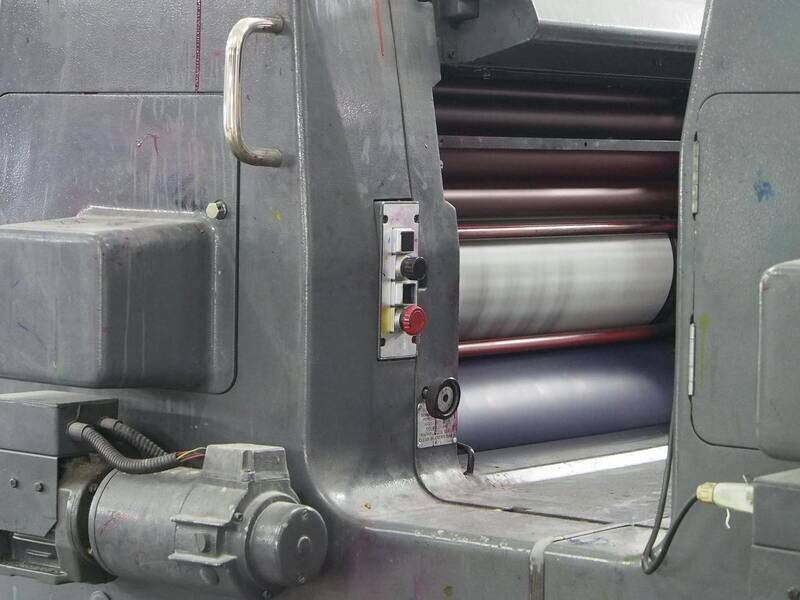
Furthermore, cutting-edge finishing machines like saddle stitchers, perfect binders, and folding units are equipped with automation features that can handle high volumes efficiently. Automated folding, trimming, and binding allow for consistent quality and faster completion times. Notably, inline finishing options—where binding and trimming happen as part of the print run—significantly reduce production timelines.
In addition to core printing and binding equipment, digital proofing systems accelerate the prepress process by providing immediate visual confirmation of designs. This minimizes errors and reduces the need for costly reprints, ensuring the project stays on schedule. Workflow management software integrated with these technologies also enhances coordination, enabling seamless communication across production stages and quick adjustments when needed.
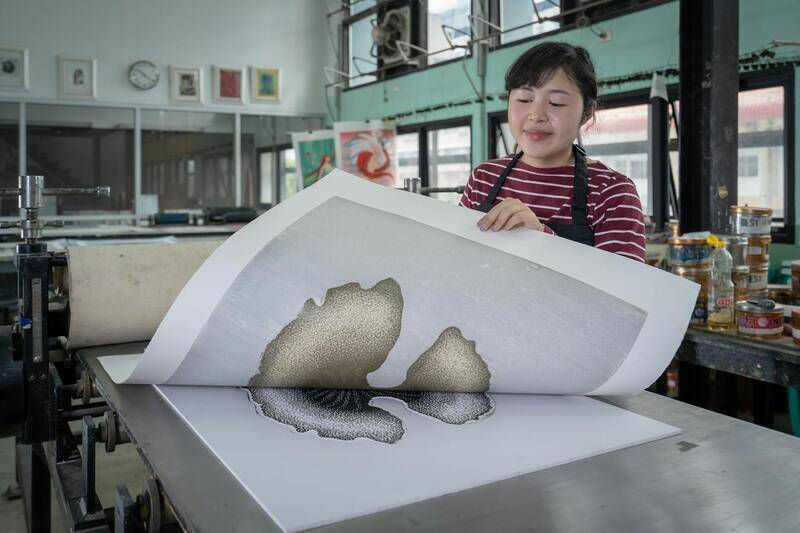
Choosing a printing provider equipped with the latest technologies not only ensures a rapid turnaround but also guarantees the end product meets high standards of clarity, durability, and aesthetic appeal. The combination of advanced digital presses, automated finishing tools, and integrated workflow systems forms the backbone of effective fast booklet printing services capable of adapting to diverse project demands.
Materials and Finishing Options for Rapid Production
Achieving swift booklet production not only depends on cutting-edge technology but also hinges on selecting appropriate materials and finishing options that align with the expedited timeline. High-quality, versatile substrates such as coated or matte papers are frequently used because they facilitate fast printing and drying times, enabling quicker handling and binding processes. These materials support vibrant color reproduction and sharp image details, which are essential for professional presentation even when time is constrained.
In addition to paper selection, finishing options play a vital role in meeting tight deadlines without compromising the final appearance and durability of the booklets. For bulk orders requiring rapid turnaround, finishing techniques such as saddle stitching and perfect binding with hot-melt adhesives are preferred due to their efficiency and reliability. In particular, saddle stitching is highly suitable for booklets of various sizes, offering swift assembly through automated staple insertion and folding. Perfect binding, though traditionally time-consuming, can now be expedited through advanced binding lines capable of quick adhesive application and trimming.

Printing papers with stable dimensions and quick-drying properties contribute to smoother production lines. Films and laminates used as protective coatings can also be incorporated efficiently into the workflow, especially with inline finishing setups that combine printing, coating, and binding in one integrated process. Such solutions not only speed up production but also produce durable, moisture-resistant, and aesthetically appealing booklets suitable for diverse distribution channels.
When considering finishing techniques, automated folding, trimming, and binding systems are crucial for maintaining high quality during rapid production runs. Inline options allow finishing steps to happen seamlessly during the print cycle, eliminating delays caused by manual handling or multiple process stages. This integrated approach ensures that the final product adheres to stringent standards of presentation and durability, even under tight schedules.
Choosing the right combination of materials and finishing options tailored for high-speed production allows printing providers to deliver quality booklet outputs consistently and efficiently. This strategic selection enhances operational workflows, ensures timely delivery, and upholds the professional standards expected from high-volume, fast-turnaround projects.
Materials and Finishing Options for Rapid Production
In fast booklet printing, selecting appropriate materials and finishing options is critical to achieving rapid production without sacrificing quality or durability. The choice of paper, binding, and finishing methods directly influences the production speed, cost efficiency, and the final appearance of the booklets.
Paper Choices for Quick Turnaround
Opting for stable, lightweight papers with quick-drying properties is essential for speeding up the printing process. Coated papers such as gloss or matte finishes facilitate fast ink absorption and drying times, reducing delays caused by smudging or set-off. Uncoated papers with optimized sizing can also be used for certain projects requiring a softer tactile feel while maintaining fast handling times. Additionally, pre-cut or ready-to-use paper stocks streamline the input process, minimizing setup times and ensuring consistent quality across production runs.
Binding Techniques Supporting Speed
Fast booklet binding typically involves simplified methods that can be automated and integrated into high-speed workflows. Saddle stitching remains the most efficient binding method for booklets, allowing for quick assembly and neat presentation. Perfect binding using hot glue can also be employed for thicker booklets where a more polished look is desired. Recently, adhesive binding systems with rapid curing adhesives are gaining popularity due to their ability to secure pages firmly within seconds, significantly reducing the overall production cycle.
Finishing Options Enhancing Efficiency
Inline finishing systems such as folding, trimming, and binding machines play a vital role in rapid production environments. Automated folding machines can process large volumes quickly, preparing pages for assembly without manual intervention. Inline trimming ensures uniform edges and removes excess paper swiftly, maintaining a professional appearance with minimal delays. Coating and lamination can be seamlessly integrated into high-speed presses, providing moisture resistance and enhanced aesthetics. These inline processes not only speed up the production but also ensure consistency and durability in every booklet.

Manufacturers often select multi-functional machinery capable of executing multiple finishing steps concurrently to optimize workflow efficiency. Such integrated solutions minimize manual handling and reduce turnaround times, ensuring that large orders are completed within tight deadlines without compromising on quality standards. The use of compatible materials and finishing products designed for rapid processing also plays a crucial role in maintaining the integrity and presentation of the final product, regardless of volume or complexity.
Best Practices for Ensuring Quick Turnaround
When aiming for rapid booklet production, meticulous planning and strategic execution are critical. Start by ensuring your design files are optimized for quick printing. Use high-resolution images and vector graphics to prevent delays caused by reformatting or troubleshooting files. Additionally, organize and review all files thoroughly, confirming that bleed, margins, and color profiles adhere to the printer's specifications. Proper file preparation prevents errors that can lead to delays during the production process.
Communicating effectively with your chosen printing provider is essential. Provide clear instructions regarding quantities, finishing preferences, and deadlines. Confirm that the service specializes in fast turnaround projects and has the capacity to handle urgent orders without sacrificing quality. Regular communication throughout the process helps identify potential issues early, allowing for prompt resolution and ensuring a smooth workflow.

Choosing the right materials also influences turnaround times. Opt for ready stock papers and binding supplies that are compatible with high-speed equipment. Pre-approved materials reduce the risk of delays caused by unavailable or incompatible substrates. Request samples if necessary to verify quality and compatibility, especially when specifying special finishes or coatings.
Implementing a streamlined proofing process is another key aspect. Digital proofs can be reviewed and approved quickly, eliminating the need for physical samples in many cases. Ensure your printer offers efficient digital proofing tools that allow fast, accurate approvals. This reduces waiting periods and accelerates the entire production cycle.
Leveraging automated workflows and inline finishing options further boosts efficiency. Modern printing facilities incorporate inline folding, binding, trimming, and other finishing processes, minimizing manual handling and reducing overall production time. When selecting a service, inquire about their use of multi-functional and high-speed machinery to guarantee rapid completion of your booklet orders.
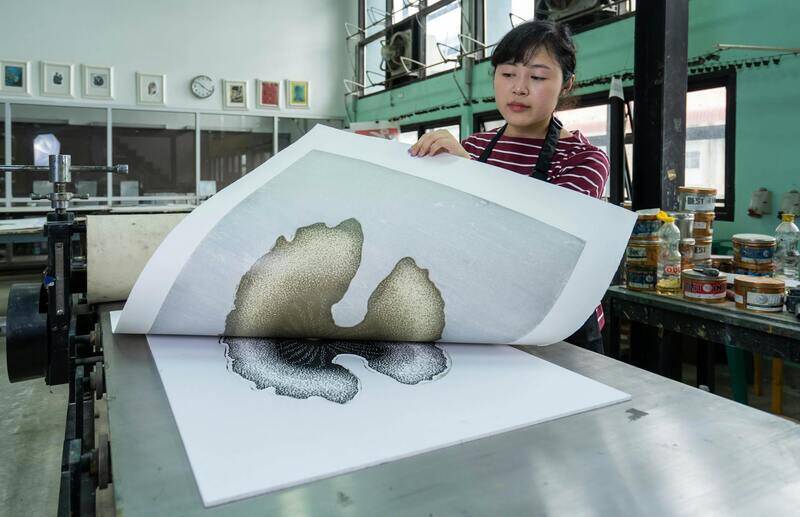
Finally, establishing a clear timeline with your printing provider that accounts for all production stages—from design submission to final delivery—helps ensure an on-schedule release. Regular updates and proactive adjustments to your project plan allow you to meet tight deadlines efficiently. When all these best practices are implemented cohesively, your fast booklet printing project can be executed seamlessly, delivering quality products within demanding timeframes.
Overview of Booklet Printing in Singapore
Booklet printing remains a popular choice for organizations and individuals seeking effective marketing, educational materials, or event programs. In Singapore, the demand for high-quality, quick turnaround printing solutions has surged, driven by tight schedules and competitive markets. The city-state’s sophisticated print industry caters to this need by offering a variety of printing services that combine advanced technology with efficient workflows. Quick turnaround is particularly significant for businesses that require last-minute promotional materials or for event organizers needing programs printed and ready shortly before an event. The ability to produce professionally finished booklets rapidly without compromising on quality is a critical advantage in this vibrant marketplace.

Understanding Fast Booklet Printing
Fast booklet printing involves the use of specialized machinery, optimized workflows, and strategic pre-press preparations to drastically reduce production timeframes. This process is often employed when timelines are compressed, yet the expectation for high-quality output remains. The core principle is streamlining every stage of the printing process—from design finalization, file preparation, and substrate selection to printing, finishing, and delivery—while maintaining precision and durability. For clients, engaging with providers that prioritize speed involves understanding their capacity for rapid setup, in-line finishing, and efficient logistics.
Key Technologies and Equipment for Fast Turnaround
- High-speed digital presses capable of printing large volumes swiftly without sacrificing quality
- Inline finishing equipment that performs binding, folding, cutting, and trimming in a single flow, reducing manual handling
- Automated process management systems that coordinate different stages seamlessly to avoid delays
- Quick-change platens and modular setups that enable rapid shift between job specifications

Design and File Preparation for Speed
Efficiency begins long before hitting the print button. Properly prepared files—optimized for digital printing—can significantly reduce setup times. This involves ensuring all fonts are embedded, images are at appropriate resolution, and color profiles are correctly managed. Templates should be used to standardize margins, bleeds, and fold lines, allowing quick adjustments without extensive revisions. Clear communication with the printer about specifications and any special finishing requirements can prevent last-minute adjustments that slow down the process. In addition, digital proofing tools accelerate approval cycles, enabling rapid sign-offs and reducing wait times.
Materials and Finishing Options for Rapid Production
Selection of substrates and finishing options plays a crucial role in achieving swift production cycles. Lightweight papers and pre-approved material stocks facilitate faster processing, especially with inline feeding and finishing machinery. Coatings such as matte or gloss can be applied inline, minimizing additional handling. Laminations, embossing, or foil stamping typically require separate processes, so they are less favored when speed is paramount. For documents requiring durability or a premium look, choosing quick-drying finishes and high-performance substrates ensures both quality and speed. An expanding range of compatible stocks in Singapore's print shops supports rapid customization without significant delays.
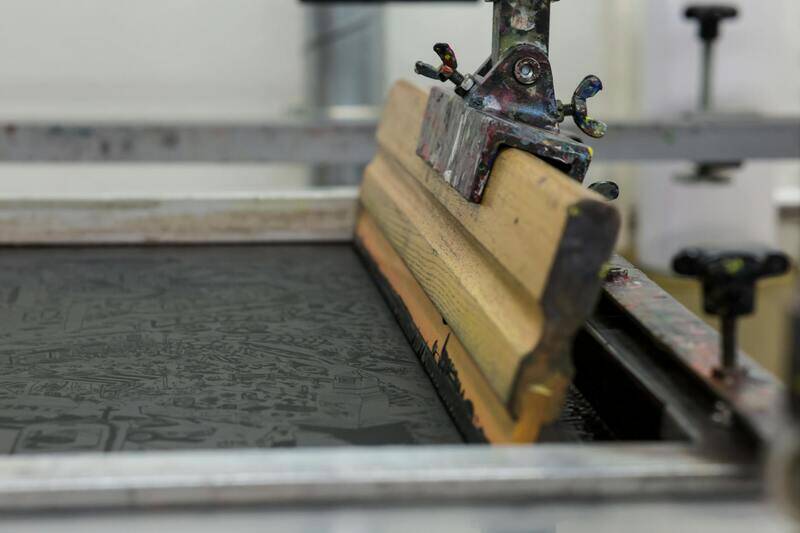
Benefits of Choosing Fast Booklet Printing
Opting for expedited booklet printing provides tangible advantages for businesses and event organizers. Primarily, it ensures that project deadlines are consistently met, allowing timely distribution of marketing materials or program guides. The ability to respond quickly to market changes, last-minute event requirements, or urgent communications enhances strategic agility. Additionally, fast printing services often incorporate automated workflows and inline finishing, which not only save time but also reduce the risk of errors and inconsistencies. This approach results in high-quality products delivered promptly, helping maintain professional standards without compromising on presentation or content integrity.
Overview of Booklet Printing in Singapore
Singapore's vibrant business environment and dynamic marketing landscape demand printing solutions that are both efficient and high-quality. Booklet printing, a versatile format suitable for brochures, event programs, product catalogs, and corporate reports, has seen a significant shift towards rapid turnaround services. With numerous local printing providers equipped to meet diverse needs, businesses can now access fast booklet production without compromising on detail or fit and finish. The competitive nature of the industry has led to innovations in printing technologies and workflow automation, ensuring timely delivery for urgent projects and last-minute requirements.

Understanding Fast Booklet Printing
Fast booklet printing combines advanced technology, streamlined processes, and strategic planning to deliver print projects within tight timeframes. Unlike traditional methods that may involve multiple manual steps, rapid printing leverages high-speed digital or offset presses capable of handling large volumes efficiently. The key is to optimize every stage—from file preparation and material selection to printing and finishing—ensuring minimal delays. This approach is especially advantageous for time-sensitive campaigns, trade shows, or corporate events, where delivering professional-quality booklets swiftly can make a significant difference in communication effectiveness.
Key Technologies and Equipment for Fast Turnaround
- High-Speed Digital Printers: Capable of producing high-quality prints with quick setup times, ideal for short runs and customized copies.
- Automated Offset Presses: Suitable for large-volume jobs where speed and precision are crucial, reducing manual interventions.
- Inline Finishing Equipment: Integrates binding, folding, and trimming processes directly into the printing workflow, significantly reducing turnaround time.
- Pre-Loaded Material Stocks: Readily available substrates that streamline the printing process, eliminating delays associated with material sourcing.
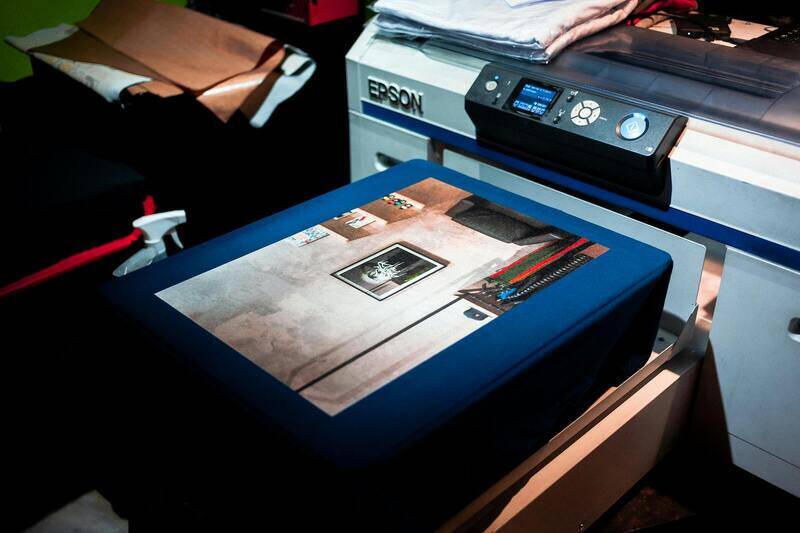
Design and File Preparation for Speed
Efficient design and careful file preparation are critical to achieving rapid production timelines. Utilizing standardized templates and adhering to printing specifications streamline the process, reducing the likelihood of errors or adjustments during printing. Files should be optimized for digital or offset printing by ensuring proper color profiles, resolution, and bleed settings are in place. Using vector graphics for logos and icons helps maintain clarity at high speeds, while embedding fonts prevents discrepancies. Early coordination with the printer regarding layout, margins, and print parameters can prevent last-minute revisions and expedite the entire workflow.
Materials and Finishing Options for Rapid Production
- Paper Stocks: Lightweight, compatible papers such as 70-80gsm. These allow quicker feeding and drying times.
- Coatings: Inline matte or gloss coatings provide finish durability without additional processing time.
- Binding and Folding: Saddle stitching or wire-o binding can be completed swiftly inline, whereas perfect binding may require longer.
- Special Finishes: Laminations, embossing, or foil stamping generally require separate processes and may need to be prioritized based on project urgency.

Benefits of Choosing Fast Booklet Printing
Opting for quick booklet printing offers several strategic advantages. It ensures critical deadlines are met without sacrificing quality, allowing organizations to seize opportunities for impactful communication. Rapid turnaround also supports just-in-time marketing and promotional efforts, enabling more agile campaign adjustments. Automated workflows reduce manual errors, enhance consistency, and speed up delivery times. Furthermore, local print service providers often have extensive inventories of compatible stocks and sophisticated machinery that support bespoke projects, even when deadlines are tight. This combination of speed and quality fosters a professional image and enhances stakeholder engagement.
Best Practices for Ensuring Quick Turnaround
- Early Coordination: Engage with your chosen printer early in the process to clarify specifications and adjust timelines accordingly.
- File Optimization: Prepare clean, print-ready files following the printer’s guidelines to minimize revisions.
- Material Selection: Choose from in-stock, proven materials suited for fast printing processes.
- Design Simplification: Opt for straightforward designs that require less complex finishing, saving time.
- Clear Communication: Maintain open lines with the printing team to promptly address any issues or adjustments.