Overview of the Printing Industry in Singapore
Singapore's printing industry has evolved significantly over several decades, establishing a robust foundation as a vital component of the nation's creative, commercial, and industrial sectors. Historically rooted in traditional methods such as letterpress and offset printing, the industry has experienced rapid transformation fueled by technological advances and an increasing demand for diverse and innovative print solutions. Today, the industry encompasses a broad spectrum of services that cater to various sectors including advertising, packaging, publishing, and corporate branding.
The size of Singapore's printing market reflects its strategic importance to the economy and its capacity for technological integration. With a dense business landscape and a multilingual population, there is a continuous need for printed materials ranging from marketing collateral to technical manuals. The industry is characterized by a mix of established print houses, boutique specialty printers, and integrated digital print service providers, all contributing to a competitive marketplace that prioritizes quality, efficiency, and sustainability.

The industry's scope extends globally through exports of printed materials and locally through an extensive network of service providers who serve Singapore’s diverse market needs. Advanced digital printing, large-format printing, and packaging printing are among the key segments experiencing consistent growth. As the demand for customized and short-run print products increases, Singapore’s printing companies continue to innovate and adapt in response to market shifts.
Market Segments and Industry Size
- Commercial Printing: Encompasses marketing materials, flyers, posters, and business stationery, forming the backbone of Singapore's print sector.
- Packaging Printing: Vital to product branding, packaging printing includes labels, cartons, and flexible packaging solutions.
- Publishing: From books and magazines to educational materials, publishing remains a significant segment within the industry.
- Signage and Display: Large-format and display printing services support advertising campaigns and corporate branding efforts.
- Specialty and Niche Printing: Includes textiles, promotional items, and customized print solutions tailored to specific client needs.
Through continuous investment in innovative technologies and a focus on sustainable practices, Singapore’s printing industry maintains its competitive edge globally while supporting local business growth and consumption trends.
Overview of the Printing Industry in Singapore
Singapore's printing industry is recognized for its high standards of quality, efficiency, and technological innovation. Its firms utilize state-of-the-art machinery and adopt industry best practices to meet the diverse needs of local and international clients. The sector is characterized by its robust supply chain, which seamlessly integrates raw material sourcing, production, and distribution channels to ensure timely delivery of printed products.

The industry’s growth is driven by the rising demand for precise, high-quality print outputs across multiple sectors such as retail, hospitality, education, and corporate services. Digital transformation has played a pivotal role, enabling quick turnaround times, customized solutions, and cost-effective short-run printing. As a result, firms continue to invest in advanced digital presses, automation tools, and quality control systems to enhance productivity and output consistency.
Within these expanding segments, commercial printing takes a significant share, supporting marketing campaigns with high-impact visual materials. Packaging printing caters to a booming consumer goods industry, with innovations in labels, cartons, and flexible packaging boosting brand visibility. The publishing sector remains resilient, adapting to digital trends by offering integrated print and digital content solutions, particularly for educational resources and local literature. Signage and display printing are essential for advertising and event marketing, offering large-format, vibrant visuals that capture attention in bustling commercial districts.
Specialty and niche printing serve unique client requirements, including textiles for fashion and interior design, customized promotional items, and bespoke packaging solutions. These services often encompass a personalized approach, utilizing innovative printing methods such as sublimation, UV printing, and textured finishes.
Singapore's commitment to sustainable and environment-friendly practices is evident in its adoption of green inks, recyclable substrates, and energy-efficient machinery. Industry players actively seek ways to reduce waste, enhance recycling, and implement eco-conscious processes, aligning with global sustainability goals while maintaining competitive pricing and high standards.
Types of Printing Services Offered
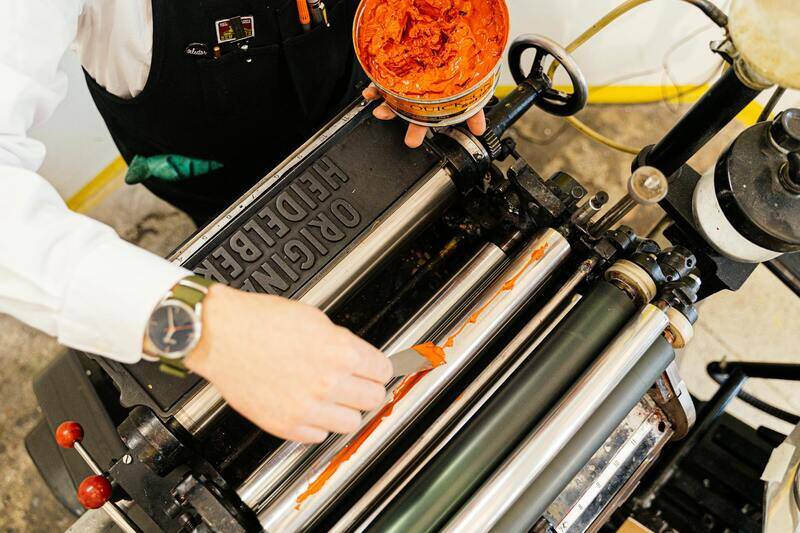
In Singapore, clients can access a comprehensive range of printing techniques tailored to specific project needs. Digital printing, renowned for its fast turnaround and excellent quality, is ideal for small to medium-sized runs, customized printing, and quick proofs. Offset printing remains a mainstay for large-volume jobs requiring superior color fidelity and sharp detail, often used for brochures, catalogs, and magazines.
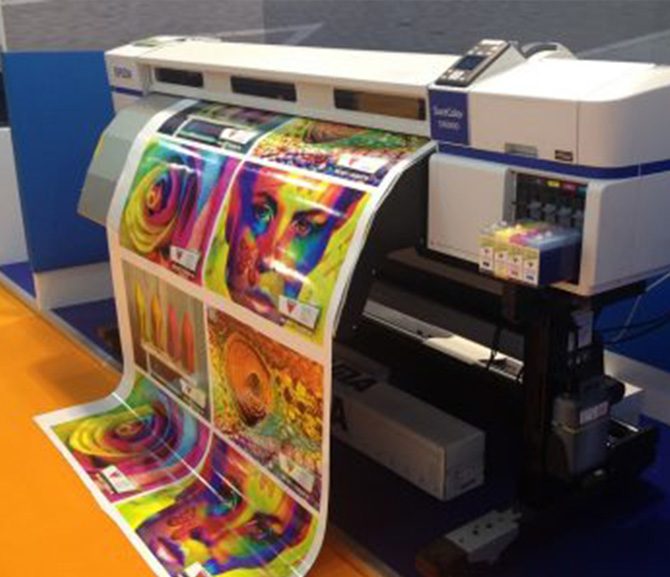
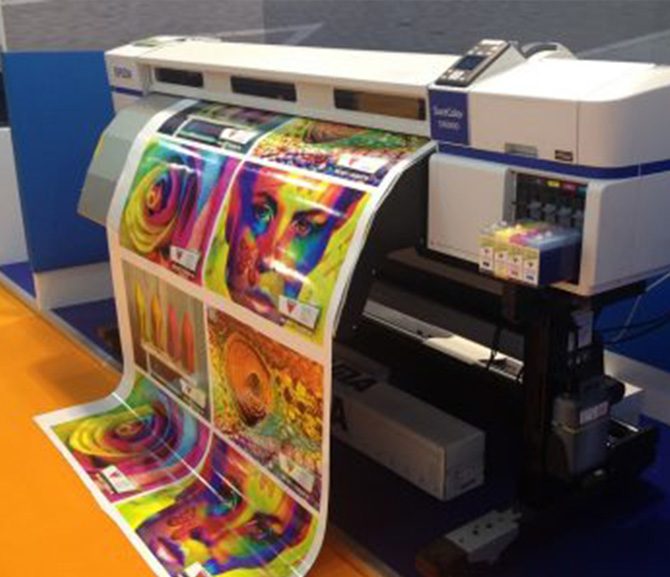
Large-format printing is specially designed for banners, posters, billboards, and retail displays, enabling expansive visuals with vibrant color reproduction. Additionally, specialty printing methods such as UV printing, die-cutting, embossing, and textured finishes provide creative options for branding, packaging, and promotional materials. These advanced techniques allow businesses to stand out through tactile and visual effects that elevate their marketing impact.

Whether clients require sleek corporate stationery, eye-catching advertising posters, or custom textiles, Singapore’s printing services encompass a spectrum of options with the flexibility to match unique project demands.
Popular Printing Materials and Substrates
In Singapore’s diverse printing landscape, selecting the appropriate substrate is crucial to achieving desired visual and functional outcomes. Commonly utilized materials include various types of paper, which range from gloss and matte finishes to specialty papers like recycled or textured options, suitable for business cards, flyers, and brochures. Vinyl is frequently chosen for outdoor signage and banners due to its durability and resistance to weather conditions, making it ideal for both temporary and long-term displays.
Fabric substrates are increasingly popular for textile printing, including custom apparel, banners, and promotional items. Their flexibility and vibrant color retention allow brands to communicate their message vividly in live events or retail displays. Plastic and polyester materials are also used for waterproof posters, labels, and packaging materials, providing a versatile base for both digital and offset printing techniques.
Corrugated boards serve as the primary material for packaging and shipping solutions, with print options that enhance branding on boxes, cartons, and display stands. These substrates support a broad spectrum of printing methods, including screen, offset, and digital printing, to produce eye-catching retail displays and packaging with structural integrity.

Technologies and Equipment in Singapore Printing Services
The printing industry in Singapore is characterized by its adoption of cutting-edge technology and modern equipment. Digital presses enable quick turnaround times and high-quality output, especially for short runs and customized jobs. Offset printers, equipped with large-format presses, handle high-volume projects with impeccable color accuracy and sharpness, maintaining consistency across large batches of materials such as catalogs, magazines, and annual reports.
Large-format printing machines play a pivotal role in producing expansive visuals for outdoor advertisements, event displays, and retail environments. UV printing technology is gaining traction for its ability to produce vibrant images on non-porous surfaces such as acrylics, metals, and glass, expanding creative possibilities. Additionally, specialty finishing equipment, like embossing and die-cutting machinery, elevate printed materials by adding tactile textures and intricate cutouts that enhance branding and visual appeal.

Key Factors to Consider When Choosing a Printing Service
When selecting a printing partner in Singapore, it is essential to evaluate several key factors to ensure optimal results. Quality assurance measures, including adherence to color consistency and finishing standards, influence the final product's appearance and durability. Turnaround time is equally important, especially for time-sensitive campaigns or events, so understanding the service provider’s efficiency guarantees is vital.
Another critical aspect is the range of available services and materials, ensuring the provider can accommodate diverse project requirements—from small-scale business cards to large-format signage. Capacity and scalability are also worth considering, particularly for clients with ongoing or expanding printing needs. Customer support, including consultation on design and material choices, helps streamline the process and secure a final product that aligns with branding objectives.

Enforcement of Strict Quality Control Measures
In Singapore's competitive printing sector, rigorous quality control processes are essential to meet the high standards expected by clients across diverse industries. Printing companies employ comprehensive inspection protocols at multiple stages of production, ensuring that each print run adheres to specified color accuracy, resolution, and finishing standards. This meticulous approach minimizes errors and guarantees consistency, which is particularly vital for branding materials, corporate communications, and promotional items that demand professional-grade presentation.
Advanced color management systems are often integrated into the workflow, utilizing spectrophotometers and color spectrometers to achieve precise color matching and reproducibility. These technologies help in maintaining brand consistency across different batches and media, a critical factor for companies that rely on uniformity in their marketing collateral. Moreover, skilled operators and quality assurance personnel conduct manual and automated checks, catching issues such as misalignments, blemishes, or material defects before delivery.

Legal Compliance and Industry Certifications
Adherence to Singapore's regulatory standards is a cornerstone of reputable printing establishments. These companies comply with safety regulations for material handling, environmentally sustainable practices, and certification standards that validate their credentials. Certifications such as ISO 9001 for quality management and ISO 14001 for environmental management are frequently held, reinforcing their commitment to lawful and responsible operations.
This compliance not only guarantees that the printing processes meet national and international standards but also reinforces trust with clients who prioritize ethical and environmentally conscious practices. Many Singaporean printing firms also participate in industry-specific certification programs, providing added assurance of their expertise in specialized printing niches such as packaging, security printing, and large-format advertising products.

Strict Trademark and Intellectual Property Protections
Protecting intellectual property is a critical component of Singapore's robust legal framework. Printing businesses operate under stringent policies to ensure the confidentiality and security of sensitive materials such as proprietary designs, trademarks, and confidential client information. Many providers implement secure handling procedures, including restricted access to design files and secure storage of physical proofs, to prevent unauthorized use or theft.
Clients engaging in high-stakes projects—such as legal documents, branded merchandise, or confidential promotional campaigns—can rely on these measures for peace of mind. Additionally, reputable printers often have contractual agreements that specify data protection protocols and intellectual property rights, fostering a trustworthy environment for delicate or valuable projects.

Advanced Techniques and Quality Assurance in Singapore Printing Services
In Singapore, the printing industry is characterized by a commitment to employing cutting-edge technology to meet the diverse demands of businesses and individuals. Printing companies leverage high-resolution digital presses, offset printing presses with automated setups, and specialized finishing equipment to produce products that meet exact specifications. These technologies facilitate the production of sharp images, vibrant color reproduction, and detailed text, ensuring that each print job aligns with client expectations.
Quality assurance is integral to sustaining trust and maintaining industry standards. Reputable printers adopt rigorous quality control protocols—such as initial proofing, color calibration, and consistent machine maintenance—to prevent errors and ensure uniformity throughout large runs. Regular inspections, statistical process control (SPC) methods, and sophisticated color management systems help detect inconsistencies early, allowing correction and ensuring the final output reflects high professionalism.
Many printers also employ environmental controls within their production facilities. Climate stability, dust control, and humidity regulation help maintain precision and prevent material degradation, particularly for delicate substrates like fine art papers and thin plastics. The integration of digital workflow automation further enhances consistency, reduces human errors, and accelerates turnaround times.

Key Methods of Ensuring Legitimate Printing in Singapore
Ensuring that print products in Singapore are produced through legitimate channels involves a thorough understanding of the official procedures and recognized standards within the industry. Businesses and individuals seeking printing services should prioritize working with reputable providers known for adherence to established practices. This involves choosing companies that possess appropriate licenses, certifications, and a track record of consistency and transparency in their operations.
The first step in verifying the legitimacy of a printing service is to confirm their registration with relevant statutory bodies and industry associations. These registrations attest to their compliance with local regulations and industry benchmarks, providing assurance of their operational integrity. It is advisable to request proof of such credentials during initial consultations to avoid unverified vendors who may cut corners or use substandard materials.

In addition, trusted printing companies often maintain a transparent pricing structure and contractual process. A legitimate provider will issue detailed quotations outlining costs for materials, technologies employed, and turnaround times. Clear communication and comprehensive documentation help establish a professional relationship founded on mutual understanding and respect.
Another essential factor is the provider's adherence to industry standards such as ISO certifications. Recognized standards like ISO 9001 for quality management and ISO 12647 for color consistency reinforce the print provider's commitment to excellence and appropriateness of their production processes. These standards ensure that all outputs meet consistent quality criteria, which is vital for branding and corporate identity.
Moreover, authentic printing establishments often participate in local industry awards and accreditation programs. Such recognitions not only validate their expertise but also demonstrate their commitment to maintaining high standards of workmanship. For clients, these serve as trustworthy markers of a provider’s reliability and professionalism.
Utilizing Certified Digital Proofing and Quality Assurance
Advanced digital proofing solutions are widely implemented by reputable printing services to ensure that clients can review pre-production samples. This process allows for early detection of errors, color mismatches, or design inconsistencies, thereby preventing costly reprints. When engaging with a printer, verifying their provision of digital proofing capabilities can be an effective step toward ensuring legitimacy.
Furthermore, many providers incorporate rigorous quality assurance practices. These include detailed inspection routines, adherence to color accuracy protocols, and traceability of each print batch. Proper documentation of the entire production process lends transparency and accountability, which are key indicators of legitimate, dependable printing providers.
Ensuring Ethical Business Practices and Compliance
Legitimate printing services in Singapore also adhere strictly to ethical business conduct and compliance regulations. This encompasses fair pricing, respectful handling of customer data, and commitment to sustainable practices. Engaging with providers who demonstrate responsible conduct contributes to maintaining industry standards and supports fair competition within the sector.

Lastly, prospective clients should conduct due diligence by reviewing customer testimonials, case studies, and industry reputation. Seeking referrals or recommendations from trusted sources adds an additional layer of confidence that the chosen printing company is operating via legitimate channels and meet the high-quality expectations essential for professional print outcomes.
Overview of the Printing Industry in Singapore
The printing industry in Singapore is a dynamic and integral part of the country’s vibrant business landscape. It caters to a broad spectrum of needs, ranging from corporate marketing materials and packaging to personal projects and artistic creations. Known for its advanced technological infrastructure and highly skilled workforce, Singapore’s printing sector continually adapts to global trends and local demands, ensuring high standards of quality, efficiency, and sustainability. The industry’s progression has been driven by innovations in digital printing, automation, and eco-friendly practices, allowing providers to deliver tailored solutions that meet the specific needs of diverse clients.
Types of Printing Services Offered
Singapore-based printing companies offer a comprehensive range of services to accommodate the multifaceted needs of their clientele. These include:
- Commercial Printing: Brochures, flyers, posters, catalogs, and business cards that help organizations promote their brands effectively.
- Offset Printing: Ideal for large-volume printing that requires consistent quality and cost efficiency, commonly used for packaging, magazines, and annual reports.
- Digital Printing: Suitable for short runs, personalized prints, and quick turnarounds, often utilized for promotional materials and customized items.
- Packaging Printing: Custom boxes, labels, and containers that enhance product presentation and brand recognition.
- Specialty Printing: Embossing, foil stamping, and textured finishes for premium branding and decorative purposes.
- Large Format Printing: Banners, backdrops, and signage crafted for events, retail displays, and outdoor advertising.
- 3D Printing: Emerging sectors focus on prototyping and manufacturing of complex objects for industrial and creative purposes.
Image Placeholder

Popular Printing Materials and Substrates
Choosing the appropriate materials is crucial for achieving desired quality and durability. Singapore’s printing providers offer a diverse selection of substrates, including:
- Paper and Cardboard: Options ranging from matte, gloss, recycled, to textured finishes suitable for flyers, invitations, and packaging.
- Vinyl and PVC: Commonly used for outdoor signage and banners due to their weather resistance.
- Fabric: Used for textile printing, flags, or promotional apparel, offering flexibility and vibrant color reproduction.
- Plastic and Acrylates: For high-end signage, displays, or decorative panels with a sleek modern appearance.
- Metal Sheets: Employed for industrial labeling, signage, or decorative art pieces that require strength and longevity.
Technologies and Equipment in Singapore Printing Services
Singapore’s printing facilities leverage cutting-edge technology to ensure precision and efficiency. These include:
- Offset Printing Presses: Capable of high-volume production with excellent color consistency, suitable for bulk printing jobs.
- Digital Printers: High-resolution color and black-and-white machines designed for short-run and on-demand projects.
- Large-Format Printers: For billboards, banners, and large-scale displays, featuring wide media compatibility and quick setup times.
- UV Printing Technology: Enables printing on non-traditional surfaces like plastic, metal, and glass with vibrant, durable finishes.
- 3D Printing Equipment: Advanced additive manufacturing tools for prototypes and complex component production.
Key Factors to Consider When Choosing a Printing Service
When selecting a printing provider in Singapore, clients should assess various criteria to ensure optimal outcomes:
- Service Portfolio: Does the provider offer the required printing techniques and materials for your project?
- Technological Capabilities: Are their equipment modern and capable of meeting quality expectations?
- Turnaround Time: Can they deliver within your project’s deadlines?
- Quality Assurance: What quality controls are implemented to maintain consistency and accuracy?
- Customer Support: Is there effective communication, helpful consultation, and post-printing assistance?
- Pricing Transparency: Are quotes clear, without hidden fees, and aligned with your budget?
- Sustainable Practices: Do they adhere to environmentally friendly protocols and use eco-certified materials?
Image Placeholder
Understanding the Official Methods for Printing in Singapore
Engaging with reputable and officially recognized printing methods is crucial in Singapore to ensure high-quality results, durability, and consistency in every print job. The nation’s well-regulated printing industry emphasizes adherence to strict standards and best practices, employing certified technologies and environmentally responsible procedures.
Utilizing Certified Printing Technologies
Singaporean printing services predominantly utilize certified printing machines and processes that meet rigorous industry standards. These include state-of-the-art digital printers, large-format printers, UV printing equipment, and advanced color calibration tools. Such technologies ensure that printed materials display vibrant colors, sharp resolutions, and long-lasting finishes which are essential for branding, promotional campaigns, and professional documentation.

Engaging with Authorized Printing Suppliers
In Singapore, official printing involves working with suppliers who operate under licensing and certification from relevant regulatory entities. These providers regularly update their equipment and processes to conform with strict quality standards, ensuring that clients receive consistent and reliable outputs. Certification from industry bodies or government agencies adds further assurance regarding the legitimacy and professionalism of the service provider.
Official Documentation and Material Compliance
Printing firms in Singapore must comply with specific legal and safety requirements, which include the use of certified inks, sustainable substrates, and eco-friendly processes. This compliance guarantees that printed products do not carry hazardous substances and meet environmental regulations. Clients seeking official printing services should verify that their chosen provider complies with these parameters, often reflected in their certifications and adherence to safety protocols.
Secure and Transparent Transaction Processes
Engaging with legitimate printing services ensures transparency throughout the entire process—from quotation, project approval, and production to delivery. Such providers often employ secure invoicing systems, clear pricing structures, and detailed contracts that specify project scope, timelines, and standards. This not only safeguards client interests but also facilitates smooth communication and project management.
Quality Assurance and Inspections
Official printing companies implement stringent quality control measures, including pre-press proofs, color calibration checks, and post-production inspections. These steps verify that each batch of prints aligns with the agreed specifications, maintaining the integrity and consistency of the final products. Clients are encouraged to request samples and proof copies during the approval process to ensure complete satisfaction before mass production.
Environmental and Eco-Friendly Certifications
Singapore’s printing industry often adopts environmentally sustainable practices. Certified printers use eco-friendly inks, recyclable materials, and water-based coatings to minimize environmental impact. Certifications such as ISO 14001 or Green Label attest to their commitment to sustainability, ensuring that clients’ projects meet environmentally responsible standards.
Verification and Due Diligence
To confirm that a printing service is operating through official channels, clients should review their accreditation status, request certification documents, and examine previous work samples. Visiting print facilities or consulting with industry associations can further validate the provider’s legitimacy. Clear communication about the production process and material sourcing ensures that clients are engaging with reputable, qualified providers.