Definition and Overview of Fast Print
Fast print services have become an essential component within the printing industry, primarily designed to address the urgent and time-sensitive printing needs of businesses and individuals. These services focus on delivering high-quality printed materials within a significantly shorter time frame compared to traditional printing methods. The core objective of fast print solutions is to ensure that clients receive their printed products promptly without compromising on quality, accuracy, or detail.
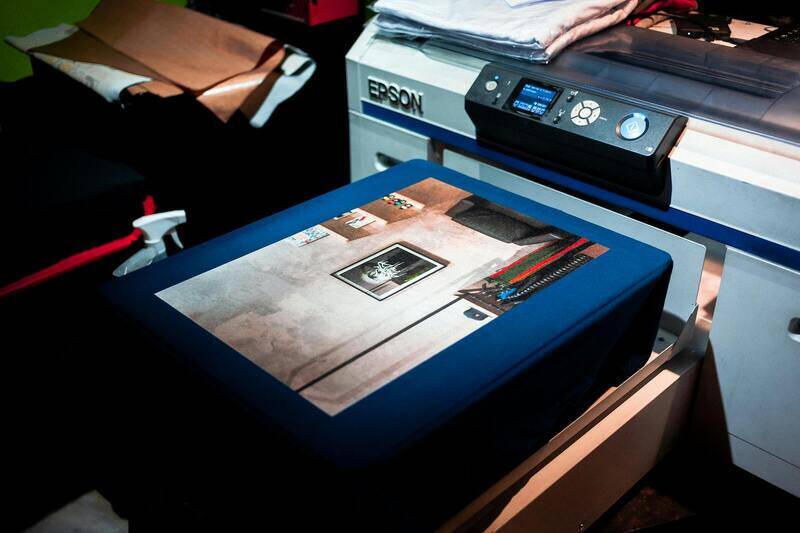
In a competitive business environment, rapid delivery of promotional materials, labels, signage, or detailed technical documents can be crucial for maintaining operational momentum and meeting tight deadlines. Fast print services cater to this need by integrating advanced printing technologies, optimized workflows, and dedicated resources to expedite the production process. This ensures that orders—ranging from small batches to large-scale projects—are completed within hours or a few days, rather than the traditional longer formats.
The importance of fast print extends beyond mere urgency; it plays a vital role in industries such as event management, retail, logistics, and marketing, where timely distribution of printed assets can influence operational success. These services often support a variety of printing formats, including digital printing, large-format printing, and specialized finishing options, to meet diverse client requirements efficiently.

By leveraging the latest technological advancements in printing, such as high-speed digital presses and streamlined production lines, fast print services can significantly reduce lead times. This efficiency allows clients not only to meet immediate project deadlines but also to adapt quickly to changing market demands, promotional campaigns, or urgent communication needs. The ability to produce high-quality prints swiftly fosters stronger business relationships and contributes to operational agility in today's fast-paced commercial landscape.
Overall, fast print services are a strategic asset for those seeking reliable, high-quality printing solutions delivered within tight schedules, ensuring that their print-based objectives are achieved without delay or compromise.
Key Technologies Behind Fast Print Services
Fast print services leverage cutting-edge technological innovations to deliver rapid turnaround times without compromising print quality. Central to these advancements are high-speed digital presses, which significantly increase production capacity. These digital presses utilize rapid data processing and precise ink application to produce high-resolution prints at an accelerated pace, making them ideal for short-run and digitally personalized projects.
Automation plays a crucial role in streamlining the entire printing process. Automated workflows encompass pre-press preparation, color management, and finishing operations, reducing manual intervention and minimizing errors. Automated printing lines enable continuous operation, ensuring that each step from paper feeding to drying and trimming occurs seamlessly, further boosting efficiency.
Digital workflow systems integrate design files directly into the printer’s operation, eliminating time-consuming steps like film creation and plate making common in traditional offset printing. This digital integration allows for instant adjustments, quick file updates, and simplified proofing, all of which contribute to faster project completion.
To uphold high quality standards, fast print services employ precision calibration tools and real-time monitoring systems. These technologies ensure color consistency, sharp image reproduction, and minimal waste, reinforcing the reliability of rapid printing solutions.

Advanced Finishing Equipment
Beyond printing devices, advanced finishing equipment enhances the overall speed of production. Automated binding, cutting, lamination, and coating machines are integrated into the workflow, enabling quick turnaround for complex projects like brochures, banners, and promotional materials. These systems support a variety of customization options, ensuring clients receive finished products that meet specific standards swiftly.
Optimized Digital Workflows for Efficiency
By employing software that automates pre-press preparations such as layout optimization and color profiling, print providers reduce setup times significantly. Cloud-based project management tools facilitate real-time collaboration and file sharing, ensuring that revisions and approvals are expedited. This digital environment enables a seamless transition from design to finished product, resulting in faster delivery schedules.
Definition and Overview of Fast Print
Fast print refers to the rapid production of printed materials through advanced digital printing technologies designed to minimize turnaround time without compromising quality. Unlike traditional printing methods which necessitate lengthy setup processes and production cycles, fast print leverages cutting-edge equipment and streamlined workflows to deliver high-quality outputs promptly. This service is particularly essential for businesses and organizations that require urgent, large-volume, or customized print jobs, such as marketing campaigns, event materials, and last-minute promotional items.
At its core, fast print prioritizes efficiency by integrating digital printing hardware with intelligent automation systems. These systems enable quick adjustments, rapid file processing, and immediate proofing, resulting in significantly reduced production timelines. The accessibility of fast print services makes it feasible for clients to meet tight deadlines while maintaining visual clarity and consistency across various print projects.
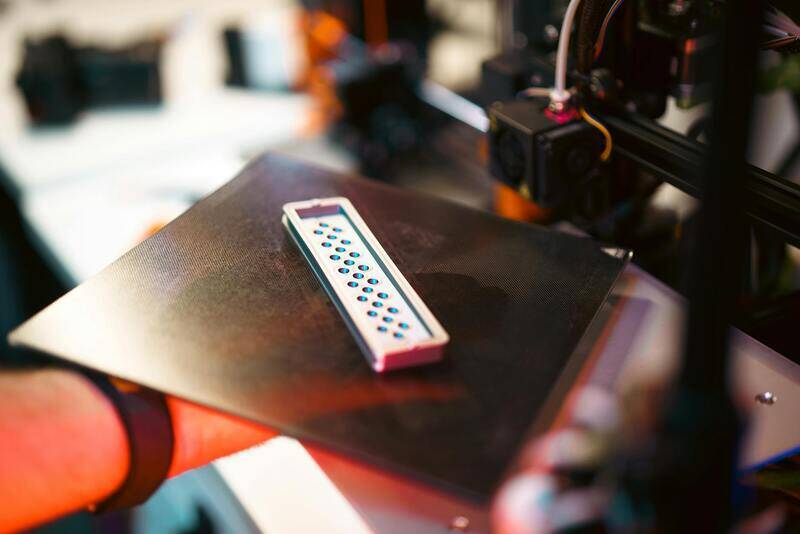
This approach to printing not only accelerates project completion but also fosters greater flexibility for on-the-fly modifications and short runs, ultimately enhancing overall operational agility for users. Consequently, fast print has become a cornerstone solution for contemporary printing needs where speed is a critical factor.
Key Technologies Behind Fast Print Services
The backbone of fast print services is a suite of sophisticated technologies that work together to expedite production while ensuring top-quality results. These include state-of-the-art digital presses, innovative automation systems, and intelligent workflow management tools that together streamline the entire printing process from start to finish.
- High-Speed Digital Printing Equipment: Modern digital presses utilize advanced electrophotographic and inkjet technologies capable of printing at higher speeds than conventional offset presses. These machines facilitate quick start-up times and rapid printing of short to medium runs, making them ideal for fast print solutions.
- Automation and Workflow Optimization: Automated pre-press processes, such as file preparation, color calibration, and layout adjustments, significantly reduce manual intervention. Cloud-based project management platforms enable seamless collaboration, revisions, and approval workflows, facilitating faster project turnarounds.
- Precision Calibration Tools and Real-Time Monitoring: Consistency in color and image quality is maintained through advanced calibration and monitoring systems. These tools detect any deviations during printing and automatically correct them, ensuring high standards are met consistently across all prints.
- Advanced Finishing Equipment: Automated cutting, binding, lamination, and coating machinery are integrated into the workflow, enabling quick completion of complex projects with minimal manual handling and time delays.
These technological advancements collectively ensure that fast print services can deliver large volumes with exceptional clarity, precision, and uniformity — all within remarkably short timeframes.
Factors Influencing Speed and Quality in Fast Print
Achieving rapid turnaround times without compromising quality requires meticulous management of multiple variables within the printing process. Several key factors inherently influence both the speed at which printing projects are completed and the resulting quality. Understanding these elements enables businesses to optimize their print workflows effectively.
Equipment Performance and Maintenance
The core of fast print services hinges on the capabilities of the employed printing machinery. High-performance digital presses equipped with the latest electrophotographic or inkjet technologies are essential for rapid output. Regular maintenance ensures these machines operate at peak efficiency, minimizing downtime and reducing the likelihood of print errors that can cause delays. Well-maintained equipment consistently delivers sharp images and vibrant colors, aligning with quality expectations even under tight deadlines.
Material Quality and Selection
The choice of printing substrates, including paper stocks and finishing materials, significantly impacts both speed and quality. Standardized, readily available media facilitate quicker setup and changeovers, enabling smoother workflow transitions. Additionally, premium quality materials prevent issues such as smudging, curling, or inconsistent color absorption, which could otherwise extend production times due to reprints or adjustments. Strategic selection of materials tailored for fast printing helps maintain high standards efficiently.
Pre-Press Preparation and Digital Workflow
Streamlined pre-press processes are vital to ensuring rapid production. Utilizing automated file preparation, including color calibration, bleed adjustments, and layout checks, minimizes manual interventions. Cloud-based collaboration platforms enable instant feedback and approvals, reducing waiting periods that typically stall progress. Quick and accurate pre-flight checks prevent errors from reaching the press, safeguarding both time and quality.
Operator Skill and Training
Proficient operators familiar with the nuances of fast print machines and digital workflows are crucial in maintaining speed. Skilled personnel can swiftly troubleshoot minor issues, make necessary adjustments, and optimize machine settings for individual projects. Continuous training and staying updated on the latest advancements in digital printing technology empower operators to maximize throughput without sacrificing output precision.
Workflow Automation and Integration
Automation plays a pivotal role in accelerating print production. Integrated systems that automatically load, print, and finish materials reduce manual handling and human error. For instance, automated cutting, binding, and coating equipment synchronize seamlessly with printing processes, dramatically reducing turnaround times. Consistent workflow integration not only speeds up delivery but also enhances consistency and quality across large batches.
Environmental and External Conditions
Environmental factors such as temperature and humidity can influence print quality and machine performance. Maintaining controlled conditions within the printing facility ensures that materials behave predictably, and equipment functions optimally. Proper environmental management supports swift production cycles and high-quality outputs, especially in high-volume or complex projects.

Definition and Overview of Fast Print
Fast print services are specialized printing solutions designed to meet tight deadlines without compromising on quality. Utilizing advanced digital printing technologies, these services enable businesses to produce high-quality outputs in significantly reduced timeframes. They are ideal for quick-turnaround projects such as promotional materials, event signage, last-minute marketing campaigns, and urgent business documentation. The core advantage of fast print lies in its ability to deliver customized printing solutions swiftly, ensuring clients can respond promptly to market demands or immediate business needs.
Key Technologies Behind Fast Print Services
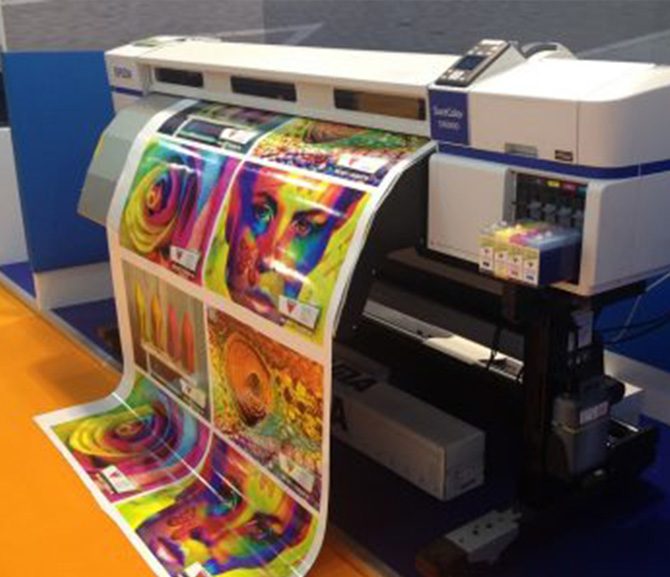
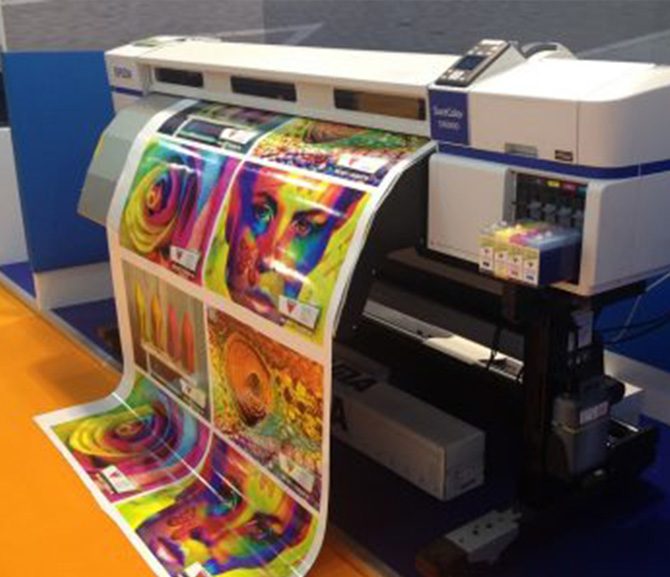
The backbone of rapid printing capabilities is the deployment of cutting-edge digital printing equipment. High-speed printers equipped with sophisticated print heads, advanced color management systems, and rapid ink drying technologies significantly expedite production cycles. Many services utilize continuous feed, roll-to-roll, or flatbed digital printers that can handle a diverse range of media types and thicknesses. Automation software integrated into the workflow orchestrates the sequence of printing, finishing, and packaging, eliminating manual errors and downtime. These technological innovations work synergistically to optimize throughput while maintaining color consistency and sharp detail management.
Benefits of Fast Print for Businesses
- Rapid Turnaround: Enables quick fulfillment of urgent orders, ensuring deadlines are met without delays.
- Flexibility: Facilitates on-demand printing that adapts to changing needs, reducing inventory pressure.
- Cost Efficiency: Minimizes waste and reduces the need for large stock, translating into cost savings, especially for small batch or variable data printing.
- Enhanced Customer Satisfaction: Provides clients with swift service, strengthening brand loyalty and competitive position.
- High-Quality Output: Maintains sharp resolution, vivid colors, and detailed images, even under tight deadlines.
Types of Printing Projects Suitable for Fast Print
Fast print services are particularly effective for a variety of project types that require immediate results. These include:
- Business Kiosks and Promotional Materials: Flyers, posters, banners, and leaflets for quick marketing campaigns or product launches.
- Event Signage and Displays: Last-minute signage, banners, and tabletop displays needed for conferences, trade shows, or community events.
- Business Documents and Reports: Urgent reports, proposals, or legal documentation with tight deadlines.
- Personalized Items: Customized greeting cards, photo prints, or labels that require fast processing.
- Emergency Printing Needs: Immediate printing of health, safety, or compliance-related materials.

Factors Influencing Speed and Quality in Fast Print
Several crucial elements determine the efficiency and output quality of fast print services. Understanding these factors helps businesses optimize their printing processes, ensuring rapid delivery without compromising quality. One of the primary considerations is the type and capacity of printing technology employed by the service provider. High-speed digital printers equipped with advanced features can significantly speed up production times, especially for large-volume projects. These machines enable rapid printing of detailed graphics and high-resolution images while maintaining sharpness and color accuracy.

Another vital aspect is the complexity and nature of the print job itself. Simple designs with minimal colors and graphics tend to print faster compared to complex, multicolored, or layered images. Additionally, the choice of paper or material can influence processing times. Certain substrates require more precision or specific handling that could impact overall speed. Thus, selecting compatible, easy-to-process materials enhances the throughput of fast print projects.
Prepress preparation is equally critical. Proper file setup, including resolution, color profiles, and file formats, reduces processing delays during printing. When files are optimized and free of errors, the workflow becomes streamlined, significantly cutting down turnaround times. An experienced production team can also make real-time adjustments to expedite printing while ensuring consistency and quality.
Environmental factors within the production environment, such as temperature, humidity, and workspace organization, impact printing speed and the quality of the finished product. Maintaining optimal conditions prevents issues like paper jams, smudging, or color inconsistencies, which can cause delays and additional costs. Therefore, a well-maintained, organized workspace with controlled environmental parameters fosters steady and reliable printing operations.

Furthermore, skilled operators who are trained in integrating fast print technology and troubleshooting issues play an essential role. Experienced staff can quickly resolve technical problems, adjust settings for optimal output, and ensure that each project adheres to deadlines. Continuous staff training and maintenance routines for equipment also underpin consistent speed and print quality.
Lastly, communication with the print service provider regarding project specifications and deadlines ensures seamless coordination. Clear instructions about materials, format requirements, and delivery timelines help prevent misunderstandings that could disrupt the workflow, ensuring that projects are completed swiftly and efficiently.
Definition and Overview of Fast Print
Fast print refers to the specialized printing service designed to deliver high-quality printed materials within significantly reduced timeframes. This service model prioritizes speed without compromising the precision, clarity, and durability of the final output. Typically utilized by businesses that require urgent branding materials, marketing collateral, or customer communications, fast print solutions integrate advanced workflows, technology, and skilled personnel to meet tight deadlines efficiently. These services are tailored to cater to both small-scale projects like business cards and large-scale campaigns such as catalogs or promotional banners, making them crucial for time-sensitive operations across diverse industries.
Key Technologies Behind Fast Print Services
Behind the efficiency of fast print services lie cutting-edge technologies that facilitate rapid turnaround times while maintaining high standards of quality. Among these, digital printing stands out due to its ability to produce shorter runs more quickly and with less setup time compared to traditional methods. Laser and inkjet printers equipped with high-speed capabilities allow for quick processing of large volumes without sacrificing detail or color accuracy.
Automation is another pivotal technology that streamlines the entire printing process, from file preparation to finishing. Automated workflow management systems can handle multiple jobs simultaneously, prioritize tasks based on deadlines, and reduce human intervention, minimizing delays caused by manual errors. In addition, advanced sorting, binding, and finishing equipment allow for rapid completion of complex projects, ensuring that the final product is ready for delivery or distribution swiftly.

Benefits of Fast Print for Businesses
Implementing fast print solutions offers substantial advantages for businesses seeking agility in their marketing and operational activities. Firstly, speed ensures that promotional campaigns are launched on schedule, enhancing market responsiveness and competitiveness. A quick turnaround also accommodates last-minute adjustments or urgent orders, which is particularly vital during peak sales seasons or unexpected opportunities.
Moreover, fast print services reduce inventory costs by enabling just-in-time production. Businesses can avoid overstocking and minimize waste, aligning production closely with demand. The ability to produce sample batches or limited editions rapidly enables better market testing and product validation, fostering innovation and customer engagement.
In terms of branding, fast print accelerates the deployment of consistent visual messaging across multiple channels, reinforcing brand recognition. It also enhances customer satisfaction by fulfilling urgent requests swiftly, thereby strengthening client relationships and fostering loyalty. Overall, the integration of fast print channels fortifies operational flexibility and responsiveness, critical elements for successful business growth in competitive markets.
Types of Printing Projects Suitable for Fast Print
- Business Cards and Stationery – Essential for quick rebranding or last-minute networking events.
- Flyers and Brochures – Ideal for campaign launches needing prompt distribution.
- Event Materials – Including posters, banners, and tickets for conferences or promotional events.
- Packaging and Labels – Custom labels or packaging updates in tight timelines.
- Promotional Items – Such as fabric printing, tote bags, or customized merchandise requiring rapid turnaround.
Projects that fall within these categories benefit most from fast print services due to their often urgent nature and the high standards expected in appearance and durability. For intricate or large-volume projects, professional consultation ensures that speed does not overshadow quality expectations.
Factors Influencing Speed and Quality in Fast Print
The efficiency of fast print relies heavily on several interconnected factors. The primary consideration is the choice of technology; digital printing methods enable quick setup and changeovers, which are essential for short deadlines. Equipment calibration and maintenance also play a crucial role, as well-maintained machinery operates at optimal speeds and produces consistent results without interruptions.
File preparation is another vital aspect. Correctly formatted files, appropriate resolution, and accurate color profiles prevent delays caused by last-minute adjustments. Fast communication with the print provider ensures that any potential issues are addressed promptly before production begins, minimizing unexpected setbacks.
Environmental controls within the production facility, such as temperature and humidity regulation, help maintain consistent quality, preventing common printing errors like smudging or misalignment that could slow down the process. Finally, skilled operators capable of troubleshooting and optimizing equipment settings contribute significantly to meeting tight deadlines while maintaining high standards.
Choosing the Right Fast Print Service Provider
Selecting a reputable and experienced fast print provider involves evaluating several key criteria. First, assess the technological capabilities of their equipment; the presence of advanced digital presses, finishing machinery, and automation features indicates preparedness for rapid turnaround projects.
Next, consider their experience with similar projects and their ability to handle diverse printing needs without compromising quality. Customer testimonials and case studies can provide insights into their reliability and consistency in meeting deadlines.
Effective communication and transparency regarding pricing, timelines, and project scope are vital. A provider that offers clear guidance on file preparation and provides updates throughout the production process promotes a smooth workflow.
Finally, examining their commitment to quality control measures and environmental standards ensures that the final product will meet your expectations and adhere to best practices in sustainable printing. A well-rounded service provider combines technological expertise, operational efficiency, and excellent customer service to deliver fast print solutions tailored to your business requirements.
Industry Trends and Future of Fast Print in Singapore
As the demand for rapid and reliable printing solutions continues to grow in Singapore’s dynamic business landscape, the industry is witnessing significant innovations that shape the future of fast print services. Advances in digital technology, automation, and integrated workflow management are driving the evolution of faster, more efficient printing processes that meet increasingly tight deadlines without compromising quality.
One notable trend is the integration of artificial intelligence (AI) and machine learning (ML) algorithms into printing equipment. These technologies enable printers to optimize job queues, predict maintenance needs, and automatically adjust settings for maximum efficiency. Consequently, print providers can handle complex or high-volume projects with minimal delays, ensuring faster turnaround times.
Furthermore, the adoption of cloud-based management systems has revolutionized project coordination. Clients can now upload files seamlessly, monitor progress remotely, and receive updates in real-time. This transparency reduces the possibility of miscommunications and streamlines the entire printing process, resulting in quicker deliveries.
Automation extends beyond digital presses to include finishing processes such as cutting, binding, and lamination. Automated finishing ensures that each project adheres to high standards while significantly reducing production time. As these systems become more sophisticated, print providers can confidently offer same-day or next-day turnaround services for a wide range of applications.
Environmental sustainability also plays an increasingly prominent role. The integration of eco-friendly inks, recyclable materials, and energy-efficient machinery aligns with Singapore’s commitment to sustainable development. These eco-conscious choices not only appeal to environmentally-aware clients but also optimize operational efficiency, contributing to faster and cleaner print processes.
Looking ahead, the evolution of print technologies suggests a future where customization and personalization become more accessible through rapid production. Rapid prototyping, on-demand personalized marketing materials, and bespoke packaging are expected to flourish, driven by the capabilities of fast print systems that can produce small batches with quick turnarounds.
Additionally, the industry will likely see more collaboration between hardware manufacturers and software developers, fostering innovations that further reduce production times. The proliferation of integrated workflows, driven by smart automation and AI, promises to elevate the speed, quality, and versatility of fast print services in Singapore, enabling businesses to respond swiftly to market demands and capitalize on emerging opportunities.